
A fiberglass pool shell arrives on a flatbed truck already fully formed. The pool is one solid piece from the factory. There is no on-site forming, no curing, and no waiting weeks for the structure to set. That single fact changes everything about the installation timeline and what can go wrong.
| Photo | Best Above-Ground Pools | Price |
|---|---|---|
|
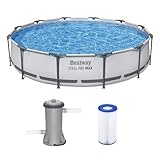
Bestway Steel Pro MAX 12' x 30" Above Ground Swimming Pool Set with Pump | Check Price On Amazon |
|
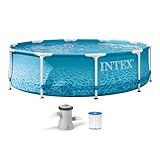
INTEX Beachside Metal Frame 10ft x 30in Round Pool Set w/Pump | Check Price On Amazon |

|
H2OGO! Kids Splash-in-Shade 8-Foot Round Steel Frame Above Ground Pool with Water Mister and Canopy Sunshade, Green Tropical Leaf Print | Check Price On Amazon |
The typical fiberglass pool installation takes 2 to 4 weeks from excavation to swimmable water. Compare that to 3 to 6 months for a concrete pool. This guide walks through every phase of the fiberglass pool installation process, from the site survey before the dig to the final deck pour and startup.
By the Numbers
Fiberglass Pool Installation — What the Research Shows
Sources: Pool & Hot Tub Alliance, industry installer surveys, manufacturer warranty data
What Is the Fiberglass Pool Installation Process?
A fiberglass pool installation is the process of excavating a hole, placing a pre-manufactured fiberglass pool shell into the excavation, backfilling around it, connecting plumbing and electrical, and finishing the surrounding deck. The shell arrives at the site as one complete unit. It already has the steps, benches, and swim-out ledges molded into it.

- Intelligent Navigation with Full Coverage: Equipped with 11 high-precision sensors and enhanced dual-path algorithms. The optimized WavePath cleaning pattern ensures systematic coverage with minimal overlap, while adaptive navigation analyzes pool layout in real time to eliminate missed spots
- Dual Filtration for Crystal-Clear Water: Advanced dual-layer filtration system features a replaceable 3-micron ultra-fine filter paired with a 180-micron standard filter. Effectively captures fine dust, sand, leaves, and debris for visibly cleaner and healthier pool water
- Comprehensive Pool Cleaning: Engineered to clean the pool floor, walls, waterline, and shallow areas (above 12 inches). The Caterpillar Treads system enhances mobility and climbing ability, ensuring thorough coverage across all pool zones
- Reliable Performance with 2-Year Warranty: Trusted by over 500,000 pool owners worldwide, this robotic pool cleaner delivers consistent, high-performance results. Built for durability and backed by a 2-year warranty and responsive customer support for worry-free ownership
The shell is made from fiberglass-reinforced polyester resin with a gel coat surface. This gel coat is the smooth, non-porous interior finish that gives fiberglass pools their low-maintenance reputation. Unlike a concrete pool that needs plastering and acid washing, a fiberglass shell needs no interior finish work after it is set.
According to the Pool & Hot Tub Alliance (PHTA) technical standards, fiberglass pool shells must meet ANSI/APSP/ICC-5 2011 requirements for structural design and manufacturing. Every shell rated for inground use carries a structural warranty of 25 to 50 years from the manufacturer. That warranty depends entirely on proper installation.
The installation process has distinct phases. Site preparation comes first. Then excavation and base preparation. Then the shell delivery and setting. Then backfilling, plumbing, and electrical. Then the deck and coping. Then filling, startup, and chemical balancing. Each phase has specific requirements that protect the shell and the warranty.
Step-by-Step Guide
The Fiberglass Pool Installation — 7 Major Phases
7 phases · 2 to 4 weeks total depending on weather and crew schedule
Site Survey and Permitting
Survey crew marks utilities, confirms pool layout, and obtains local building permits before any digging starts.
Excavation and Base Preparation
Excavator digs the hole to match the pool shell shape, then a bedding layer of gravel or sand is leveled with laser precision.
Shell Delivery and Crane Setting
The truck delivers the shell and a crane lifts it off the truck and lowers it carefully into the prepared excavation.
Backfilling and Simultaneous Water Fill
Crew backfills around the shell with gravel or sand while simultaneously filling the pool with water to equalize pressure and prevent shell distortion.
Plumbing, Electrical, and Equipment Setup
All plumbing lines, the pump, filter, heater, and electrical connections are installed at the equipment pad and connected to the pool shell.
Decking and Coping Installation
Concrete, pavers, or stone decking is poured or placed around the pool, and coping is installed at the pool rim to create the finished edge.
Final Fill, Chemical Startup, and Handover
Pool fills completely, equipment starts up, water chemistry is balanced, and the installer walks you through system operation.
How Long Does Fiberglass Pool Installation Take From Start to Finish?
A fiberglass pool installation takes 2 to 4 weeks from the day excavation starts to the day the pool is filled and swim-ready. The actual shell setting happens in a single day. Most of the timeline is consumed by permitting, excavation, backfilling, concrete deck work, and the curing time required between those phases.
Weather is the biggest variable. Rain delays excavation and prevents concrete pours. Frozen ground halts digging entirely in cold climates. A summer installation in dry weather can complete in 14 days flat. A spring installation with rain delays can stretch to 5 or 6 weeks. For comparison, a gunite pool installation typically runs 3 to 6 months site to swim, as detailed in our complete guide to gunite pool construction and costs.
This timeline assumes the installer already has the shell in stock or delivery scheduled. Some shell models and colors have a 4 to 8 week manufacturing lead time before delivery. That lead time runs parallel to the permitting phase. A good installer orders the shell when the contract is signed so it arrives right when excavation finishes.
Here is a realistic day-by-day breakdown for a straightforward installation. Day 1 is excavation. Days 2 to 3 cover base preparation. Day 4 is shell delivery and setting. Days 4 to 7 include backfilling with simultaneous water fill. Days 8 to 14 cover plumbing and electrical rough-in. Day 15 to 18 is concrete formwork and pour. Days 19 to 21 are concrete curing. Day 22 is final fill and startup. Read our full breakdown of inground pool construction timelines for a complete schedule comparison across all pool types.
What Happens Before the Pool Shell Arrives?
Three things must happen before the excavator breaks ground. First, a site survey confirms the exact pool location, identifies all underground utilities, and checks for easements or setbacks. Second, building permits are obtained from the local municipality. Third, any underground obstacles like septic lines, drainage pipes, or ledge rock are identified and a plan is made for dealing with them.
The site survey uses ground-penetrating radar or utility locating services to mark gas, electric, water, and sewer lines. Hitting a gas line during excavation is a five-figure repair and a life-threatening emergency. This step is never optional. The survey also confirms the pool will sit at the correct elevation relative to the house, property lines, and any retaining walls or drainage swales.
Permitting requirements vary by municipality but typically require a plot plan showing pool location, setbacks from property lines, equipment pad location, and electrical bonding details. Some jurisdictions also require a soils report. The installer handles most of this. If you are considering a DIY approach, our analysis of DIY inground pool kits and their real costs explains why permitting is the phase where most owner-builders hit their first serious roadblock.
What Equipment and Crew Show Up on Installation Day?
A fiberglass pool installation crew typically numbers 4 to 6 workers. The crew includes an excavator operator, a crane operator (or rigging specialist), laborers for backfill and plumbing, and a site supervisor. The supervisor is the person who verifies that the hole is dug to the correct depth, the base is laser-leveled, and the shell is set within tolerance.
The heavy equipment includes a full-size excavator (not a mini-excavator), a crane or boom truck rated for the shell weight, dump trucks for spoil removal, and a skid steer or compact track loader for backfill material placement. A typical 16-by-35-foot fiberglass shell weighs 2,000 to 3,500 pounds. The crane must be sized for that load plus a safety margin at the required reach distance from the street to the excavation.
Also on site are concrete vibrators for consolidating backfill, laser levels for grade verification, and water trucks or hoses for simultaneous water fill. The water fill runs concurrently with backfilling. This is the single most critical technical detail in the entire installation. It prevents the shell from bowing inward under the pressure of the backfill material. The water level inside the pool must stay equal to or slightly above the backfill level outside at all times.
How Is the Pool Shell Set Into the Excavation?
The crane lifts the shell off the delivery truck using nylon lifting straps attached to factory-installed lifting points. The shell is rotated in the air and lowered gently into the prepared excavation. The excavation is dug slightly larger than the shell on all sides, typically 12 inches wider and 6 inches deeper than the shell dimensions. This extra space allows workers to enter the hole and guide the shell into position.
The shell sits on a bedding layer of clean crushed stone or sand that has been leveled with a laser transit to a tolerance of 1/8 inch across the entire pool floor. This bedding layer is 4 to 6 inches thick. It provides a uniform support base that prevents stress points on the shell floor. Any high or low spot in the bedding layer concentrates stress and can cause gel coat cracking over time.
Once the shell is in the hole, the crew checks level in both directions using a high-precision laser level. The shell must be level within 1/4 inch over the entire length. An out-of-level shell creates an obvious waterline that is higher on one side. It cannot be corrected after backfilling. This is also when the equipment pad is placed, usually 15 to 25 feet from the pool, and the plumbing trench is dug connecting the pad to the shell’s pre-installed plumbing stub-outs.
What Backfilling and Plumbing Happen After the Shell Is Placed?
Backfilling is the most technically demanding phase of fiberglass pool installation. The material used is either clean 3/4-inch crushed stone or a sand-and-gravel mix. Never soil, never clay, and never material with organic content. Organic material decomposes over time and creates voids. Voids remove support from the shell wall. Unsupported walls can crack under the combined weight of water and saturated soil.
The backfill material is placed in lifts of 12 to 18 inches. Each lift is compacted with a concrete vibrator or water-jetting to eliminate air pockets. Compaction must be thorough but gentle. Aggressive mechanical compaction with a jumping jack tamper right against the shell wall can crack the fiberglass. Most installers use vibration or water settling for the material directly adjacent to the shell and reserve mechanical compaction for material farther from the walls.
Plumbing is installed concurrently with backfilling. The return lines, skimmer line, main drain line, and any water feature lines are all run through the backfill zone to the equipment pad. Fiberglass pool shells have plumbing stub-outs pre-installed at the factory. The installer connects PVC plumbing to these stub-outs using glued joints that must be pressure-tested before backfill covers them. All plumbing uses schedule 40 PVC rated for pool service. Flexible PVC is sometimes used for short connections. Rigid PVC is always preferred for long straight runs because it resists sagging and maintains proper slope for drainage.
Electrical work runs in parallel with plumbing. The pool must have a bonding grid that connects the pool shell’s metal components, the water itself (via a water bond fitting), the equipment, and any metal within 5 feet of the pool edge. This bonding grid is a bare copper wire, 8 AWG minimum, that creates an equipotential plane. It prevents electrical shock hazards. A licensed electrician must perform this work and it must pass inspection before the deck is poured.
Key specifications for the equipment pad plumbing and electrical include a variable speed pump running at 1,500 to 2,400 RPM sized for your pool volume, a cartridge or sand filter sized for at least 8-hour turnover, and a salt chlorine generator if you choose saltwater sanitization. The bonding wire, all equipment, and the electrical panel must be accessible for inspection before the deck pour.
How Is the Pool Filled and Started Up?
Pool filling usually starts during backfilling to equalize pressure. Once backfilling is complete, the pool is filled to the midpoint of the skimmer opening. For a 16-by-35-foot pool with an average depth of 5 feet, that is approximately 16,000 to 18,000 gallons of water. Filling from a standard garden hose at 5 to 10 GPM takes 24 to 60 hours. Many installers arrange a water truck delivery to speed this to a single day. You can estimate your own timeline using our pool fill time calculator to determine exactly how long your garden hose will take.
Once the pool is full, the equipment is started. The pump primes, flow is verified at all return jets, and the filter is put into service. The installer checks for leaks at every plumbing joint both visually and with a pressure gauge on the filter. Clean filter pressure on a properly sized system runs 8 to 14 PSI with a pool filter pressure gauge installed on the filter head. Pressure 25% above that clean baseline signals a problem that must be addressed before the deck goes in.
Chemical startup follows immediately. The installer balances pH to 7.4 to 7.6, total alkalinity to 80 to 120 ppm, and calcium hardness to 200 to 400 ppm for fiberglass pools. Chlorine or a salt system is started to achieve 2 to 4 ppm free chlorine. Cyanuric acid is added to 30 to 50 ppm if using chlorine in an outdoor pool. The installer should provide a written startup report with all readings. A liquid drop test kit like the Taylor K-2006 gives free chlorine and pH readings accurate to 0.2 ppm. Test strips cannot provide the precision needed for startup verification.
What Concrete Decking and Coping Options Complete the Pool?
The pool deck is poured after the backfill settles. Most installers wait 3 to 7 days between backfill completion and concrete formwork to allow the backfill material to settle naturally. Pouring concrete immediately over unsettled backfill produces cracked concrete within the first year.
Coping is the finished edge at the pool rim where the deck meets the water. For fiberglass pools, cantilevered concrete coping is the most common choice. The concrete extends over the pool edge by 1 to 2 inches, creating a clean finished look without a separate coping stone. Other options include precast concrete coping stones, natural stone coping (travertine or bluestone), and paver coping installed on a concrete collar. The coping style affects both the finished appearance and the long-term seal at the pool rim where water, ice, and debris meet the shell edge.
Concrete decks need control joints cut within 24 to 48 hours of the pour. These joints control where cracking occurs as the concrete cures and experiences thermal expansion and contraction. A typical 4-inch-thick concrete deck around a pool uses 3,000 to 4,000 PSI concrete with fiber mesh reinforcement or welded wire mesh. The deck must slope away from the pool at 1/4 inch per foot to direct rainwater away from the pool water. Any deck section over 12 feet in any dimension needs an expansion joint. For alternative decking options that can affect your overall budget, our pool liner replacement cost comparison covers how different finish choices impact long-term expenses.
What Are the Most Common Fiberglass Pool Installation Mistakes?
The most common installation failure is inadequate compaction of backfill material around the deep end walls. This produces a bulge in the pool wall that appears months or years after installation. The second most common mistake is setting the shell out of level by more than 1/2 inch. This produces a visibly uneven waterline that cannot be corrected without draining and re-setting the pool.
Another common error involves plumbing pressure testing. Many installers skip the pressure test because backfilling and plumbing happen simultaneously and they are in a hurry. A joint that holds under no pressure can leak under 20 PSI of pump pressure. The leak may be small and slow, losing only an inch of water per week. That inch is 100 to 300 gallons in a typical pool. A leak under the concrete deck is extremely expensive to repair because it requires cutting concrete to reach the plumbing.
Using the wrong backfill material is also common and destructive. Clay soil expands when wet and exerts pressure far greater than crushed stone. Over time, expanding clay backfill pushes against the shell wall with enough force to cause gel coat crazing. Crazing is a network of fine surface cracks in the gel coat that does not leak but looks terrible and reduces the pool’s longevity. Once crazing occurs, repair requires draining, sanding, and re-coating the gel coat, a $5,000 to $10,000 job on a medium-sized pool.
Fiberglass Pool Installation Cost Breakdown
The total installed cost of a fiberglass pool ranges from $45,000 to $85,000 for a complete installation including the shell, delivery, excavation, crane, backfill, plumbing, electrical, equipment, deck, and startup. The shell itself costs $15,000 to $35,000 depending on size and features like built-in spas, tanning ledges, or bench configurations. Installation labor and materials add $30,000 to $50,000 depending on local labor rates, soil conditions, and deck size. For a more precise estimate tailored to your project, you can use our dedicated inground fiberglass pool cost calculator to see how different sizes and features impact the final price.
Cost Breakdown
Fiberglass Pool Installation — Cost by Phase
Estimated ranges for a 16 x 35 foot pool. Prices vary by region and soil conditions.
$18,000 to $28,000
$3,000 to $6,000
$3,000 to $8,000
$3,000 to $6,000
$4,000 to $8,000
$4,000 to $9,000
$7,000 to $15,000
$3,000 to $5,000
Estimates based on national averages. Rocky soil, high water table, or remote location access can increase excavation costs by 50% or more.
Cost overruns on fiberglass pool installations most often come from three sources. Unexpected rock during excavation adds $2,000 to $10,000 if hammering or blasting is required. High groundwater requiring dewatering adds $1,500 to $4,000. And deck upgrades from basic broom-finished concrete to stamped concrete, pavers, or travertine can add $5 to $25 per square foot, or $5,000 to $25,000 for a 1,000-square-foot deck.
For a semi-inground installation that reduces excavation depth and deck costs, our semi-inground pool guide covering costs, types, and trade-offs explains how partial burial changes both the installation process and the final price tag by $10,000 to $20,000 compared to a full inground installation.
Fiberglass vs Concrete vs Vinyl Liner Installation Compared
Use the table below to compare fiberglass, concrete, and vinyl liner pool installation across the dimensions that matter most during the construction phase.
Product Comparison
Installation Comparison — Fiberglass vs Concrete vs Vinyl Liner
Side-by-side comparison of the three major inground pool types during construction.
| Feature | Fiberglass | Concrete (Gunite) | Vinyl Liner |
|---|---|---|---|
| Installation time | 2 to 4 weeks | 3 to 6 months | 4 to 8 weeks |
| Structure formed | Factory pre-molded | On-site sprayed concrete | Panel walls, site-built |
| On-site curing needed | None | 28 days minimum | None |
| Interior finish work | None (gel coat built in) | Plaster, pebble, or tile | Vinyl liner installation |
| Heavy equipment | Excavator, crane, skid steer | Excavator, concrete pump, shotcrete rig | Excavator, skid steer |
| Custom shapes | Limited to manufacturer molds | Fully custom | Moderately custom |
| Surface smoothness | Gel coat, very smooth | Plaster, slightly rough | Vinyl, smooth |
Installation times assume normal weather and no major unexpected site conditions.
How to Choose a Fiberglass Pool Installer
A fiberglass pool shell is only as good as the crew that installs it. The best shell on the market will fail structurally within 5 years if the backfill is not compacted correctly or the pool is set out of level. Choosing an installer is the most important decision in the entire process.
Look for an installer who has been in business for at least 5 years under the same company name. Ask how many fiberglass pools they have installed total, not just how many they install per year. A company that has installed 200 pools over 10 years has seen every possible soil condition, weather situation, and equipment challenge. A company that has installed 20 pools has not. Request to see photos of their last 10 installations, including excavation, backfill, and finished deck photos for each one.
Verify that the installer carries general liability insurance of at least $1 million and workers’ compensation insurance. Request certificates of insurance naming you as an additional insured. If the installer is not insured and a worker is injured on your property, your homeowner’s insurance covers the claim. If the installer damages a utility line during excavation and is not insured, you pay for the repair. These are not hypothetical risks. They happen on pool installations every season.
Buying Guide
Before You Hire — Fiberglass Pool Installer Checklist
Check off each point before signing a contract with any installer.
What Are Common Myths About Fiberglass Pool Installation?
Myth vs Fact
Fiberglass Pool Installation — Common Myths Debunked
Separating fact from fiction on the most common fiberglass pool misconceptions
✗ Myth
Fiberglass pools pop out of the ground when the water table rises.
✓ Fact
A properly installed fiberglass pool with a hydrostatic drain or well point will not float. Floating only occurs when the pool is emptied for cleaning or repair without managing groundwater pressure. Never drain a fiberglass pool below the water table level without dewatering the surrounding soil first.
✗ Myth
Fiberglass pools have limited shapes and all look the same.
✓ Fact
Major manufacturers now offer 30 to 50 distinct shell shapes with integrated spas, tanning ledges, deep-end swim-outs, and sun shelves. While shapes are limited to what fits on a truck (16 feet wide maximum), the variety available today is far larger than 20 years ago. Custom shapes are still the domain of concrete pools.
✗ Myth
Fiberglass pools cannot be installed in cold climates.
✓ Fact
Fiberglass pools are installed in Canada and the northern United States every year. The key is proper winterization. Water is drained below the skimmer and returns, plumbing is blown clear, and the pool is covered. The fiberglass material itself has a coefficient of thermal expansion compatible with freeze-thaw cycling when properly backfilled with crushed stone that drains freely.
✗ Myth
A fiberglass pool shell can be installed by any excavator with a backhoe.
✓ Fact
Fiberglass pool installation requires specific training and experience with backfill compaction, simultaneous water fill, and laser leveling. The manufacturers of major brands like Latham, Leisure Pools, and River Pools certify installers after documented training and track installations. Hiring a non-certified installer voids most manufacturer warranties.
✗ Myth
Fiberglass pools are much cheaper than concrete.
✓ Fact
The initial installation cost of a fiberglass pool ($45,000 to $85,000) overlaps significantly with a basic concrete pool ($50,000 to $100,000). The cost advantage of fiberglass comes over the life of the pool. Fiberglass pools do not need acid washing, replastering ($8,000 to $15,000 every 10 to 15 years), or more aggressive chemical consumption to control algae on a porous surface. The 20-year total cost of ownership is typically $15,000 to $25,000 lower for fiberglass.
What Type of Soil Is Best for a Fiberglass Pool Installation?
Well-draining sandy or gravelly soil is the best soil type for fiberglass pool installation. It drains freely, compacts predictably, and exerts minimal lateral pressure on the pool shell. The backfill material of 3/4-inch crushed stone bonds naturally with sandy native soil, creating a stable drainage envelope around the entire pool.
Clay soil is the most challenging native soil for fiberglass pools. Clay expands when wet and shrinks when dry. This seasonal movement exerts variable pressure on the pool walls. In clay soil conditions, the installer must over-excavate the hole by an additional 12 to 18 inches in all directions and backfill the entire envelope with crushed stone. This stone envelope isolates the shell from the expansive clay and provides a drainage path for groundwater. The additional excavation and stone add $3,000 to $6,000 to the installation cost but prevent gel coat stress cracking from soil movement.
Rocky soil adds excavation cost but provides excellent long-term stability once the rock is removed and the hole is backfilled with stone. High water table conditions require a well point or sump pump running continuously during excavation and shell setting to keep the hole dry. The well point is typically removed after backfill is complete and the pool water weight holds the shell securely in place.
Do You Need a Permit for a Fiberglass Pool Installation?
Yes, every inground pool installation in the United States requires a building permit. The permit process typically takes 2 to 6 weeks depending on the municipality. Permit requirements include a site plan showing pool location, setbacks from property lines and structures, equipment pad location, and electrical bonding details. Some jurisdictions also require a soils report, a drainage plan, and an engineer’s stamp on the site plan.
The permit triggers inspections at multiple stages of the installation. A typical fiberglass pool installation requires at least three inspections. The first inspection checks the excavation depth and the bonding grid before backfill. The second inspection verifies the electrical bonding and equipment pad installation. The third inspection is the final inspection after the deck is complete and the pool is operational. Each inspection must pass before work proceeds to the next phase. A failed inspection stops work and rescheduling can add a week or more to the timeline.
How Does Winter Weather Affect the Installation Schedule?
Fiberglass pool installations can proceed in winter in regions where the ground does not freeze solid. In the southern United States, winter is often the busiest installation season because demand is high and weather is mild. In the northern United States, installations typically stop between November and March when frozen ground prevents excavation and concrete cannot cure properly.
Concrete deck work has a minimum temperature requirement of 40 degrees Fahrenheit and rising. Concrete poured below 40 degrees will not cure correctly. The hydration reaction that gives concrete its strength essentially stops at freezing temperatures. If a winter installation is attempted, the concrete contractor must use heated blankets, calcium chloride accelerators, or both. These winter concreting measures add cost and complexity. Most installers prefer to schedule deck work for spring through fall and complete shell installation and backfill in late fall, then pour the deck when temperatures rise.
Can a Fiberglass Pool Be Installed on a Slope?
A fiberglass pool can be installed on a slope with proper engineering. Slopes under 5% grade require minimal additional work beyond standard excavation. Slopes between 5% and 15% require a retaining wall on the downhill side to create a level pad for the pool and deck. Slopes over 15% require engineered retaining walls and may need piers or caissons for the pool foundation.
The retaining wall is the single largest cost adder for a sloped site. A small retaining wall 3 feet tall and 40 feet long costs $5,000 to $10,000. A large retaining wall 6 feet tall and 60 feet long costs $15,000 to $30,000. The wall must be designed by a structural engineer and permitted separately from the pool. Drainage behind the retaining wall is critical. Without proper drainage, hydrostatic pressure builds behind the wall and can cause failure. This is not a corner to cut.
What Happens If Something Goes Wrong During Installation?
The most common installation problems have specific fixes. A shell set out of level by more than 1/2 inch requires re-lifting with the crane, correcting the bedding layer, and re-setting. This adds a day to the schedule but is fixable if caught before backfill. A plumbing leak found during the pressure test requires cutting out the failed joint and re-gluing. This is a straightforward repair if caught before the deck pour covers the plumbing trench.
A shell crack found after delivery is rare but must be addressed immediately. Minor gel coat scratches are repaired with a gel coat patch kit applied by the installer. The gel coat repair kit includes color-matched resin and hardener. Structural cracks that penetrate the fiberglass laminate require a manufacturer’s field repair by a certified fiberglass technician. These repairs involve grinding out the damaged area, laying up new fiberglass mat and resin, and re-coating with gel coat. A properly executed structural repair restores the shell to full strength and the manufacturer typically extends the warranty on the repaired area.
Why Does My Fiberglass Pool Shell Need Water During Backfill?
The simultaneous water fill during backfill is the single most important technical requirement in fiberglass pool installation. Without water inside the shell, the weight and pressure of the backfill material pushes the shell walls inward. A 12-inch lift of crushed stone backfill exerts approximately 40 to 60 pounds per square foot of lateral pressure. Over the entire wall area of a 16-by-35-foot pool, that pressure totals thousands of pounds pushing inward.
The water inside the pool exerts equal outward pressure. When the water level inside matches the backfill level outside, the net force on the shell wall is approximately zero. The shell experiences almost no stress during backfilling when water and backfill rise together. This is why installers run a hose into the pool at the same time they are placing backfill material. The water level must stay at or slightly above the backfill level at all times. A difference of more than 12 inches between interior water level and exterior backfill level risks shell deformation.
What Is the Difference Between a Cantilever Edge and Traditional Coping?
Cantilever concrete coping means the concrete deck extends over the pool rim by 1 to 2 inches, creating a clean edge with no separate coping stone. The pool rim has a pre-formed lip that the concrete is poured against. Foam forms or removable forms create the overhang. This is the most common fiberglass pool finish because it is simple, cost-effective, and produces a seamless look between deck and water.
Traditional coping uses separate stones, bricks, or precast concrete pieces placed on top of the pool rim and mortared in place. The deck concrete or pavers then abut the back of the coping stones. Traditional coping offers more design flexibility and material choices. Travertine, bluestone, and precast bullnose coping are all common options for fiberglass pools. The cost difference is significant. Cantilevered concrete coping is included in the deck pour cost. Traditional stone coping adds $15 to $40 per linear foot, or $1,500 to $5,000 for a typical pool perimeter of 100 to 125 linear feet.
Can I Install a Fiberglass Pool Myself?
Manufacturer warranty coverage requires installation by a certified installer. Installing the pool yourself voids the structural warranty on the shell. The shell warranty is the single most valuable part of the fiberglass pool purchase. It covers structural failure for 25 to 50 years. Giving that up to save on installation labor is a decision that almost never makes financial sense when measured against the cost of fixing a structural failure out of pocket.
The equipment and skills required for proper installation are not typical DIY capabilities. Hiring a crane, operating an excavator with the precision required to dig a contoured hole to within 1 inch of the shell shape, laser-leveling a bedding layer to 1/8 inch tolerance, and managing simultaneous water fill and backfill compaction are all skilled-trade operations. One mistake in any of these steps creates a problem that costs more to fix than the installation labor would have cost in the first place.
How Do I Know If My Fiberglass Pool Was Installed Correctly?
A correctly installed fiberglass pool has these five observable characteristics. First, the waterline is perfectly level when the pool is full. Stand at one end of the pool and sight down the waterline. It should match the coping or tile line within 1/4 inch over the entire pool length. Second, there is no visible bowing or waviness in the pool walls when viewed from the side in good light. Third, the pump runs at its design flow rate with clean filter pressure between 8 and 14 PSI. Fourth, there are no soft spots or settling in the deck concrete within the first year. Fifth, the pool does not lose more than 1/4 inch of water per week when not in use, which is normal evaporation for most climates. You can track whether your water loss is in the normal range by using a swimming pool evaporation rate calculator to estimate expected evaporation based on your local conditions.
If any of these conditions are not met in the first season after installation, contact the installer immediately. Document the issue with photos and measurements. Most installer warranties cover installation defects for 1 to 5 years. Shell manufacturer warranties cover structural defects for the full warranty term. The two warranties are separate. An installation defect that causes a shell failure may fall under the installer’s workmanship warranty rather than the manufacturer’s structural warranty. Knowing which warranty covers which problem matters when filing a claim.
For most fiberglass pool owners, the installation process is a short disruption followed by decades of low-maintenance swimming. The gel coat surface resists algae adhesion, chemical consumption is lower than concrete pools, and the flexibility of the fiberglass material absorbs minor ground movement that would crack a rigid concrete shell. The installation day itself is memorable. Watching a crane lower an entire swimming pool into the ground in one piece is something no concrete pool owner ever experiences. For that installation day to lead to decades of reliable service, every phase before and after the crane arrival must be executed with precision.
| Photo | Best Above-Ground Pools | Price |
|---|---|---|
|
|
Bestway Steel Pro MAX 12' x 30" Above Ground Swimming Pool Set with Pump | Check Price On Amazon |
|
|
INTEX Beachside Metal Frame 10ft x 30in Round Pool Set w/Pump | Check Price On Amazon |
|
|
H2OGO! Kids Splash-in-Shade 8-Foot Round Steel Frame Above Ground Pool with Water Mister and Canopy Sunshade, Green Tropical Leaf Print | Check Price On Amazon |