
Most pool builders will tell you a fiberglass pool takes two to four weeks to install and a concrete pool takes eight to twelve weeks. Those numbers are accurate only if every subcontractor shows up on time, the weather cooperates, and the permit office processes your application without delays.
Real-world construction timelines stretch anywhere from four weeks for the simplest fiberglass installation to over twenty weeks for a complex gunite pool in a busy market. This guide breaks down exactly what happens during each phase, what causes the most common delays, and how different pool types compare day by day rather than week by week.
| Photo | Best Above-Ground Pools | Price |
|---|---|---|
|
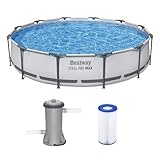
Bestway Steel Pro MAX 12' x 30" Above Ground Swimming Pool Set with Pump | Check Price On Amazon |
|
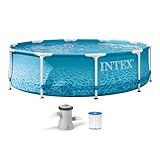
INTEX Beachside Metal Frame 10ft x 30in Round Pool Set w/Pump | Check Price On Amazon |

|
H2OGO! Kids Splash-in-Shade 8-Foot Round Steel Frame Above Ground Pool with Water Mister and Canopy Sunshade, Green Tropical Leaf Print | Check Price On Amazon |
By the Numbers
Inground Pool Construction — What the Timelines Really Look Like
Sources: Pool & Hot Tub Alliance, pool builder trade surveys, permit office processing data
What Determines How Long an Inground Pool Takes to Build?
Three factors control the construction timeline more than the pool type itself: permitting speed, excavation conditions, and the builder’s current project load. A fiberglass pool ordered in August for a fall installation may sit in a warehouse for weeks while the crew finishes summer projects.
Permitting is the single most underestimated source of delays. In Sarasota, a standard residential pool permit processes in two to three weeks. In Los Angeles County, the same permit can take eight to ten weeks if the planning department has a backlog.

- Intelligent Navigation with Full Coverage: Equipped with 11 high-precision sensors and enhanced dual-path algorithms. The optimized WavePath cleaning pattern ensures systematic coverage with minimal overlap, while adaptive navigation analyzes pool layout in real time to eliminate missed spots
- Dual Filtration for Crystal-Clear Water: Advanced dual-layer filtration system features a replaceable 3-micron ultra-fine filter paired with a 180-micron standard filter. Effectively captures fine dust, sand, leaves, and debris for visibly cleaner and healthier pool water
- Comprehensive Pool Cleaning: Engineered to clean the pool floor, walls, waterline, and shallow areas (above 12 inches). The Caterpillar Treads system enhances mobility and climbing ability, ensuring thorough coverage across all pool zones
- Reliable Performance with 2-Year Warranty: Trusted by over 500,000 pool owners worldwide, this robotic pool cleaner delivers consistent, high-performance results. Built for durability and backed by a 2-year warranty and responsive customer support for worry-free ownership
Soil conditions during excavation can add days or weeks to any pool project. Hitting bedrock, groundwater, or buried debris turns a one-day dig into a multi-day operation. A standard 16-foot by 32-foot pool excavation in soft Florida sand might finish by noon. The same size excavation in rocky Texas Hill Country soil can take three days with a hydraulic breaker attachment.
The builder’s current project queue is the third critical variable. A pool contractor running six simultaneous projects cannot devote full crews to any single site. The actual work on your pool happens in bursts across multiple weeks as different trade crews rotate through.
Survey Data
What Actually Causes Pool Construction Delays — Builder Survey Results
Source: Pool & Spa News builder survey · n=340 pool contractors responding
Fiberglass Pool Installation Timeline: 2 to 4 Weeks
A fiberglass pool shell arrives on a flatbed truck as a single pre-manufactured piece. The timeline compresses because the pool structure itself requires no on-site construction or curing time.
Week one covers excavation, base preparation, and crane placement of the shell. The hole is dug to within a few inches of final grade using a laser level, then a sand or gravel bed is screeded flat. A crane lifts the shell off the truck and sets it into the excavation in under an hour.
The shell arrives with the plumbing stub-outs and light niches already molded in. This happens because fiberglass pools are built in a factory mold where every penetration is precisely located before the gel coat and laminate layers are applied. On-site plumbing connections take one to two days rather than the week required to plumb a gunite pool from scratch.
Week two fills the pool with water while the crew backfills around the shell. Water is added simultaneously with backfill material to equalize pressure. This prevents the shell from bowing inward under soil load. The backfill is compacted in lifts and the over-dig area around the pool is graded.
Week three installs the equipment pad, completes electrical connections, and pours the concrete coping or installs the paver deck. The final week adds interior finish work, startup chemicals, and the final inspection. For a detailed walkthrough of each step in this process, see our guide on the fiberglass pool installation process explained step by step.
Key Specifications: Shell manufacturing lead time is 4 to 8 weeks before installation starts. The shell itself cures at the factory for several days. On-site work totals roughly 12 to 18 working days.
Vinyl Liner Inground Pool Timeline: 4 to 8 Weeks
Vinyl liner pools use a site-built wall system with a custom-fabricated vinyl sheet stretched inside as the waterproof membrane. The wall structure goes up fast, but liner fabrication and the concrete floor add time.
Week one excavates and installs the wall panels. Steel, polymer, or aluminum wall panels are set on a concrete footing around the perimeter. The panels bolt together and are braced with earth backfill outside the walls.
Week two pours the concrete or vermiculite floor and installs the main drain and return plumbing. The floor trowels to a smooth finish because any imperfection will be visible through the vinyl liner. Floor curing takes a minimum of three days before liner installation can proceed.
The liner itself is fabricated off-site to the exact measurements of the completed shell. Measuring happens after the walls and floor are finished because the liner must fit within a half-inch tolerance. Fabrication typically takes one to two weeks.
Week three or four installs the liner on a warm, sunny day. Vinyl becomes pliable above 70°F, allowing installers to stretch it into place without wrinkles. A vacuum is drawn behind the liner to pull it tight against the walls and floor while the coping strips are installed. For details on what liner replacement involves and what it costs when the time comes, read our guide on inground pool liner replacement cost and process.
The remaining weeks install the equipment pad, electrical connections, decking, and complete the filling process. Water is added slowly to allow the liner to stretch gradually rather than shock-loading the seams.
Gunite and Concrete Pool Timeline: 8 to 12 Weeks Minimum
Concrete pools take the longest because the structure must be built from zero on-site and curing time is non-negotiable. Gunite, a dry-mix shotcrete applied through a high-pressure hose, requires at least seven days of curing before any finish work can begin.
Week one excavates and installs the steel rebar grid. The rebar is tied in a grid pattern with closer spacing at stress points like corners and steps. Plumbing stub-outs are positioned and secured to the rebar cage. A building inspector must approve the steel placement before gunite application.
Week two applies the gunite. A high-pressure hose sprays a dry cement-sand mixture combined with water at the nozzle. A crew of four to six technicians shapes the material by hand to form the pool shell, benches, steps, and spa if included. The shell must be kept damp during curing to prevent cracking.
Weeks three and four are dedicated curing time. Gunite reaches roughly 70 percent of its design compressive strength after seven days of moist curing. The full 28-day cure is required before plaster or aggregate finishes can be applied. Skipping this cure time is the cause of delamination failures that require costly resurfacing.
Weeks five through eight install plumbing, electrical bonding, equipment, tile, coping, and the interior finish. Plaster or pebble aggregate finishes require additional curing before the pool can be filled. The fill itself takes one to two days depending on water pressure and pool volume. For a complete breakdown of what gunite construction involves, see our gunite pool guide covering what it is, what it costs, and how it compares to other pool types.
Step-by-Step Construction Phase Breakdown Across All Pool Types
Step-by-Step Guide
How an Inground Pool Gets Built — Phase by Phase
8 phases · Total duration varies by pool type
Permitting and Approvals: 2 to 8 Weeks
Submit site plan, structural drawings, and electrical load calculations to the local building department. HOA approval if applicable adds one to four weeks.
Layout and Excavation: 1 to 3 Days
Paint outline on ground, dig to specified depth with over-dig clearance. A standard 16 ft by 32 ft pool excavation produces roughly 80 to 120 cubic yards of spoils requiring off-site disposal.
Structure Installation: 1 Day to 2 Weeks
Fiberglass: crane-set shell, 2 to 4 hours. Vinyl liner: wall panels and bracing, 2 to 3 days. Gunite: rebar tie and shoot, 3 to 5 days total on-site work.
Plumbing and Electrical Rough-In: 2 to 5 Days
Install suction lines, return lines, main drain piping, skimmer connections, bonding grid, and equipment pad conduit. All plumbing must hold 25 to 30 PSI air pressure for inspection.
Curing Period: 0 to 28 Days
Fiberglass: no cure needed. Vinyl liner floor: 3 to 7 days. Gunite shell: 7 days minimum moist cure, 28 days full cure before interior finish application.
Coping, Tile, and Interior Finish: 5 to 10 Days
Install coping stones, waterline tile, and interior surface. Plaster crews apply a 3/8-inch coat of white plaster or pebble aggregate in a single continuous operation. The surface must be acid-washed and filled immediately after curing.
Decking and Hardscape: 5 to 15 Days
Form and pour concrete deck, or lay paver base and set pavers. Concrete deck requires 3 to 7 days of curing before heavy use. Paver decks are usable immediately after compaction.
Startup, Chemicals, and Final Inspection: 2 to 4 Days
Fill pool, balance water chemistry to pH 7.4 to 7.6 and free chlorine 2 to 4 ppm, run equipment at full speed for 48 hours, and pass final building inspection.
How Long Does Pool Decking and Hardscape Add to the Timeline?
Decking is the most frequently underestimated timeline component. A simple four-foot concrete collar around the pool can be formed and poured in three days. A 1,200-square-foot paver deck with intricate patterns, retaining walls, and integrated planters can extend the project by three to four weeks.
Concrete decks require form-setting, rebar or wire mesh installation, pouring, finishing, and curing. The pour itself is one day. The curing period before furniture placement or heavy foot traffic is a minimum of three days and ideally seven days for full compressive strength.
Paver decks avoid curing time but add base preparation complexity. A proper paver installation requires excavation of 6 to 8 inches of soil, installation of a geotextile fabric, placement and compaction of 4 to 6 inches of crushed stone base, a 1-inch sand setting bed, paver laying and cutting, and final compaction with polymeric sand swept into the joints. This process takes a crew of three at least five working days for a medium-sized deck.
Planning your pool deck? Use our pool deck cost calculator to estimate your project budget.
Fiberglass vs Concrete vs Vinyl Liner: Timeline Comparison
Product Comparison
Fiberglass vs Concrete vs Vinyl Liner — Construction Timeline Side by Side
Use the table below to compare estimated construction durations across all three major inground pool types.
| Construction Phase | Fiberglass | Concrete/Gunite | Vinyl Liner |
|---|---|---|---|
| Permitting | 2-8 weeks | 2-8 weeks | 2-8 weeks |
| Excavation | 1-2 days | 1-3 days | 1-3 days |
| Structure/Shell | 1 day (crane set) | 3-5 days (rebar + gunite) | 2-3 days (wall panels) |
| Plumbing rough-in | 1-2 days | 2-3 days | 2-3 days |
| Curing time | None required | 7-28 days | 3-7 days (floor) |
| Interior finish | Factory-applied gel coat | 2-3 days (plaster/pebble) | 1 day (liner install) |
| Decking | 5-15 days | 5-15 days | 5-15 days |
| Total on-site (working days) | 12-18 days | 30-50+ days | 20-35 days |
Working days reflect actual days with crews on site. Calendar duration stretches longer due to gaps between trade rotations, inspections, weather, and curing periods.
For a deeper comparison of installation methods and long-term ownership costs, see our side-by-side analysis of concrete pool vs fiberglass pool installation compared across every meaningful metric.
What Is the Fastest Way to Get an Inground Pool?
A fiberglass pool installed by a builder who has the shell in stock and a crew with an open schedule can be swimming in fourteen days from excavation start. The key word is installed by a builder — not a DIY project.
DIY inground pool kits advertise faster timelines because they eliminate the contractor scheduling variable. In practice, a homeowner working weekends with rented equipment and no prior excavation experience will take three to six months to complete what a professional crew finishes in three weeks. For an honest look at what kit pools actually require, read our breakdown of DIY inground pool kits covering what they cost and whether they work.
If speed is your absolute priority and you cannot wait for a full inground installation, a semi-inground pool installs in one to two weeks and can be partially buried to achieve an inground look. These pools use a hybrid wall system that handles backfill without a full concrete footing. See our semi-inground pool guide covering costs, types, and pros and cons for the full comparison.
When Is the Best Time of Year to Build an Inground Pool?
The best time to start construction is early fall in warm climates and late spring in cold climates. Fall builds in Florida, Texas, and Arizona benefit from lower humidity, drier soil conditions, and builders with shorter project queues after the summer rush.
Spring builds in northern states let the ground thaw and dry out before excavation. Starting in March or April means the pool is finished by early summer, avoiding the peak season when every homeowner simultaneously wants a pool installed by Memorial Day.
Seasonal Guide
Pool Construction — Best Months by Region
Optimal construction windows based on climate and contractor availability
Limited or not recommended
What Delays Pool Construction the Most?
Permitting is the number one delay, reported by 78 percent of pool builders as a frequent cause of project extensions. A permit application sits in a municipal queue until a plans examiner reviews it. If the examiner finds issues with the site plan, structural details, or electrical load calculations, the application goes back for revision and re-enters the queue at the bottom.
Weather interruptions are the second most common delay. Rain stops excavation because heavy equipment cannot operate safely in mud and trench walls collapse when saturated. An afternoon thunderstorm in Florida can stop work for the rest of the day. A week of steady rain can push a project back by two weeks as the site dries out enough for equipment to return.
Subcontractor scheduling creates gaps between trade phases. The plumbing crew finishes on Tuesday, but the electrical crew cannot return until the following Monday. The tile contractor is on another job until Thursday. These one-day-to-one-week gaps accumulate across a project and can add three to five weeks to the calendar duration without any change in actual working days.
How to Shorten Your Pool Construction Timeline
Get your permit application submitted before you sign the construction contract, if your builder allows it. A permit applied for in December will be approved and waiting when you break ground in March. A permit applied for in March will be approved sometime in April or May, right when every other homeowner in the county is also trying to start construction.
Have all material selections finalized before excavation begins. Choosing waterline tile, coping style, interior finish color, and deck material during construction guarantees delays. The tile you want is out of stock for three weeks. The coping stone needs to be ordered from a quarry with a two-week lead time. Make every selection during the contract phase so materials arrive before crews need them.
Schedule your project for the builder’s shoulder season, not peak season. Every pool contractor has more work than they can handle from May through August. The same builder who quotes twelve weeks in June may complete the identical pool in eight weeks when started in September, simply because crews are not being pulled between six active projects simultaneously.
How Long After Construction Can You Swim in a New Inground Pool?
Fiberglass pools can be swum in immediately after filling and chemical balancing is complete, typically 24 to 48 hours after the hose stops running. The factory-cured gel coat surface requires no additional curing or brushing.
Gunite pools with plaster finishes require a 28-day startup procedure called the bicarbonate startup method or traditional acid startup. During the first week, the pool must not be used by swimmers because the plaster surface is still releasing calcium hydroxide into the water while it cures. Brushing the surface twice daily for the first seven to ten days is mandatory to prevent plaster dust from hardening into scale on the new surface.
Vinyl liner pools can be swum in as soon as the water level reaches the middle of the skimmer opening and the pump is running, typically 24 to 36 hours after filling begins. The liner does not need to cure because it is a factory-fabricated sheet. However, the water should be tested and balanced to pH 7.4 to 7.6 and free chlorine 2 to 4 ppm before swimmers enter.
What Is the Average Pool Construction Timeline in Busy Markets?
In high-demand markets like South Florida, Southern California, and the Dallas-Fort Worth metroplex, pool construction timelines routinely run 16 to 24 weeks from contract signing to swimming. This is not because the pools are more complex. It is because every trade contractor in the region is booked solid and each phase of work sits waiting for the next available crew.
In smaller markets with fewer active pool builders, timelines can be shorter or longer depending on whether the local builders are at capacity. A small town with two pool contractors who each take eight projects per year may have a twelve-month waiting list even though the actual construction only takes eight weeks.
The single best question to ask any builder before signing a contract is not how long will construction take but how many projects do you have underway right now and when can your excavation crew actually break ground on my property.
Does a Pool Cage or Screen Enclosure Add Time to the Build?
A screen enclosure, common in Florida and other insect-heavy regions, adds two to four weeks to the overall project timeline. The enclosure cannot be installed until the pool deck is complete because the vertical supports anchor into the concrete or paver surface.
The enclosure contractor measures the deck after it is finished, fabricates the aluminum frame and screen panels, and then installs the structure over one to three days. The measurement-to-installation gap is typically two to three weeks while the frame components are cut and welded to the specific dimensions of your deck and pool shape.
Quick Reference
Pool Construction — Key Terms Explained
Quick reference for the terms used throughout this guide
A dry-mix concrete material applied through a high-pressure hose where water is added at the nozzle. Used for building concrete pool shells on-site.
A wet-mix version of gunite where the concrete is pre-mixed with water before pumping. Same end result, different application method.
The finished edge cap installed on top of the pool wall where it meets the deck. Available in precast concrete, natural stone, or cast-in-place concrete.
A network of copper wire embedded in or attached to the pool shell and deck that equalizes electrical potential to prevent shock hazards. Required by NEC Article 680.
A lightweight, trowel-applied cementitious material mixed with expanded vermiculite aggregate used as the floor base in vinyl liner pools.
The smooth, colored, waterproof surface layer applied to the mold side of a fiberglass pool shell during manufacturing. It is the finished interior surface.
The excavated soil and material removed from the pool hole during digging. Must be hauled off-site by dump truck unless used elsewhere on the property for grading.
The months just before and after peak pool building season. Typically September-October and February-March in warm climates, when builder availability improves.
How Much Does Rushing a Pool Construction Cost?
Paying a premium for an expedited build is rarely possible with reputable contractors. Most builders will not bump one customer ahead of another regardless of the money offered because it destroys their reputation and creates scheduling chaos across multiple project sites.
What does happen is that rushed installations produce defects. Concrete poured without proper sub-base compaction settles and cracks within the first year. Gunite cured for five days instead of seven develops shrinkage cracks that leak. A vinyl liner installed on a cold day stretches during summer and develops wrinkles that cannot be removed. A pool startup chemical kit applied without waiting for proper fill volume creates chemical imbalances that take weeks to correct.
The pool industry axiom is accurate: you can have it fast, you can have it good, and you can have it cheap. You get to pick two of the three. Fast and good is expensive. Good and cheap is slow. Fast and cheap produces a pool you will regret.
What Should You Ask a Builder About the Construction Timeline Before Signing?
Buying Guide
Before You Sign — Pool Builder Timeline Questions
Check off each point before committing to a construction contract.
Do Different Pool Shapes Change the Construction Timeline?
Freeform and custom-shaped pools add time to every phase of construction. A rectangular pool has four straight walls, four corners, and predictable plumbing runs. A freeform pool has curved walls that require more complex formwork, rebar bending, and tile cutting.
Excavation for a freeform shape takes longer because the operator must follow a painted outline with tight curves rather than digging straight lines between corner stakes. Rebar installation for curved walls requires field-bending each bar to match the radius. Waterline tile on a curved wall requires cutting nearly every tile to follow the arc.
The timeline difference between a simple rectangle and a complex freeform with a raised spa, tanning ledge, and grotto waterfall can be two to four additional weeks. The added complexity also increases the likelihood of change orders and inspection issues that further extend the schedule.
What Happens If a Pool Build Extends Beyond the Estimated Completion Date?
Most construction contracts include a force majeure clause that excuses delays caused by weather, material shortages, and permit office backlogs. This clause means the builder is not in breach of contract if rain stops work for two weeks or if the paver supplier cannot deliver for ten days.
Some contracts include a liquidated damages provision that specifies a daily or weekly credit to the homeowner if the builder fails to meet a specified completion date without a force majeure excuse. These provisions are rare in residential pool contracts because builders resist fixed completion guarantees in an industry where so many delay factors are outside their control.
If your builder has missed the estimated completion date by more than four weeks with no weather or permit-related explanation, the most effective action is a face-to-face meeting at the project site with the company owner. Email chains and phone calls are easy to ignore. A homeowner standing next to an unfinished pool with a copy of the contract in hand commands attention.
How Does Access to the Backyard Affect Construction Speed?
Limited access for excavation equipment is one of the fastest timeline multipliers that nobody discusses during the sales process. A standard Bobcat mini-excavator needs a minimum clearance of 36 inches to access a backyard. If your side yard gate is narrower, the contractor must use a smaller machine, hand-dig portions of the pool, or remove a section of fence.
Using a compact excavator that fits through a narrow gate takes roughly twice as long to dig the same hole as a full-size machine. Hand-digging sections near walls or utilities adds a full day or more to excavation. A crane setting a fiberglass shell needs overhead clearance free of power lines and tree branches.
Material delivery adds time when access is poor. Concrete trucks need a clear path to within roughly 120 feet of the pool for a standard pump truck. Beyond that distance, a line pump must be scheduled, which adds cost but not necessarily time. Gravel, sand, and backfill material delivered by dump truck require a staging area accessible from the street.
Is Building an Inground Pool in Winter Faster or Slower?
Winter builds in warm climates like Florida, Texas, and Arizona are often faster than summer builds because contractors have shorter project queues and more available crews. The same excavation crew that is spread across six projects in July may be working only two projects in January, meaning they arrive sooner and stay longer on each site.
In cold climates, winter construction is either impossible or dramatically slower. Frozen ground requires ground-thawing equipment before excavation can begin. Concrete and gunite cannot be placed when the ambient temperature drops below 40°F without heated enclosures and chemical accelerators. Curing concrete generates its own heat through hydration, but the surface must be protected from freezing for a minimum of 72 hours.
The standard advice in cold climates is to complete excavation and the shell before the ground freezes, then pause construction until spring for interior finishes, decking, and startup. This approach means the project spans four to five calendar months but only involves six to eight weeks of active work.
How Long Does It Take to Build a Pool With a Spillover Spa?
Adding an integrated spa to a pool build adds one to two weeks to the construction timeline. The spa requires its own plumbing loop, separate equipment (typically a dedicated jet pump and blower), additional rebar and gunite work, and a more complex tile and coping transition between the spa and pool.
The spa shell is usually shot at the same time as the pool shell on gunite projects, but the additional plumbing and equipment connections add two to three days to the rough-in phase. The tile work around the spillover edge and spa dam wall requires precision cutting that adds another day or two to the tile installation phase.
On fiberglass pool installations, adding a spa typically means installing a separate fiberglass spa unit or building a site-constructed gunite spa adjacent to the fiberglass pool. The combination of two different construction methods on the same project adds complexity and at least one additional week to the schedule.
How Long Does the Actual Filling Process Take?
Filling a 20,000-gallon pool with a standard garden hose delivering roughly 6 to 9 gallons per minute takes 37 to 56 hours of continuous flow. Two hoses running simultaneously cut that time in half. Most builders use one or two hoses and let the pool fill over two to three days while monitoring the water level to prevent overflow.
To calculate the exact fill time for your pool’s volume and hose flow rate, try our pool fill time calculator.
A water truck delivery service can fill a 20,000-gallon pool in roughly four to six hours using multiple 3,000-gallon to 4,000-gallon tanker trucks. Truck delivery costs $400 to $900 depending on the water source and distance but eliminates the multi-day fill delay. Some builders include truck fill in their contract for gunite pools because the new plaster surface should not be exposed to air for an extended period after the acid wash.
How Long Does a Fiberglass Pool Shell Last Before It Needs Replacement?
This question matters because it determines whether the faster fiberglass timeline carries a hidden long-term cost. Fiberglass pool shells carry structural warranties of 25 to 50 years from manufacturers like Thursday Pools, Latham, and Viking. The gel coat surface typically lasts 15 to 20 years before requiring refinishing with a new gel coat application, which takes two to three days rather than a full replacement.
Gunite pools last 50-plus years structurally but require resurfacing every 10 to 15 years. A plaster resurface takes roughly two to three weeks including draining, surface preparation, application, curing, and refill. Over a 50-year ownership period, a gunite pool will be out of service for several months of cumulative resurfacing time.
Can You Speed Up a Gunite Pool Build by Using Additives or Accelerators?
Calcium chloride accelerators can reduce the initial set time of gunite from several hours to under one hour, but they do not reduce the required curing period before interior finish application. The seven-day moist cure is driven by the hydration reaction of portland cement, and accelerating the set time does not accelerate the strength gain curve.
High-early-strength cement can achieve in three days what standard cement achieves in seven days, but very few pool builders use it because it costs 20 to 30 percent more than standard Type I/II cement and requires precise temperature control during mixing. The pool construction industry overwhelmingly uses standard cement mixes with conventional curing timelines.
The structural bond between gunite and plaster depends on the gunite achieving sufficient tensile strength before the plaster is applied. This happens because plaster bonds mechanically to the open pore structure of cured gunite. If plaster is applied to under-cured gunite, the bond strength is compromised and delamination becomes likely within the first five years.
What Role Do Inspections Play in the Construction Timeline?
A typical residential pool build requires three to five inspections: pre-gunite (steel and plumbing before the shell is shot), bonding and electrical, pre-deck (plumbing pressure test), final electrical, and final building inspection. Each inspection introduces a potential two-day to five-day gap between completing the work and the inspector arriving on site.
If an inspection fails, the correction is made and the inspection must be rescheduled, adding another two-day to five-day gap. A failed pre-gunite inspection for improper rebar spacing or missing bonding clamps can add a full week to the project because the inspector’s next available slot is already booked for other sites.
Builders who use private third-party inspectors rather than municipal inspectors can sometimes schedule same-day or next-day inspections. This advantage alone can shorten a project by one to two weeks compared to a builder who relies on a backlogged municipal inspection department.
How Far in Advance Should You Start Planning for Pool Construction?
Start the planning process six to twelve months before your desired swim date. This timeline allows for design revisions, HOA approval (if applicable), permit processing, material ordering, and construction with buffer time for weather and scheduling delays.
A homeowner who contacts a builder in January for a pool they want by Memorial Day is already behind schedule in most markets. The same homeowner who starts in the previous September has time to compare three to five builders, finalize a design, submit permits by November, and break ground in March with a completed pool by early May.
The six-to-twelve-month planning window also allows you to lock in pricing before the annual spring price increases that most builders implement as demand peaks. A contract signed in October at the previous year’s pricing can save $3,000 to $8,000 on a $60,000 pool compared to signing in April at the new year’s rates.
For a detailed project estimate to help with budgeting, use our inground pool cost calculator.
Why Does Gunite Need to Cure So Long While Fiberglass Does Not?
Gunite cures through a chemical reaction called hydration where water molecules react with calcium silicates in the cement to form a crystalline structure that gives concrete its strength. This reaction is slow and requires continuous moisture. The first seven days are the most critical period for strength development, and the reaction continues at a decreasing rate for 28 days and beyond.
Fiberglass pools cure at the factory through a different chemical process. The polyester or vinyl ester resin is catalyzed with methyl ethyl ketone peroxide (MEKP), which triggers cross-linking of the polymer chains. This reaction completes in hours, not days. The shell is fully cured and structurally stable before it leaves the manufacturing facility.
This difference in curing mechanisms is the single largest factor in the timeline gap between fiberglass and concrete pool construction. If the 28-day cure requirement on gunite could be eliminated, concrete pools could be built nearly as fast as fiberglass. No technology currently exists that safely eliminates this requirement while maintaining the structural properties that make concrete pools last 50-plus years.
Does a Saltwater Pool System Add Construction Time?
A saltwater chlorine generator (SWCG) adds no meaningful time to the construction schedule. The salt cell is plumbed into the return line at the equipment pad during the normal plumbing phase. The electrical connection to the control panel is made during the normal electrical phase.
The salt itself is added after the pool is filled and the pump is running. Dumping 400 to 600 pounds of pool-grade salt into a 20,000-gallon pool takes roughly 30 minutes, and the salt dissolves completely within 24 hours of circulation. The SWCG is activated after the salt is fully dissolved and the water is balanced to pH 7.4 to 7.6, total alkalinity 80 to 120 ppm, and calcium hardness 200 to 400 ppm.
Keep a salt level test kit or digital salinity meter on hand during startup to verify the salt concentration reaches the manufacturer’s specified range, typically 2,700 to 3,400 ppm.
How Long Does Pool Equipment Installation Take?
The equipment pad installation takes one to two working days. Setting a variable speed pool pump like the Pentair IntelliFlo, a cartridge filter, and a gas pool heater on a pre-poured concrete pad involves plumbing the connections, running the electrical conduit, and wiring the automation panel.
The equipment pad is typically one of the last items completed because the plumbing rough-in must pass pressure testing before equipment is connected. Connecting equipment before the plumbing lines are tested and approved risks damaging the pump if debris enters the lines.
Automation systems add roughly half a day to the equipment installation because the control panel must be mounted, wired to each piece of equipment, and programmed. A pool automation system controlling the pump, heater, lights, and valve actuators requires roughly twenty to thirty individual wire connections that each must be landed on the correct terminal and tested.
How Long Does a Pool Remodel or Renovation Take Compared to a New Build?
A full pool renovation including new plaster, tile, coping, and equipment typically takes four to six weeks, which is roughly half the time of a new concrete pool build. The renovation is faster because the shell and plumbing already exist and the work focuses on surface replacement and equipment upgrades.
A simple replaster with no tile or coping work can be completed in two to three weeks. The existing plaster is chipped out over one to two days, the surface is prepared, new plaster is applied in a single day, and the pool is filled and started up over the following week to ten days.
The most common renovation timeline extension occurs when chip-out reveals structural cracks that require epoxy injection or rebar repair before replastering. These repairs add three to five days each and are impossible to identify before the old plaster is removed.
For a full breakdown of what your remodel will cost, see our pool renovation cost calculator.
What Is the Difference Between a Pool Builder’s Timeline Estimate and a Realistic Timeline?
A builder’s timeline estimate typically describes the working days required if every phase started the day after the previous phase completed. A realistic timeline accounts for the gaps between trade rotations, the days lost to weather, the time spent waiting for inspections, and the delays caused by material lead times.
Multiply a builder’s working-day estimate by 1.5 to 2.0 to arrive at a realistic calendar duration. A pool that the builder says is 25 working days will realistically occupy 38 to 50 calendar days. This multiplier is not a sign of dishonesty. It reflects the unavoidable reality that crews do not arrive on consecutive days and that some days on the calendar are simply lost to conditions beyond anyone’s control.
The builder who estimates 90 days calendar time for a gunite pool is probably more experienced and more honest than the builder who estimates 45 days. The longer estimate accounts for the real-world gaps and delays that the shorter estimate pretends do not exist. Read our detailed breakdown of the full inground pool installation timeline for additional context on what each phase involves.
How Long After the Pool Is Filled Can You Turn On the Heater?
For plaster and aggregate finishes, the heater should remain off for a minimum of 14 to 21 days after filling. Heating new plaster water accelerates the calcium hydroxide release from the curing surface, which can cause plaster dust to precipitate as scale on the heater exchanger and throughout the plumbing.
For fiberglass and vinyl liner pools, the heater can be used immediately after the water is balanced and the pump has been running long enough to purge air from the plumbing. This typically means 24 to 48 hours after filling is complete.
Before firing a gas pool heater for the first time, verify that the filter is clean and the pump is delivering full flow. A heater firing with insufficient water flow will trip the high-limit switch or, in severe cases, damage the heat exchanger. Most heaters require a minimum of 30 to 40 GPM flow to operate safely.
Can You Build an Inground Pool in a Flood Zone and Does It Take Longer?
Building in a flood zone adds two to four weeks to the timeline primarily due to additional engineering, permit review, and construction requirements. The pool shell must be designed to resist hydrostatic uplift forces when the surrounding soil is saturated. This requires a hydrostatic relief valve in the main drain sump and, in some jurisdictions, an engineered dewatering system around the pool shell.
FEMA flood zone compliance requires the pool deck to be at or above the base flood elevation in some zones. This may require bringing in fill dirt to raise the grade around the pool, which adds excavation and compaction time. The additional fill must be placed in lifts and compacted to 95 percent of maximum dry density before the deck can be poured.
How Does a Steep or Sloped Backyard Change the Pool Build Timeline?
A sloped yard adds one to three weeks to construction compared to a flat lot. The slope requires a retaining wall on the downhill side of the pool or a raised bond beam on the uphill side. Both options add structural complexity, engineering review time, and construction phases that do not exist on a flat site.
Excavation on a slope requires the operator to cut a level bench into the hillside. The cut side often needs shoring or a permanent retaining structure to prevent soil collapse. The fill side requires engineered compaction because the pool shell will sit partially on native soil and partially on compacted fill, and differential settlement must be prevented.
Drainage around the pool becomes critical on a slope and adds time to both the design and construction phases. Surface water flowing down the slope must be intercepted and diverted around the pool, not under it. This typically requires french drains, swales, or channel drains that are installed during the deck construction phase.
What Happens to the Construction Timeline If You Change Your Mind Mid-Build?
A change order during construction adds time in three ways: the work already completed may need to be partially demolished or modified, the new materials may have lead times that were not accounted for in the original schedule, and the inspector may need to return to approve the changed work.
Changing the waterline tile after the original tile has been installed adds a minimum of three days: one day to remove the existing tile, one day to prepare the surface, and one day to install the new tile. Changing the interior finish color after the plaster crew has already scheduled your job can push your finish date back by two weeks because the crew’s next available opening is now two weeks away.
The most expensive change order in terms of time is changing the pool shape after excavation or the shell has been built. On a gunite pool, this means chipping out the portion of the shell to be modified, re-tying the rebar, and re-shooting that section. This adds a minimum of two weeks and sometimes requires a new engineering review and permit amendment.
The pool building process rewards decisions made before construction begins. Every choice finalized during the design phase is a choice that does not add weeks to the construction schedule later. For a complete understanding of your options before breaking ground, see our installation-focused comparison of concrete pool and fiberglass pool construction methods.
| Photo | Best Above-Ground Pools | Price |
|---|---|---|
|
|
Bestway Steel Pro MAX 12' x 30" Above Ground Swimming Pool Set with Pump | Check Price On Amazon |
|
|
INTEX Beachside Metal Frame 10ft x 30in Round Pool Set w/Pump | Check Price On Amazon |
|
|
H2OGO! Kids Splash-in-Shade 8-Foot Round Steel Frame Above Ground Pool with Water Mister and Canopy Sunshade, Green Tropical Leaf Print | Check Price On Amazon |