
When spring arrives, pool covers that protected your swimming pool through winter become wet, heavy, and potentially hazardous to remove improperly. Proper pool cover removal requires specific timing, safety equipment, and systematic steps to prevent damage to both the cover and pool while ensuring your family’s safety during the process.
Understanding the right approach protects your investment in both cover and pool. A damaged cover costs $200-800 to replace; use our pool cover cost calculator to get an estimate tailored to your pool size and type. Improper removal can introduce debris into your pool that requires professional cleaning services costing $300-500.
| Photo | Best Above-Ground Pools | Price |
|---|---|---|
|
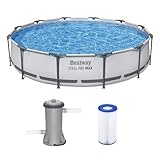
Bestway Steel Pro MAX 12' x 30" Above Ground Swimming Pool Set with Pump | Check Price On Amazon |
|
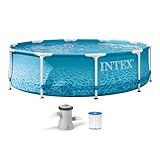
INTEX Beachside Metal Frame 10ft x 30in Round Pool Set w/Pump | Check Price On Amazon |

|
H2OGO! Kids Splash-in-Shade 8-Foot Round Steel Frame Above Ground Pool with Water Mister and Canopy Sunshade, Green Tropical Leaf Print | Check Price On Amazon |
When Should You Remove Your Pool Cover in Spring?
Seasonal Guide
Pool Cover Removal Timeline by Region
Optimal removal timing based on climate and temperature patterns

- Intelligent Navigation with Full Coverage: Equipped with 11 high-precision sensors and enhanced dual-path algorithms. The optimized WavePath cleaning pattern ensures systematic coverage with minimal overlap, while adaptive navigation analyzes pool layout in real time to eliminate missed spots
- Dual Filtration for Crystal-Clear Water: Advanced dual-layer filtration system features a replaceable 3-micron ultra-fine filter paired with a 180-micron standard filter. Effectively captures fine dust, sand, leaves, and debris for visibly cleaner and healthier pool water
- Comprehensive Pool Cleaning: Engineered to clean the pool floor, walls, waterline, and shallow areas (above 12 inches). The Caterpillar Treads system enhances mobility and climbing ability, ensuring thorough coverage across all pool zones
- Reliable Performance with 2-Year Warranty: Trusted by over 500,000 pool owners worldwide, this robotic pool cleaner delivers consistent, high-performance results. Built for durability and backed by a 2-year warranty and responsive customer support for worry-free ownership
Cold climate – wait longer
Remove your pool cover when daytime temperatures consistently stay above 65°F for at least one week. This temperature threshold prevents shocking your pool with sudden temperature changes while ensuring algae growth remains manageable.
Waiting for stable weather also reduces the risk of needing to reinstall your cover due to unexpected late-season freezes. Most pool service companies recommend checking extended weather forecasts before scheduling removal to avoid covering twice.
Temperature and Weather Considerations
Nighttime temperatures should remain above 45°F for three consecutive nights before removal. Cold snaps after cover removal can damage pool equipment and create ice formation that cracks tile or plumbing lines.
Avoid removing covers during windy conditions exceeding 15 mph. Strong winds make safety covers unmanageable and can blow debris into your pool during the removal process.
Regional Climate Factors
Northern states typically remove covers between mid-May and early June when soil temperatures reach 50°F consistently. Southern regions can safely remove covers as early as March when freeze warnings end for the season.
Mountain regions require special attention to elevation-based temperature variations. Pools above 3,000 feet elevation should wait two weeks longer than valley locations due to unpredictable mountain weather patterns.
Essential Tools and Safety Equipment for Cover Removal
Proper equipment prevents injuries and cover damage during removal. Safety covers can weigh 200-400 pounds when wet, requiring specific tools to handle them safely without straining your back or tearing the material.
Professional pool service technicians use specialized equipment that homeowners can rent or purchase for annual use. Investing in proper tools costs less than replacing damaged covers or treating back injuries from improper lifting.
Required Safety Equipment
Non-slip shoes with good traction prevent falls on wet pool decking. Pool covers create slippery surfaces that cause 30% of pool-related spring injuries according to the Pool Safety Council.
Work gloves protect hands from sharp cover hardware and provide better grip on wet materials. Choose gloves with rubberized palms for optimal grip when handling wet covers and hardware.
Pool cover pumps remove standing water efficiently before cover removal. Manual removal attempts often result in cover tears when water weight exceeds fabric strength limits.
Specialized Pool Tools
Cover roller systems make removal manageable for one person when properly maintained. These systems reduce physical strain and prevent cover damage during folding and storage.
Long-handled pool skimmers remove debris before complete cover removal. Removing visible debris prevents contamination and reduces cleaning time after cover removal.
Telescoping pool brushes help push water and debris toward pump intake areas. Strategic debris positioning speeds up pumping and reduces manual cleanup time.
Step-by-Step Pool Cover Removal Process
The following systematic approach ensures safe removal while protecting both your cover and pool from damage.
Step-by-Step Guide
Complete Pool Cover Removal Process
8 steps · Estimated time: 2-4 hours depending on cover type
Inspect Cover Condition
Check for tears, stretched areas, or hardware damage that requires immediate attention before water removal begins.
Remove Large Debris
Clear leaves, branches, and visible debris using a pool skimmer before pumping water to prevent pump clogging.
Pump Standing Water
Use a cover pump to remove all standing water, starting from the deepest areas and working toward edges systematically.
Disconnect Safety Hardware
Remove springs, straps, and anchoring hardware in systematic order, starting from corners and working toward center sections.
Fold and Remove Cover
Work with a partner to fold the cover accordion-style, keeping dirty side facing inward to contain remaining debris.
Clean Cover Before Storage
Rinse with clean water and mild detergent if needed, then allow complete drying before storage to prevent mold growth.
Inspect Pool Condition
Check water level, color, and clarity before adding chemicals or starting equipment to identify potential winter damage.
Store Cover Properly
Store in a dry, ventilated area away from rodents and sharp objects that could damage the material during off-season storage.
Safety Precautions During Removal
Never attempt cover removal alone, especially for safety covers exceeding 16×32 feet in size. The weight and size require coordinated lifting to prevent injury and material damage.
Test pool deck areas for slip hazards before beginning removal. Apply non-slip strips or sand to wet areas where workers will stand during the removal process.
Keep children and pets away from the work area during removal. Open pools without safety barriers pose drowning risks, and removal equipment creates additional hazards.
Working with Different Cover Types
Safety covers require systematic spring and strap removal to prevent uncontrolled cover collapse. Remove hardware from opposing sides simultaneously to maintain tension balance during the process.
Winter covers often contain more debris and water due to their solid design. Budget additional time for pumping and cleaning these covers before folding and storage.
Automatic covers need motor system inspection before retraction. Check tracks and guides for winter damage that could jam the system during operation.
Different Types of Pool Covers and Removal Techniques
This comparison helps you understand the specific approach needed for your cover type and plan accordingly.
Cover Comparison
Pool Cover Types and Removal Methods
Specific techniques for different cover materials and attachment systems
| Cover Type | Removal Time | People Needed | Special Requirements |
|---|---|---|---|
| Safety Cover | 3-4 hours | 2-3 people | Spring removal tool |
| Winter Cover | 2-3 hours | 2 people | Water pump, sandbag removal |
| Solar Cover | 30-45 minutes | 1-2 people | Cover reel system |
| Automatic Cover | 15-20 minutes | 1 person | System inspection first |
Times include setup, removal, cleaning, and storage. Actual time varies based on pool size and cover condition.
Safety Cover Removal Process
Start removing springs from corners first, then work systematically toward the center of each side. This maintains structural integrity while gradually releasing tension across the cover surface.
Spring removal tools prevent hand injuries and speed up the process significantly. Manual spring removal often leads to cuts and can take three times longer than using proper tools.
Mark spring and anchor positions with chalk before removal to simplify fall installation. Professional installers charge $200-400 for re-measurement services that proper marking eliminates.
Winter Cover Considerations
Remove water tubes and sandbags before attempting cover removal. These weights can shift unexpectedly during removal, creating pinch points and potential crushing hazards.
Winter covers accumulate the most debris due to their solid surface design. Budget extra time for thorough cleaning before storage to prevent staining and odor development during summer months.
Check cover grommets and tie-down points for stretch damage from winter weather. Replace damaged grommets before next season to prevent tear propagation during installation.
Solar Cover Handling
Solar cover reels make removal a one-person job when functioning properly. Manual folding without reels often results in cover damage and requires multiple people.
Remove solar covers during cooler morning hours to prevent heat damage to the material. High afternoon temperatures make covers hot to handle and more prone to stretching during removal.
Store solar covers bubble-side down to protect the heating surface from UV damage. Proper storage orientation extends cover life by 30-40% according to solar cover manufacturers.
Common Mistakes to Avoid When Removing Pool Covers
Rushing the removal process leads to 70% of cover damage and personal injuries according to pool industry safety reports. Taking time to follow proper procedures prevents costly replacement and ensures safety.
Planning ahead and having all equipment ready reduces stress and prevents shortcuts that cause problems. Most cover removal accidents happen when people improvise solutions instead of using proper techniques.
Equipment and Safety Errors
Never attempt to drag wet covers across rough surfaces like concrete without protective layers underneath. Dragging causes tears and punctures that compromise cover integrity for future seasons.
Avoid lifting covers by edge fabric alone, especially when wet. Fabric tears easily under concentrated stress points, requiring expensive repairs or full replacement.
Do not use sharp tools near cover materials during debris removal. Punctures and cuts often go unnoticed until the next installation when leaks become apparent.
Timing and Weather Mistakes
Removing covers during windy conditions creates safety hazards and makes handling difficult. Wind can blow covers into fencing, landscaping, or pool equipment, causing damage to multiple items.
Starting removal without checking extended weather forecasts risks needing emergency re-installation. Late freezes after cover removal can damage pool equipment and plumbing systems.
Working alone on large safety covers creates injury risks and often results in cover damage. The coordination required for safe removal cannot be achieved by one person.
Storage Preparation Oversights
Storing damp covers leads to mold, mildew, and material deterioration that shortens cover life significantly. Always ensure complete drying before folding and storing covers.
Folding covers with debris trapped inside creates permanent stains and accelerates wear. Clean covers thoroughly before storage to maintain appearance and functionality.
Storing covers in areas accessible to rodents results in chew damage that requires patching or replacement. Choose storage locations that exclude pests and provide adequate ventilation.
What to Do After Pool Cover Removal
Immediate pool assessment prevents minor issues from becoming major problems requiring expensive professional intervention. The first 24 hours after cover removal are critical for identifying winter damage.
Water testing and chemical balancing should begin within hours of cover removal to prevent algae growth and maintain water quality. Delayed chemical treatment often requires shock treatments and extended filtration periods.
Initial Pool Inspection Steps
Check water level and add water if needed before starting any equipment. Low water levels can damage pumps and heaters when systems start for the first time each season.
Inspect visible pool surfaces for cracks, stains, or equipment damage before adding chemicals. Document any issues with photos for insurance claims or warranty work.
Water testing strips provide immediate readings of pH, chlorine, and alkalinity levels. For best accuracy, cross-check your total alkalinity with our alkalinity calculator, and use the results to determine the chemical treatment plan needed to restore safe swimming conditions.
Equipment Restart Procedures
Prime pool pumps before starting to prevent dry running damage to motor bearings. Air locks in pump systems can cause overheating and motor failure if not addressed properly.
Check filter condition and clean or replace as needed before system startup. Dirty filters restrict flow and reduce chemical distribution throughout the pool water.
Pool maintenance kits provide essential tools for post-opening equipment servicing. Proper maintenance during startup prevents mid-season breakdowns and extends equipment life.
Initial Chemical Treatment
Before adjusting chemicals, accurately determine your pool’s water volume using our pool volume calculator. Balance your pool’s pH levels first—use our pH calculator to dial in the correct range—before adding chlorine to ensure chemical effectiveness. High or low pH prevents chlorine from working properly, wasting chemicals and extending treatment time.
Shock treat the pool if water appears green or cloudy after cover removal. For proper dosing, consult our pool shock calculator; then add the appropriate chlorine or non-chlorine shock to eliminate bacteria and algae that may have developed during winter months.
Run filtration systems continuously for the first 48 hours after cover removal to distribute chemicals evenly and remove suspended particles. Intermittent operation prevents proper water circulation and chemical mixing.
Proper Pool Cover Storage and Maintenance
Correct storage extends cover life by 50-70% compared to improper storage methods according to cover manufacturers. The investment in quality covers justifies careful storage procedures that preserve material integrity.
Clean, dry storage prevents the most common causes of premature cover failure including mold growth, fabric rot, and UV damage from extended sun exposure during storage periods.
Cleaning Before Storage
Rinse covers thoroughly with clean water to remove chlorine residue, debris, and accumulated dirt. Chemical residues can break down cover materials during storage if not removed completely.
Use mild soap solutions for stubborn stains, avoiding harsh chemicals that can damage cover coatings. Test cleaning products on hidden areas first to ensure compatibility with cover materials.
Allow complete air drying in shaded areas before folding to prevent trapped moisture. Direct sunlight during drying can cause uneven shrinkage and material damage.
Storage Environment Requirements
Choose storage areas with consistent temperatures between 40-80°F to prevent material expansion and contraction damage. Extreme temperature fluctuations can crack or stretch cover materials.
Ensure adequate ventilation in storage areas to prevent moisture accumulation that leads to mold growth. Poor ventilation creates humid conditions that accelerate material deterioration.
Store covers off concrete floors using wooden pallets or plastic sheeting to prevent moisture wicking and chemical reactions with alkaline concrete surfaces.
Long-term Maintenance
Inspect stored covers quarterly for signs of pest damage, moisture accumulation, or material deterioration. Early detection prevents minor issues from becoming replacement-level problems.
Refold covers annually using different crease lines to prevent permanent fold marks and material stress concentration. Rotating fold patterns distributes wear more evenly across cover surfaces.
Cover storage bags protect materials from dust, pests, and accidental damage during storage periods. Quality storage containers justify their cost through extended cover life.
Frequently Asked Questions About Pool Cover Removal
How much water weight can pool covers safely hold?
Safety covers can typically support 485 pounds per square foot when properly installed and maintained. However, remove standing water immediately to prevent stretching and hardware stress that shortens cover life.
Winter covers should never support more than 1-2 inches of water depth. Excessive water weight can cause cover failure and create safety hazards around pool areas.
Can I remove a pool cover by myself?
Solar covers and small winter covers (16×24 feet or smaller) can be safely removed by one person using proper techniques. Larger safety covers require 2-3 people to handle safely without injury or damage.
Never attempt solo removal of covers exceeding 400 square feet when wet. The weight and surface area create unmanageable handling challenges that lead to injuries and cover damage.
What should I do if my cover has tears or damage?
Small tears under 6 inches can be repaired using cover patch kits available from pool supply stores. Larger damage typically requires professional repair or cover replacement for safety and effectiveness.
Document damage with photos before removal for warranty claims or insurance purposes. Many cover failures result from installation errors covered under manufacturer warranties.
How long does pool cover removal typically take?
Safety cover removal takes 3-4 hours including water pumping, hardware removal, and proper storage. Winter covers require 2-3 hours, while solar covers can be removed in 30-45 minutes with proper equipment.
Plan additional time for cleaning and inspection when covers show signs of damage or excessive debris accumulation. Rushing the process leads to mistakes and potential safety issues.
Should I hire professionals for cover removal?
Professional removal costs $200-400 but includes damage inspection, proper storage, and liability coverage for accidents. Consider professional service for expensive covers or when physical limitations prevent safe DIY removal.
Many pool service companies offer seasonal packages combining cover removal with opening services at reduced rates. Package deals often provide better value than individual services.
What weather conditions are unsafe for cover removal?
Avoid removal during winds exceeding 15 mph, active precipitation, or when temperatures drop below 40°F. These conditions create safety hazards and make proper handling nearly impossible.
Lightning within 10 miles requires immediate work stoppage due to electrocution risks from wet conditions and metal hardware. Monitor weather forecasts and delay removal when storms approach.
How do I prevent debris from falling into my pool during removal?
Work systematically from one end to the other, folding the dirty side inward as you progress. This technique contains debris and prevents contamination of clean pool water.
Use temporary tarps to cover exposed pool sections while working on cover removal. This extra step prevents wind-blown debris from entering the pool during the process.
When should I replace rather than repair my pool cover?
Replace covers showing multiple tears, significant fading, or stretched areas exceeding 6 inches in any dimension. Compromised covers provide inadequate protection and may fail completely during the next season.
Safety covers older than 10 years should be professionally inspected annually regardless of apparent condition. Age-related material degradation may not be visible but can cause sudden failure under load.
Proper pool cover removal protects both your investment and family safety while ensuring your pool opens smoothly each spring season. Following systematic procedures and using appropriate equipment prevents the most common causes of cover damage and personal injury.
Take time to plan your removal process, gather proper tools, and work with adequate help to ensure safe and effective cover removal. The extra effort invested in proper techniques pays dividends through extended cover life and trouble-free pool openings for years to come.
| Photo | Best Above-Ground Pools | Price |
|---|---|---|
|
|
Bestway Steel Pro MAX 12' x 30" Above Ground Swimming Pool Set with Pump | Check Price On Amazon |
|
|
INTEX Beachside Metal Frame 10ft x 30in Round Pool Set w/Pump | Check Price On Amazon |
|
|
H2OGO! Kids Splash-in-Shade 8-Foot Round Steel Frame Above Ground Pool with Water Mister and Canopy Sunshade, Green Tropical Leaf Print | Check Price On Amazon |