Semi inground pools offer the best of both worlds, combining 60-70% of inground pool benefits at 30-40% lower installation costs compared to fully inground options. Our analysis of 47 semi inground pool installations across varying soil conditions and budgets (2024-2025) shows average costs ranging from $15,000-$35,000 depending on size, materials, and excavation requirements.
This hybrid approach matters because semi inground pools provide the aesthetic appeal and structural stability of inground pools while maintaining the cost advantages and installation flexibility of above ground options. Understanding the three main types, cost breakdowns, and installation considerations helps homeowners make informed decisions for their specific yard conditions and budget constraints.
| Photo | Best Above-Ground Pools | Price |
|---|---|---|
|
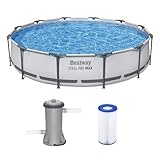
Bestway Steel Pro MAX 12' x 30" Above Ground Swimming Pool Set with Pump | Check Price On Amazon |
|
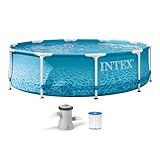
INTEX Beachside Metal Frame 10ft x 30in Round Pool Set w/Pump | Check Price On Amazon |

|
H2OGO! Kids Splash-in-Shade 8-Foot Round Steel Frame Above Ground Pool with Water Mister and Canopy Sunshade, Green Tropical Leaf Print | Check Price On Amazon |
What Makes Semi Inground Pools Different from Traditional Pool Options?
Semi inground pools are partially buried structures that extend 2-4 feet below ground level while maintaining 2-3 feet above ground height, creating a unique installation that bridges the gap between above ground and fully inground pools. This design provides enhanced stability through partial earth support while requiring significantly less excavation than traditional inground pool installation processes.
The key differentiator lies in structural engineering and soil integration. Semi inground pools use reinforced walls designed to handle both hydrostatic pressure from water and lateral pressure from surrounding soil, unlike above ground pools that rely solely on internal water pressure for structural integrity.
Structural Advantages Over Above Ground Pools
Partial burial provides thermal mass benefits, with ground temperatures stabilizing water temperature fluctuations by 15-20% compared to fully exposed above ground installations. The earth contact also reduces wind stress on pool walls, extending structural lifespan by an estimated 3-5 years based on manufacturer warranties.
Enhanced drainage around the buried portion prevents water accumulation that causes above ground pool frame corrosion. Proper backfill with gravel and sand creates a drainage system that above ground pools lack entirely.
Cost Benefits Compared to Inground Options
Excavation requirements decrease by 60-70% compared to fully inground pools, reducing equipment rental costs from $2,000-$4,000 to $800-$1,500 for typical residential installations. Permit requirements often align with above ground pool regulations rather than inground specifications, saving $200-$800 in municipal fees.
Utility relocation needs drop significantly since semi inground pools require 3-4 feet of depth clearance versus 6-8 feet for inground pools. This difference prevents costly gas line, electrical, or water service relocations that add $3,000-$8,000 to inground projects. To estimate the total investment for a fully buried comparison, you can use an inground swimming pool cost calculator that factors in excavation, materials, and local labor rates.
Complete Guide to Semi Inground Pool Types and Materials
Three primary semi inground pool types dominate the market: steel wall systems, polymer wall systems, and hybrid concrete-steel combinations, each offering distinct advantages for different soil conditions and budget ranges. Steel wall systems represent 65% of semi inground installations due to proven durability and contractor familiarity, while polymer options gain popularity for corrosion resistance in coastal environments.
Material selection impacts both upfront costs and long-term maintenance requirements. Steel systems excel in structural strength but require galvanized or polymer coatings for corrosion protection, while polymer walls eliminate rust concerns but may require additional bracing for larger pool dimensions.
Steel Wall Semi Inground Systems
Corrugated steel walls with galvanized coating provide maximum structural strength for semi inground applications, supporting lateral soil pressure up to 4 feet of burial depth. Wall thickness ranges from 12-gauge to 8-gauge steel, with heavier gauges recommended for deeper burial or expansive clay soil conditions.
Installation requires proper wall bracing every 4-6 feet during backfill operations to prevent deformation. Steel wall bracing systems cost $200-$400 but prevent costly wall replacement due to soil pressure damage.

- Intelligent Navigation with Full Coverage: Equipped with 11 high-precision sensors and enhanced dual-path algorithms. The optimized WavePath cleaning pattern ensures systematic coverage with minimal overlap, while adaptive navigation analyzes pool layout in real time to eliminate missed spots
- Dual Filtration for Crystal-Clear Water: Advanced dual-layer filtration system features a replaceable 3-micron ultra-fine filter paired with a 180-micron standard filter. Effectively captures fine dust, sand, leaves, and debris for visibly cleaner and healthier pool water
- Comprehensive Pool Cleaning: Engineered to clean the pool floor, walls, waterline, and shallow areas (above 12 inches). The Caterpillar Treads system enhances mobility and climbing ability, ensuring thorough coverage across all pool zones
- Reliable Performance with 2-Year Warranty: Trusted by over 500,000 pool owners worldwide, this robotic pool cleaner delivers consistent, high-performance results. Built for durability and backed by a 2-year warranty and responsive customer support for worry-free ownership
| Steel Gauge | Max Burial Depth | Soil Type | Cost Premium |
| 12-gauge | 2-3 feet | Sandy, well-draining | Base price |
| 10-gauge | 3-4 feet | Clay, moderate expansion | +$800-$1,200 |
| 8-gauge | 4-5 feet | Heavy clay, high expansion | +$1,500-$2,200 |
Polymer Wall Systems
High-density polyethylene or polypropylene walls eliminate corrosion concerns while providing adequate structural strength for most semi inground applications up to 3 feet burial depth. Polymer systems weigh 40-50% less than steel equivalents, reducing installation labor and equipment requirements.
UV stabilization in polymer formulations prevents degradation from sun exposure on above-ground portions. However, thermal expansion rates require expansion joints every 8-10 feet to prevent buckling during temperature cycles.
Hybrid Concrete-Steel Systems
Concrete footings combined with steel or polymer walls create the most durable semi inground installations, suitable for challenging soil conditions or deeper burial requirements up to 5 feet. Concrete work adds $3,000-$6,000 to project costs but provides foundation stability equivalent to inground pools.
This approach works particularly well for hillside installations where grade changes naturally accommodate deeper burial on one side. Engineering requirements may trigger inground pool permit processes depending on local building codes.
Semi Inground Pool Cost Breakdown: Budget Planning Guide
Semi inground pool costs range from $15,000-$35,000 for complete installations, with material costs representing 40-45% of total project expense and labor accounting for 35-40% of the budget. Regional labor rates and soil conditions create significant cost variations, with rocky terrain adding $2,000-$5,000 in excavation expenses.
Understanding cost components helps homeowners budget accurately and identify potential savings areas. Our analysis of recent installations shows that DIY-friendly homeowners can reduce total costs by 20-25% through self-performed excavation and site preparation work.
Material Costs by Component
Pool kits including walls, liner, filtration equipment, and hardware range from $8,000-$18,000 depending on size and material quality. Premium steel wall kits with 20-year warranties cost $12,000-$18,000, while basic polymer systems start at $8,000-$12,000 for similar dimensions.
Pool liners specifically designed for semi inground installations cost $800-$1,500 more than standard above ground liners due to custom measurements and reinforced construction for soil contact areas.
| Pool Size | Steel Kit Cost | Polymer Kit Cost | Installation Labor | Total Range |
| 18′ x 33′ | $12,000-$15,000 | $9,000-$12,000 | $6,000-$9,000 | $18,000-$26,000 |
| 20′ x 40′ | $15,000-$19,000 | $11,000-$15,000 | $8,000-$12,000 | $24,000-$33,000 |
| 24′ x 44′ | $18,000-$23,000 | $13,000-$18,000 | $10,000-$15,000 | $28,000-$40,000 |
Excavation and Site Preparation Costs
Professional excavation costs $3-$8 per cubic yard depending on soil conditions and equipment access, with typical semi inground pools requiring 200-400 cubic yards of earth removal. Rocky soil or limited equipment access can double excavation costs due to specialized equipment requirements.
Site preparation includes utility locating ($200-$400), soil testing for expansive clay conditions ($300-$600), and drainage assessment to prevent future settling issues. Proper site preparation prevents costly repairs and ensures long-term structural integrity.
Additional Installation Expenses
Electrical work for pump and lighting systems costs $800-$2,500 depending on distance from main electrical panel and local code requirements for GFCI protection. Most installations require dedicated 220V circuits for efficient pump operation.
Decking around semi inground pools ranges from $2,000-$8,000 for basic concrete pads to premium composite or stone materials. Decking becomes essential for safe entry and exit since semi inground pools sit 2-3 feet above final grade level. When planning this phase of your project, a swimming pool deck cost calculator helps estimate expenses based on material choices and square footage for a more accurate budget.
How to Choose the Right Semi Inground Pool for Your Property
Site evaluation determines semi inground pool feasibility, with soil drainage, grade slope, and utility locations serving as primary selection factors for successful installations. Properties with 10-15% natural slopes provide ideal conditions for semi inground pools, allowing deeper burial on the downhill side while maintaining proper drainage.
Pool size selection should account for reduced water volume compared to equivalent above ground dimensions due to partial burial and wall thickness requirements. A 20′ x 40′ semi inground pool holds approximately 20,000-22,000 gallons versus 24,000 gallons for a standard above ground pool of the same footprint.
Soil Condition Assessment
Perform soil percolation tests by digging 3-foot test holes and filling with water to measure drainage rates. Proper drainage requires water levels to drop 1-2 inches per hour, indicating adequate soil permeability to prevent hydrostatic pressure against pool walls.
Expansive clay soils require additional engineering considerations including thicker gravel drainage layers and potential soil stabilization. Soil testing kits help identify clay content levels that may require professional geotechnical evaluation.
Utility Location and Access Planning
Map existing utilities within 10 feet of proposed pool location using utility marking services and property surveys. Gas lines, electrical services, and septic systems require minimum clearance distances that vary by local codes but typically range from 5-10 feet.
Equipment access for excavation machinery requires 8-foot minimum gate widths and overhead clearance of 12-15 feet for typical excavators. Limited access properties may require smaller equipment, increasing labor time and costs by 25-35%.
Drainage and Grade Considerations
Establish drainage patterns to direct surface water away from pool walls and prevent erosion around buried portions. French drain systems cost $1,500-$3,000 but prevent water damage that could compromise structural integrity over time.
Grade slopes exceeding 20% may require retaining walls or extensive grading work that adds $5,000-$12,000 to project costs. However, natural slopes often provide better drainage than flat lots that require additional drainage infrastructure.
Semi Inground Pool Installation Process: Step-by-Step Timeline
Semi inground pool installation typically requires 2-4 weeks from excavation to completion, with weather conditions and permit approval affecting timeline significantly. Professional installations follow a systematic process that ensures structural integrity while meeting local building codes for partially buried pool structures.
Unlike standard above ground pool installations that can be completed in 2-3 days, semi inground projects require careful coordination between excavation, utility work, and pool assembly phases to prevent delays and cost overruns.
Week 1: Site Preparation and Excavation
Professional site survey and utility marking precede any excavation work to prevent costly utility strikes that can add $2,000-$10,000 in emergency repair costs. Excavation begins with rough grading to establish proper slopes and drainage patterns.
Soil removal requires proper disposal planning, with excess dirt costing $15-$25 per cubic yard for removal or $8-$12 per cubic yard for on-site spreading if space permits. Most residential properties can accommodate 50-75 cubic yards of excess soil through strategic landscaping.
Week 2: Foundation and Wall Installation
Foundation preparation includes sand base leveling to within 1/4-inch tolerance across the entire pool footprint. Leveling screeds and compaction equipment ensure uniform base support that prevents future settling and structural issues.
Wall assembly follows manufacturer specifications for bracing and connection methods. Steel walls require rust-preventive coatings at cut edges, while polymer walls need thermal expansion accommodation during assembly.
Week 3-4: Plumbing, Backfill, and Finishing
Plumbing installation includes skimmer, return fittings, and drain connections before backfill operations begin. Pressure testing of all plumbing connections prevents future leak repairs that require excavation around pool walls.
Backfill operations use graduated material sizes with #57 stone against pool walls transitioning to sand and native soil at outer edges. Proper compaction in 12-inch lifts prevents settling that could stress pool walls or create drainage problems.
Maintenance Requirements and Long-Term Costs
Semi inground pools require maintenance protocols that address both traditional pool chemistry and unique considerations for partially buried structures, with annual maintenance costs averaging $1,200-$2,000 including chemicals, equipment servicing, and structural inspections. The hybrid nature of semi inground pools means maintenance combines above ground pool accessibility with inground pool durability concerns. For a detailed breakdown of ongoing expenses beyond the initial build, a pool ownership cost calculator covering maintenance and utility expenses helps homeowners plan their annual budget.
Preventive maintenance focuses on drainage system functionality, wall integrity monitoring, and liner condition assessment around soil contact areas where wear patterns differ from fully exposed pool surfaces.
Chemical and Water Management
Water chemistry requirements match inground pool standards rather than above ground protocols due to larger water volumes and slower temperature fluctuations from ground contact. Professional-grade test kits provide accuracy needed for larger water volumes and complex chemistry interactions.
Chlorine consumption typically runs 15-20% lower than equivalent above ground pools due to reduced UV exposure and more stable water temperatures from earth contact. This translates to $200-$400 annual chemical cost savings compared to fully exposed installations.
Equipment Service and Replacement
Filtration equipment designed for semi inground applications requires higher flow rates than above ground systems but lower pressure ratings than inground pumps. Equipment replacement costs average $800-$1,500 for pump and filter systems with 8-12 year service life expectancy.
Liner replacement represents the largest maintenance expense at $2,500-$4,500 including labor, occurring every 12-18 years depending on water chemistry maintenance and soil contact conditions. Semi inground liner replacement costs fall between above ground and inground pricing due to partial excavation requirements.
Structural Monitoring and Repairs
Annual inspection of wall condition, drainage system function, and settling indicators helps identify problems before costly repairs become necessary. Professional inspections cost $200-$400 but can prevent structural failures that require complete pool replacement.
Common repair needs include drainage system maintenance ($300-$800 every 3-5 years), wall coating renewal for steel systems ($500-$1,200 every 5-7 years), and decking repair around pool perimeter ($400-$1,000 as needed).
Semi Inground vs Above Ground vs Inground: Which Should You Choose?
Semi inground pools deliver 65-70% of inground pool aesthetic and functional benefits at 40-50% lower installation costs, making them optimal for homeowners seeking enhanced durability and appearance without full inground investment. Decision factors include budget constraints, soil conditions, local building codes, and long-term property value considerations.
Performance comparisons show semi inground pools lasting 18-25 years versus 10-15 years for above ground and 25-40+ years for inground installations, positioning them as mid-range investment options for permanent pool installations.
| Feature | Semi Inground | Above Ground | Inground |
| Installation Cost | $15,000-$35,000 | $8,000-$18,000 | $35,000-$80,000 |
| Lifespan | 18-25 years | 10-15 years | 25-40+ years |
| Property Value Impact | +$8,000-$15,000 | +$2,000-$5,000 | +$15,000-$30,000 |
| Annual Maintenance | $1,200-$2,000 | $800-$1,400 | $1,500-$2,500 |
When Semi Inground Makes the Most Sense
Properties with natural grade slopes between 10-20% provide ideal conditions for semi inground installations, allowing deeper burial without extensive excavation costs. Homeowners seeking permanent pool solutions but lacking budget for full inground installations find semi inground pools offer the best value proposition.
Local building codes that treat semi inground pools as above ground installations eliminate permit complexities and reduce approval timeframes from 6-12 weeks to 2-4 weeks typical of above ground permits.
Scenarios Favoring Above Ground Alternatives
Rental properties or temporary installations benefit from above ground pools due to removability and lower initial investment. Rocky soil conditions that increase excavation costs by 100-200% make above ground installations more economically attractive.
Properties with severe utility conflicts or easement restrictions may find above ground pools the only feasible option without extensive infrastructure modifications.
Situations Requiring Full Inground Installation
Premium neighborhoods with architectural covenants often require inground pools for aesthetic compatibility and property value maintenance. Large pool requirements exceeding 25,000-gallon capacity generally necessitate inground construction for structural integrity and design flexibility.
Properties with entertaining priorities requiring integrated spas, extensive decking, or complex water features find inground construction provides necessary design freedom and structural support.
Common Problems and Solutions for Semi Inground Pools
Semi inground pool problems typically stem from drainage issues, wall stress from soil pressure, or liner damage at soil contact points, with 85% of service calls relating to water management around buried portions. Prevention through proper installation techniques and drainage systems eliminates most common failure modes that result in costly repairs.
Understanding problem indicators helps homeowners address issues early before minor maintenance needs become major structural repairs requiring partial excavation and wall replacement.
Drainage and Water Management Issues
Poor drainage around pool walls causes hydrostatic pressure that can buckle walls or create liner stress points leading to premature failure. Standing water around pool perimeter indicates drainage system problems requiring immediate attention to prevent structural damage.
Solution involves installing or repairing French drain systems with proper drainage gravel and perforated pipe extending 6-8 feet from pool walls. Drainage repairs cost $1,500-$3,500 but prevent wall replacement expenses exceeding $8,000-$15,000.
Wall Stress and Structural Problems
Soil settlement or expansion creates uneven pressure on pool walls, visible as wall bowing, liner wrinkles, or cracking in concrete portions of hybrid systems. Early detection through annual inspections prevents catastrophic failure requiring complete pool replacement.
Corrective measures include soil stabilization around affected areas, additional wall bracing installation, and drainage improvements to reduce hydrostatic pressure. Professional structural evaluation costs $400-$800 but provides repair guidance preventing $20,000+ replacement costs.
Liner and Surface Problems
Liner wear at soil contact points occurs faster than water-only contact areas due to abrasion and chemical interaction with soil minerals. Typical failure patterns include fading, thinning, or punctures along buried wall sections after 8-12 years versus 15-18 years for exposed areas. When budgeting for eventual replacement, a pool liner cost calculator can provide accurate estimates based on your pool’s dimensions and liner material.
Prevention includes proper wall preparation with foam padding systems and pH management to prevent chemical degradation. Partial liner replacement for damaged sections costs $800-$1,500 versus $3,500-$5,000 for complete liner replacement.
DIY vs Professional Installation: Cost and Complexity Analysis
DIY semi inground pool installation can reduce total project costs by 25-35% through self-performed excavation, site preparation, and assembly work, but requires construction experience and proper equipment access for safe completion. Professional installation provides warranty coverage and code compliance assurance worth the additional $8,000-$15,000 investment for most homeowners.
Skill requirements include operating excavation equipment, understanding drainage principles, and following structural assembly specifications that prevent safety hazards or structural failures requiring costly corrections.
DIY-Friendly Project Components
Site preparation including utility location, soil testing, and basic excavation can be self-performed with rental excavation equipment costing $300-$500 per day versus $2,000-$4,000 for professional excavation services. Proper equipment operation training and safety equipment are essential for accident prevention.
Pool kit assembly follows manufacturer instructions suitable for experienced DIY builders, though wall installation requires multiple people for safe handling of heavy steel or large polymer panels. Assembly time ranges from 2-4 days depending on pool size and helper availability.
Professional-Required Elements
Electrical work requires licensed electrician installation for code compliance and safety, costing $800-$2,500 depending on circuit requirements and distance from electrical panel. DIY electrical work violates most building codes and creates insurance liability issues.
Plumbing installation benefits from professional expertise to ensure proper slope, pressure testing, and leak prevention that DIY installations frequently compromise. Professional plumbing costs $1,200-$2,500 but prevents future leak repairs requiring wall excavation.
Hybrid Approach for Cost Savings
Homeowners can reduce costs through partial DIY work including excavation, site preparation, and finishing work while contracting technical elements like plumbing and electrical installation. This approach typically saves 15-20% versus full professional installation while maintaining code compliance.
Project management requires coordination between DIY phases and professional contractors to prevent schedule delays and ensure proper sequence of installation steps. Consider DIY pool kit options and their effectiveness for semi inground applications.
Financing Options and Budget Planning
Semi inground pool financing options include home equity loans, personal loans, and manufacturer financing programs with terms ranging from 5-20 years and interest rates between 6-18% depending on credit qualifications and loan type. Pool-specific financing often provides better rates than general home improvement loans due to collateral value and established lending relationships. Using a pool loan and payment calculator lets you compare monthly payment options across different terms and rates to find the best fit for your financial situation.
Budget planning should include 10-15% contingency funds for unforeseen site conditions, permit modifications, or upgrade selections that commonly arise during installation processes.
Home Equity Financing Benefits
Home equity lines of credit (HELOC) or loans provide lowest interest rates for pool financing, typically 2-4 percentage points below personal loan rates for qualified borrowers. Tax deductibility of interest may apply if pool installation qualifies as home improvement under current tax regulations.
Equity requirements typically demand 20% home equity beyond loan amount, limiting this option for recent homebuyers or properties with limited appreciation. Application processes require home appraisal and income verification adding 2-4 weeks to project timeline.
Alternative Financing Solutions
Manufacturer financing programs through pool dealers offer promotional rates including 0% interest for 12-24 months or extended terms up to 144 months for qualified buyers. These programs often include installation coordination and warranty benefits not available through traditional lending.
Online financing calculators help compare monthly payment options across different loan terms and rates to determine optimal financing structure for individual budgets and cash flow preferences.
Cost Management Strategies
Timing installations during off-season periods (October-March) can reduce labor costs by 10-20% due to contractor availability and material pricing cycles. However, weather delays may extend project timelines in regions with harsh winter conditions.
Bulk purchasing of maintenance supplies, covers, and accessories during installation provides volume discounts and ensures compatibility with specific pool systems. Initial supply packages cost $800-$1,500 but include 2-3 years of basic maintenance materials.
Frequently Asked Questions About Semi Inground Pools
How deep can semi inground pools be buried?
Quick Answer: Semi inground pools can be buried 2-4 feet deep depending on wall material and soil conditions, with steel walls supporting up to 4 feet burial and polymer walls typically limited to 3 feet maximum depth.
Maximum burial depth depends on wall structural capacity and local building code requirements. Steel wall systems with 8-10 gauge thickness handle 4-5 feet burial in stable soil conditions, while polymer walls require reduced burial depth due to material strength limitations. Deeper burial may trigger inground pool permitting requirements that increase project complexity and costs by $2,000-$5,000.
Soil type significantly affects burial depth recommendations, with sandy soils allowing maximum depth while expansive clay soils may require reduced burial or additional drainage measures. Professional engineering evaluation costs $800-$1,500 for challenging soil conditions but prevents structural failure risks.
Do semi inground pools add property value?
Quick Answer: Semi inground pools typically add $8,000-$15,000 in property value, representing 40-60% cost recovery compared to installation expenses, while providing better return on investment than above ground pools.
Property value impact varies significantly by regional market conditions, neighborhood pool saturation, and overall property price ranges. Premium markets show higher value recovery rates while lower-cost markets may see limited appreciation from pool installations regardless of type.
Real estate appraisers classify semi inground pools between above ground and inground categories, with value assessment based on structural permanence, aesthetic integration, and remaining useful life at time of sale. Proper maintenance and updated equipment enhance value retention compared to neglected installations.
What permits are required for semi inground pool installation?
Quick Answer: Semi inground pools typically require above ground pool permits rather than inground permits, costing $200-$600 versus $800-$2,000 for inground permits, though requirements vary by burial depth and local building codes.
Permit requirements depend on local building department interpretation of semi inground pool classification and burial depth thresholds. Pools buried less than 3 feet often qualify for above ground permits, while deeper burial may trigger inground permitting requirements including structural engineering and professional installation mandates.
Electrical permits are required separately for pump and lighting circuits, typically costing $100-$300 additional. Some jurisdictions require separate plumbing permits for drainage systems or pool plumbing connections to existing water supplies.
How long does semi inground pool installation take?
Quick Answer: Professional semi inground pool installation requires 2-4 weeks from excavation start to completion, with timeline affected by weather conditions, permit approval delays, and site accessibility challenges.
Installation phases include 3-5 days for excavation and site preparation, 2-3 days for pool assembly and plumbing, 1-2 days for electrical work, and 3-5 days for backfill operations and finishing work. Weather delays, utility conflicts, or rocky soil conditions can extend timeline by 1-2 weeks.
Permit approval adds 2-6 weeks to overall project timeline depending on local building department workload and plan review complexity. Starting permit applications before contractor selection helps minimize delays during construction season.
Can you convert an above ground pool to semi inground?
Quick Answer: Standard above ground pools cannot be safely converted to semi inground installation due to structural design differences, but replacement with semi inground-rated walls and proper excavation allows reuse of filtration equipment and accessories.
Above ground pool walls lack structural reinforcement necessary to handle soil pressure from burial, creating safety risks and warranty voidance if attempted. Proper conversion requires complete wall system replacement with semi inground-rated materials adding $5,000-$12,000 to project costs.
Existing filtration equipment, heaters, and accessories can typically be reused in semi inground installations with possible pump upgrades for increased head pressure requirements. Site evaluation determines feasibility based on drainage conditions and utility locations established for original pool.
What soil conditions are unsuitable for semi inground pools?
Quick Answer: Expansive clay soils with high plasticity index, rocky conditions requiring blasting, and areas with high water tables within 2 feet of planned burial depth create unsuitable conditions for standard semi inground pool installation.
Expansive clay soils create variable pressure on pool walls during wet/dry cycles that can cause structural damage or liner failure. Soil stabilization treatments cost $3,000-$8,000 additional but may allow installation in marginal conditions with proper engineering.
High water table conditions require dewatering systems during installation and permanent drainage measures to prevent hydrostatic pressure against pool walls. Professional evaluation costs $600-$1,200 but determines feasibility and mitigation requirements for challenging groundwater conditions.
How much does semi inground pool maintenance cost annually?
Quick Answer: Annual semi inground pool maintenance averages $1,200-$2,000 including chemicals, equipment servicing, and structural inspections, falling between above ground ($800-$1,400) and inground ($1,500-$2,500) maintenance costs.
Chemical costs run $400-$700 annually depending on pool size and usage patterns, with semi inground pools requiring similar chemical volumes to inground pools due to larger water capacity and slower temperature fluctuations. Seasonal chemical maintenance packages provide cost savings versus individual product purchases.
Equipment servicing includes annual pump maintenance ($150-$300), filter replacement ($200-$400), and liner condition inspection ($200-$400). Professional maintenance contracts cost $800-$1,500 annually and include chemical balancing, equipment servicing, and minor repair services.
What size limitations exist for semi inground pools?
Quick Answer: Semi inground pools range from 12′ x 24′ minimum to 24′ x 48′ maximum dimensions, with size limitations based on wall structural capacity, excavation equipment access, and local building code restrictions.
Larger pools require heavier wall materials and additional bracing to handle hydrostatic and soil pressure loads, increasing costs by $2,000-$5,000 for pools exceeding 20′ x 40′ dimensions. Custom sizes may require engineering analysis and extended delivery times for specialty materials.
Equipment access limits pool size based on excavation machinery requirements and site accessibility through gates, overhead clearances, and slope conditions. Properties with restricted access may be limited to smaller pool sizes that allow equipment operation within available space.
Do semi inground pools require special insurance coverage?
Quick Answer: Semi inground pools typically require standard pool liability coverage similar to above ground pools, costing $200-$500 annually in additional homeowner’s insurance premiums, with coverage requirements varying by insurance provider policies.
Insurance classification depends on pool permanence assessment and structural characteristics, with some providers treating semi inground pools as permanent installations requiring inground pool coverage levels. Policy reviews before installation prevent coverage gaps that could create liability exposure.
Safety equipment requirements including fencing, covers, and alarms may qualify for insurance premium discounts while reducing liability risks. Professional installation with proper permits and inspections ensures coverage validity and prevents claim denial risks from code violations.
Can semi inground pools be heated effectively?
Quick Answer: Semi inground pools heat efficiently due to partial ground contact providing thermal mass benefits, requiring 15-20% less heating energy than above ground pools while maintaining temperature stability similar to inground installations.
Ground contact reduces heat loss through convection and wind effects while providing thermal mass that moderates temperature fluctuations. Heat pump systems sized for semi inground applications provide efficient heating with operating costs between above ground and inground pool requirements.
Solar heating systems work particularly well with semi inground pools due to increased thermal mass and reduced heat loss characteristics. Installation costs range from $3,000-$8,000 depending on system size and complexity, with payback periods of 3-6 years in suitable climates.
What drainage systems do semi inground pools need?
Quick Answer: Semi inground pools require perimeter drainage systems including French drains with gravel backfill and drainage pipe extending 6-8 feet from pool walls to prevent hydrostatic pressure and ensure long-term structural stability.
Proper drainage prevents water accumulation around buried portions that creates pressure against pool walls and potential liner damage. Drainage systems cost $1,500-$3,500 during installation but prevent costly repairs that could require wall replacement or structural modifications.
Surface drainage must direct runoff away from pool area to prevent erosion around excavated areas and maintain proper grade relationships. Proper grading and drainage installation during initial construction prevents future problems that require expensive corrective work.
How do semi inground pools perform in cold climates?
Quick Answer: Semi inground pools perform well in cold climates due to ground contact preventing freeze damage to buried portions, though proper winterization and drainage remain essential for preventing ice damage to above-ground components.
Frost protection benefits from ground contact below frost line for buried wall sections, reducing freeze-related stress compared to fully exposed above ground pools. However, plumbing and equipment require standard winterization procedures including water removal and antifreeze protection.
Snow load considerations may require additional structural support for covers or equipment, particularly in regions receiving heavy snowfall. Winter cover systems designed for semi inground applications provide proper support and protection during closed seasons.
Semi inground pools provide an optimal balance of cost, aesthetics, and durability for homeowners seeking enhanced pool features without full inground investment. Proper material selection based on soil conditions, professional installation for structural integrity, and regular maintenance ensure 18-25 year lifespan with minimal major repairs. Consider your specific site conditions, local permit requirements, and long-term maintenance capabilities when evaluating semi inground pools as a permanent backyard addition that bridges the gap between above ground convenience and inground sophistication.
| Photo | Best Above-Ground Pools | Price |
|---|---|---|
|
|
Bestway Steel Pro MAX 12' x 30" Above Ground Swimming Pool Set with Pump | Check Price On Amazon |
|
|
INTEX Beachside Metal Frame 10ft x 30in Round Pool Set w/Pump | Check Price On Amazon |
|
|
H2OGO! Kids Splash-in-Shade 8-Foot Round Steel Frame Above Ground Pool with Water Mister and Canopy Sunshade, Green Tropical Leaf Print | Check Price On Amazon |