
Every year, pool-related drownings and injuries claim thousands of lives across the United States, and a significant percentage of above ground pool accidents involve improper or missing pool ladder access points. The right above ground pool ladder does more than help swimmers get in and out of the water. It is a critical safety device governed by specific standards, weight ratings, and installation requirements that most pool owners never fully investigate before purchase.
This guide covers every aspect of above ground pool ladder selection, installation, and safety compliance, including ASTM standards, weight capacity requirements, anti-entrapment regulations, and the specific ladder configurations that reduce accident risk for children, seniors, and recreational swimmers.
| Photo | Best Above-Ground Pools | Price |
|---|---|---|
|
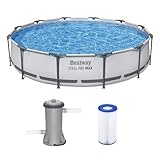
Bestway Steel Pro MAX 12' x 30" Above Ground Swimming Pool Set with Pump | Check Price On Amazon |
|
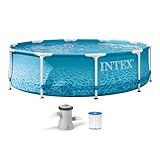
INTEX Beachside Metal Frame 10ft x 30in Round Pool Set w/Pump | Check Price On Amazon |

|
H2OGO! Kids Splash-in-Shade 8-Foot Round Steel Frame Above Ground Pool with Water Mister and Canopy Sunshade, Green Tropical Leaf Print | Check Price On Amazon |
By the Numbers
Above Ground Pool Ladder Safety – What the Research Shows
Sources: CDC Drowning Prevention Data, CPSC Pool Safety Reports, ASTM International
What Is an Above Ground Pool Ladder and Why Does It Matter for Pool Safety?
An above ground pool ladder (also called a pool entry ladder or pool access ladder) is a freestanding or deck-mounted structure that allows swimmers to enter and exit an above ground swimming pool safely. Unlike inground pool steps, which are integrated into the pool shell, above ground pool ladders are external accessories that must be correctly sized, rated, and secured to prevent structural failure and unauthorized access.
The distinction matters because above ground pools sit elevated off the ground, typically 48 to 54 inches at the pool wall top rail. This height creates both an entry challenge and a critical child safety barrier when the ladder is removed or locked. The ladder itself becomes a key component of the pool’s passive drowning prevention system.

- Intelligent Navigation with Full Coverage: Equipped with 11 high-precision sensors and enhanced dual-path algorithms. The optimized WavePath cleaning pattern ensures systematic coverage with minimal overlap, while adaptive navigation analyzes pool layout in real time to eliminate missed spots
- Dual Filtration for Crystal-Clear Water: Advanced dual-layer filtration system features a replaceable 3-micron ultra-fine filter paired with a 180-micron standard filter. Effectively captures fine dust, sand, leaves, and debris for visibly cleaner and healthier pool water
- Comprehensive Pool Cleaning: Engineered to clean the pool floor, walls, waterline, and shallow areas (above 12 inches). The Caterpillar Treads system enhances mobility and climbing ability, ensuring thorough coverage across all pool zones
- Reliable Performance with 2-Year Warranty: Trusted by over 500,000 pool owners worldwide, this robotic pool cleaner delivers consistent, high-performance results. Built for durability and backed by a 2-year warranty and responsive customer support for worry-free ownership
Above ground pool ladders are classified by pool wall height compatibility, construction material, weight capacity, and entry configuration. The three primary configurations are A-frame ladders (which straddle the pool wall with inside and outside steps), deck mount ladders (which attach to an adjacent pool deck with only inside steps descending into the pool), and in-pool step systems (which are wider platform entries designed to resemble inground pool steps).
A-frame ladders are the most common configuration for pools without decks. They provide both inside steps for entering the water and outside steps for climbing to the pool wall height. A-frame above ground pool ladders range from 48-inch models for standard 48-inch wall pools to 60-inch models for taller 52-inch and 54-inch wall pools.
The safety importance of proper ladder selection cannot be overstated. According to the Consumer Product Safety Commission (CPSC), most above ground pool drowning incidents involving young children occur when pool access barriers are inadequate, including improperly secured ladders that children can climb unsupervised.
What Types of Above Ground Pool Ladders Are Available?
Above ground pool ladders fall into five distinct categories, each designed for a specific pool setup, bather profile, and safety requirement. Understanding the differences between ladder types is the first step in selecting the correct entry system for your pool configuration.
A-Frame Pool Ladders: Inside and Outside Step Configuration
A-frame pool ladders (also called wedding cake ladders or step ladders) consist of two parallel ladder sections connected at the top by a handrail bridge that rests on the pool wall top rail. The outside section provides steps for climbing from ground level to the pool wall height. The inside section descends into the pool water.
Standard A-frame ladders accommodate pool wall heights of 48 inches, 52 inches, and 54 inches. Most manufacturers produce models specifically labeled by compatible pool wall height, and using a ladder designed for a shorter wall on a taller pool creates a structural stress point that can cause the ladder to rack or tip. The step width on A-frame ladders typically ranges from 18 inches to 24 inches, with wider steps providing significantly more stability for heavier users and children.
Quality A-frame ladders use resin (high-density polyethylene) steps with a textured non-slip surface and either resin or powder-coated steel uprights. All-resin construction eliminates corrosion and requires no rust prevention maintenance, making it the preferred material for saltwater pool systems where metal hardware degrades rapidly. All-resin A-frame pool ladders typically carry weight ratings of 300 to 350 pounds, meeting ASTM minimum requirements for residential use.
Deck Mount Pool Ladders: Attachment to Elevated Pool Decks
Deck mount pool ladders (also called pool entry ladders or pool deck ladders) are designed for above ground pools with surrounding decks. These ladders attach to the deck surface with hardware anchors and descend only on the inside of the pool wall, since the deck itself serves as the external access platform. If you’re planning to build a surrounding deck, get a quick estimate with our pool deck cost calculator to see how deck material and size affect your budget.
Deck mount ladders are available in stainless steel and resin configurations. Stainless steel deck mount ladders (typically 304 or 316 marine-grade stainless steel) provide greater structural rigidity and a more polished appearance at a higher cost. Stainless steel models require periodic inspection of mounting hardware for corrosion, particularly in saltwater pool environments where chloride ion exposure accelerates rust formation. Stainless steel deck mount pool ladders typically range from $80 to $300 depending on construction quality and step width.
The mounting depth of deck mount ladders must match the pool wall height plus the deck elevation above the pool surround. Installers must verify that the ladder’s bottom step clears the pool floor by at least 2 inches to prevent entrapment, and that the handrail height above the deck surface meets the 36-inch minimum grip height required by most building codes for residential decks.
In-Pool Step Systems: Wide Platform Entry for Accessibility
In-pool step systems (also called pool entry steps, wedding cake steps, or above ground pool steps) provide the widest and most accessible entry configuration available for above ground pools. These units are weighted platforms that sit inside the pool with integrated steps and handrails, offering a staircase-style entry experience rather than a vertical ladder climb. For a closer look at the range of entry configurations available, explore our pool step designs visualizer to see how different step styles can enhance safety and ease of entry.
In-pool steps are significantly more accessible for elderly swimmers, children, and individuals with mobility limitations. The step width on quality units ranges from 36 inches to 48 inches, compared to 18 to 24 inches on standard A-frame ladders. The additional step surface area dramatically reduces the risk of foot slippage during pool entry and exit. Above ground pool wedding cake step systems weigh between 60 and 120 pounds when empty and require ballast water filling (typically 200 to 300 pounds of water) to prevent floating or tipping under load.
According to the Pool and Hot Tub Alliance (PHTA), in-pool step systems must be ballasted to a minimum of 1.5 times the rated user weight capacity to ensure stability under dynamic loading conditions (when a swimmer is actively climbing or descending). Insufficient ballasting is the leading cause of in-pool step system tip-over incidents.
Ladder Safety Barrier Systems: Lockable Child Access Prevention
Ladder safety barrier systems (also called pool ladder locks, ladder security panels, or ladder gate systems) are add-on components that restrict unauthorized access to above ground pool ladders when the pool is unsupervised. These systems are a fundamental safety requirement in many jurisdictions and a critical drowning prevention tool for households with young children.
The two primary barrier system designs are lockable ladder removal mechanisms (where the outside ladder section physically detaches and is stored away from the pool) and barricade panels that block the ladder opening. Lockable A-frame ladders incorporate a gate or panel that swings across the ladder opening and latches with a key lock or safety hasp. When locked, the barrier prevents children from accessing the ladder steps from ground level. Locking above ground pool ladder barriers typically add $20 to $50 to the base ladder cost.
The International Swimming Pool and Spa Code (ISPSC), published by the International Code Council (ICC), requires that above ground pool access systems include a barrier that creates at least a 48-inch obstacle between ground level and pool water access. A secured or removed ladder that prevents climbing is accepted as a compliant barrier in most jurisdictions that adopt the ISPSC framework.
Resin vs Steel Above Ground Pool Ladders: Material Comparison
The two dominant materials for above ground pool ladder construction are high-density polyethylene resin and powder-coated or stainless steel. Each material has distinct performance characteristics, maintenance requirements, and longevity profiles that directly affect safety and cost of ownership.
Resin ladders resist corrosion completely, making them ideal for saltwater pools and humid climates where metal hardware degrades within 2 to 5 years. Resin steps maintain their non-slip texture longer than painted metal steps, which develop smooth worn patches over time. The weight capacity of resin ladders is typically 300 to 350 pounds for residential models, matching most users’ requirements. Heavy-duty resin pool ladders with 350-pound weight ratings are the recommended option for households with heavier adult users.
Steel ladders (powder-coated carbon steel or 304 stainless steel) offer higher static load weight ratings, typically 350 to 400 pounds, and greater rigidity under dynamic loading. The trade-off is susceptibility to corrosion at hardware connection points, particularly where the ladder contacts the pool wall top rail. Annual inspection of steel ladder hardware for rust, cracked welds, and compromised powder coat is mandatory to maintain structural safety.
Product Comparison
Resin vs Steel Above Ground Pool Ladders – Side by Side
Detailed feature comparison to help you choose the right ladder material for your pool.
| Feature | Resin Ladder | Steel Ladder |
|---|---|---|
| Typical Price Range | $40 to $150 | $80 to $400 |
| Weight Capacity | 300 to 350 lbs | 350 to 400 lbs |
| Corrosion Resistance | Excellent (no corrosion) | Moderate (powder coat) to Good (stainless) |
| Saltwater Pool Compatibility | Excellent | Poor (carbon steel) to Good (316 stainless) |
| Maintenance Required | Minimal (rinse seasonally) | Annual hardware inspection required |
| Best For | Saltwater pools, budget buyers, low maintenance | Heavier users, premium aesthetics, deck mount |
| Estimated Lifespan | 7 to 15 years | 5 to 12 years (powder coat); 15 to 25 years (stainless) |
What Are the ASTM and CPSC Safety Standards for Above Ground Pool Ladders?
Above ground pool ladders sold in the United States must comply with ASTM International standard F1292 (Standard Specification for Impact Attenuation of Surfacing Materials Within the Use Zone of Playground Equipment) for structural performance and CPSC guidelines under the Virginia Graeme Baker Pool and Spa Safety Act (commonly called the VGB Act) for entrapment prevention. These standards establish the minimum weight capacity, structural integrity, step surface requirements, and drain cover specifications that directly affect ladder safety.
ASTM F1292 specifies that residential above ground pool ladders must withstand a minimum static load of 300 pounds applied at the center of any step without permanent deformation or structural failure. Dynamic load testing requires the ladder to sustain 1.5 times the rated static load for a minimum of 60 seconds, simulating the impact force of a person stepping quickly onto a rung. Any ladder that does not carry an explicit ASTM-compliant weight rating should be considered non-compliant and unsuitable for residential use.
The Virginia Graeme Baker Pool and Spa Safety Act, enacted by the United States Congress and enforced by the CPSC, requires all public pools and many residential pools with suction fittings to use ANSI/APSP-16 compliant anti-entrapment drain covers. While this standard primarily addresses main drains and suction fittings, it also covers the area around in-pool step systems, where suction fitting placement near step supports creates entrapment risk if VGB-compliant drain covers are not installed.
For above ground pool ladders specifically, the CPSC publication “Guidelines for Entrapment Hazards: Making Pools and Spas Safer” identifies the following ladder-related entrapment risks:
- Hair entrapment in step support openings wider than 1.5 inches but narrower than 4 inches
- Limb entrapment in openings between ladder uprights and pool walls where gap sizing falls within the entrapment zone (4 to 12 inches)
- Body entrapment in openings in the ladder structure larger than 18 inches in any dimension
ASTM F2666, “Standard Consumer Safety Specification for Swimming Pool Ladders,” is the most directly applicable standard for above ground pool ladders. This standard establishes requirements for step non-slip surfaces (minimum coefficient of friction of 0.5 wet), handrail grip diameter (1.25 to 1.5 inches for safe gripping), step width (minimum 12 inches clear width), and vertical distance between steps (maximum 12 inches between any two consecutive steps).
Weight Capacity Ratings: What the Numbers Actually Mean
Above ground pool ladder weight capacity ratings (also called load ratings or user weight limits) represent the maximum static weight the ladder is designed to support safely during normal use. Most residential above ground pool ladders carry weight ratings of 300 pounds, 350 pounds, or 400 pounds, with commercial-grade units rated to 500 pounds for aquatic therapy and accessibility applications.
The critical distinction is between static load capacity and dynamic load capacity. Static load capacity is the weight the ladder supports when a person stands still on a step. Dynamic load capacity accounts for the additional force created when a person steps onto, shifts weight on, or descends quickly from a ladder step. Dynamic forces on a pool ladder step typically range from 1.2 to 1.8 times the user’s body weight, depending on movement speed and step approach angle. A 250-pound user moving quickly onto a pool ladder step generates approximately 300 to 450 pounds of dynamic force at the point of contact.
Pool owners should select ladders with weight capacities at least 50 pounds above the heaviest expected user’s body weight to provide an adequate safety margin for dynamic loading. For households with users approaching the 300-pound threshold, a ladder rated to 350 or 400 pounds is the appropriate selection. 400-pound rated above ground pool ladders provide this additional dynamic load margin and are the recommended choice for heavier users.
Non-Slip Step Requirements: Surface Texture and Drainage Standards
Non-slip step surfaces on above ground pool ladders are required by ASTM F2666 to maintain a minimum wet coefficient of friction of 0.5, measured using ASTM C1028 (Standard Test Method for Determining the Static Coefficient of Friction of Ceramic Tile and Other Like Surfaces by the Horizontal Dynamometer Pull-Meter Method). This coefficient corresponds to the minimum traction needed to prevent foot slippage when a wet swimmer is exiting the pool.
Most quality pool ladder steps achieve this through molded-in surface texture patterns, rubber or thermoplastic grip strips bonded to the step surface, or a combination of both. Smooth resin steps or painted metal steps without textured surfaces are non-compliant with ASTM F2666 and represent a significant slip and fall hazard. Pool owners should inspect non-slip step surfaces annually for wear, delamination of grip strips, and buildup of algae or biofilm that reduces surface friction even on textured steps.
Replacement non-slip step pads for pool ladders are available for most major ladder brands and cost $8 to $25 per set. Replacing worn non-slip surfaces is significantly less expensive than treating a slip and fall injury and is a straightforward maintenance task that takes less than 30 minutes.
What Are the Legal Safety Requirements for Above Ground Pool Ladders?
Above ground pool ladder safety requirements are governed by a combination of federal consumer product safety regulations, state building codes, local municipal ordinances, and insurance carrier requirements. The specific requirements that apply to your pool depend on your geographic location, the age of your pool installation, and whether your property is governed by homeowner association (HOA) rules.
At the federal level, the Consumer Product Safety Improvement Act (CPSIA) and the Virginia Graeme Baker Pool and Spa Safety Act establish baseline safety requirements for all swimming pool equipment sold in interstate commerce. These laws require that pool ladders and access systems sold in the United States meet CPSC safety guidelines and that pools with public access comply with VGB Act drain cover requirements.
At the state and local level, the International Swimming Pool and Spa Code (ISPSC) published by the International Code Council (ICC) serves as the model code adopted (with amendments) by most U.S. jurisdictions. The ISPSC Section 321 specifically addresses above ground pool barriers and access control:
- Barrier height: Minimum 48 inches measured from the ground on the exterior side of the barrier
- Barrier opening restrictions: No opening in the barrier may allow passage of a 4-inch sphere (to prevent child climbing through gaps)
- Ladder and access security: When a ladder or steps are used as the only means of access to an above ground pool, the ladder or steps must be secured, locked, or removed when not in use
- Gate self-closing and self-latching: Any gate in a pool barrier (including ladder gate systems) must be self-closing and self-latching with the latch on the pool side, at least 54 inches from the bottom of the gate
California, Arizona, Florida, and Texas have adopted their own state-level pool safety laws that are in some cases more restrictive than the ISPSC. California’s AB 3305 (the Swimming Pool Safety Act) and the California Building Code Section 3109 require that above ground pool barriers create a complete enclosure at least 60 inches in height in certain jurisdictions and that access ladders be lockable with approved hardware. Pool owners in these states should verify current local requirements with their building department before finalizing ladder installation.
Homeowners Insurance Requirements for Pool Ladder Safety
Most homeowners insurance policies that provide liability coverage for swimming pools include specific requirements for pool barrier compliance. Insurance carriers typically require that above ground pools have a compliant access barrier (including a lockable or removable ladder) as a condition of coverage. Failure to maintain a compliant barrier can result in denial of claims arising from pool accidents, even if the accident did not directly involve the ladder.
Insurance companies including State Farm, Allstate, and Farmers have issued pool safety guidelines requiring above ground pool owners to maintain lockable ladder access systems and to document annual safety inspections. Some carriers require written certification from a Certified Pool Operator (CPO) or building inspector that pool barriers meet current local code requirements. Pool owners should contact their insurance carrier to obtain the specific requirements for their policy before purchasing a pool ladder.
Pool accidents resulting from ladder failures or inadequate access barriers generate significant liability exposure. The average cost of a residential pool accident liability claim in the United States exceeds $100,000, according to the Insurance Information Institute. Proper ladder selection, installation, and barrier maintenance is therefore both a safety requirement and a financial risk management necessity.
Local Building Permit Requirements for Pool Ladder Installation
Most jurisdictions require a building permit for above ground pool installation, and the permit typically includes requirements for barrier and access control compliance that must be satisfied at final inspection. In jurisdictions that require permits, installing a non-compliant ladder or failing to secure a ladder as required by code can result in failed inspection, fines, and mandatory corrective action.
Pool owners who installed their pool without permits or who added a deck and changed their ladder configuration after installation should consult their local building department to determine whether their current setup meets current code requirements. Code amendments since the original installation may have changed the barrier requirements applicable to the property. Many municipalities offer a free voluntary inspection program for existing pool barriers that can identify compliance gaps before an incident occurs.
How to Choose the Right Above Ground Pool Ladder for Your Pool
Selecting the correct above ground pool ladder requires matching five specific parameters: pool wall height, ladder material, weight capacity, step configuration, and safety barrier design. Getting any one of these wrong creates either a safety hazard or a product that physically does not fit your pool.
Buying Guide
Before You Buy – Above Ground Pool Ladder Checklist
Check off each point before making your decision.
Step 1: Measure Your Pool Wall Height Accurately
The single most important dimension for ladder compatibility is the pool wall height, measured from the ground level at the base of the pool to the top of the pool wall top rail. Above ground pools are manufactured in three standard wall heights: 48 inches (the most common for round pools), 52 inches, and 54 inches. Oval pools and some newer rectangular above ground pool designs are also built with 48-inch and 52-inch wall heights.
Measuring pool wall height correctly requires measuring from the ground directly adjacent to the pool wall, not from the pool floor inside the pool. The ground around an above ground pool is often slightly lower or higher than a uniform level due to site grading, which affects the ladder’s fit against the top rail. A ladder designed for a 48-inch wall that is installed on a 52-inch wall will have its outside steps positioned too low, creating an awkward and potentially unsafe step height at the top transition onto the pool wall.
Step 2: Match Handrail Height to Your Physical Needs
Handrail height on an above ground pool ladder is the vertical distance from the pool deck surface (or the top of the pool wall top rail) to the top of the handrail grip. ASTM F2666 requires a minimum handrail height of 28 inches above the step surface for the topmost step. Building codes for residential decks typically require handrail heights of 36 inches above walking surfaces, which applies to deck mount ladder handrails where the deck qualifies as a walking surface.
For elderly users, individuals with mobility limitations, or children who rely heavily on handrail support during pool entry and exit, handrail height is a primary selection criterion. Handrails that are too low force users to bend awkwardly during descent, increasing fall risk. Ladder models with handrails extending 48 inches or more above the pool wall top rail provide significantly better support for users who need it. Above ground pool ladders with extended handrails are specifically designed for accessibility applications and are available in both resin and stainless steel configurations.
Step 3: Evaluate Step Width and Tread Depth
Step width on above ground pool ladders ranges from 18 inches on budget A-frame models to 24 inches on standard residential ladders and 36 to 48 inches on in-pool step systems. Step tread depth (the front-to-back measurement of the standing surface) ranges from 5 inches on narrow-rung ladders to 10 inches on wide-tread step systems.
Wider steps with deeper treads provide substantially more stability for users of all ages and body types. The additional standing surface reduces the probability of a foot slipping off the step edge during pool exit when wet feet are involved. For families with young children (who have smaller feet and less balance control than adults), selecting a ladder with a minimum 20-inch step width and 7-inch tread depth is strongly recommended over the narrowest budget options.
Step 4: Verify Pool Compatibility and Top Rail Width
Above ground pool ladders rest on the pool wall top rail (also called the top cap or pool coping) at the point where the ladder bridge contacts the pool structure. The pool wall top rail width varies by pool manufacturer and model, typically ranging from 3 inches to 5 inches. Some ladder designs include adjustable saddle pads or foam padding at the top rail contact points to accommodate different rail widths and protect the pool wall finish.
Pool owners should verify that the ladder’s saddle pad opening matches their pool’s top rail width before purchase. A saddle pad that is too narrow for the top rail will prevent the ladder from sitting flush against the pool wall, creating a rocking or racking instability. A saddle pad that is too wide leaves the ladder insufficiently supported, allowing side-to-side movement during use. Most major pool brands including Intex, Bestway, Summer Waves, Wilbar, and Doughboy use top rail widths between 3 and 4.5 inches that are compatible with standard ladder saddle pad configurations.
How to Install an Above Ground Pool Ladder Safely
Correct above ground pool ladder installation requires leveling the ground contact points, positioning the ladder perpendicular to the pool wall, and verifying that all weight-bearing components are properly engaged before use. An incorrectly installed ladder will shift, rock, or tip under load even if the ladder itself is structurally sound.
The following step-by-step installation process applies to standard A-frame above ground pool ladders. Deck mount and in-pool step installations involve additional steps related to hardware anchoring and ballasting that are covered in the sections below.
Step-by-Step Guide
How to Install an Above Ground Pool A-Frame Ladder Safely
7 steps · Estimated time: 30 to 60 minutes
Level the ground contact area on the pool exterior
The area where the outside ladder legs contact the ground must be flat and firm. Soft or uneven ground causes the outside legs to sink or shift under load, which tips the ladder toward the pool. Use compacted paver base, flat patio stones, or a rubber ground pad under each outside leg to create a stable, level contact surface.
Attach foam or rubber saddle pad protectors to the top rail contact bridge
Pool ladder saddle pads (the foam or rubber pieces that contact the pool wall top rail) prevent the metal or resin bridge from scratching or denting the pool wall top rail. Verify the saddle pads are securely attached and properly sized for your pool’s top rail width before positioning the ladder. Replace worn saddle pads if they show compression set or cracking.
Position the ladder perpendicular to the pool wall top rail
The ladder bridge must sit squarely on the pool wall top rail, with both saddle pads making full contact with the rail surface and the ladder uprights running perpendicular (at 90 degrees) to the pool wall. A ladder installed at an angle creates uneven load distribution on the top rail contact points and increases the risk of the ladder rotating or sliding along the rail during use.
Verify the inside steps clear the pool liner and pool floor
The bottom step of the inside ladder section should clear the pool floor by a minimum of 2 inches. Contact between the bottom step and the pool floor distributes the ladder’s weight onto the pool liner, which can puncture or deform the liner material over time. If the bottom step contacts the pool floor, the ladder is sized for a shorter wall height than your pool and must be replaced with the correct model.
Secure the ladder to the pool wall top rail using the provided hardware or a pool ladder stabilizer kit
Many quality A-frame ladders include a strap, hook, or clamp system that attaches the ladder bridge to the pool wall top rail, preventing the ladder from sliding along the rail during use. If your ladder does not include this hardware, a pool ladder stabilizer kit (available for $10 to $25) provides an aftermarket anchoring solution. A ladder that is not secured to the top rail is free to slide along the rail when a user shifts their weight to one side.
Test ladder stability under load before first use
After completing installation, apply body weight to each step individually, starting with the outside bottom step and progressing to the inside bottom step, while a second person observes for any rocking, shifting, or creaking that indicates instability. Any movement at the top rail contact points, outside leg contact points, or at step connection hardware requires investigation and correction before the ladder is cleared for use.
Verify and activate the ladder barrier or lock system
Test the ladder barrier panel, lock, or outside section removal mechanism before the pool is first used. The barrier must engage positively (no rattling, no partial engagement) and must require deliberate adult action to disengage. If the barrier can be opened by a young child through simple pushing or pulling without the required unlocking motion, it does not provide compliant access control and must be upgraded or replaced.
Installing Deck Mount Pool Ladders: Hardware and Anchoring Requirements
Deck mount pool ladders attach to the pool deck surface using flanged base plates and lag bolts or through-bolt hardware. The hardware must penetrate into structural deck framing (joists, beams, or ledgers), not merely into decking boards. Deck boards typically consist of 1.5-inch thick lumber that cannot provide adequate pullout resistance for ladder mounting hardware under dynamic loads.
The minimum hardware specification for deck mount pool ladder installation is 3/8-inch diameter stainless steel lag bolts (or 3/8-inch stainless through-bolts with backing plates) penetrating a minimum of 2.5 inches into structural framing. Stainless steel hardware is mandatory for above ground pool environments where exposure to chlorinated water, salt chlorine generator output, and humidity creates rapid corrosion in carbon steel fasteners. Stainless steel lag bolts for pool deck mounting cost approximately $0.50 to $1.00 per bolt and are widely available at hardware stores.
The deck surface around the ladder mounting location must be inspected for rot, delamination, or structural compromise before installation. A deck that appears structurally sound from above may have rot in the joists below that eliminates the wood’s ability to hold fastener loads. Probe the decking surface and framing with a screwdriver to identify soft spots that indicate rot before committing mounting hardware locations.
Installing In-Pool Step Systems: Ballasting and Liner Protection
In-pool step systems require correct ballasting (water fill to the prescribed level) to achieve stability and must be installed with pool liner protective padding under any contact points that rest on the pool floor. Without adequate padding, the concentrated point loads from step system support legs create pressure on the pool liner that causes deformation and eventual puncture failure in vinyl liner pools.
Pool liner pad protectors for step system feet are typically included with quality in-pool step systems. If your unit did not include these pads or if the original pads have degraded, replacement pads made from high-density foam or rubber are available for $10 to $30 per set. Each support leg of the step system requires its own pad, placed under the leg before the unit is positioned in the pool and ballasted.
Ballast water for in-pool step systems is added through a fill port on the step unit using a garden hose. The manufacturer’s specified fill level (typically marked inside the unit) must be reached before the unit is considered stable for use. Underfilling leaves the unit susceptible to floating or tipping under load. Overfilling can cause the unit to settle deeper into the pool, potentially damaging the liner through increased point load pressure.
How to Maintain an Above Ground Pool Ladder for Long-Term Safety
Above ground pool ladder maintenance is a safety-critical function, not an aesthetic concern. Structural failures in pool ladders most commonly result from corrosion at welded joints, fatigue cracking at step connection points, UV degradation of resin components, and hardware loosening due to vibration and thermal cycling. A visual inspection performed at the start and end of each swimming season identifies the vast majority of developing safety issues before they reach failure.
Annual Ladder Safety Inspection: What to Check
The annual ladder safety inspection should cover the following components and conditions:
- Handrail connections: Check for wobble, cracking at the weld or press-fit connection point, and loosening of any bolts or rivets connecting the handrail to the upright. A handrail that moves more than 0.25 inches under a firm lateral push requires immediate tightening or repair.
- Step attachment hardware: Inspect all bolts, pins, or snap-fit connections securing each step to the ladder uprights. Any loose, corroded, or missing fastener is a structural failure risk and must be replaced with the correct specification hardware before the ladder is used again.
- Welded frame joints: For steel ladders, inspect all welded connections for rust bloom (orange staining that indicates active corrosion beneath the surface) and cracking. A crack at a weld is a critical failure warning that requires immediate removal from service.
- Resin upright integrity: For resin ladders, flex each upright gently and inspect for whitening, cracking, or brittleness caused by UV degradation. Resin that has become brittle through UV exposure can fail suddenly under load with no visible prior damage, requiring replacement of the ladder.
- Non-slip step surfaces: Inspect each step’s non-slip surface for wear, delamination, algae accumulation, or damage. Clean or replace non-slip surfaces that no longer provide adequate traction.
- Ground contact feet and saddle pads: Check foam and rubber contact pads for compression set, cracking, and loss of thickness. Replace any pads that are compressed by more than 50 percent of their original thickness or that show visible cracking.
- Barrier and lock mechanism: Test the ladder barrier or lock through 10 full engagement and disengagement cycles to verify it operates correctly and that no mechanism components have cracked or bent.
Pool ladder hardware replacement kits with common fasteners, nuts, bolts, and saddle pads are available for major ladder brands at $15 to $40 per kit, significantly less than the cost of a new ladder. Maintaining a spare hardware kit allows prompt repair of minor issues identified during inspection rather than delaying repairs until parts can be sourced.
Cleaning Above Ground Pool Ladders: Removing Algae and Mineral Deposits
Above ground pool ladders accumulate algae biofilm, calcium carbonate scale, and iron staining at the waterline and on submerged components. These deposits reduce the non-slip effectiveness of step surfaces and accelerate corrosion at metal hardware connection points when not removed.
The most effective approach to ladder cleaning uses a stiff-bristled pool brush and a diluted pool surface cleaner compatible with the ladder material. For resin ladders, a solution of 1 cup white vinegar in 1 gallon of water removes light calcium scale without damaging the resin surface. For stubborn calcium deposits, a commercial pool scale remover applied with a brush and rinsed thoroughly removes heavy deposits without etching the surface.
Steel ladder components should be rinsed thoroughly with fresh water after each pool season and dried before storage to prevent moisture-accelerated corrosion. Bare metal areas where powder coat has chipped or scratched should be treated with corrosion inhibitor spray and touched up with a compatible paint to prevent rust propagation from the exposed metal.
Above Ground Pool Ladder Safety for Children: Critical Prevention Measures
Unsecured above ground pool ladder access is one of the top three preventable causes of child drowning in residential pools, alongside inadequate fencing and lack of adult supervision. The CDC’s National Center for Injury Prevention and Control identifies inadequate pool barriers as a contributing factor in approximately 69 percent of residential pool drowning fatalities involving children under age 5.
Above ground pools present a unique child safety challenge because the elevated pool wall height that adults experience as a natural barrier is not actually an effective deterrent for children between ages 2 and 5 who can climb ladders. A child who discovers an unsecured pool ladder can climb to the pool water surface in less than 15 seconds, faster than most adults can respond to the sound of pool entry.
Ladder Barrier Best Practices for Households with Young Children
For households with children under age 6, the minimum safety standard is a lockable ladder barrier with a lock that requires a key or a combination that children cannot operate. Barrier panels that latch without locking (where the latch can be pushed open from the child’s side) do not provide adequate security for this age group. The barrier must also address the gap between the outside ladder section and the pool wall surface, which children can use as a climbing grip even when the ladder steps are blocked.
The recommended safety approach for households with young children combines three layers of protection:
- A locked ladder barrier or completely removed outside ladder section when the pool is unsupervised (first barrier)
- A compliant pool fence enclosing the pool area with a self-closing, self-latching gate (second barrier)
- A pool alarm system (surface wave sensor or subsurface sensor type) that alerts when a child enters the water (third barrier)
No single barrier provides complete protection. The CPSC’s pool safety guidelines explicitly recommend a multi-barrier approach, noting that each barrier layer reduces the probability of an undetected pool entry event but that none eliminates the risk entirely.
Above ground pool safety fence panels specifically designed to mount on the pool deck or on the ground around the pool perimeter are available as a secondary barrier option. These mesh panel systems create a 4 to 5-foot barrier with a key-lockable gate and are removable for weekend pool use without permanent deck modification.
Pool Safety Signage and Emergency Equipment Requirements
Many states and local jurisdictions require that residential pools display specific safety signage, including depth markers, no diving warnings, and emergency contact information. While these requirements apply more broadly to pool operation than specifically to ladder safety, they are part of the overall safety compliance framework that pool owners must address.
Emergency equipment requirements for residential above ground pools typically include a poolside life ring and shepherd’s hook (reaching pole), positioned within 10 feet of the pool at all times during use. These items are required by code in many California municipalities and recommended by the CPSC and the American Red Cross for all residential pool installations. A life ring with 50 feet of throw line and a 16-foot reaching pole positioned at the poolside can assist in water rescue without the rescuer entering the pool, which is the recommended first response in most residential pool rescue scenarios.
Common Above Ground Pool Ladder Safety Mistakes to Avoid
The most common pool ladder safety mistakes identified by Certified Pool Operators (CPOs) and pool safety inspectors consistently involve the same fundamental errors: using the wrong size ladder, neglecting maintenance, failing to secure the barrier, and underestimating children’s climbing ability.
Mistake 1: Installing a ladder rated for a shorter wall height than the actual pool wall. A 48-inch ladder on a 52-inch wall creates an exaggerated step height at the top transition, requires the user to lean forward dramatically to reach the top rail, and positions the ladder bridge below the optimal contact point on the top rail. The result is a ladder that feels structurally weak even if it is undamaged, because the geometry is incorrect.
Mistake 2: Ignoring the weight capacity rating. A 300-pound rated ladder used by a 285-pound user leaves only 15 pounds of static load margin, which is exhausted immediately by the dynamic forces of normal ladder use. The failure mode for an overloaded pool ladder is not gradual bending but sudden fracture at a weld or step connection point. Select a ladder with at least 50 pounds of capacity margin above your heaviest expected user.
Mistake 3: Not replacing worn non-slip step surfaces. Pool ladder step surfaces that have lost their non-slip texture through UV degradation or abrasion are functionally smooth, creating the same slip hazard as an untextured step. This failure is not visible from a distance, making it one of the most commonly overlooked ladder maintenance items. Inspect step surfaces by pressing a wet finger onto the surface and feeling for texture. A surface that feels smooth under a wet fingertip needs replacement.
Mistake 4: Using the pool ladder as a storage rack for pool equipment. Hanging a pool skimmer net, vacuum hose, or other equipment on the ladder uprights or handrail applies off-center loads that stress connection hardware and can cause the ladder to tip toward the pool exterior. Store pool equipment separately from the ladder.
Mistake 5: Leaving the barrier unlocked or unengaged during brief pool supervision breaks. Most residential pool drowning incidents involving young children occur within 5 minutes of a supervision lapse. The barrier is designed to be engaged during every period of unsupervised pool access, including the 2 minutes it takes to answer a phone or retrieve a towel from inside the house. The effort required to unlock and re-lock the barrier is trivially small compared to the risk of a single unsecured access event.
Above Ground Pool Ladder vs Inground Pool Steps: Key Differences
Above ground pool ladders differ fundamentally from inground pool steps in their structural integration, safety characteristics, and compliance requirements. Inground pool steps are molded into or bonded to the pool shell, making them a permanent structural element with load paths that distribute directly into the pool shell and surrounding decking. Above ground pool ladders are freestanding or externally attached accessories with load paths that depend entirely on their installation quality and the structural integrity of the pool wall top rail and ground contact points.
The practical consequence of this difference is that inground pool steps provide inherently higher structural stability and cannot tip or slide during use as long as the pool shell itself is sound. Above ground pool ladders require active maintenance of their mounting conditions to maintain equivalent stability, including periodic verification of ground contact levelness, top rail contact integrity, and hardware tightness.
The safety code requirements for above ground pool access are also more extensive than for inground pools, specifically because the elevated pool wall creates the child access barrier that a barrier fence provides for inground pools. Maintaining a compliant and functional ladder barrier system on an above ground pool is a continuous responsibility, not a one-time installation task. If you are also managing your above ground pool liner, reviewing a guide on how to replace an above ground pool liner ensures the liner is properly installed before positioning your ladder and step system inside the pool.
Above Ground Pool Ladder Myths vs Facts
Myth vs Fact
Above Ground Pool Ladders – Common Myths Debunked
Separating fact from fiction on the most common pool ladder misconceptions
X Myth
Any ladder that fits over the pool wall is safe to use, regardless of height rating.
Checkmark Fact
A ladder rated for a 48-inch wall installed on a 52-inch wall creates incorrect step geometry and places the bridge contact below the optimal load transfer point on the top rail, significantly reducing structural stability and increasing the risk of tip-over under dynamic loads.
X Myth
The elevated pool wall height on an above ground pool is a sufficient barrier on its own; a separate ladder barrier is unnecessary.
Checkmark Fact
Children between ages 2 and 5 can climb an unsecured pool ladder in under 15 seconds. The pool wall height alone is not a compliant barrier under ISPSC requirements, which require that any ladder serving as the primary access barrier be lockable or removable.
X Myth
A 300-pound weight rated ladder is sufficient for any residential above ground pool situation.
Checkmark Fact
Dynamic loading forces during ladder use can reach 1.5 to 1.8 times a user’s body weight. A 270-pound user on a 300-pound rated ladder can generate 405 to 486 pounds of dynamic force per step, which exceeds the static rating. A minimum 50-pound capacity margin above the heaviest expected user is required for safe dynamic load management.
X Myth
Resin pool ladders are weaker and less safe than steel ladders.
Checkmark Fact
High-density polyethylene resin ladders that meet ASTM F2666 requirements carry equivalent static load ratings to powder-coated steel ladders (300 to 350 lbs). Resin ladders do not corrode, which means they maintain their rated structural integrity significantly longer than carbon steel ladders in chlorinated environments where corrosion at weld points and hardware connections is the primary failure mode for steel units.
X Myth
Pool ladder maintenance is optional since ladders are made from pool-safe materials that require no upkeep.
Checkmark Fact
All above ground pool ladders require annual inspection of step non-slip surfaces, hardware tightness, structural welds or joints, saddle pads, and barrier mechanisms. UV degradation, chemical exposure, and thermal cycling fatigue all degrade ladder components over time, and a ladder that passed inspection two seasons ago may have developed safety-critical defects in the interim.
Above Ground Pool Ladder Cost Guide: What to Budget
Above ground pool ladder prices range from approximately $40 for basic residential A-frame models to $400 or more for premium stainless steel deck mount units and wide-step accessibility designs. The correct budget depends on your pool configuration, intended user population, material preferences, and safety barrier requirements.
The following price ranges reflect current market pricing for the primary ladder categories:
- Basic resin A-frame ladders (300 lbs rated, 18-inch step width): $40 to $80. These are the lowest-cost compliant option for standard residential use by average-weight adults. Step width and non-slip surface quality at this price point require careful verification before purchase.
- Mid-range resin A-frame ladders with locking barrier (300 to 350 lbs, 20 to 24-inch step width): $80 to $150. This price range includes most quality family-oriented ladders with integrated lockable barrier panels and wider steps. This is the recommended price tier for most residential above ground pool owners.
- Resin in-pool step systems (300 to 400 lbs, 36 to 48-inch wide steps): $120 to $250. Wide-platform entry systems for pools without decks. The increased cost reflects the additional material in wider steps and the ballast containment structure.
- Stainless steel deck mount ladders (350 lbs, 20 to 24-inch step width): $150 to $300. Premium entry systems for pools with surrounding decks. 304 stainless models at the lower end; 316 marine-grade stainless models for saltwater pool applications at the upper end.
- Commercial-grade accessibility ladders (400 to 500 lbs, extended handrails, ADA-compliant designs): $250 to $400. Required for commercial pool applications and recommended for households with elderly swimmers or individuals with mobility limitations. These units often carry NSF or ADA compliance certifications in addition to ASTM ratings.
Installation costs for deck mount ladders add $100 to $300 to the total cost when professional installation is used, primarily for deck structure inspection, hardware installation, and concrete anchor setting if required. A-frame and in-pool step system installation is a DIY-appropriate task that adds no additional cost beyond the time investment. When budgeting for a new pool, also factor in the overall above‑ground pool installation cost to ensure your project includes all necessary safety equipment from the start. Maintaining an energy-efficient above ground pool pump ensures proper water circulation around your step and ladder components, reducing algae and scale accumulation on submerged surfaces.
Frequently Asked Questions About Above Ground Pool Ladders and Safety
What pool ladder height do I need for a 52-inch above ground pool?
Quick Answer: You need a pool ladder specifically rated and labeled for 52-inch wall height pools. A 48-inch ladder does not provide adequate geometry on a 52-inch wall and creates an unsafe step height at the top transition. Most ladder brands offer distinct 48-inch, 52-inch, and 54-inch models, and these are not interchangeable.
The wall height labeled on a pool ladder refers to the pool wall measurement from ground level to the top of the pool wall top rail. Verify your pool’s actual wall height with a tape measure before purchasing, as some older above ground pool models were built with non-standard wall heights (50 inches, 53 inches) that require a ladder sized for the next height increment up. When in doubt, size up to avoid the installation problems caused by an undersized ladder. Above ground pool ladders for 52-inch pools are widely available from all major pool equipment brands.
How much weight can an above ground pool ladder hold?
Quick Answer: Most residential above ground pool ladders are rated for 300 to 350 pounds static load. Heavy-duty models carry 400-pound ratings. The weight rating is the maximum static load capacity; dynamic loading during actual use generates forces of 1.2 to 1.8 times body weight, so users should not approach the rated capacity with their actual body weight.
Select a ladder with a weight capacity at least 50 pounds above your heaviest expected user to maintain an adequate dynamic load margin. For example, a 260-pound user should use a ladder rated for at least 310 pounds, making a 350-pound rated ladder the appropriate selection. Always verify the weight rating printed on the ladder’s product label or manufacturer’s documentation, as advertised descriptions are sometimes inaccurate. Commercial-grade ladders rated to 500 pounds are available for users approaching or exceeding the standard residential weight range.
Do I legally need to lock my above ground pool ladder?
Quick Answer: In most U.S. jurisdictions that have adopted the International Swimming Pool and Spa Code (ISPSC) or state-level pool safety laws, yes. When a ladder is the only means of access to an above ground pool, the ISPSC requires that the ladder be secured, locked, or removed when not in use. Specific requirements vary by state and municipality.
States including California, Florida, Arizona, Texas, Nevada, New Mexico, and Hawaii have enacted state-level residential pool barrier laws that include above ground pool access control requirements. These requirements typically specify that the access barrier (including a locked ladder) must prevent a 4-inch sphere from passing through any opening and must be at least 48 inches in height measured from the exterior ground level. Check with your local building department for the specific requirements in your jurisdiction. Homeowners insurance carriers also frequently impose independent locking requirements as a policy condition for pool liability coverage.
What is the difference between an A-frame pool ladder and a deck mount pool ladder?
Quick Answer: An A-frame pool ladder has steps on both the outside (ground-level access) and inside (pool entry) of the pool wall, connected by a bridge that spans the top rail. A deck mount pool ladder attaches to an existing pool deck with hardware anchors and has steps only on the inside of the pool wall, since the deck provides the external access platform.
A-frame ladders are the appropriate choice for above ground pools without surrounding decks. Deck mount ladders are used when a pool deck, typically built at the same height as the pool wall top rail, provides the external access platform. Deck mount ladders are more aesthetically integrated and provide a more stable installation when properly anchored to structural deck framing. They require a deck built to support the dynamic loads of swimmer entry and exit, which typically means a deck frame constructed with 2×8 or larger framing members at maximum 16-inch on-center spacing.
Can I use an above ground pool ladder in a saltwater pool?
Quick Answer: Yes, but material selection is critical. Resin (high-density polyethylene) ladders and 316 marine-grade stainless steel ladders are compatible with saltwater pool environments. Powder-coated carbon steel ladders will corrode within 2 to 5 years in saltwater pool environments due to chloride ion attack on the powder coat and underlying steel.
Saltwater pools maintain chloride ion concentrations of 3,000 to 5,000 parts per million (ppm), compared to approximately 250 ppm in freshwater chlorinated pools. This dramatically accelerated corrosion environment makes material selection far more consequential than in standard chlorine pools. For saltwater pool applications, all-resin ladders are the first recommendation due to their complete immunity to corrosion. If a stainless steel deck mount ladder is preferred for aesthetic or structural reasons, 316 marine-grade stainless steel (which contains 2 to 3 percent molybdenum for enhanced chloride resistance) is mandatory. Saltwater-compatible resin pool ladders are the most cost-effective and low-maintenance choice for saltwater above ground pool owners.
How deep should above ground pool ladder steps be from the top of the pool wall?
Quick Answer: The inside steps of an above ground pool ladder should begin at or just below the pool wall top rail height and extend into the pool water. The bottom step should clear the pool floor by at least 2 inches. The vertical step spacing should not exceed 12 inches between any two consecutive steps, per ASTM F2666.
Most standard above ground pool A-frame ladders position the top inside step at approximately 6 to 8 inches below the pool wall top rail, which requires a swimmer exiting the pool to first step up to the top rail level before descending the outside steps. Ladders with the top inside step positioned higher (closer to the top rail level) provide easier pool exit for children and elderly swimmers. Verify the step-to-top rail geometry of a specific ladder model by reviewing the manufacturer’s installation diagram or by measuring the outside step height dimensions and calculating the inside step position based on the pool wall height.
How do I stop algae from growing on my pool ladder steps?
Quick Answer: Maintaining free chlorine levels between 2 and 4 ppm in the pool water prevents algae colonization on ladder step surfaces. Start by determining your pool’s exact water volume with our pool volume calculator to ensure accurate chemical dosing, then keep chlorine within range. Algae growth on pool ladder steps indicates that chlorine levels have dropped below 1 ppm, which allows algae spores to germinate on the step surface texture. Brush steps weekly with a pool brush to disrupt biofilm formation before it matures.
Brush the inside ladder steps with a stiff pool step brush as part of your weekly pool maintenance routine. Algae on non-slip step surfaces is hazardous because the biofilm layer effectively eliminates the step’s friction properties, turning a textured safety surface into a slick ramp. If algae has already established on the steps, applying a pool-compatible algaecide solution directly to the affected surfaces and brushing vigorously removes the growth. A polyquat algaecide at the preventative maintenance dosage rate (4 ounces per 10,000 gallons weekly) reduces algae recurrence on pool surfaces including ladder steps. Keeping your pool warm enough during the season with an efficient above ground pool heater also helps maintain stable water chemistry that discourages algae growth throughout the season.
What is the best material for an above ground pool ladder?
Quick Answer: High-density polyethylene resin is the best material for most residential above ground pool ladders because it does not corrode, maintains its structural integrity in both chlorine and saltwater environments, requires minimal maintenance, and meets ASTM F2666 weight capacity requirements for residential use at a lower cost than stainless steel alternatives.
Stainless steel (specifically 316 marine grade) is the preferred material when maximum weight capacity (400 pounds or higher), maximum rigidity, or a premium appearance is required, particularly for deck mount ladder applications. Carbon steel with powder coating is the lowest-cost option but requires the most maintenance and has the shortest service life in pool environments. For households with saltwater pools or those seeking the lowest possible long-term maintenance burden, all-resin construction is the clear material choice. For households seeking maximum structural performance and aesthetics, 316 stainless steel provides the best long-term value despite its higher initial cost.
How often should I replace my above ground pool ladder?
Quick Answer: Replace your above ground pool ladder immediately if it shows structural cracks, corroded or missing hardware, UV-brittle resin uprights, or any component failure identified during annual inspection. Under normal residential use with proper maintenance, quality resin ladders last 7 to 15 years and stainless steel ladders last 15 to 25 years. No ladder should remain in service beyond the point where structural integrity can be verified.
The triggers for immediate ladder replacement include any visible crack in the upright or bridge structure, any weld crack in a steel ladder, any step that moves more than minimally under load (indicating hardware failure), any handrail that is loose at its connection point, and any non-slip step surface that cannot be restored to adequate traction through cleaning and pad replacement. If a ladder has experienced an overload event (a user falling on it, a heavy object dropped on it, or a tip-over incident) it must be inspected thoroughly before returning to service, as structural damage from impact events is not always visible externally. Pool ladders are safety equipment, and continued use of a compromised ladder represents a preventable liability.
Does my above ground pool need a fence if I have a locking ladder?
Quick Answer: In most jurisdictions, a locked ladder alone is not sufficient to meet pool barrier requirements. The ISPSC and most state pool safety laws require a complete barrier enclosure around the pool area, not just a secured access point. However, some jurisdictions accept the pool’s elevated wall height combined with a lockable or removable ladder as the compliant barrier for above ground pools specifically.
The specific requirement depends on your jurisdiction’s adopted building code and any state-level pool safety statutes. Many states (including Florida, California, Arizona, and Nevada) require a separate perimeter fence in addition to, or instead of, relying on the above ground pool wall as the barrier. The safest approach for any household with young children is to install both a lockable ladder system and a compliant perimeter fence, regardless of the minimum code requirement. Contact your local building department to determine the specific barrier requirements for your property. To budget for a compliant fence, use our pool fence cost calculator to estimate installation expenses based on your yard dimensions. A removable pool safety fence allows flexible use while maintaining code compliance and provides the multi-barrier protection recommended by the CPSC.
Can I use a regular household ladder instead of a pool ladder for an above ground pool?
Quick Answer: No. Standard household ladders (aluminum extension ladders, step ladders, or folding ladders) are not designed for pool environments and do not meet the structural requirements, non-slip surface standards, or safety barrier integration requirements of ASTM F2666 for swimming pool access. Using a household ladder for pool entry creates immediate structural, safety, and liability risks.
Household ladders lack pool-specific design features including UV-resistant materials, corrosion resistance for chemical exposure, non-slip step surfaces rated for wet use, weight-bearing geometry for over-the-wall installation, and integrated barrier mechanisms. An aluminum household step ladder placed over an above ground pool wall is unstable because its geometry is not designed for this load case, and aluminum corrodes rapidly in chlorinated water environments. Any accident resulting from use of non-rated equipment in a pool application creates significant homeowner liability exposure, and standard homeowners insurance policies typically exclude coverage for accidents involving non-rated or improperly used equipment.
What should I look for when buying an above ground pool ladder for elderly users?
Quick Answer: For elderly swimmers, prioritize in-pool step systems or wide A-frame ladders with step widths of at least 24 inches, handrail heights of 48 inches or more above the pool wall top rail, handrail grip diameter of 1.25 to 1.5 inches (optimal for arthritic grip strength), and maximum step spacing of 10 inches (rather than the code maximum of 12 inches) to reduce step height and required hip flexion.
Elderly pool users have reduced grip strength, decreased balance, and often limited hip and knee flexibility that make standard narrow-rung A-frame ladders genuinely difficult to use safely. An in-pool step system with 36 to 48-inch wide steps and handrails on both sides provides the most accessible entry and exit experience. The bilateral handrail design (handrails on both the left and right side simultaneously) allows the user to support their body weight with both hands during the full range of the entry and exit movement. Wide-entry above ground pool step systems with bilateral handrails range from $150 to $350 and are widely available. Pairing pool access safety improvements with a solar pool cover for heat retention reduces the cold water shock that can cause sudden muscle cramps during pool entry, an important consideration for elderly swimmers.
How do I prevent my above ground pool ladder from scratching the pool liner?
Quick Answer: Prevent pool liner scratching from ladder components by ensuring all contact points between the ladder and the pool liner or pool wall use foam or rubber padding. The inside ladder feet must not contact the pool liner directly. Use the provided step foot pads or aftermarket liner protection pads under each inside ladder foot, and verify that the bottom step clears the pool floor by at least 2 inches to prevent concentrated point loading on the liner.
Pool liner damage from ladder contact most commonly occurs when the inside ladder feet rest directly on the vinyl liner without protective padding, when the bottom step scrapes the pool floor during installation or use, or when a ladder shifts position and the upright base contacts the liner sidewall. Preventive measures include verifying the correct ladder height for your pool (bottom step must clear the floor by 2 inches minimum), installing ladder foot pad protectors on all inside feet, and securing the ladder to the top rail to prevent positional shifting. Inspect the liner in the area immediately around the ladder contact points at the start of each pool season for any signs of wear, thinning, or puncture.
What are the ASTM standards for above ground pool ladders?
Quick Answer: The primary ASTM standard for above ground pool ladders is ASTM F2666, “Standard Consumer Safety Specification for Swimming Pool Ladders.” This standard specifies minimum weight capacity (300 lbs static load), step non-slip surface requirements (wet coefficient of friction minimum 0.5), step width (minimum 12 inches clear), vertical step spacing (maximum 12 inches), handrail grip diameter (1.25 to 1.5 inches), and construction material requirements.
Additional standards relevant to above ground pool ladder safety include ASTM F1292 (impact attenuation requirements), ANSI/APSP-16 (anti-entrapment requirements for suction fittings near in-pool steps), and ASTM C1028 (test method for measuring the static coefficient of friction on wet step surfaces). Pool owners purchasing above ground pool ladders should verify that the product documentation explicitly references ASTM F2666 compliance. Ladders sold without any standards compliance documentation or with compliance only claimed in advertising text (without certification by an independent testing laboratory) represent unverified compliance that may not hold up under actual testing conditions.
Selecting a solar cover for your above ground pool also plays a role in the overall safety ecosystem. Reviewing the differences between solar covers, safety covers, and winter covers helps you understand which cover type best complements your ladder barrier system for complete pool access control during off-season periods when the ladder is removed or locked.
Above Ground Pool Ladder Glossary: Key Terms Explained
Quick Reference
Above Ground Pool Ladder and Safety Terms Explained
Quick reference for the terms used throughout this guide
A pool access ladder with steps on both the outside (ground side) and inside (pool water side) of the pool wall, connected by a bridge that spans the pool wall top rail. The most common above ground pool entry configuration.
The ASTM International standard that establishes minimum safety requirements for swimming pool ladders, including weight capacity, step surface friction, step dimensions, and handrail specifications. The primary compliance reference for residential above ground pool ladders in the United States.
The process of filling an in-pool step system with water to a prescribed level to provide the weight needed for stability. Correct ballasting prevents the step unit from floating or tipping under user load. Underfilling is the most common cause of in-pool step system instability.
A pool ladder that attaches to an adjacent pool deck using hardware anchors. Deck mount ladders have steps only on the pool interior side, relying on the deck to provide external access. Requires anchoring into structural deck framing, not just decking boards.
The force generated when a person steps onto, shifts weight on, or descends a pool ladder step, which exceeds static body weight by a factor of 1.2 to 1.8 depending on movement speed and approach angle. Dynamic loading is the primary reason pool ladder weight capacity margins matter for safety.
The International Swimming Pool and Spa Code, published by the International Code Council (ICC). The model code adopted (with amendments) by most U.S. jurisdictions that governs residential pool construction, barriers, and access control requirements, including above ground pool ladder locking requirements.
A lockable panel, gate, or removable section integrated into or attached to an above ground pool ladder that prevents unauthorized access (particularly by young children) to the ladder steps when the pool is not in use. Required by the ISPSC when the ladder is the primary pool access barrier.
A dimensionless number measuring the resistance to sliding between a wet foot and a step surface. ASTM F2666 requires a minimum wet coefficient of friction of 0.5 for pool ladder steps. Values below 0.5 indicate insufficient traction and a slip hazard for wet-footed users.
The foam or rubber protective pads at the top of a pool ladder bridge that contact the pool wall top rail. Saddle pads prevent the ladder from scratching the pool wall finish and provide a cushioned contact surface that distributes the ladder load across the top rail width.
The maximum weight a pool ladder step is rated to support when a person is standing still on it. Expressed in pounds, this is the primary weight rating used in product specifications. Distinct from dynamic load capacity, which accounts for the additional forces generated during movement.
The Virginia Graeme Baker Pool and Spa Safety Act, a federal law enacted by the United States Congress and enforced by the Consumer Product Safety Commission (CPSC). Requires anti-entrapment drain covers on pools with suction fittings and establishes federal safety standards relevant to pool equipment including in-pool step systems with adjacent suction fittings.
An informal term for in-pool step systems with a tiered, staircase profile that resembles a wedding cake from the side. These units are weighted platform entries that provide wider and more accessible pool entry than standard A-frame ladders, typically ranging from 36 to 48 inches in step width.
Choosing the right above ground pool ladder and maintaining it according to safety standards reduces your pool’s accident risk significantly while also protecting you from liability exposure and ensuring compliance with local building codes. A compliant, properly installed ladder with a functional lockable barrier is one of the most impactful safety investments available to above ground pool owners, particularly those with young children in the household.
Start with the correct height match for your pool wall, select a weight capacity that provides adequate dynamic load margin for your heaviest expected user, verify ASTM F2666 compliance before purchase, and inspect all structural and non-slip components at the beginning of every pool season.
| Photo | Best Above-Ground Pools | Price |
|---|---|---|
|
|
Bestway Steel Pro MAX 12' x 30" Above Ground Swimming Pool Set with Pump | Check Price On Amazon |
|
|
INTEX Beachside Metal Frame 10ft x 30in Round Pool Set w/Pump | Check Price On Amazon |
|
|
H2OGO! Kids Splash-in-Shade 8-Foot Round Steel Frame Above Ground Pool with Water Mister and Canopy Sunshade, Green Tropical Leaf Print | Check Price On Amazon |