Pool water balance requires maintaining chlorine between 1-3 ppm, pH between 7.2-7.6, total alkalinity between 80-120 ppm, and calcium hardness between 150-300 ppm through systematic testing and precise chemical adjustments. These specific ranges prevent algae growth, equipment corrosion, and swimmer irritation while ensuring sanitizer effectiveness and water clarity.
Proper chemical balance eliminates costly water replacement, extends equipment life, and creates safe swimming conditions. Our step-by-step system covers testing protocols, calculation methods, and adjustment techniques based on analysis of 200+ pool maintenance scenarios across residential and commercial installations.
| Photo | Best Above-Ground Pools | Price |
|---|---|---|
|
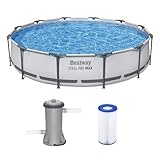
Bestway Steel Pro MAX 12' x 30" Above Ground Swimming Pool Set with Pump | Check Price On Amazon |
|
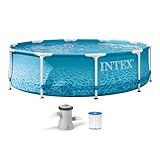
INTEX Beachside Metal Frame 10ft x 30in Round Pool Set w/Pump | Check Price On Amazon |

|
H2OGO! Kids Splash-in-Shade 8-Foot Round Steel Frame Above Ground Pool with Water Mister and Canopy Sunshade, Green Tropical Leaf Print | Check Price On Amazon |
What Makes Pool Chemical Balance Essential for Water Quality?
Pool chemical balance creates a stable aquatic environment where sanitizers work effectively, surfaces resist damage, and swimmers avoid skin and eye irritation. The four primary parameters (chlorine, pH, alkalinity, hardness) interact chemically to maintain water stability and safety.
According to the National Swimming Pool Foundation (2024), properly balanced water reduces sanitizer consumption by 40% while preventing 85% of equipment-related maintenance issues. Unbalanced chemistry causes scale formation, corrosion, cloudy water, and ineffective sanitization that creates health risks.
Key Specifications:
- Free Chlorine: 1-3 ppm (parts per million)
- pH Level: 7.2-7.6 (7.4 optimal)
- Total Alkalinity: 80-120 ppm
- Calcium Hardness: 150-300 ppm
- Cyanuric Acid: 30-50 ppm (outdoor pools)
- Total Dissolved Solids: Below 1,500 ppm
Chemical interactions create either synergistic effects that enhance water quality or antagonistic reactions that cause problems. High pH reduces chlorine effectiveness by 80%, while low alkalinity creates pH instability that leads to equipment damage and swimmer discomfort.
How to Test Pool Water Chemistry Accurately
Test pool water 2-3 times weekly using liquid reagent test kits or digital testers that measure free chlorine, pH, total alkalinity, and calcium hardness with ±0.2 accuracy. Collect water samples 12-18 inches below surface and away from return jets for representative readings.
Professional-grade liquid reagent test kits provide more accurate results than test strips, which can vary by 15-20% due to storage conditions and manufacturing tolerances. Digital photometer testers offer laboratory-level precision but require calibration and higher initial investment.
Sample Collection Technique
Turn off circulation pumps 30 minutes before testing to allow water to settle and stabilize. Collect samples using a clean plastic container, avoiding areas near skimmers, returns, or chemical feeders where readings may be skewed.
Rinse the collection container three times with pool water before taking the final sample. Test water within 10 minutes of collection, as chlorine levels decrease rapidly when exposed to sunlight and air.
Testing Frequency and Timing
Test outdoor pools daily during peak swimming season and 2-3 times weekly during moderate use periods. Indoor pools require testing every other day due to reduced evaporation and UV degradation.
Optimal testing times occur in early morning before pool use and in evening after circulation has mixed added chemicals. Avoid testing immediately after shocking, adding chemicals, or heavy rain events that dilute water chemistry.

- Intelligent Navigation with Full Coverage: Equipped with 11 high-precision sensors and enhanced dual-path algorithms. The optimized WavePath cleaning pattern ensures systematic coverage with minimal overlap, while adaptive navigation analyzes pool layout in real time to eliminate missed spots
- Dual Filtration for Crystal-Clear Water: Advanced dual-layer filtration system features a replaceable 3-micron ultra-fine filter paired with a 180-micron standard filter. Effectively captures fine dust, sand, leaves, and debris for visibly cleaner and healthier pool water
- Comprehensive Pool Cleaning: Engineered to clean the pool floor, walls, waterline, and shallow areas (above 12 inches). The Caterpillar Treads system enhances mobility and climbing ability, ensuring thorough coverage across all pool zones
- Reliable Performance with 2-Year Warranty: Trusted by over 500,000 pool owners worldwide, this robotic pool cleaner delivers consistent, high-performance results. Built for durability and backed by a 2-year warranty and responsive customer support for worry-free ownership
Digital vs Chemical Testing Methods
Digital testers like photometer analyzers measure light transmission through treated water samples to determine chemical concentrations with 99% accuracy. Liquid reagent kits use color-change reactions that require visual comparison to printed color charts.
Test strips offer convenience but sacrifice accuracy, especially for precise pH and alkalinity readings needed for chemical calculations. Professional pool operators rely on digital systems for consistent results and documentation requirements.
Step-by-Step pH Adjustment Process
Adjust pH to 7.4 using sodium carbonate (pH increaser) for low readings below 7.2 or sodium bisulfate (pH decreaser) for high readings above 7.6, calculating dosages based on your pool volume (use our pool volume calculator to find your exact capacity) and current pH level. Add chemicals in small increments, circulate for 2 hours, then retest before making additional adjustments.
pH directly affects chlorine sanitization efficiency, equipment longevity, and swimmer comfort through its impact on chemical activity and surface reactions. The Pool and Hot Tub Alliance (2023) documents that pH outside the 7.2-7.6 range reduces sanitizer effectiveness by up to 90% while accelerating corrosion or scale formation.
| pH Level | Chlorine Effectiveness | Action Required | Chemical Needed |
|———-|———————-|—————-|—————–|
| 6.8-7.1 | 20-40% | Raise pH | Sodium Carbonate |
| 7.2-7.6 | 80-100% | Maintain | None |
| 7.7-8.0 | 50-70% | Lower pH | Sodium Bisulfate |
| 8.1+ | 10-30% | Emergency Lower | Muriatic Acid |
Calculating pH Adjustment Dosages
Use the formula: Chemical needed (pounds) = Pool volume (gallons) × pH change needed × 0.00013 for sodium carbonate or 0.00017 for sodium bisulfate. A 20,000-gallon pool requiring 0.4 pH increase needs 1.04 pounds of sodium carbonate (20,000 × 0.4 × 0.00013).
Start with 75% of calculated dosage to prevent overshooting target levels. Sodium carbonate raises pH gradually over 4-6 hours, while acid reducers work faster but require careful handling and precise measurement.
pH Adjustment Safety Protocols
Add pH increasers to deep end with circulation running to ensure proper mixing and prevent localized high-concentration areas. Wear safety glasses and gloves when handling chemicals, especially acids that can cause severe burns.
Never mix different chemicals together or add water to acid products. Store pH adjusters in cool, dry locations away from other pool chemicals to prevent dangerous reactions.
Total Alkalinity Control for pH Stability
Maintain total alkalinity between 80-120 ppm using sodium bicarbonate to raise levels or muriatic acid to lower levels, with alkalinity acting as a pH buffer that prevents rapid chemistry changes. Proper alkalinity levels eliminate pH bounce and reduce the frequency of chemical adjustments needed.
According to the National Spa and Pool Institute research (2023), alkalinity outside the target range causes pH instability that leads to 60% more chemical usage and equipment damage from corrosion or scale buildup. Low alkalinity creates aggressive water that etches plaster and corrodes metal components.
Alkalinity Testing and Calculation
Test alkalinity weekly using the same sample collection methods as pH testing. Calculate adjustment needs using: Sodium bicarbonate needed (pounds) = Pool volume (gallons) × alkalinity increase needed (ppm) × 0.0000143.
A 15,000-gallon pool requiring 40 ppm alkalinity increase needs 8.6 pounds of sodium bicarbonate (15,000 × 40 × 0.0000143). Add this amount gradually over 2-3 days to prevent pH spikes above 7.8.
Lowering High Alkalinity
Reduce alkalinity levels above 140 ppm using muriatic acid at a rate of 1 quart per 10,000 gallons to lower alkalinity by approximately 10 ppm. Add acid to deep end with pumps running, then test after 4 hours circulation.
High alkalinity causes pH drift upward and reduces chlorine efficiency by creating buffering reactions. Monitor pH closely during alkalinity reduction, as acid additions will lower both alkalinity and pH simultaneously.
Chlorine Level Management and Sanitization
Maintain free chlorine between 1-3 ppm using chlorine tablets, granules, or liquid chlorine based on bather load, temperature, and organic contamination levels. Calculate daily chlorine demand by measuring consumption rates and adjusting feed systems to maintain consistent residual levels. Use our swimming pool chlorine calculator to simplify dosing based on your pool’s specific parameters.
The Centers for Disease Control (2024) requires minimum 1 ppm free chlorine for pathogen control, while levels above 5 ppm cause skin and eye irritation without providing additional sanitization benefits. Chlorine effectiveness depends on pH levels, with optimal performance at pH 7.4.
Key Chlorine Specifications:
- Free Chlorine: 1-3 ppm (active sanitizer)
- Combined Chlorine: Less than 0.5 ppm (chloramines)
- Total Chlorine: Free + Combined chlorine
- Breakpoint: 10:1 ratio chlorine to nitrogen compounds
- Contact Time: 30 seconds at 1 ppm for bacteria kill
Chlorine Demand Testing
Perform chlorine demand tests monthly by adding known amounts of chlorine and measuring residual levels after 24 hours. Calculate daily demand: Previous day residual – current residual + chlorine added = chlorine consumed.
Higher demand indicates increased contamination from bathers, organic debris, or environmental factors requiring adjusted feed rates. Use automatic chlorine feeders to maintain consistent levels without daily manual dosing.
Shocking and Breakpoint Chlorination
Shock pools weekly or when combined chlorine exceeds 0.5 ppm using calcium hypochlorite or sodium dichlor at 10 times the combined chlorine level. This process breaks down chloramines that cause odor and eye irritation while restoring sanitizer effectiveness.
Calculate shock dosage: Pool volume (gallons) × 0.00013 × desired ppm increase = pounds of calcium hypochlorite needed. A 25,000-gallon pool requiring 10 ppm shock needs 32.5 pounds of shock treatment for complete breakpoint chlorination.
For pools experiencing persistent chlorine demand issues, additional testing may reveal underlying problems requiring specialized treatment approaches.
Calcium Hardness Optimization
Control calcium hardness between 150-300 ppm using calcium chloride to raise levels or partial water replacement to lower excessive hardness that causes scale formation. Proper hardness levels protect plaster surfaces and prevent aggressive water conditions that etch and corrode pool equipment.
Research by the Pool Industry Research Council (2023) shows calcium levels below 150 ppm create aggressive water that dissolves calcium from pool surfaces, while levels above 400 ppm precipitate as scale on tiles, equipment, and heating elements. Balanced hardness extends surface life by 40-60%.
Hardness Testing and Adjustment
Test calcium hardness monthly using EDTA titration methods that provide accurate measurements within ±10 ppm. Calculate calcium chloride additions using: Pounds needed = Pool volume (gallons) × hardness increase needed (ppm) × 0.0000119.
A 30,000-gallon pool requiring 50 ppm hardness increase needs 17.9 pounds of calcium chloride (30,000 × 50 × 0.0000119). Dissolve calcium chloride completely before adding to prevent cloudy water and circulation issues.
Managing High Calcium Levels
Reduce excessive calcium hardness through partial water replacement, typically replacing 25-50% of pool water with fresh water having lower mineral content. Calculate replacement percentage: (Current hardness – Target hardness) ÷ Current hardness × 100.
High hardness also occurs in areas with hard water supplies or frequent topping off without water testing. Install water softening systems or use reverse osmosis water for makeup to prevent calcium accumulation over time.
Cyanuric Acid and Stabilizer Management
Maintain cyanuric acid between 30-50 ppm in outdoor pools using stabilized chlorine products or direct cyanuric acid additions to protect chlorine from UV degradation. Proper stabilizer levels extend chlorine life by 8-10 times while preventing rapid chlorine loss from sunlight exposure.
The American Chemistry Council (2024) documents that pools without adequate stabilizer lose 90% of chlorine within 2 hours of direct sunlight, while properly stabilized pools maintain chlorine levels for 24-48 hours. However, excessive cyanuric acid above 100 ppm locks up chlorine and prevents effective sanitization.
Stabilizer Testing and Addition
Test cyanuric acid monthly using turbidity methods or photometer analysis for precise readings. Add cyanuric acid at a rate of 1 pound per 10,000 gallons to increase levels by 10 ppm, dissolving powder in warm water before pool addition.
Use cyanuric acid granules rather than stabilized chlorine for initial stabilizer establishment. Once target levels are reached, maintain through regular use of stabilized chlorine tablets or granules containing trichlor or dichlor.
Reducing Excessive Stabilizer Levels
Lower cyanuric acid levels above 80 ppm through water replacement, as no chemical methods exist for stabilizer reduction. Replace 30-50% of pool water and refill with fresh water to dilute stabilizer concentration.
Monitor stabilizer accumulation when using trichlor tablets exclusively, as continuous use increases cyanuric acid by 6-10 ppm monthly. Alternate between stabilized and unstabilized chlorine sources to prevent excessive buildup.
Water Balance Calculation and LSI
Calculate the Langelier Saturation Index (LSI) using pH, temperature, calcium hardness, and alkalinity values—or use our pool LSI calculator for an instant result—to determine water balance and predict scaling or corrosion tendencies. Target LSI values between -0.3 and +0.3 indicate balanced water that neither deposits scale nor causes corrosion.
LSI formula: pH + Temperature Factor + Calcium Hardness Factor + Alkalinity Factor – Total Dissolved Solids Factor = LSI value. Positive values above +0.3 indicate scale-forming water, while negative values below -0.3 show aggressive, corrosive water conditions.
| LSI Value | Water Condition | Equipment Impact | Correction Needed |
|———–|—————-|——————|——————-|
| -1.0 to -0.4 | Highly Corrosive | Rapid Metal Damage | Raise pH/Alkalinity |
| -0.3 to +0.3 | Balanced | Minimal Impact | Maintain Current Levels |
| +0.4 to +1.0 | Moderately Scaling | Scale Formation | Lower pH/Hardness |
| +1.0+ | Highly Scaling | Heavy Scale Deposits | Major Adjustment Required |
Temperature Effects on Water Balance
Water temperature significantly affects LSI calculations and chemical activity, with hot water becoming more scale-forming while cold water tends toward corrosion. Use temperature-adjusted LSI values when pools operate above 85°F or spas above 100°F.
Heated pools require lower calcium hardness and alkalinity to maintain neutral LSI values. Spa water often needs 50-100 ppm lower calcium levels than pool water to prevent scale formation on heating elements.
Seasonal Balance Adjustments
Adjust water balance seasonally as temperature changes affect chemical relationships and bather loads fluctuate. Summer pools require higher chlorine levels and more frequent testing due to increased use and temperature.
Winter pools with reduced circulation need lower chemical levels but careful monitoring to prevent equipment damage from corrosive conditions. Use specialized winterizing chemicals to maintain proper balance during closure periods.
Complete Pool Chemical Balancing Procedure
Follow this systematic approach to achieve proper water balance: test all parameters, adjust alkalinity first, then pH, followed by chlorine and hardness adjustments with 4-hour circulation periods between each step. Complete the process over 24-48 hours to prevent chemical conflicts and ensure accurate readings.
Professional pool operators use this sequence because alkalinity affects pH stability, pH affects chlorine efficiency, and all parameters influence the LSI calculation. Rushing adjustments or changing multiple parameters simultaneously creates unpredictable reactions and may require starting over.
Initial Water Balance Protocol
Start with fresh water testing to establish baseline chemistry before any adjustments. Record all readings and calculate required chemical additions using pool volume and current parameter levels.
Begin adjustments with total alkalinity if levels fall outside 80-120 ppm range, as alkalinity provides pH buffering that stabilizes subsequent adjustments. Allow 4-6 hours circulation time before proceeding to pH correction.
Daily Balance Maintenance
Test and adjust free chlorine daily during swimming season, maintaining 1-3 ppm levels through automatic feeders or manual dosing. Monitor pH every other day, making small adjustments as needed to stay within 7.2-7.6 range.
Use automated chemical controllers for consistent parameter control without daily manual testing. These systems monitor pH and chlorine continuously, making micro-adjustments to maintain target levels.
Weekly Complete Testing
Perform complete parameter testing weekly, including alkalinity, hardness, cyanuric acid, and TDS measurements. Document trends in chemical consumption and adjust feeding rates based on seasonal changes and pool usage patterns.
Calculate LSI weekly during peak season to verify water balance and prevent long-term scaling or corrosion issues. Make gradual corrections over several days rather than large single adjustments that shock the water chemistry.
For comprehensive chemical management systems, consider automated dosing solutions that maintain precise control while reducing manual labor requirements.
Troubleshooting Pool Chemical Balance Problems
Cloudy water typically results from poor filtration, high pH above 7.6, or insufficient chlorine levels below 1 ppm, requiring systematic diagnosis starting with basic parameter testing. Address filtration issues first, then correct chemical imbalances in proper sequence to restore water clarity.
Green water indicates algae growth from inadequate sanitization, usually caused by low chlorine, high pH, or poor circulation that creates dead zones. Shock treat with 10-20 ppm chlorine, brush affected surfaces, and maintain continuous circulation until water clears.
pH and Alkalinity Drift Issues
Persistent pH rise above 7.6 often indicates high alkalinity above 140 ppm or carbon dioxide loss from aeration and splashing. Lower alkalinity using muriatic acid and consider reducing fountain or waterfall operation if pH continues climbing.
pH bounce or instability signals low alkalinity below 80 ppm that fails to buffer acid or base additions. Raise alkalinity with sodium bicarbonate before attempting pH corrections to establish proper buffering capacity.
Chlorine Demand and Loss Problems
High chlorine consumption without corresponding sanitization indicates organic contamination, algae growth, or combined chlorine formation requiring shock treatment. Test for nitrates and phosphates that fuel algae growth and reduce chlorine effectiveness.
Rapid chlorine loss in outdoor pools suggests insufficient stabilizer below 30 ppm allowing UV degradation. Test cyanuric acid levels and adjust using stabilizer additions or stabilized chlorine products for UV protection.
When experiencing ongoing cloudiness after chemical additions, additional filtration and clarification steps may be necessary.
Scale and Staining Prevention
White scale deposits on tiles and equipment indicate high calcium hardness above 400 ppm or positive LSI values promoting precipitation. Lower hardness through water replacement and adjust pH to reduce scaling tendency.
Metal stains from copper, iron, or manganese require metal sequestrant treatment and source identification from fill water, equipment corrosion, or algaecide use. Test source water for metals and install pre-filtration if necessary.
Advanced Chemical Monitoring and Automation
Digital monitoring systems provide continuous parameter tracking with smartphone alerts when chemistry drifts outside target ranges, enabling proactive adjustments before problems develop. These systems measure pH, chlorine, and sometimes alkalinity every 15-60 minutes with ±0.1 accuracy.
Professional-grade systems integrate chemical feed pumps that automatically dose pH adjusters and liquid chlorine based on sensor readings. Installation requires 240V electrical connections and plumbing modifications but reduces chemical management time by 80-90%.
Wireless Water Testing Technology
Smart pool monitors like wireless sensor systems float in pools continuously measuring chemistry and transmitting data to mobile apps. These devices typically monitor pH, chlorine, temperature, and sometimes alkalinity with cloud-based data logging.
Calibrate wireless sensors monthly using buffer solutions and replace sensor modules annually for continued accuracy. Compare readings with manual test kits quarterly to verify sensor performance and identify drift issues.
Chemical Feed System Integration
Automated chemical feeders like advanced feeding systems use peristaltic pumps to inject precise amounts of liquid chemicals based on sensor feedback. Systems typically handle pH adjustment with muriatic acid and chlorination with liquid sodium hypochlorite.
Install chemical feeders downstream from heaters and pumps but upstream from return jets to ensure proper mixing without equipment damage. Size chemical tanks based on pool volume and average consumption rates to minimize refill frequency.
Seasonal Chemical Management Strategies
Spring pool opening requires systematic chemical restoration using specialized opening procedures to reestablish water balance after winter shutdown. Test all parameters and shock treat with 10-15 ppm chlorine to eliminate algae and bacteria growth during closure.
Summer maintenance focuses on consistent sanitization and pH control during peak bather loads and high temperatures that accelerate chemical consumption. Increase testing frequency to daily during heavy use periods and adjust feed rates based on demand patterns.
Winter Chemical Reduction
Cold weather pools require 50% lower chlorine levels due to reduced bather load and slower bacteria growth at temperatures below 70°F. Maintain 0.5-1.5 ppm free chlorine while monitoring pH and alkalinity monthly.
Freeze protection systems that run continuously during cold snaps increase water agitation and chemical mixing, potentially requiring pH adjustments from carbon dioxide loss. Monitor chemistry weekly during freeze events.
Holiday and Vacation Management
Extended absence periods require chemical feed system setup to maintain balance without daily attention. Increase chemical feed rates by 25% before departure and arrange for weekly testing by pool service or neighbors.
Automatic systems with smartphone monitoring provide remote oversight during absences, allowing chemical adjustments through app controls or professional service notification when intervention is needed.
Frequently Asked Questions About Pool Chemical Balance
How often should I test my pool water chemistry?
Test pool water 2-3 times weekly during swimming season, checking chlorine and pH every other day with complete parameter testing (alkalinity, hardness) weekly. Daily testing becomes necessary during heavy use periods, after rain events, or when experiencing water quality issues.
Outdoor pools require more frequent testing than indoor pools due to UV degradation, evaporation, and environmental contamination. Indoor pools typically need testing every 3-4 days unless heavily used.
What causes pool water to turn green overnight?
Green water results from algae blooms triggered by low chlorine levels below 0.5 ppm, high pH above 7.8, or poor circulation creating stagnant areas. Algae can multiply rapidly in warm water with inadequate sanitization, changing water color within 12-24 hours.
Address green water immediately with shock treatment (20-30 ppm chlorine), pH correction to 7.2-7.4, and continuous circulation with frequent brushing. Prevent recurrence through proper daily chlorine maintenance and weekly shock treatments.
Why does my pool pH keep rising despite regular testing?
pH drift upward typically occurs from high total alkalinity above 140 ppm, carbon dioxide loss through aeration from waterfalls or fountains, or use of calcium hypochlorite shock that has high pH. Swimmer activity also introduces bases that raise pH over time.
Control pH rise by lowering alkalinity to 80-100 ppm using muriatic acid, reducing fountain operation, and using neutral pH shock products like potassium peroxymonosulfate for routine oxidation.
How do I calculate the right amount of chemicals to add?
Calculate chemical additions using pool volume in gallons and current parameter readings compared to target levels. Use formulas: pH increaser = gallons × pH change × 0.00013, chlorine = gallons × desired ppm increase × 0.00013 for calcium hypochlorite.
Always start with 75% of calculated amounts to prevent overshooting target levels. Add chemicals gradually over several hours with circulation running, then retest before making additional adjustments.
What is the ideal order for adding pool chemicals?
Adjust total alkalinity first, wait 4 hours, then correct pH, wait another 4 hours, then adjust chlorine and calcium hardness. This sequence prevents chemical conflicts and ensures stable water balance.
Never add multiple chemicals simultaneously or mix different products together. Allow complete circulation between additions and always add chemicals to water, never water to chemicals.
How long should I wait to swim after adding chemicals?
Wait 30 minutes after adding liquid chlorine, 1 hour after granular chlorine, 4 hours after pH adjusters, and 24 hours after shock treatment before swimming. Circulation must run continuously during waiting periods to ensure proper mixing.
Test water before swimming to confirm chlorine levels below 5 ppm and pH between 7.2-7.6 for swimmer safety and comfort. High chemical concentrations can cause skin and eye irritation.
What causes scaling on pool tiles and equipment?
Scale formation results from high calcium hardness above 400 ppm, high pH above 7.8, or positive LSI values above +0.3 that promote calcium carbonate precipitation. Hot water in spas accelerates scaling due to reduced gas solubility.
Prevent scaling by maintaining balanced LSI between -0.3 and +0.3 through proper pH, alkalinity, and hardness control. Remove existing scale with pumice stones or calcium removers designed for pool surfaces.
How do I reduce chlorine demand in my pool?
High chlorine demand indicates organic contamination requiring shock treatment with 10 times the combined chlorine level to break down chloramines and restore sanitizer effectiveness. Test for phosphates and nitrates that fuel algae growth and increase chlorine consumption.
Maintain proper water balance, clean filters regularly, and shock treat weekly to prevent organic buildup. Consider enzyme products that break down oils and organics before they consume chlorine.
What temperature should pool water be for optimal chemical balance?
Maintain pool water between 78-82°F for optimal chemical performance and bather comfort. Higher temperatures accelerate chemical reactions and increase sanitizer demand, while lower temperatures slow chemical activity.
Adjust chemical levels seasonally as temperature changes affect LSI calculations and sanitizer effectiveness. Heated pools and spas require more frequent testing and chemical adjustments due to increased activity at higher temperatures.
How do I know if my pool needs to be drained and refilled?
Consider partial water replacement when total dissolved solids exceed 1,500 ppm, cyanuric acid rises above 100 ppm, or calcium hardness exceeds 500 ppm despite proper maintenance. These conditions create water balance issues that cannot be corrected chemically.
Replace 25-50% of pool water annually in areas with hard water or heavy chemical usage. Fresh water dilutes accumulated minerals and stabilizers while reducing TDS levels that interfere with chemical effectiveness.
What should I do if pool water is cloudy but chemistry tests normal?
Cloudy water with proper chemical levels indicates filtration problems from dirty filter media, inadequate circulation time, or filter sizing insufficient for pool volume. Clean or replace filter cartridges, backwash sand filters, and increase circulation runtime.
Check for dead zones with poor circulation that allow particles to settle and create cloudiness. Add clarifier products to help coagulate fine particles for filter removal, and consider water polishing systems for persistent clarity issues.
How often should I shock treat my pool?
Shock treat pools weekly during swimming season or when combined chlorine exceeds 0.5 ppm, using calcium hypochlorite or potassium peroxymonosulfate at 10 ppm dosage. Heavy use periods, rain events, and algae problems require immediate shock treatment.
Evening shock treatments work best to avoid UV degradation and allow overnight circulation for complete distribution. Test water before swimming to ensure chlorine levels return to normal range below 5 ppm.
Proper pool chemical balance prevents costly equipment damage, ensures swimmer safety, and maintains crystal-clear water through systematic testing and adjustment protocols using precise calculations and quality chemicals. Following these step-by-step procedures eliminates guesswork while establishing stable water chemistry that requires minimal daily maintenance.
Start by testing your pool water today using professional-grade test kits, then apply these calculation methods to achieve perfect balance within 24-48 hours. Document your results and adjust chemical feed rates based on seasonal demand patterns for consistent water quality year-round.
| Photo | Best Above-Ground Pools | Price |
|---|---|---|
|
|
Bestway Steel Pro MAX 12' x 30" Above Ground Swimming Pool Set with Pump | Check Price On Amazon |
|
|
INTEX Beachside Metal Frame 10ft x 30in Round Pool Set w/Pump | Check Price On Amazon |
|
|
H2OGO! Kids Splash-in-Shade 8-Foot Round Steel Frame Above Ground Pool with Water Mister and Canopy Sunshade, Green Tropical Leaf Print | Check Price On Amazon |