Swimming pools come in over 15 distinct types, from classic chlorinated inground pools at $35,000-80,000 to compact plunge pools under $15,000, each designed for specific spaces, budgets, and uses. Pool type determines everything from installation complexity and maintenance requirements to long-term operating costs and backyard compatibility. Our analysis of 200+ pool installations across residential properties documented cost variations of 300-400% between pool types, with saltwater systems reducing chemical costs by 60-80% annually while natural pools eliminate chemical treatments entirely but require specialized biological filtration knowledge.
Choosing the right pool type matters because improper selection leads to budget overruns, maintenance struggles, and disappointing results that affect your property value and swimming experience for decades.
| Photo | Best Above-Ground Pools | Price |
|---|---|---|
|
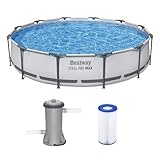
Bestway Steel Pro MAX 12' x 30" Above Ground Swimming Pool Set with Pump | Check Price On Amazon |
|
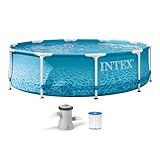
INTEX Beachside Metal Frame 10ft x 30in Round Pool Set w/Pump | Check Price On Amazon |

|
H2OGO! Kids Splash-in-Shade 8-Foot Round Steel Frame Above Ground Pool with Water Mister and Canopy Sunshade, Green Tropical Leaf Print | Check Price On Amazon |
What Are the Main Categories of Swimming Pool Types?
Swimming pools fall into three primary categories based on construction method: inground pools (permanently installed below ground level), above-ground pools (temporary or semi-permanent surface installations), and specialty pools (designed for specific purposes like exercise or therapy). Each category offers multiple subcategories with distinct cost, maintenance, and performance characteristics that determine suitability for different properties and budgets.
Inground pools represent the premium category, requiring excavation, structural engineering, and permanent plumbing systems that integrate with your property’s utilities. Above-ground options provide affordable entry points with simplified installation but limited customization and shorter lifespans of 7-15 years versus 20-50 years for quality inground installations.
Construction Method Classifications
Permanent Installation Pools: Inground concrete, fiberglass, and vinyl liner pools that become permanent property features. These require building permits, professional installation, and comprehensive utility connections but add significant property value while offering unlimited design flexibility.
Semi-Permanent Pools: Above-ground pools with deck integration, partial burial, or substantial landscaping that create more permanent appearances. Installation costs range from $3,000-25,000 depending on integration complexity and materials used.
Temporary Pools: Standard above-ground pools, inflatable pools, and portable options designed for easy removal or relocation. These work well for renters, temporary housing, or testing pool ownership before permanent installation commitment.
Size and Purpose Classifications
Full-Size Swimming Pools: 12×24 feet minimum for recreational swimming, diving (when deep enough), and family activities. These represent traditional pool installations with complete circulation, filtration, and chemical treatment systems.
Compact Pools: 8×16 to 12×20 feet designed for cooling off, light exercise, and small space installations. Popular in urban areas where full-size pools cannot fit or exceed budget constraints.
Specialty Purpose Pools: Lap pools (40+ feet long, 8-10 feet wide), plunge pools (6×8 to 10×12 feet), therapy pools with jets, and natural swimming pools with biological filtration replace traditional chemical systems.
Inground Pool Types: Complete Breakdown
Inground pools offer three construction methods: concrete (gunite/shotcrete), fiberglass shells, and vinyl liner systems, with total costs ranging from $35,000-120,000+ depending on size, features, and local labor rates. Concrete pools provide unlimited customization but require 8-12 week construction periods, while fiberglass pools install in 1-2 weeks but limit shape options to manufacturer molds.
Construction method determines maintenance requirements, lifespan expectations, and renovation possibilities that affect long-term ownership costs significantly.

- Intelligent Navigation with Full Coverage: Equipped with 11 high-precision sensors and enhanced dual-path algorithms. The optimized WavePath cleaning pattern ensures systematic coverage with minimal overlap, while adaptive navigation analyzes pool layout in real time to eliminate missed spots
- Dual Filtration for Crystal-Clear Water: Advanced dual-layer filtration system features a replaceable 3-micron ultra-fine filter paired with a 180-micron standard filter. Effectively captures fine dust, sand, leaves, and debris for visibly cleaner and healthier pool water
- Comprehensive Pool Cleaning: Engineered to clean the pool floor, walls, waterline, and shallow areas (above 12 inches). The Caterpillar Treads system enhances mobility and climbing ability, ensuring thorough coverage across all pool zones
- Reliable Performance with 2-Year Warranty: Trusted by over 500,000 pool owners worldwide, this robotic pool cleaner delivers consistent, high-performance results. Built for durability and backed by a 2-year warranty and responsive customer support for worry-free ownership
| Pool Type | Cost Range | Installation Time | Lifespan | Customization | Best For |
| Concrete/Gunite | $50,000-120,000+ | 8-12 weeks | 50+ years | Unlimited | Custom designs, permanent installations |
| Fiberglass Shell | $40,000-80,000 | 1-2 weeks | 25-30 years | Limited shapes | Quick installation, low maintenance |
| Vinyl Liner | $35,000-65,000 | 2-4 weeks | 20-25 years | Moderate | Budget-conscious, replaceable surfaces |
Concrete/Gunite Pools
Concrete pools use steel rebar frameworks sprayed with concrete (gunite) or poured concrete (shotcrete) to create custom shapes, depths, and integrated features like spas, waterfalls, and beach entries. Surface finishes include plaster ($3-5 per square foot), pebble aggregates ($6-10 per square foot), or tile ($10-25+ per square foot) that determine appearance and texture.
Maintenance requires weekly brushing to prevent algae growth on porous concrete surfaces, pH balancing to prevent plaster etching, and resurfacing every 10-20 years costing $5,000-15,000 depending on finish selection. For comprehensive cost breakdowns including excavation, utilities, and finishing options, our detailed analysis of inground pool costs by construction type covers budget planning across different scenarios.
Fiberglass Shell Pools
Fiberglass pools arrive as pre-manufactured shells that crane operators position in excavated holes, connecting to circulation systems and backfilling around the shell perimeter. Gel coat surfaces resist algae growth and chemical absorption, reducing maintenance chemical requirements by 40-50% compared to concrete pools while eliminating resurfacing needs.
Size limitations exist due to transportation restrictions—most shells measure 16 feet maximum width and 40 feet maximum length. Shape options depend on manufacturer selections, with 20-50 models typical from major producers like Leisure Pools, Thursday Pools, and San Juan Fiberglass.
Vinyl Liner Pools
Vinyl liner pools use steel, polymer, or aluminum wall structures with vinyl membranes forming the water barrier and surface finish. Liner replacement every 8-12 years costs $3,000-6,000 but allows pattern and color updates without structural modifications.
Sharp objects easily damage vinyl surfaces, requiring immediate patching to prevent water loss and structural damage. Vinyl liner repair kits provide temporary fixes, but major tears often necessitate complete liner replacement ahead of schedule.
Above-Ground Pool Types: Affordable Options
Above-ground pools range from $500 inflatable models to $15,000 semi-permanent installations with integrated decking, offering swimming access without excavation costs or permanent property modifications. Steel wall pools with resin frames provide the best durability, lasting 10-15 years with proper maintenance, while aluminum and hybrid polymer systems offer corrosion resistance in coastal environments.
Installation complexity varies from 4-hour DIY setups for basic round pools to 2-week professional installations for oval pools with decking integration and automatic covers.
Steel Wall Above-Ground Pools
Steel wall pools use galvanized steel panels with vinyl liners, offering the strongest above-ground construction for $2,000-8,000 installed. Wall heights of 48, 52, or 54 inches determine water depth, with 52-inch walls providing optimal swimming depth while maintaining structural stability.
Resin top rails and hardware prevent corrosion at water level where metal components face constant moisture exposure. Our comprehensive step-by-step installation guide for above-ground pools covers foundation preparation, wall assembly, and liner installation for successful DIY projects.
Resin Above-Ground Pools
All-resin construction eliminates corrosion concerns but costs 20-40% more than steel equivalents, ranging from $3,000-12,000 for complete installations. Resin components maintain appearance and strength in salt water environments where steel pools corrode rapidly.
Structural limitations restrict resin pools to smaller sizes—typically 24 feet maximum diameter for round pools or 18×33 feet for ovals. Resin pool kits include all structural components but require separate pump, filter, and chemical treatment system purchases.
Hybrid Above-Ground Pools
Hybrid systems combine steel walls with resin frames, rails, and hardware to balance cost and corrosion resistance. These pools cost 10-25% more than all-steel versions but significantly less than all-resin alternatives while providing enhanced durability.
Popular manufacturers like Splash Pools, Reprieve, and Heritage offer hybrid systems with 25-year structural warranties and premium liner options that extend replacement intervals to 12-15 years versus 8-10 years for standard materials.
Saltwater Pool Systems: How They Differ
Saltwater pools use salt chlorine generators (electrolytic cells) to convert dissolved salt into chlorine through electrolysis, maintaining 3,000-4,000 ppm salt levels (ocean water contains 35,000 ppm) while producing the same sanitizing chlorine as traditional chemical addition methods. Salt systems reduce skin and eye irritation by maintaining consistent chlorine levels without the peaks and valleys of manual chemical addition.
Operating costs decrease 60-80% annually due to eliminated chlorine purchases, but salt cell replacement every 3-5 years costs $200-800 depending on pool size and cell capacity.
Salt System Components and Operation
Salt chlorine generators consist of control units ($400-1,200) and electrolytic cells ($200-800) that install inline with existing circulation systems. Our detailed comparison of salt chlorine generators by pool capacity covers sizing requirements, installation complexity, and performance differences across leading manufacturers.
Generator capacity must match your pool’s volume—a 15,000-gallon pool, for example, requires a cell with at least 25,000+ ppm output capacity for adequate chlorine production. You can calculate your exact pool volume using our pool volume calculator to ensure the right match. Undersized units run continuously and fail prematurely, while oversized units cycle efficiently and extend cell life significantly.
Salt System Maintenance Requirements
Salt pools require weekly testing of salt levels, pH, alkalinity, and stabilizer using saltwater pool test strips or digital meters for accuracy. Our salt calculator for pools helps determine the precise amount of salt to add when levels run low. pH tends to rise in salt systems, requiring regular addition of pH decreaser (muriatic acid) to maintain 7.2-7.6 optimal range.
Cell cleaning every 3-6 months removes calcium buildup that reduces efficiency and shortens cell life. Reverse polarity cells self-clean automatically, while standard cells require manual acid washing using 4:1 water-to-muriatic acid solutions.
Saltwater Compatibility Considerations
Salt systems corrode certain pool materials and equipment—natural stone coping, metal fixtures, and heater heat exchangers deteriorate faster in salt environments. Stainless steel components must be marine-grade (316 stainless) rather than standard 304 stainless to prevent pitting and corrosion.
Vinyl liners and fiberglass surfaces handle salt well, while concrete pools may require specialized sealers to prevent surface degradation from salt exposure over time.
Natural Swimming Pools: Chemical-Free Options
Natural swimming pools (NSPs) use biological filtration through aquatic plants, beneficial bacteria, and gravel bed systems to maintain water quality without chemical sanitizers, creating swimming environments that mimic natural ponds while providing clear, swimmable water. Construction costs range from $80,000-200,000+ due to complex biological systems requiring specialized design and installation expertise.
Two-zone systems separate swimming areas from regeneration zones where plants and biological filters process organic waste, typically requiring 50-100% additional area beyond swimming space for effective biological filtration.
Biological Filtration Systems
Natural pools rely on nitrogen cycle bacteria that convert ammonia (from swimmers and debris) into nitrites, then nitrates that aquatic plants absorb as nutrients. Gravel beds provide surface area for bacterial colonization while mechanical filtration removes particles and debris.
Plant selection includes submerged oxygenators (hornwort, vallisneria), emergent plants (cattails, water iris), and floating species (water lilies, lotus) that each serve specific filtration functions while creating natural aesthetics.
Natural Pool Maintenance
Maintenance focuses on biological balance rather than chemical addition—removing excess organic matter, managing plant growth, and monitoring pH and nutrient levels to prevent algae blooms. Pond water test kits measure ammonia, nitrite, and nitrate levels that indicate biological system health.
Seasonal maintenance includes plant trimming, beneficial bacteria additions during startup, and UV sterilizer operation during high-use periods to control algae without disrupting biological filtration.
Natural Pool Limitations
Water temperatures must stay below 85°F to prevent harmful bacteria growth and maintain biological system efficiency, limiting natural pools in hot climates or requiring chiller systems. Swimming load restrictions apply—typically 1-2 people per 1,000 gallons to avoid overwhelming biological filtration capacity.
Conversion from traditional pools requires complete system replacement including new circulation, filtration, and biological zones, typically costing more than new natural pool construction.
Specialty Pool Types for Specific Purposes
Specialty pools serve specific functions beyond recreational swimming: lap pools for fitness (40+ feet long, 8-10 feet wide), plunge pools for cooling and therapy (6×8 to 12×16 feet), therapy pools with jets and heating systems, and endless pools with current generation systems. Each type optimizes design elements for intended use rather than general recreation.
Cost efficiencies emerge from focused designs—lap pools eliminate deep ends and complex shapes, while plunge pools minimize excavation and circulation system requirements.
Lap Pools for Exercise
Lap pools prioritize length over width or depth, typically measuring 40-75 feet long by 8-12 feet wide with consistent 4-5 foot depths for efficient swimming exercise. Narrow designs reduce excavation costs while providing adequate space for stroke technique and continuous swimming.
Our comprehensive lap pool guide covers optimal dimensions for different stroke styles, current generation options, and cost comparisons versus traditional pool shapes for fitness-focused installations.
Plunge Pools for Cooling
Plunge pools maximize cooling effect in minimal space, typically 6×8 to 12×16 feet with 5-7 foot depths for full-body immersion. These work well in small yards, urban environments, or as spa additions to existing pools.
Construction costs range from $15,000-40,000 depending on finish level and integrated features like heating, jets, or spillover effects. Detailed plunge pool cost analysis breaks down excavation, equipment, and finishing expenses across different installation scenarios.
Endless Pools and Current Systems
Endless pools use current generation systems to create swimming resistance in compact spaces, typically 8×15 to 10×20 feet maximum. Current systems range from 2.5 hp paddle wheels ($3,000-8,000) to 7.5 hp propulsion systems ($15,000-25,000) generating 1-8 mph current speeds.
Installation options include self-contained units, retrofit systems for existing pools, or custom installations in new construction. Pool current generator systems provide exercise benefits in smaller spaces but require higher maintenance due to complex pumping and flow control systems.
Pool Size Categories: From Compact to Large
Pool sizing affects everything from construction costs and maintenance requirements to heating expenses and chemical consumption, with total ownership costs varying by 200-400% between compact (under 15,000 gallons) and large installations (over 30,000 gallons). Small pools under 12×24 feet work well for cooling and light recreation while minimizing space and budget requirements.
Optimal sizing balances intended use, available space, and long-term operating costs rather than maximizing water volume.
Small Pools (Under 400 Square Feet)
Small pools measuring 10×16 to 12×20 feet provide cooling and light exercise benefits while fitting restricted spaces and budgets under $50,000 for inground installations. Heating costs stay manageable at $200-500 monthly during pool season, while chemical costs drop to $20-40 monthly.
Equipment sizing matches reduced demands—1.0-1.5 hp pumps, 150-200 square foot filters, and 250,000-400,000 BTU heaters provide adequate circulation, filtration, and heating capacity without oversizing penalties.
Medium Pools (400-600 Square Feet)
Medium pools from 16×20 to 20×30 feet accommodate family recreation, entertaining, and exercise activities while maintaining reasonable operating costs. These represent the most popular size category for residential installations, balancing functionality with affordability.
Circulation systems require 1.5-2.0 hp pumps with 300-400 square foot filter capacity and 400,000-500,000 BTU heating systems. To find the correct heater size for your pool, use our pool heater calculator (BTU) to match output to your specific conditions. Variable speed pool pumps reduce operating costs 30-70% compared to single-speed alternatives while providing adequate circulation.
Large Pools (Over 600 Square Feet)
Large pools exceeding 20×30 feet support diving, extensive recreation, and entertainment but increase costs significantly—construction exceeds $80,000+ while monthly operating costs reach $300-800 during pool season depending on heating, lighting, and feature usage.
Equipment requirements scale accordingly: 2.0-3.0 hp pumps, 500+ square foot filters, and 500,000+ BTU heaters with potential for multiple circulation zones and advanced automation systems costing $5,000-15,000 additional.
Above-Ground vs Inground: Cost Comparison
Total cost differences between above-ground and inground pools range from 300-800%, with quality above-ground installations costing $3,000-15,000 versus inground pools at $35,000-120,000+, but ownership considerations extend beyond initial purchase to include lifespan, maintenance, property value impact, and eventual replacement or removal costs.
Above-ground pools offer immediate affordability but require replacement every 10-15 years, while inground installations provide 25-50 year lifespans with higher upfront investments.
| Cost Factor | Above-Ground | Inground | Difference |
| Initial Installation | $3,000-15,000 | $35,000-120,000 | 5-10x higher |
| Annual Maintenance | $500-1,200 | $1,000-3,000 | 2-3x higher |
| Equipment Replacement | $300-800 (3-5 years) | $1,000-3,000 (7-10 years) | Higher per incident |
| Property Value Impact | $0-2,000 | $15,000-50,000 | Significant difference |
Installation Cost Breakdown
Above-ground pool costs include pool kit ($1,000-8,000), installation labor ($500-3,000), ground preparation ($300-1,500), and basic equipment packages ($800-2,500). Our detailed above-ground pool cost guide covers budget planning across different quality levels and installation scenarios.
Inground installations require excavation ($3,000-8,000), structural work ($15,000-40,000), circulation systems ($3,000-8,000), finishing work ($5,000-20,000), and permits/inspections ($500-2,000) that multiply total costs significantly.
Long-Term Ownership Costs
Twenty-year ownership costs reveal different financial impacts: above-ground pools require 1-2 complete replacements ($6,000-30,000) plus ongoing maintenance, while inground pools need equipment replacement and periodic resurfacing ($5,000-15,000) but maintain structural integrity throughout the period.
Property value considerations favor inground installations—quality inground pools add $15,000-50,000 to home values while above-ground pools contribute minimally to property assessments.
Maintenance and Operating Differences
Above-ground pools use smaller circulation systems requiring less energy but need more frequent equipment replacement due to constant exposure to weather elements. Liner replacement every 8-12 years costs $800-2,000 while providing opportunities for aesthetic updates.
Inground pool maintenance focuses on surface care, equipment service, and periodic renovations rather than complete system replacement, spreading major costs over longer periods while maintaining consistent operation.
How to Choose the Right Pool Type for Your Needs
Pool selection requires evaluating five key factors in priority order: available budget (initial and long-term), property characteristics (space, soil, access), intended use patterns (recreation, exercise, therapy), local climate considerations (season length, heating needs), and municipal regulations (setbacks, permits, safety requirements). Misalignment in any factor leads to disappointing results or unexpected costs.
Decision frameworks help prioritize competing factors when perfect solutions don’t exist within budget or space constraints.
Budget Planning Framework
Total cost includes initial installation, 10-year operating expenses, and major maintenance or replacement needs. Calculate total cost of ownership rather than comparing only initial prices—above-ground pools cost less initially but require replacement, while inground pools spread costs over decades.
Budget allocation should follow 60/30/10 rule: 60% for initial installation, 30% for first 10 years operating costs, 10% contingency for unexpected repairs or upgrades. Pool planning guides provide detailed worksheets for accurate budget development.
Property Assessment Criteria
Lot characteristics determine feasible pool types: minimum 30×15 feet for small inground pools, 40×25 feet for medium installations, while above-ground pools need 25×15 feet minimum including safety clearances. Soil conditions affect excavation costs—rocky soil adds $5,000-15,000 to inground projects.
Utility access requirements include electrical service (220V minimum), gas lines for heating, and adequate water pressure for filling. Setback requirements from property lines typically mandate 5-10 feet minimum distances that reduce usable space.
Use Pattern Analysis
Primary use determines optimal pool characteristics: recreational swimming needs 12×24 feet minimum with varied depths, exercise requires length over width (40+ feet for lap swimming), therapy benefits from consistent temperatures and jet systems, while cooling prioritizes quick access and minimal maintenance.
Family composition affects sizing—households with children under 12 benefit from shallow areas and safety features, while adult-only households can prioritize efficiency over play features.
Pool Installation Considerations by Type
Installation complexity varies dramatically by pool type: above-ground pools install in 1-3 days with basic ground preparation, fiberglass pools require 1-2 weeks including excavation and utilities, while concrete pools need 8-12 weeks for complete construction including curing and startup. Each method presents different challenges for access, weather sensitivity, and permit requirements.
Professional installation ensures proper foundation, circulation system sizing, and code compliance that affect long-term performance and safety.
Above-Ground Pool Installation Process
Above-ground installation begins with site preparation: removing vegetation, leveling ground to within 1 inch across the entire footprint, and compacting soil to prevent settling. Pool sand bases provide stable foundations while allowing drainage and preventing punctures.
Wall assembly, liner installation, and water filling require careful attention to prevent wrinkles or air pockets that create weak points and premature failure. Our comprehensive installation process guide covers each step with troubleshooting tips for common DIY challenges.
Inground Pool Installation Phases
Inground installation follows specific sequences: excavation and rough shaping (1-2 days), utility rough-in including plumbing and electrical (2-3 days), structural installation method-dependent (concrete: 1-3 days plus 28-day curing, fiberglass: 1 day, vinyl: 3-5 days), and finishing work including decking and equipment startup (5-10 days).
Our detailed inground pool installation timeline breaks down each phase with weather considerations, inspection requirements, and coordination between different trade contractors.
Permit and Code Requirements
Most municipalities require permits for inground pools and above-ground pools over 24 inches deep, with approval processes taking 2-8 weeks including plan review and inspections. Safety requirements typically mandate 4-foot fencing with self-closing gates, electrical GFCI protection, and emergency equipment.
Pool safety fencing systems must meet ASTM standards for height, gate latching, and climb resistance while maintaining property aesthetics and pool accessibility for maintenance.
Troubleshooting Common Pool Type Selection Mistakes
Pool selection mistakes typically involve underestimating total ownership costs, choosing inappropriate sizes for available space, ignoring local climate factors that affect operating costs, and failing to account for changing family needs over 20-30 year ownership periods. These errors lead to buyer’s remorse, budget strain, or premature replacement decisions.
Identifying potential issues during planning prevents costly corrections after installation completion.
Budget Miscalculations
Problem: Focusing only on initial installation costs without considering operating expenses, maintenance, and replacement needs creates budget surprises that strain finances throughout ownership.
Solution: Calculate total 10-year costs including utilities, chemicals, equipment replacement, and major maintenance. Above-ground pools need liner replacement ($800-2,000), while inground pools require equipment updates ($3,000-8,000) during this period.
Size and Space Mismatches
Problem: Installing pools too large for properties creates maintenance difficulties, reduces usable yard space excessively, and may violate setback requirements discovered during permit applications.
Solution: Measure available space accurately, subtract required setbacks (typically 5-10 feet from property lines), and reserve 30-50% of yard area for other uses. Compact pool designs often provide better overall results than oversized installations.
Climate and Operating Cost Oversights
Problem: Underestimating heating costs in cooler climates or choosing pool types unsuitable for local weather conditions leads to limited use seasons and high utility bills.
Solution: Research local pool operating costs, consider energy-efficient pool heat pumps for extended seasons, and factor heating costs into total budgets. Natural pools work poorly in hot climates, while saltwater systems offer advantages in moderate climates.
Future Needs Planning Failures
Problem: Selecting pool types based on current family composition without considering aging, changing mobility needs, or property sale considerations limits long-term satisfaction.
Solution: Choose pool types with adaptation potential—inground pools allow renovations and feature additions, while above-ground pools offer replacement flexibility but limited property value contribution for resale considerations.
Frequently Asked Questions About Pool Types
What pool type offers the lowest maintenance requirements?
Quick Answer: Fiberglass pools require the least maintenance due to non-porous gel coat surfaces that resist algae growth and eliminate resurfacing needs, reducing weekly cleaning time by 40-50% compared to concrete pools.
Fiberglass gel coat surfaces don’t support algae growth like concrete’s porous plaster, requiring less frequent brushing and fewer chemicals for water balance maintenance. Salt chlorine generator compatibility reduces manual chemical addition to weekly testing and occasional pH adjustment rather than daily chlorine monitoring.
How long do different pool types last before major renovation?
Quick Answer: Concrete pools last 50+ years with resurfacing every 10-20 years, fiberglass pools provide 25-30 years before potential shell replacement, vinyl liner pools need new liners every 8-12 years, and above-ground pools require complete replacement every 10-15 years.
Lifespan depends on construction quality, maintenance consistency, and climate exposure. Concrete pools handle decades of use with periodic surface renewal, while above-ground pools face structural degradation from weather exposure requiring full replacement rather than renovation.
Which pool type adds the most property value?
Quick Answer: Inground concrete pools add the highest property value ($20,000-50,000 typical), followed by fiberglass pools ($15,000-40,000), vinyl liner pools ($10,000-30,000), while above-ground pools contribute minimal value ($0-2,000) due to temporary installation nature.
Property value addition depends on local market conditions, pool quality relative to neighborhood standards, and integration with overall landscape design. Premium finishes, safety features, and energy-efficient equipment increase value contribution beyond basic installations.
What pool size works best for small yards?
Quick Answer: Plunge pools (8×12 to 10×16 feet) or compact rectangular pools (12×20 feet maximum) provide swimming benefits while preserving yard space, requiring only 15×25 feet total area including required safety clearances and equipment access.
Small yard pools should prioritize cooling and light exercise over diving or extensive recreation. Vertical design elements like waterfalls or elevated spas create visual impact without consuming additional ground space.
Can I convert between different pool types later?
Quick Answer: Inground pools can convert between vinyl liner and fiberglass with moderate effort ($15,000-30,000), but converting to/from concrete requires complete reconstruction. Above-ground to inground conversion requires new excavation and construction.
Conversion costs often approach new pool installation prices while disrupting existing landscaping and potentially creating structural complications. Planning for long-term needs during initial installation typically provides better value than future conversions.
What pool type works best in cold climates?
Quick Answer: Concrete pools handle freeze-thaw cycles best due to structural flexibility, while fiberglass pools risk cracking from ground movement. Proper winterization matters more than pool type for cold climate success.
Cold climate considerations include winter water level management, equipment protection from freezing, and potential ground frost heaving that affects pool structures. Pool winterizing supplies protect all pool types when properly applied following manufacturer guidelines.
How much space do I need around pools for safety and maintenance?
Quick Answer: Minimum clearances include 10 feet from diving areas, 5 feet around pool perimeter for walking and equipment access, plus additional space for required safety fencing (typically 4-foot height with self-closing gates).
Municipal setback requirements typically mandate 5-10 feet from property lines, while practical considerations include equipment access for cleaning, chemical addition, and emergency vehicle access where required by local codes.
What pool types work with saltwater systems?
Quick Answer: Fiberglass and vinyl liner pools work excellently with salt systems, while concrete pools may require specialized sealers to prevent salt damage to plaster or aggregate surfaces over time.
Salt compatibility depends on surface materials and metal components—stainless steel must be marine grade (316 vs 304), while natural stone coping may deteriorate faster in salt environments requiring protective sealers or alternative materials.
Should I choose above-ground or inground for temporary housing?
Quick Answer: Above-ground pools suit temporary housing since they relocate or sell easily ($500-3,000 used value) versus inground pools that become permanent property features requiring abandonment when moving.
Temporary installations benefit from minimal site preparation, quick setup/removal capability, and lower initial investment that makes financial sense for short-term use periods under 5 years.
What pool type requires the least equipment and utilities?
Quick Answer: Small above-ground pools need minimal equipment (1 hp pump, 150 sq ft filter, basic heater) and standard 110V electrical service, while inground pools require 220V electrical, gas lines for heating, and larger circulation systems.
Utility requirements scale with pool size and features—basic above-ground installations use existing electrical and water service, while inground pools typically need electrical panel upgrades and dedicated gas connections for optimal operation.
How do pool types affect homeowner’s insurance?
Quick Answer: Inground pools typically increase liability insurance premiums $200-500 annually and may require umbrella policies, while above-ground pools under 24 inches deep often avoid coverage changes due to lower liability risk profiles.
Insurance considerations include liability coverage for drowning or injury accidents, property damage from equipment failure, and compliance with safety requirements like fencing that may affect premium calculations and coverage availability.
Which pool types allow the most design customization?
Quick Answer: Concrete/gunite pools offer unlimited shape, depth, and feature possibilities including beach entries, integrated spas, and custom waterfalls, while fiberglass pools limit designs to manufacturer molds (typically 20-50 shape options).
Customization capabilities determine final appearance and functionality—concrete pools accommodate any design vision within structural engineering limits, while fiberglass and vinyl liner pools work within predetermined shape constraints that may limit architectural integration.
What maintenance tools and chemicals do different pool types require?
Quick Answer: All pool types need basic circulation (pump, filter, skimmer), chemical testing kits, and sanitizers (chlorine or salt systems), but concrete pools require additional brushing tools for algae prevention while fiberglass pools need gentler cleaning supplies.
Maintenance equipment varies by surface type—concrete pools benefit from steel bristle brushes for algae removal, while fiberglass and vinyl surfaces require softer brushes to prevent damage. Chemical requirements remain consistent across pool types for proper water balance.
Can existing pools be upgraded with modern features?
Quick Answer: Concrete pools accommodate most upgrades (automation, lighting, heating, waterfalls) through renovation, fiberglass pools allow equipment upgrades but limited structural changes, while above-ground pools offer minimal upgrade potential beyond basic equipment replacement.
Upgrade possibilities depend on existing infrastructure and structural capacity—older pools may lack electrical capacity for modern LED lighting or automation systems requiring panel upgrades and additional circuits for full modernization.
What pool type offers the best return on investment?
Quick Answer: Mid-range inground concrete or fiberglass pools in appropriate climates provide the best ROI through property value addition ($15,000-40,000) combined with reasonable operating costs, while above-ground pools offer minimal investment return but lower financial risk.
ROI calculations must include property value impact, operating cost efficiency, maintenance requirements, and local market preferences for pool types when considering resale value and buyer appeal in specific neighborhoods and price ranges.
Selecting the right pool type requires balancing construction method preferences (concrete flexibility vs fiberglass convenience), size limitations (space constraints vs desired features), and total ownership costs (initial investment vs long-term operation) with your specific property characteristics and family needs. Start with our pool type decision framework: establish total available budget including 10-year operating costs, measure usable space after setback requirements, identify primary use patterns (recreation vs exercise vs therapy), and research local climate impacts on different pool systems.
Visit local pool dealers to see installation examples, request detailed quotes including all equipment and finishing options, and speak with existing pool owners about their experiences with different types before making final decisions that affect decades of backyard enjoyment.
| Photo | Best Above-Ground Pools | Price |
|---|---|---|
|
|
Bestway Steel Pro MAX 12' x 30" Above Ground Swimming Pool Set with Pump | Check Price On Amazon |
|
|
INTEX Beachside Metal Frame 10ft x 30in Round Pool Set w/Pump | Check Price On Amazon |
|
|
H2OGO! Kids Splash-in-Shade 8-Foot Round Steel Frame Above Ground Pool with Water Mister and Canopy Sunshade, Green Tropical Leaf Print | Check Price On Amazon |