Most homeowners fixate on the upfront price tag when choosing between concrete and fiberglass pools. The installation method you pick determines your maintenance costs, repair frequency, and total ownership expense over the next 20 years.
| Photo | Best Above-Ground Pools | Price |
|---|---|---|
|
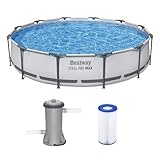
Bestway Steel Pro MAX 12' x 30" Above Ground Swimming Pool Set with Pump | Check Price On Amazon |
|
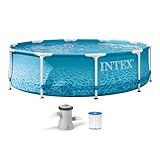
INTEX Beachside Metal Frame 10ft x 30in Round Pool Set w/Pump | Check Price On Amazon |

|
H2OGO! Kids Splash-in-Shade 8-Foot Round Steel Frame Above Ground Pool with Water Mister and Canopy Sunshade, Green Tropical Leaf Print | Check Price On Amazon |
This guide covers every installation comparison dimension: excavation requirements, timeline differences, long-term durability, chemical demands, resale value, and regional climate performance. You will find specific cost breakdowns, maintenance schedules with dollar figures, and decision frameworks that match your soil type and budget.
By the Numbers
Concrete vs Fiberglass Pool Installation — What the Data Shows
Sources: Pool & Hot Tub Alliance, industry contractor surveys, manufacturer warranty databases
What Makes Concrete and Fiberglass Pool Installation Fundamentally Different?
Concrete pools are built on-site from steel rebar and shotcrete or gunite applied by a crew over several months. A fiberglass pool arrives on a flatbed truck as a single pre-manufactured shell that gets lowered into an excavated hole with a crane.
This difference in manufacturing location changes everything about the installation: the equipment needed, the crew size, the weather dependency, the permitting complexity, and the final shape flexibility. Concrete pools are fabricated at your property using raw materials. Fiberglass pools are fabricated in a controlled factory environment then transported to your site.
The Pool & Hot Tub Alliance technical manual classifies concrete as a custom-engineered structure built to the specific soil and design conditions of each site. Fiberglass shells are engineered once at the factory and must fit within the constraints of DOT transportation width limits (typically 16 feet maximum beam).
This core distinction creates every downstream difference in cost, timeline, durability, and customization that this article covers. A concrete pool is a construction project. A fiberglass pool is an installation project.
How Long Does Each Pool Type Take to Install?
A concrete pool takes 3 to 6 months from first excavation to filling with water. A fiberglass pool takes 2 to 4 weeks from excavation to a swim-ready pool.
The concrete timeline breaks into distinct phases: excavation (1 week), steel rebar installation (1-2 weeks), initial gunite or shotcrete application (1-3 days), curing period (7-28 days depending on climate), plumbing and electrical rough-in (1-2 weeks), tile and coping installation (1-2 weeks), interior finish application like plaster or pebble (3-5 days), and final fill with startup chemical balancing (2-3 days).

- Intelligent Navigation with Full Coverage: Equipped with 11 high-precision sensors and enhanced dual-path algorithms. The optimized WavePath cleaning pattern ensures systematic coverage with minimal overlap, while adaptive navigation analyzes pool layout in real time to eliminate missed spots
- Dual Filtration for Crystal-Clear Water: Advanced dual-layer filtration system features a replaceable 3-micron ultra-fine filter paired with a 180-micron standard filter. Effectively captures fine dust, sand, leaves, and debris for visibly cleaner and healthier pool water
- Comprehensive Pool Cleaning: Engineered to clean the pool floor, walls, waterline, and shallow areas (above 12 inches). The Caterpillar Treads system enhances mobility and climbing ability, ensuring thorough coverage across all pool zones
- Reliable Performance with 2-Year Warranty: Trusted by over 500,000 pool owners worldwide, this robotic pool cleaner delivers consistent, high-performance results. Built for durability and backed by a 2-year warranty and responsive customer support for worry-free ownership
Each phase requires a separate subcontractor crew with scheduling gaps between them. Rain delays concrete curing and pushes the entire schedule back. According to the American Concrete Institute, shotcrete reaches design strength after 28 days of curing under ideal temperature conditions above 50 degrees Fahrenheit.
Fiberglass installation compresses into: excavation (1-3 days), base material placement and leveling (1 day), shell delivery and crane setting (1 day), plumbing connections and backfill (2-4 days), concrete deck collar pour (1-3 days), and electrical hookup with final grading (2-5 days). The shell arrives fully finished on the interior.
Weather still matters for fiberglass installation but far less. The excavation day cannot happen during heavy rain and the concrete deck collar needs above-freezing temperatures for proper curing. The fiberglass shell itself is unaffected by weather once set in the hole.
Step-by-Step Guide
Concrete Pool Installation — Phase by Phase Timeline
8 phases · 3-6 months total · Weather-dependent at every stage
Site Layout and Excavation (3-5 days)
Heavy equipment digs the hole to exact depth and shape specifications. Any rock encountered adds time and cost at $50-100 per linear foot of rock removal.
Steel Rebar Installation (5-10 days)
Workers tie a grid of steel reinforcement bars at 8-12 inch spacing throughout the entire shell. This steel frame provides the structural strength concrete lacks in tension.
Plumbing Rough-In (3-5 days)
All suction lines, return lines, main drains, skimmers, and light niches get positioned and stubbed out before the shell material is applied.
Shotcrete or Gunite Application (1-3 days)
A high-pressure hose sprays concrete onto the rebar framework at 3,000-4,000 PSI. Workers shape and carve the material to the final contour before it sets.
Curing Period (7-28 days)
The shell must stay damp during curing. Workers spray water on the surface multiple times daily. The concrete reaches approximately 70% of design strength at 7 days and full strength at 28 days.
Tile, Coping, and Deck Work (2-4 weeks)
Waterline tile, stone coping, and the concrete pool deck get installed. This phase often involves a separate masonry subcontractor and concrete flatwork crew.
Interior Finish Application (3-5 days)
Crews apply the final surface: white plaster, colored quartz, or pebble aggregate. This layer is 3/8 to 1/2 inch thick and creates the waterproof interior surface.
Fill and Chemical Startup (2-3 days)
Water fills the pool over 24-48 hours. A startup chemical program begins immediately to balance new plaster dust pH (which can exceed 8.5) and establish initial sanitizer levels.
For a detailed breakdown of gunite construction methods and how this specific technique compares to other concrete application approaches, our complete gunite pool guide covers shotcrete versus gunite differences with cost examples for common pool sizes.
What Is the Real Cost Difference Between Concrete and Fiberglass Pools?
A concrete pool costs $50,000 to $100,000 or more for a standard 16-foot by 32-foot rectangle with basic finishes. A comparable fiberglass pool in a 15-foot by 30-foot shell size costs $35,000 to $65,000 complete with equipment and a basic concrete deck.
The cost gap widens with complexity. A freeform concrete pool with a spa, waterfalls, and custom tile can reach $150,000. A fiberglass pool maxes out around $85,000 even with premium add-ons because the shell itself has a fixed factory cost of $15,000 to $35,000 depending on size and manufacturer.
Excavation costs hit concrete pools harder. A complex shape requires more precise digging, more soil removal, more base material, and more labor hours. Fiberglass excavation is a single rectangular or kidney-shaped hole that takes 1 to 3 days with a standard excavator.
The equipment package costs roughly the same for both pool types: a variable speed pool pump like the Pentair IntelliFlo runs $900 to $1,600, a cartridge filter adds $600 to $1,200, and a salt chlorine generator costs $800 to $1,500. These are installed costs with labor.
Concrete pools carry hidden costs fiberglass avoids entirely. You will need acid washing every 3 to 5 years at $400 to $800 per service. Plaster replacement comes at the 10 to 15 year mark costing $6,000 to $15,000 depending on size and finish quality. Fiberglass shells have no replastering cost ever.
Cost Reference
Concrete vs Fiberglass — 10-Year Total Cost of Ownership
All values include installation, maintenance, repairs, and chemical costs for a 16×32 pool in a moderate climate.
| Cost Category | Concrete Pool | Fiberglass Pool |
|---|---|---|
| Initial Installation | $65,000-$85,000 mid-range finish |
$45,000-$55,000 mid-range shell |
| Acid Washes (every 3-5 years) | $1,200-$2,400 2-3 washes over 10 years |
$0 not required |
| Plaster/Finish Replacement | $8,000-$12,000 1 replacement at year 12 |
$0 gel coat may need refresh at year 15+ |
| Chemical Costs (10 years) | $8,000-$12,000 higher acid and calcium demand |
$4,000-$6,000 lower chemical consumption |
| 10-Year Total | $82,200-$111,400 | $49,000-$61,000 |
Costs are estimates based on national averages for a 16×32 concrete or 15×30 fiberglass pool in a moderate climate with a 6-month swim season. Chemical costs assume liquid chlorine sanitization. Equipment replacement not included; both pool types have similar equipment lifespans.
How Do Maintenance Requirements Compare Over 10 Years?
Concrete pools demand more chemicals, more brushing, and more professional service visits than fiberglass pools over any time horizon. The porous plaster surface of a concrete pool provides an ideal environment for algae to attach and grow compared to the smooth gel coat of a fiberglass shell.
This happens because concrete pool plaster has a surface roughness measured in microns that creates microscopic crevices where algae spores lodge. Fiberglass gel coat is non-porous at the surface level. Algae cannot mechanically attach to it the same way it grips plaster.
This condition only holds true when pH stays between 7.2 and 7.6 and free chlorine remains at 2-4 ppm for fiberglass or 3-5 ppm for concrete. If pH drifts above 7.8, chlorine loses 80% of its sanitizing power regardless of pool surface type. Algae blooms become possible in any pool when sanitizer effectiveness drops below the kill threshold.
Concrete pools require weekly brushing of walls and floors to prevent algae colonization in the plaster pores. Fiberglass pools need brushing once or twice per month primarily for dirt removal rather than algae prevention. The non-porous surface releases debris with minimal mechanical agitation.
Chemical consumption tells the same story. Concrete constantly leaches calcium hydroxide into the water, raising pH and alkalinity continuously. A 20,000-gallon concrete pool consumes 1 to 2 gallons of muriatic acid per week during swim season to hold pH at 7.4-7.6. The same size fiberglass pool uses half a gallon or less.
For a complete reference on water chemistry targets and how to test each parameter accurately, a liquid drop test kit like the Taylor K-2006 gives free chlorine readings accurate to 0.2 ppm. Test strips are accurate only to within 0.5 pH units which is not precise enough for concrete pool pH management.
Which Pool Type Lasts Longer: Concrete or Fiberglass?
A properly built concrete pool with a steel-reinforced shell lasts 50 years or longer with regular plaster replacement every 10 to 15 years. A fiberglass pool shell carries a 25 to 50 year structural warranty from manufacturers and can last 30 to 50 years with proper water chemistry maintenance.
The structural shell of both pool types outlasts the surface finish. Concrete pool plaster fails first at the 10 to 15 year mark when the cement matrix breaks down from constant water exposure and chemical erosion. Fiberglass gel coat begins showing visible wear like fading or blistering at approximately 15 to 20 years depending on chemical balance and UV exposure.
According to the National Association of Home Builders, concrete pools have a design life of 50+ years for the shell structure with proper steel reinforcement and soil engineering. Fiberglass pool manufacturers including Latham Pool Products and Thursday Pools warrant their shells against structural failure for 25 to 50 years depending on the model line.
The failure mode for a neglected pool differs by type. A concrete pool with water chemistry consistently out of range develops etching, staining, and eventually structural spalling where the concrete crumbles at the surface. A fiberglass pool with severely imbalanced water develops osmotic blistering where water penetrates the gel coat and creates bubbles between the gel coat and the structural laminate.
Fix concrete spalling by draining, chipping out loose material, applying a bonding agent, and patching with hydraulic cement at a cost of $2,000 to $8,000 depending on damage extent. Fix fiberglass blistering by draining, sanding the affected area, applying new gel coat layers, and refinishing at $3,000 to $6,000 for a professional repair.
How Does Each Pool Type Affect Home Resale Value?
A well-maintained pool of either type adds approximately 5 to 8 percent to a home’s value in warm-climate markets where pools are expected amenities. The pool type matters less to appraisers than the pool’s condition, age of equipment, and whether the pool matches neighborhood expectations.
Concrete pools appeal to luxury buyers who want custom shapes, beach entries, tanning ledges, and integrated spas. These buyers view the pool as an architectural feature rather than just a swimming vessel. Fiberglass pools appeal to practical buyers who value lower maintenance costs and faster installation over customization.
In markets like Florida, Arizona, Texas, and Southern California, a home without a pool often sits longer on the market than comparable homes with pools. The National Association of Realtors reports that in-ground pools recover approximately 50 percent of their installation cost at resale in most markets and up to 70 percent in high-demand warm climates.
A 15-year-old concrete pool with original plaster shows its age visibly with staining, etching, and rough texture. A 15-year-old fiberglass pool with maintained gel coat still looks near-new. The visual condition at time of sale matters more than the construction material for appraisal purposes.
Product Comparison
Concrete Pool vs Fiberglass Pool — Side by Side
Detailed feature comparison to help you choose the right option for your property.
| Feature | Concrete Pool | Fiberglass Pool |
|---|---|---|
| Installation Time | 3-6 months | 2-4 weeks |
| Installed Cost (16×32) | $50,000-$100,000+ | $35,000-$65,000 |
| Shape Customization | Unlimited shapes and depths | Pre-molded shapes only; max 16 ft width |
| Annual Chemical Cost | $800-$1,200 | $400-$600 |
| Surface Lifespan | 10-15 years (plaster) | 15-20+ years (gel coat) |
| Structural Warranty | 1-5 years typical | 25-50 years |
| Algae Resistance | Moderate; requires weekly brushing | High; smooth non-porous surface |
| Our Verdict | Best for custom designs, luxury builds, and unique property layouts | Best for fast installation, lower lifetime cost, and low-maintenance ownership |
Cost ranges based on national averages for standard rectangular pool shapes with basic equipment packages. Regional labor rates and soil conditions significantly affect final pricing.
What Are the Structural Advantages and Limitations of Each Pool Type?
Concrete pools gain structural strength from the composite action of steel rebar and cured concrete. The steel handles tension forces while the concrete handles compression forces. A 6 to 8 inch thick shotcrete shell with properly spaced rebar at 10 inches on center achieves compressive strength of 4,000 PSI or higher.
This composite strength allows concrete pools to handle expansive soils, freeze-thaw cycles, and hydrostatic pressure better than any other pool type when engineered correctly. The weight of the shell (approximately 50 to 75 tons for a standard pool) plus the water weight keeps it stable against groundwater uplift.
Fiberglass pools gain structural strength from the laminate layers of the shell: a gel coat outer layer, a vinyl ester barrier coat, and multiple layers of fiberglass reinforced polyester resin. The shell flexes under soil pressure rather than cracking. This flexibility handles minor ground movement without structural failure.
The limitation for concrete is that it cracks under tension. Even hairline shrinkage cracks that appear during curing become pathways for water penetration behind the plaster. Properly installed waterstop at every penetration and expansion joint placement minimizes but does not eliminate this risk.
The limitation for fiberglass is transportation width. DOT regulations limit loads to a maximum of 16 feet wide without special permits. This means fiberglass pools max out at approximately 16 feet in width at the beam. Length can extend to 40 feet or more. If you want a 20-foot wide pool, fiberglass is not an option.
Product Review
Concrete Pool — Pros and Cons
Honest assessment based on contractor experience and verified owner feedback.
Pros
- ✓Custom shapes, depths, and features with no design limitations
- ✓50+ year structural shell lifespan when properly maintained
- ✓Handles complex site conditions: slopes, high water tables, expansive soils
- ✓Higher perceived luxury value and wider buyer appeal at resale
- ✓Interior finish options: plaster, quartz, pebble, glass bead, tile
Cons
- ✗$50,000 minimum investment; most projects reach $70,000+ with basic features
- ✗3-6 month construction timeline with weather delays likely
- ✗$6,000-$15,000 plaster replacement every 10-15 years
- ✗Higher chemical consumption: 1-2 gallons muriatic acid weekly
- ✗Rough surface can cause scraped feet and swimsuit wear
Choose concrete if you need a custom shape, have complex site conditions, or view the pool as a permanent architectural investment with higher upfront and ongoing costs.
Product Review
Fiberglass Pool — Pros and Cons
Honest assessment based on contractor experience and verified owner feedback.
Pros
- ✓2-4 week installation from excavation to swimming
- ✓$35,000-$65,000 total cost saves $15,000-$35,000 versus concrete
- ✓Smooth non-porous gel coat surface resists algae and reduces chemical use
- ✓No replastering ever; gel coat may need refresh at 15-20+ years
- ✓Flexible shell handles minor ground movement without cracking
Cons
- ✗Limited to 16 feet maximum width due to DOT transportation regulations
- ✗Pre-molded shapes only; cannot customize depth profile or add beach entries
- ✗Crane access required for shell delivery; tight lots may not accommodate
- ✗Gel coat fading and blistering possible if water chemistry is neglected
- ✗Fewer finish color options compared to plaster and aggregate finishes
Choose fiberglass if you want a fast installation, lower lifetime cost, minimal maintenance, and can accept the shape and size limitations of a factory-molded shell.
Which Pool Type Works Better in Your Climate and Soil Conditions?
Concrete pools handle expansive clay soils, high groundwater tables, and freeze-thaw climates better than fiberglass when engineered correctly. The mass and structural rigidity of a concrete shell resist hydrostatic pressure and frost heave better than a flexible fiberglass shell in extreme conditions.
Fiberglass pools perform best in stable sandy or loamy soils with good drainage and water tables at least 2 feet below the pool bottom. The flexible shell conforms to minor soil movement but can distort or float if groundwater rises above the pool floor without a proper dewatering system installed.
In freeze-thaw climates like the Midwest and Northeast, concrete pools require expansion joints, proper drainage behind the shell, and winterization procedures to prevent ice damage. A concrete pool left full and properly winterized handles freezing conditions. A fiberglass pool also handles freezing when properly winterized but the gel coat can be damaged by ice expansion if water is not drained below the tile line.
For high water table areas, both pool types need a hydrostatic relief valve and possibly a dewatering sump. Concrete pools have an advantage because their weight resists floating. An empty fiberglass pool in saturated soil can float out of the ground — this is why fiberglass pools must never be fully drained without professional dewatering equipment on site.
What Does the Excavation and Site Preparation Involve for Each Pool Type?
Concrete pool excavation requires precise shaping to match the custom design. The excavator carves steps, tanning ledges, deep ends, and beach entry slopes directly into the soil. Over-dig is minimal because the shotcrete gets sprayed directly against the soil form.
Fiberglass excavation is an over-dig of approximately 12 to 18 inches larger than the shell on all sides and bottom. This extra space gets filled with a bedding material like crushed stone or sand that supports the shell evenly. The excavation shape is simpler — a single rectangular or kidney-shaped cavity.
Rock encountered during excavation adds cost to both pool types. Rock removal costs $50 to $100 per linear foot for a standard excavator with a rock hammer attachment. Blasting costs $3,000 to $10,000 or more. Fiberglass pools have an advantage in rocky soil because the over-dig tolerance means the rock does not need to be carved to a precise shape.
Access for equipment differs significantly. Concrete pools need room for a concrete pump truck and mixer trucks. Fiberglass pools need crane access with a clear path from the street to the hole capable of supporting a crane with a 40 to 60 foot reach. Tight lots with overhead power lines, narrow side yards, or steep slopes may eliminate fiberglass as an option regardless of budget.
If you are considering alternative approaches to reduce costs, our guide on DIY inground pool kits explains what you can realistically save and where professional installation remains non-negotiable for safety and structural integrity.
How Do Interior Finishes Compare Between Concrete and Fiberglass Pools?
Concrete pools offer plaster, quartz aggregate, pebble aggregate, glass bead, and full tile interior finishes. Each finish has a distinct texture, appearance, and lifespan. Standard white plaster lasts 8 to 12 years and costs $5 to $7 per square foot to apply.
Pebble aggregate finishes like PebbleTec or PebbleSheen last 15 to 20 years and cost $10 to $15 per square foot. Glass bead finishes offer the smoothest concrete pool surface at $15 to $20 per square foot. Full tile interiors using glass or ceramic mosaic tiles cost $30 to $75 per square foot and last 25+ years.
Fiberglass pools have one finish: the gel coat applied at the factory. This is a polyester or vinyl ester resin layer with color pigment that creates the smooth non-porous surface. Gel coat colors include white, blue, gray, and various shades of each. The finish cannot be changed after manufacturing.
The gel coat smoothness is a genuine advantage for swimmers. There is no abrasive texture to scrape feet, knees, or swimsuits. Concrete pool plaster even in its smoothest form has a texture comparable to fine sandpaper. Pebble finishes are rougher still — comfortable for walking but abrasive on delicate skin with extended contact.
For a deeper understanding of how concrete pool construction techniques affect the final surface quality, our gunite pool construction guide covers the shotcrete application process that determines plaster adhesion and long-term finish durability.
Decision Tool
Which Pool Type Is Right for You?
Answer a few quick questions for a tailored recommendation based on your situation.
How Does the Installation Process Affect Landscaping and Property Access?
Concrete pool construction creates significant site disruption for 3 to 6 months. Heavy equipment including excavators, concrete pump trucks, mixer trucks, and material delivery vehicles access the property repeatedly throughout the build. The construction zone expands well beyond the pool footprint for staging materials and equipment.
Fiberglass installation concentrates site impact into 2 to 4 weeks. The heaviest equipment (excavator and crane) is on site for 2 to 5 days total. The crane sets the shell in a single day then leaves. Remaining work uses smaller equipment and hand tools with minimal ground pressure.
Landscape restoration costs after construction are higher for concrete pools. The extended construction period means soil compaction, tracked-out lawn areas, and damage to irrigation systems and existing plantings spread over months rather than weeks. Budget $2,000 to $5,000 for landscaping repair after a concrete pool versus $1,000 to $3,000 after fiberglass.
Access constraints that block fiberglass installation entirely include overhead power lines within 20 feet of the crane path, side yards narrower than 8 feet, and slopes steeper than 15 degrees on the access route. Concrete pools can work around these constraints with smaller equipment and longer construction timelines.
What Equipment Package Works Best With Each Pool Type?
Both pool types use the same equipment categories: pump, filter, heater, sanitizer, and automation. The sizing calculations differ slightly because concrete pools typically have larger water volumes for the same footprint due to deeper average depths.
A 16×32 concrete pool with an 8-foot deep end holds approximately 22,000 gallons. A 15×30 fiberglass pool with a 6-foot deep end holds approximately 16,000 gallons. You can calculate your pool’s exact gallon capacity to ensure proper equipment sizing. The concrete pool needs a larger pump and filter to achieve one complete water turnover in 6 to 8 hours.
For the concrete pool: a 1.5 to 2.0 HP variable speed pump like the Pentair IntelliFlo VSF running at 2,200 RPM delivers approximately 60 GPM achieving turnover in 6.1 hours. A 420 to 520 square foot cartridge filter handles the debris load. For the fiberglass pool: a 1.5 HP variable speed pump at 1,800 RPM delivers 45 GPM achieving turnover in 5.9 hours. A 320 square foot cartridge filter is sufficient.
A salt chlorine generator system works equally well with both pool types. The salt level of 2,700-3,400 ppm is non-corrosive to concrete, steel rebar, and fiberglass gel coat. The consistent chlorine output from a salt system benefits concrete pools more because stable sanitizer levels reduce the frequency of algae blooms on the porous plaster surface.
How Long Should You Wait Before Using Each Pool Type After Installation?
A concrete pool requires 28 days of curing before the plaster finish reaches full hardness and chemical resistance. During the first 7 days, the pool must stay filled and the water must be brushed twice daily to remove plaster dust. No swimming during the first 7 to 14 days depending on the startup chemical program used.
A fiberglass pool is swim-ready the same day the water reaches the middle of the skimmer opening and the equipment is running. The gel coat requires no curing period. The concrete deck collar poured around the pool perimeter needs 7 days to cure before heavy use but the pool itself can be used immediately.
The plaster startup process for concrete pools is the most technically demanding phase of ownership. New plaster raises pH rapidly as calcium hydroxide leaches from the curing cement. The pH can reach 8.5 or higher daily for the first 2 weeks. This requires daily acid additions and constant monitoring. A high-quality drop test kit is non-negotiable during this period — test strips lack the precision needed for startup chemistry.
For more detail on total construction timelines including the factors that can extend or compress your specific project, our complete inground pool construction timeline guide covers every phase with regional variation examples.
What Are the Most Common Installation Problems With Each Pool Type?
Concrete pool installation problems typically involve subcontractor coordination failures, weather delays during curing, and improper steel reinforcement placement. The most expensive problem is rebound: shotcrete material that bounces off the rebar during application and gets mixed into the shell creating weak spots with compressive strength below 2,000 PSI.
Fiberglass installation problems typically involve improper backfill compaction, shell leveling errors, and damage during transport or crane setting. The most expensive problem is a shell that settles unevenly after backfill because the bedding material was not properly compacted in 6-inch lifts. An uneven shell puts stress on the fiberglass laminate and can cause structural cracks over time.
Both pool types share one critical failure mode: improper bonding and grounding of electrical components. The National Electrical Code requires equipotential bonding of all metal components within 5 feet of the pool water including rebar, ladders, light niches, pump motors, and any metal within the deck. A missing bond creates a voltage gradient in the water that can cause electric shock drowning.
Verify that your contractor pulls an electrical permit, uses a licensed electrician, and installs a copper bonding grid per NEC 680.26 requirements regardless of pool type. This is not optional and it is not a cost-saving opportunity.
Buying Guide
Before You Buy — Inground Pool Decision Checklist
Check off each point before signing a contract with any pool builder.
Does a Concrete Pool Cost More to Heat Than a Fiberglass Pool?
A concrete pool costs approximately 10 to 15 percent more to heat than a fiberglass pool of similar surface area. The reason is thermal mass: the 6 to 8 inch thick concrete shell absorbs and radiates heat into the surrounding soil more rapidly than the thinner fiberglass laminate with its insulating properties.
This heat loss occurs through conduction. The pool water warms the shell material. The shell material transfers heat to the soil. Concrete conducts heat at approximately 1.7 watts per meter-kelvin. Fiberglass laminate conducts heat at approximately 0.3 to 0.4 watts per meter-kelvin. The fiberglass shell acts as a mild insulator between the water and the ground.
For a 20,000-gallon concrete pool heated to 82 degrees Fahrenheit in a climate with 60 degree average ground temperature, the heat loss through the shell is approximately 15,000 to 20,000 BTUs per hour. The same size fiberglass pool loses 10,000 to 14,000 BTUs per hour. This translates to $30 to $60 per month in additional heating cost for the concrete pool during the swim season.
A solar pool cover reduces heat loss for both pool types by 50 to 70 percent by preventing evaporative cooling at the water surface. Evaporative heat loss accounts for approximately 70 percent of total pool heat loss regardless of shell material. The shell conduction difference matters but the water surface matters more. For precise sizing of gas or heat pump heaters for your pool, our pool heater calculator (BTU) eliminates guesswork.
What Happens If You Need to Remove or Fill In Each Pool Type?
Concrete pool removal is a major demolition project costing $8,000 to $20,000. The shell must be broken up with a hydraulic hammer, the steel rebar cut and removed, and the hole filled with clean compacted fill in 12-inch lifts. Partial removal (breaking the top 2 feet and filling) costs $5,000 to $10,000 and is permitted in some municipalities.
Fiberglass pool removal is less expensive at $5,000 to $10,000. The shell can be cut into sections with a saw and lifted out with an excavator. The fiberglass material is lighter and easier to handle than broken concrete. The hole still requires proper compaction fill but there is less demolition debris to remove.
Both types require a permit for demolition and a structural engineer’s sign-off if the pool removal affects adjacent structures or property lines. A removed pool must be disclosed at property sale in most states. An improperly filled pool creates a future sinkhole risk and liability for the property owner.
The likelihood of removal matters in your material choice if you plan to stay in the home less than 10 years and anticipate the next owner may not want a pool. Fiberglass removal costs half as much and creates less site disruption if removal becomes necessary.
Get a personalized estimate for your removal project with our swimming pool removal cost calculator.
Can You Install a Salt System With Both Concrete and Fiberglass Pools?
Yes, salt chlorine generators work effectively with both concrete and fiberglass pools. The salt concentration of 2,700 to 3,400 ppm required for chlorine generation is approximately one-tenth the salinity of ocean water and does not damage either pool shell material when properly maintained. To calculate exactly how much salt your pool needs to reach the ideal level, use our salt calculator for pools.
Concrete pools with salt systems require a higher-quality plaster finish with lower water absorption. Salt water is slightly more aggressive than non-salt water at penetrating porous plaster. Using a quartz or pebble aggregate finish instead of basic white plaster reduces this risk. Pebble finishes have approximately 40 percent lower water absorption than standard plaster according to manufacturer testing.
Fiberglass pools have no salt compatibility issues. The gel coat and vinyl ester barrier layer are impervious to salt at pool concentrations. Salt cell cleaning with diluted muriatic acid should be done away from the pool interior on both pool types to prevent acid damage to the shell surface.
If you are considering alternatives to a full inground installation, our semi-inground pool guide covers options that reduce excavation costs while still providing most of the benefits of a permanent inground installation.
How Do Pool Liners Compare as a Third Option?
Vinyl liner pools occupy a middle ground: lower initial cost than concrete ($35,000 to $55,000 for a 16×32) but higher lifetime cost than fiberglass due to liner replacement every 8 to 12 years at $3,500 to $6,000 per replacement. The steel or polymer wall panels behind the liner have a 30 to 50 year lifespan comparable to fiberglass shells.
The key trade-off is surface durability. Vinyl liners puncture, tear, and fade. A dropped sharp object, a dog’s claws, or a pool cleaner that gets stuck can create a leak. Concrete resists punctures but stains and etches. Fiberglass resists both punctures and chemical damage but can fade over decades of UV exposure.
For a complete breakdown of liner replacement timing, warning signs, and what a full replacement costs for both above-ground and inground pools, our pool liner replacement cost guide covers everything you need to budget for this expense.
Quick Reference
Pool Construction — Key Terms Explained
Quick reference for the terms used throughout this comparison guide
A concrete mixture applied through a high-pressure hose onto steel rebar forms. Uses pre-mixed concrete pumped wet to the nozzle where compressed air propels it onto the surface at 3,000-4,000 PSI.
Similar to shotcrete but uses dry concrete mix that combines with water at the nozzle tip. The operator controls water content in real time. Both gunite and shotcrete produce structurally equivalent pool shells when applied correctly.
The smooth colored outer layer of a fiberglass pool shell. A polyester or vinyl ester resin with pigment that creates the non-porous interior surface. Typically 15-25 mils thick and factory-applied in a mold.
Shotcrete or gunite material that bounces off the steel rebar during application and falls to the floor. Must be removed before the next layer goes on. Rebound mixed into the shell creates weak spots with compressive strength below structural requirements.
NEC 680.26 requirement that all metal components within 5 feet of pool water be electrically connected with a bare copper wire grid. Prevents voltage gradients in the water that can cause electric shock drowning.
A fiberglass pool failure mode where water molecules penetrate the gel coat and create bubbles between the gel coat and structural laminate. Caused by prolonged exposure to severely imbalanced water chemistry.
Water pressure from groundwater pushing upward against the pool shell. An empty pool in saturated soil can float or crack from hydrostatic uplift. Hydrostatic relief valves in the main drain allow groundwater to enter the pool rather than lift the shell.
Concrete surface deterioration where the cement matrix breaks down and flakes away, often exposing aggregate or rebar. Caused by freeze-thaw cycling, chemical erosion, or improper curing. Repaired by chipping out loose material and patching with hydraulic cement.
A layer of fill material compacted before the next layer is added. Backfill around a fiberglass pool must be compacted in 6-inch lifts to prevent future settling. Improper compaction causes shell movement and potential structural cracks.
Does a Concrete Pool Add More Home Value Than a Fiberglass Pool?
Appraisers do not assign different values to concrete versus fiberglass pools of comparable size and condition. The pool adds value as a permanent site improvement. Construction material is not a valuation factor in standard residential appraisal methodology.
What matters to appraisers is the pool’s condition rating, the age and condition of pool equipment, whether the pool meets current safety codes including proper barrier fencing and VGB-compliant drain covers, and whether the pool is typical for the neighborhood. A well-maintained fiberglass pool appraises identically to a well-maintained concrete pool of the same size.
Buyer perception differs from appraisal reality. Some luxury buyers specifically want concrete for the custom shape and prestige factor. Some practical buyers specifically want fiberglass for lower maintenance. Neither preference creates a measurable price difference in sale data because too many other variables affect home sale prices.
How Much Does Pool Shape Flexibility Really Matter for Most Buyers?
Approximately 80 percent of residential inground pools are rectangles, kidney shapes, or modified rectangles with curved corners. These common shapes are available in both concrete and fiberglass. The shape flexibility advantage of concrete matters primarily for the 20 percent of buyers who want freeform lagoon shapes, L-shaped pools, or pools with integrated spas and beach entries.
If you’re dreaming of a unique freeform design, try our freeform pool design visualizer to see what’s possible with concrete construction.
Fiberglass manufacturers now offer 20 to 40 different mold shapes including rectangles, Roman ends, kidney shapes, and freeform designs that mimic natural ponds. The selection has expanded significantly with manufacturers like Latham, Thursday Pools, and Leisure Pools introducing new molds regularly. The shape limitation is real but less restrictive than it was 20 years ago.
The depth profile flexibility matters more than the footprint shape for many families. Concrete pools can have a gradual slope from 3 feet to 8 feet, a sport bottom with deep middle and shallow ends, or a play pool with consistent 4 to 5 foot depth throughout. Fiberglass pools have fixed depth profiles built into the mold. Most models slope from approximately 3.5 feet to 6 feet or have a deeper center section.
Buying Guide
Ask Yourself These Questions Before You Buy a Pool
Tap each card to reveal what your answer means for choosing between concrete and fiberglass.
What Chemical Differences Should I Expect Between Concrete and Fiberglass Pools?
Concrete pools continuously leach calcium hydroxide into the water. This raises pH and total alkalinity constantly. A 20,000-gallon concrete pool at 82 degrees Fahrenheit with a plaster surface will see pH rise from 7.4 to 7.8 in approximately 3 to 5 days without acid addition.
Fiberglass pools are chemically inert in water. The gel coat does not react with pool chemicals or leach anything into the water. pH stays stable for 7 to 14 days if no other factors (rain, bather load, fill water chemistry) disturb it. This means weekly acid additions drop to bi-weekly or monthly for fiberglass.
Calcium hardness management differs significantly. Concrete pools need calcium hardness at 200-400 ppm to prevent the water from leaching calcium out of the plaster (aggressive water). Below 200 ppm calcium hardness, concrete pool plaster begins to etch and pit as the water pulls calcium from the cement matrix. Fiberglass pools do not require any minimum calcium level for surface protection. Calcium hardness of 150-250 ppm is sufficient to prevent foaming without risking scale formation.
This means concrete pools often need calcium chloride additions at startup and occasionally during the season. A 20,000-gallon concrete pool starting with 100 ppm calcium hardness fill water needs approximately 30 to 40 pounds of calcium hardness increaser to reach the 200 ppm minimum target. Fiberglass pools skip this expense entirely.
How Much Does a Concrete Pool Cost Compared to a Fiberglass Pool Over 20 Years?
A concrete pool costs approximately $100,000 to $150,000 over 20 years including installation, two plaster replacements, acid washes, higher chemical consumption, and higher heating costs. A fiberglass pool costs approximately $55,000 to $80,000 over the same period including installation, one possible gel coat refresh, lower chemical consumption, and lower heating costs.
The gap comes from three concrete-specific expenses that fiberglass avoids entirely. Two plaster replacements at years 10 and 20 cost $12,000 to $30,000 total. Four to six acid washes at $400 to $800 each cost $1,600 to $4,800. Higher chemical costs of approximately $400 to $600 more per year add $8,000 to $12,000 over 20 years.
The fiberglass pool may need one gel coat refresh at year 15 to 20 costing $3,000 to $6,000. This is comparable to a single concrete acid wash cycle but far less than plaster replacement. The gel coat refresh is cosmetic rather than structural. Plaster replacement is structural: a failed plaster surface leaks water and damages the underlying concrete shell.
The upfront savings with fiberglass compound over time because the lower chemical and maintenance costs free up $600 to $1,000 per year that can go toward equipment upgrades, landscaping, or other home improvements. The concrete pool demands that money for surface maintenance and chemical consumption.
Can You Install a Heater With Both Pool Types?
Yes, gas heaters, heat pumps, and solar heating systems work with both concrete and fiberglass pools. The heater sizing calculation uses pool surface area and desired temperature rise, not pool construction material. A 400,000 BTU gas heater heats both pool types at the same rate: approximately 1 to 1.5 degrees per hour for a 500 square foot pool.
Heat pump sizing follows the same principle. A 140,000 BTU heat pump raises a 500 square foot pool by 1 to 2 degrees per hour depending on ambient air temperature and humidity. Heat pump efficiency drops below 50 degrees Fahrenheit air temperature regardless of pool type.
The difference is heat retention after the heater cycles off. Concrete pools lose heat faster through the shell to the surrounding ground as discussed in the heating cost section above. A clear bubble solar cover reduces total heat loss by 50 to 70 percent for both pool types by stopping evaporative cooling at the water surface. The cover makes the shell conduction difference less significant in practice.
What Pool Shape Options Exist for Fiberglass Compared to Concrete?
Fiberglass pool manufacturers offer 20 to 40 mold shapes per brand. Common configurations include rectangles (12×24, 14×30, 15×30, 16×35, 16×40), Roman ends with curved entry steps, kidney shapes, and freeform lagoon designs. Depth profiles range from 3.5 feet to 8.5 feet depending on the specific model.
Concrete pools have no shape restrictions. Any footprint that can be excavated and formed with rebar can become a concrete pool. L-shapes, T-shapes, figure-8 designs, vanishing edge pools, perimeter overflow pools, and pools that wrap around existing landscape features are all concrete-only options.
The practical limitation for most homeowners is budget, not shape availability. If your desired shape is available as a fiberglass mold, you save $15,000 to $30,000 versus having the same shape built in concrete. If your desired shape is not available in fiberglass, the premium for concrete construction buys you exactly the pool you want with no compromises.
How Does Warranty Coverage Compare Between Pool Types?
Concrete pool builders typically offer a 1 to 5 year warranty on the shell structure and a 1 year warranty on plaster finish and equipment. Some builders extend shell warranties to 10 years. The warranty is held by the individual contractor, not a national manufacturer.
Fiberglass pool manufacturers offer 25 to 50 year structural warranties on the shell and 10 to 15 year warranties on the gel coat finish. These warranties are held by the manufacturer and transferable to a new owner if the home sells. The installation workmanship warranty comes from the installing dealer and typically covers 1 to 5 years.
The structural warranty difference matters because concrete repairs fall entirely on the homeowner after the builder warranty expires. A concrete shell crack that develops at year 10 due to soil movement or improper steel placement costs $5,000 to $15,000 to repair. A fiberglass shell crack at year 10 due to a manufacturing defect is typically covered by the manufacturer warranty subject to inspection.
Read the warranty exclusions carefully for both types. Concrete warranties typically exclude cracking from soil movement which is the most common cause of structural cracks. Fiberglass warranties typically exclude damage from improper water chemistry, draining the pool without professional supervision, and damage during installation rather than manufacturing defects.
Which Pool Type Is Better for Families With Young Children?
Fiberglass pools have a distinct advantage for families with young children due to the smooth gel coat surface. Children scraping knees and feet on pool surfaces is one of the most common minor pool injuries. Concrete plaster is abrasive. Fiberglass gel coat is smooth enough to slide across without skin damage.
The depth profile of fiberglass pools suits families because most models have a shallow end of 3 to 4 feet that transitions gradually to a deep end. There are no sudden drop-offs or sharp depth changes. Concrete pools can be designed with similar family-friendly profiles but can also include deep diving wells and abrupt depth transitions that require more supervision.
Both pool types require the same safety equipment regardless of surface material: a four-sided barrier fence at least 4 feet tall with self-closing self-latching gates, VGB-compliant anti-entrapment drain covers, and a pool safety alarm on any door leading directly from the house to the pool area. These are code requirements, not options.
The choice between concrete and fiberglass for families comes down to scrape risk and maintenance time. Fiberglass wins on both criteria. Concrete wins only if the family wants specific custom features like a beach entry or tanning ledge that fiberglass cannot provide.
What Are the Most Overlooked Costs in Pool Installation?
Site access preparation costs surprise most buyers. Tree removal costs $500 to $2,000 per tree. Fence removal and replacement for equipment access costs $1,000 to $3,000. Temporary driveway protection for heavy equipment costs $500 to $1,500. These costs apply to both pool types but hit fiberglass harder if a crane pad must be built on soft ground.
Electrical service upgrades catch many buyers off guard. A pool requires a dedicated circuit from the main panel. If the panel is full or undersized, upgrading to a 200-amp service with a subpanel for pool equipment costs $2,000 to $5,000. This cost is identical for both pool types.
Permit fees vary by municipality but typically range from $500 to $2,000 for an inground pool permit including electrical and plumbing sub-permits. Some jurisdictions require a soils report ($500 to $1,500) and a structural engineering review ($500 to $1,000) for concrete pools. These engineering costs are rarely required for fiberglass installations using a pre-engineered shell.
Water delivery for the initial fill costs $300 to $800 if filling from a garden hose would take more than 48 hours or strain a well system. A 20,000-gallon concrete pool needs approximately 8 to 10 tanker trucks at $40 to $80 per truck. A 16,000-gallon fiberglass pool needs 6 to 8 trucks. Fill from the garden hose is free but takes 24 to 36 hours at 8 to 12 gallons per minute.
The single best decision you can make before signing any pool contract is getting three detailed quotes with identical specifications and comparing them line by line. A difference of $5,000 to $10,000 between quotes from qualified contractors is normal. Understanding which line items cause the difference protects you from cutting costs in structural or safety categories.
| Photo | Best Above-Ground Pools | Price |
|---|---|---|
|
|
Bestway Steel Pro MAX 12' x 30" Above Ground Swimming Pool Set with Pump | Check Price On Amazon |
|
|
INTEX Beachside Metal Frame 10ft x 30in Round Pool Set w/Pump | Check Price On Amazon |
|
|
H2OGO! Kids Splash-in-Shade 8-Foot Round Steel Frame Above Ground Pool with Water Mister and Canopy Sunshade, Green Tropical Leaf Print | Check Price On Amazon |