
Most pool electrical mistakes happen before the concrete is even poured. A buried conduit at the wrong depth, a missing bond wire, or a GFCI breaker that no one thought to check creates problems that cost thousands to fix after the pool is finished. Get the electrical right from the start and your pool runs safely for decades with equipment that performs at full efficiency.
This guide covers every major electrical requirement for residential swimming pools: bonding, grounding, GFCI protection, conduit and wiring, service panels, equipment hookups, lighting, permits, and inspection checkpoints. It also covers the code sections that matter most (NEC Article 680), the mistakes electricians see on service calls, and what each requirement costs at the time of installation.
| Photo | Best Above-Ground Pools | Price |
|---|---|---|
|
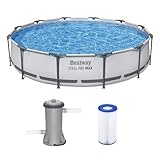
Bestway Steel Pro MAX 12' x 30" Above Ground Swimming Pool Set with Pump | Check Price On Amazon |
|
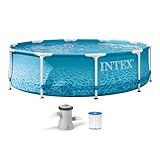
INTEX Beachside Metal Frame 10ft x 30in Round Pool Set w/Pump | Check Price On Amazon |

|
H2OGO! Kids Splash-in-Shade 8-Foot Round Steel Frame Above Ground Pool with Water Mister and Canopy Sunshade, Green Tropical Leaf Print | Check Price On Amazon |
What Makes Pool Electrical Work Different From Standard Residential Wiring
By the Numbers
Pool Electrical Requirements — Key Statistics
Sources: NFPA, CDC, NEC Article 680, U.S. CPSC
Pool electrical work is governed by NEC Article 680, not the standard residential wiring sections of the code. Article 680 exists because water and electricity in close proximity create hazards that do not exist anywhere else in a home.
The core difference is that pool water, wet deck surfaces, and submerged metal components make the entire pool area a high-risk zone for electric shock. A voltage gradient as low as 2 volts per foot in pool water can immobilize a swimmer. Standard residential wiring codes do not account for this risk at all.

- Intelligent Navigation with Full Coverage: Equipped with 11 high-precision sensors and enhanced dual-path algorithms. The optimized WavePath cleaning pattern ensures systematic coverage with minimal overlap, while adaptive navigation analyzes pool layout in real time to eliminate missed spots
- Dual Filtration for Crystal-Clear Water: Advanced dual-layer filtration system features a replaceable 3-micron ultra-fine filter paired with a 180-micron standard filter. Effectively captures fine dust, sand, leaves, and debris for visibly cleaner and healthier pool water
- Comprehensive Pool Cleaning: Engineered to clean the pool floor, walls, waterline, and shallow areas (above 12 inches). The Caterpillar Treads system enhances mobility and climbing ability, ensuring thorough coverage across all pool zones
- Reliable Performance with 2-Year Warranty: Trusted by over 500,000 pool owners worldwide, this robotic pool cleaner delivers consistent, high-performance results. Built for durability and backed by a 2-year warranty and responsive customer support for worry-free ownership
NEC 680 requires multiple redundant safety layers: bonding to eliminate voltage gradients, GFCI protection on every circuit within 20 feet of the water, corrosion-resistant wiring methods, and strict conduit burial depths. Every metal part within 5 feet of the pool wall must be bonded together into a single equipotential plane. This is not a recommendation. It is code in every state that has adopted the NEC.
Bonding vs Grounding: What Pool Owners Must Understand
Bonding connects all metal parts around the pool into a single conductive network so everything carries the same electrical potential. Grounding provides a path for fault current to return to the source (the utility transformer) so a breaker trips during a short circuit. They serve completely different safety functions and both are required.
Bonding prevents voltage gradients across the pool area. If a pool light niche develops a small voltage leak and the handrail is at a different potential, a swimmer touching both becomes the path for current to flow. An equipotential bonding grid eliminates that potential difference. This happens because all conductive surfaces are physically connected with a minimum 8 AWG solid copper wire per NEC 680.26.
This bonding grid only works when every metal part (pool shell rebar, light niches, handrails, ladders, diving board bases, slide bases, pump motors, heater cabinets, and any metal fitting within 5 feet of the water) is connected. If one component is missed, the entire grid is compromised.
Grounding provides a low-impedance path back to the electrical panel so that if a hot wire contacts the motor housing, enough current flows to instantly trip the breaker. This only occurs when the equipment grounding conductor is properly sized and connected. If the ground path is broken, the breaker does not trip and the motor housing stays energized indefinitely. Fix it by verifying the equipment grounding conductor is intact from the panel to every piece of equipment and all connections are tight.
The bonding and grounding systems must be separate except for one single connection point at the pool pump motor per NEC 680.26(B)(6). Connecting them in multiple places creates a difference in potential that can energize the bonding grid during a fault instead of tripping the breaker. For the complete bonding and grounding installation process, our detailed guide on pool bonding and grounding explains how the equipotential grid is built and tested.
GFCI Protection Requirements for Every Pool Circuit
NEC 680 requires Class A GFCI protection (tripping at 4-6 milliamps) on every single circuit that serves pool equipment, lighting, or receptacles within 20 feet of the pool edge. This includes pump motors, underwater lights, heat pumps, salt chlorine generators, convenience receptacles, and even the pool cover motor.
GFCI protection works by continuously comparing the current flowing out on the hot wire to the current returning on the neutral wire. Any difference greater than 4-6 milliamps means current is leaking somewhere (possibly through a person) and the GFCI trips within 25 milliseconds. This happens because the GFCI uses a small current transformer around both conductors.
This only occurs when the GFCI device is functioning and tested monthly per manufacturer instructions. If the GFCI fails or is bypassed, a ground fault can deliver lethal current through pool water or a person with no protective trip. Fix it by pressing the test button monthly and replacing any GFCI breaker or receptacle that fails to trip within the specified time.
GFCI breakers installed at the panel protect the entire circuit from the source. GFCI receptacles protect only what is plugged into them. For pool pump motors, the breaker type is required because a GFCI receptacle behind the pump would be impractical and would not protect the wiring between the panel and the receptacle. Underwater pool lights require GFCI protection on the branch circuit regardless of voltage. Even 12-volt LED pool lights need GFCI protection on the transformer primary side.
Keep a GFCI breaker rated for pool pump use as a spare. Pool pump GFCI breakers fail more often than standard breakers because they are exposed to more surge events and outdoor moisture. Having a spare means no downtime if a breaker nuisance-trips and cannot be reset.
Conduit and Wiring Specifications Under NEC 680
All pool wiring must run in conduit: either rigid metal conduit (RMC), intermediate metal conduit (IMC), or schedule 40 PVC. Romex (NM cable) is not permitted anywhere in pool electrical work. Underground conduit under the pool deck or within 5 feet of the pool wall must be buried at least 18 inches deep. Conduit outside that zone follows standard burial depths of 18 inches for PVC and 6 inches for rigid metal per NEC Table 300.5.
The 18-inch depth under the pool area exists because pool excavation, deck settlement, and future digging put shallow conduit at high risk of damage. A severed conduit carrying pool lighting or pump power at only 6 inches deep becomes an electrocution hazard during deck repair or landscaping.
Rigid metal conduit can be buried at 6 inches only when it is at least 5 feet from the pool wall and not under the deck. This happens because the steel wall of RMC provides mechanical protection that PVC does not. However, RMC corrodes faster in pool environments due to chemical exposure from splash-out and soil moisture.
For most residential pools, schedule 40 PVC conduit buried at 18 inches is the standard approach. Use expansion fittings where PVC conduit enters the ground and at the equipment pad to prevent cracking from frost heave and soil movement.
Wire type inside the conduit must be THWN or THWN-2 rated for wet locations. The interior of underground conduit is classified as a wet location per NEC because condensation accumulates inside. THHN wire without the W rating is not code-compliant for underground pool conduit. Wire gauge follows standard ampacity rules: 14 AWG for 15-amp circuits, 12 AWG for 20-amp circuits, 10 AWG for 30-amp circuits. Pool heat pumps often require a dedicated 40-amp or 50-amp circuit with 8 AWG or 6 AWG copper THWN conductors. Always oversize by one gauge for runs over 100 feet to account for voltage drop.
Service Panel and Circuit Requirements for Pool Equipment
A typical residential pool equipment pad needs between 40 and 100 amps of dedicated electrical capacity depending on the equipment installed. A basic setup with a single-speed pump, a gas heater with electronic ignition, and LED pool lights draws approximately 20-25 amps at 240 volts. Add a heat pump and the requirement jumps to 50-60 amps. Add an electric resistance heater and you may need 80-100 amps. Selecting a properly sized pump for your pool’s flow requirements is the first step in determining the correct electrical circuit—use our swimming pool pump sizing calculator to match pump horsepower to your pool’s volume and plumbing configuration before finalizing the electrical plan.
Most homes with 200-amp service panels can accommodate pool equipment without a service upgrade. Homes with 100-amp or 150-amp panels may need a service upgrade before pool electrical can be installed. A licensed electrician performs a load calculation per NEC Article 220 to determine if the existing service has spare capacity.
The load calculation adds up all existing circuits (appliances, HVAC, general lighting, and receptacles) plus the proposed pool loads. If the total exceeds 80% of the panel rating, a service upgrade is required. A 200-amp panel upgrade costs $2,000-$4,000 depending on the utility company requirements and whether the existing feeder wires are adequate.
At the equipment pad, a subpanel is recommended when the distance from the main panel exceeds 75 feet. Running multiple 240-volt circuits through 100 feet or more of conduit costs more in wire than installing a subpanel with a single larger feed. The subpanel must be located at least 5 feet from the pool wall and at least 18 inches above the maximum water level per NEC 680.12. A GFCI-protected convenience receptacle must be installed within 20 feet of the pool and no closer than 6 feet from the water’s edge per NEC 680.22(A). This receptacle must be a twist-lock type rated for wet locations with a weatherproof while-in-use cover.
Pool Lighting Electrical Specifications
Underwater pool lights operate at either 120 volts (line voltage) or 12 volts (low voltage) through a step-down transformer. NEC 680.23 requires that any underwater light niche be listed for the purpose and that the forming shell be bonded to the equipotential grid with an 8 AWG solid copper conductor. The junction box for the light must be at least 8 inches above the maximum water level and at least 4 feet from the pool edge.
Low-voltage LED pool lights have become the standard for new construction. A 12-volt LED light drawing 30-70 watts with a 300-watt transformer can power 4-8 lights on a single circuit. The transformer must be listed for pool use, installed at least 4 feet from the inside pool wall, and at least 8 inches above ground. The GFCI protection requirement applies to the 120-volt primary side of the transformer. Even though the secondary side is only 12 volts, the primary side failure that energizes the transformer core creates the same hazard as any line-voltage fault.
The junction box or transformer enclosure must be bonded to the equipotential grid. The bonding lug on the niche must be connected with a solid 8 AWG copper wire run through the conduit all the way back to the junction box in one unbroken length. Splices in the bonding conductor are not permitted inside the light niche conduit. This is a common inspection failure point. To explore how different lighting configurations and colors will look in your pool before installation, try our free pool light design visualizer to explore lighting ideas, layouts, and color options.
Equipment Pad Layout and Electrical Clearances
The equipment pad must be located at least 5 feet from the pool wall to meet NEC working clearance for the disconnect means. The disconnecting means (a switch or circuit breaker within sight of the equipment) must be accessible and located at least 5 feet from the pool. A motor-rated disconnect switch installed on the equipment pad satisfies this requirement. The disconnect must be rated for the horsepower of the pump motor, not just the amperage.
Working clearance in front of the equipment must be 30 inches wide by 36 inches deep by 6 feet 6 inches high per NEC 110.26. This means the equipment cannot be packed tightly into a corner with less than 36 inches of clear space in front for a technician to work. When the equipment is installed under a deck or overhang, the 6-foot-6-inch height clearance applies to the entire working space.
Overhead power lines present a separate hazard. NEC 680.8 requires that any overhead power line be at least 22.5 feet above the water level for lines up to 750 volts. The horizontal clearance from the pool edge to any overhead line is 10 feet for lines up to 750 volts. If the overhead service drop passes over the proposed pool site, the utility must relocate it before construction. This relocation costs $2,000-$8,000 depending on the utility and whether a new pole is needed.
Quick Reference
Pool Electrical — Key Terms Explained
Quick reference for the terms used throughout this guide
A network of 8 AWG solid copper wire connecting all metal parts around a pool to equalize electrical potential and prevent voltage gradients in the water.
A device that trips within 25 milliseconds when it detects a current imbalance of 4-6 milliamps between hot and neutral conductors indicating a ground fault.
The section of the National Electrical Code governing swimming pools, spas, hot tubs, fountains, and similar bodies of water. Updated every three years.
A switch or circuit breaker located within sight of the pool equipment that allows a technician to fully de-energize the equipment for service.
Thermoplastic Heat and Water-resistant Nylon-coated wire rated for wet locations. Required for all underground pool conduit per NEC.
A difference in electrical potential across a distance. In pool water, a gradient as low as 2 volts per foot can paralyze a swimmer.
The NEC Article 220 method for determining whether an existing electrical panel has spare capacity for new circuits.
A GFCI that trips at 4-6 milliamps. Required for all pool circuits. Different from Class B GFCIs (20 mA) which are not permitted for pool use.
The metal or plastic housing set into the pool wall that holds the underwater light fixture. Must be bonded with 8 AWG solid copper.
A secondary electrical panel fed from the main panel, installed near the pool equipment to reduce long circuit runs and simplify wiring.
Permit and Inspection Requirements for Pool Electrical Work
Every pool electrical installation requires a permit from the local building department. The permit is typically part of the overall pool construction permit package. A separate electrical permit is required when electrical work is done as a standalone project (upgrading equipment, adding a heat pump, or replacing a pool light).
The electrical inspection happens in two stages. The rough-in inspection verifies conduit burial depth, bonding grid connections, and equipment grounding conductor installation before concrete is poured or trenches are backfilled. The final inspection verifies GFCI operation, disconnect accessibility, receptacle placement, and overall code compliance after all equipment is installed and energized. An inspector who finds buried conduit with no rough-in inspection will require excavation to expose the conduit for verification. This costs time and money that no one budgets for.
The specific inspections required vary by jurisdiction. Some require a third-party electrical inspection from an NRTL (Nationally Recognized Testing Laboratory) in addition to the municipal inspection. The local building department provides the inspection checklist at permit issuance. Follow it exactly. A failed inspection costs $75-$150 for a re-inspection fee and delays the project by days or weeks.
Pool Electrical Cost Breakdown by Component
The total cost for pool electrical ranges from $2,500 for a basic above-ground pool hookup to $7,500 or more for an inground pool with multiple circuits, subpanel, and extensive bonding work. Every additional piece of equipment adds to the electrical scope and cost.
Cost Reference
Pool Electrical — Estimated Cost by Component
All values pre-calculated. Costs vary by region and site conditions.
| Electrical Component | Basic Scope | Mid-Range Scope | Full Scope |
|---|---|---|---|
| Bonding grid installation | $400-$600 | $600-$1,000 | $1,000-$1,500 |
| Conduit and wire runs | $500-$800 | $800-$1,500 | $1,500-$2,500 |
| GFCI breakers (each) | 1 breaker – $60-$120 | 2-3 breakers – $180-$300 | 4+ breakers – $300-$500 |
| Subpanel installation | Not included | $800-$1,200 ★ typical |
$1,200-$2,000 |
| Disconnect switch | $150-$250 | $250-$400 | $400-$600 |
| Lighting circuit (per light) | $300-$500 | $500-$800 | $800-$1,200 |
| Total estimated range | $2,500-$4,000 | $4,000-$6,000 | $6,000-$7,500+ |
Cost estimates based on national averages. ★ highlights the most common configuration for a standard inground pool. Labor rates vary significantly by region.
These costs do not include the pool equipment itself (pump, filter, heater, lights). For a complete project estimate that factors in electrical work alongside all other construction costs, use our inground swimming pool cost calculator to get a personalized breakdown based on your pool’s size, type, and features. For the complete picture of what a pool costs from excavation to swim-ready, see our comprehensive swimming pool cost breakdown guide covering every line item in a typical residential pool build.
Above-Ground Pool Electrical: What Is Different
Above-ground pools have the same bonding and GFCI requirements as inground pools under NEC 680. The misconception that above-ground pools are exempt from bonding is wrong and dangerous. The metal pool wall, the metal frame, the water itself (through a listed water bond fitting), the pump motor, and any metal ladder or handrail must all be bonded together with 8 AWG solid copper wire.
The practical difference is that above-ground pools do not have a rebar grid in the shell. The bonding connection to the water is made through a listed water bond device installed in the plumbing or through a bonding plate mounted in the skimmer. The metal wall of the pool must have a bonding lug attached directly to the steel. Paint or coating must be removed at the bonding connection point. A self-tapping screw is not an acceptable bonding connection. The lug must be a listed pressure connector or exothermic weld.
The convenience receptacle rule still applies: a GFCI-protected receptacle must be located between 6 feet and 20 feet from the pool edge. An above-ground pool installed 15 feet from the house still needs a dedicated outdoor GFCI receptacle if there is no existing outlet within that range. For a detailed estimate that covers both the pool structure and the electrical installation costs, use our above-ground pool installation cost calculator to build a complete project budget tailored to your setup. For more on above-ground pool options and installation requirements, our guide to the best above-ground pools covers model-specific electrical needs and what to budget for the complete setup.
Common Pool Electrical Mistakes and How to Avoid Them
The five most common pool electrical mistakes found during inspections are: missing bond connections on light niches, GFCI breakers that test correctly but are not Class A, conduit buried at 12 inches instead of 18 inches, the bonding conductor spliced inside conduit, and the pump disconnect installed too close to the pool wall. Each requires an expensive fix after the fact. Each is completely preventable by knowing the code before the electrician starts work.
Missing bond connections on light niches happen because the forming shell is set into the gunite or fiberglass before the electrician runs the bonding wire. The pool contractor and electrician must coordinate so the niche is bonded before the shell is installed. A missing niche bond requires cutting into the pool shell from the back side to access the niche: a $500-$1,000 repair. Non-Class A GFCIs happen when a homeowner or handyman installs a standard GFCI receptacle for pool equipment instead of a Class A GFCI breaker at the panel. The receptacle type may not protect the entire circuit. Conduit depth violations happen because trenching to 18 inches takes more time and some contractors cut corners. The inspector will require re-trenching if the violation is found.
The bonding conductor must never be spliced anywhere except at listed pressure connectors accessible for inspection. A wire nut inside conduit connecting two pieces of bonding wire is a code violation that means the entire bonding conductor must be re-pulled. The pump disconnect must be at least 5 feet from the inside wall of the pool. Mounting the disconnect on a post 4 feet from the water is a common mistake that fails final inspection.
How to Verify Your Pool Electrical Is Code-Compliant Before Inspection
Buying Guide
Pool Electrical Pre-Inspection Checklist
Check off each point before calling for your pool electrical inspection.
Saltwater Pool Electrical: Additional Considerations
Saltwater chlorine generators (SWCGs) add a specific electrical load and a unique bonding requirement. A typical residential SWCG draws 1-3 amps at 120-240 volts and is powered by the pool pump timer or automation system. The SWCG cell and power supply must be bonded to the equipotential grid just like any other metal pool equipment.
The salt in the water increases conductivity, which means bonding becomes even more important. Saltwater at 3,000-4,000 ppm salinity is more conductive than freshwater. A voltage gradient that would be harmless in a freshwater pool can deliver more current through a swimmer in a saltwater pool. The bonding grid must be intact and complete with no missing connections. All metal components including the salt cell housing, the sacrificial anode (if installed), and the power supply enclosure must be bonded.
The GFCI requirements are identical to chlorine pools. The fact that saltwater is more conductive does not change the GFCI trip threshold: it is still 4-6 milliamps and the equipment still requires Class A protection. For the full cost comparison between saltwater and chlorine systems including electrical installation differences, read our saltwater vs chlorine pool long-term cost analysis.
Pool Electrical Requirements During New Pool Installation
The electrical rough-in must happen at the right stage of construction. For inground pools: bonding grid installation happens after the pool shell is formed but before the concrete deck is poured. Conduit runs from the panel to the equipment pad location are trenched at the same time as plumbing. The bonding connection to the pool shell rebar must be made by the electrician before gunite or shotcrete is applied.
For fiberglass pools, the bonding lugs are attached to the shell during manufacturing. The on-site electrician connects the bonding grid to those factory-installed lugs and extends it to the equipment pad and any metal accessories. The bonding wire must be protected from physical damage where it exits the ground and runs to equipment. PVC conduit sleeves protect the bonding conductor at these transition points.
For vinyl liner pools, the bonding connection to the water is through a listed water bond fitting in the plumbing. The metal wall panels must be bonded together and to the grid. The liner track, if metal, must be bonded. Plastic coping and plastic liner track do not require bonding. The critical error on vinyl pools is forgetting the water bond: without direct metal-to-water contact or a listed water bond device, the water itself is not part of the equipotential plane. The entire installation process and what to expect at each stage is covered in our complete pool installation guide covering everything from excavation to final walkthrough.
Pool Electrical Myths Debunked
Myth vs Fact
Pool Electrical — Common Myths Debunked
Separating fact from fiction on the most common pool electrical misconceptions
✗ Myth
A GFCI receptacle at the equipment pad is enough protection for the pool pump.
✓ Fact
NEC 680 requires GFCI protection at the branch circuit level (breaker at the panel) for pool pump motors. A receptacle-type GFCI only protects what is plugged into it and leaves the wiring between the panel and receptacle unprotected.
✗ Myth
Above-ground pools do not need bonding because they are not permanently installed.
✓ Fact
NEC 680 applies to all storable and permanent pools capable of holding 42 inches of water. Above-ground pools with metal walls, metal frames, and any electrical equipment require a complete equipotential bonding grid with water bond.
✗ Myth
12-volt LED pool lights do not need GFCI protection because the voltage is too low to cause harm.
✓ Fact
NEC 680.23 requires GFCI protection on the 120-volt primary side of the transformer. A fault in the transformer can energize the low-voltage side or the transformer housing at line voltage. The GFCI protects against this primary-side fault.
✗ Myth
Bonding and grounding are the same thing. A ground rod at the equipment pad satisfies bonding requirements.
✓ Fact
Bonding creates an equipotential plane so all metal parts are at the same voltage. Grounding provides a fault current path to trip a breaker. A ground rod alone does not create an equipotential plane and does not satisfy NEC 680.26 bonding requirements.
✗ Myth
A variable-speed pump running at low RPM does not need GFCI protection because it draws very little current.
✓ Fact
NEC 680 makes no exception for pump motor type or operating speed. Every pool pump motor regardless of horsepower, speed, or energy efficiency rating must be GFCI protected at the branch circuit level.
Frequently Asked Questions About Pool Electrical Requirements
What happens if my pool bonding grid is incomplete during an inspection?
Quick Answer: The electrical inspector will fail the rough-in inspection and require the missing bond connections to be installed before scheduling a re-inspection. This typically adds $150 for a re-inspection fee and 1-3 days of electrical work to access and bond missed components.
The most difficult correction is a missing bond on an underwater light niche that has already been encased in gunite or concrete. Correcting it requires cutting into the pool shell from the back side to access the niche bonding lug. This repair costs $500-$1,000 and delays the project by at least a week. The inspector will not make exceptions for inaccessible bond connections.
Accessible missed bonds (pump motor, heater, handrail sockets) can usually be corrected in a few hours. A listed copper bonding lug must be attached to each missed component and connected to the existing grid with an 8 AWG solid copper wire run in one continuous length without splices.
Can I use NM-B (Romex) cable for pool equipment wiring if it runs through conduit?
Quick Answer: No. NEC 680.21 prohibits NM cable (Romex) for any pool wiring even when installed inside conduit. The wire inside the conduit must be individual THWN or THWN-2 conductors rated for wet locations because the interior of underground conduit is classified as a wet location.
The paper wrapping inside NM cable absorbs moisture and degrades over time inside underground conduit. The NEC specifically requires stranded or solid individual conductors with wet-location rated insulation for all underground pool circuits. Using NM cable inside conduit is one of the most common DIY electrical mistakes. An inspector who finds NM cable in pool conduit will require the entire run to be re-pulled with proper THWN conductors.
This code requirement applies to every underground conduit run from the panel to the equipment pad, from the panel to the pool light junction box, and from the equipment pad to any accessory (booster pump, SWCG power supply, automation panel). Every single underground conductor must be THWN or THWN-2.
How far must the pool subpanel be from the water?
Quick Answer: NEC 680.12 requires the subpanel to be installed at least 5 feet horizontally from the inside wall of the pool and at least 18 inches above the maximum water level of the pool or spa. These are minimum clearances measured from the nearest edge of the enclosure.
The 5-foot horizontal measurement is taken from the inside wall of the pool, not the water’s edge or the coping. The 18-inch vertical measurement is taken from the maximum water level the pool can reach (the top of the skimmer opening or the overflow level). If the subpanel serves both a pool and an attached spa with a raised spillover, the measurement is from the spa water level if it is higher.
Many equipment pads place the subpanel at the back of the pad, farthest from the pool. If the pad is 8 feet from the pool wall and the subpanel is at the back of the pad, the clearance is approximately 12 feet: well above the minimum. The working clearance in front of the subpanel (30 inches wide by 36 inches deep by 6 feet 6 inches high) must also be maintained free of equipment.
Do plastic-handled pool tools like leaf nets and vacuum poles need bonding?
Quick Answer: No. Only metal parts within 5 feet of the pool wall that are in contact with the water or deck must be bonded. Plastic-handled tools used temporarily by a pool owner or service technician are not part of the permanently installed equipment and are exempt from bonding requirements under NEC 680.26.
The bonding requirement applies to permanently installed metal components: handrails, ladders, diving board bases, slide bases, light niches, pump motors, heater cabinets, and any metal fitting that is part of the pool structure. A metal leaf net with an aluminum pole that a pool service tech uses for 20 minutes and then removes is a portable tool, not a permanent installation.
However, if a metal ladder socket is permanently installed in the deck, that socket must be bonded even if the ladder itself is removable. The bonding connection is made to the socket (the anchor cup set in concrete), not to the removable ladder rail. Keep a pool bonding lug kit on hand for connecting ladder sockets and handrail anchors to the grid.
Will a standard 20-amp GFCI outlet protect my pool pump?
Quick Answer: It may protect the pump but it does not meet code. NEC 680.21(C) requires GFCI protection at the branch circuit level for pool pump motors. A receptacle-type GFCI does not protect the wiring between the panel and the receptacle and is not a compliant substitute for a GFCI breaker at the panel.
A GFCI receptacle only protects devices plugged into it and any downstream receptacles on the load side. The line-side wiring from the panel to the receptacle has no GFCI protection. For a pool pump hardwired to a disconnect switch (the most common residential configuration), a GFCI receptacle provides zero protection because the pump is not plugged into it. The correct installation is a Class A GFCI circuit breaker in the main panel or subpanel feeding the pump circuit.
A 20-amp Class A GFCI breaker rated for pool pump duty installed at the panel protects the entire circuit from the source. Test it monthly with the test button. Replace it immediately if it fails to trip.
What is the difference between a Class A and Class B GFCI for pools?
Quick Answer: Class A GFCIs trip at 4-6 milliamps and are required for all pool circuits per NEC 680. Class B GFCIs trip at 20 milliamps (sometimes called Equipment Protective Devices) and are not permitted for pool use because 20 mA can deliver a lethal shock before the device trips.
The 4-6 mA trip threshold of a Class A GFCI is based on the let-go threshold: the current level above which a person cannot voluntarily release their grip on a conductor. Current above 6 mA can cause muscle contraction that prevents the victim from letting go. Current above 50 mA across the chest can cause ventricular fibrillation. A Class B GFCI that trips at 20 mA allows current to flow at a level that can immobilize a swimmer long before the device responds.
Class B GFCIs are sometimes found in older commercial installations or industrial equipment but must never be used for pool circuits. Every GFCI device installed on a pool circuit must be marked Class A. If the marking is not visible or the device documentation does not specify Class A, do not use it.
How much does it cost to add a dedicated electrical circuit for a pool heat pump?
Quick Answer: Adding a dedicated 40-50 amp 240-volt circuit for a pool heat pump typically costs $800-$1,800 depending on the distance from the panel to the equipment pad and whether trenching or conduit routing is already in place. The cost includes the GFCI breaker ($80-$150), THWN wire ($1-$3 per foot per conductor for 6 or 8 AWG), conduit ($0.50-$1.50 per foot), disconnect switch ($150-$400), and labor.
If the existing pool subpanel has spare capacity and the heat pump is being added near existing equipment, the cost stays at the low end of the range. If a new circuit must be pulled from the main panel 100 feet away with new trenching, the cost reaches the high end. Before running a new circuit, confirm the correct heater size for your pool using our pool heater BTU calculator to properly size the heat pump based on your pool’s volume and desired temperature rise. A 50-amp GFCI breaker rated for pool equipment and 6 AWG THWN copper conductors are the standard for heat pumps up to 140,000 BTU.
Heat pumps require a dedicated circuit. They cannot share a circuit with the pool pump or any other equipment. The nameplate on the heat pump specifies the minimum circuit ampacity and maximum overcurrent protection. Follow those numbers exactly. A 50-amp breaker on a circuit wired with 10 AWG wire is a code violation and a fire hazard regardless of what the heat pump nameplate says.
Is it safe to run pool electrical work as a DIY project?
Quick Answer: Pool electrical work requires knowledge of NEC Article 680, which differs significantly from standard residential wiring. Most municipalities require a licensed electrician to perform or at least sign off on pool electrical work. A homeowner who wires a pool without a permit and electrical inspection may void their homeowner insurance coverage for any pool-related incident.
The specific hazards that make pool electrical dangerous for DIY work include: equipotential bonding requirements that have no equivalent in standard residential wiring, the wet-location classification of underground conduit interiors, the Class A GFCI requirement that differs from standard GFCI receptacles, the multi-wire branch circuit rules specific to pools, and the coordination between the bonding grid and the grounding electrode system that is unique to pools and spas.
If a homeowner does any pool electrical work themselves, they should hire a licensed electrician to inspect all connections before calling for the municipal inspection. The electrician can also perform a bond test using a milliohm meter to verify the equipotential grid is complete. A bonding grid that looks correct but has a high-resistance connection due to a loose lug or corrosion is not a functioning safety system.
What conduit size is required for pool lighting circuits?
Quick Answer: NEC 680.23 requires that underwater pool light conduit be a minimum of 1/2-inch trade size for a single light. However, 3/4-inch or 1-inch PVC schedule 40 is standard practice because it makes pulling the light cord and bonding conductor easier and provides room for future replacement.
The conduit from the light niche to the junction box must be a continuous run without splices, elbows exceeding 360 degrees of total bend, or any fittings other than listed conduit bodies. The light cord and the 8 AWG bonding conductor share this conduit. In a 1/2-inch conduit, pulling both the cord and the bonding wire is difficult and risks damaging the cord insulation. A 3/4-inch conduit provides adequate space and is required by many local amendments to the NEC.
The junction box at the end of this conduit run must be listed for pool use and installed at least 8 inches above the maximum water level and at least 4 feet from the inside pool wall. The junction box must be accessible for service: do not bury it behind decking or inside a wall cavity.
Does a saltwater pool require different GFCI protection than a chlorine pool?
Quick Answer: No. The GFCI requirements for saltwater pools are identical to chlorine pools under NEC 680. Every circuit serving pool equipment must have Class A GFCI protection regardless of water chemistry. Saltwater’s higher conductivity does not change the trip threshold or the type of GFCI required.
The common concern is that saltwater’s higher conductivity might cause nuisance GFCI tripping because small leakage currents flow more easily through saltwater. In practice, a properly installed and bonded saltwater pool has no more nuisance tripping than a chlorine pool. Nuisance tripping that increases after converting to salt usually indicates a pre-existing bonding problem that the more conductive water is now revealing.
If a GFCI breaker on a saltwater pool pump trips repeatedly, do not replace it with a higher-threshold breaker or bypass the GFCI. Find the cause of the leakage current. Common causes include: water intrusion in the pump motor, a degraded pump seal, condensation inside the disconnect switch, or a bonding connection that has corroded. Fix the underlying problem rather than disabling the protection.
Why do pool pump GFCI breakers trip more often than regular breakers?
Quick Answer: Pool pump GFCI breakers trip more often because they are detecting real ground faults that a standard breaker would ignore. Pool pumps operate in wet environments and small amounts of moisture inside the motor housing, condensation in conduit, or minor insulation degradation can create leakage currents above the 4-6 mA GFCI trip threshold while being far below the 20-amp overcurrent trip threshold of a standard breaker.
A standard breaker only trips on overcurrent (too many amps flowing through the intended path). A GFCI breaker trips on ground faults (current leaking to an unintended path, including through water, wet conduit, or a person). The GFCI is doing its job when it trips on a 5 mA leak that a standard 20-amp breaker would never detect. The answer is not to replace the GFCI with a standard breaker. That removes the shock protection entirely.
If a pool pump GFCI trips intermittently, start by checking the pump motor for moisture. A pool pump seal replacement kit often fixes the leakage that triggers GFCI trips. Next check the conduit connections at the equipment pad for water intrusion. Seal any gaps where water can enter. If the pump is more than 5-7 years old and the trips are becoming more frequent, the motor windings may be absorbing moisture and replacement is the long-term fix.
What electrical permits do I need for replacing a pool pump with a different model?
Quick Answer: A like-for-like pump replacement (same voltage, same or lower amperage, same horsepower) typically does not require a separate electrical permit in most jurisdictions because it is considered equipment replacement, not new electrical work. However, changing from a single-speed to a variable-speed pump that requires a different circuit configuration or upgrading the horsepower significantly may require a permit and electrical inspection.
The determining factor is whether the replacement changes the electrical characteristics of the circuit. If the new pump requires a different breaker size, different wire gauge, or a different disconnect switch, the work falls under new electrical installation and a permit is required. If the new pump plugs into the same disconnect with the same voltage and draws equal or less current, most building departments treat it as maintenance.
Always check with the local building department before doing any pool equipment replacement that involves electrical connections. The permit requirement varies by jurisdiction and some municipalities require a permit for any pool equipment replacement regardless of whether the electrical characteristics change.
Can pool electrical conduit share a trench with pool plumbing?
Quick Answer: Yes, pool electrical conduit and pool plumbing can share the same trench, but the conduit must be at a deeper level than the plumbing and separated horizontally by at least 12 inches where they cross. The deeper placement protects the electrical conduit from damage if the plumbing is excavated for repair.
The 18-inch minimum burial depth for electrical conduit under the pool deck must be maintained even when sharing a trench. If the plumbing is buried at 18 inches, the electrical conduit must go deeper. A common arrangement is plumbing at 18 inches and electrical conduit at 24 inches with a 12-inch horizontal separation. Where the two cross, the electrical conduit goes under the plumbing with a 12-inch vertical separation.
The trench sharing is practical because the equipment pad needs both plumbing and electrical connections. Running them in the same trench reduces excavation costs. The conduit must be clearly marked with warning tape buried 12 inches above it so future digging reveals the tape before reaching the conduit.
Conclusion
Pool electrical requirements exist because water and electricity create hazards that standard residential wiring codes never anticipated. NEC Article 680 provides the engineering framework that has made pools dramatically safer over the past four decades. The requirements (bonding grid, Class A GFCI on every circuit, wet-rated conductors in deep conduit, and accessible disconnects with proper clearances) are not bureaucratic overreach. They are the accumulated response to real incidents that injured or killed swimmers when any one of these protections was absent.
Budget $2,500 to $7,500 for complete pool electrical installation depending on equipment scope and site conditions. Hire an electrician who knows NEC 680 specifically, not just residential wiring. Schedule a rough-in inspection before anything is buried and keep a spare GFCI breaker at the equipment pad. Every one of these steps costs time or money upfront and every one prevents a problem that costs far more to fix after the pool is finished.
| Photo | Best Above-Ground Pools | Price |
|---|---|---|
|
|
Bestway Steel Pro MAX 12' x 30" Above Ground Swimming Pool Set with Pump | Check Price On Amazon |
|
|
INTEX Beachside Metal Frame 10ft x 30in Round Pool Set w/Pump | Check Price On Amazon |
|
|
H2OGO! Kids Splash-in-Shade 8-Foot Round Steel Frame Above Ground Pool with Water Mister and Canopy Sunshade, Green Tropical Leaf Print | Check Price On Amazon |