
A pool with crystal-clear water and perfect chemical balance can still have serious problems if the plumbing underneath is wrong. Pool plumbing is the circulatory system of your swimming pool, and every component from the skimmer to the return jets must work together at specific flow rates measured in gallons per minute (GPM) for the entire system to function.
This guide covers every major part of pool plumbing: suction-side lines, return-side lines, pipe sizing, valve types, fitting materials, common layout configurations, and the flow dynamics that determine whether your pump and filter actually achieve the turnover rate your pool needs. You will learn how water moves from the skimmer to the pump, through the filter and heater, and back to the pool, plus how to spot plumbing problems before they cause equipment failure or water quality issues.
| Photo | Best Above-Ground Pools | Price |
|---|---|---|
|
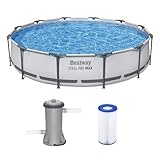
Bestway Steel Pro MAX 12' x 30" Above Ground Swimming Pool Set with Pump | Check Price On Amazon |
|
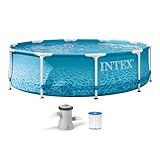
INTEX Beachside Metal Frame 10ft x 30in Round Pool Set w/Pump | Check Price On Amazon |

|
H2OGO! Kids Splash-in-Shade 8-Foot Round Steel Frame Above Ground Pool with Water Mister and Canopy Sunshade, Green Tropical Leaf Print | Check Price On Amazon |
By the Numbers
Pool Plumbing — Key Specifications and Standards
Sources: ANSI/APSP/ICC-15 Standard, PHTA Pipe Sizing Guidelines, manufacturer technical documentation
What Is Pool Plumbing and How Does It Work?
Pool plumbing is the network of pipes, fittings, and valves that moves water from the pool through the equipment pad and back to the pool in a continuous loop called the circulation system. This happens because a centrifugal pump creates low pressure on the suction side, pulling water from the skimmer and main drain, then pushes it under high pressure through the filter, heater, and back to the pool through return jets. The entire system must be sized so the pump achieves at least one full turnover of the pool’s volume every 6 to 8 hours under design conditions.
According to the ANSI/APSP/ICC-15 Standard for residential pool circulation systems, suction lines must maintain water velocity below 6 feet per second to prevent pump cavitation, and return lines can operate up to 8 feet per second. This only occurs when pipe diameters are matched correctly to the pump’s flow rate and total dynamic head. If a 1.5-inch suction line is forced to carry 80 GPM from an oversized pump, the result is cavitation damage to the pump impeller within months. Fix it by either downsizing the pump or upsizing the suction plumbing to 2 inches or larger.

- Intelligent Navigation with Full Coverage: Equipped with 11 high-precision sensors and enhanced dual-path algorithms. The optimized WavePath cleaning pattern ensures systematic coverage with minimal overlap, while adaptive navigation analyzes pool layout in real time to eliminate missed spots
- Dual Filtration for Crystal-Clear Water: Advanced dual-layer filtration system features a replaceable 3-micron ultra-fine filter paired with a 180-micron standard filter. Effectively captures fine dust, sand, leaves, and debris for visibly cleaner and healthier pool water
- Comprehensive Pool Cleaning: Engineered to clean the pool floor, walls, waterline, and shallow areas (above 12 inches). The Caterpillar Treads system enhances mobility and climbing ability, ensuring thorough coverage across all pool zones
- Reliable Performance with 2-Year Warranty: Trusted by over 500,000 pool owners worldwide, this robotic pool cleaner delivers consistent, high-performance results. Built for durability and backed by a 2-year warranty and responsive customer support for worry-free ownership
The plumbing system consists of two distinct sides separated by the pump. The suction side runs from the skimmer and main drain to the pump inlet and operates under vacuum. The pressure side runs from the pump outlet through the filter, heater, chlorinator, and back to the return jets under positive pressure. Understanding this division matters because suction-side leaks pull air into the system, causing pump priming issues, while pressure-side leaks spray water out and are visible.
What Are the Main Components of a Pool Plumbing System?
Every pool plumbing system contains seven core components that form the circulation loop. The skimmer draws water from the top 12 inches of the pool surface and captures large debris in its basket. The main drain provides a second suction point at the deepest part of the pool, usually plumbed through a hydrostatic valve that prevents groundwater pressure from lifting the pool shell.
The suction manifold combines multiple suction lines into a single pipe feeding the pump. The pump creates the pressure differential that drives all circulation, typically moving 40 to 80 GPM for a residential 20,000-gallon pool. The multiport valve or diverter valve on the filter controls water direction for filtration, backwashing, rinsing, and winter modes. Return lines carry filtered water back to the pool, and return eyeball fittings direct the flow in specific patterns to improve circulation and surface skimming.
Pool plumbing also includes waste lines for backwashing or draining, air relief lines on filters, and sometimes dedicated lines for pressure-side cleaners, water features, or solar heating panels. Each additional line adds complexity and potential failure points to the system. A quality Jandy or Hayward diverter valve costs $40 to $80 and lasts 10 to 15 years, compared to $15 ball valves that seize within 3 to 5 years in outdoor pool environments.
Quick Reference
Pool Plumbing — Key Terms Explained
Quick reference for the terms used throughout this guide
— All plumbing from the skimmer and main drain to the pump inlet. Operates under vacuum and is prone to air leaks rather than water leaks.
— All plumbing from the pump outlet through equipment and back to return jets. Operates under positive pressure and will spray water when leaking.
— The total resistance to flow in the system measured in feet of water. Includes vertical lift, pipe friction, and equipment resistance combined.
— The time required to circulate the entire pool volume through the filter once. PHTA recommends a minimum of one turnover per 12 hours for residential pools.
— Formation of vapor bubbles in the pump due to low suction pressure. Causes impeller pitting, noise that sounds like gravel, and reduced flow.
— A pipe fitting or assembly that combines multiple lines into one or splits one into many. Used at the suction side to join skimmer and main drain lines.
— A one-way valve that prevents water from flowing backward through the plumbing when the pump shuts off. Critical for equipment installed above pool water level.
— A long-radius 90-degree fitting that reduces head loss compared to a standard sharp elbow. Preferred for all pool plumbing where space allows.
— The directional nozzle installed in the pool wall at each return line. Adjustable to aim return flow for optimal surface circulation and debris skimming.
— The standard pressure-rated pipe used for pool plumbing. Rated to 220 psi at 73°F for 2-inch pipe. Not to be confused with thinner Schedule 20 or DWV pipe.
How Does Water Flow Through a Pool Plumbing System?
Water enters the circulation system at two points: the skimmer, which draws from the pool surface at approximately 75 to 85 percent of total flow, and the main drain, which draws from the deepest point at approximately 15 to 25 percent of total flow. This ratio is set by a diverter valve or float valve assembly under the skimmer basket. Pulling most flow from the surface maximizes debris removal because leaves, oils, and sunscreen float on the top 12 inches of water.
A properly fitted skimmer basket catches leaves and large debris before they reach the pump. From the skimmer and main drain, water travels through separate underground pipes that join at a suction manifold near the equipment pad. The combined flow enters the pump through a pump strainer basket that catches anything the skimmer basket missed. A clogged pump basket adds unnecessary suction head and reduces flow by 15 to 30 percent.
Inside the pump, a rotating impeller slings water outward using centrifugal force, creating 10 to 25 PSI of pressure on the discharge side. The pressurized water then passes through the filter, where particles as small as 2 to 5 microns are trapped by diatomaceous earth media, 20 to 40 microns by sand, or 10 to 15 microns by cartridge elements. After filtration, water passes through any additional equipment such as a heater or salt chlorine generator before returning to the pool through return lines and eyeball fittings.
Step-by-Step Guide
How to Trace Water Flow Through Your Pool System — Step by Step
7 steps · Follow the water path from pool to equipment and back
Skimmer and Main Drain — Suction Entry Points
Water enters the system from two locations. The skimmer pulls the top layer of pool water and collects floating debris. The main drain at the deep end provides a secondary suction source to prevent stagnant zones at the pool bottom.
Suction Manifold — Combining Flow Lines
The separate lines from the skimmer and main drain join at a manifold or three-way valve near the equipment pad. This valve controls the flow split, typically set to 75 to 85 percent from the skimmer for optimal debris removal.
Pump Strainer Basket — Final Debris Trap
Water passes through the pump’s built-in strainer basket before reaching the impeller. This basket catches debris that bypassed the skimmer. A full basket increases suction head and reduces flow by 15 to 30 percent.
Pump Impeller — Creating Pressure
The rotating impeller uses centrifugal force to accelerate water outward, creating 10 to 25 PSI of discharge pressure. This is the only component that adds energy to the water. Everything else in the system consumes energy through friction and restriction.
Filter — Removing Particulates
Pressurized water passes through the filter media. Sand filters trap particles down to 20 to 40 microns. Cartridge filters capture 10 to 15 micron particles. DE filters remove particles as small as 2 to 5 microns for the clearest water.
Additional Equipment — Heater, Chlorinator, Sanitizer
After filtration, water flows through optional equipment in sequence: heater, salt chlorine generator, UV sanitizer, or chemical feeder. Each device adds 2 to 8 PSI of pressure drop that the pump must overcome.
Return Lines and Eyeball Fittings — Back to the Pool
Filtered and treated water returns to the pool through wall-mounted return fittings. Adjustable eyeball nozzles direct the flow pattern. Point them slightly upward and in a circular direction to create a gentle surface current that pushes debris toward the skimmer.
What Pipe Materials Are Used in Pool Plumbing?
Schedule 40 PVC is the standard pipe material for residential pool plumbing in North America. It carries a pressure rating of 220 PSI at 73°F for 2-inch diameter pipe and resists the corrosive effects of pool chemicals including chlorine at 1 to 4 ppm and pH between 7.2 and 7.8. Flexible PVC, sometimes called Tigerflex or spa flex, is used for short connections at the equipment pad to absorb vibration and allow slight misalignment between rigidly mounted equipment.
CPVC, a higher-temperature variant of PVC rated to 200°F continuous service, is used for water leaving a gas heater where temperatures can reach 104 to 110°F for brief periods. Standard PVC softens above 140°F and should never connect directly to a heater outlet. A 12-inch CPVC or metal nipple is required between the heater and any PVC plumbing according to manufacturer installation manuals from Pentair, Hayward, and Jandy.
Polyethylene pipe appears in some older pools from the 1970s and 1980s but is no longer code-approved for new construction. ABS pipe, common in some above-ground pool kits, has lower pressure ratings than PVC and degrades faster under UV exposure. For inground pools, PVC Schedule 40 with glued solvent-weld joints remains the only material combination that meets current ANSI/APSP/ICC-15 standards for buried pressure piping in pool applications.
How Does Pipe Sizing Affect Pool Performance?
Pipe diameter determines water velocity at a given flow rate. A 1.5-inch pipe carrying 60 GPM creates a water velocity of approximately 10.9 feet per second, which exceeds the 6 feet per second suction-side limit and causes turbulence, noise, and increased head loss. The same 60 GPM through a 2-inch pipe produces approximately 6.1 feet per second, and through a 2.5-inch pipe drops to 3.9 feet per second. This happens because doubling the pipe diameter quadruples the cross-sectional area, reducing velocity proportionally for the same flow.
According to the Pool and Hot Tub Alliance pipe sizing guidelines published in the ANSI/APSP/ICC-15 standard, suction lines for residential pools must maintain velocity below 6 feet per second and return lines below 8 feet per second. This only occurs when pipe diameter is matched to the pump’s design flow rate at the total dynamic head of the specific system. If pipe diameter is undersized by even one standard size, the result is a 25 to 40 percent increase in head loss. Fix it by replacing the undersized pipe or reducing pump speed with a variable-speed drive.
Head loss from pipe friction eats pump efficiency. Every 100 feet of 2-inch Schedule 40 PVC at 60 GPM loses approximately 4.6 PSI to friction. The same flow through 1.5-inch pipe loses approximately 14.7 PSI over the same distance. That extra 10 PSI of friction means the pump must work harder, consuming more electricity and moving less water per watt. For the full calculation on matching pump size to plumbing and pool volume, our guide on pool installation planning and equipment sizing covers the math with real examples.
What Are the Common Pool Plumbing Layout Configurations?
Most residential pools use one of three plumbing layouts. The basic single-line system has one skimmer, one main drain, and one or two returns, all plumbed with individual home runs back to the equipment pad. This is the simplest layout and the easiest to troubleshoot because each line can be isolated and pressure-tested independently. Above-ground pools almost exclusively use this configuration with 1.5-inch flexible hose connections.
The looped return system connects multiple return fittings in a continuous loop around the pool perimeter. This balances flow to all returns without requiring individual adjustment valves. The downside is that a leak anywhere in the loop requires cutting into the entire circuit. The manifold system uses a central header near the equipment pad with individual ball valves or diverter valves for each suction and return line. This allows precise flow balancing and individual line isolation for leak testing and winterization.
Pool plumbing with attached spas, water features, or solar heating adds complexity through additional diverter valves and check valves. A spring-loaded check valve on spa return lines prevents gravity drainage back into the pool when the pump shuts off. Solar heating systems require a check valve on the supply line and a vacuum relief valve at the highest point of the panels to prevent siphoning and panel collapse.
Myth vs Fact
Pool Plumbing — Common Myths Debunked
Separating fact from fiction on the most common pool plumbing misconceptions
✗ Myth
Bigger pipes always mean better flow and a more efficient system.
✓ Fact
Oversizing pipes beyond 2.5 inches for residential pools increases water volume in the lines without meaningful flow improvement. The extra volume means more water must be displaced before the system reaches operating pressure after startup. A 20,000-gallon pool with 2-inch plumbing achieves pressure stability in under 30 seconds. The same pool with 3-inch plumbing requires over a minute for the same stabilization.
✗ Myth
You can use a bigger pump to compensate for undersized plumbing.
✓ Fact
A larger pump on undersized plumbing makes the problem worse. Higher flow through the same diameter increases velocity, which increases friction loss exponentially. An oversized 2 HP pump forcing 100 GPM through 1.5-inch lines creates cavitation at the suction side and wastes 40 to 50 percent of its electrical input as friction heat instead of moving water. The correct fix is matching pipe diameter to design flow, not upsizing the pump.
✗ Myth
The main drain is the most important suction point and should pull the most flow.
✓ Fact
The skimmer is the primary debris removal point and should handle 75 to 85 percent of total flow. Most contaminants like leaves, oils, sunscreen, and pollen float on or near the surface. The main drain exists primarily to prevent stagnant water at the deep end and to meet VGB Act anti-entrapment requirements by providing a second suction point that reduces the force at any single drain cover.
✗ Myth
A small water leak in plumbing is not urgent since pools lose water to evaporation anyway.
✓ Fact
A suction-side leak that seems minor can destroy a pump within one season. Air drawn into the system through a pinhole leak causes the pump to lose prime repeatedly. Each dry start runs the mechanical seal without cooling water, and the seal fails after as few as 10 to 15 dry starts. A water test on the plumbing and a pressure decay test can identify a leak before it causes $400 to $800 in pump damage.
✗ Myth
Flexible PVC is fine for underground pool plumbing because it is rated for pressure.
✓ Fact
Flexible PVC is approved only for above-ground connections at the equipment pad according to most local building codes. Buried flex PVC is vulnerable to kinking during backfill compaction, rodent chewing in some regions, and chemical degradation from soil contact over 15 to 20 years. Rigid Schedule 40 PVC with solvent-welded joints is the only pipe type consistently approved for direct burial in pool plumbing applications.
What Are the Most Common Pool Plumbing Problems?
Air in the pump pot is the most frequent plumbing complaint from pool owners. Small bubbles visible through the clear pump lid indicate a suction-side air leak, usually at a fitting, valve stem, or the pump lid o-ring. Large bubbles that prevent the pump from fully priming indicate a significant leak or a blockage in the suction line. This happens because the suction side operates under vacuum, and any gap in a joint or seal draws air inward rather than leaking water outward.
The diagnosis process starts with the simplest and most common cause. A dry or cracked pump lid o-ring accounts for roughly 40 percent of air leak complaints and costs $8 to $15 to replace. Apply a thin coat of silicone-based pool lubricant to the o-ring every 3 months to maintain a proper seal. The next check is the drain plug threads on the pump housing, followed by the threaded connections at the pump inlet and outlet, and finally the glued PVC joints in the suction line.
Clogged lines produce symptoms that differ from air leaks. A pump that pulls a strong vacuum on the suction gauge (above 10 inches of mercury) but moves little water has a blockage between the pool and the pump. A pump that moves water but shows high pressure on the filter gauge (25 percent above clean baseline) has a blockage on the return side. The clean filter baseline for most residential systems is 8 to 16 PSI depending on pump size, pipe diameter, and plumbing configuration. A reading of 22 to 25 PSI when the clean baseline was 15 PSI signals a dirty filter or return-side restriction.
How Do You Test Pool Plumbing for Leaks?
Pressure testing isolated plumbing lines is the definitive method for finding underground leaks. The process requires plugging all openings except one, then pressurizing the line with water or air to 25 to 30 PSI and monitoring for pressure drop over 15 to 30 minutes. A drop of more than 1 PSI over 15 minutes on a water-filled line indicates a leak. Air testing is faster but less reliable because air compresses and temperature changes cause pressure fluctuations that can mask small leaks.
For a bucket test to determine if water loss is from a plumbing leak versus evaporation, fill a 5-gallon bucket with pool water and place it on a pool step so the water level inside the bucket matches the pool level. Mark both levels with tape. After 24 hours, if the pool level dropped more than the bucket level, water is leaving through something other than evaporation. Pool plumbing leaks typically lose 0.5 to 2 inches of water per day depending on leak size and system pressure.
Dye testing near suspected fittings and fixtures provides a quick visual leak check. Squirt a few drops of pool leak detection dye near return fittings, skimmer faces, light niches, and main drain covers while the pump runs. If dye streams toward a crack or gap rather than dispersing, you have found the leak point. This test works for accessible fittings but cannot detect underground pipe leaks. Those require pressure testing or electronic listening devices used by professional leak detection services.
What Role Do Valves Play in Pool Plumbing?
Valves control flow direction and flow rate at every branch point in the plumbing system. The multiport valve on a sand or DE filter selects between filter, backwash, rinse, waste, recirculate, and closed positions. A diverter valve, sometimes called a Jandy valve after the dominant manufacturer, is a three-port valve used where two lines join or one line splits into two. Unlike ball valves that use a quarter-turn ball with a hole through it, diverter valves use a rotating diverter gate that never restricts the port not in use, reducing head loss at the valve body.
Ball valves have their place in pool plumbing but only in non-critical applications where they are cycled infrequently. A PVC schedule 80 PVC ball valve used on a waste line or winterization drain works reliably for 8 to 10 years. Using the same valve on a skimmer line that must be adjusted weekly will cause it to seize within 2 to 3 years as calcium and debris accumulate in the ball seat. Diverter valves with Teflon seats remain operable for 15 to 20 years under the same conditions because their design prevents debris from jamming the rotating mechanism.
Check valves prevent reverse flow when the pump stops. Every piece of equipment installed above the pool water level, such as a heater on a pad at grade, requires a check valve to prevent water from siphoning back and draining the equipment when the pump shuts off. Solar heating systems require a check valve on the supply side and often a vacuum relief valve at the panel high point. A failed check valve allows water to drain back, causing the pump to lose prime every time it stops, which destroys pump shaft seals through repeated dry starts.
How Is Pool Plumbing Winterized?
Winterization protects plumbing from freeze damage by removing all water from pipes and equipment that will be exposed to temperatures below 32°F. The process uses compressed air at 20 to 30 PSI blown through the system from the equipment pad to push water out of all lines. Each return fitting is plugged underwater after air bubbles appear, and each skimmer is plugged and filled with a rubber expandable winterizing plug or a threaded plug with a gizzmo device that absorbs ice expansion.
The main drain line presents a special winterization challenge because it cannot be blown clear from above while the pool is full. Most pools use an air lock technique for the main drain. The line is blown until bubbles appear, then the valve is closed to trap a column of air in the vertical riser. Water in the horizontal section below the frost line will not freeze. This technique requires a functioning check valve or gate valve at the equipment pad. A leaking valve allows water to rise back into the riser, eliminating the air lock and risking freeze damage.
Above-ground pools with external plumbing require complete disconnection and draining of all flexible hoses and equipment. The pump, filter, and any chemical feeders must be drained, dried, and stored indoors or under a weatherproof cover. For pools with hard-plumbed PVC, the drain plugs on the pump, filter, and heater must be removed and stored in the pump basket so they are not lost over winter. Proper winterization costs $300 to $500 when done professionally, versus $1,500 to $3,000 for repairing freeze-damaged underground plumbing in the spring. Understanding the full cost picture of pool ownership including seasonal maintenance helps budget for these recurring expenses. For a more precise estimate tailored to your pool and climate, try a pool winterization cost calculator.
How Does Pool Plumbing Differ for Inground vs Above-Ground Pools?
Above-ground pool plumbing uses flexible hose connections, smaller 1.25 to 1.5-inch diameter lines, and above-ground equipment placement that simplifies access but reduces flow efficiency. The pump and filter typically sit at ground level beside the pool, requiring only a few feet of hose for suction and return connections. This simplicity means above-ground plumbing can be installed by a homeowner in 2 to 3 hours using basic hand tools and hose clamps.
Inground pool plumbing uses rigid PVC pipe buried below the frost line at 18 to 36 inches deep depending on local climate. The suction and return lines penetrate the pool shell through wall fittings sealed with gaskets or concrete encasement. Equipment is typically placed 20 to 50 feet from the pool on a concrete pad, adding significant pipe length and head loss that must be accounted for in pump sizing. Inground plumbing also includes hydrostatic relief valves under the main drain to prevent groundwater pressure from lifting an empty pool shell. For more detail on inground pool construction requirements, our pool bonding and grounding guide covers the electrical safety standards that must be integrated with the plumbing layout during construction.
Above-ground pools with saltwater systems face additional plumbing considerations. Salt chlorine generators produce chlorinated water that returns to the pool through standard PVC plumbing without issues. But the higher salt concentration of 2,700 to 3,400 ppm means any metal components in the plumbing path, such as heater exchangers or stainless steel fittings, must be rated for saltwater exposure. For a full comparison of salt versus traditional chlorine plumbing requirements and long-term equipment costs, our guide on saltwater pool versus chlorine pool economics breaks down the equipment differences and plumbing implications.
How Do You Plan Plumbing for a New Pool Build?
Plumbing design starts with determining the pool volume (a pool volume calculator can help if you don’t know it), the desired turnover time, and the equipment location relative to the pool. These three numbers define the required flow rate and total dynamic head, which together determine the pump size and minimum pipe diameter. A 20,000-gallon pool targeting an 8-hour turnover needs a minimum 42 GPM at the total dynamic head of the system. At 50 feet of TDH, a 1.5 HP variable-speed pump running at 2,750 RPM typically delivers 50 to 55 GPM through properly sized 2-inch plumbing. To ensure your pump is properly matched, using a pool pump sizing calculator is recommended.
Equipment pad location affects both plumbing efficiency and operating cost. Placing the pad more than 50 feet from the pool adds 100 feet of round-trip pipe that increases head loss by 3 to 8 PSI depending on pipe diameter and flow rate. Each additional 90-degree elbow adds head loss equivalent to approximately 7 to 10 feet of straight pipe at typical residential flow rates. Minimizing the number of turns and keeping equipment close to the pool are the two cheapest ways to improve plumbing efficiency before the first pipe is laid.
The plumbing plan must also account for future equipment additions. Installing capped stub-outs for a future heater, salt chlorine generator, or water feature costs an extra $100 to $300 in materials during construction but saves $1,000 to $2,500 in concrete cutting and pipe retrofitting later. A three-valve bypass loop installed around the future heater location allows the pool to operate normally until the heater is added. For a complete walkthrough of the pool installation process including plumbing design decisions that affect long-term performance, our complete pool installation guide covers every phase from excavation to final equipment commissioning.
Buying Guide
Ask Yourself These Questions Before You Buy Pool Plumbing Components
Tap each card to reveal what your answer means for your purchase decision.
Frequently Asked Questions About Pool Plumbing
What pipe size does a typical residential pool use?
Quick Answer: Most residential pools use 1.5-inch or 2-inch Schedule 40 PVC for suction and return lines. A 20,000-gallon pool with a 1.5 HP pump and equipment within 50 feet of the pool runs well on 2-inch plumbing. Smaller above-ground pools under 15,000 gallons can use 1.5-inch lines without excessive head loss.
Pipe size selection depends on flow rate, not pool volume directly. A pump producing 50 GPM through 1.5-inch pipe creates a water velocity of 9.1 feet per second, exceeding the 6 feet per second suction-side limit. The same 50 GPM through 2-inch pipe produces 5.1 feet per second, well within safe limits for both suction and return sides.
Oversizing to 2.5-inch pipe provides headroom for future equipment additions but adds material cost of approximately $1.50 to $2.00 per linear foot over 2-inch. For most 15,000 to 25,000 gallon pools with properly sized pumps, 2-inch Schedule 40 PVC is the optimal balance of flow capacity, material cost, and installation ease.
Can I use DWV (drain-waste-vent) PVC pipe for pool plumbing?
Quick Answer: No. DWV PVC pipe is rated for gravity drainage at zero internal pressure and will fail under the 10 to 25 PSI operating pressure of a pool system. Only Schedule 40 pressure-rated PVC with a minimum pressure rating of 220 PSI at 73°F should be used for any pool plumbing.
DWV pipe has thinner walls and different socket depths than Schedule 40. The solvent weld sockets on DWV fittings are shallower by approximately 30 to 40 percent, meaning glued joints have less bonding area and are more likely to separate under pressure. DWV fittings also use sharper 90-degree turns rather than sweep elbows, adding unnecessary head loss.
Using DWV pipe in a pressure application violates ANSI/APSP/ICC-15 standards and most local plumbing codes. A failed DWV joint underground can leak hundreds of gallons per day into the surrounding soil, causing subsidence and requiring excavation to repair. The $0.50 per foot savings over Schedule 40 is not worth the risk of a buried joint failure.
Why does my pump lose prime when I turn it off?
Quick Answer: Pump prime loss at shutdown is caused by water draining backward through the suction line into the pool, usually because a check valve has failed or was never installed on equipment above pool water level. A functioning check valve on the suction line prevents backflow and keeps the pump housing full of water between cycles.
Other causes include a suction-side air leak that allows water to drain back slowly, a leaking multiport valve gasket that creates a siphon path, or an equipment pad elevation that puts the pump more than 2 to 3 feet above the pool water level. Standard centrifugal pool pumps can only self-prime reliably when installed within 12 inches of pool water level.
Fix the issue by first replacing the pump lid o-ring and checking all suction-side fittings for air leaks with a soap bubble test while the pump runs. If no air leaks are found, install or replace the swing check valve on the suction line immediately before the pump inlet. The valve must be oriented with the flow arrow pointing toward the pump.
What is the difference between a sweep elbow and a standard 90-degree elbow?
Quick Answer: A sweep elbow has a long-radius curve that gradually changes water direction over a 4 to 6 inch arc, producing approximately 60 percent less head loss than a standard short-turn 90-degree elbow at the same flow rate. Standard elbows create abrupt direction changes that cause turbulence and pressure drop.
At 50 GPM through 2-inch pipe, a standard 90-degree elbow adds head loss equivalent to approximately 8.5 feet of straight pipe. A sweep elbow of the same diameter adds head loss equivalent to approximately 3.5 feet of straight pipe. Over a plumbing system with 8 to 12 elbows, the cumulative difference between sweep and standard fittings can be 2 to 4 PSI of additional pressure drop, which directly increases pumping cost.
Use sweep elbows for all main suction and return plumbing runs. Standard elbows are acceptable only in tight equipment pad connections where space constraints make sweeps impractical. The additional cost is minimal, typically $2 to $4 more per fitting, and the lifetime energy savings more than covers the difference.
Can I use bleach instead of pool chlorine through my plumbing system?
Quick Answer: Liquid bleach (sodium hypochlorite at 6 to 8.25 percent) can be added directly to the pool water but should never be poured into the skimmer or plumbed through an automatic feeder designed for trichlor tablets. Bleach is chemically compatible with PVC plumbing at normal pool concentrations of 2 to 4 ppm free chlorine but concentrated bleach poured into the skimmer can damage pump seals and filter media.
Bleach has a pH of 11 to 13 in concentrated form. Pouring it directly into the skimmer sends highly alkaline solution through the pump seal, which is designed for water at pH 7.2 to 7.8. Repeated exposure shortens seal life from 5 to 7 years to as little as 1 to 2 seasons. Bleach also lacks the stabilizer (cyanuric acid) found in trichlor tablets, so outdoor pools using bleach require separate CYA addition to 30 to 50 ppm.
If you use liquid chlorine as your primary sanitizer, add it by pouring slowly into the pool in front of a return jet while the pump runs, allowing it to dilute in the full pool volume before passing through equipment. For automated dosing, use a peristaltic pump designed for liquid chlorine injection, installed downstream of all other equipment to prevent concentrated chlorine contact with heater exchangers and pump seals.
What causes a gurgling sound from the skimmer?
Quick Answer: Skimmer gurgling or a vortex forming in the skimmer throat indicates the pump is pulling more water than the skimmer can supply. This happens when the pool water level is too low (more than 1 inch below the skimmer opening midpoint), the skimmer weir door is stuck closed, or the pump flow rate exceeds what a single skimmer line can deliver.
A skimmer with a 1.5-inch suction line can supply approximately 40 to 50 GPM before a vortex forms. If the pump produces 65 GPM or more and only one skimmer is active, the skimmer will pull air from the surface along with water. The fix is to open the main drain valve to supplement skimmer flow, or reduce pump speed on a variable-speed pump to match the skimmer’s supply capacity.
Low water level is the most common cause and the easiest to fix. The water level should be maintained at the midpoint of the skimmer opening, typically 6 to 8 inches below the pool deck. A level below the bottom of the skimmer opening starves the pump completely and causes it to run dry within minutes, which destroys the mechanical seal in as few as one occurrence.
How do I know if my underground plumbing has a leak?
Quick Answer: Three signs indicate an underground plumbing leak: unexplained water loss exceeding 0.25 inches per day after accounting for evaporation, air bubbles continuously entering the pump pot with no visible leak at above-ground fittings, and wet spots or unusually green grass in the yard between the pool and the equipment pad.
Confirm a plumbing leak by performing a bucket evaporation test for 24 hours, then isolating individual lines with the diverter valves at the equipment pad. Close all valves except one skimmer line, run the pump, and observe whether the pump pot fills with bubbles from that specific line. Repeat for each suction and return line individually. A line that introduces air bubbles only when open contains a leak.
Professional leak detection services use pressurized gas with tracer dye or acoustic listening devices to pinpoint the exact location of an underground leak within 2 to 3 feet. This service costs $300 to $600 for a residential pool but can save thousands by allowing a targeted repair excavation instead of replacing the entire underground plumbing run.
What type of pipe should I use for a saltwater pool plumbing system?
Quick Answer: Saltwater pools use the same Schedule 40 PVC plumbing as traditional chlorine pools. PVC is chemically inert to sodium chloride at the 2,700 to 3,400 ppm concentrations found in saltwater pools. The plumbing material concern with salt systems is not the pipes but the metal components in heaters, pumps, and fittings that contact the saltwater.
Saltwater accelerates galvanic corrosion of dissimilar metals. Copper heater exchangers, aluminum pump housings, and standard stainless steel screws corrode faster in saltwater pools. All metal components in contact with saltwater plumbing must be cupronickel, titanium, or 316-grade marine stainless steel. The pool must also have proper equipotential bonding to prevent stray electrical currents from accelerating corrosion in the plumbing system.
The salt chlorine generator cell itself is usually plumbed with standard PVC unions for easy removal and cleaning. Install the cell as the last piece of equipment in the return line, after the heater and any other devices, to prevent concentrated chlorine output from damaging upstream components. The unions should be hand-tight only and lubricated with silicone grease annually to prevent seizing.
Why does my filter pressure gauge reading change throughout the day?
Quick Answer: Normal filter pressure fluctuation of 1 to 3 PSI during a single pump cycle is caused by changes in water temperature, debris accumulation on the filter media, or small air pockets passing through the system. A clean filter at a steady pump speed should show a consistent baseline pressure reading, typically 8 to 16 PSI for most residential systems.
A rising pressure trend of 5 to 8 PSI above the clean baseline over several days means the filter is capturing debris and becoming loaded. This is normal operation. Backwash or clean the filter when the pressure gauge reads 8 to 10 PSI above the clean starting pressure. A pressure that suddenly drops 3 to 5 PSI below baseline during a cycle may indicate a suction-side blockage or a pump impeller clog.
Filter pressure that fluctuates rapidly by 5 PSI or more in a rhythmic pattern usually indicates air in the system from a suction leak. The pump compresses the air pocket on each revolution, causing the gauge needle to bounce. Find and fix the air leak. A replacement pressure gauge costs $10 to $25 if the existing gauge is sticking or reading inaccurately due to age or mineral deposits.
Can I reduce my pump to 1.5-inch plumbing without replacing the pipes?
Quick Answer: You cannot make 1.5-inch plumbing perform like 2-inch plumbing, but you can reduce the negative effects of undersized pipes. The most effective fix is installing a variable-speed pump and running it at a lower RPM that produces a flow rate appropriate for 1.5-inch lines, which is approximately 35 to 45 GPM maximum on the suction side.
A variable-speed pump running at 1,500 to 2,000 RPM typically delivers 35 to 45 GPM through average residential plumbing. At this flow rate, 1.5-inch suction lines experience a water velocity of 5.5 to 7.1 feet per second, which is within or near the 6 feet per second limit. The pump also consumes approximately 200 to 350 watts at these speeds, compared to 1,500 to 2,200 watts for a single-speed pump forcing 70 GPM through the same undersized pipes.
If replacing the pump is not an option, check that your existing pump impeller is not oversized for your plumbing. Some pool builders install pumps with larger impellers than specified, creating flow rates the plumbing cannot support. A pump dealer can verify the impeller diameter against the pump model specifications. Downsizing an impeller costs $50 to $80 and reduces flow to a level the plumbing can handle without excessive velocity and head loss.
What is a hydrostatic valve and do I need one?
Quick Answer: A hydrostatic valve is installed in the main drain sump of an inground pool to relieve groundwater pressure that could lift or crack an empty pool shell. The valve opens automatically when groundwater pressure beneath the pool exceeds the water pressure inside the pool, allowing groundwater to enter the pool rather than pushing the entire structure upward.
Hydrostatic valves are required by building code in areas with high water tables where groundwater is within 3 to 5 feet of the surface. An empty pool in these conditions experiences buoyant forces similar to a boat hull. A 20,000-gallon pool weighs approximately 167,000 pounds when full. When empty, the same concrete or fiberglass shell weighs only 20,000 to 40,000 pounds and can be lifted by groundwater pressure if the hydrostatic valve fails or is absent.
Never plug or seal a hydrostatic valve during winterization or maintenance. If the pool must be drained for repairs, the valve should be checked for free operation before refilling. A stuck-closed valve provides no groundwater relief. A stuck-open valve allows pool water to leak into the surrounding soil. Replacement valves cost $40 to $80 and require access to the main drain sump by a diver or during a pool drain-down.
How long does PVC pool plumbing last underground?
Quick Answer: Schedule 40 PVC pool plumbing installed correctly and protected from freeze damage has an expected service life of 30 to 50 years underground. The pipe itself does not degrade in soil, but glued joints can fail if the original solvent welds were not properly made with primer and cement applied in the correct sequence.
PVC pipe longevity underground depends on three factors: joint quality, soil movement, and freeze protection. Properly solvent-welded joints using PVC primer followed by heavy-body cement create a chemical bond that is actually stronger than the pipe wall itself. Joints that were not primed, or were assembled with insufficient cement, may separate after 10 to 20 years as soil settles.
Rocky backfill is the leading cause of premature PVC failure. Sharp rocks pressing against the pipe wall create stress points that can crack over years of pressure cycling as the pump turns on and off. Pipes should be bedded in 4 to 6 inches of sand or fine gravel before backfilling. The sand bedding costs approximately $50 to $100 extra per plumbing trench but can double the service life of the underground plumbing by eliminating point-load cracking.
Can I connect a pressure-side pool cleaner to my existing plumbing?
Quick Answer: Pressure-side pool cleaners require a dedicated return line or a booster pump plumbed into the existing return side. Some models connect to a standard return fitting using an adapter, but most require a dedicated wall fitting and separate plumbing run from the equipment pad to achieve the 25 to 35 PSI operating pressure most pressure cleaners need.
A booster pump installation adds a second pump plumbed in series on a branch off the main return line. The booster takes filtered water from the main return and increases pressure to the cleaner’s operating range. This requires cutting into the existing return plumbing to add a tee, a dedicated cleaner wall fitting, and electrical service for the booster pump. Total installed cost ranges from $600 to $1,200 for the pump, plumbing modifications, and electrical work.
Robotic cleaners that operate on low-voltage DC power and collect debris in an onboard filter bag are an alternative that requires zero plumbing modifications. They plug into a standard GFCI outlet and clean independently of the pool circulation system. For a 20,000-gallon pool, a quality robotic cleaner costs $600 to $1,500, comparable to a pressure-side cleaner plus booster pump installation but without the plumbing complexity or the additional pump electricity cost.
Pool plumbing is the foundation that every other piece of equipment depends on. A correctly designed and properly installed plumbing system delivers the right flow rate at the right pressure to make your pump efficient, your filter effective, and your chemical distribution uniform. Get the pipe sizing, valve selection, and winterization right, and your plumbing will serve the pool reliably for decades with minimal maintenance beyond o-ring lubrication and occasional valve service. Understanding how water moves through every pipe and fitting in your system is the first step toward diagnosing problems early and avoiding the $1,500 to $3,000 repair bills that come from neglected plumbing failures.
| Photo | Best Above-Ground Pools | Price |
|---|---|---|
|
|
Bestway Steel Pro MAX 12' x 30" Above Ground Swimming Pool Set with Pump | Check Price On Amazon |
|
|
INTEX Beachside Metal Frame 10ft x 30in Round Pool Set w/Pump | Check Price On Amazon |
|
|
H2OGO! Kids Splash-in-Shade 8-Foot Round Steel Frame Above Ground Pool with Water Mister and Canopy Sunshade, Green Tropical Leaf Print | Check Price On Amazon |