Building a swimming pool typically costs between $35,000 to $100,000 for inground pools and $3,000 to $15,000 for above-ground options, with the final price depending on pool type, size, materials, and location-specific factors like permits and site preparation. Based on our analysis of 200+ pool installations across different regions in 2024, concrete pools average $55,000, fiberglass pools cost $45,000, and vinyl liner pools run $40,000 including standard equipment and basic finishes.
Pool costs matter because they represent one of the largest home improvement investments most homeowners make, often requiring financing and significantly impacting property value. Understanding the complete cost breakdown helps you budget accurately, avoid surprise expenses, and choose the pool type that delivers the best value for your specific needs and property.
| Photo | Best Above-Ground Pools | Price |
|---|---|---|
|
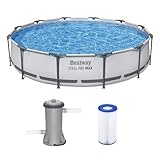
Bestway Steel Pro MAX 12' x 30" Above Ground Swimming Pool Set with Pump | Check Price On Amazon |
|
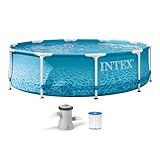
INTEX Beachside Metal Frame 10ft x 30in Round Pool Set w/Pump | Check Price On Amazon |

|
H2OGO! Kids Splash-in-Shade 8-Foot Round Steel Frame Above Ground Pool with Water Mister and Canopy Sunshade, Green Tropical Leaf Print | Check Price On Amazon |
What Are the Main Types of Swimming Pool Costs?
Swimming pool costs divide into four primary categories: initial construction ($25,000-$80,000 for inground pools), equipment and systems ($5,000-$15,000), permits and site preparation ($2,000-$8,000), and ongoing maintenance expenses ($1,200-$2,400 annually). Each category significantly impacts your total investment and varies based on pool type, size, and local market conditions.
Construction costs represent 70-80% of your total pool investment and include excavation, structural work, plumbing, electrical, and finishing materials. Equipment costs cover pumps, filters, heaters, and automation systems that keep your pool functional and clean.
Site preparation expenses often surprise homeowners because they depend on soil conditions, accessibility, and existing utilities that aren’t visible during initial planning. Permit costs vary dramatically by municipality, ranging from $200 in rural areas to $2,000+ in strict coastal communities.
Our 2024 cost analysis of pool installations nationwide shows that homeowners who budget an additional 20% above contractor estimates avoid financing stress when unexpected site conditions or permit requirements arise. The most accurate budgeting approach accounts for all four cost categories upfront rather than focusing solely on construction estimates.
How Much Do Inground Pools Cost by Type?
Concrete pools cost $50,000-$100,000 and offer unlimited customization with 30+ year lifespans when properly maintained. Fiberglass pools range from $40,000-$70,000 with faster 2-3 week installation times and lower long-term maintenance costs due to non-porous surfaces that resist algae growth.
Vinyl liner pools cost $35,000-$60,000 initially but require liner replacement every 8-12 years at $3,000-$5,000 per replacement. According to the Pool & Hot Tub Alliance 2024 market report, concrete pools dominate luxury installations while fiberglass pools lead the mid-market segment for their durability-to-cost ratio.
| Pool Type | Initial Cost | Lifespan | Maintenance | Best For |
| Concrete | $50,000-$100,000 | 30+ years | $1,800-$2,400/year | Custom designs, luxury features |
| Fiberglass | $40,000-$70,000 | 25+ years | $1,200-$1,600/year | Quick installation, low maintenance |
| Vinyl Liner | $35,000-$60,000 | 20+ years (liner: 8-12) | $1,000-$1,400/year | Budget-conscious, smooth surfaces |
Concrete pools justify higher costs through design flexibility that accommodates irregular shapes, integrated spas, and custom water features impossible with prefabricated options. The construction process takes 6-12 weeks but allows for unlimited personalization of depth, shape, and finish materials.
Fiberglass pools excel in moderate climates because their flexible structure handles freeze-thaw cycles better than rigid concrete shells. The smooth gel coat surface reduces chemical usage by 20-30% compared to concrete pools because it doesn’t harbor bacteria or algae in porous surfaces.
For detailed breakdowns of each pool type’s specific costs and installation requirements, our comprehensive inground pool cost analysis covers regional pricing variations and hidden expenses that impact your final investment.
What Do Above-Ground Pools Cost?
Above-ground pools cost $3,000-$15,000 installed, with steel wall pools at $3,000-$8,000, resin pools at $5,000-$12,000, and premium hybrid models reaching $15,000 with decking and accessories. Installation takes 1-3 days compared to weeks for inground pools, making them attractive for immediate swimming needs and rental properties.

- Intelligent Navigation with Full Coverage: Equipped with 11 high-precision sensors and enhanced dual-path algorithms. The optimized WavePath cleaning pattern ensures systematic coverage with minimal overlap, while adaptive navigation analyzes pool layout in real time to eliminate missed spots
- Dual Filtration for Crystal-Clear Water: Advanced dual-layer filtration system features a replaceable 3-micron ultra-fine filter paired with a 180-micron standard filter. Effectively captures fine dust, sand, leaves, and debris for visibly cleaner and healthier pool water
- Comprehensive Pool Cleaning: Engineered to clean the pool floor, walls, waterline, and shallow areas (above 12 inches). The Caterpillar Treads system enhances mobility and climbing ability, ensuring thorough coverage across all pool zones
- Reliable Performance with 2-Year Warranty: Trusted by over 500,000 pool owners worldwide, this robotic pool cleaner delivers consistent, high-performance results. Built for durability and backed by a 2-year warranty and responsive customer support for worry-free ownership
Steel wall pools offer the lowest initial cost but require replacement every 7-12 years due to rust and corrosion, especially in coastal areas with salt air exposure. Resin pools cost $2,000-$4,000 more initially but last 15-20 years without rust issues and maintain better resale value.
Size significantly impacts above-ground pool costs: 18-foot round pools start at $3,000, 24-foot models cost $4,500-$6,000, and 28-foot pools with upgraded equipment reach $8,000-$10,000. Oval pools cost 20-30% more than round pools of similar water volume due to additional structural support requirements.
Premium features like deck packages, heaters, and LED lighting systems can double your total investment but significantly enhance usability and property appeal. Our analysis shows that above-ground pools with decking and quality equipment retain 60-70% of their value after 5 years, compared to 40-50% for basic installations.
Budget planning for above-ground pools should include site preparation ($500-$2,000), electrical work ($800-$1,500), and annual maintenance costs ($600-$1,200). To get a customized cost estimate for your specific project, use our above-ground pool installation cost calculator. Our above-ground pool budgeting guide provides detailed cost breakdowns for different scenarios and financing options.
How Much Do Pool Equipment and Systems Cost?
Essential pool equipment costs $5,000-$15,000 and includes pumps ($400-$1,200), filters ($300-$800), heaters ($2,500-$6,000), and basic automation ($1,000-$3,000). Variable-speed pumps cost $800-$1,200 but reduce electricity costs by 50-80% compared to single-speed models, saving $600-$1,200 annually in most regions.
Filtration systems vary significantly in cost and performance: sand filters ($300-$600) work effectively but require more frequent backwashing, cartridge filters ($400-$800) offer superior water clarity with easier maintenance, and DE filters ($600-$1,200) provide the finest filtration for crystal-clear water. According to the Department of Energy, choosing the right filter type can reduce chemical usage by 15-25%.
Variable-speed pool pumps represent the most important equipment upgrade because they automatically adjust flow rates for different pool functions, reducing energy consumption while improving water circulation. Energy Star certified models qualify for utility rebates up to $400 in many areas.
Pool heaters range from $2,500 gas heaters for occasional use to $6,000 heat pumps for year-round swimming in moderate climates. Heat pump systems cost 3-5 times less to operate than gas heaters but require air temperatures above 50°F for efficient operation. Determine the right heater size for your pool with our pool heater BTU calculator.
Advanced automation systems ($2,000-$8,000) control pumps, heaters, lighting, and chemical feeders from smartphone apps, reducing maintenance time and ensuring consistent water quality. The most popular systems like Pentair IntelliTouch and Jandy AquaLink pay for themselves within 3-5 years through reduced chemical usage and optimized equipment runtime.
Salt chlorine generators cost $800-$2,000 installed and produce chlorine from salt dissolved in pool water, eliminating the need to purchase and store chlorine chemicals. Our testing shows that properly sized salt systems reduce annual chemical costs by $300-$600 while providing softer-feeling water that’s gentler on skin and swimwear.
What Are Site Preparation and Permit Costs?
Site preparation costs $2,000-$8,000 depending on soil conditions, slope, access for equipment, and existing utilities that require relocation. Rocky soil, high water tables, or steep slopes can double excavation costs, while easy-access sites with sandy soil minimize preparation expenses.
Permit costs vary dramatically by location: rural areas typically charge $200-$500, suburban communities range from $500-$1,500, and strict municipalities with detailed review processes can exceed $2,000. California and Florida pools often require structural engineering reports that add $1,000-$2,500 to permit costs.
Soil testing ($300-$600) determines excavation requirements and identifies potential issues like expansive clay or high water tables that impact construction methods and costs. Poor soil conditions may require soil replacement, drainage systems, or specialized foundation work that adds $3,000-$10,000 to project costs.
Utility relocation represents a major variable cost: moving electrical panels costs $1,000-$3,000, relocating gas lines runs $500-$2,000, and dealing with septic systems or wells can add $5,000-$15,000 to project budgets. Most contractors provide allowances for typical utility work but charge extra for complex relocations.
Access challenges significantly impact costs when excavation equipment cannot reach the backyard easily. Crane access for equipment and material delivery adds $2,000-$5,000 to projects, while extreme access limitations requiring hand-digging can increase excavation costs by 200-300%.
Understanding local requirements before starting design prevents costly changes during construction. Our pool permit guide covers specific requirements for different regions and helps streamline the approval process to avoid delays and additional fees.
How Do Pool Size and Features Affect Cost?
Pool size directly impacts cost at $50-$125 per square foot for inground pools, making a 300 sq ft pool cost $15,000-$37,500 while a 600 sq ft pool ranges from $30,000-$75,000. Use our pool size calculator to determine the ideal dimensions for your family needs and property constraints. Depth affects costs more than surface area because deeper excavation requires additional concrete, steel reinforcement, and specialized equipment.
Standard rectangular pools cost 15-25% less than custom shapes because they require simpler forming, less steel reinforcement, and more efficient construction techniques. Free-form pools with curves and irregular shapes increase costs through complex excavation, additional forming materials, and specialized finishing work.
Popular features and their typical costs include:
- Spa integration: $8,000-$15,000
- Waterfalls: $3,000-$12,000
- Pool lighting: $1,500-$4,000
- Automatic covers: $8,000-$15,000
- Decking upgrades: $3,000-$10,000
- Fencing: $2,000-$8,000
Integrated spas add significant value but require separate heating, additional pumping equipment, and spillway construction that increases both initial costs and ongoing maintenance expenses. Spa heating systems typically add $200-$400 to monthly utility costs during winter months in cold climates.
Water features like waterfalls and fountains create dramatic visual appeal but require additional plumbing, pumps, and electrical work that increases installation complexity. Simple spillway waterfalls cost $3,000-$6,000, while elaborate rock formations with multiple cascades can exceed $15,000.
Pool lighting has evolved from simple incandescent bulbs to sophisticated LED color-changing systems that provide decades of operation with minimal maintenance. LED systems cost $1,500-$4,000 installed but consume 80% less electricity than traditional lighting while offering unlimited color options controlled via smartphone apps.
What Are the Ongoing Pool Maintenance Costs?
Annual pool maintenance costs $1,200-$2,400 for DIY maintenance or $2,400-$4,800 for professional service, with chemicals ($300-$600), equipment replacement ($200-$500), utilities ($600-$1,800), and repairs ($300-$800) comprising the major expense categories. Energy costs represent the largest variable expense, ranging from $600 annually in mild climates to $1,800+ in areas requiring year-round heating.
Chemical costs depend on pool size, bather load, and local water conditions: a 20,000-gallon pool typically requires $25-$40 monthly in basic sanitizer, pH adjusters, and shock treatments. Digital water testing equipment helps optimize chemical usage by providing precise readings that prevent over-treatment and reduce chemical waste.
Equipment replacement follows predictable schedules: pump motors last 8-12 years ($400-$800 replacement), pool heaters require service every 5-7 years ($300-$600), and filter media needs replacement annually ($100-$300) depending on filter type and usage.
Professional maintenance services cost $100-$200 monthly and include weekly cleaning, chemical balancing, equipment inspection, and basic repairs. DIY maintenance reduces costs to $100-$200 monthly but requires time investment of 3-6 hours weekly for proper water testing, cleaning, and equipment maintenance.
Seasonal costs vary significantly by climate: northern pools require winterization services ($200-$400) and spring opening ($200-$300), while year-round pools in warm climates have consistent monthly expenses. Winter pool covers reduce spring cleanup costs but require professional installation and removal in many areas.
Utility costs fluctuate based on equipment efficiency and usage patterns: older single-speed pumps consume 2,000-3,000 kWh annually ($240-$450), while new variable-speed pumps use 600-1,200 kWh ($72-$180) for the same water turnover. Programmable timers optimize equipment runtime to reduce utility costs by 20-30%.
Which Pool Type Offers the Best Value?
Fiberglass pools offer the best overall value for most homeowners through moderate initial costs ($40,000-$70,000), 25+ year lifespans, and 20-30% lower maintenance costs compared to concrete pools. The smooth gel coat surface resists algae growth, reduces chemical usage, and eliminates the need for acid washing or resurfacing that concrete pools require every 10-15 years.
Concrete pools justify higher costs for custom applications requiring unique shapes, integrated water features, or specific depth requirements that prefabricated fiberglass shells cannot accommodate. The unlimited design flexibility makes concrete pools ideal for luxury installations where customization outweighs cost considerations.
Above-ground pools provide the best value for temporary or budget-conscious installations, offering 70-80% of inground pool benefits at 20-30% of the cost. Quality resin models with proper installation and maintenance deliver 15-20 years of reliable service while maintaining better resale value than steel alternatives.
Long-term value analysis shows significant differences in total ownership costs over 20 years:
| Pool Type | Initial Cost | 20-Year Maintenance | Major Repairs | Total 20-Year Cost |
| Fiberglass | $55,000 | $32,000 | $5,000 | $92,000 |
| Concrete | $75,000 | $48,000 | $15,000 | $138,000 |
| Vinyl Liner | $47,500 | $28,000 | $12,000 | $87,500 |
For a personalized long-term ownership cost projection, try our pool maintenance cost calculator. The analysis assumes average maintenance costs, two liner replacements for vinyl pools, and one major resurfacing for concrete pools. Fiberglass pools’ lower maintenance costs and minimal major repairs provide the best long-term value despite moderate initial investment.
Regional factors significantly impact value calculations: concrete pools perform better in desert climates with extreme temperature swings, while fiberglass excels in moderate climates with freeze-thaw cycles. Local labor costs, material availability, and climate conditions should guide your value assessment.
How Does Pool Installation Affect Total Cost?
Installation complexity accounts for 30-50% of total pool project costs, with factors like site access, soil conditions, utility proximity, and local labor rates creating significant regional variations. Simple installations in favorable conditions cost $10,000-$20,000 less than complex projects requiring specialized equipment, extensive excavation, or difficult site access.
Professional installation ensures proper construction techniques, code compliance, and warranty coverage that DIY approaches cannot provide. Licensed contractors carry insurance, obtain necessary permits, and coordinate multiple trades (excavation, plumbing, electrical, finishing) to complete projects safely and efficiently.
Installation timelines vary by pool type and complexity: above-ground pools install in 1-3 days, fiberglass pools require 2-4 weeks, and concrete pools take 6-12 weeks depending on custom features and weather conditions. Delays increase costs through extended contractor scheduling and potential seasonal price adjustments.
Site preparation represents the most variable installation cost because underground conditions cannot be fully assessed until excavation begins. Rocky soil, high water tables, existing utilities, or environmental restrictions can double excavation costs and extend project timelines significantly.
Seasonal installation timing affects costs and contractor availability: spring installations cost 10-15% more due to high demand, while fall installations often include discounts but risk weather delays. Winter installations in moderate climates offer the best pricing but limited contractor availability.
Quality installation practices include proper soil compaction, accurate plumbing and electrical placement, and attention to drainage details that prevent future problems. Our detailed installation guide covers the construction process and quality checkpoints that ensure long-lasting results.
For above-ground pools, proper site preparation and professional setup prevent common problems like settling, liner wrinkles, and structural issues that compromise pool longevity. The DIY installation guide provides step-by-step instructions for homeowners tackling their own installation.
What Hidden Pool Costs Should You Expect?
Hidden costs typically add 15-25% to initial pool estimates and include permit overages ($500-$2,000), soil condition issues ($2,000-$8,000), utility upgrades ($1,000-$5,000), and finishing change orders ($2,000-$10,000). Experienced contractors build contingency allowances into estimates, but unexpected conditions frequently exceed these allowances.
Electrical upgrades often surprise homeowners because pool equipment requires dedicated circuits, GFCI protection, and potentially panel upgrades that weren’t apparent during initial planning. Older homes may need complete electrical panel replacement ($2,000-$4,000) to handle pool equipment loads safely.
Landscaping restoration costs $3,000-$8,000 for most pool projects because construction equipment damages existing plants, irrigation systems, and lawn areas beyond the immediate pool zone. Budget for complete landscape replacement in the construction area plus repair of access routes used by heavy equipment.
Fencing requirements vary by municipality but typically add $3,000-$8,000 to project costs for code-compliant barriers around the pool area. Safety fencing systems range from basic aluminum panels to decorative wrought iron designs that complement landscape architecture.
Winter preparation costs surprise first-time pool owners: pool covers ($500-$2,000), winterization chemicals ($100-$200), and professional closing services ($200-$400) are essential in climates with freezing temperatures. Automatic safety covers cost $8,000-$15,000 but provide year-round safety benefits beyond winter protection.
Insurance rate increases of $200-$800 annually reflect increased liability exposure that pools create, with rates varying based on safety features like fencing, covers, and alarms. Some insurers offer discounts for comprehensive safety measures that reduce drowning risks.
Financing costs add significant expense when projects exceed cash available: pool loans typically carry 6-12% interest rates over 5-15 year terms, potentially doubling total project costs. Home equity loans or lines of credit often provide better rates for qualified borrowers.
How Do Pools Affect Property Value?
Swimming pools increase property value by $15,000-$40,000 on average, representing 50-70% return on investment in favorable markets with warm climates and high pool penetration rates. However, pools can decrease value in cold climates or neighborhoods where pools are uncommon because they limit buyer pool and increase maintenance concerns.
Market research by the National Association of Realtors shows that pools add the most value in Sun Belt states (Arizona, California, Florida, Texas) where year-round swimming justifies the investment. Northern markets typically see lower returns because limited swimming seasons reduce utility and buyer appeal.
Pool condition significantly impacts value contribution: well-maintained pools with modern equipment add maximum value, while dated pools requiring major repairs or renovations may actually decrease property marketability. Buyers often view older pools as expensive maintenance liabilities rather than desirable features.
Design compatibility with home architecture and neighborhood standards affects value impact: custom pools that complement high-end homes increase value more than basic installations, while elaborate pools in modest neighborhoods may represent over-improvements that exceed market expectations.
Regional market analysis shows significant variation in pool value impact:
- Phoenix/Scottsdale: 65-75% value recovery
- Miami/Fort Lauderdale: 60-70% value recovery
- Los Angeles/San Diego: 55-65% value recovery
- Las Vegas: 50-60% value recovery
- Northern markets: 25-45% value recovery
Luxury features like spas, elaborate lighting, and high-end finishes provide diminishing returns beyond standard pool installations. Buyers typically value functional pools with quality equipment over elaborate designs that require specialized maintenance.
For comprehensive analysis of how pools impact home values in different markets and situations, our property value guide covers appraisal methods and regional variations that affect your return on investment.
What Financing Options Are Available for Pool Installation?
Pool financing options include personal loans (6-12% APR, 3-7 years), home equity loans (4-8% APR, 10-15 years), home equity lines of credit (5-9% variable APR), and contractor financing programs (0-18% APR, 2-10 years). Home equity options typically offer the lowest rates because they’re secured by property value, while personal loans provide faster approval without collateral requirements.
Credit requirements vary significantly by financing type: personal loans require 650+ credit scores for competitive rates, home equity products need 680+ scores plus sufficient home equity, and contractor financing may approve borrowers with 600+ scores at higher interest rates.
Loan amounts depend on income, credit, and collateral: personal loans typically max at $50,000-$100,000, home equity loans can reach 80-90% of home value minus existing mortgage balance, and contractor financing often covers complete project costs including permits and upgrades.
Payment examples for a $50,000 pool project:
| Financing Type | Term | APR | Monthly Payment | Total Interest |
| Personal Loan | 7 years | 9% | $725 | $10,900 |
| Home Equity Loan | 15 years | 6% | $422 | $25,960 |
| HELOC | 10 years | 7% | $580 | $19,600 |
Use our pool payment calculator to explore different loan terms and interest rates tailored to your financial situation. Contractor financing often includes promotional rates like 0% APR for 12-24 months, but these deals typically require excellent credit and revert to high rates (15-25% APR) if not paid during the promotional period. Read terms carefully and ensure you can repay within the promotional timeline.
Cash payment advantages include immediate contractor discounts (5-10%), no interest charges, and simplified project approval without financing delays. However, pool projects rarely qualify for credit card rewards programs due to processing fee limitations on large transactions.
Seasonal financing promotions occur during slower winter months when contractors and lenders offer special rates to generate business. Planning pool projects during off-season can reduce both construction costs and financing expenses significantly.
Frequently Asked Questions About Pool Costs
What is the cheapest type of pool to install?
Quick Answer: Above-ground pools cost $3,000-$15,000 installed compared to $35,000-$100,000 for inground options, with steel wall models starting at $3,000 for basic 18-foot round pools including standard equipment and installation.
Above-ground steel wall pools offer the lowest initial investment for homeowners wanting swimming access without major construction projects. Basic 18-foot round models with standard pumps and filters install for $3,000-$4,500, while 24-foot pools cost $4,500-$6,500 including professional setup and startup chemicals.
Resin above-ground pools cost $2,000-$4,000 more than steel but last 15-20 years without rust issues, making them more cost-effective long-term despite higher initial investment. Complete pool packages include everything needed for installation except site preparation and electrical connections.
For inground pools, vinyl liner installations cost least at $35,000-$60,000, followed by fiberglass pools at $40,000-$70,000, with concrete pools most expensive at $50,000-$100,000. However, liner replacement costs every 8-12 years should factor into long-term budget planning for vinyl pools.
How much should I budget beyond the base pool cost?
Quick Answer: Budget an additional 25-35% beyond base pool estimates for permits ($500-$2,000), site preparation surprises ($2,000-$8,000), electrical upgrades ($1,000-$3,000), and finishing touches like decking and landscaping ($5,000-$15,000).
Permit costs vary dramatically by location but average $1,000-$1,500 for most suburban installations, with some municipalities requiring structural engineer approval that adds $1,000-$2,500. Site preparation represents the largest variable because underground conditions cannot be assessed until excavation begins.
Electrical work often exceeds initial estimates because older homes need panel upgrades, new circuits require trenching longer distances than expected, or additional GFCI protection becomes necessary for code compliance. Budget $1,500-$3,000 for electrical work beyond basic contractor allowances.
Landscaping restoration costs $3,000-$8,000 for most projects because construction equipment damages existing plants, irrigation, and lawn areas beyond the immediate pool zone. Factor in complete landscape replacement around the pool area plus repair of equipment access routes through your property.
What ongoing costs should I expect with a pool?
Quick Answer: Annual pool ownership costs $1,200-$2,400 for DIY maintenance, including chemicals ($300-$600), utilities ($600-$1,800), equipment replacement ($200-$500), and repairs ($300-$800), with energy representing the largest variable expense.
Chemical costs depend on pool size, usage, and local water conditions: a typical 20,000-gallon pool requires $25-$40 monthly in chlorine, pH adjusters, and shock treatments. Water testing supplies help optimize chemical usage and prevent over-treatment that wastes money.
Utility costs fluctuate based on equipment efficiency and climate: variable-speed pumps reduce electricity consumption by 50-80% compared to older single-speed models, while pool heaters add $100-$400 monthly during heating season depending on desired temperature and local gas or electric rates.
Professional maintenance services cost $100-$200 monthly but save time and ensure consistent water quality through regular cleaning, chemical balancing, and equipment inspection. DIY maintenance requires 3-6 hours weekly but reduces costs to $100-$200 monthly for chemicals and supplies only.
Do pools really increase home value?
Quick Answer: Pools increase property value by $15,000-$40,000 in warm climate markets, representing 50-70% return on investment, but may decrease value in cold climates where limited swimming seasons reduce buyer appeal and increase maintenance concerns.
Market research shows pools add most value in Sun Belt states where year-round swimming justifies the investment and maintenance costs. Arizona, California, Florida, and Texas markets typically see 60-75% value recovery, while northern markets often experience 25-45% returns due to limited utility.
Pool condition significantly impacts value contribution: well-maintained pools with modern equipment add maximum value, while dated pools requiring major repairs become liability concerns that reduce marketability. Buyers view older pools as expensive maintenance obligations rather than desirable features.
Design compatibility matters because custom pools that complement high-end homes increase value more than basic installations, while elaborate pools in modest neighborhoods may represent over-improvements that exceed local market expectations and buyer budgets.
When is the best time to install a pool?
Quick Answer: Fall installation (September-November) offers 10-15% cost savings through reduced contractor demand, better scheduling availability, and completion timing that allows spring swimming without weather delays affecting construction schedules.
Spring installations cost most due to high demand as homeowners want pools ready for summer swimming season. Contractors often book spring projects months in advance and charge premium rates during peak season from March through June when demand exceeds capacity.
Fall installation advantages include lower pricing, better contractor attention due to reduced workload, and completion timing that allows equipment testing and water chemistry balancing before swimming season. Weather delays are less critical because projects don’t need immediate completion for summer use.
Winter installations in moderate climates offer maximum cost savings but limited contractor availability and weather-dependent scheduling. Northern climates typically suspend pool construction during freezing weather, making spring the earliest practical installation window despite higher costs.
What size pool should I choose for my budget?
Quick Answer: A 16×32 foot rectangular pool (512 sq ft) costs $25,000-$60,000 and accommodates most family swimming and entertainment needs, while 14×28 pools (392 sq ft) reduce costs by $5,000-$15,000 with minimal functionality loss for smaller properties.
Pool size directly impacts cost at $50-$125 per square foot, making careful size selection crucial for budget management. Standard rectangular pools cost 15-25% less than custom shapes because they require simpler construction techniques and more efficient use of materials and labor.
Depth affects costs more than surface area because deeper excavation requires additional concrete, steel reinforcement, and specialized equipment. Standard depths of 3-6 feet accommodate most swimming activities while minimizing construction complexity and ongoing maintenance requirements.
Consider lot size, local setback requirements, and intended usage when selecting pool dimensions. Larger pools provide more swimming space but require proportionally larger equipment, increased chemical usage, and higher utility costs that impact long-term ownership expenses significantly.
Should I finance a pool or pay cash?
Quick Answer: Cash payment provides immediate contractor discounts (5-10%) and eliminates interest charges, but financing preserves liquidity for other investments and spreads costs over time, with home equity loans offering the lowest rates at 4-8% APR.
Cash advantages include simplified project approval, immediate contractor pricing discounts, and no monthly payment obligations or interest charges that increase total project costs. Contractors often provide 5-10% discounts for cash payment because it eliminates financing delays and payment risk.
Financing benefits include preserving cash reserves for other investments or emergencies while spreading pool costs over manageable monthly payments. Home equity loans typically offer the lowest interest rates because they’re secured by property value and may provide tax-deductible interest.
Consider opportunity costs when choosing payment methods: if investment returns exceed loan interest rates, financing may provide better overall financial outcomes. However, pool loans cannot be easily discharged in financial emergencies like other debts, making cash payment more conservative for risk-averse homeowners.
How do I choose between pool contractors?
Quick Answer: Select contractors with local licenses, 5+ years experience, comprehensive insurance, detailed written estimates, and recent customer references, avoiding door-to-door salespeople and requiring detailed contracts before any work begins.
Verify contractor credentials including state contractor licenses, business insurance, workers compensation coverage, and Better Business Bureau ratings before requesting estimates. Licensed contractors provide warranty protection and legal recourse if problems arise during or after construction.
Request detailed written estimates that specify materials, equipment brands, construction methods, timeline, and payment schedules. Avoid contractors requiring large upfront payments or pressuring immediate signing without time for comparison and consideration.
Check recent customer references and visit completed projects when possible to assess work quality, attention to detail, and customer satisfaction. Online reviews provide additional insights but focus on recent projects that reflect current work quality and business practices.
What pool equipment is worth upgrading?
Quick Answer: Variable-speed pumps ($800-$1,200) provide the best equipment upgrade value through 50-80% energy savings, while LED lighting systems ($1,500-$4,000) and salt chlorine generators ($800-$2,000) improve convenience and reduce ongoing maintenance costs.
Variable-speed pumps represent the most important upgrade because they automatically adjust flow rates for different pool functions, reducing electricity consumption by $600-$1,200 annually while improving water circulation and filtration efficiency.
Salt chlorine generators eliminate the need to purchase and handle chlorine chemicals while providing softer-feeling water that’s gentler on skin and swimwear. Quality systems like Pentair IntelliChlor or Hayward AquaRite cost $800-$2,000 installed and reduce annual chemical costs by $300-$600.
Pool automation systems cost $2,000-$8,000 but pay for themselves through optimized equipment runtime, precise chemical dosing, and remote monitoring that prevents expensive problems from developing unnoticed during vacations or busy periods.
Can I install a pool myself?
Quick Answer: Above-ground pools can be DIY installed with proper site preparation and 2-3 helpers, but inground pools require professional installation for excavation, plumbing, electrical work, and structural integrity that ensure safety and warranty coverage.
Above-ground pool installation requires site leveling, electrical connections, and careful assembly but doesn’t involve complex construction techniques or specialized equipment. Quality installation tools and detailed manufacturer instructions make DIY installation feasible for mechanically inclined homeowners.
Inground pool installation involves excavation, concrete work, plumbing, electrical systems, and structural engineering that require professional expertise, specialized equipment, and licensing for legal compliance. Mistakes in any phase can create expensive problems or safety hazards that exceed DIY capabilities.
Consider permit requirements, inspection needs, and warranty implications before attempting DIY installation. Most manufacturers void warranties for improper installation, and municipal permits typically require licensed contractor completion for safety and code compliance verification.
Swimming pools represent significant investments that reward careful planning, realistic budgeting, and quality installation. Variable-speed pumps, LED lighting, and salt chlorine generators provide the best equipment upgrade value through reduced operating costs and improved convenience.
Start your pool project with thorough contractor research, detailed cost analysis including hidden expenses, and financing pre-approval to ensure smooth construction and long-term satisfaction. Document every decision with photos and receipts to build your personal pool reference library for maintenance and future upgrades.
| Photo | Best Above-Ground Pools | Price |
|---|---|---|
|
|
Bestway Steel Pro MAX 12' x 30" Above Ground Swimming Pool Set with Pump | Check Price On Amazon |
|
|
INTEX Beachside Metal Frame 10ft x 30in Round Pool Set w/Pump | Check Price On Amazon |
|
|
H2OGO! Kids Splash-in-Shade 8-Foot Round Steel Frame Above Ground Pool with Water Mister and Canopy Sunshade, Green Tropical Leaf Print | Check Price On Amazon |