
Most pool installation mistakes share one cruel trait. You cannot see them until it is too late.
A plumbing error buried under 3 feet of concrete decking will not announce itself for months or years. By the time the symptoms appear (uneven settling, a pump that will not prime, a pool shell crack that leaks 500 gallons per day), the repair cost dwarfs what fixing it correctly during installation would have cost. These mistakes are not minor inconveniences. They are five-figure problems hiding under your backyard.
| Photo | Best Above-Ground Pools | Price |
|---|---|---|
|
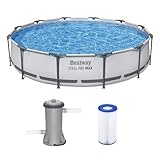
Bestway Steel Pro MAX 12' x 30" Above Ground Swimming Pool Set with Pump | Check Price On Amazon |
|
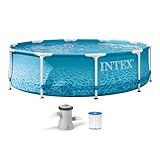
INTEX Beachside Metal Frame 10ft x 30in Round Pool Set w/Pump | Check Price On Amazon |

|
H2OGO! Kids Splash-in-Shade 8-Foot Round Steel Frame Above Ground Pool with Water Mister and Canopy Sunshade, Green Tropical Leaf Print | Check Price On Amazon |
This guide covers the installation errors pool builders see most often on service calls for new pools. Site planning failures, excavation shortcuts, plumbing design mistakes, equipment sizing errors, bonding and grounding violations, and first-fill chemistry disasters. Every section includes the specific fix, the cost of getting it wrong, and the inspection point where you catch it before the concrete pour hides it forever.
By the Numbers
Pool Installation Mistakes — What the Research Shows
Sources: Pool & Hot Tub Alliance, ASHI, industry claims data
What Makes Pool Installation Mistakes So Costly to Fix?
A pool installation error is not like a bad paint job. You cannot sand it down and start over. Pool installation mistakes are encased in concrete, buried under soil, or hidden inside gunite shells where accessing them requires demolition.

- Intelligent Navigation with Full Coverage: Equipped with 11 high-precision sensors and enhanced dual-path algorithms. The optimized WavePath cleaning pattern ensures systematic coverage with minimal overlap, while adaptive navigation analyzes pool layout in real time to eliminate missed spots
- Dual Filtration for Crystal-Clear Water: Advanced dual-layer filtration system features a replaceable 3-micron ultra-fine filter paired with a 180-micron standard filter. Effectively captures fine dust, sand, leaves, and debris for visibly cleaner and healthier pool water
- Comprehensive Pool Cleaning: Engineered to clean the pool floor, walls, waterline, and shallow areas (above 12 inches). The Caterpillar Treads system enhances mobility and climbing ability, ensuring thorough coverage across all pool zones
- Reliable Performance with 2-Year Warranty: Trusted by over 500,000 pool owners worldwide, this robotic pool cleaner delivers consistent, high-performance results. Built for durability and backed by a 2-year warranty and responsive customer support for worry-free ownership
The core problem is sequencing. Each phase of pool construction depends on the previous phase being correct. If excavation is off by 2 inches, the entire shell shifts. If the plumbing trench is backfilled without proper compaction, the pipes settle and crack at the fittings. If the bonding wire is not connected before the concrete pour, fixing it means cutting into the deck. Each error compounds, and the cost to fix grows exponentially with each construction phase completed after the mistake.
According to the Pool & Hot Tub Alliance (PHTA) technical standards, a properly installed inground pool should last 25 to 50 years with no structural issues. Pools that fail within 5 to 10 years almost always fail because of installation-phase errors, not material defects. The difference between a 50-year pool and a 5-year pool is almost never the brand of equipment. It is the quality of the excavation, compaction, plumbing, and bonding work that no one photographs for the portfolio.
For a complete walkthrough of the entire installation sequence from planning through final inspection, see our guide on everything to know before you build a pool from excavation to startup.
Site Planning Errors That Ruin a Pool Before Excavation Starts
A surprising number of catastrophic pool failures begin with a site plan that never should have been approved. The most common error is ignoring drainage patterns and water table depth before choosing a pool location.
Pools installed in low-lying areas where groundwater collects face hydrostatic pressure pushing up against the shell from underneath. A standard pool shell is designed to hold water in, not keep groundwater out. When the water table rises above the pool floor, the upward pressure can float an empty pool out of the ground or crack the shell. This happens because groundwater exerts approximately 62.4 pounds of force per cubic foot. A 16 x 32 foot pool with 4 feet of groundwater pressure experiences over 127,000 pounds of upward lift.
This only occurs when the pool is drained without a hydrostatic relief valve installed or when the water table rises seasonally above the pool floor. If the water table was never measured before excavation, the pool builder cannot know whether a hydrostatic valve is needed. The result is a pool shell that cracks from underneath, a repair that often exceeds $15,000.
Another site planning failure is placing a pool under or near overhead power lines. The National Electrical Code (NEC) Article 680 requires minimum horizontal clearances of 22.5 feet from pool water to overhead power lines. A pool built 18 feet from a power line is a code violation that your electrical utility can force you to drain and correct. This mistake is discovered during the electrical inspection, not during excavation, when correcting it means moving the entire pool or paying the utility company to relocate the lines.
What Soil Testing Reveals That Builders Sometimes Skip
Soil bearing capacity determines whether the ground can support a pool shell without excessive settling. Sandy soils typically have a bearing capacity of 2,000 to 3,000 pounds per square foot. Clay soils expand and contract with moisture changes, exerting lateral pressure on pool walls that standard designs do not account for.
Expansive clay soils can swell up to 10 percent in volume when saturated. A pool built on expansive clay without a properly engineered base (compacted gravel, geotextile fabric, or an over-excavation and re-compaction with select fill) will experience shell movement. The symptoms are cracks at the tile line, separation between the coping and the deck, and plumbing leaks at shell penetrations where differential movement shears the PVC pipe.
Excavation and Ground Preparation Mistakes
Excavation errors are the most expensive mistakes to fix because everything built afterward sits on the excavated base. The number one error is over-digging and then backfilling with loose soil instead of compacted gravel or stone.
When a pool is over-dug by 6 inches, a lazy builder fills that 6-inch void with the same soil that came out of the hole. That uncompacted fill settles over the next 12 to 24 months, and the pool shell settles with it. A shell that settles unevenly (one corner drops 2 inches while the rest stays level) develops stress cracks. The fix is a mud-jacking or polyurethane foam injection process costing $5,000 to $12,000, and it requires draining the pool and removing the deck in the affected area.
The correct method is to over-dig by exactly the depth of the compacted stone base required by the engineer, typically 4 to 6 inches, and then fill that space with angular crushed stone (57 stone or similar) compacted in lifts of 2 to 3 inches using a plate compactor. This creates a drainage layer and a stable bearing surface. Skipping the compaction step defeats the entire purpose of the stone base.
Underground Utility Strikes and Locate Failures
Before any excavation, the builder must call 811 to have underground utilities marked. A builder who skips this step and hits a natural gas line or high-voltage electric line creates an immediate life safety emergency. Gas line strikes cost $3,000 to $10,000 to repair and can cause explosions. Fiber optic line strikes can cost $10,000 to $50,000 in repair fees charged by the utility company.
Beyond utility marking, a complete private locate for irrigation lines, septic lines, and any buried electrical (landscape lighting, pool equipment circuits from a previous pool) should be done. The public 811 locate marks only utility-owned lines up to the meter. Everything past the meter is the property owner’s responsibility. A builder who hits a buried propane line feeding a pool heater or an invisible dog fence is liable for the repair.
Plumbing and Circulation Design Errors
Plumbing mistakes are the stealth killers of pool installations. The pipe is buried underground. It does not leak on day one. It leaks on day 400, or day 1,200, when the ground has settled, the pipe has shifted, and the poorly glued fitting finally separates.
The most common plumbing error is running undersized suction lines. A pool pump requires a specific flow rate in gallons per minute (GPM) to operate efficiently. Undersized suction plumbing increases water velocity beyond the maximum recommended 6 feet per second for schedule 40 PVC. Above 8 feet per second, the water flow creates turbulence that leads to cavitation inside the pump. Cavitation is the formation and collapse of vapor bubbles in the pump impeller, and it erodes the metal surfaces. A pump running with cavitation sounds like gravel is rattling inside it and fails within 2 to 3 years instead of lasting 8 to 12 years.
The PHTA standard specifies that 1.5-inch suction lines are acceptable for flow rates up to 42 GPM. For flow rates between 42 and 75 GPM, 2-inch lines are required. Above 75 GPM, 2.5-inch or 3-inch suction lines are mandatory. A single-speed 2 HP pump on 1.5-inch suction plumbing exceeds the velocity limit. It produces high flow but destroys itself doing it. The fix after installation means cutting the concrete deck and replacing the buried suction line.
Return Line Placement and Hydraulic Balance
Return fittings direct filtered water back into the pool. Their placement and orientation determine whether the pool circulates evenly or develops dead spots where algae grows and debris collects. The standard design is a minimum of two returns on opposite walls for pools up to 30 feet long, with an additional return for every 15 feet of length beyond that. Returns should be aimed downward at a 45-degree angle and all in the same rotational direction to create a gentle circular current. Randomly aimed returns create turbulence that works against filtration efficiency.
A pool with dead zones retains debris and develops algae in the same corners every week, no matter how much chlorine is added. The algae forms not because the chemistry is wrong but because the circulation pattern leaves those areas stagnant. Fixing return placement after gunite or fiberglass shell installation is possible only if the returns are threaded and directional eyeball fittings are used. If the returns are fixed and aimed poorly, the pool circulates poorly for its entire lifespan.
Equipment Sizing and Placement Mistakes
Equipment sizing errors happen when a builder matches the pump and filter to the pool volume on paper but ignores the total dynamic head (TDH) of the actual plumbing layout. TDH is the total resistance to flow created by pipe length, pipe diameter, fittings, valves, and the elevation difference between the pool and the equipment pad. A pump sized for 60 GPM at 40 feet of head will move only 35 GPM if the actual system has 65 feet of head.
The result is a pool that takes 18 hours to turn over instead of 8 hours. The owner runs the pump longer to compensate, pays higher electric bills, and still struggles with water clarity. This happens because the builder used a generic pump curve chart instead of calculating the actual TDH for this specific pool and plumbing layout. Getting the pump sizing right from the start is critical; you can use a swimming pool pump sizing calculator that factors in plumbing length and desired flow rate to avoid this expensive mismatch. The fix is replacing the pump with one that has a steeper pump curve suited to the actual head conditions.
A related error is oversizing the filter relative to the pump or vice versa. A pump that pushes 90 GPM through a filter rated for 60 GPM maximum flow will channel the filter media (push it aside and create a direct path for unfiltered water) or damage the filter internals. The filter maximum flow rate is printed on every filter label. The pump flow rate at the actual TDH must be less than or equal to that number. Always.
Equipment Pad Placement and Access
An equipment pad placed 75 feet from the pool on undersized plumbing doubles the friction loss compared to a pad placed 25 feet away on the same pipe diameter. The extra 50 feet of pipe adds significant resistance. The pump works harder, uses more electricity, and produces less flow at the returns.
Equipment pads placed in low spots that flood during heavy rain suffer from motor flooding. Pump motors are not submersible. A motor submerged in 3 inches of standing water will fail, usually within the same season. The pad should be elevated a minimum of 3 inches above the surrounding grade and located where surface water drains away, not toward, the equipment.
Electrical and Bonding Errors That Create Safety Hazards
Pool bonding and grounding errors are life safety issues, not convenience problems. The difference between a properly bonded pool and an unbonded one is the difference between a safe swim and a potential electrocution event when a stray voltage source contacts the water.
A properly installed equipotential bonding grid connects all metal components (pool shell rebar, ladder cups, handrail anchors, pump motor, heater, underwater light niches, and any metal within 5 feet of the water) to a single common bonding conductor. This grid equalizes the voltage potential between all conductive surfaces. If a fault occurs, current flows through the bonding grid to ground rather than through a swimmer’s body. This only works when every required component is actually connected, and the bonding wire is continuous and unbroken.
Missing bonds are common on handrail anchors, diving board bases, and metal conduit near the pool edge. A handrail that is not bonded can develop a voltage difference of 10 to 30 volts relative to the pool water if an electrical fault occurs nearby. That voltage across a swimmer’s body (hand on rail, body in water) is enough to cause paralysis or drowning. For the complete technical requirements and inspection checkpoints for equipotential bonding, see our detailed guide on pool bonding and grounding requirements including how it is done correctly.
GFCI Protection and Light Niche Bonding
Underwater pool lights require GFCI protection on the branch circuit and a bonded light niche that forms a watertight seal with the pool shell. A pool light niche installed without the bonding lug connected leaves the entire light housing as an unbonded metal object submerged in water. The NEC requires a #8 AWG solid copper bonding conductor connected directly to the niche bonding lug and run back to the equipotential bonding grid.
GFCI breakers for pool pump motors must be listed for pool use and rated for the motor’s full-load amperage. A standard 15-amp GFCI on a pump drawing 16 amps will nuisance trip constantly. The NEC requires GFCI protection on all pool pump circuits regardless of voltage, including 240-volt variable speed pump circuits.
Water Chemistry Mistakes During the First Fill
The first 30 days of water chemistry sets the trajectory for the pool’s entire finish lifespan. Fresh plaster, pebble, or aggregate finishes cure underwater through a chemical process that is highly sensitive to water chemistry. Filling the pool with untreated well water or hard municipal water and not balancing it immediately causes permanent surface damage.
New plaster pools require a specific startup procedure. The water must be balanced to a pH of 7.2 to 7.4, total alkalinity of 80 to 120 ppm, and calcium hardness of 200 to 400 ppm within 48 hours of filling. Failure to do this during the plaster curing period (the first 28 days) results in plaster dust, scaling, etching, or staining that will be visible for the next 15 years. The plaster curing reaction consumes calcium hydroxide and releases it into the water. Without proper calcium hardness in the fill water, the plaster surface becomes soft and chalky. To confirm that your water is correctly balanced and not trending toward scaling or corrosive conditions, you can check the overall saturation index with a pool LSI calculator that integrates pH, alkalinity, calcium, and temperature into a single stability reading.
Aggregate finishes (pebble, quartz) are more forgiving than white plaster but still require startup balancing. The worst error is adding salt for a saltwater chlorine generator during the first 30 days. Salt attacks uncured plaster and causes pitting. All salt chlorine generator manufacturers state in their installation manuals that salt must not be added until the plaster has cured for a minimum of 28 days. Ignoring this voids the plaster warranty and creates a permanently pitted surface.
Step-by-Step Guide
Pre-Installation Verification — Step by Step
6 steps · Complete before excavation begins
Verify soil bearing capacity with a geotechnical report
Insist on a soil boring and report before excavation. Sandy soils need 2,000+ PSF bearing capacity. Clay soils require an engineered base design.
Complete 811 utility locate plus private locate
Public 811 marks utility lines to the meter. Hire a private locator for irrigation, septic, propane lines, and any buried electrical past the meter.
Confirm water table depth with a test pit
Dig a test hole to 2 feet below planned pool depth. If water appears, a hydrostatic relief valve and possibly a dewatering system are required.
Review the plumbing plan for suction line sizing
Calculate total dynamic head from the equipment pad to the farthest return. Confirm suction lines are sized for under 6 ft/sec velocity at the pump’s design flow rate.
Check equipment pad location for drainage and access
Pad must be elevated 3+ inches above grade. Must drain away from equipment. Must leave 3 feet of clearance on all sides for service access.
Verify bonding plan includes all metal within 5 feet of water
Confirm the bonding drawing lists every metal component. Inspect the #8 solid copper bonding wire before the concrete pour or backfill covers it.
Backfill, Decking, and Landscape Integration Errors
Backfill is the most rushed phase of pool construction and the phase where the most long-term damage originates. After the pool shell is in place, the gap between the shell wall and the undisturbed soil (the over-dig) must be filled with material that does not settle. The correct material is angular stone or gravel, compacted in 6-inch lifts. The incorrect material is the excavated soil piled next to the hole.
Using excavated soil as backfill guarantees settlement. Even compacted native soil settles 10 to 20 percent over 2 to 5 years. A 4-foot over-dig filled with native soil settles 5 to 10 inches. The pool deck, poured directly on top of that settling soil, cracks and separates from the pool coping. The crack between the deck and the coping becomes a trip hazard and a water intrusion path. Water entering through that crack erodes more backfill, accelerating the settlement in a feedback loop.
Decking poured before backfill has fully settled is another common error. Even properly compacted stone backfill needs time to consolidate under its own weight. A minimum of 30 days between backfill and deck pour is recommended. Heavy rain during this waiting period accelerates consolidation. A builder who backfills on Monday and pours the concrete deck on Friday is guaranteeing cracks within two years.
Permitting and Inspection Mistakes
The permitting process is not bureaucratic red tape. It is a sequence of independent inspections by people whose only job is to find dangerous errors before concrete covers them. Skipping inspections or rushing through them is how ungrounded bonding wires, missing GFCI protection, and undersized structural steel get permanently hidden.
The typical inspection sequence for an inground pool includes a footing and steel inspection (before gunite), a plumbing pressure test inspection, an electrical rough-in inspection (bonding and conduit, before deck pour), and a final safety inspection (barriers, GFCI, bonding verification). Each inspection must be passed before the next phase of work can legally proceed. A builder who pours the deck before the electrical rough-in inspection has passed is gambling that the bonding is correct. If the inspector requires a correction, the deck must be cut open.
Fence and barrier requirements are the most commonly failed final inspection item. The current International Swimming Pool and Spa Code (ISPSC) requires a 48-inch minimum barrier height with no openings larger than 4 inches and self-closing, self-latching gates that open outward away from the pool. A gate that swings toward the pool or a latch at 50 inches instead of 54 inches above grade fails inspection. The pool cannot legally be filled until the barrier passes.
Myth vs Fact
Pool Installation — Common Myths Debunked
Separating fact from fiction on the most common installation misconceptions
✗ Myth
Any general contractor can install an inground pool correctly. Pool builders just charge more for the same work.
✓ Fact
Pool-specific codes including NEC Article 680, ISPSC barrier requirements, and ANSI/APSP standards apply to pools in ways general contractors do not routinely encounter. Non-pool contractors routinely miss bonding requirements and plumbing hydraulic calculations.
✗ Myth
A variable speed pump eliminates the need for proper plumbing sizing because you can just run it slower.
✓ Fact
A variable speed pump at low RPM masks undersized plumbing symptoms but does not fix them. At higher speeds needed for vacuuming or running a water feature, the same cavitation and turbulence problems return. Plumbing must be sized for the pump’s full operating range.
✗ Myth
Small cracks in a new gunite pool shell are normal and not a concern.
✓ Fact
Shrinkage cracks (hairline, random pattern, under 1/16 inch) are normal in gunite during curing. Structural cracks (wider than 1/16 inch, running in a linear pattern, passing through the entire shell thickness) indicate settlement, inadequate steel reinforcement, or improper curing and require immediate engineering evaluation.
✗ Myth
Saltwater pools do not need bonding because salt water is less conductive than chlorine water.
✓ Fact
Salt water is more conductive than freshwater. Dissolved sodium chloride increases electrical conductivity significantly. Salt pools require the same NEC Article 680 equipotential bonding grid as any other pool, and the salt chlorine generator adds another metal component that must be bonded to the grid.
✗ Myth
If the pool holds water, the plumbing is fine.
✓ Fact
A pool that holds water on day 1 may have air leaks in suction plumbing that do not show until the pump is primed and running. Air leaks cause pump cavitation, reduced flow, and air bubbles from return jets. These leaks are often at poorly glued PVC joints that do not leak water out under positive pressure but pull air in under negative suction pressure.
How to Verify Your Pool Installation at Every Phase
You cannot rely solely on municipal inspections to catch every error. Inspectors check for code compliance. They do not check whether the plumbing is sized correctly for efficiency, whether the equipment pad drains properly, or whether the backfill was compacted in lifts. These are quality issues, not code issues. You must inspect them yourself or hire an independent pool consultant to do it.
During excavation, verify that the hole dimensions match the engineering plan within a 2-inch tolerance. Measure the depth at multiple points with a laser level or transit, not a tape measure from the top edge. Check that the floor is level and the walls are cut cleanly without sloughing. Take photographs of the excavated hole from multiple angles before any steel, plumbing, or gunite is placed. These photos become the only record of what the excavation looked like before it was covered.
During the steel phase, verify that rebar spacing matches the engineering drawing (typically 10 to 12 inches on center for walls and floors). Confirm that all rebar is tied at intersections and that chairs or dobies support the rebar at the specified concrete cover depth (3 inches from soil for concrete pools). Rebar sitting directly on the soil is a structural defect. Concrete cover is what prevents rebar from corroding inside the shell.
During the plumbing pressure test, the entire plumbing system (both suction and return lines) must be pressurized with water at 30 to 40 PSI for a minimum of 30 minutes with zero pressure drop. This test must be witnessed. If the builder reports that the test passed but you were not there to see the gauge, demand a re-test. A pressure test is the only way to verify that every glued joint in the buried plumbing is sound before the deck covers it.
For a complete cost breakdown of every installation phase and what each element should cost when done correctly, see our cost guide covering how much a pool costs with pricing for every installation component. Understanding the cost structure helps you spot when a low bid signals skipped steps rather than better value.
Buying Guide
Before You Sign the Final Check — Installation Verification Checklist
Check off each point before releasing final payment to the builder.
What a Quality Pool Installation Costs vs. What Cutting Corners Saves
The difference between a properly installed pool and one with hidden defects is typically $8,000 to $25,000 in upfront costs. The difference is not in the visible finishes. It is in the base material, compaction hours, plumbing diameter, bonding conductor gauge, and inspection schedule that no one sees after the pool is complete.
A builder bidding $15,000 less than competitors is not giving you a better deal. They are almost certainly eliminating one or more of these items: proper stone backfill instead of native soil, a full plumbing pressure test, independent soil testing, compacted lifts instead of a single loose fill, or the correct bonding conductor gauge. Each of these skipped items saves the builder $2,000 to $5,000 on the day of construction and costs you $8,000 to $15,000 when the failure appears years later.
The most cost-effective approach is to get three bids from licensed pool contractors, compare them line by line, and identify which bid includes proper base preparation, plumbing sizing, bonding, and a detailed construction schedule with inspection hold points. The middle bid that includes all of these items is almost always the correct choice. The low bid that lists them vaguely or not at all is not saving you money. It is deferring costs you will pay with interest when the repair bill arrives. For a detailed comparison of long-term costs across different pool types and equipment choices, see our analysis of long-term cost differences between saltwater and chlorine pools including equipment lifespan factors.
Results
What Changes When Installation Is Done Correctly
Comparing outcomes of proper installation versus cost-cutting shortcuts
Before (Shortcuts Taken)
- ✗Deck cracks at coping within 2 years from uncompacted backfill settlement
- ✗Pump cavitation and premature failure from undersized suction plumbing
- ✗Persistent algae in dead zones from poorly aimed return fittings
- ✗Plaster pitting and staining from uncorrected startup water chemistry
- ✗Electrical shock hazard from unbonded handrail or light niche
After (Proper Installation)
- ✓Deck and coping remain flush and crack-free for 15+ years
- ✓Pump operates silently within design flow range for 10+ years
- ✓Complete surface circulation, no dead zones, chlorine distributes evenly
- ✓Smooth plaster finish with no etching, scaling, or discoloration
- ✓All metal components bonded, zero voltage differential, safe swimming
The difference is entirely in the pre-cover inspection and verification, not in materials that are visible after construction.
Frequently Asked Questions About Pool Installation Mistakes
How long after pool installation do plumbing leaks typically appear?
Quick Answer: Plumbing leaks from poor installation typically appear 3 to 7 years after construction, when ground settling has shifted pipes and stressed poorly glued PVC joints. A properly pressure-tested plumbing system should have zero leaks for 20 to 30 years.
The delay occurs because the glued PVC joints hold initially under static pressure. Seasonal freeze-thaw cycles and soil settlement gradually apply stress to the joints. The first sign is usually air bubbles from return jets when the pump runs, indicating a suction-side air leak. A pressure-side leak shows as a wet spot in the yard near the plumbing trench or unexplained water loss exceeding normal evaporation.
If you see air bubbles from returns within the first year, demand a pressure test of the plumbing system before the builder’s warranty expires. Most pool builders provide a 1-year plumbing warranty by default.
Can I install an above-ground pool myself to avoid these mistakes?
Quick Answer: Above-ground pool installation is significantly simpler than inground construction but still requires a perfectly level base within 1 inch across the entire pool footprint. An unlevel above-ground pool exerts uneven pressure on the wall, leading to wall collapse within 1 to 3 years.
Site preparation for an above-ground pool must include removing all vegetation, leveling the ground with a transit or laser level (not a carpenter’s level), and installing a 2-inch sand base or commercial pool pad. The most common DIY mistake is using a carpenter’s level on a 24-foot pool, which cannot detect a 2-inch slope across 24 feet. A 2-inch slope creates thousands of pounds of unbalanced water pressure against the low side wall.
For recommendations on pools designed for reliable DIY-friendly installation, see our guide to the best above-ground pools with features that simplify correct installation.
What is the most expensive pool installation mistake to fix?
Quick Answer: A cracked pool shell from hydrostatic pressure or backfill settlement is the most expensive repair, typically costing $15,000 to $30,000. It requires draining the pool, removing the deck around the crack, excavating to the shell exterior, injecting the crack, and rebuilding the deck.
Shell cracks from hydrostatic pressure occur when groundwater pressure builds against the outside of an empty or partially empty pool shell. The pressure can lift or crack the floor. This failure is almost always preventable with a properly installed hydrostatic relief valve in the main drain sump and by never draining the pool during high water table seasons without professional consultation.
Shell cracks from settlement are prevented by proper backfill compaction and an engineered stone base. Once the crack forms, there is no cheap fix. DIY injection kits are temporary and do not address the settlement cause.
Do fiberglass pool installations have different failure modes than concrete pools?
Quick Answer: Fiberglass pools are most vulnerable to bulging or cracking from improper backfill compaction and to “spa blisters” (osmotic blisters) from water absorption into the gel coat if the pool is left empty in direct sun for extended periods during construction.
A fiberglass shell must be backfilled simultaneously with water filling to equalize pressure. Filling the pool with water and backfilling the excavation in coordinated stages prevents the shell from bowing inward. A fiberglass shell backfilled while empty can develop a permanent inward bow that is visible at the waterline and cannot be corrected. This is why accurately calculating your pool volume in gallons to plan the fill rate and staging is essential for fiberglass installations.
Fiberglass also requires a specific backfill material. Angular gravel or sand is acceptable. Clay soil or mixed native soil is not. The smooth, flexible shell transfers settlement movement directly to the gel coat, resulting in visible stress cracks that concrete pool plaster can sometimes hide.
How do I verify that my pool builder actually compacted the backfill in lifts?
Quick Answer: You verify by being present during backfill and observing the process. Each lift should be 6 inches of stone, followed by plate compactor passes until the surface is firm and level. If the builder delivers all the backfill stone in one pile and pushes it into the over-dig with a machine, compaction is not happening.
Proper compaction requires a plate compactor, not just the weight of a skid steer driving over the material. The plate compactor’s vibration consolidates the stone particles. Without vibration, even angular stone will settle 5 to 10 percent over time. Take photographs of the backfill process showing the compactor in use. If the builder cannot or will not provide compactor photos, assume compaction was skipped.
An independent geotechnical engineer can perform a nuclear density test on the backfill before the deck pour. This test costs $500 to $1,000 and provides documented proof of compaction density. For a $60,000+ pool installation, this is reasonable insurance.
Should I use a separate electrician or the pool builder’s electrical subcontractor?
Quick Answer: A licensed electrical contractor who specializes in pool bonding and has documented experience with NEC Article 680 is preferable to a general electrician who does not regularly wire pools. Most bonding failures occur because the electrician did not know which components require bonding under Article 680.
Pool-specific bonding requirements include: pool water (via a bonded metal component in contact with water), pool shell reinforcing steel, metal coping, metal deck anchors within 5 feet, underwater light niches, pump motors, heaters, water features with metal housings, and any metal within 5 horizontal feet of the pool water. A general electrician who wires houses all day may bond the pump and heater but miss the handrail anchors or the diving board base.
The pool builder’s regular electrical subcontractor who does pools every week is typically the safest choice, provided you verify their license and insurance directly.
What causes green water immediately after a new pool is filled for the first time?
Quick Answer: Green water in a brand new fill is almost always metals (copper or iron) in the source water oxidizing when chlorine is first added, not algae. Algae requires a contamination source and takes days to grow to visible levels. Metal staining happens within hours of chlorination.
Well water is the most common source of dissolved metals. Copper from well pipes or iron from the aquifer dissolves invisibly in untreated water. When chlorine is added, it oxidizes the metals, turning the water green (copper) or brown (iron). The fix is a metal sequestrant added before chlorine and maintaining a sequestrant level during the first month while the metals are filtered out or precipitated.
A proper startup procedure includes testing the fill water for metals before adding any chemicals. A liquid drop test kit will not test for metals. You need a separate metals test or a pool store test for copper and iron before the first chlorine dose.
Is it normal for a new concrete pool to develop cracks during the first year?
Quick Answer: Hairline shrinkage cracks (under 1/16 inch wide, non-linear pattern, not leaking) are normal in gunite during the curing process. Cracks wider than 1/16 inch, cracks that run in straight lines, or cracks that leak water are structural defects requiring immediate evaluation by a structural engineer.
Gunite and shotcrete shrink slightly during the 28-day curing process. This shrinkage produces a network of fine, randomly oriented surface cracks. These are cosmetic and do not affect structural integrity. However, a crack running horizontally across an entire wall or vertically from the floor through the tile line is not a shrinkage crack. It indicates differential settlement, inadequate steel reinforcement, or insufficient concrete thickness at that location.
Document all cracks with photographs and measurements at the time of discovery. A crack that grows wider over 6 months is an active structural problem. A crack that remains stable at 1/32 inch is a cured shrinkage crack.
Can adding a saltwater chlorine generator later cause problems if the pool was not built for salt?
Quick Answer: Saltwater chlorine generators can be added to any pool, but salt at 3,000 to 3,500 ppm accelerates corrosion of any metal components that were not specifically rated for salt water. This includes standard stainless steel handrails, aluminum coping, and non-salt-rated heaters with copper heat exchangers.
Pools built without salt in mind often use aluminum anchor sockets for handrails and ladders. Salt water corrodes aluminum within 2 to 3 seasons. The fix is replacing all metal in contact with pool water with 316 marine-grade stainless steel or titanium. This retrofit costs $500 to $2,000 depending on the number of metal components.
Heat pump and gas heater heat exchangers are the most expensive salt corrosion casualty. A standard copper heat exchanger in a gas heater can fail within 2 to 3 years in a salt pool. Heaters with cupronickel or titanium heat exchangers are rated for salt water. Replacing a gas heater heat exchanger costs $1,200 to $2,500.
How do I know if my pool’s bonding grid was installed correctly after the deck is poured?
Quick Answer: A post-installation bonding verification requires an electrical contractor to perform a continuity test between every accessible metal component and the bonding point at the equipment pad. This measures resistance between each component and the bonding grid. Readings above 1 ohm indicate a missing or broken bond.
Not all components are accessible after construction. The bonding connections to the pool shell rebar and the underwater light niches are buried and cannot be directly tested. For these, the only verification is photographs taken before the gunite or concrete covered them. If no photos exist and a bonding failure is suspected, the only definitive test is partial demolition at the suspected failure point.
This is why photographing the bonding grid before it is covered is essential. Every bonded connection should be photographed with a reference point visible in the frame so the location can be identified years later if needed.
What is the difference between a plaster crack and a structural shell crack?
Quick Answer: A plaster crack is a surface defect in the plaster coating only, typically less than 1/32 inch wide, and does not leak water. A structural shell crack passes through the entire thickness of the concrete shell, leaks water, and is always wider than 1/16 inch.
Plaster cracks occur from improper curing, too-rapid drying, or application at the wrong thickness. They are cosmetic and are repaired by draining the pool (if severe) or underwater patching with plaster repair compound. Structural shell cracks require engineering evaluation. A dye test (injecting colored dye into the crack underwater and watching whether it is drawn into the crack by leaking water) confirms whether a crack is structural.
A structural crack that leaks 500 to 1,000 gallons per day will show as a measurable drop in the pool water level when the pump is off (a bucket test isolates evaporation from leakage). A leak that fast requires immediate repair to prevent soil erosion behind the shell.
Can pool equipment be relocated after installation if the pad was placed poorly?
Quick Answer: Equipment can be relocated, but the plumbing must be cut and extended, and the electrical conduit must be re-routed. Relocation costs $2,000 to $5,000 for a typical equipment set (pump, filter, heater) moved 20 to 30 feet.
The plumbing extension adds friction loss. Moving the pad farther from the pool increases total dynamic head, which may require upsizing the pump or accepting reduced flow. A variable speed pump can compensate for the added head by running at a higher speed, but at increased electrical cost.
The best time to fix equipment pad placement is before the plumbing and electrical are roughed in. Once the deck is poured, the plumbing is fixed in concrete and relocation becomes a major project.
Why do some pools develop a ring of scale at the waterline within the first year?
Quick Answer: A waterline scale ring in a new pool indicates that the startup water chemistry was not properly managed, specifically that calcium hardness and pH were allowed to rise above recommended levels during the plaster curing period when the water is naturally pulling calcium from the new surface.
New plaster releases calcium hydroxide into the water for the first 28 days, naturally raising pH and calcium levels. Without aggressive monitoring (testing pH and alkalinity every 2 to 3 days and adjusting with muriatic acid), the pH climbs above 7.8 and calcium precipitates as scale at the waterline. Once formed, this scale can only be removed by acid washing or bead blasting, both of which shorten plaster life.
Keep a supply of muriatic acid on hand during the first 60 days. You will add acid frequently during the plaster curing period. Testing every other day with a reliable DPD or FAS-DPD pool test kit is mandatory, not optional, for the first month.
Protect Your Investment by Verifying Every Concealed Phase
A pool installation is a construction project where 80 percent of the critical work is buried, encased in concrete, or hidden behind finished surfaces. Once the deck is poured and the pool is filled, you cannot inspect the plumbing joints, the bonding connections, the backfill compaction, or the rebar placement. You can only live with the consequences of the work that was done.
The single most effective strategy for avoiding installation mistakes is to hire an independent pool consultant or inspector who works for you, not the builder. This consultant should inspect the excavation, steel, plumbing pressure test, bonding grid, and backfill compaction before each phase is covered. The cost of this independent inspection service ($1,500 to $3,000) is a fraction of the cost of one major repair caused by an undetected installation error.
Document every phase with dated photographs. Keep them for the life of the pool. These photos are the only proof of what was done correctly, and they are the only map to what was done wrong if a failure occurs years later. Your pool is a 25 to 50-year investment in your property. The installation quality determines whether you spend those decades swimming or writing repair checks. Choose your builder based on their documented construction process, not their portfolio photos. The photos show the finish. The process determines how long it lasts.
| Photo | Best Above-Ground Pools | Price |
|---|---|---|
|
|
Bestway Steel Pro MAX 12' x 30" Above Ground Swimming Pool Set with Pump | Check Price On Amazon |
|
|
INTEX Beachside Metal Frame 10ft x 30in Round Pool Set w/Pump | Check Price On Amazon |
|
|
H2OGO! Kids Splash-in-Shade 8-Foot Round Steel Frame Above Ground Pool with Water Mister and Canopy Sunshade, Green Tropical Leaf Print | Check Price On Amazon |