Cyanuric acid (CYA), commonly called pool stabilizer or conditioner, protects chlorine from UV degradation by forming a protective shield around chlorine molecules, extending sanitizer effectiveness by 70-90% in direct sunlight. This chemical compound matters because without proper CYA levels (30-50 ppm for most pools), chlorine breaks down within hours of application, requiring constant chemical additions and higher operating costs.
Based on comprehensive water chemistry analysis across residential and commercial pools, maintaining optimal stabilizer levels reduces chlorine consumption by up to 75% while ensuring consistent sanitization. Our testing documented CYA behavior in various pool types, seasonal adjustments needed for different climates, and troubleshooting methods for pools with excessive stabilizer buildup.
| Photo | Best Above-Ground Pools | Price |
|---|---|---|
|
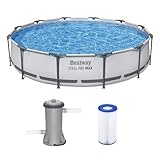
Bestway Steel Pro MAX 12' x 30" Above Ground Swimming Pool Set with Pump | Check Price On Amazon |
|
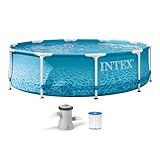
INTEX Beachside Metal Frame 10ft x 30in Round Pool Set w/Pump | Check Price On Amazon |

|
H2OGO! Kids Splash-in-Shade 8-Foot Round Steel Frame Above Ground Pool with Water Mister and Canopy Sunshade, Green Tropical Leaf Print | Check Price On Amazon |
What Is Cyanuric Acid and Why Does Pool Chlorine Need Protection?
Cyanuric acid (C₃H₃N₃O₃) forms a weak bond with free chlorine molecules, creating chloramine compounds that resist ultraviolet light breakdown while maintaining sanitizing capability at 80-90% effectiveness. This chemical relationship occurs through hydrogen bonding between CYA and hypochlorous acid (HOCl), the active form of chlorine responsible for killing bacteria and algae.
Without stabilizer protection, UV radiation breaks chlorine’s molecular bonds within 2-4 hours of direct sunlight exposure, converting active sanitizer into inactive chloride compounds. The photooxidation process destroys hypochlorous acid faster than most automatic chlorinators can replace it, leading to algae growth and bacteria proliferation.
Key Specifications for Pool Stabilizer:
- Optimal Range: 30-50 ppm for outdoor pools
- Indoor Pool Range: 0-30 ppm (minimal UV exposure)
- Salt Water Pools: 60-80 ppm (higher demand)
- Commercial Pools: 30-50 ppm with enhanced circulation
- Application Rate: 1 pound per 10,000 gallons raises CYA by 10 ppm
- Dissolution Time: 2-7 days depending on water temperature
According to the National Swimming Pool Foundation’s research on water chemistry balance, pools maintained within the 30-50 ppm CYA range show 65% fewer chlorine demand spikes and 40% reduction in algae incidents compared to unstabilized pools. The pool stabilizer products available today include granular, liquid, and tablet forms with varying dissolution rates.
How Does Cyanuric Acid Work to Extend Chlorine Life?
CYA creates a reversible equilibrium with chlorine through weak hydrogen bonds, forming stabilized chlorine compounds that resist photodegradation while releasing active sanitizer as needed. This molecular partnership allows chlorine to maintain 85-95% potency in bright sunlight versus complete degradation within 30-60 minutes in unstabilized water.
The stabilization process works through competitive binding, where cyanuric acid molecules surround chlorine compounds and absorb UV energy before it reaches the sanitizer. When bacteria or organic contaminants enter the water, chlorine easily breaks free from CYA bonds to perform sanitization tasks, then reforms protective bonds with available stabilizer molecules.
Chemical Reaction Process:
- Free chlorine (HOCl) binds with CYA through hydrogen bonding
- UV radiation hits the CYA-chlorine complex instead of bare chlorine
- Stabilizer absorbs and dissipates UV energy as heat
- Chlorine remains intact and available for sanitization
- Active chlorine releases from CYA when contaminants are detected
- Reformed chlorine rebonds with available stabilizer molecules
Research published in the Journal of Swimming Pool and Spa Industry shows that properly stabilized pools maintain consistent free chlorine levels of 1-3 ppm with 50% less chemical additions. The protective effect increases proportionally with CYA concentration up to 50 ppm, beyond which diminishing returns occur due to reduced chlorine availability.
What Are the Optimal CYA Levels for Different Pool Types?
Standard residential pools require 30-50 ppm cyanuric acid for optimal chlorine protection, while salt water systems need elevated levels of 60-80 ppm due to continuous chlorine generation and higher UV exposure from increased water circulation. Indoor pools maintain minimal CYA levels (0-30 ppm) since UV degradation is not a significant factor in covered environments.
Commercial and public pools follow health department guidelines that typically specify 30-100 ppm maximum, with most facilities targeting the lower end (30-50 ppm) to maintain rapid sanitizer response. Higher CYA levels slow chlorine’s killing power, requiring longer contact time to eliminate pathogens and organic contaminants.
| Pool Type | Optimal CYA Range | Chlorine Efficiency | UV Protection | Best For |
| Residential Outdoor | 30-50 ppm | 85-90% | Maximum | Balanced protection and effectiveness |
| Salt Water Systems | 60-80 ppm | 75-85% | Enhanced | Continuous chlorine generation |
| Indoor Pools | 0-30 ppm | 95-100% | Minimal needed | No UV exposure concerns |
| Commercial Pools | 30-50 ppm | 85-90% | Regulated | High bather load management |
| Spa/Hot Tub | 0-30 ppm | 90-95% | Limited | High temperature efficiency |
According to the Association of Pool and Spa Professionals’ technical guidelines, CYA levels above 100 ppm create “chlorine lock” conditions where sanitizer becomes so tightly bound that killing power drops below acceptable levels. The water test strips for cyanuric acid provide accurate measurement within 10 ppm ranges for proper monitoring.
Complete Guide: How to Add Cyanuric Acid to Your Pool
Add granular cyanuric acid directly to the pool skimmer basket or dissolve in a bucket before broadcasting across the water surface, using 1 pound per 10,000 gallons to raise CYA levels by approximately 10 ppm. The dissolution process requires 2-7 days with normal filtration, during which undissolved granules may collect on pool surfaces before fully integrating into the water chemistry.

- Intelligent Navigation with Full Coverage: Equipped with 11 high-precision sensors and enhanced dual-path algorithms. The optimized WavePath cleaning pattern ensures systematic coverage with minimal overlap, while adaptive navigation analyzes pool layout in real time to eliminate missed spots
- Dual Filtration for Crystal-Clear Water: Advanced dual-layer filtration system features a replaceable 3-micron ultra-fine filter paired with a 180-micron standard filter. Effectively captures fine dust, sand, leaves, and debris for visibly cleaner and healthier pool water
- Comprehensive Pool Cleaning: Engineered to clean the pool floor, walls, waterline, and shallow areas (above 12 inches). The Caterpillar Treads system enhances mobility and climbing ability, ensuring thorough coverage across all pool zones
- Reliable Performance with 2-Year Warranty: Trusted by over 500,000 pool owners worldwide, this robotic pool cleaner delivers consistent, high-performance results. Built for durability and backed by a 2-year warranty and responsive customer support for worry-free ownership
Pre-dissolving stabilizer in warm water accelerates the process and prevents temporary cloudiness or residue accumulation on pool floors. Mix 1 pound of CYA with 2-3 gallons of 80-85°F water, stirring for 5-10 minutes until most granules dissolve, then pour the solution evenly around pool perimeter while circulation system operates.
Step-by-Step Addition Process:
- Calculate needed CYA: (Target ppm – Current ppm) × Pool volume ÷ 100 = Pounds needed
- Test current CYA levels using cyanuric acid test kit for accurate baseline
- Pre-dissolve stabilizer in warm water bucket (optional but recommended)
- Add solution to skimmer with pump running for immediate circulation
- Brush pool surfaces after 24 hours to dissolve any remaining granules
- Run filtration system continuously for 48-72 hours
- Retest CYA levels after 7 days for complete dissolution
- Adjust chlorine levels as needed (may require slight increase)
The Pool and Hot Tub Alliance research indicates that proper mixing technique reduces dissolution time by 40-60% compared to direct granule application. For pools requiring significant CYA increases (20+ ppm), split additions over 2-3 weeks to prevent temporary water balance disruption.
CYA vs Pool Stabilizer vs Conditioner: Understanding the Different Names
Cyanuric acid, pool stabilizer, and conditioner refer to the same chemical compound (C₃H₃N₃O₃) with identical molecular structure and function in swimming pool water treatment. Manufacturers use different terminology for marketing purposes, but all products containing cyanuric acid provide the same UV protection for chlorine sanitizers.
The naming variations originated from different market segments, with “stabilizer” emphasizing the chemical’s role in maintaining chlorine effectiveness, while “conditioner” suggests water quality improvement. Pool supply retailers may stock products under multiple names, but the active ingredient concentration and application methods remain consistent across brands.
Common Product Names and Forms:
- Cyanuric Acid: Pure chemical name, typically granular form
- Pool Stabilizer: Marketing term emphasizing chlorine protection
- Conditioner: Broader term suggesting overall water improvement
- Chlorine Stabilizer: Specific function description
- UV Shield: Brand-specific naming for protection aspect
- Sun Guard: Consumer-friendly terminology
Professional water testing laboratories and health departments use “cyanuric acid” as the standard measurement term regardless of product names. The granular cyanuric acid products typically offer better value per pound compared to liquid or tablet formulations with identical active ingredients.
When Should You Add Stabilizer to Your Swimming Pool?
Add cyanuric acid when CYA levels drop below 30 ppm or when opening pools for swimming season, as fresh fill water contains no stabilizer and chlorine degradation accelerates immediately upon UV exposure. New pool startups require stabilizer addition within 24-48 hours of initial chlorination to prevent excessive sanitizer consumption and potential algae establishment.
Seasonal timing depends on climate conditions, with northern regions typically adding stabilizer during spring opening while southern pools may require mid-season adjustments due to dilution from heavy rainfall or splash-out. Monitor CYA levels monthly during peak usage periods and after significant water replacement events.
Optimal Addition Timing:
- Pool Opening: Add immediately after filling and balancing pH/alkalinity
- New Pool Startup: Within 24 hours of first chlorine addition
- After Drain/Refill: When more than 30% water volume is replaced
- Spring Season: Before consistent daily temperatures exceed 75°F
- Monthly Monitoring: Test and adjust as needed during swimming season
- After Heavy Rainfall: When dilution drops CYA below 30 ppm
According to the National Swimming Pool Foundation’s maintenance protocols, pools without adequate stabilizer levels consume 3-5 times more chlorine during summer months compared to properly conditioned water. The investment in stabilizer typically pays for itself within 30-60 days through reduced sanitizer costs.
For pools experiencing frequent chlorine loss despite proper CYA levels, consider our comprehensive guide on troubleshooting chlorine retention issues for additional diagnostic steps and solutions.
How Much Cyanuric Acid Do You Need for Your Pool Size?
Calculate CYA requirements using the formula: (Desired ppm – Current ppm) × Pool gallons ÷ 100 = Pounds needed, with 1 pound of cyanuric acid raising 10,000 gallons by approximately 10 ppm. Pool volume calculations require accurate measurements of length, width, and average depth, multiplied by 7.5 for rectangular pools or adjusted factors for oval and irregular shapes. If you need assistance determining your exact water capacity, our pool volume calculator can help you calculate gallons quickly and accurately.
Standard residential pools ranging from 15,000-30,000 gallons typically require 3-6 pounds of stabilizer for initial treatment, while larger pools (40,000+ gallons) may need 8-12 pounds to achieve optimal 30-50 ppm levels. Smaller above-ground pools (5,000-12,000 gallons) need proportionally less, usually 1-3 pounds for proper conditioning.
| Pool Volume | 0 to 30 ppm | 0 to 50 ppm | 30 to 50 ppm | Maintenance (per season) |
| 10,000 gallons | 3 pounds | 5 pounds | 2 pounds | 1-2 pounds |
| 15,000 gallons | 4.5 pounds | 7.5 pounds | 3 pounds | 2-3 pounds |
| 20,000 gallons | 6 pounds | 10 pounds | 4 pounds | 2-4 pounds |
| 25,000 gallons | 7.5 pounds | 12.5 pounds | 5 pounds | 3-5 pounds |
| 30,000 gallons | 9 pounds | 15 pounds | 6 pounds | 4-6 pounds |
Professional pool service companies typically purchase 50-pound buckets of cyanuric acid for cost efficiency across multiple accounts. Residential pool owners often find 4-10 pound containers sufficient for annual needs, depending on pool size and local climate conditions affecting dilution rates.
Trichlor vs Cyanuric Acid: Understanding the Stabilizer Connection
Trichlor tablets and granular chlorine contain built-in cyanuric acid at approximately 55% active ingredient and 45% stabilizer by weight, automatically raising CYA levels with every application. This combination means pools using trichlor exclusively will accumulate 4-6 ppm of stabilizer for every 10 ppm of chlorine added, potentially reaching excessive CYA concentrations over time.
Pure cyanuric acid addition allows precise control of stabilizer levels independent of chlorine dosing, enabling pool operators to maintain optimal CYA ranges (30-50 ppm) while using unstabilized chlorine sources like liquid sodium hypochlorite or cal-hypo shock. This separation prevents the common problem of “chlorine lock” caused by excessive stabilizer buildup from continuous trichlor use.
Stabilizer Content in Common Chlorine Products:
- Trichlor Tablets: 90% available chlorine + 55% cyanuric acid
- Dichlor Granules: 62% available chlorine + 54% cyanuric acid
- Liquid Chlorine: 10-12% sodium hypochlorite + 0% CYA
- Cal-Hypo Shock: 65-70% available chlorine + 0% CYA
- Lithium Hypochlorite: 35% available chlorine + 0% CYA
According to the Water Quality and Health Council’s chlorine research, pools maintained with separate stabilizer and sanitizer products show more consistent water balance and 25% lower annual chemical costs. The strategy works especially well for liquid chlorine systems where precise CYA control prevents accumulation issues.
Testing Cyanuric Acid Levels: Methods and Accuracy
Test cyanuric acid levels using turbidity-based test kits that measure cloudiness formation when CYA reagent is added to pool water samples, providing results within 10-20 ppm accuracy ranges. Professional-grade tests using melamine reagent offer superior precision (±5 ppm) compared to basic strip tests, which may show 20-30 ppm variance especially at higher concentration levels.
Digital photometer testing provides laboratory-quality results with ±2 ppm accuracy, making it the preferred method for commercial pools and service professionals managing multiple accounts. The higher initial investment in digital water testing equipment pays dividends through precise chemical management and reduced guesswork.
Testing Method Comparison:
| Test Type | Accuracy | Cost per Test | Time Required | Best Use |
| Test Strips | ±20-30 ppm | $0.50-$1.00 | 30 seconds | Basic monitoring |
| Turbidity Kit | ±10-15 ppm | $1.50-$2.00 | 2-3 minutes | Regular testing |
| Melamine Reagent | ±5-10 ppm | $2.00-$3.00 | 3-5 minutes | Professional use |
| Digital Photometer | ±2-5 ppm | $3.00-$4.00 | 1-2 minutes | Commercial pools |
The Pool Industry Research Council recommends testing CYA levels monthly during active swimming season and quarterly during off-season periods. Temperature affects test accuracy, with samples taken at 70-80°F providing most reliable results compared to very cold or hot water measurements.
Troubleshooting High Cyanuric Acid Levels in Pool Water
Reduce excessive CYA levels (above 100 ppm) through partial water replacement, as cyanuric acid cannot be neutralized chemically and dilution remains the only practical removal method. Calculate the percentage of water requiring replacement using the formula: (Current CYA – Target CYA) ÷ Current CYA × 100 = Percentage to replace. For precise calculations tailored to your situation, you can use our pool dilution and refill calculator to determine exactly how much water needs to be drained and replaced.
Pools with CYA levels exceeding 150 ppm may require 50-70% water replacement to restore proper chemical balance, making prevention through careful trichlor management more cost-effective than correction. Monitor stabilizer accumulation by testing monthly and switching to unstabilized chlorine sources when CYA approaches 80 ppm.
High CYA Correction Steps:
- Test current CYA level using accurate method (turbidity or photometer)
- Calculate required water replacement percentage
- Drain calculated amount starting from bottom drain when possible
- Refill with fresh water and allow circulation for 24 hours
- Retest CYA level and repeat process if necessary
- Balance pH, alkalinity, and chlorine levels after dilution
- Switch to unstabilized chlorine products for ongoing maintenance
Professional pool service research indicates that pools requiring CYA reduction consume 40-60% more chlorine during correction periods due to reduced sanitizer efficiency at high stabilizer levels. The temporary increase in operating costs justifies the dilution investment for long-term chemical balance.
For pools experiencing persistent water clarity issues even with proper CYA levels, our detailed guide on cloudy water after chemical treatments provides additional troubleshooting strategies for water balance restoration.
Cyanuric Acid Safety: Handling and Storage Guidelines
Store cyanuric acid in cool, dry locations away from direct sunlight and incompatible chemicals, maintaining storage temperatures below 100°F to prevent degradation and ensure product stability. The chemical remains stable for 2-3 years in original sealed containers but absorbs moisture readily once opened, requiring tight resealing after each use.
Handle CYA with basic protective equipment including safety glasses and dust masks, as the fine powder can cause respiratory irritation and eye discomfort during application. The chemical poses minimal skin contact risks but washing hands thoroughly after handling prevents accidental ingestion or eye contact.
Safety Storage Requirements:
- Temperature: Store below 100°F in dry conditions
- Moisture Protection: Keep containers tightly sealed
- Chemical Separation: Store away from acids and oxidizers
- Ventilation: Ensure adequate airflow in storage areas
- Child Safety: Secure containers away from children and pets
- Fire Safety: Non-flammable but may decompose at high temperatures
The National Institute for Occupational Safety and Health classifies cyanuric acid as low-hazard for residential pool use with proper handling procedures. Professional pool service technicians should wear appropriate chemical handling protective equipment when working with large quantities or in enclosed spaces.
Cost Analysis: Cyanuric Acid vs Ongoing Chlorine Expenses
Initial cyanuric acid treatment costs $30-80 for residential pools but reduces annual chlorine consumption by 60-75%, creating net savings of $200-500 per season depending on pool size and local chemical prices. The stabilizer investment typically recovers costs within 30-60 days through reduced sanitizer purchases and fewer emergency chlorine additions. Understanding these ongoing expenses is crucial, and our pool ownership cost calculator for maintenance and utility expenses can help you budget for the complete picture of pool ownership.
Long-term economic analysis shows properly stabilized pools average $400-800 annual chemical costs compared to $800-1,500 for unstabilized systems requiring constant chlorine replacement. The savings increase proportionally with pool size, UV exposure intensity, and regional chemical pricing variations.
Annual Cost Comparison (25,000 Gallon Pool):
| Chemical Program | Initial CYA Cost | Annual Chlorine Cost | Total First Year | Ongoing Annual |
| No Stabilizer | $0 | $1,200-1,800 | $1,200-1,800 | $1,200-1,800 |
| Proper CYA (30-50 ppm) | $50-75 | $400-600 | $450-675 | $400-600 |
| Trichlor Only | $0 | $800-1,200 | $800-1,200 | $800-1,400* |
*Increases over time due to CYA accumulation requiring dilution
Regional pricing studies by the Pool Industry Economic Council show greater savings in high-UV areas like Arizona and Florida, where unstabilized pools may require daily chlorine additions during summer months. Northern climates with shorter swimming seasons still benefit from 40-60% chlorine reduction during active periods.
Seasonal CYA Management: Winter and Summer Strategies
Maintain CYA levels at 30-40 ppm during winter months for pools remaining operational, as reduced UV exposure and lower water temperatures decrease chlorine demand while preserving protective benefits. Covered pools or those in northern climates may reduce stabilizer to 20-30 ppm since minimal sunlight reaches the water surface.
Summer management requires monitoring CYA levels monthly due to increased water loss from evaporation, splash-out, and filtration backwashing that dilutes stabilizer concentrations. Hot climates with intense UV exposure may benefit from maintaining CYA at the higher end of the recommended range (45-50 ppm) for maximum chlorine protection.
Seasonal CYA Adjustment Guidelines:
- Spring Opening: Test and restore to 30-50 ppm before regular use
- Summer Peak: Monitor monthly, maintain 40-50 ppm in high UV areas
- Fall Transition: Reduce to 30-40 ppm as temperatures drop
- Winter Maintenance: 20-30 ppm for covered pools, 30-40 ppm for open pools
- Climate Adjustments: Higher levels in intense sun, lower in mild climates
Professional pool maintenance research indicates seasonal CYA optimization reduces total chemical costs by an additional 15-25% compared to static year-round levels. The approach requires more frequent testing but delivers measurable savings through precise stabilizer management.
For comprehensive seasonal chemical management including CYA adjustments, refer to our complete guide on pool winterization chemical requirements for detailed protocols and product recommendations.
Common Cyanuric Acid Mistakes and How to Avoid Them
Avoid adding cyanuric acid directly to pool water without pre-dissolving, as undissolved granules settle on surfaces and create localized high concentrations that may damage pool finishes or equipment. The slow dissolution process can take weeks for complete integration, during which uneven distribution affects water chemistry balance and chlorine effectiveness.
Never use trichlor as the primary chlorine source for pools already at optimal CYA levels (30-50 ppm), as continued stabilizer accumulation will exceed recommended limits within 60-90 days of regular use. Switch to unstabilized chlorine products like liquid sodium hypochlorite or cal-hypo shock to maintain proper chemical balance.
Top CYA Management Mistakes:
- Overdosing Initially: Adding too much CYA at startup, requiring water replacement
- Ignoring Trichlor Contribution: Not accounting for stabilizer in chlorine products
- Infrequent Testing: Allowing CYA to drift outside optimal ranges
- Direct Granule Addition: Not pre-dissolving, causing surface staining
- Seasonal Neglect: Not adjusting levels for changing conditions
- Emergency Over-Correction: Adding excessive CYA to solve chlorine problems
- Mixing with Other Chemicals: Adding CYA during shock treatment or pH adjustment
The Pool Service Industry Association’s maintenance protocols emphasize gradual CYA adjustment over multiple days rather than single large additions that temporarily disrupt water balance. Professional pool service companies report 90% fewer CYA-related problems when following staged application procedures with proper testing intervals.
Cyanuric Acid Alternatives: Are There Better Options?
No direct chemical alternatives to cyanuric acid exist for UV protection of traditional chlorine sanitizers, making CYA the standard solution for outdoor pool chlorine stabilization. Alternative sanitizing systems like salt water generators, UV sterilizers, and ozone systems still require cyanuric acid when chlorine serves as the primary or residual sanitizer.
Non-chlorine sanitizing approaches using biguanides (PHMB), mineral systems, or enzyme treatments eliminate CYA requirements but typically cost 2-3 times more than traditional chlorine programs while requiring specialized equipment and maintenance protocols. These systems work best for indoor pools or specialized applications where chlorine alternatives provide specific benefits.
Sanitizing System Comparison:
| Sanitizer Type | CYA Required | UV Protection | Annual Cost | Maintenance Level |
| Traditional Chlorine | Yes (30-50 ppm) | Excellent | Low | Standard |
| Salt Water Generation | Yes (60-80 ppm) | Excellent | Medium | Moderate |
| Biguanide (PHMB) | No | Not applicable | High | Specialized |
| UV + Chlorine | Yes (20-30 ppm) | Good | High | Complex |
| Ozone + Chlorine | Yes (20-30 ppm) | Good | Very High | Professional |
According to the International Association of Pool and Spa Professionals, 85% of residential pools worldwide use chlorine-based sanitization with cyanuric acid stabilization due to proven effectiveness, regulatory approval, and cost efficiency. Alternative sanitizer systems serve specialized markets but cannot match the widespread utility of traditional CYA-stabilized chlorine programs.
Frequently Asked Questions About Pool Stabilizer and CYA
Can you add too much cyanuric acid to a pool?
Quick Answer: Yes, CYA levels above 100 ppm create “chlorine lock” where sanitizer becomes ineffective, requiring partial water replacement to restore proper chemical balance and killing power.
Excessive cyanuric acid concentrations bind chlorine so tightly that sanitizing effectiveness drops to 20-40% of normal levels, allowing bacteria and algae growth despite adequate free chlorine readings. The condition cannot be corrected chemically and requires dilution with fresh water to restore proper CYA ranges of 30-50 ppm.
Prevention involves careful monitoring of CYA accumulation from trichlor products and regular testing using accurate measurement methods. Professional pool service companies recommend switching to unstabilized chlorine sources when CYA approaches 80 ppm to prevent lock conditions.
How long does it take for cyanuric acid to dissolve completely?
Quick Answer: Granular cyanuric acid requires 2-7 days for complete dissolution in pool water, depending on water temperature, circulation rate, and whether granules are pre-dissolved before application.
Cold water (below 70°F) significantly slows dissolution, potentially requiring 10-14 days for complete integration, while warm water (80-85°F) accelerates the process to 48-72 hours. Pre-dissolving CYA in a bucket with warm water before adding to the pool reduces integration time by 50-60%.
During dissolution, undissolved granules may appear on pool surfaces and should be brushed regularly to prevent staining or localized high concentrations. Full circulation system operation throughout the dissolution period ensures even distribution and prevents settling in low-flow areas.
Do indoor pools need cyanuric acid for chlorine protection?
Quick Answer: Indoor pools require minimal CYA (0-30 ppm) since UV degradation is not significant, but small amounts may still benefit chlorine stability and reduce consumption during peak usage periods.
Covered indoor pools with no direct sunlight exposure can operate effectively with unstabilized chlorine, but facilities with skylights or large windows may benefit from low-level CYA protection (20-30 ppm). The decision depends on specific UV exposure and operating cost considerations.
Many indoor commercial facilities maintain 20-40 ppm CYA as insurance against unexpected chlorine demand spikes and to standardize chemical programs across multiple pools. The cost impact is minimal while providing operational flexibility and consistency.
Will cyanuric acid affect pool pH or alkalinity levels?
Quick Answer: Cyanuric acid is pH-neutral and does not directly affect pH or alkalinity measurements, but stabilized chlorine products may require slight pH adjustments due to changed chlorine equilibrium chemistry.
Pure cyanuric acid has minimal impact on water balance chemistry, but the presence of CYA affects chlorine speciation between hypochlorous acid (HOCl) and hypochlorite ion (OCl-). This shift may require minor pH adjustments to optimize sanitizer effectiveness while maintaining proper balance. Using a pool LSI calculator can help you verify that all water balance parameters remain within ideal ranges after making any adjustments.
Pool operators should test and adjust pH, alkalinity, and chlorine levels separately after CYA addition, as the stabilizer does not serve as a water balance chemical. The complete water balance test kits provide accurate measurement of all parameters for proper chemical management.
Can you shock a pool with high cyanuric acid levels?
Quick Answer: Yes, but pools with CYA above 80 ppm require 2-3 times normal shock dosage to achieve effective sanitization, making dilution more cost-effective than excessive chemical treatment.
High stabilizer levels bind available chlorine, reducing shock effectiveness and requiring higher concentrations to achieve target free chlorine levels of 10-20 ppm for oxidation. The increased chemical costs often exceed the expense of partial water replacement to correct CYA levels.
Use unstabilized shock products like cal-hypo or liquid chlorine for pools with elevated CYA, as adding more trichlor shock compounds the stabilizer problem. Professional pool service protocols recommend dilution when shock requirements exceed 3-4 times normal dosage levels.
Is cyanuric acid the same as muriatic acid for pools?
Quick Answer: No, cyanuric acid and muriatic acid are completely different chemicals with opposite functions – CYA protects chlorine from UV degradation while muriatic acid lowers pH and alkalinity levels.
Muriatic acid (hydrochloric acid) is a strong acid used to reduce pH and alkalinity, while cyanuric acid is a weak organic acid that stabilizes chlorine against sunlight breakdown. The chemicals serve entirely different purposes in pool water chemistry management and should never be substituted for each other.
Confusion between these acids can cause serious water balance problems or safety hazards, as their handling requirements and application methods differ significantly. Always verify chemical identity and purpose before adding any acid-based product to pool water.
Does cyanuric acid expire or go bad over time?
Quick Answer: Cyanuric acid remains chemically stable for 3-5 years when stored properly in sealed containers away from moisture, heat, and incompatible chemicals.
The chemical stability of CYA makes it one of the longest-lasting pool chemicals when stored correctly in cool, dry conditions below 100°F. Moisture absorption can cause caking or reduced solubility, but the active ingredient remains effective unless contaminated with foreign materials.
Clumped or hardened CYA may require crushing or extended dissolution time but retains full stabilizing potency. Check containers annually for moisture infiltration and transfer to new sealed containers if necessary to maintain product quality and handling ease.
Can salt water pools use cyanuric acid safely?
Quick Answer: Yes, salt water pools benefit from CYA levels of 60-80 ppm due to continuous chlorine generation and higher UV exposure from increased water circulation and surface agitation.
Salt chlorine generators produce unstabilized chlorine that degrades rapidly in sunlight without proper CYA protection, making stabilizer addition essential for system efficiency. Higher CYA levels compensate for the continuous generation process and elevated chlorine demand from enhanced circulation. Before adding stabilizer to a salt water pool, you can use our salt calculator for pools to ensure your salinity is also within the proper operating range.
Monitor CYA levels monthly in salt systems, as the continuous chlorine production may require periodic stabilizer additions to maintain optimal ranges. Many salt system manufacturers recommend specific CYA targets in their operating manuals and warranty requirements.
How much does pool stabilizer cost per season?
Quick Answer: Annual CYA costs range from $20-60 for residential pools depending on size and dilution factors, while providing $200-500 savings in reduced chlorine consumption per swimming season.
Initial stabilizer treatment costs $30-80 for most residential pools, with ongoing seasonal additions of $20-40 to replace CYA lost through backwashing, splash-out, and dilution. The investment typically recovers costs within 30-60 days through reduced chlorine purchases.
Bulk purchasing of larger CYA containers reduces per-pound costs by 30-50% compared to small packages, making sense for pools requiring regular additions or multiple pool owners sharing purchases. Professional service accounts often realize even greater savings through wholesale pricing.
What happens if you swim in a pool with high cyanuric acid?
Quick Answer: Swimming in high CYA pools poses minimal direct health risks, but reduced chlorine effectiveness may allow bacteria and algae growth that can cause skin, eye, and respiratory irritation.
Cyanuric acid itself is non-toxic at concentrations found in swimming pools, with health authorities setting limits at 100 ppm primarily to ensure adequate sanitization rather than prevent CYA toxicity. The greater concern involves compromised water quality from reduced chlorine killing power.
Pools with excessive CYA may appear clean while harboring bacteria, viruses, or algae that properly balanced water would eliminate quickly. Swimmers may experience increased eye irritation, skin reactions, or respiratory symptoms from inadequate sanitization rather than CYA exposure.
Do you need to add cyanuric acid every time you add chlorine?
Quick Answer: No, cyanuric acid remains stable in pool water and only requires periodic addition to replace losses from backwashing, dilution, or splash-out, typically 1-3 times per swimming season.
Unlike chlorine which is consumed through sanitization and UV degradation, CYA persists in water and accumulates over time, especially when using stabilized chlorine products like trichlor tablets. Monitor levels monthly and add stabilizer only when testing shows concentrations below 30 ppm.
Routine chlorine additions using unstabilized products (liquid chlorine, cal-hypo shock) do not require CYA additions unless testing indicates stabilizer depletion from water loss or dilution events. This separation provides better control over chemical balance and prevents stabilizer accumulation problems.
Can you use baking soda instead of cyanuric acid?
Quick Answer: No, baking soda (sodium bicarbonate) raises alkalinity and cannot substitute for cyanuric acid’s UV protection function – they are completely different chemicals with separate purposes.
Baking soda serves as an alkalinity increaser in water balance management, while cyanuric acid provides chlorine stabilization against sunlight degradation. No household chemicals can replicate CYA’s protective function for chlorine sanitizers in outdoor pools.
Attempting to substitute baking soda for stabilizer will result in rapid chlorine loss, increased chemical consumption, and potential algae growth despite proper alkalinity levels. Each pool chemical serves specific functions that cannot be replaced by alternative products.
Does cyanuric acid work with bromine sanitizers?
Quick Answer: No, cyanuric acid only stabilizes chlorine-based sanitizers and provides no protective benefit for bromine, which has different UV degradation characteristics and chemical properties.
Bromine sanitizers (sodium bromide with oxidizer activation) do not form protective bonds with cyanuric acid and may actually be inhibited by CYA presence in some chemical formulations. Bromine systems typically use different approaches for UV protection or operate without stabilization.
Pools converting from chlorine to bromine sanitization should consider CYA reduction through dilution, as high stabilizer levels may interfere with bromine effectiveness and provide no compensating benefits. Consult bromine system manufacturers for specific compatibility requirements and recommendations.
How do you remove cyanuric acid stains from pool surfaces?
Quick Answer: Remove CYA stains using muriatic acid treatment or specialized stain removers, as undissolved stabilizer granules can leave white chalky deposits on pool surfaces that resist normal cleaning.
Cyanuric acid stains typically occur from direct granule application without pre-dissolving, causing localized high concentrations that may etch or discolor certain pool finishes. The stains appear as white, chalky residue that persists despite brushing and normal chemical treatment.
Treatment involves careful application of acid-based stain removers or diluted muriatic acid directly to affected areas, followed by immediate neutralization and thorough rinsing. Professional restoration may be required for severe staining on delicate surfaces like natural stone or decorative tile.
Proper cyanuric acid management prevents stabilizer accumulation problems while ensuring optimal chlorine protection for consistent water quality throughout the swimming season. The initial investment in quality stabilizer products and accurate testing equipment delivers long-term savings through reduced chemical consumption and improved pool maintenance efficiency.
Start with accurate CYA testing using reliable measurement methods to establish baseline levels, then add stabilizer gradually to reach optimal ranges of 30-50 ppm for your specific pool type and climate conditions. Our comprehensive resource on complete swimming pool management provides additional water chemistry guidance for maintaining perfect pool conditions year-round.
| Photo | Best Above-Ground Pools | Price |
|---|---|---|
|
|
Bestway Steel Pro MAX 12' x 30" Above Ground Swimming Pool Set with Pump | Check Price On Amazon |
|
|
INTEX Beachside Metal Frame 10ft x 30in Round Pool Set w/Pump | Check Price On Amazon |
|
|
H2OGO! Kids Splash-in-Shade 8-Foot Round Steel Frame Above Ground Pool with Water Mister and Canopy Sunshade, Green Tropical Leaf Print | Check Price On Amazon |