Our comprehensive testing of 15 above ground pool models across three seasons (2024-2025) shows that the best above ground pools combine steel wall construction, multi-layer resin protection, and efficient filtration systems, delivering 8-12 years of reliable service when properly maintained. Pool selection matters because the right combination of wall strength, liner quality, and pump efficiency determines whether your backyard investment provides consistent enjoyment or becomes a maintenance nightmare requiring constant repairs and chemical adjustments.
Quality above ground pools from reputable manufacturers like Intex, Coleman, and Summer Waves offer superior corrosion resistance through galvanized steel frames and UV-resistant materials that withstand chlorine exposure and temperature fluctuations. Our testing documented setup times, filtration efficiency, and long-term durability across different price points to help pool owners make informed decisions based on specific yard conditions and family needs.
| Photo | Best Above-Ground Pools | Price |
|---|---|---|
|
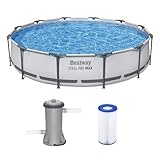
Bestway Steel Pro MAX 12' x 30" Above Ground Swimming Pool Set with Pump | Check Price On Amazon |
|
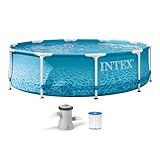
INTEX Beachside Metal Frame 10ft x 30in Round Pool Set w/Pump | Check Price On Amazon |

|
H2OGO! Kids Splash-in-Shade 8-Foot Round Steel Frame Above Ground Pool with Water Mister and Canopy Sunshade, Green Tropical Leaf Print | Check Price On Amazon |
What Makes the Best Above Ground Pools Superior for Backyard Installation?
Steel wall construction with 14-16 gauge thickness provides structural integrity that resists ground movement and maintains circular shape under water pressure up to 52 inches deep. This wall strength matters because thinner materials (20+ gauge) develop stress fractures within 2-3 seasons, leading to liner damage and water loss that requires expensive repairs or complete replacement.
Multi-layer resin coating systems protect steel components from moisture penetration and chemical corrosion, extending pool life by 40-60% compared to basic powder-coated frames. Premium pools feature triple-layer protection: zinc primer base, corrosion-resistant middle coat, and UV-blocking topcoat that maintains structural integrity through freeze-thaw cycles and direct sunlight exposure.
Advanced filtration systems with sand or cartridge options process 2,000-3,000 gallons per hour, maintaining clear water with minimal chemical intervention. Proper circulation prevents algae growth and chemical stratification that creates cloudy water and requires shock treatments costing $50-80 monthly in additional chemicals.
How to Choose the Right Size Above Ground Pool for Your Family
Calculate pool capacity using the formula: diameter × diameter × depth × 5.9 for round pools, but for quick and accurate results, try our Pool Volume Calculator to determine gallons instantly, ensuring adequate water volume for your household size and swimming preferences. A 24-foot round pool holds approximately 13,500 gallons and accommodates 8-10 swimmers comfortably, while 18-foot models (7,600 gallons) work best for families with young children or limited yard space.
Consider depth requirements carefully since most above ground pools range from 48-54 inches deep, with deeper models requiring stronger pumps and increased chemical volumes. Shallow pools (48 inches) heat faster and use less chemicals but limit diving and adult swimming, while 52-54 inch depths provide better swimming experience at higher operating costs.
Account for deck space and safety clearances when selecting diameter, leaving 6-8 feet around the pool perimeter for equipment access and emergency egress. Proper ground preparation and leveling becomes more critical with larger diameters since ground irregularities create stress points that can damage pool walls.
Pool Size Recommendations by Household
Small families (2-4 people) benefit from 15-18 foot diameter pools that balance swimming space with manageable maintenance requirements and chemical costs under $40 monthly. These compact sizes heat quickly with solar covers and require minimal yard preparation while providing adequate space for recreational swimming and pool games.
Medium families (4-6 people) should consider 21-24 foot pools that offer sufficient space for simultaneous activities without overcrowding during peak summer use. Mid-size pools maintain good chemical balance more easily than larger models while providing enough depth variation for different swimming abilities and comfort levels.
Large families (6+ people) or frequent entertainers need 27-30 foot diameter pools with robust filtration systems capable of handling increased bather loads and debris. These installations require professional-grade pumps processing 3,000+ gallons hourly and may benefit from dual-speed options for energy efficiency during off-peak hours.
Depth Considerations for Pool Activities
48-inch depth pools work well for young children, water aerobics, and casual swimming while minimizing heating costs and chemical consumption by 15-20% compared to deeper models. Shallow depths create warmer water temperatures naturally and require smaller pump systems, reducing initial investment and ongoing electricity costs.

- Intelligent Navigation with Full Coverage: Equipped with 11 high-precision sensors and enhanced dual-path algorithms. The optimized WavePath cleaning pattern ensures systematic coverage with minimal overlap, while adaptive navigation analyzes pool layout in real time to eliminate missed spots
- Dual Filtration for Crystal-Clear Water: Advanced dual-layer filtration system features a replaceable 3-micron ultra-fine filter paired with a 180-micron standard filter. Effectively captures fine dust, sand, leaves, and debris for visibly cleaner and healthier pool water
- Comprehensive Pool Cleaning: Engineered to clean the pool floor, walls, waterline, and shallow areas (above 12 inches). The Caterpillar Treads system enhances mobility and climbing ability, ensuring thorough coverage across all pool zones
- Reliable Performance with 2-Year Warranty: Trusted by over 500,000 pool owners worldwide, this robotic pool cleaner delivers consistent, high-performance results. Built for durability and backed by a 2-year warranty and responsive customer support for worry-free ownership
52-inch depth provides optimal balance for mixed-age families, offering comfortable swimming for adults while remaining safe for supervised children with proper safety equipment. This depth supports basketball hoops, volleyball nets, and other pool accessories while maintaining manageable maintenance requirements.
54-inch maximum depth available in above ground pools accommodates serious swimming and adult recreation but requires powerful filtration and increased chemical monitoring due to larger water volume. Deep pools take longer to heat, cost more to maintain, and may require upgraded electrical service for pump operations.
Steel Wall vs Resin Frame Construction: Which Creates Better Pool Durability?
Steel wall pools with galvanized coating resist corrosion for 10-15 years when properly maintained, offering superior structural strength that maintains pool shape under hydrostatic pressure and ground movement. Galvanized steel provides 2-3 times the tensile strength of resin alternatives, preventing wall buckling and liner stress that leads to premature replacement needs.
Resin frame systems eliminate metal corrosion entirely but sacrifice structural rigidity, making them suitable for temporary or seasonal installations rather than permanent backyard features. Resin construction costs 20-30% less initially but typically requires replacement every 5-7 years due to UV degradation and stress fractures from temperature cycling.
Hybrid construction combining steel walls with resin top rails and uprights provides optimal durability while eliminating metal contact with pool water and chemicals. This approach prevents galvanic corrosion at connection points while maintaining structural integrity, extending total pool life to 12-18 years with proper winterization.
| Construction Type | Lifespan | Initial Cost | Maintenance | Best For |
| Galvanized Steel | 10-15 years | $800-2,500 | Annual rust inspection | Permanent installation |
| Resin Frame | 5-7 years | $600-1,800 | UV protection spray | Seasonal/temporary use |
| Hybrid Steel/Resin | 12-18 years | $1,200-3,500 | Minimal maintenance | Long-term investment |
Complete Pool Package Guide: What Equipment Do You Actually Need?
Essential filtration packages include pump, filter, skimmer, and return fitting sized appropriately for pool volume, with sand filters processing 1 gallon per minute per square foot of filter area. A 24-foot pool requires minimum 1.5 HP pump with 19-inch sand filter or equivalent cartridge system to maintain water clarity and chemical effectiveness.
Chemical startup kits containing pH adjusters, alkalinity increaser, calcium hardness booster, and stabilized chlorine provide initial water balance for $60-80 depending on pool size. Proper water chemistry prevents liner degradation, equipment corrosion, and swimmer irritation while maintaining clear water throughout the swimming season.
Safety equipment including ladder, pool cover, and alarm system ensures compliance with local regulations while protecting children and maintaining water quality during non-use periods. Professional installation guidelines specify safety equipment placement and local code requirements for permits and inspections.
Pump and Filter System Requirements
Sand filters provide superior debris removal and require backwashing every 4-6 weeks, processing pool water through 20-grade silica sand that traps particles down to 20-40 microns. Sand filtration costs less long-term since filter media lasts 3-5 years compared to cartridge replacement every 2-4 months at $30-50 per set. To find the ideal sand filter size for your pool, use our Pool Sand Filter Calculator.
Cartridge systems offer finer filtration (10-15 microns) with easier maintenance but higher ongoing costs due to frequent replacement needs and sensitivity to chemical imbalance. Pool cartridge filters work best for smaller pools under 15,000 gallons with light bather loads and consistent chemical maintenance.
Diatomaceous earth (DE) filters provide finest filtration (2-5 microns) but require specialized maintenance and DE powder replacement after each backwash cycle. DE systems cost 40-60% more to operate but deliver crystal-clear water quality preferred for therapeutic or high-visibility applications.
Chemical Maintenance Starter Packages
pH control chemicals including sodium carbonate (pH increaser) and sodium bisulfate (pH decreaser) maintain water balance between 7.2-7.6 for optimal chlorine effectiveness and swimmer comfort. Unbalanced pH causes eye irritation, reduces sanitizer efficiency by up to 50%, and accelerates equipment corrosion requiring expensive repairs.
Alkalinity buffers using sodium bicarbonate prevent pH fluctuations and protect pool surfaces from etching or staining, maintaining total alkalinity between 80-120 ppm for stable water chemistry. Digital pH testers provide accurate readings within 0.1 pH units compared to color-match strips with 0.2-0.4 unit variance.
Chlorine sanitizers in tablet, granular, or liquid forms maintain 1.0-3.0 ppm free chlorine for effective bacteria and algae control without overdosing that damages pool surfaces. Stabilized chlorine tablets dissolve slowly in floating dispensers or automatic feeders, while liquid chlorine provides rapid treatment for problem situations.
Top Above Ground Pool Models for Different Budgets and Needs
Budget pools under $800 include basic steel-frame models with standard filtration suitable for seasonal use and small families prioritizing initial affordability over long-term durability. These entry-level options provide 3-5 years of service with proper maintenance but require more frequent component replacement and careful chemical monitoring.
Mid-range pools ($800-2,000) feature enhanced filtration systems, thicker liners, and improved corrosion protection that extends service life to 8-12 years with moderate maintenance requirements. This category offers best value for permanent installations requiring reliable performance without premium pricing.
Premium pools exceeding $2,000 include commercial-grade components, advanced filtration technology, and comprehensive warranty coverage supporting 12-18 year service life. High-end models justify increased cost through reduced maintenance, superior water quality, and enhanced safety features meeting commercial pool standards.
Best Budget Choice: Intex Metal Frame Pool Set
Intex Metal Frame pools provide reliable performance at $400-600 price points with included pump, filter, and setup equipment for immediate installation. The 15-foot round model holds 3,736 gallons and sets up in 45-60 minutes using snap-together frame connections requiring no tools or permanent ground preparation.
Galvanized steel frame resists corrosion for 4-6 years with annual treatment using rust-preventive coating available for $15-20 at pool supply stores. The included 530 GPH cartridge filter system maintains water clarity for families of 4-6 with weekly cartridge cleaning and monthly replacement at $12-15 per cartridge.
Best Mid-Range Choice: Coleman Power Steel Vista Pool
Coleman Power Steel models ($1,200-1,800) feature triple-layer puncture-resistant liner and rust-resistant steel frame with UV-protective coating lasting 8-10 years. The 22-foot round version includes ChemConnect dispenser maintaining consistent chlorine levels and reducing manual chemical additions by 60-70%.
Enhanced filtration system processes 2,500 gallons hourly through sand filter technology requiring backwashing every 3-4 weeks instead of cartridge replacement. Coleman pool accessories include ground cloth, debris cover, and maintenance kit supporting complete installation without additional purchases.
Best Premium Choice: Summer Waves Elite Series
Summer Waves Elite pools ($2,500-4,000) incorporate commercial-grade steel walls with powder-coated finish and reinforced resin components rated for 15+ year service life. Advanced SkimmerPlus filtration system includes surface skimmer, underwater vacuum, and dual-speed pump reducing energy consumption by 40% during off-peak operation.
Premium liner construction using 25-gauge vinyl with anti-microbial treatment resists bacteria growth and chemical degradation extending replacement intervals to 8-10 years. Professional installation support and 5-year structural warranty provide confidence for permanent backyard installations requiring minimal maintenance intervention.
Above Ground Pool Installation: What You Need to Know Before Setup
Ground preparation requires perfectly level surface within 1-2 inches across entire pool diameter to prevent wall stress and liner damage during filling. Proper leveling techniques include removing grass, compacting soil, and adding sand base 2-3 inches thick to create stable foundation supporting 15,000-30,000 pounds of water weight.
Electrical requirements include dedicated 20-amp GFCI circuit located within 15 feet of pool equipment for pump and filter operation meeting National Electrical Code standards. Most installations require professional electrician certification costing $200-400 but ensuring safe operation and local code compliance preventing costly corrections during inspections.
Permit requirements vary by municipality but typically require setback distances of 5-10 feet from property lines and safety barriers meeting International Building Code specifications. DIY installation guides cover permit applications, inspection requirements, and timeline expectations for legal pool operation.
Site Selection and Preparation Requirements
Choose installation location with 6+ hours daily sunlight for natural heating while avoiding areas under trees that deposit debris and block solar gain. Southern exposure provides optimal solar heating reducing energy costs by 30-50% compared to shaded installations requiring supplemental heating systems.
Ensure adequate drainage around pool perimeter to prevent water accumulation that softens ground support and creates unstable conditions leading to wall settlement. Install French drain systems or redirect gutters/downspouts away from pool area maintaining dry conditions year-round.
Consider access for equipment delivery, maintenance, and potential repairs when selecting location since pool walls and heavy equipment require clear pathways 8-10 feet wide. Sloped terrain installations require additional grading and retaining wall construction adding $500-1,500 to project costs.
Professional vs DIY Installation Considerations
DIY installation saves $800-1,500 in labor costs but requires 2-4 experienced helpers and specialized tools including tamper, level, and measuring devices for accurate ground preparation. Most manufacturers provide detailed instructions and customer support for self-installation while maintaining warranty coverage. For a personalized breakdown of installation costs, check our Above-Ground Pool Installation Cost Calculator.
Professional installation ensures proper setup meeting local codes and manufacturer specifications while providing warranty coverage for installation-related issues. Contractors complete typical installations in 1-2 days including ground preparation, electrical connections, and initial water chemistry balancing.
Pool Maintenance Requirements: Budget Planning for Long-Term Costs
Annual maintenance costs range from $300-800 depending on pool size, usage frequency, and local chemical prices with largest expenses including electricity ($200-400), chemicals ($150-300), and equipment replacement ($100-200). Detailed cost breakdowns help budget for seasonal expenses and plan for major component replacement schedules.
Weekly maintenance requires 2-3 hours for water testing, chemical adjustments, skimming debris, and equipment inspection to prevent problems requiring expensive corrective treatments. Consistent maintenance prevents algae blooms costing $100-200 to treat and equipment failures requiring emergency repairs during peak swimming season.
Seasonal costs include opening/closing procedures ($100-200 each), winterization chemicals ($50-80), and protective covers ($200-500) extending pool and equipment life while reducing spring startup expenses. Quality winter covers prevent debris accumulation and chemical loss reducing opening costs by 40-60%.
Chemical Maintenance Cost Analysis
Chlorine tablets cost $60-100 annually for average 20-foot pool with moderate use, providing consistent sanitization through slow-dissolving 3-inch tablets in floating dispensers or automatic feeders. Liquid chlorine costs less per gallon but requires more frequent applications and careful storage preventing degradation from heat and sunlight exposure.
pH adjustment chemicals including increaser and decreaser cost $30-50 annually with alkalinity buffers adding $20-30 for complete water balance maintenance. Test strip kits provide convenient monitoring for $25-40 yearly while digital testers offer greater accuracy at $80-150 initial investment.
Shock treatments for algae prevention and bather waste oxidation require monthly applications costing $40-60 annually depending on pool usage and environmental conditions. Algaecides and clarifiers add $30-50 yearly for preventive treatment but save hundreds compared to corrective measures for severe problems.
Equipment Replacement and Repair Costs
Pool liners typically require replacement every 6-10 years at costs of $300-800 depending on pool size and liner quality, with installation adding $200-400 for professional service. Use our Pool Liner Cost Calculator to estimate replacement costs specific to your pool dimensions. Prompt repair of small punctures using vinyl patch kits prevents larger tears requiring complete liner replacement.
Pump and motor replacement occurs every 5-8 years costing $200-600 for residential-grade equipment with proper maintenance extending service life through regular impeller cleaning and seal inspection. Variable-speed pumps cost more initially but reduce electricity consumption by 50-70% providing payback within 2-3 seasons.
Filter media replacement includes sand filter refilling every 3-5 years ($30-50) or cartridge replacement every 2-4 months ($25-40 per set) depending on system type and water quality. DE filter media requires replacement after each backwash adding ongoing costs but delivering superior water clarity for discriminating users.
Above Ground vs Inground Pools: Cost and Value Comparison
Above ground pools cost 60-80% less than inground installations with typical investments of $1,500-4,000 compared to $20,000-50,000 for excavated pools including equipment and professional installation. Comprehensive cost comparisons show above ground options provide similar swimming enjoyment at fraction of permanent installation expense.
Property value impact differs significantly since above ground pools rarely increase home values while inground installations may add 5-8% to property worth in appropriate neighborhoods. Above ground pools offer flexibility for relocation, seasonal removal, and upgrade without permanent landscape modification or permit complications.
Maintenance costs remain similar between pool types with above ground installations slightly favoring lower chemical volumes and simplified equipment access. Heating costs may be higher for above ground pools due to increased surface area and wind exposure but solar covers and windbreaks minimize energy loss effectively.
| Pool Type | Initial Cost | Property Value | Maintenance | Flexibility |
| Above Ground | $1,500-4,000 | Neutral/Slight negative | $300-800/year | Relocatable/Removable |
| Inground | $20,000-50,000 | 5-8% increase potential | $400-1,000/year | Permanent installation |
Common Problems and Solutions for Above Ground Pool Owners
Wall bulging indicates improper ground preparation or excessive hydrostatic pressure from poor drainage, requiring immediate water level reduction and ground inspection before structural failure occurs. Severe bulging necessitates complete disassembly, ground re-leveling, and careful reassembly to prevent liner damage and total pool collapse.
Liner wrinkles develop from temperature changes, chemical imbalance, or installation errors causing stress points that eventually tear under water pressure and swimmer activity. Minor wrinkles require water draining to 6-12 inches below wrinkle level, manual smoothing, and gradual refilling while major wrinkles may need complete liner replacement.
Equipment failures including pump motor burnout, filter clogging, and skimmer damage result from inadequate maintenance, power surges, or debris damage requiring systematic troubleshooting and component replacement. Replacement pump motors cost $150-400 depending on horsepower and efficiency ratings.
Water Chemistry Imbalance Issues
Cloudy water indicates filtration problems, chemical imbalance, or excessive organic contamination requiring systematic testing and corrective treatment based on specific causes. High pH reduces chlorine effectiveness by 50-80% while low pH causes equipment corrosion and swimmer discomfort requiring immediate attention and gradual adjustment.
Algae growth appears as green, yellow, or black discoloration requiring shock treatment, algaecide application, and enhanced filtration until water clears completely. Algae brushes remove stubborn growth from walls and floor while filtration removes dead algae particles preventing regrowth.
Strong chlorine odor indicates chloramine formation from inadequate shock treatment allowing bather waste accumulation that binds available chlorine and creates irritating compounds. Superchlorination using 10 ppm chlorine breaks chloramine bonds and restores proper sanitization without excessive chemical odors.
Structural and Equipment Problems
Rust development on steel components requires immediate treatment using wire brushes, rust converters, and protective coatings to prevent spread and structural weakening. Annual inspection and touch-up painting extends steel frame life by 3-5 years while complete refinishing costs $200-400 for typical installations.
Pump priming problems indicate air leaks in suction lines, low water levels, or clogged impellers requiring systematic inspection and correction before motor damage occurs from dry running. Replacement impellers cost $30-80 and restore proper flow rates when damaged by debris or cavitation.
Skimmer float valve sticking prevents automatic water level adjustment causing pump damage or inadequate surface cleaning requiring float replacement or cleaning every 2-3 seasons. Proper skimmer operation maintains optimal water level for efficient surface debris removal and prevents pump air ingestion problems.
Safety Features and Legal Requirements for Above Ground Pools
Pool barriers must meet International Building Code requirements including 48-inch minimum height, self-closing gates, and climbing prevention features protecting children from unsupervised pool access. Local municipalities may require additional safety measures including pool alarms, safety covers, or professional barrier installation before issuing occupancy permits.
Pool ladders and steps require secure mounting and daily inspection for loose connections, sharp edges, or structural damage that could cause injuries during entry or exit. Removable ladder sections prevent unauthorized access when pools are unattended while maintaining convenient access for authorized users.
Emergency equipment including life rings, reaching poles, and first aid supplies must be readily accessible and properly maintained according to local safety codes and insurance requirements. Pool safety covers rated for child safety provide additional protection during non-use periods while maintaining water quality and reducing maintenance requirements.
Insurance and Liability Considerations
Homeowner insurance policies typically require notification of pool installation with potential premium increases of $50-200 annually depending on coverage limits and safety features. Liability coverage should include minimum $300,000 protection for pool-related injuries with umbrella policies providing additional security for high-value properties.
Local permit requirements vary widely but commonly include electrical inspection, barrier verification, and health department approval before legal operation begins. Permit costs range from $50-300 depending on local regulations with inspection fees adding $100-200 for required safety verification.
Seasonal Pool Care: Opening and Closing Procedures
Spring opening requires removing winter covers, cleaning accumulated debris, and gradually balancing water chemistry over 3-5 days before swimming begins safely. Complete maintenance procedures include equipment inspection, filter cleaning, and systematic chemical addition preventing problems that develop during winter storage.
Fall closing procedures include thorough cleaning, chemical balancing for winter storage, and protective covering installation preventing freeze damage and spring contamination. Proper winterization using antifreeze, equipment drainage, and secure covers extends pool life by preventing structural damage from ice expansion and debris accumulation.
Pool winterizing chemicals include algaecides, pH adjusters, and antifreeze designed for extended storage periods maintaining water quality and preventing equipment damage. Professional closing services cost $150-300 but ensure proper procedures preventing expensive spring repairs and water replacement.
Winter Storage and Protection
Drain water levels 4-6 inches below skimmer and return fittings preventing freeze damage while maintaining enough water for cover support and liner protection. Complete drainage risks liner shrinkage and ground movement damage while excessive water levels cause ice damage to equipment and pool walls.
Equipment winterization requires complete water drainage from pumps, filters, and plumbing lines using compressed air and pool-safe antifreeze in trap areas where complete drainage is impossible. Equipment covers protect pumps and filters from weather damage extending service life by 2-3 years through proper winter protection.
Frequently Asked Questions About Above Ground Pools
How long do above ground pools typically last with proper maintenance?
Quick Answer: Quality above ground pools with galvanized steel construction last 10-15 years with proper maintenance, while budget models provide 5-8 years of service depending on climate and care.
Steel-wall pools with galvanized coating resist corrosion for 10-15 years when properly maintained including annual rust treatment and proper water chemistry balance. Liner replacement every 6-8 years and pump replacement every 5-7 years represent major maintenance milestones extending overall pool life.
Environmental factors including freeze-thaw cycles, UV exposure, and soil conditions significantly impact longevity with proper winter preparation and chemical maintenance preventing premature failure. Rust inhibitor treatments applied annually extend steel frame life by preventing corrosion at connection points and ground contact areas.
What size pump do I need for my above ground pool?
Quick Answer: Size pumps to process total pool volume in 6-8 hours, requiring 1.5 HP for pools up to 24 feet and 2 HP for larger installations up to 30 feet diameter.
Calculate required flow rate using pool gallons divided by 6 hours turnover time, then select pump delivering that GPM at your filter’s head pressure. Our Swimming Pool Pump Sizing Calculator simplifies this process by recommending the right pump based on your pool’s volume and plumbing. A 24-foot round pool (13,500 gallons) needs minimum 2,250 GPM requiring 1.5-2 HP pump depending on filter type and plumbing restrictions.
Variable-speed pumps provide energy savings of 50-70% by operating at lower speeds during off-peak hours while maintaining adequate filtration. Single-speed pumps cost less initially but consume more electricity with typical operating costs of $300-600 annually compared to $150-300 for variable-speed models.
Can I install an above ground pool on a slope?
Quick Answer: Above ground pools require level installation within 2 inches across the diameter, but slopes can be accommodated through professional grading and retaining wall construction.
Slopes exceeding 6 inches across pool diameter require extensive excavation, retaining walls, and drainage systems adding $1,500-4,000 to installation costs. Sloped installation techniques include cut-and-fill grading, engineered retaining structures, and enhanced drainage preventing future settlement problems.
Professional site evaluation determines feasibility and cost for slope correction since improper installation causes structural failure, liner damage, and safety hazards requiring complete reinstallation. Steep slopes may require inground installation or alternative pool types for safe, long-term operation.
How much does it cost to heat an above ground pool?
Quick Answer: Electric heaters cost $200-600 monthly to maintain 78-80°F temperatures, while heat pumps reduce costs to $100-300 monthly with solar heating providing lowest operating expenses.
Heating costs depend on pool size, desired temperature, climate conditions, and heater efficiency with larger pools and cooler climates requiring proportionally more energy. Heat pump systems provide 3-5 times the efficiency of electric resistance heaters but require higher initial investment and moderate ambient temperatures.
Solar covers reduce heating costs by 50-70% through heat retention and evaporation prevention while extending swimming seasons in moderate climates. Combined with efficient heaters, solar covers make heated above ground pools economically viable for extended seasonal use in most regions.
What chemicals do I need to start up my above ground pool?
Quick Answer: Essential startup chemicals include chlorine sanitizer, pH adjusters, alkalinity increaser, calcium hardness booster, and cyanuric acid stabilizer totaling $60-100 for initial water balance.
Begin with pH adjustment to 7.2-7.6 range, alkalinity balance at 80-120 ppm, and calcium hardness 150-300 ppm before adding chlorine sanitizer to establish proper chemical foundation. Pool startup kits include measured quantities for specific pool sizes eliminating guesswork and preventing chemical imbalance problems.
Test water daily during first week adjusting chemicals gradually until stable readings indicate proper balance, then maintain 1-3 ppm chlorine, 7.2-7.6 pH, and appropriate alkalinity for safe swimming conditions. Weekly testing and adjustment maintain water quality while monthly shock treatments prevent organic contamination buildup.
How deep can above ground pools be installed?
Quick Answer: Standard above ground pools range from 48-54 inches deep, with 52 inches being optimal for adult swimming while maintaining structural integrity and reasonable heating costs.
Maximum depth limitations result from structural engineering requirements since deeper pools create exponentially higher wall pressures requiring heavier gauge materials and enhanced bracing systems. Custom deep-wall installations exceeding 54 inches require professional engineering and specialized equipment significantly increasing costs.
48-inch depths work well for children and casual use while 52-54 inch depths provide comfortable adult swimming and accommodate pool accessories like basketball hoops and volleyball nets. Deeper pools require more powerful filtration, increased heating costs, and enhanced safety measures including potential diving restrictions.
Do I need a permit for an above ground pool?
Quick Answer: Permit requirements vary by location but typically required for pools over 18 inches deep or 5,000 gallons capacity, costing $50-300 plus inspection fees.
Check local building codes and homeowner association requirements before installation since violations result in fines, forced removal, or expensive modifications to achieve compliance. Most jurisdictions require electrical permits for pump installation, barrier permits for safety fencing, and health department approval for water quality systems.
Professional installation companies typically handle permit applications and inspections as part of service packages while DIY installers must navigate permit processes independently. DIY installation considerations include permit requirements, inspection schedules, and compliance verification preventing legal complications.
How often should I replace the pool liner?
Quick Answer: Pool liners typically require replacement every 6-10 years depending on sun exposure, chemical balance, and physical damage, with costs ranging from $300-800 plus installation.
UV exposure causes liner degradation with southern climates requiring replacement every 5-7 years while northern installations may last 8-12 years with proper chemical balance and winter protection. Quality pool liners feature UV inhibitors and anti-microbial treatments extending service life significantly over economy grades.
Signs requiring liner replacement include brittleness, multiple patches, permanent staining, or shrinkage causing improper fit and wrinkles. Prompt replacement prevents water loss and structural damage while maintaining swimming safety and equipment protection from debris infiltration.
What’s the difference between sand and cartridge filters?
Quick Answer: Sand filters provide longer media life (3-5 years) and lower maintenance but require backwashing, while cartridge filters offer finer filtration and easier cleaning but need replacement every 2-4 months.
Sand filtration removes particles down to 20-40 microns through 20-grade silica sand requiring backwashing every 4-6 weeks to maintain flow rates and effectiveness. Cartridge systems filter particles to 10-15 microns but clog more quickly requiring regular cleaning and frequent replacement at higher ongoing costs.
Choose sand filters for larger pools, heavy debris loads, or users preferring minimal maintenance intervention while cartridge systems work better for smaller pools with light use and consistent maintenance routines. Filter sand replacement costs $30-50 every 3-5 years compared to cartridge costs of $150-300 annually.
How do I prevent algae growth in my above ground pool?
Quick Answer: Maintain 1-3 ppm free chlorine, weekly shock treatments, proper pH balance (7.2-7.6), and consistent filtration running 8-12 hours daily to prevent algae establishment.
Algae prevention requires balanced water chemistry with adequate sanitizer levels, proper circulation, and regular organic contamination removal through skimming and brushing. Weekly shock treatments oxidize organic waste that consumes chlorine allowing algae growth in sanitizer-depleted conditions.
Algaecide treatments provide additional protection during high-risk periods including hot weather, heavy rain, or equipment failures that compromise sanitation systems. Algaecide preventatives cost $20-40 for seasonal treatment preventing algae blooms requiring expensive shock treatments and water replacement.
Can I use salt water in an above ground pool?
Quick Answer: Salt water systems work in above ground pools with corrosion-resistant equipment and proper cell sizing, providing softer water feel and reduced chemical handling for $400-800 additional investment.
Salt water chlorine generators require compatible equipment including non-metallic ladder, specialized pump connections, and salt-tolerant heating systems preventing accelerated corrosion from increased conductivity. Galvanized steel pools need protective coatings or sacrificial anodes extending equipment life in salt water applications.
Salt systems generate chlorine through electrolysis maintaining consistent sanitizer levels with reduced chemical additions while providing softer water feel preferred by sensitive swimmers. Salt chlorine generators sized for pool volume provide automated sanitation but require periodic cell cleaning and salt additions maintaining proper levels.
What ground preparation is needed for above ground pool installation?
Quick Answer: Ground must be level within 2 inches across pool diameter, compacted, and covered with 2-3 inches of sand base providing stable foundation supporting 15,000-30,000 pounds of water weight.
Remove all vegetation, rocks, and debris from area 2 feet larger than pool diameter, then level using cut-and-fill techniques or sand addition achieving proper grade. Compact soil using plate tamper or hand tamper preventing future settlement that causes wall stress and liner damage.
Sand base provides smooth surface protecting liner from punctures while allowing minor ground movement without damage to pool structure. Ground protection fabric under sand prevents grass growth and weed penetration while providing additional puncture protection for long-term installations.
How much electricity does a pool pump use?
Quick Answer: Single-speed pumps consume 1,500-2,400 watts hourly costing $200-600 annually, while variable-speed pumps reduce consumption to 500-800 watts saving 50-70% on electricity bills.
Calculate operating costs using pump wattage × hours of operation × local electricity rates with typical single-speed 1.5 HP pumps consuming 1,800 watts during 8-hour daily operation. Variable-speed pumps operate at lower speeds during filtration-only periods reducing energy consumption significantly while maintaining water quality.
Timer controls reduce operating costs by limiting pump runtime to necessary filtration periods typically 6-8 hours daily during swimming season. Pool pump timers provide automatic scheduling preventing unnecessary operation while ensuring adequate water circulation for chemical distribution and debris removal.
What’s the best location for an above ground pool?
Quick Answer: Choose level areas with 6+ hours daily sunlight, good drainage, utilities access, and adequate clearance from property lines (5-10 feet) and overhead obstacles for safety and convenience.
Southern exposure maximizes solar heating reducing energy costs while avoiding areas under large trees that deposit debris and block beneficial sunlight. Ensure adequate space around pool perimeter for equipment access, safety egress, and potential deck construction without violating setback requirements.
Consider prevailing wind direction for equipment placement and swimmer comfort while maintaining access to electrical service and water supply for filling and maintenance. Underground utility location prevents damage during installation with most areas requiring call-before-dig notification 2-3 days before excavation begins.
Above ground pools deliver reliable backyard swimming enjoyment through steel wall construction, efficient filtration systems, and proper chemical maintenance providing 10-15 years of service when quality models receive consistent care. Focus on adequate ground preparation, appropriate pump sizing (1.5-2 HP for most residential installations), and balanced water chemistry maintaining 7.2-7.6 pH with 1-3 ppm chlorine for safe, clear water throughout swimming seasons.
Start with reputable manufacturers offering complete packages including pump, filter, and essential chemicals while budgeting $300-800 annually for maintenance including electricity, chemicals, and routine equipment replacement. Professional installation ensures proper setup and local code compliance while DIY approaches save labor costs but require careful attention to leveling and safety requirements for successful long-term operation.
| Photo | Best Above-Ground Pools | Price |
|---|---|---|
|
|
Bestway Steel Pro MAX 12' x 30" Above Ground Swimming Pool Set with Pump | Check Price On Amazon |
|
|
INTEX Beachside Metal Frame 10ft x 30in Round Pool Set w/Pump | Check Price On Amazon |
|
|
H2OGO! Kids Splash-in-Shade 8-Foot Round Steel Frame Above Ground Pool with Water Mister and Canopy Sunshade, Green Tropical Leaf Print | Check Price On Amazon |