
Building a pool without a permit does not just risk a fine. It can force you to tear out completed work, void your homeowner’s insurance, and block the sale of your home.
| Photo | Best Above-Ground Pools | Price |
|---|---|---|
|
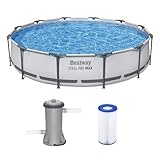
Bestway Steel Pro MAX 12' x 30" Above Ground Swimming Pool Set with Pump | Check Price On Amazon |
|
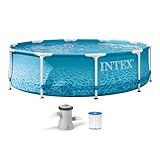
INTEX Beachside Metal Frame 10ft x 30in Round Pool Set w/Pump | Check Price On Amazon |

|
H2OGO! Kids Splash-in-Shade 8-Foot Round Steel Frame Above Ground Pool with Water Mister and Canopy Sunshade, Green Tropical Leaf Print | Check Price On Amazon |
Pool permits are the single most overlooked step in the entire pool installation process. Most homeowners fixate on design choices, contractor bids, and equipment selection while the legal foundation sits untouched until a stop-work order arrives.
By the Numbers
Pool Permit Requirements — What the Research Shows
Sources: International Code Council, PHTA, NAHB, municipal building department surveys
What Is a Pool Permit and Why Is It Required?
A pool permit is a legal authorization issued by your local building department that confirms your pool construction plans comply with zoning codes, safety standards, and structural engineering requirements before any excavation begins. It is not a suggestion or a bureaucratic formality.
Municipalities require pool permits for three specific reasons: public safety enforcement, property value protection, and liability assignment. The International Swimming Pool and Spa Code (ISPSC), adopted by most U.S. jurisdictions, sets the baseline standards that local permit offices enforce.
When a permit is issued, the building department reviews your site plan, structural drawings, electrical layout, plumbing design, and safety barrier specifications against current code requirements. This review catches design errors that a contractor might miss and that would cost thousands to fix after concrete is poured.
Permit requirements apply because a swimming pool is classified as a permanent structure with significant safety implications. The Virginia Graeme Baker Pool and Spa Safety Act, enforced federally since 2008, mandates specific drain cover and entrapment prevention standards that local permits verify during inspection.
An unpermitted pool creates a legal defect on your property title. Title insurance companies flag unpermitted structures during sale transactions, and mortgage lenders can deny financing when unpermitted improvements are discovered during appraisal.
Which Types of Pools Require a Permit?
Every inground pool, regardless of construction material, requires a building permit in nearly every U.S. municipality. This includes concrete and gunite pools, fiberglass shell pools, and vinyl liner pools installed in an excavated basin.

- Intelligent Navigation with Full Coverage: Equipped with 11 high-precision sensors and enhanced dual-path algorithms. The optimized WavePath cleaning pattern ensures systematic coverage with minimal overlap, while adaptive navigation analyzes pool layout in real time to eliminate missed spots
- Dual Filtration for Crystal-Clear Water: Advanced dual-layer filtration system features a replaceable 3-micron ultra-fine filter paired with a 180-micron standard filter. Effectively captures fine dust, sand, leaves, and debris for visibly cleaner and healthier pool water
- Comprehensive Pool Cleaning: Engineered to clean the pool floor, walls, waterline, and shallow areas (above 12 inches). The Caterpillar Treads system enhances mobility and climbing ability, ensuring thorough coverage across all pool zones
- Reliable Performance with 2-Year Warranty: Trusted by over 500,000 pool owners worldwide, this robotic pool cleaner delivers consistent, high-performance results. Built for durability and backed by a 2-year warranty and responsive customer support for worry-free ownership
If you are planning a concrete or gunite pool, factoring permit costs into your overall budget is critical—use a gunite pool cost calculator to estimate your total project investment before you apply.
Above-ground pools trigger permit requirements based on water depth and pool wall height thresholds that vary by jurisdiction. Most municipalities use the 24-inch water depth rule: any pool holding more than 24 inches of water requires a permit, which captures most above-ground pools sold at retail.
Temporary and inflatable pools are not exempt simply because they are seasonal. The Consumer Product Safety Commission (CPSC) and most local codes treat any pool with more than 24 inches of water depth as a regulated structure, including Intex-style frame pools and large inflatable models.
Spas and hot tubs, whether standalone or integrated with a pool, typically require an electrical permit at minimum. If the spa is built into a deck or installed in-ground, a full building permit is required because the structure becomes permanent.
Pool renovations and major repairs often trigger permit requirements too. Replastering a pool surface, replacing a pool shell, adding a new deck, or upgrading electrical bonding all fall under permit jurisdiction because they affect structural integrity or safety compliance.
What Types of Permits Are Needed for Pool Construction?
Pool construction typically requires three to five separate permits, not just one. The building permit covers the pool shell, deck, and structural elements but does not authorize electrical, plumbing, or barrier work.
The building permit is the primary permit. It covers excavation, pool shell construction, deck installation, and overall structural compliance with local setback requirements. The building department checks your property line distances, easement restrictions, and soil conditions before approving excavation.
An electrical permit is mandatory for all pool wiring, bonding, lighting, pump circuits, and equipment connections. Pool bonding and grounding, governed by NEC Article 680, requires a dedicated inspection separate from the building inspection to verify that equipotential bonding grids are correctly installed.
A plumbing permit covers the pool circulation system, backwash lines, drainage connections, and any tie-in to the sanitary sewer or storm drain. Improper pool drainage connections that violate local cross-connection regulations are one of the most common plumbing permit rejection reasons.
A fence or barrier permit is required in most jurisdictions because pool safety barriers must meet specific height, gap, latch, and self-closing standards defined in the ISPSC and ASTM F1908 guidelines. Some municipalities issue this as part of the building permit while others require a separate application.
A grading and drainage permit may be required separately if your pool construction changes the natural water runoff pattern on your property. Failing to account for stormwater flow around a new pool can flood neighboring properties and create legal liability.
How Much Does a Pool Permit Cost?
Pool permit fees range from $500 to $2,500 for a complete inground pool construction package across most U.S. municipalities, with the national average falling between $800 and $1,200. This fee covers plan review, site inspections, and final approval.
Several factors determine your actual permit cost. The pool’s square footage drives the base fee calculation in most jurisdictions because larger pools require more extensive plan review and more inspection visits.
Your location is the single largest cost variable. California, New York, and Florida jurisdictions tend toward the high end of the range due to seismic review requirements, coastal zone regulations, and high water table engineering reviews that add complexity to plan checks.
Additional permits beyond the building permit add incremental costs. Electrical permits typically run $150 to $400, plumbing permits $100 to $300, and fence permits $75 to $250 when issued separately from the main building permit.
Plan review fees are often charged separately from the permit issuance fee. If your submitted plans require revision because they fail code review, most departments charge a re-review fee of $100 to $300 per resubmission.
Permit costs are a fraction of the penalty for building without one. Working without a permit typically triggers a fine equal to double the original permit fee plus the cost of exposing completed work for inspection, which frequently exceeds $5,000 in total.
Cost Reference
Pool Permit Costs by Pool Type and Jurisdiction Size
All values represent typical ranges. Actual fees vary by municipality.
| Pool Type | Small Town | Suburban | Major City | Coastal/High-Reg |
|---|---|---|---|---|
| Inground (concrete) | $500–$800 | $800–$1,200 ★ most common | $1,200–$1,800 | $1,500–$2,500 |
| Inground (fiberglass) | $400–$700 | $600–$1,000 | $1,000–$1,500 | $1,200–$2,000 |
| Above-ground (permanent) | $150–$300 | $200–$450 | $350–$600 | $450–$800 |
| Electrical permit add-on | $100–$200 | $150–$300 | $250–$400 | $300–$500 |
Fees are for the building permit portion only. Electrical, plumbing, and fencing permits are often additional. ★ highlights the most common scenario for residential pool construction.
How to Apply for a Pool Permit: Step-by-Step Process
The pool permit application process follows a defined sequence that begins weeks before any construction work. Rushing this process or submitting incomplete documentation is the number one cause of permit delays.
Every municipality follows a similar review framework even though specific forms and fees vary. Understanding the complete sequence prevents the most common mistake homeowners make: assuming the contractor handles everything without verifying permit status independently.
Step-by-Step Guide
How to Apply for a Pool Permit — Step by Step
8 steps · Estimated total time: 2 to 8 weeks from application to issuance
Contact your local building department first
Call or visit your city or county building department website. Ask specifically for the pool permit application packet. Do not rely on contractor-provided information alone — verify requirements directly.
Complete a property survey and site plan
A current survey showing property lines, easements, and existing structures is required. Mark the proposed pool location with exact setback distances to all property lines and structures.
Prepare structural and engineering drawings
Submit detailed drawings showing pool dimensions, depth profile, wall thickness, rebar schedule for concrete pools, and manufacturer specifications for fiberglass shells or vinyl liner kits.
Submit electrical and plumbing plans
Include the equipment pad layout with pump, filter, heater, and chlorinator locations. Show the bonding grid design per NEC Article 680. Detail the backwash discharge route and drainage plan.
Include the safety barrier design
Provide a fence and barrier plan meeting ISPSC height minimums: 48 inches for residential pools, with self-closing and self-latching gates, no gaps exceeding 4 inches, and compliant ASTM F1908 gate hardware.
Pay the permit application fee and submit
Submit the complete package with the required fee. Most departments now accept digital submissions. Keep your application tracking number — you will reference it at every inspection stage.
Respond to plan review comments promptly
If the plan reviewer issues correction comments, respond within 48 hours with revised drawings. Delays in responding to review comments are the most common cause of multi-month permit timelines.
Post the permit and schedule inspections
Once issued, the permit card must be posted visible from the street. Schedule each required inspection at the correct construction stage: excavation, steel and bonding, plumbing rough-in, electrical rough-in, deck prep, barrier, and final.
What Happens If You Build a Pool Without a Permit?
Building a pool without a permit triggers a chain of consequences that extends far beyond a simple fine. The immediate penalty is a stop-work order posted on your property that halts all construction activity until you comply.
Financial penalties escalate quickly. The initial fine for unpermitted construction typically equals double the original permit fee. Additional daily fines of $50 to $500 per day accumulate until the violation is corrected, according to standard municipal code enforcement procedures.
Exposing completed work for inspection is the most expensive consequence. Building inspectors can require you to uncover electrical bonding grids, expose plumbing connections, and remove deck sections to verify code compliance on work that was already finished and covered.
The cost of replacing or repairing decking after an inspection tear-out can be substantial—a pool deck cost calculator helps you quantify what’s at stake if you skip the permit process.
Property sale complications are permanent until resolved. Title searches flag open building permits and code enforcement actions. Mortgage lenders require permit closure before approving buyer financing, and many purchase contracts fall apart when unpermitted pools are discovered during due diligence.
Insurance coverage voids are a hidden risk. Homeowner insurance policies contain clauses excluding coverage for damage caused by unpermitted construction. If an unpermitted pool causes property damage or personal injury, your insurer can deny the claim entirely.
Contractor liability becomes unclear when permits are skipped. Licensed contractors who build without permits face license suspension or revocation by state contractor licensing boards. Homeowners who hire unlicensed contractors to avoid permit costs assume full personal liability for any resulting damage or injury.
Pool Safety and Fencing Permit Requirements
Pool safety barriers are regulated separately from the pool structure itself in most jurisdictions, and barrier compliance is the most frequently failed inspection item in pool construction. The barrier must be complete and functional before the pool is filled with water.
The International Swimming Pool and Spa Code (ISPSC) requires a minimum 48-inch-high barrier around all outdoor residential pools with no gaps, openings, or footholds that would allow a child to climb over. The 4-inch gap rule applies to vertical pickets, the space under the fence, and any opening in the barrier.
Gates must be self-closing and self-latching with the latch release located at least 54 inches above grade on the pool side of the gate or at least 3 inches below the top of the gate on the inside. ASTM F1908-compliant gate hardware is required in most jurisdictions that have adopted the ISPSC.
House walls serving as part of the pool barrier require specific door and window protection. Any door leading from the house directly to the pool area must have a self-closing and self-latching device, an audible alarm that sounds for at least 30 seconds, or both depending on local code adoption.
A removable mesh pool safety fence meeting ASTM F2286 standards is the most common barrier solution for pools without a permanent perimeter fence. These fences must be installed with no more than 4 inches of clearance at the bottom and must use drill-secured poles, not friction-fit sleeves.
Since barrier costs vary significantly based on perimeter length and material choice, using a pool fence cost calculator helps you budget accurately for this required safety component before you submit your permit application.
Pool alarms add a secondary layer of protection required by some municipalities. A UL 2017-listed pool door alarm sounds when an exterior door to the pool area opens unexpectedly. Surface wave sensors and sub-surface disturbance detectors provide additional pool-water-level monitoring.
Common Pool Permit Mistakes to Avoid
Starting construction before the permit is issued is the most expensive mistake a homeowner or contractor can make. The permit card with the approval signature must be physically posted on the property before any excavation equipment arrives.
Assuming the contractor pulls all required permits is a dangerous delegation. The property owner is ultimately responsible for permit compliance even when a contractor handles the application. Always verify permit issuance independently through the building department’s online portal or a direct phone call.
Missing the bonding inspection stage is a structural scheduling error. Once the bonding grid is covered by concrete, an inspector cannot verify NEC Article 680 compliance without destructive testing. Schedule the bonding inspection immediately after the steel grid is installed and before the shotcrete or gunite application.
Ignoring HOA approval requirements delays permits even when the municipality approves. Many subdivisions require separate architectural review committee approval before the city will issue a building permit. HOA review timelines run 30 to 60 days in most communities.
Underestimating setback requirements causes plan rejection. Common residential setbacks require the pool edge to be at least 5 to 10 feet from property lines, 10 to 15 feet from primary structures, and 5 to 10 feet from accessory structures. Easements for utilities, drainage, or access cannot contain any part of the pool structure.
Failing to coordinate utility locates before excavation risks permit revocation. Striking an unmarked gas line, fiber optic cable, or high-voltage electric line during pool excavation creates immediate safety hazards and can result in the building department revoking the permit until utility conflicts are resolved.
Myth vs Fact
Pool Permits — Common Myths Debunked
Separating fact from fiction on the most common pool permit misconceptions
✗ Myth
Above-ground pools never need a permit because they are temporary structures.
✓ Fact
Most jurisdictions require a permit for any pool holding more than 24 inches of water, including above-ground and inflatable pools. The 24-inch water depth threshold in the ISPSC captures nearly every above-ground pool sold at retail.
✗ Myth
The contractor is responsible for all permits, so the homeowner has no liability if permits are missed.
✓ Fact
The property owner bears ultimate legal responsibility for permit compliance. Municipal codes attach violations to the property, not the contractor. When a contractor disappears, the homeowner still faces fines, remediation costs, and title defects.
✗ Myth
Replacing an existing pool liner or resurfacing a pool does not need a permit.
✓ Fact
Major renovations including structural shell repairs, complete replastering, or equipment pad relocation typically require a renovation permit. Even liner replacements can trigger barrier upgrade requirements if the existing fence does not meet current ISPSC standards.
✗ Myth
Permit fees are a government money grab that adds no value to the project.
✓ Fact
The permit process provides third-party engineering review that catches construction errors before they become structural failures. Bonding grid inspections alone prevent electrocution hazards that unpermitted work frequently misses.
✗ Myth
A pool built without a permit can be legalized retroactively without significant cost.
✓ Fact
Retroactive permitting requires exposing all covered work for inspection, which often means cutting into decks, excavating around the pool shell, and removing equipment connections. Total remediation costs frequently exceed $10,000 before the permit is even issued.
Electrical and Bonding Permit Requirements for Pool Safety
Pool electrical permits verify compliance with NEC Article 680, which governs all wiring, bonding, grounding, and equipment installation for swimming pools. This is separate from the building permit and requires a dedicated electrical inspection by a licensed electrical inspector.
Equipotential bonding is the most critical electrical safety requirement and the most frequently failed electrical inspection item. Every metal component within 5 feet of the pool water must be connected to a common bonding grid using a minimum 8 AWG solid copper conductor.
This bonding requirement applies to pool shells with conductive reinforcing steel, metal pool wall panels, ladders, handrails, diving board structures, pump motors, heater casings, underwater light niches, and any metal fitting in contact with pool water. The bonding grid equalizes electrical potential so a fault anywhere in the system does not create a voltage gradient through the water.
GFCI protection is mandatory for all pool equipment circuits. Pump motors, underwater lights, convenience receptacles within 20 feet of the pool, and any electrical device within the pool equipment area require Class A GFCI protection that trips at 5 milliamps of leakage current.
Pool bonding kits with 8 AWG solid copper wire are required for the equipotential bonding grid. This is not a place for substitutions. Stranded wire, smaller gauge conductors, or non-copper materials will fail the bonding inspection.
Electrical permit inspections occur at rough-in before conduit is buried and at final after all equipment is connected. The rough-in inspection verifies conduit depth, bonding conductor continuity, and proper GFCI circuit wiring before any concrete or decking covers the work.
For a complete explanation of pool bonding requirements, including the specific NEC Article 680 standards that govern equipotential bonding grid design and inspection, see our guide on pool bonding and grounding requirements for safe pool operation.
Plumbing and Drainage Permit Considerations
Pool plumbing permits ensure that circulation systems, backwash discharge, and drainage connections comply with local sanitary codes and cross-connection prevention regulations. Improper plumbing connections are the most common source of permit violations after safety barriers.
Backwash discharge routing is the most scrutinized plumbing permit element. Sand and DE filter backwash water cannot discharge directly into storm drains, street gutters, or natural waterways in most jurisdictions because diatomaceous earth and pool chemicals constitute environmental contaminants.
Approved backwash disposal methods include connection to the sanitary sewer through an air-gapped indirect waste receptor, discharge to a dedicated dry well or leach field designed for pool effluent, or collection and off-site disposal by a licensed waste hauler depending on local regulations.
Cross-connection prevention is mandatory for any pool autofill system connected to the domestic water supply. A reduced pressure zone (RPZ) backflow preventer or an air gap separation meeting ASSE 1014 standards must be installed to prevent pool water from siphoning back into the drinking water supply.
The detailed plumbing layout, including pipe sizing, equipment connections, and drainage routing, affects both your plumbing permit and your overall pool system performance. For a thorough explanation of how pool circulation plumbing works, read our guide on how pool plumbing systems function and common design considerations.
How Pool Permits Relate to Overall Project Planning
Pool permits should be the first item in your construction timeline, not an afterthought. The permit approval window of 2 to 8 weeks means you must submit your application before finalizing your construction start date.
Permit requirements affect your pool design decisions in ways most homeowners do not anticipate. Setback restrictions may force a smaller pool than you planned. Easement locations may shift the pool away from your preferred placement. Barrier requirements may add fencing costs you did not budget.
Building a complete understanding of the pool construction process before applying for a permit prevents costly redesigns. Our complete pool installation guide covering every construction phase walks through the entire process from planning through filling.
Permit fees are one component of your total pool cost, alongside excavation, materials, equipment, decking, and landscaping. Use an inground swimming pool cost calculator to model your complete project budget—including permit expenses—so you can plan without financial surprises. See our comprehensive swimming pool cost guide with real project budget examples for a complete breakdown.
The type of pool you choose affects your permit complexity. Inground pools face more rigorous structural review than above-ground pools, and concrete pools require more inspections than fiberglass shells. For a side-by-side cost comparison of pool types, read our above-ground versus inground pool cost comparison.
Your pool equipment choices affect electrical and plumbing permit requirements. Saltwater chlorine generators, heat pumps, and variable-speed pumps each have specific electrical circuit and GFCI requirements that your electrical permit must address.
For a detailed look at pool equipment layout and the electrical and plumbing connections required for a code-compliant installation, our pool equipment pad setup guide covering placement and connection requirements explains the complete setup process.
The long-term operating cost of your pool, including the equipment choices that affect electrical load and permit requirements, matters well beyond construction. Our saltwater versus chlorine pool long-term cost comparison breaks down the ongoing expenses each system type creates.
Buying Guide
Before You Apply — Pool Permit Readiness Checklist
Check off each point before submitting your pool permit application.
Frequently Asked Questions About Pool Permits
Do I need a permit for an above-ground pool that I install myself?
Quick Answer: Yes, if the pool holds more than 24 inches of water. Most above-ground pools exceed this threshold. Contact your local building department before purchasing the pool to confirm the exact permit requirements for self-installed pools in your jurisdiction.
The 24-inch water depth rule comes from the International Swimming Pool and Spa Code. This threshold captures almost every above-ground pool sold at retail, including 48-inch and 52-inch wall models. Self-installation does not exempt you from permit requirements. Some jurisdictions allow owner-builder permits while others require a licensed contractor for the electrical portions only.
What is the difference between a building permit and an electrical permit for a pool?
Quick Answer: A building permit covers the pool structure, excavation, deck, and barrier. An electrical permit covers wiring, bonding, GFCI circuits, lighting, and equipment connections per NEC Article 680. Most jurisdictions issue these as separate permits requiring separate inspections.
The building permit addresses structural safety: pool shell integrity, setback compliance, deck construction, and barrier effectiveness. The electrical permit addresses shock and electrocution prevention: bonding grid continuity, proper GFCI protection, correct wire sizing, and equipment grounding. Do not assume your building permit covers electrical work.
Can I use my house wall as part of the pool barrier instead of building a separate fence?
Quick Answer: Yes, but every door and window on that wall leading to the pool area must have compliant protection. Doors require self-closing hinges, a self-latching device at 54 inches minimum height, and in some jurisdictions an audible alarm meeting UL 2017 standards.
Windows within 48 inches of the floor that open to the pool area must be protected by a barrier, a locked sash, or an alarm. Many homeowners discover that adding the required door and window protections costs nearly as much as a dedicated pool fence. Verify your specific house-wall-as-barrier requirements with your local building department before choosing this approach.
What happens if my contractor says they will handle the permits but never files them?
Quick Answer: You as the property owner are still legally responsible. The fines, stop-work orders, and remediation costs attach to your property. Always verify permit issuance independently through your building department’s website or by calling their office directly.
Contractors sometimes collect permit fees from the homeowner and then fail to file the paperwork, pocketing the money. This is a known fraudulent practice in the pool industry. Protect yourself by requiring the permit number before any work begins and confirming it is active on the building department’s online permit portal.
Is a pool permit required for a swim spa or large hot tub installed outdoors?
Quick Answer: Yes, for both the electrical connection and the safety barrier. Most jurisdictions apply the same 24-inch water depth rule to swim spas, and the ISPSC barrier requirements apply to any outdoor water feature holding more than 24 inches of water.
Swim spas present a unique permitting challenge: they are delivered as a single unit but require a concrete pad, dedicated electrical circuit, and barrier protection. An electrical permit is always required for the dedicated GFCI-protected circuit. A building permit for the pad and barrier may also apply depending on your local code.
How long does a pool permit remain valid after it is issued?
Quick Answer: Most pool permits expire 180 days to 1 year after issuance if construction has not begun, and require at least one inspection within that window to remain active. Permit expiration rules vary significantly by jurisdiction.
If your permit expires before work begins, you must reapply and pay a new application fee. If work has started but the permit expires mid-construction, most departments allow a permit extension for a reduced fee provided an inspection was passed within the original validity period. Check your permit card for the expiration date and required inspection milestones.
Does a pool permit cover the pool equipment pad installation?
Quick Answer: The building permit covers the pad as a structural element, but the equipment on it (pump, heater, chlorinator) requires separate electrical and plumbing permits. The equipment pad placement must also meet setback requirements shown on your approved site plan.
Equipment pad location affects noise ordinance compliance, electrical service access, and drainage patterns. Moving the pad from the permitted location without approval can trigger a code violation even if the rest of the pool construction is compliant. Confirm pad placement on your approved plans before pouring concrete.
What is the most common reason pool permit applications are rejected?
Quick Answer: Incomplete or inaccurate site plans showing incorrect setback distances. The second most common reason is missing barrier details that do not demonstrate ISPSC compliance for fence height, gate hardware, or climbable object clearances.
Plan reviewers check setback distances to property lines, structures, and easements with precision. A hand-drawn sketch without scaled measurements will be rejected. Hire a surveyor or use a professional site plan service to produce an accurate scaled drawing showing all relevant distances before submitting.
Can I pull a pool permit as a homeowner or do I need a licensed contractor?
Quick Answer: Most jurisdictions allow owner-builder permits for the building portion but require a licensed electrical contractor for the electrical permit. Some states, including California and Florida, require a licensed pool contractor for the entire permit package.
Owner-builder permits come with additional liability. You assume the role of general contractor for code compliance, inspection scheduling, and worker safety. If you hire subcontractors without proper workers’ compensation insurance, you can be personally liable for on-site injuries. Check your state’s contractor licensing board for owner-builder rules before choosing this route.
Do I need a separate permit for a pool heater installation?
Quick Answer: Yes. Gas pool heaters require both a plumbing permit for the gas line connection and an electrical permit for the control circuit and bonding. Electric heat pumps require an electrical permit for the dedicated circuit installation.
Gas heater installations must meet local fuel gas code requirements for pipe sizing, shutoff valve placement, and combustion air supply. A gas pressure test witnessed by the plumbing inspector is typically required before the gas line can be connected. Electric heat pumps require a dedicated GFCI-protected circuit sized to the manufacturer’s MCA (minimum circuit ampacity) rating.
Will an unpermitted pool affect my ability to refinance my mortgage?
Quick Answer: Yes. Appraisers are required to note unpermitted structures, and most mortgage lenders will not approve refinancing until the permit is retroactively obtained and all violations are resolved. This can delay or cancel a refinance by months.
During a refinance appraisal, the appraiser checks building department records for open permits and compares the property’s tax record square footage against what is physically present. An unpermitted pool creates a discrepancy that must be resolved before underwriting can proceed. The cost to retroactively permit an existing pool frequently exceeds the original permit cost by a factor of 3 to 5 times.
What is the minimum fence height required around a residential pool?
Quick Answer: 48 inches measured from the finished grade on the outside of the fence. The bottom of the fence must be no more than 4 inches above grade. No horizontal members, decorative cutouts, or climbable objects within 48 inches can allow a child to scale the barrier.
The 48-inch minimum is the ISPSC standard adopted by most U.S. jurisdictions. Some municipalities require 54 or 60 inches. Chain-link fences with openings larger than 1.75 inches typically fail the barrier inspection because they provide footholds. Use a 48-inch pool safety fence with self-closing gate hardware that meets ASTM F1908 specifications for a guaranteed compliant installation.
Does replacing an existing pool pump require a permit?
Quick Answer: A direct replacement of an existing pump with a unit of the same amperage and voltage typically does not require an electrical permit in most jurisdictions. However, upgrading to a variable-speed pump, changing the circuit amperage, or relocating the pump does require a permit.
The key distinction is whether the electrical characteristics of the circuit change. A like-for-like pump replacement on an existing GFCI-protected circuit is considered maintenance. Changing from a single-speed to a variable-speed pump that requires different wiring or a different breaker size is considered an electrical modification requiring a permit and inspection.
Can I fill my pool before the final inspection is approved?
Quick Answer: No. Filling the pool before the final inspection can result in a failed inspection and an order to drain it. The inspector must verify the shell integrity, bonding continuity, plumbing connections, and barrier completion with the pool empty.
Water in the pool prevents visual inspection of the shell surface for cracks, the drain covers for VGB compliance, and the underwater light niches for proper bonding connections. Most building departments consider filling before final inspection a violation that triggers a re-inspection fee and a mandatory drain order. Wait for the signed final inspection card before turning on the hose.
For most residential pools, a building permit costs $500 to $2,500 and takes 2 to 8 weeks to obtain. Skipping the permit saves a small fraction of your total project cost while creating legal, financial, and safety risks that can exceed $10,000 to resolve.
Start at your local building department. Get the application packet. Verify the requirements yourself. A permit is not a roadblock. It is the document that proves your pool was built safely, legally, and to the standards that protect your family and your property value.
The next step is to contact your local building department today. Ask for the pool permit application packet and confirm the specific requirements for your property before you sign any construction contract or pay any deposit.
| Photo | Best Above-Ground Pools | Price |
|---|---|---|
|
|
Bestway Steel Pro MAX 12' x 30" Above Ground Swimming Pool Set with Pump | Check Price On Amazon |
|
|
INTEX Beachside Metal Frame 10ft x 30in Round Pool Set w/Pump | Check Price On Amazon |
|
|
H2OGO! Kids Splash-in-Shade 8-Foot Round Steel Frame Above Ground Pool with Water Mister and Canopy Sunshade, Green Tropical Leaf Print | Check Price On Amazon |