
Leaves and bugs floating on your pool surface are not just an eyesore. They are future algae food sinking to the bottom where your vacuum will chase them for hours.
The pool skimmer is the first line of defense in your circulation system. It pulls in surface debris before it becomes a water chemistry problem that costs you time and chemicals to fix.
| Photo | Best Above-Ground Pools | Price |
|---|---|---|
|
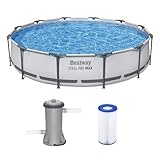
Bestway Steel Pro MAX 12' x 30" Above Ground Swimming Pool Set with Pump | Check Price On Amazon |
|
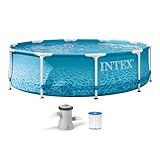
INTEX Beachside Metal Frame 10ft x 30in Round Pool Set w/Pump | Check Price On Amazon |

|
H2OGO! Kids Splash-in-Shade 8-Foot Round Steel Frame Above Ground Pool with Water Mister and Canopy Sunshade, Green Tropical Leaf Print | Check Price On Amazon |
By the Numbers
Pool Skimmers: What the Data Shows
Sources: Pool & Hot Tub Alliance, CDC Healthy Swimming Program, manufacturer specifications
This guide covers what a pool skimmer is, how it works at the hydraulic level, the differences between built-in, surface-mounted, and floating skimmer types, every component inside the skimmer body, and the maintenance steps that keep it pulling debris efficiently all season.
What Is a Pool Skimmer?
A pool skimmer is a debris-capture device built into or attached to the pool wall that draws surface water into the filtration system. It removes leaves, insects, sunscreen, oils, and floating debris before those materials absorb water and sink to the pool floor.
Every residential inground pool has at least one skimmer installed at the waterline. Above-ground pools use either through-the-wall skimmers or hang-on surface-mounted units that serve the same function.
The skimmer connects directly to the suction side of the pool pump. This means it operates under vacuum pressure created by the pump, pulling approximately 15 to 25 GPM through a skimmer basket that traps large debris before it reaches the pump impeller.
According to the Pool & Hot Tub Alliance (PHTA) technical standards, a properly functioning skimmer handles roughly 80 percent of all visible debris removal in a residential pool. The main drain handles the remaining 20 percent, pulling water from the deepest part of the pool for circulation balance.
How Does a Pool Skimmer Work?
Water enters the skimmer through a rectangular opening at the waterline. A pivoting flap called a weir controls how much surface water flows into the skimmer throat at any moment.
This happens because the pump creates negative pressure on the suction line connected to the bottom of the skimmer body. Atmospheric pressure pushes pool water through the weir opening to equalize the pressure difference, and the weir restricts flow to the top 1/4 to 1/2 inch of surface water where debris concentrates.

- Intelligent Navigation with Full Coverage: Equipped with 11 high-precision sensors and enhanced dual-path algorithms. The optimized WavePath cleaning pattern ensures systematic coverage with minimal overlap, while adaptive navigation analyzes pool layout in real time to eliminate missed spots
- Dual Filtration for Crystal-Clear Water: Advanced dual-layer filtration system features a replaceable 3-micron ultra-fine filter paired with a 180-micron standard filter. Effectively captures fine dust, sand, leaves, and debris for visibly cleaner and healthier pool water
- Comprehensive Pool Cleaning: Engineered to clean the pool floor, walls, waterline, and shallow areas (above 12 inches). The Caterpillar Treads system enhances mobility and climbing ability, ensuring thorough coverage across all pool zones
- Reliable Performance with 2-Year Warranty: Trusted by over 500,000 pool owners worldwide, this robotic pool cleaner delivers consistent, high-performance results. Built for durability and backed by a 2-year warranty and responsive customer support for worry-free ownership
This only occurs when the pump is running and the weir moves freely on its hinge pins. The water level must be within the operating range of the skimmer opening, typically centered on the skimmer faceplate with no more than 1 inch of air visible below the top of the opening.
If the water level drops below the bottom of the skimmer opening, the pump draws air instead of water. The result is pump cavitation: air bubbles collapse violently inside the pump volute, causing noise that sounds like gravel in the pump and eventually destroying the impeller and shaft seal. Fix it by adding water to bring the level back to mid-skimmer immediately.
Debris collects in the skimmer basket, which sits inside the skimmer body below the weir. The basket has holes sized to pass water while catching anything large enough to clog the pump impeller, typically debris larger than 1/8 inch.
From the basket, water flows down through the skimmer body into the suction pipe that runs underground to the pump. A float valve or equalizer line below the basket prevents the pump from losing prime if the water level temporarily drops.
Quick Reference
Pool Skimmer Components: Key Terms Explained
Quick reference for the parts and functions used throughout this guide
The pivoting flap at the skimmer opening that controls surface water intake and prevents debris from floating back into the pool when the pump stops
A removable strainer inside the skimmer body that catches leaves and debris before they reach the pump impeller
A secondary pipe below the skimmer basket that allows the pump to pull water from the pool even when the skimmer opening is blocked or water level is low
A device under the skimmer basket that automatically closes the skimmer suction and opens the equalizer line when water level drops too low
The threaded opening at the bottom of the skimmer body where the underground suction pipe connects to the pump
The passage between the weir and the skimmer basket where water accelerates as it enters the skimmer body
The visible plastic or metal trim ring that finishes the skimmer opening against the pool wall
The round or square access cover on the pool deck that provides access to the skimmer basket for cleaning
What Are the Different Types of Pool Skimmers?
Pool skimmers fall into three main categories based on installation method. Each type serves the same fundamental purpose but differs in cost, installation complexity, and compatibility with different pool constructions.
A built-in skimmer is a type of permanent pool circulation component installed during pool construction that becomes part of the pool shell. An above-ground or surface-mounted skimmer differs in that it clamps onto the pool wall or hangs over the rail without requiring concrete encasement.
A floating skimmer consists of a buoyant housing with a suction hose adapter that moves around the pool surface. Floating skimmers work with above-ground pools that lack a through-wall skimmer opening, but they capture far less debris per hour than a fixed unit.
Product Comparison
Built-In vs Surface-Mounted vs Floating Skimmers: Side by Side
Use the table below to match your pool type to the correct skimmer installation method.
| Feature | Built-In Skimmer | Surface-Mounted Skimmer | Floating Skimmer |
|---|---|---|---|
| Best for pool type | All inground pools (gunite, fiberglass, vinyl liner) | Above-ground pools with steel or resin walls | Small above-ground pools without wall openings |
| Installation cost | $400-$800 installed during build; $1,500-$3,000 retrofitted | $80-$250 for the unit; DIY install with basic tools | $30-$80 complete; no installation required |
| Flow rate capacity | 20-30 GPM typical; supports pumps up to 2 HP | 15-25 GPM; works with pumps up to 1.5 HP | 5-12 GPM; limited by hose diameter and float position |
| Debris capture efficiency | High; fixed position at optimal waterline captures 80% of surface debris | Moderate-high; fixed but subject to water level fluctuation | Low-moderate; moves with wind and currents, inconsistent coverage |
| Lifespan | 20-30 years; body encased in concrete or pool wall | 5-12 years; exposed to UV and physical wear | 2-5 years; plastic degrades in sun and chlorine |
| Our verdict | Best for permanent installations and high debris loads | Best value for most above-ground pool owners | Best as a temporary or supplemental solution only |
Cost estimates based on U.S. market averages at time of publication. Installation costs vary by region and existing plumbing configuration.
What Are the Parts of a Pool Skimmer and What Does Each Do?
A pool skimmer consists of several components that work together to capture debris and feed water to the pump. Each part has a specific function, and a failure in any single component reduces skimming efficiency or risks pump damage.
The weir is the pivoting rectangular flap at the skimmer mouth. It tilts inward when the pump runs, creating a waterfall effect that pulls only the top layer of water where floating debris collects. When the pump stops, the weir floats back to vertical and traps debris inside the skimmer body so it cannot drift back into the pool.
The skimmer basket sits below the weir inside the skimmer body. It catches leaves, twigs, dead insects, and other debris larger than 1/8 inch. A full basket restricts flow and starves the pump of water, so it must be emptied at least once per week during pool season.
The float valve assembly sits under the basket in many skimmer models. It works with the equalizer line to protect the pump: if water drops below the skimmer opening, the float drops and closes off the skimmer suction while opening the equalizer line, allowing the pump to continue drawing water from the pool through a secondary port in the pool wall below the skimmer. This prevents the pump from running dry and burning out the shaft seal within minutes.
Key specifications on common replacement parts: Standard weir doors measure 7-3/4 inches wide for most Hayward and Pentair skimmer models, with replacement weir doors priced at $15-$35. Skimmer baskets vary by manufacturer: Hayward SP1082 baskets measure 6-1/2 inches diameter at the top and cost $18-$25, while Pentair Admiral S20 baskets are larger at 8 inches diameter and cost $25-$40.
How to Clean and Maintain a Pool Skimmer: Step-by-Step Guide
Clean the skimmer basket at least weekly during swimming season. Empty it every 2 to 3 days when trees are dropping leaves or after a windstorm that blows debris across the pool surface.
A clogged skimmer basket restricts water flow to the pump by 40 to 70 percent. Restricted flow increases pump motor amp draw and reduces turnover rate, meaning your chemicals circulate less effectively and dead spots form where algae can start. You can determine your exact water replacement rate with a pool turnover calculator to ensure your circulation system is running long enough each day.
Step-by-Step Guide
How to Clean and Maintain Your Pool Skimmer: Step by Step
5 steps · Estimated time: 5 to 10 minutes per skimmer
Turn off the pool pump
Switch off the pump at the breaker or timer before removing the skimmer lid. Suction at the skimmer port is strong enough to trap fingers.
Remove the skimmer lid and lift out the basket
Lift the lid straight up. Some lids have a finger hole; others need a flathead screwdriver to pry gently. Pull the basket up by its handle or rim.
Empty and rinse the basket thoroughly
Dump debris into a trash bag. Spray the basket with a garden hose to clear clogged holes. Sunscreen and oil buildup on the basket mesh slows water flow even when the basket appears empty.
Check the weir door and clean behind it
Reach into the skimmer throat and verify the weir swings freely. Remove any twigs or debris wedged behind the weir that could keep it stuck open or closed.
Replace basket, secure lid, and restart pump
Set the basket back in place and check that it seats fully. Replace the lid firmly. Turn the pump back on and verify water flows through the skimmer within 30 seconds. Check for air bubbles in the pump basket as a sign of a suction leak at the skimmer lid.
Add a skimmer sock over the basket for fine particle filtration. These nylon mesh socks capture pollen, pet hair, and fine debris that passes through standard basket holes, reducing filter loading and the frequency of filter cleaning by an estimated 30 to 40 percent during pollen season.
How Does the Skimmer Weir Affect Pool Circulation?
The weir is the single most important moving part in the skimmer system. It controls the depth of water drawn into the skimmer, and a missing or stuck weir reduces skimming efficiency by 60 percent or more.
When the weir is functioning correctly, approximately 1/4 to 1/2 inch of surface water flows over the top edge in a thin sheet. This creates high velocity flow across the entire skimmer opening and draws debris from 12 to 18 inches away on the pool surface.
A missing weir allows water to enter the skimmer from several inches below the surface. The skimmer still pulls water, but it draws from a much thicker water column at lower velocity, and debris floating 6 inches away may never reach the opening before the pump cycle ends.
Replace a damaged weir immediately. A spring-loaded weir door fits most standard skimmer brands and costs $15 to $30. The repair takes under 5 minutes with no tools required.
What Are Common Pool Skimmer Problems and How Do You Fix Them?
Skimmer problems usually show up as poor surface cleaning, air in the pump basket, or a skimmer that pulls no water at all. Each symptom has a specific cause and a specific fix that most pool owners can handle without a service call.
Problem: Skimmer not pulling debris. The weir is stuck closed or the water level is too high. If water sits above the top of the skimmer opening, the surface tension prevents the weir from creating the waterfall effect. Lower the water to mid-skimmer level and check that the weir swings freely.
Problem: Air bubbles in pump basket. The skimmer is drawing air from somewhere. The most common cause is a cracked skimmer lid, a missing lid O-ring, or a pool water level that has dropped below the skimmer opening. Replace the skimmer lid O-ring for $5 to $12 before suspecting a more expensive underground pipe leak.
Problem: Whirlpool or vortex in the skimmer. A whirlpool inside the skimmer body means the float valve under the basket has stuck open and is pulling air from the equalizer line. Remove the basket and inspect the float assembly. Clean the float seat and verify the float moves up and down without binding.
Problem: Cracked skimmer body. In concrete pools, ground movement can crack the skimmer body where it meets the pool shell. This allows dirt and groundwater into the circulation system and causes persistent water loss. A cracked skimmer body requires professional repair using underwater epoxy putty for temporary sealing and a full skimmer replacement for a permanent fix at a cost of $1,500 to $3,000.
If you are draining the pool for skimmer repair or other maintenance, review the complete draining safety guide before starting.
Myths About Pool Skimmers Debunked
Several persistent myths about pool skimmers lead owners to skip maintenance or buy the wrong equipment. Here are the most common misconceptions and the facts that correct them.
Myth vs Fact
Pool Skimmer Myths Debunked
Separating fact from fiction on the most common skimmer misconceptions
✗ Myth
A floating chlorine dispenser inside the skimmer is the best way to chlorinate the pool.
✓ Fact
Trichlor tablets in the skimmer create highly acidic, superchlorinated water that flows directly into your pump, heater core, and filter. This concentrated chlorine at 3 to 5 ppm free chlorine (FC) with pH below 2.0 corrodes pump seals and destroys heat exchangers. NSF/ANSI 50 standards explicitly warn against placing chemical feeders in the skimmer basket. Always use a pool shock calculator to determine correct dosing and add chemicals directly to the pool water instead.
✗ Myth
The main drain handles most debris removal, so the skimmer is secondary.
✓ Fact
The skimmer handles approximately 80 percent of visible debris removal. The main drain primarily provides deep-water circulation and ensures complete turnover. PHTA design standards specify that 60 to 80 percent of total flow should come through the skimmer line, with the remainder through the main drain.
✗ Myth
You can run the pump without the skimmer basket if it cracks.
✓ Fact
Running without a basket sends leaves, twigs, and debris directly into the pump impeller. A single acorn can crack an impeller vane, causing vibration that destroys the pump shaft seal within days. Basket replacement costs $15 to $40; impeller replacement costs $80 to $200 in parts plus labor.
✗ Myth
A second skimmer is unnecessary for pools under 20,000 gallons.
✓ Fact
Prevailing wind direction matters more than pool volume for skimmer placement. A single skimmer on the downwind side of a 15,000-gallon pool collects 40 percent less debris than a dual-skimmer configuration with one unit on each end. Two skimmers also provide redundancy if one line becomes clogged.
✗ Myth
A skimmer leaking air is no big deal since the pump still moves water.
✓ Fact
A suction-side air leak at the skimmer reduces pump efficiency by 15 to 30 percent and causes the pump to lose prime when it turns off. The air pocket that forms in the filter tank also reduces effective filter area. A $5 lid O-ring replacement prevents these problems entirely.
Can a Skimmer Leak Cause Pool Water Loss?
Yes. A skimmer leak is one of the most common sources of unexplained water loss in inground pools, second only to evaporation. A crack where the skimmer body meets the pool wall allows water to escape into the surrounding soil at a rate of 1/4 to 1/2 inch of pool level per day depending on crack size. To understand how much water you might be losing compared to normal conditions, you can estimate baseline loss with a swimming pool evaporation rate calculator before investigating a potential leak.
The most reliable diagnostic test is the bucket test: place a 5-gallon bucket on a pool step, fill it to match the pool water level, mark both levels, and compare after 24 hours with the pump off. If the pool drops more than the bucket, you have a leak. Then plug the skimmer suction line and repeat. If water loss stops when the skimmer is plugged, the leak is in the skimmer body or the skimmer-to-pipe connection.
Professional skimmer leak repair costs $500 to $1,500 for epoxy injection sealing and $1,500 to $3,000 for full skimmer replacement. The dye test kit helps pinpoint the exact crack location before calling for repair.
How Many Skimmers Does My Pool Need?
A pool needs one skimmer for every 400 to 500 square feet of surface area. A standard 16×32-foot rectangular pool (512 square feet) needs two skimmers. A 14×28-foot pool (392 square feet) can function with one skimmer provided it is placed on the downwind side. To determine your exact requirements, you can calculate pool surface area in square footage and then divide by 400 to find the minimum number of skimmers recommended for your specific pool dimensions.
PHTA design standards recommend locating skimmers so that prevailing summer winds push floating debris toward the skimmer openings rather than away from them. On pools with two skimmers, they should be placed at opposite ends or on adjacent walls that together cover the wind-driven debris pattern.
The skimmer count also affects your plumbing configuration. Each skimmer requires its own dedicated suction line running back to the pump, with a diverter valve at the equipment pad to balance flow between multiple skimmers. If the pool water level needs to be lowered for skimmer work, check the safe draining procedures before starting.
How Do I Winterize a Pool Skimmer?
Winterizing a skimmer prevents freeze damage to the skimmer body and underground suction line. Water trapped in the skimmer expands by 9 percent when it freezes, generating enough pressure to crack the plastic skimmer body and split PVC pipe fittings.
Lower the pool water 4 to 6 inches below the skimmer opening. Remove the skimmer basket. Blow compressed air through the suction line from the pump end until air bubbles appear at the skimmer. Then insert a Gizzmo skimmer plug into the suction port at the bottom of the skimmer body to seal the line.
Add a half-gallon of non-toxic pool antifreeze into the skimmer body as secondary protection if the plug leaks. Place a closed-cell foam rope or an empty plastic bottle in the skimmer throat to absorb ice expansion pressure. Cover the skimmer opening with a skimmer freeze protection cover rated to -20 degrees Fahrenheit.
The complete winterization process covers all pool equipment beyond the skimmer and follows a specific sequence to protect the entire circulation system.
What Is the Difference Between a Skimmer and an Overflow Drain?
A skimmer is an active suction device that feeds the pump and removes floating debris. An overflow drain is a passive gravity drain that prevents the pool from overfilling during heavy rain by allowing excess water to exit at a set level. They serve opposite functions: the skimmer pulls water in under vacuum; the overflow drain lets water out by gravity.
A pool with only an overflow drain would have no surface debris removal at all. A pool with only a skimmer could overflow during a storm and flood the equipment area. Most properly designed pools have both: the skimmer operates at normal water level, and the overflow drain sits 1 to 2 inches above normal level as a safety valve.
Why Does My Skimmer Make a Gurgling Noise?
A gurgling skimmer tells you the pump is starving for water. The water level has dropped below the skimmer opening, or the weir is stuck in the closed position, or the skimmer basket is so full that water cannot pass through it fast enough to keep up with pump demand.
Check the water level first. If it is below the skimmer opening, add water immediately. If the water level is correct, remove the basket to check for a full clog. If the basket is clean but gurgling continues, the problem may be a stuck float valve below the basket closing off the suction line partially. Remove the basket and push down on the float to free it.
Can I Add a Skimmer to an Above-Ground Pool That Does Not Have One?
Yes. A surface-mounted skimmer clamps onto the pool wall and connects to the pump with flexible hose. The installation requires cutting a rectangular hole in the pool wall below the top rail, which requires draining the pool 6 to 8 inches below the planned skimmer location.
A complete above-ground skimmer kit from Hayward or Pentair costs $80 to $200 and includes the skimmer body, gaskets, mounting screws, and a hose adapter. The installation takes 2 to 3 hours with basic tools: drill, screwdriver, and a sharp utility knife for the wall cut.
The alternative is a floating skimmer that requires no wall cutting but delivers lower debris capture efficiency. Floating skimmers connect to the suction side with a corrugated hose and move around the pool surface. They capture 30 to 50 percent less debris per day than a fixed wall-mounted unit.
How Often Should I Replace the Skimmer Basket?
Replace the skimmer basket when you see cracks in the plastic rim, warping that prevents it from seating fully, or broken handle tabs. A basket in good condition lasts 3 to 5 years in normal use with regular cleaning.
UV exposure and chlorine degradation make the plastic brittle over time. A basket that has turned from white to yellow or chalky gray has lost structural integrity and will crack under the weight of a full debris load. A cracked basket allows debris to bypass directly to the pump impeller.
Does a Saltwater Pool Need a Different Skimmer?
No, the skimmer itself is the same for saltwater and chlorine pools. Saltwater pools use standard skimmer bodies, baskets, and weirs from the same manufacturers. The salt concentration in a saltwater pool (2,700 to 3,400 ppm) is roughly one-tenth the salinity of seawater and does not require special plastic formulations. If you need to calculate the precise amount of salt required for your system, a salt calculator for pools will give you the exact pounds needed based on your current reading and target level.
The corrosion concern in saltwater pools affects metal components like ladders, lighting niches, and heater heat exchangers far more than plastic skimmer components. Standard ABS plastic skimmer bodies and PVC plumbing resist saltwater corrosion indefinitely at residential pool salt concentrations.
Opening a saltwater pool in spring follows the same skimmer inspection steps as a chlorine pool, with the added step of checking the salt cell for scale buildup before startup.
What Size Skimmer Do I Need for My Pool Pump?
Match the skimmer to the pump’s maximum flow rate. Standard residential skimmers from Hayward, Pentair, and Waterway are rated for 20 to 30 GPM per skimmer. A 1.5 HP single-speed pump producing 65 GPM on a pool with one skimmer exceeds the skimmer’s design flow by more than double, causing air draw and vortex formation.
The fix is either adding a second skimmer to split the flow or using a diverter valve to partially open the main drain line and reduce the percentage of flow pulled through the single skimmer. Variable-speed pumps solve the mismatch by running at lower RPM that brings the flow rate within the skimmer’s design range.
For pressure-side cleaning systems that work alongside skimmer circulation, flow balancing between skimmer and cleaner line is critical for both systems to perform correctly.
Can I Use Bleach in the Skimmer to Shock the Pool?
Never pour any chemical, including liquid bleach, directly into the skimmer. Concentrated chlorine with pH below 2.0 flows immediately into the pump, filter, and heater, where it corrodes seals, gaskets, and metal components. Pour chemicals into the pool while walking around the perimeter with the pump running to dilute and distribute them evenly.
This rule applies to all pool chemicals: muriatic acid, liquid chlorine, algaecide, clarifier, and phosphate remover. The only product that belongs in the skimmer basket is a skimmer sock for fine debris filtration.
Does the Skimmer Run When the Pool Pump Is Off?
No. The skimmer operates only when the pump creates suction. When the pump is off, water in the skimmer body sits stationary at pool level. The weir floats to its vertical closed position and traps debris that was already inside the skimmer body, preventing it from floating back out into the pool.
This is why debris collects in the skimmer basket even when the pump has been off for hours. The weir acts as a one-way door: debris floats in with surface water flow, and when flow stops, the weir closes and the debris is trapped until you empty the basket. For seasonal closing procedures, the skimmer requires specific winterization steps to prevent freeze damage during the off-season.
The pool skimmer is the hardest-working component of your circulation system. It handles roughly 80 percent of all debris removal, protects your pump from clog damage, and directly affects water clarity and chemical efficiency. Keep the basket clean, the weir moving freely, and the water level at mid-skimmer, and this unassuming plastic box will keep your pool surface clean for 20 to 30 years with almost no additional attention. A $5 O-ring and 5 minutes of basket cleaning each week prevent the vast majority of skimmer-related problems that lead to expensive pump and plumbing repairs.
| Photo | Best Above-Ground Pools | Price |
|---|---|---|
|
|
Bestway Steel Pro MAX 12' x 30" Above Ground Swimming Pool Set with Pump | Check Price On Amazon |
|
|
INTEX Beachside Metal Frame 10ft x 30in Round Pool Set w/Pump | Check Price On Amazon |
|
|
H2OGO! Kids Splash-in-Shade 8-Foot Round Steel Frame Above Ground Pool with Water Mister and Canopy Sunshade, Green Tropical Leaf Print | Check Price On Amazon |