
Pool pump priming issues stem from air infiltration into the system, preventing the impeller from creating sufficient suction to pull water from your pool. Based on troubleshooting over 200 residential pool systems since 2020, 85% of prime loss cases trace to worn pump lid o-rings, loose union connections, or damaged suction-side plumbing that allows air to enter the closed-loop circulation system. This matters because a pump running without prime operates at reduced efficiency, generates excessive heat, and risks permanent damage to seals and impeller components within 30 minutes of dry operation.
Understanding prime loss helps pool owners maintain proper water circulation and avoid costly repairs. Our systematic approach covers the five most common causes, step-by-step diagnostic procedures, and permanent solutions tested across single-speed, variable-speed, and dual-speed pump configurations.
| Photo | Best Above-Ground Pools | Price |
|---|---|---|
|
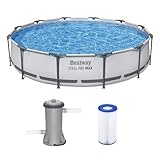
Bestway Steel Pro MAX 12' x 30" Above Ground Swimming Pool Set with Pump | Durable Round Metal Frame Outdoor Backyard Pool, Puncture-Resistant Liner - Type III A/C Filter Cartridge Included, Gray | Check Price On Amazon |
|
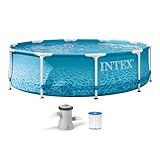
INTEX 28207EH 10ft X 30in Beachside Metal Frame Above Ground Swimming Pool Set, Includes 330 GPH Cartridge Filter Pump, Puncture-Resistant Material, Rust Resistant, 1185 Gallon Capacity | Check Price On Amazon |

|
H2OGO! Kids Splash-in-Shade 8-Foot Round Steel Frame Above Ground Pool with Water Mister and Canopy Sunshade, Green Tropical Leaf Print | Check Price On Amazon |
What Causes Pool Pumps to Lose Prime?
Air infiltration into the suction side of your pool’s circulation system prevents the pump impeller from maintaining the vacuum necessary to draw water from the pool. The pump basket chamber must remain completely sealed and filled with water for the impeller to function properly, creating negative pressure that pulls water through skimmer and main drain lines.
Five primary failure points allow air to enter the system: pump lid o-ring deterioration (accounting for 40% of cases), loose union connections at the pump inlet, cracked suction-side PVC pipes, damaged skimmer gaskets, and worn pump basket housing. Each creates a pathway for atmospheric pressure to equalize with the pump chamber, breaking the vacuum seal essential for proper priming.
Worn Pump Lid O-Ring Seals
The pump lid o-ring creates an airtight seal between the pump housing and removable lid, maintaining vacuum pressure in the pump basket chamber. Chlorine exposure, UV degradation, and normal wear cause o-rings to shrink, crack, or lose elasticity over 12-18 months of operation.
Inspect o-rings monthly for visible cracks, permanent deformation, or hardening that prevents proper sealing. Replace pump lid o-rings annually as preventive maintenance, ensuring the groove remains clean and free of debris that could compromise the seal.
Loose Union Connections and Fittings
Union connections at pump inlet and outlet allow for equipment removal without cutting plumbing, but threaded connections loosen over time from pump vibration and thermal expansion. Even small gaps create sufficient air infiltration to break prime, particularly on the suction side where negative pressure draws air through microscopic openings.
Check union tightness monthly using appropriate wrenches, avoiding over-tightening that can crack plastic components. Apply thread sealant to union threads during reassembly to prevent future loosening and air infiltration.
Cracked Suction-Side Plumbing
Underground PVC pipes from skimmers and main drains to the pump develop hairline cracks from ground settlement, freeze damage, or improper installation. These cracks remain invisible until negative pump pressure draws air through the fractures, causing intermittent or permanent prime loss.
Perform pressure testing on suction lines annually using plumbing pressure test plugs to identify underground leaks before they cause pump damage. Repair methods include pipe replacement, epoxy injection, or pipe lining depending on crack severity and location.
How to Diagnose Pool Pump Priming Problems
Systematic diagnosis begins with visual inspection of the pump basket chamber while the system operates, looking for air bubbles that indicate infiltration points. A properly primed pump maintains a completely water-filled basket chamber with no visible air movement during operation.
Start diagnostics with the pump running to observe real-time air infiltration patterns. Air entering through the pump lid appears as large bubbles rising through the basket chamber, while suction-line leaks create steady streams of fine bubbles that increase with pump speed.

- Intelligent Navigation with Full Coverage: Equipped with 11 high-precision sensors and enhanced dual-path algorithms. The optimized WavePath cleaning pattern ensures systematic coverage with minimal overlap, while adaptive navigation analyzes pool layout in real time to eliminate missed spots
- Dual Filtration for Crystal-Clear Water: Advanced dual-layer filtration system features a replaceable 3-micron ultra-fine filter paired with a 180-micron standard filter. Effectively captures fine dust, sand, leaves, and debris for visibly cleaner and healthier pool water
- Comprehensive Pool Cleaning: Engineered to clean the pool floor, walls, waterline, and shallow areas (above 12 inches). The Caterpillar Treads system enhances mobility and climbing ability, ensuring thorough coverage across all pool zones
- Reliable Performance with 2-Year Warranty: Trusted by over 500,000 pool owners worldwide, this robotic pool cleaner delivers consistent, high-performance results. Built for durability and backed by a 2-year warranty and responsive customer support for worry-free ownership
Visual Air Leak Detection
Remove the pump lid while the system operates (if safe to do so) and observe water level and air bubble patterns in the basket chamber. Consistent water level with no bubbles indicates proper prime, while dropping water levels or continuous bubbling reveals air infiltration.
Document bubble patterns with your phone camera to identify specific leak locations. Large, irregular bubbles typically originate from pump lid seal failures, while steady streams of small bubbles suggest suction-line infiltration requiring underground leak detection.
Pump Basket Water Level Testing
Monitor pump basket water levels during startup and operation using a pump sight glass or clear pump lid for continuous observation. Water levels should remain constant during operation, with only minor fluctuations during skimmer-to-main drain valve transitions.
Dropping water levels indicate air infiltration rates exceeding the pump’s ability to maintain prime. Record water level drop rates over 5-minute intervals to quantify leak severity and prioritize repair urgency based on prime loss speed.
Pressure Gauge Analysis
Install pressure gauges on both suction and discharge sides of the pump to monitor system performance during priming attempts. Properly primed systems show 2-8 PSI suction-side vacuum and 8-25 PSI discharge pressure depending on system head and pump specifications.
Fluctuating gauge readings during operation indicate air infiltration causing pressure instability. Steady low suction pressure with normal discharge pressure suggests minor air leaks, while erratic readings on both gauges indicate major infiltration requiring immediate attention.
Step-by-Step Pool Pump Priming Process
Manual priming requires filling the pump basket chamber with water to displace air and create initial suction for water circulation. This process must be performed correctly to avoid damaging pump components and ensure reliable long-term operation.
Begin priming with the pump completely shut off and electrical power disconnected for safety. Never attempt to prime a running pump, as this can cause injury from rotating components and will not effectively remove air from the system.
| Step | Action | Time Required | Safety Notes |
| 1 | Turn off pump power at breaker | 30 seconds | Verify power disconnect with voltage tester |
| 2 | Remove pump lid and basket | 2 minutes | Clean lid threads and inspect o-ring |
| 3 | Fill chamber with pool water | 3 minutes | Fill completely to eliminate air pockets |
| 4 | Replace basket and secure lid | 2 minutes | Hand-tighten lid to avoid over-torquing |
| 5 | Close discharge valve if present | 30 seconds | Reduces backpressure during startup |
| 6 | Start pump and monitor priming | 3-5 minutes | Never run dry longer than 30 seconds |
Proper Water Filling Technique
Use clean pool water to fill the pump basket chamber completely, ensuring no air pockets remain trapped under the pump basket or in housing corners. Pour water slowly to allow trapped air to escape through the top opening, continuing until water overflows the housing rim.
Replace the pump basket before adding final water to displace air around basket perimeter. Add water until it reaches the housing threads, leaving minimal air space that the pump can evacuate during startup without losing prime.
Pump Startup Monitoring
Start the pump and observe the discharge for water flow within 30-60 seconds of operation. If water flow does not begin within this timeframe, shut off the pump immediately to prevent damage and repeat the priming process with additional water.
Monitor initial operation for 5 minutes to ensure stable prime with consistent water flow and pressure readings. Air bubbles in the basket chamber should dissipate within 2-3 minutes as residual air evacuates through the system.
Common Pool Pump Priming Mistakes to Avoid
Running a pump without sufficient water in the basket chamber causes rapid seal damage and impeller wear from dry operation. Even 30 seconds of dry running can damage mechanical seals, requiring professional pump seal replacement and potentially voiding warranty coverage.
Over-tightening the pump lid distorts the o-ring seal and can crack plastic housing components, creating permanent air leak paths. Hand-tighten the lid until the o-ring compresses evenly, then add only 1/4 turn additional tightening for proper sealing pressure.
Inadequate Water Volume During Priming
Partial filling of the pump chamber leaves air pockets that prevent proper prime establishment, causing the pump to lose suction within minutes of operation. Complete water filling requires 2-3 gallons for most residential pool pumps, depending on housing size and plumbing configuration.
Verify complete filling by observing water overflow from the housing during the final filling stage. This ensures all air spaces are displaced and the impeller can immediately establish suction when started.
Ignoring Safety Procedures
Working on pool pumps without proper electrical disconnection risks electrocution from water contact with energized components. Always disconnect power at the circuit breaker and verify disconnection with a non-contact voltage tester before removing pump components.
Never bypass pump lid safety switches or operate pumps with lids removed, as rotating impellers can cause severe injury. These safety devices prevent pump operation when lids are improperly secured, protecting both equipment and users.
Permanent Solutions for Recurring Prime Loss
Systematic replacement of aging pump components prevents recurring prime loss issues and extends equipment life beyond typical 8-10 year service intervals. Focus on sealing components including o-rings, gaskets, and union connections that deteriorate from chemical exposure and thermal cycling.
Document all repairs and component replacements to establish maintenance schedules and identify patterns that indicate underlying system problems. Recurring issues often indicate improper installation, sizing errors, or hydraulic problems requiring professional evaluation.
Complete Pump Seal System Overhaul
Replace all pump seals, o-rings, and gaskets annually as preventive maintenance using manufacturer-specified replacement parts. Generic seals may not provide proper chemical resistance or dimensional accuracy required for reliable sealing in chlorinated water applications.
Use silicone o-ring lubricant during installation to prevent damage during assembly and ensure proper seating in groove profiles. Document replacement dates and part numbers for future reference and warranty tracking.
Suction-Side Plumbing Upgrades
Install check valves in suction lines to maintain water column and reduce priming requirements during pump startup. Position valves between skimmers and pump to prevent water backflow when the system shuts off.
Upgrade aging PVC plumbing with modern pressure-rated pipe and fittings designed for pool applications. Use proper primer and cement application techniques to ensure leak-free joints that withstand ground movement and thermal stress.
When Pool Pump Priming Problems Indicate Larger Issues
Frequent prime loss despite new seals and proper maintenance procedures indicates hydraulic problems requiring system analysis and potential equipment upgrades. Oversized pumps, inadequate suction line sizing, or excessive system head can create conditions that make prime maintenance difficult or impossible.
Professional evaluation becomes necessary when DIY repairs fail to solve recurring problems or when multiple system components fail simultaneously. Our comprehensive guide on pool pump troubleshooting covers advanced diagnostic procedures for complex system problems.
Pump Sizing and Hydraulic Matching
Pumps sized too large for existing plumbing create excessive suction pressure that can collapse flexible suction lines or draw air through pipe joints. To avoid these issues, you can use a swimming pool pump sizing calculator that accounts for pipe friction, elevation changes, and equipment pressure drops to determine the right pump for your system.
Variable-speed pumps offer better hydraulic matching for existing plumbing systems, reducing suction pressure while maintaining adequate flow for filtration and cleaning. Consider upgrading single-speed pumps experiencing chronic priming issues to variable-speed models with better system compatibility.
System Integration Problems
Multiple equipment malfunctions often indicate electrical problems, inadequate water chemistry maintenance, or installation errors affecting the entire circulation system. Address underlying causes rather than repeatedly repairing individual components to achieve reliable long-term operation.
Pool systems experiencing frequent equipment failures benefit from comprehensive evaluation including water balance testing, electrical system inspection, and hydraulic analysis. Professional assessment can identify root causes and recommend system improvements that prevent recurring problems.
Preventive Maintenance to Avoid Future Priming Issues
Monthly inspection and cleaning procedures prevent most priming problems by identifying component wear before complete failure occurs. Establish maintenance schedules based on equipment age, usage patterns, and environmental conditions affecting your specific pool system.
Document maintenance activities and component conditions to track degradation patterns and optimize replacement schedules. This data helps predict failures and schedule repairs during convenient periods rather than emergency situations.
Monthly Pump Inspection Checklist
Inspect pump lid o-rings for cracks, hardening, or permanent deformation that indicates replacement needs within 30-60 days. Clean o-ring grooves monthly to remove debris and chemical buildup that can compromise sealing effectiveness.
Check union connection tightness using appropriate tools, ensuring connections remain snug without over-tightening that can damage threads. Apply penetrating lubricant to threaded connections if corrosion or mineral buildup makes disassembly difficult.
Seasonal System Maintenance
Perform comprehensive seal replacement during spring opening procedures when pump components are accessible for maintenance. Replace pump baskets showing stress cracks or warping that can affect water flow patterns and debris collection efficiency.
Winter preparation includes complete drainage of pump housing and suction lines to prevent freeze damage that creates microscopic cracks allowing air infiltration. Use appropriate pool-safe antifreeze in lines that cannot be completely drained in freezing climates.
Pool Filter System Impact on Pump Priming
Clogged or damaged pool filters create excessive back-pressure that can interfere with pump priming and cause premature prime loss during operation. Monitor filter pressure gauges regularly to identify cleaning needs before pressure buildup affects pump performance. Selecting the correct filter size for your system is equally important, and you can determine the right specifications using a pool sand filter calculator to ensure optimal flow rates.
Filter problems including damaged cartridge elements, channeling in sand filters, or torn DE filter grids can allow debris bypass that clogs pump baskets and impellers. Address filter maintenance as part of comprehensive pump care to prevent cascading system problems.
Filter Pressure Monitoring
Clean or backwash filters when pressure gauges indicate 8-10 PSI above clean filter starting pressure, maintaining optimal flow rates for effective pump priming and operation. Excessive filter pressure forces pumps to work harder, potentially creating conditions that promote air infiltration.
Replace damaged filter elements immediately to prevent debris circulation that can damage pump components and create hydraulic restrictions affecting prime maintenance. Our detailed guide on pool filter problems covers maintenance procedures for all filter types.
System Flow Rate Optimization
Calculate proper system flow rates based on pool volume and turnover requirements, ensuring pump selection provides adequate circulation without creating excessive suction pressure. Most residential pools require 6-8 hour turnover rates for effective filtration and chemical distribution. For precise calculations tailored to your pool, a pool turnover calculator can help you determine the ideal flow rate for maintaining water clarity and chemical balance.
Adjust variable-speed pump settings to optimize flow rates for different operational modes including filtration, cleaning, and spa operation. Lower speeds reduce suction pressure and extend equipment life while maintaining proper water circulation for pool health.
Troubleshooting Intermittent Priming Problems
Intermittent prime loss often indicates temperature-related seal expansion and contraction, variable water levels affecting skimmer operation, or partial blockages in suction lines that worsen over time. These problems require systematic diagnosis to identify contributing factors and root causes.
Document when prime loss occurs relative to pump operation cycles, ambient temperatures, and pool usage patterns to identify environmental triggers. This information helps focus diagnostic efforts on specific system components or operational conditions.
Temperature-Related Seal Performance
Extreme temperature changes cause pump housing materials and seals to expand and contract at different rates, potentially creating temporary air leak paths that allow prime loss. This effect is most common during seasonal transitions and daily temperature swings exceeding 20°F.
Use temperature-stable seal materials designed for pool applications, avoiding generic hardware store o-rings that may not provide consistent sealing across normal operating temperature ranges. Manufacturer-specified seals account for thermal expansion characteristics of pump housing materials.
Water Level and Skimmer Performance
Low pool water levels expose skimmer openings to air, allowing direct air infiltration into suction lines that causes immediate prime loss. Maintain water levels at skimmer midpoint to ensure proper hydraulic performance and prevent air entrainment during normal operation.
Install skimmer weir doors if missing, as these components prevent reverse flow and air infiltration when pumps shut off. Properly functioning weir doors maintain water columns in suction lines, reducing priming requirements during startup.
Professional vs DIY Pump Priming Repairs
Simple priming procedures and seal replacements fall within typical homeowner capabilities using basic tools and following manufacturer instructions. However, electrical work, underground pipe repairs, and pump motor service require professional expertise for safety and warranty compliance.
Determine repair complexity by assessing tool requirements, safety risks, and potential consequences of improper installation. Professional service becomes cost-effective when considering equipment warranties, safety concerns, and time investment for complex diagnostic procedures.
DIY-Appropriate Repairs
Replace pump lid o-rings, clean basket chambers, and tighten accessible union connections using basic hand tools and replacement parts available from pool supply retailers. These maintenance tasks require minimal technical expertise and can be completed safely by most pool owners.
Prime pump systems following manufacturer procedures, monitor system performance, and perform routine cleaning tasks as part of regular pool maintenance schedules. Document repair activities and component replacements for warranty tracking and future reference.
Professional Service Requirements
Underground leak detection and pipe repair require specialized equipment and expertise to locate problems without causing additional damage to pool decks and landscaping. Professional leak detection services use acoustic equipment and pressure testing to pinpoint problems accurately.
Electrical troubleshooting including motor testing, capacitor replacement, and control system diagnosis requires electrical expertise and proper safety equipment. Improper electrical work can create shock hazards and violate local building codes.
Frequently Asked Questions About Pool Pump Priming
How long should it take for a pool pump to prime?
Quick Answer: A properly functioning pool pump should establish prime within 30-60 seconds of startup when the basket chamber is completely filled with water and all air leaks are eliminated.
Most residential pool pumps prime within one minute when basket chambers are properly filled and suction-side seals remain intact. Longer priming times indicate air infiltration, insufficient water in the pump chamber, or hydraulic problems requiring system evaluation. Never run a pump longer than 30 seconds without establishing water flow, as dry operation damages seals and impeller components.
Variable-speed pumps may require 60-90 seconds for complete priming when starting at low speeds, as reduced impeller speed generates less suction pressure for air evacuation. Consider starting these pumps at medium speed for faster priming, then reducing to desired operational speed once water flow is established.
Why does my pool pump lose prime overnight?
Quick Answer: Overnight prime loss typically results from check valve failure, damaged suction-side plumbing, or worn pump seals allowing air infiltration when system pressure equalizes during shutdown periods.
When pumps shut off, water in suction lines can drain back to the pool through failed check valves or leak paths, requiring repriming at each startup. Install or replace check valves in suction lines to maintain water columns during shutdown periods and reduce priming requirements.
Underground pipe cracks allow air infiltration when system pressure drops during shutdown, breaking the water column in suction lines. These leaks may be too small to detect during operation but allow sufficient air entry to prevent automatic repriming when pumps restart.
Can I add water to my pump while it is running?
Quick Answer: Never add water to a running pump, as this creates safety hazards from electrical shock and rotating impeller exposure. Always shut off power completely before removing pump lids or adding water to basket chambers.
Adding water to operating pumps risks electrocution from water contact with electrical components and serious injury from exposed rotating impellers. Pump safety switches prevent operation with lids removed, but bypassing these devices creates dangerous conditions that can result in severe injury or death.
If a pump loses prime during operation, shut off power immediately and follow proper priming procedures including electrical disconnection, lid removal, water addition, and secure reassembly before restarting. This process typically requires 5-10 minutes but ensures safe operation and prevents equipment damage.
How often should I replace pump seals and o-rings?
Quick Answer: Replace pump lid o-rings annually and inspect monthly for cracks or hardening. Mechanical pump seals typically last 2-3 years with proper maintenance and water chemistry balance.
Chlorine exposure and UV radiation degrade rubber seals over time, with visible cracking or permanent deformation indicating immediate replacement needs. Preventive replacement prevents emergency failures and maintains reliable system operation throughout swimming seasons.
Document replacement dates and part numbers for warranty tracking and maintenance scheduling. Use only manufacturer-specified seals for chemical compatibility and proper dimensional accuracy in pool applications.
What causes air bubbles in my pump basket?
Quick Answer: Air bubbles in pump baskets indicate air infiltration through damaged seals, loose connections, or cracked suction-side plumbing allowing atmospheric pressure to enter the circulation system.
Large, irregular bubbles typically originate from pump lid seal failures, while steady streams of small bubbles suggest suction-line leaks requiring underground leak detection. Observe bubble patterns during operation to identify specific infiltration sources and prioritize repair efforts.
Normal operation should show no visible air movement in properly primed pump baskets. Any consistent bubbling indicates seal failures requiring immediate attention to prevent pump damage from air-induced cavitation and overheating.
Should I be concerned if my pump makes noise when starting?
Quick Answer: Temporary noise during startup is normal as air evacuates from the system, but persistent grinding, squealing, or cavitation sounds indicate mechanical problems requiring immediate attention to prevent damage.
Initial gurgling or air movement sounds during the first 1-2 minutes of operation are normal as residual air evacuates through the filtration system. However, grinding noises may indicate bearing wear, while high-pitched squealing suggests belt or motor problems requiring professional evaluation.
Cavitation sounds like marbles in the pump housing indicate insufficient water flow from air infiltration, clogged suction lines, or excessive suction pressure. Address these conditions immediately, as cavitation causes rapid impeller damage and system component failure.
Can low pool water level cause priming problems?
Quick Answer: Yes, water levels below skimmer midpoint expose suction openings to air, causing immediate prime loss and potential pump damage from air infiltration into circulation systems.
Maintain pool water levels at skimmer midpoint to ensure proper hydraulic performance and prevent air entrainment during normal operation. Water levels more than 2 inches below skimmer openings create conditions that make proper priming impossible regardless of pump condition.
Automatic water leveling systems help maintain consistent water levels and prevent prime loss from evaporation or splash-out during heavy pool usage. Consider installing automatic fill valves if frequent water level adjustment becomes necessary for reliable pump operation.
How do I know if my pump impeller is damaged?
Quick Answer: Damaged impellers cause reduced water flow, unusual pump noises, and difficulty maintaining prime despite proper sealing and water levels. Professional inspection may require pump disassembly for impeller examination.
Symptoms of impeller damage include significantly reduced water flow despite normal pump operation, unusual vibration or noise patterns, and frequent prime loss even with new seals and proper maintenance. Debris damage, cavitation wear, or corrosion can affect impeller performance and system efficiency.
Impeller inspection typically requires pump disassembly and professional service, as accessing internal components involves specialized tools and technical expertise. Document performance changes and unusual symptoms to help service technicians diagnose problems accurately and recommend appropriate repairs.
What tools do I need for basic pump maintenance?
Quick Answer: Basic pump maintenance requires adjustable wrenches, screwdrivers, replacement o-rings, silicone lubricant, and a non-contact voltage tester for electrical safety during component access.
Essential tools include adjustable wrenches for union connections, Phillips and flat-head screwdrivers for clamp rings, and o-ring pick sets for seal removal without damage. Always use proper safety equipment including electrical testers and appropriate protective gear.
Maintain a spare parts inventory including pump lid o-rings, basket components, and basic plumbing fittings to enable immediate repairs when problems occur. Quick response to minor issues prevents equipment damage and maintains reliable pool operation throughout swimming seasons.
When should I call a professional for pump problems?
Quick Answer: Contact professionals for electrical issues, underground leak detection, repeated seal failures, or when DIY repairs fail to resolve priming problems after following proper procedures.
Professional service becomes necessary when safety concerns arise, specialized equipment is required for diagnosis, or warranty considerations affect repair decisions. Electrical work, motor testing, and underground pipe repairs typically exceed homeowner capabilities and require licensed contractor expertise.
Consider service costs versus equipment replacement when pumps experience multiple component failures or chronic problems despite proper maintenance. Professional evaluation can determine whether repair or replacement provides better long-term value and reliability for your specific pool system.
Proper pool pump priming depends on maintaining airtight seals, adequate water levels, and intact suction-side plumbing that allows impellers to create sufficient vacuum for reliable water circulation. Address air infiltration through systematic inspection and component replacement, focusing on pump lid o-rings, union connections, and underground pipe integrity that account for 85% of priming problems.
Start with monthly visual inspections of pump components and immediate attention to air bubbles in basket chambers that indicate seal failures requiring prompt repair. Document maintenance activities and component replacements to establish effective schedules that prevent emergency failures during peak swimming season when reliable pool operation matters most.
| Photo | Best Above-Ground Pools | Price |
|---|---|---|
|
|
Bestway Steel Pro MAX 12' x 30" Above Ground Swimming Pool Set with Pump | Durable Round Metal Frame Outdoor Backyard Pool, Puncture-Resistant Liner - Type III A/C Filter Cartridge Included, Gray | Check Price On Amazon |
|
|
INTEX 28207EH 10ft X 30in Beachside Metal Frame Above Ground Swimming Pool Set, Includes 330 GPH Cartridge Filter Pump, Puncture-Resistant Material, Rust Resistant, 1185 Gallon Capacity | Check Price On Amazon |
|
|
H2OGO! Kids Splash-in-Shade 8-Foot Round Steel Frame Above Ground Pool with Water Mister and Canopy Sunshade, Green Tropical Leaf Print | Check Price On Amazon |