
Most pool contractor horror stories start the same way. The homeowner signed after one meeting, handed over a deposit, and never checked a single reference.
| Photo | Best Above-Ground Pools | Price |
|---|---|---|
|
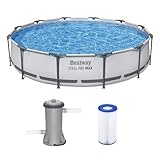
Bestway Steel Pro MAX 12' x 30" Above Ground Swimming Pool Set with Pump | Check Price On Amazon |
|
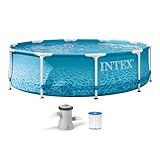
INTEX Beachside Metal Frame 10ft x 30in Round Pool Set w/Pump | Check Price On Amazon |

|
H2OGO! Kids Splash-in-Shade 8-Foot Round Steel Frame Above Ground Pool with Water Mister and Canopy Sunshade, Green Tropical Leaf Print | Check Price On Amazon |
Choosing a pool contractor is not about finding someone who can dig a hole and fill it with water. It is about finding someone who will still answer your calls two years after the plaster cures.
This guide covers every question to ask before you hire, how to verify credentials and insurance, how to compare bids line by line, what a legally sound contract must include, how payment schedules protect you, and the red flags that signal trouble before it starts.
What Makes Choosing the Right Pool Contractor the Most Important Decision You Will Make?
A pool is a permanent structure that involves excavation, plumbing, electrical work, concrete or fiberglass installation, and complex equipment integration. Hire the wrong contractor and the problems may not surface for two or three years.
By then, the contractor may have closed their business, changed their phone number, or simply stopped responding. This happens more often than most homeowners realize.
The Pool and Hot Tub Alliance (PHTA) estimates that improper pool installation accounts for over 60% of major repair costs within the first five years of ownership. A cracked shell, a settling deck, or improperly bonded electrical equipment can cost $5,000 to $25,000 to fix.
Choosing the right contractor is not about the lowest price. It is about finding a licensed, insured professional with a documented track record who uses a legally sound contract and follows current PHTA and National Electrical Code standards for pool construction.
Pool bonding and grounding requirements are particularly critical. Improper bonding creates an electrocution risk in and around pool water. A qualified contractor follows these standards without cutting corners.
What Questions Should You Ask a Pool Contractor Before Signing Anything?
Ask these questions during your first meeting. A contractor who answers them clearly and without hesitation is already ahead of most competitors. A contractor who deflects, gives vague answers, or pressures you to sign immediately should be eliminated from consideration.
These questions are the minimum. Do not skip any of them, and document the answers in writing.
Question one: how long have you been building pools in this area under your current business name and license number? Contractors who change business names every few years may be escaping bad reviews, lawsuits, or warranty obligations. Ask for the exact legal business name and verify it with your state’s contractor licensing board before the meeting ends.

- Intelligent Navigation with Full Coverage: Equipped with 11 high-precision sensors and enhanced dual-path algorithms. The optimized WavePath cleaning pattern ensures systematic coverage with minimal overlap, while adaptive navigation analyzes pool layout in real time to eliminate missed spots
- Dual Filtration for Crystal-Clear Water: Advanced dual-layer filtration system features a replaceable 3-micron ultra-fine filter paired with a 180-micron standard filter. Effectively captures fine dust, sand, leaves, and debris for visibly cleaner and healthier pool water
- Comprehensive Pool Cleaning: Engineered to clean the pool floor, walls, waterline, and shallow areas (above 12 inches). The Caterpillar Treads system enhances mobility and climbing ability, ensuring thorough coverage across all pool zones
- Reliable Performance with 2-Year Warranty: Trusted by over 500,000 pool owners worldwide, this robotic pool cleaner delivers consistent, high-performance results. Built for durability and backed by a 2-year warranty and responsive customer support for worry-free ownership
Question two: can you provide the names, phone numbers, and addresses of five customers whose pools you completed two to five years ago? Recent completions look nice, but older installations reveal how the work holds up. Call at least three of these references and ask specific questions about cracks, leaks, equipment failures, and whether the contractor returned to fix problems after final payment.
Question three: who will be on my job site every day, and are they your employees or subcontractors? Many pool contractors use subcontractors for excavation, plumbing, electrical, and plaster work. This is not necessarily bad, but you need to know who is responsible for each phase.
Question four: do you carry workers’ compensation insurance for every person who will step onto my property? If an uninsured worker gets injured on your property, your homeowner’s insurance may be liable. Ask for a current certificate of insurance and call the carrier to verify it is active.
Question five: what is your process for handling change orders, unforeseen conditions like rock or high groundwater, and schedule delays? Every pool build encounters surprises. The difference between a good contractor and a bad one is how they handle them.
For a complete overview of the entire pool building process from start to finish, understanding every phase of pool construction helps you ask smarter questions before excavation even begins.
How to Verify a Pool Contractor’s Credentials and Track Record
Asking questions is only the first step. Verification is what separates homeowners who get a great pool from those who end up in court. Every answer a contractor gives must be independently confirmed.
Start with your state’s contractor licensing board website. Enter the license number the contractor provided and confirm it is active, in good standing, and matches the business name on the contract.
Step-by-Step Guide
How to Verify a Pool Contractor — Step by Step
6 steps — Estimated time: 2 to 3 hours total
Check the state contractor license board
Visit your state’s official licensing website and search by license number. Look for active status, bond amounts, complaint history, and any disciplinary actions.
Call the insurance carrier directly
Contractors can provide fake insurance certificates. Call the carrier listed on the certificate, give them the policy number, and confirm the policy is active with at least $2 million in general liability coverage.
Contact at least three past clients from 2 to 5 years ago
Call, do not email. Ask: Did the pool develop any cracks? Did equipment fail? Did the contractor return for warranty work? Would you hire them again?
Visit a current job site unannounced
Ask the contractor for the address of a pool currently under construction. Drive by and observe: Is the site clean and organized? Are workers wearing safety gear? Is the excavation properly shored?
Check local building department records
Visit your local building department and ask if the contractor has a history of failed inspections, permit violations, or unresolved code issues on past pool projects.
Search court records for lawsuits
Most county court systems have online search tools. Search the contractor’s business name and the owner’s personal name. A history of construction defect lawsuits is a disqualifying red flag.
For electrical work specifically, pool equipment must meet strict code requirements. Understanding pool electrical requirements before your build starts helps you confirm that your contractor’s electrician follows current NEC standards for bonding, grounding, and GFCI protection.
Red Flags: What Warning Signs Signal a Bad Pool Contractor?
Some warning signs are obvious. A contractor who asks for a 50% or larger deposit before starting work is violating industry norms. The PHTA recommends a deposit of no more than 10% to 30% of the total contract price, with payments tied to completed construction milestones.
Other red flags are more subtle but equally dangerous. A contractor who cannot produce a current insurance certificate within 24 hours of your request is almost certainly uninsured. Do not accept excuses about the insurance agent being on vacation or the policy being renewed.
A third red flag is a contractor who refuses to provide the addresses of current job sites. Legitimate contractors are proud of their work and happy to show it. A refusal usually means the work is substandard or the job sites do not exist.
A fourth red flag is a contract that is less than five pages long. A legitimate pool construction contract must address excavation, soil conditions, plumbing specifications, electrical bonding, equipment brands and models, decking materials and dimensions, plaster or finish specifications, change order procedures, payment milestones, warranty terms, and dispute resolution procedures. Anything shorter is missing critical protections.
Many pool installation mistakes can be avoided simply by recognizing these warning signs early. Learning the most common pool installation mistakes homeowners make gives you a checklist of what to watch for before and during construction.
Myth vs Fact
Pool Contractor Hiring — Common Myths Debunked
Separating fact from fiction on the most common contractor selection misconceptions
✗ Myth
The contractor with the most five-star online reviews is the best choice.
✓ Fact
Online reviews can be faked, bought, or filtered. A 2019 BrightLocal survey found that 82% of consumers read online reviews, but the FTC has documented widespread fake review schemes in the home improvement industry. Always verify reviews by cross-referencing with state licensing board complaint records and direct reference calls.
✗ Myth
A state contractor license means the contractor is qualified and trustworthy.
✓ Fact
A license proves the contractor passed a test and paid a fee. It does not guarantee quality work, ethical behavior, or financial stability. Many states do not require pool-specific licensing separate from general contracting, so a licensed general contractor may have no pool-specific experience at all.
✗ Myth
The lowest bid is the best value.
✓ Fact
A bid that is 20% or more below the average of three to five bids almost always signals corners being cut. Common shortcuts include thinner concrete, lower-grade rebar, undersized plumbing, or cheaper equipment that will cost more to operate over time. The true cost of a pool includes construction quality plus long-term operating and repair costs.
✗ Myth
Once the contract is signed, the contractor handles everything and you can relax.
✓ Fact
Pool construction requires ongoing homeowner oversight. Photograph every phase before it gets covered up. Confirm that rebar spacing, plumbing depth, bonding wire connections, and equipment specifications match the contract. Mistakes buried under concrete or plaster are exponentially more expensive to fix later.
How to Compare Pool Contractor Bids Without Getting Tricked
Comparing pool contractor bids is not as simple as looking at the bottom-line number. Two bids that appear $15,000 apart may actually represent identical scope if you know how to read the line items. One contractor includes equipment, electrical, decking, and plaster in the base price. The other buries them in allowance items that inflate the final cost.
Every bid must include a detailed scope of work that specifies every material, every brand, every model number, and every quantity. A bid that says “pool pump” with no brand or model is a blank check for the contractor to install the cheapest option available.
Create a spreadsheet with every line item from every bid. Compare them side by side. Look for missing items rather than price differences. A contractor who omits electrical bonding, deck steel reinforcement, or a proper drainage plan from the bid is not cheaper. They are hiding costs that will appear as change orders later.
Pool costs vary significantly by type, size, and region. Understanding the full range of swimming pool costs by type and region helps you spot bids that are unrealistically low or suspiciously high before you waste time on contractors who cannot deliver.
For a personalized estimate based on your specific project location and size, try our inground pool cost calculator to see a price range tailored to your area.
For homeowners deciding between pool types, the cost differences are substantial. Comparing above-ground versus inground pool costs line by line reveals where the money goes and which type fits your budget realistically.
By the Numbers
Pool Contractor Selection — What the Research Shows
Sources: Better Business Bureau, PHTA, National Association of Home Builders
What Should a Pool Contract Include (and What Gets Left Out)?
A legally adequate pool contract must address at least fifteen specific items. Most contracts presented to homeowners are missing at least five of them. Here is what must be in writing before you sign anything.
Item one: a complete scope of work with every material specified by brand, model, quantity, and dimension. This includes the pool shell type and dimensions, plumbing pipe size and schedule, pump brand and horsepower, filter type and square footage, heater BTU rating, sanitization system type, decking material and square footage, plaster or finish type and color, and tile type and quantity. Once you have these equipment specifications, double-check the recommended pump size with a pool pump sizing calculator to confirm it matches your pool’s flow requirements.
Item two: a detailed site plan showing the pool location, setbacks from property lines, equipment pad location, electrical and gas line routes, drainage plan, and any retaining walls or grade changes. This plan should be stamped by an engineer if required by your local building department.
Item three: a payment schedule tied to completed construction milestones, not calendar dates. Typical milestones include excavation complete, steel and plumbing rough-in complete, gunite or shotcrete complete, tile and coping complete, deck complete, plaster complete, and equipment startup and orientation complete.
Item four: a change order procedure that requires every change, no matter how small, to be documented in writing, signed by both parties, and priced before the work begins. Verbal change orders are not enforceable and are the source of most contractor disputes.
Item five: a warranty section that specifies exactly what is covered, for how long, and who performs the warranty work. Structural shell warranties typically run 10 to 25 years depending on pool type. Equipment warranties are manufacturer warranties and should be registered in your name, not the contractor’s.
Pool bonding and grounding must be explicitly addressed in the contract and scope of work. Pool bonding is required by the National Electrical Code and exists to equalize electrical potential around the pool, preventing shocks that can be fatal. Your contract must specify that all bonding will be completed per current NEC Article 680 requirements.
How Pool Contractor Payment Schedules Should Work
A proper payment schedule protects both parties. The homeowner never pays more than the value of completed work, and the contractor receives steady payments to cover materials and labor without taking on excessive financial risk.
The deposit should be 10% to 30% of the total contract price, with most reputable contractors asking for around 20%. In some states, the maximum deposit for home improvement contracts is capped by law. California, for example, limits the down payment to 10% or $1,000, whichever is less.
To plan your overall financial commitment, a pool loan and payment calculator can help you map out monthly payments beyond the initial deposit.
The remaining payments should be tied to visible construction milestones. Never agree to a payment schedule based on calendar dates. Calendar-based payments can leave you owing money for work not yet completed if the project falls behind schedule.
Hold back at least 10% of the total contract price until final inspection passes, the punch list is complete, and you have received lien releases from all subcontractors and material suppliers. A lien release is a legal document stating that the subcontractor or supplier has been paid and waives their right to place a mechanic’s lien on your property.
Buying Guide
Before You Sign — Pool Contractor Contract Checklist
Check off each point before signing the contract. Every unchecked item is a risk.
Common Mistakes Homeowners Make When Hiring a Pool Contractor
The most expensive mistake is signing a contract after meeting only one contractor. You must get bids from at least three licensed contractors. A single bid gives you no basis for comparing price, scope, or professionalism. Three bids reveal the market range for your project and expose outliers who are either cutting corners or overcharging.
The second mistake is failing to visit completed projects in person. Photos on a website or in a portfolio book show pools at their best, on the day they were finished. Visiting a pool that is three years old tells you how the plaster is holding up, whether the deck has settled, and whether the equipment is still functioning properly.
The third mistake is allowing the contractor to pull permits in their name without verifying that inspections will be scheduled and passed. Every major phase of pool construction requires a building inspection. Failed inspections that are not corrected become your problem, not the contractor’s, if the contractor walks away.
Beyond the construction price, many homeowners underestimate the monthly maintenance and utility expenses that come with pool ownership. Using a pool ownership cost calculator gives you a realistic estimate of what you’ll spend on chemicals, electricity, and water each month.
A fourth common mistake involves long-term operating costs. If you are considering a saltwater system, comparing saltwater and chlorine pool costs over a ten-year period can reveal thousands of dollars in difference that affects which equipment your contractor should install.
Buying Guide
Ask Yourself These Questions Before You Hire
Tap each card to reveal what your answer means for your contractor decision.
Frequently Asked Questions About Choosing a Pool Contractor
What is the difference between a pool contractor license and a general contractor license?
Quick Answer: A pool contractor license requires specific testing and experience in pool construction, including knowledge of hydraulic engineering, water chemistry systems, bonding and grounding requirements, and pool-specific building codes. A general contractor license covers broader construction but may indicate zero pool-specific expertise.
Many states offer a distinct pool contractor classification, often designated as a C-53 or similar specialty license. This classification requires the contractor to demonstrate at least four years of pool construction experience and pass a trade-specific exam.
A general contractor with no pool-specific license may legally build your pool in many jurisdictions, but they lack the demonstrated expertise that a specialty license proves. Always ask whether the contractor holds a pool-specific license and verify it with the state board.
Can I act as my own general contractor and hire subcontractors directly to save money?
Quick Answer: Yes, but this approach typically saves 10% to 20% of the project cost while exposing you to full legal and financial liability for every subcontractor, permit, and inspection. Most homeowners underestimate the coordination complexity and overestimate the savings.
Acting as your own general contractor means you are responsible for scheduling each trade in the correct sequence, verifying each subcontractor’s license and insurance, pulling permits, scheduling inspections, and managing disputes between trades. A single scheduling error can delay the project by weeks and create conflicts between subcontractors who charge for wasted trips.
If a subcontractor you hire directly is injured on your property and lacks workers’ compensation insurance, your homeowner’s insurance is the sole source of coverage. For most homeowners, the modest savings do not justify the risk and time commitment. This option is most viable for homeowners with construction industry experience who already have relationships with reliable subcontractors.
Why does my pool contractor want a large deposit before starting work?
Quick Answer: A deposit above 30% of the total contract price is a red flag. Reputable contractors typically request 10% to 30%, with 20% being the most common industry standard. A larger deposit request often signals cash flow problems or an intention to use your money to finish another project.
Some states legally cap deposits for home improvement contracts. California limits deposits to 10% or $1,000, whichever is less. Other states allow higher percentages. Check your state’s specific limits before negotiating.
If a contractor asks for more than 30%, ask specifically what the money will be used for. If they cite material costs, offer to pay the material supplier directly in exchange for the materials being delivered to your property. A legitimate contractor will usually accept this arrangement. A contractor who refuses has a reason for wanting unrestricted access to your deposit.
How do I know if the pool equipment my contractor is installing is actually the equipment specified in the contract?
Quick Answer: Photograph the model number and serial number label on every piece of equipment on installation day, before the contractor leaves the site. Compare these numbers to the contract specifications before signing off on the equipment installation milestone payment.
Equipment substitution is one of the most common contractor shortcuts. A contract specifies a variable speed pump from a major brand, but the contractor installs a single-speed pump from a budget brand with a similar appearance. The difference in annual operating cost can exceed $500 per year.
Keep a comprehensive pool test kit ready for startup day. Proper chemical balancing starts the moment the pool is filled.
What should I do if my pool contractor abandons the project mid-construction?
Quick Answer: Document the state of construction with dated photographs immediately. Contact your state contractor licensing board to file a complaint. Contact your local building department to determine the status of permits and inspections. Do not pay any additional money until you have legal advice.
Contractor abandonment is a recognized legal problem in construction law. Most states have a recovery fund administered by the contractor licensing board that can compensate homeowners for losses caused by licensed contractors who abandon projects or perform substandard work.
Before hiring a new contractor to complete the work, have the existing construction inspected by an independent pool engineer. Some phases of work may need to be demolished and rebuilt if the original contractor made errors that were covered by subsequent work.
Can I use bleach instead of pool chlorine in a new pool?
Quick Answer: Yes, household bleach and liquid pool chlorine are chemically identical as sodium hypochlorite solutions differing only in concentration. Pool chlorine is typically 10% to 12.5% sodium hypochlorite. Household bleach is typically 6% to 7.5%. You need roughly twice as much household bleach to achieve the same free chlorine increase.
Household bleach must be unscented and free of thickeners, fragrances, or splashless additives. These additives can cause foaming, staining, and filter problems. Always check the label for inactive ingredients.
For a new pool, using liquid chlorine rather than stabilized chlorine tablets prevents cyanuric acid levels from rising too quickly during the first season. This is important because high CYA levels above 80 ppm reduce chlorine effectiveness and require partial draining to correct. To calculate the precise amount of chlorine (or bleach) your pool needs, use our swimming pool chlorine calculator.
What is the difference between a pool contractor warranty and a manufacturer warranty?
Quick Answer: A contractor warranty covers workmanship, such as cracks in the shell, deck settlement, or plumbing leaks caused by installation errors. A manufacturer warranty covers equipment defects, such as a pump motor that fails or a filter tank that cracks. Manufacturer warranties must be registered in the homeowner’s name to be valid.
Contractor workmanship warranties typically last 1 to 3 years. Structural shell warranties on gunite pools typically run 10 to 25 years and are backed by the contractor’s obligation to repair or replace defective work. Confirm whether the warranty is transferable if you sell the home.
Equipment manufacturer warranties vary by brand and product line. Variable speed pump warranties from major manufacturers often run 2 to 3 years. Heaters and salt chlorine generators typically carry 1 to 2 year warranties. Register every piece of equipment online within 30 days of installation to activate the full warranty term.
Why does my pool contractor require a separate electrical subcontractor?
Quick Answer: Pool electrical work, including bonding, grounding, GFCI protection, and equipment wiring, requires a licensed electrician with specific knowledge of National Electrical Code Article 680. Most pool contractors are not licensed electricians and must subcontract this work to comply with state law and insurance requirements.
This is standard practice and not a red flag. However, you should verify that the electrical subcontractor carries their own license and insurance, and that their work is covered by the prime contractor’s warranty. Ask for the electrician’s license number and verify it independently.
Bonding errors are among the most dangerous defects in pool construction. An improperly bonded pool can have voltage differences between the water and metal components such as ladders, handrails, or light fixtures. This creates a shock hazard that can cause paralysis and drowning. The electrical subcontractor must demonstrate specific pool bonding experience.
How long should a pool contractor take to complete an inground pool?
Quick Answer: A standard inground gunite pool takes 8 to 12 weeks from excavation to plaster under normal conditions. Fiberglass pools take 4 to 6 weeks. Vinyl liner pools take 6 to 8 weeks. Weather delays, permit backlogs, and unforeseen site conditions can extend these timelines by 2 to 4 additional weeks.
The contract should specify an estimated completion date with a reasonable allowance for weather delays. A contractor who promises a complete inground gunite pool in 4 weeks is either cutting critical curing times or is not being honest about the timeline.
Gunite and shotcrete require a minimum curing period of 7 days before tile and coping installation begins, and plaster requires 28 days to achieve full cure strength before the pool should be heated. Skipping these curing periods causes long-term structural and finish problems.
Is it safe to pay a pool contractor in cash to get a discount?
Quick Answer: No. Cash payments are untraceable and provide no legal protection. A contractor offering a significant discount for cash payment is almost certainly evading taxes, avoiding insurance requirements, or both. If a dispute arises, you will have difficulty proving what you paid.
All payments should be made by check or traceable electronic transfer. Every payment should be documented with a receipt that includes the date, amount, payment method, and the construction milestone it applies to. This documentation is essential if you need to file a claim with the contractor licensing board or pursue legal action.
A contractor who insists on cash payments may also be operating without workers’ compensation insurance, which exposes you to liability for any worker injured on your property. The short-term discount is not worth the long-term risk.
What permits are required for a residential pool installation?
Quick Answer: Most jurisdictions require a building permit, an electrical permit, and a plumbing permit at minimum. Some also require a grading permit, a fence permit for the required safety barrier, and a separate permit for gas line installation if you are installing a gas heater. Your contractor should pull all permits in their name.
Permit requirements vary by city and county. A reputable contractor knows the local requirements and handles the permit process as part of the contract. If a contractor suggests skipping permits to save money and time, eliminate them from consideration immediately.
Unpermitted pool construction creates problems when you sell the home, file an insurance claim, or need to make repairs that require inspection. Unpermitted work may also violate local zoning setbacks from property lines, easements, or utility corridors, creating legal liability that can force pool removal.
Can I negotiate the price with a pool contractor after receiving a bid?
Quick Answer: Yes, but negotiate by adjusting scope rather than asking for an across-the-board discount. Reduce square footage of decking, choose a less expensive plaster finish, or downgrade to a single-speed pump. A contractor who immediately agrees to a large discount without reducing scope is revealing that the original bid was inflated.
The most productive negotiation approach is to present the contractor with competing bids and ask if they can match or beat a specific line item. This gives the contractor a concrete target rather than an open-ended request for a lower price.
Never negotiate by threatening to hire someone else or by misrepresenting competing bids. Pool contractors in a given area often know each other and may discuss bids. An honest negotiation based on specific scope adjustments builds a better working relationship than aggressive price demands.
What happens if my pool contractor goes out of business during construction?
Quick Answer: If the contractor was licensed and bonded, your state contractor licensing board’s recovery fund may cover some or all of your losses, typically up to a statutory cap that varies by state. Contact the licensing board immediately and provide all documentation of payments made and work completed.
If the contractor was not bonded or the bond amount is insufficient, you will need to hire a new contractor to complete the work. This often costs more than the remaining contract balance because the new contractor must inspect and potentially correct work completed by the previous contractor.
This is why verifying bond amounts before signing the contract is critical. A bond is an insurance policy that protects the homeowner if the contractor fails to complete the project. Ask for the bond number and amount, and verify it with the issuing surety company.
In selecting a pool contractor, you are making a decision that affects your property value, your family’s safety, and your enjoyment of your home for decades. The time you spend verifying credentials, checking references, and reviewing contracts is the best investment you will make in your pool project. A contractor who welcomes your diligence is a contractor worth hiring. A contractor who resists it is a contractor worth avoiding.
| Photo | Best Above-Ground Pools | Price |
|---|---|---|
|
|
Bestway Steel Pro MAX 12' x 30" Above Ground Swimming Pool Set with Pump | Check Price On Amazon |
|
|
INTEX Beachside Metal Frame 10ft x 30in Round Pool Set w/Pump | Check Price On Amazon |
|
|
H2OGO! Kids Splash-in-Shade 8-Foot Round Steel Frame Above Ground Pool with Water Mister and Canopy Sunshade, Green Tropical Leaf Print | Check Price On Amazon |