A solar pool cover can raise your water temperature by 10 to 15 degrees Fahrenheit and cut evaporation losses by up to 95 percent, yet many pool owners roll theirs up after one season because they are not using it correctly. To estimate your own pool’s evaporation rate, try our pool water evaporation calculator. This guide explains exactly how a solar pool cover works, how to install and use one the right way, and what realistic results you can expect based on your pool size, climate, and usage habits.
Understanding the mechanics behind heat retention and evaporation control is the difference between a cover that pays for itself within one season and one that sits folded in your garage.
| Photo | Best Above-Ground Pools | Price |
|---|---|---|
|
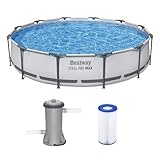
Bestway Steel Pro MAX 12' x 30" Above Ground Swimming Pool Set with Pump | Check Price On Amazon |
|
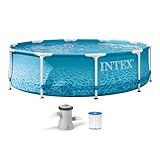
INTEX Beachside Metal Frame 10ft x 30in Round Pool Set w/Pump | Check Price On Amazon |

|
H2OGO! Kids Splash-in-Shade 8-Foot Round Steel Frame Above Ground Pool with Water Mister and Canopy Sunshade, Green Tropical Leaf Print | Check Price On Amazon |
What Is a Solar Pool Cover and How Does It Work?
A solar pool cover (also called a solar blanket or bubble wrap pool cover) is a UV-stabilized polyethylene sheet with thousands of air-filled bubbles on the underside that floats directly on the pool water surface. The bubbles trap solar radiation and conduct heat into the water while the solid upper layer slows evaporation and reduces overnight heat loss.
Solar pool covers are a type of passive solar heating accessory, meaning they collect and retain heat without any mechanical components or energy consumption. A solar blanket consists of the polyethylene sheet, an optional solar cover reel, and water-weighted bags or anchor straps to keep it positioned correctly.
Solar pool covers differ from safety pool covers and winter covers in one fundamental way: they are designed for active swimming seasons, not for child protection or debris blocking during pool closure. A solar blanket works with your existing pool heating system (gas heater, electric heat pump, or solar panels) to extend the hours your pool holds heat.
The cover causes water temperature to rise by two mechanisms. First, the transparent or semi-transparent upper surface allows sunlight to pass through and warm the water below. Second, the air-bubble layer insulates the water surface against wind-driven evaporative cooling, which accounts for 70 to 80 percent of all pool heat loss according to the U.S. Department of Energy.
Solar pool covers are a type of passive pool heating system and belong to the broader category of pool energy conservation equipment alongside pool heat pumps, solar water heating panels, and liquid solar blankets.
Does a Solar Pool Cover Really Work? What the Numbers Show
Solar pool covers genuinely work, delivering measurable temperature gains of 10 to 15 degrees Fahrenheit in full-sun conditions over a 12-hour period, with overnight heat retention of 5 to 8 degrees compared to an uncovered pool of the same volume. The U.S. Department of Energy documents that pool covers reduce evaporative heat loss by 50 to 70 percent on average, with high-quality bubble covers achieving closer to 95 percent evaporation reduction.
These figures vary based on several specific factors: solar hours available at your location, pool surface area, water depth, air temperature differential between day and night, and cover thickness (measured in mils). A 12-mil cover retains heat more effectively overnight than an 8-mil cover because the thicker bubble layer provides greater insulation value.
The following table shows realistic temperature gain expectations by region and pool type based on published solar resource data from the National Renewable Energy Laboratory (NREL).
| Region / Climate | Daily Temp Gain (Covered) | Overnight Retention | Best Cover Thickness |
|---|---|---|---|
| Southern US (FL, TX, AZ) | 12 to 18°F gain | 5 to 8°F retained | 8 mil |
| Mid-Atlantic / Midwest | 8 to 12°F gain | 4 to 6°F retained | 12 mil |
| Pacific Northwest | 5 to 9°F gain | 3 to 5°F retained | 16 mil |
| Northeast US (NY, MA, CT) | 6 to 10°F gain | 3 to 6°F retained | 12 to 16 mil |
These gains are documented for pools without supplemental heating. If you run a gas heater or electric heat pump alongside a solar cover, the cover reduces your heater run time by 50 to 70 percent, which is where the most significant cost savings appear.
The following statistics highlight what solar pool covers deliver in practice across residential pool installations.

- Intelligent Navigation with Full Coverage: Equipped with 11 high-precision sensors and enhanced dual-path algorithms. The optimized WavePath cleaning pattern ensures systematic coverage with minimal overlap, while adaptive navigation analyzes pool layout in real time to eliminate missed spots
- Dual Filtration for Crystal-Clear Water: Advanced dual-layer filtration system features a replaceable 3-micron ultra-fine filter paired with a 180-micron standard filter. Effectively captures fine dust, sand, leaves, and debris for visibly cleaner and healthier pool water
- Comprehensive Pool Cleaning: Engineered to clean the pool floor, walls, waterline, and shallow areas (above 12 inches). The Caterpillar Treads system enhances mobility and climbing ability, ensuring thorough coverage across all pool zones
- Reliable Performance with 2-Year Warranty: Trusted by over 500,000 pool owners worldwide, this robotic pool cleaner delivers consistent, high-performance results. Built for durability and backed by a 2-year warranty and responsive customer support for worry-free ownership
By the Numbers
Solar Pool Cover Performance – What the Research Shows
Sources: U.S. Department of Energy, Pool and Hot Tub Alliance (PHTA), National Renewable Energy Laboratory
Solar Pool Cover Types: Which One Should You Choose?
Solar pool covers fall into four main categories, each with different heat gain potential, durability, and price points. Choosing the wrong type for your climate and pool configuration is the most common reason pool owners report disappointing results.
Bubble-Style Solar Blankets (Most Common)
Bubble-style solar blankets are the standard rectangular solar pool blanket that most pool owners recognize, constructed from polyethylene with air-filled bubbles on the underside and available in thicknesses from 8 mil to 16 mil. The 12-mil thickness represents the best balance of heat retention and durability for most residential inground pools in temperate climates.
Clear covers transmit the most solar radiation and produce the highest water temperature gains. Blue or blue-silver covers absorb more heat in the cover itself and produce slightly lower gains, but the blue-silver (metallic) versions reflect radiant heat back into the water at night, making them superior in climates with cold nighttime temperatures below 55 degrees Fahrenheit.
Solar Sun Rings
Solar sun rings are circular inflatable discs, typically 5 feet in diameter, made from UV-resistant vinyl that magnetically connect to each other and collectively cover the pool surface. They work best for irregularly shaped pools where cutting a rectangular blanket is impractical.
Solar sun rings typically deliver 60 to 70 percent of the heat gain produced by a full blanket because the gaps between rings allow heat to escape. They cost approximately $15 to $25 per ring, and a 16-foot by 32-foot pool requires approximately 20 rings for adequate coverage.
Liquid Solar Blankets
Liquid solar blankets use a biodegradable alcohol-based compound (typically a 1-hexadecanol derivative) that self-distributes across the water surface and forms an invisible monomolecular film that reduces evaporation by 30 to 40 percent. Unlike bubble covers, liquid solar products like Natural Chemistry Cover Free and Ecosavr leave the pool fully accessible.
According to research cited by the Pool and Hot Tub Alliance (PHTA), liquid covers produce about one-third the evaporation reduction of a physical bubble blanket, making them best suited as a supplemental measure between swimming sessions rather than a primary heat retention solution.
Foam Solar Covers
Foam-core solar covers use a closed-cell foam layer instead of air bubbles, providing R-values of 2.0 to 3.5 depending on foam thickness compared to bubble covers at R-0.5 to R-1.0. This greater insulation value makes foam covers the strongest overnight heat retention option, but the additional weight (approximately 1.2 to 1.8 pounds per square foot for a 16-foot by 32-foot pool) makes daily removal without a motorized reel system impractical for most homeowners.
How to Use a Solar Pool Cover: Step-by-Step Instructions
Correct installation and daily use habits determine whether your solar cover delivers maximum performance. The steps below cover the entire process from measuring and cutting to daily operation and storage for a residential inground pool.
The following step-by-step guide applies to standard bubble-style solar blankets on inground and above-ground pools.
Step-by-Step Guide
How to Install and Use a Solar Pool Cover – Step by Step
8 steps – Estimated total time: 30 to 45 minutes for initial setup, 2 to 5 minutes per daily use
Measure your pool and select the correct cover size
Measure pool length and width at the widest points, including any irregular shapes or steps. Purchase a cover that is slightly larger than your pool measurements, since you will trim it to fit during installation. Standard sizes include 16×32 feet, 18×36 feet, and 20×40 feet for common rectangular inground pools.
Orient the cover with bubbles facing down into the water
Place the solar cover on the pool with the bubble side facing down and touching the water surface. The flat, smooth side faces up toward the sun. This orientation is critical: bubbles-up reduces the heat transfer efficiency by up to 30 percent because the air layer then insulates the water from the warm upper surface rather than conducting heat toward the water.
Trim the cover to fit your pool shape
Use sharp scissors or a utility knife to trim the cover along the pool edge, cutting around steps, ladders, and irregular shapes. Leave a 2-inch overlap over the pool edge on all sides to prevent the cover from sliding into the pool in windy conditions. For kidney-shaped or freeform pools, take a cardboard template of the pool outline before purchasing the cover.
Install a solar cover reel for daily handling
Attach the cover to a solar pool cover reel system positioned at one end of the pool. Reel systems reduce daily removal time from 10 to 15 minutes (by hand) to 2 to 3 minutes with one person. For pools 20 feet wide or wider, a two-person reel or a motorized reel is recommended to avoid tearing the cover during repeated removal.
Cover the pool immediately after each swim session
Replace the solar cover as soon as swimming is finished, including during daytime breaks. Every hour the pool surface is uncovered at 80 degrees Fahrenheit with moderate wind loses approximately 1 to 3 BTUs per square foot per hour through evaporation. For a 400-square-foot pool, that equals 400 to 1,200 BTUs of heat loss per hour from evaporation alone.
Remove the cover before adding pool chemicals
Always remove the solar cover before adding pool shock (calcium hypochlorite), liquid chlorine, or pH chemicals. High-chlorine concentrations against the cover surface degrade the polyethylene and reduce cover lifespan from a typical 3 to 5 years down to as little as 1 to 2 seasons. Run the pump for 2 to 4 hours after chemical additions before replacing the cover.
Store the cover correctly when rolled up
When removed, store the rolled cover in a shaded location or use a solar cover storage bag to protect it from direct UV exposure when not in use. Prolonged UV exposure while stored (not on the pool) degrades the polyethylene faster than normal pool-use UV exposure because there is no water cooling effect to dissipate heat buildup inside the rolled cover.
Monitor water chemistry weekly despite the cover
A solar cover reduces but does not eliminate the need for routine water testing. Test pool water chemistry every 5 to 7 days when the cover is in use. Solar covers reduce chlorine consumption by 30 to 50 percent by blocking UV degradation, but pH drift and total alkalinity changes continue at a slower rate and still require adjustment to keep free chlorine in the 2 to 4 ppm range.
Bubble Side Up or Down: The Most Misunderstood Solar Cover Rule
The bubbles on a solar pool cover must always face down, directly contacting the water surface. This single installation detail is misunderstood by a significant portion of first-time cover users, and getting it wrong reduces heat transfer efficiency by 25 to 30 percent.
The physics explanation is straightforward. The bubbles act as a heat conduit, not an insulating layer. When the bubble side faces down into the water, solar radiation heats the flat upper surface, travels through the thin polyethylene film, warms the trapped air in each bubble, and that heat transfers directly into the water below through conduction. When the bubbles face up, the air pockets insulate the flat surface from the water, blocking rather than conducting the solar heat gain.
The overnight insulation function works in both orientations, but the daytime solar gain function, which accounts for the majority of the cover’s value, requires the bubbles-down position without exception.
How Long Should a Solar Pool Cover Stay on the Pool?
A solar pool cover should remain on the pool whenever it is not in active use, including overnight, during cloudy days, and between swimming sessions. The maximum cumulative benefit occurs when the cover is in place for 16 to 22 hours per day throughout the swimming season.
The most common mistake pool owners make is removing the cover during the day when they do not plan to swim, assuming the sun will heat the pool anyway. An uncovered pool in direct sunlight at 85 degrees Fahrenheit ambient temperature loses 0.5 to 1.0 degree Fahrenheit per hour through evaporative cooling, which frequently matches or exceeds the solar heating rate. The cover eliminates the evaporative loss while allowing the solar gain to accumulate unimpeded.
Minimum use thresholds for meaningful results:
- At least 8 hours of covered time per day to maintain water temperature between swim sessions
- At least 12 hours of overnight coverage to prevent the previous day’s heat gain from dissipating
- Continuous coverage for 3 to 5 consecutive days to raise pool temperature by 10 to 15 degrees Fahrenheit from a cold starting point
Solar Pool Cover Thickness: 8 Mil vs 12 Mil vs 16 Mil Compared
Solar pool cover thickness, measured in mils (thousandths of an inch), is the primary factor determining how long the cover lasts and how effectively it retains overnight heat. The right thickness depends on your climate, how often you remove and replace the cover, and your budget.
| Thickness | Typical Lifespan | Overnight Insulation | Approximate Cost (16×32 ft) | Best For |
|---|---|---|---|---|
| 8 mil | 1 to 2 seasons | Minimal (R-0.5) | $40 to $80 | Hot climates, budget buyers |
| 12 mil | 2 to 4 seasons | Moderate (R-0.75) | $80 to $150 | Most residential pools |
| 16 mil | 4 to 7 seasons | Good (R-1.0) | $150 to $250 | Cold climates, frequent use |
| Foam-core | 5 to 10 seasons | Best (R-2.0 to R-3.5) | $300 to $600+ | Cold climates, motorized reels |
For most homeowners in the continental United States with a standard inground pool between 15,000 and 25,000 gallons, the 12-mil blue-silver cover provides the best balance of performance, durability, and cost over a 3 to 4 year replacement cycle.
For a precise cost estimate based on your pool dimensions and thickness choice, use our pool cover cost calculator.
Solar Pool Cover Color: Does It Matter?
Solar pool cover color affects both the heat gain rate during daylight and the heat retention rate at night, so the right color depends on whether your priority is daytime heating or overnight insulation. Clear covers transmit the most solar radiation (approximately 90 percent transmission), while blue-silver (metallic) covers transmit less solar energy but reflect infrared heat back into the water at night.
Clear Solar Covers
Clear solar covers produce the highest daytime temperature gains because they allow almost all visible light and solar infrared to pass through to the water below. In climates where daytime air temperatures stay above 75 degrees Fahrenheit and overnight temperatures remain above 60 degrees, clear is the most effective choice for raw temperature increase.
Blue Solar Covers
Blue solar covers are the most common color sold and provide a moderate balance between solar transmission (approximately 70 percent) and UV blocking. The blue tint filters some wavelengths that promote algae growth, which can slightly reduce algae pressure in uncovered pools during peak summer months. The difference in algae control is small compared to proper chlorine maintenance, but it is measurable in high-sun climates.
Blue-Silver (Metallic) Solar Covers
Blue-silver covers with a metallic reflective upper surface deliver the best overnight heat retention because the metalized layer reflects radiated infrared back down into the water rather than allowing it to escape into the night air. In climates where nighttime temperatures drop below 55 degrees Fahrenheit, the blue-silver cover consistently outperforms clear covers in net heat retained per 24-hour period, even though it delivers slightly lower peak daytime gains.
How Much Does a Solar Pool Cover Save on Heating Costs?
A solar pool cover used on a gas-heated 20,000-gallon inground pool in a temperate climate can reduce annual heating costs by $200 to $600 per season, depending on local natural gas prices, target water temperature, and how consistently the cover is used. If you don’t know your pool’s exact volume, you can determine it with our pool volume calculator. For electric heat pump users, the savings range from $150 to $400 per season at current average U.S. electricity rates of $0.13 to $0.17 per kilowatt-hour.
The U.S. Department of Energy estimates that heating a pool without a cover costs 70 percent more over a swimming season than heating the same pool with a cover in place during non-swimming hours. This calculation assumes the cover is used nightly and during extended breaks between swimming sessions.
The table below shows pre-calculated annual heating cost savings for common pool sizes based on DOE energy consumption modeling data.
Cost Reference
Solar Pool Cover – Estimated Annual Heating Savings by Pool Size and Heater Type
All values pre-calculated based on DOE pool energy modeling. Find your row and column to see estimated savings.
| Pool Size (gallons) / Heater Type | Gas Heater Savings | Heat Pump Savings | No Heater (Chem Savings) |
|---|---|---|---|
| 12,000 gal (small pool) | $150 to $300/yr | $100 to $220/yr | $40 to $80/yr |
| 20,000 gal (average inground) | $250 to $500/yr (most common scenario) | $180 to $380/yr | $60 to $120/yr |
| 30,000 gal (large inground) | $350 to $650/yr | $250 to $500/yr | $80 to $160/yr |
| Above-ground (10,000 gal) | $100 to $220/yr | $80 to $180/yr | $30 to $70/yr |
Savings estimates based on U.S. Department of Energy pool heating energy models, assuming 5-month swimming season, cover use during non-swimming hours, and current average U.S. energy rates. Actual savings vary by climate, usage pattern, and target water temperature. Highlighted cell represents the scenario most readers will relate to.
Beyond heating costs, a solar cover also reduces annual chemical costs by $60 to $150 for a 20,000-gallon pool by blocking UV radiation that degrades free chlorine (cyanuric acid-unprotected chlorine loses 50 to 90 percent of its concentration within 2 hours of direct sunlight exposure). Replacing less water due to reduced evaporation additionally saves $30 to $80 per season in water and chemical refill costs.
Solar Pool Cover vs. Winter Cover vs. Safety Cover: Key Differences
A solar pool cover is designed exclusively for the active swimming season to retain heat and reduce evaporation. It is not a safety device and provides no protection against a child or pet falling into the pool. A safety cover and a solar blanket serve completely different functions and are not interchangeable.
| Feature | Solar Pool Cover | Safety Cover (ASTM F1346) | Winter Cover |
|---|---|---|---|
| Primary purpose | Heat retention, evaporation control | Child and pet drowning prevention | Debris exclusion, winterization |
| Season of use | Swimming season | Year-round or off-season | Off-season only |
| Load-bearing | No | Yes (supports 485 lbs per ASTM) | No |
| Anchoring method | Floats on water surface | Anchored to pool deck | Water bags or wall clips |
| Typical cost (16×32 ft) | $40 to $250 | $800 to $2,500 | $100 to $400 |
| Child safety rating | None | ASTM F1346 certified | None |
If child safety is a concern, see our detailed review of the best pool safety covers that meet ASTM F1346 load-bearing standards. Solar blankets should never be used as a substitute for proper pool safety barriers or supervision.
Common Mistakes Pool Owners Make with Solar Pool Covers
Knowing what not to do with a solar cover is as important as knowing the correct steps, and several installation and usage errors are widespread enough to warrant their own section.
Installing the Cover Bubbles-Side Up
Installing the cover with bubbles facing up is the single most common error and reduces daytime solar heat transfer by 25 to 30 percent. Always verify bubble orientation before floating the cover. If you are uncertain which side has bubbles, feel both surfaces: the bubble side has a textured, dimpled feel while the flat side is smooth.
Leaving the Cover on During Chemical Treatment
Applying pool shock or liquid chlorine with the solar cover in place concentrates high-chlorine water against the polyethylene surface and accelerates UV degradation from both the chemical reaction and the greenhouse heat buildup under the cover. Always remove the solar cover before shocking the pool and wait at least 2 to 4 hours after adding chemicals before replacing it.
Not Using a Reel System
Without a pool cover reel, removing a 16×32-foot cover weighing 8 to 15 pounds requires two people and 10 to 15 minutes. Many pool owners simply stop removing the cover before each swim or stop replacing it afterward, eliminating most of the cover’s benefit. A reel system reduces removal time to under 3 minutes solo and is the single most important accessory for consistent solar cover use.
Expecting Results Without Consistent Use
A solar cover placed on the pool only on some nights and removed for full days provides only 20 to 30 percent of the benefit of consistent daily use. Temperature gains of 10 to 15 degrees Fahrenheit require 3 to 5 consecutive days of 16 to 20 hours per day of coverage. Inconsistent use may add only 2 to 4 degrees of net temperature gain over a week, which many pool owners dismiss as the cover “not working” when the real issue is usage frequency.
Leaving the Cover on an Unheated Pool in Sub-60°F Conditions
Solar covers provide minimal benefit when air temperatures fall below 60 degrees Fahrenheit because there is insufficient solar radiation and the temperature differential between the cover surface and water becomes small. In these conditions, the cover may actually trap cold nighttime air against the water surface, reducing rather than increasing water temperature. Remove the solar cover and store it when daytime temperatures consistently fall below 65 degrees Fahrenheit.
Solar Pool Cover Myths vs. Facts
Several persistent misconceptions about solar pool covers lead pool owners to misuse them or dismiss their value. The following myth-versus-fact section addresses the most commonly repeated errors based on documented pool physics and published energy data.
Myth vs Fact
Solar Pool Cover – Common Myths Debunked
Separating fact from fiction on the most common solar cover misconceptions
Myth
A solar cover will heat my pool even on cloudy days to the same degree as on sunny days.
Fact
On overcast days, solar transmission through cloud cover drops to 20 to 50 percent of full-sun values. A solar cover on a cloudy day primarily serves its evaporation-prevention and overnight heat retention functions, not its active heating function. Expect 2 to 5 degree Fahrenheit gains on fully overcast days versus 10 to 15 degrees on sunny days.
Myth
Solar covers are a safety barrier that prevent children from falling into the pool.
Fact
Solar blankets float on water and provide zero load-bearing protection. A child falling onto a solar cover will break through the surface and may become trapped underneath the floating cover, which increases drowning risk compared to an uncovered pool. Only ASTM F1346-certified safety covers that anchor to the pool deck provide child protection.
Myth
The cover can stay on while the pool pump runs for circulation.
Fact
Running the pool pump with the solar cover in place is fine and does not harm the cover or the pump. The cover floats freely on the water surface, and the return jets do not push the cover off the pool under normal flow rates of 30 to 60 GPM on residential pools. You can and should run normal pump cycles with the cover in place during non-swimming periods.
Myth
A solar cover causes algae problems because it traps warm water and limits chemical circulation.
Fact
Algae growth in covered pools results from inadequate chlorine levels, not from the cover itself. A solar cover actually reduces UV degradation of free chlorine, helping chlorine last longer between additions. Maintaining free chlorine at 2 to 4 ppm with proper cyanuric acid stabilization (30 to 50 ppm) controls algae in covered pools effectively. Algae issues in covered pools are almost always a chlorine or pH management problem.
Myth
Leaving the solar cover on all day is fine even in extreme heat above 100 degrees Fahrenheit.
Fact
In climates where air temperatures regularly exceed 100 degrees Fahrenheit, leaving the solar cover on all day can heat the water above 90 degrees Fahrenheit, which accelerates chlorine degradation, increases bacteria risk, and makes swimming uncomfortable. In high-heat climates like Arizona and inland California, remove the cover for 4 to 6 hours during peak afternoon heat and replace it overnight to balance temperature management.
Does a Solar Pool Cover Work on Above-Ground Pools?
Solar pool covers work equally well on above-ground pools and often produce greater proportional temperature gains than on inground pools, because above-ground pool walls lose heat in all directions while a solar cover addresses the surface evaporation loss that represents the largest share of total heat loss for any pool type. A solar cover for an above-ground pool should be trimmed 2 to 3 inches smaller than the pool diameter to allow for easy removal without rolling off the wall.
The fundamental physics of evaporative heat loss, solar radiation transmission, and overnight insulation work identically on above-ground and inground pools. The primary practical difference is that above-ground pool owners without a decking system around the pool may find a reel system harder to position. A simple A-frame reel that hooks over the pool wall works well for round and oval above-ground pools from 12 feet to 24 feet in diameter.
How to Care for and Extend the Life of a Solar Pool Cover
A solar pool cover with an expected lifespan of 3 to 5 seasons can last as few as 1 to 2 seasons without proper care, or as long as 6 to 7 seasons with correct storage, chemical management, and handling practices.
Rinse the Cover Before Storage
Rinse the cover with a garden hose before rolling it up for storage to remove chlorine residue, sunscreen oils, and algae spores. Allowing chlorine-laden water to dry on the surface repeatedly accelerates bubble degradation because the concentrated chlorine salts chemically attack the polyethylene over time.
Store Out of Direct Sunlight
When the cover is not on the pool, store it in the shade or inside a cover storage bag. UV radiation degrades polyethylene covers even when they are rolled up because the water inside the pool is not available to absorb heat and dissipate thermal stress. An uncovered rolled cover sitting in direct August sun can reach internal temperatures of 140 to 160 degrees Fahrenheit, which rapidly weakens the air-bubble cells.
Avoid High Chlorine Contact
Never add pool shock, trichlor tablets, or liquid chlorine directly onto the cover surface or into the skimmer basket with the cover on the pool. Trichlor tablets in an automatic feeder or skimmer basket release concentrated acidic chlorine that can damage both the cover and the pool equipment if the cover prevents normal water flow dilution. Keep free chlorine below 5 ppm before replacing the cover after chemical additions.
Handle with Care During Removal
Dragging a solar cover across pool coping (concrete, stone, or pavers) tears the polyethylene and damages the bubble layer. Always lift the cover edge clear of the coping before pulling it toward the reel. For large covers on pools wider than 20 feet, use two people or a motorized reel to avoid tearing the cover along the reel attachment points.
Inspect Annually Before the Season Starts
Before reinstalling the cover each swimming season, lay it flat and inspect for large tears, missing bubble sections, and brittleness (the cover should flex without cracking when bent 90 degrees). A cover that has lost more than 25 percent of its bubble cells has lost a significant portion of its insulating capacity and should be replaced for full performance restoration.
Solar Pool Cover Reel Systems: What You Need to Know
A solar cover reel (also called a pool cover roller or cover reel system) is an aluminum or stainless steel tube mounted on a rolling frame that allows one person to remove and replace a solar blanket in 2 to 3 minutes instead of 10 to 15 minutes by hand. Without a reel, consistent daily cover use becomes impractical for most pool owners, which is the primary reason solar covers are underused.
Reel systems come in two main configurations. Deck-mounted reels attach permanently to the pool deck at one end and work best for inground rectangular pools with paving around all sides. Freestanding wheeled reels sit on the pool deck and roll away from the pool when not in use, which is the better option for pools with limited deck space or irregular shapes.
Key specifications to match to your pool:
- Reel tube length must match pool width within 6 inches (standard sizes: 14 ft, 16 ft, 18 ft, 20 ft, and 21 ft extendable)
- Aluminum reel tubes support pools up to 18 feet wide; stainless steel tubes are recommended for pools wider than 18 feet
- Motorized reel systems handle pools up to 40 feet wide solo and cost $400 to $1,200 installed
- Manual reel systems for residential inground pools cost $80 to $300 depending on materials and tube length
A heavy-duty aluminum pool cover reel rated for covers up to 20 feet wide is the most practical choice for the majority of residential inground pools in the 15,000 to 25,000-gallon size range.
When to Remove Your Solar Pool Cover: A Seasonal Guide
Knowing when to put the solar cover on for the season and when to remove it prevents both wasted effort and potential water temperature management problems at the extremes of the swimming season.
The cover should go on the pool for the season when:
- Average daytime air temperature consistently exceeds 65 degrees Fahrenheit
- Pool water temperature has reached at least 60 degrees Fahrenheit (below this threshold, the cover provides minimal heating benefit and primarily prevents evaporation loss)
- Nighttime temperatures are regularly above 50 degrees Fahrenheit (below 50 degrees, the cover’s benefit shifts primarily to evaporation prevention)
The cover should be removed from pool service for the season when:
- Daytime air temperatures consistently fall below 65 degrees Fahrenheit
- The swimming season is definitively over and the pool will be closed or winterized
When you transition from solar cover use to closing the pool for winter, our complete pool winter cover installation guide walks through the entire winterization cover process step by step, including water bag placement, cover tensioning, and freeze plug installation.
When spring arrives, our guide on how to remove a pool cover in spring covers the correct sequence for taking off the winter cover, treating the water, and getting the pool ready for the solar blanket to go back on.
Solar Pool Cover Safety: What Every Pool Owner Must Know
A solar blanket floating on pool water creates a genuine entrapment hazard for children and pets. A person falling onto a floating solar cover can be wrapped or pulled under as the cover collapses inward, making self-rescue extremely difficult in the disoriented seconds after unexpectedly entering the water. Never leave a solar cover unattended on a pool that children or pets can access.
The Pool and Hot Tub Alliance (PHTA) and the American Red Cross both emphasize that solar pool covers are not safety covers and should never be used as a barrier to prevent pool access. The ASTM F1346 standard defines the load-bearing, anchoring, and pass-through resistance requirements for true safety covers; no solar blanket meets these criteria.
Safety practices when using a solar cover:
- Remove the solar cover completely before any person or pet enters the pool area unsupervised
- Never allow children to play on or near the cover when it is on the pool
- Roll the cover completely onto the reel and secure it away from the pool edge when swimming
- Keep a shepherd’s hook and life ring within reach of the pool at all times, regardless of whether a solar cover is in use
- Maintain all pool safety barriers (fencing, alarms, locks) independently of cover use
For comprehensive pool barrier safety information specific to your state, our guide to pool fence requirements by state provides the legal standards and recommended configurations for residential pool areas.
Does a Solar Cover Work With a Pool Heater?
A solar pool cover works best in combination with a pool heater (gas heater, electric heat pump, or solar water heating panels) because the cover addresses the largest source of heat loss (surface evaporation) while the heater addresses the heat input side of the equation. Using both together reduces heater run time by 50 to 70 percent compared to running the heater without a cover, which is where the largest energy savings are realized.
The interaction between cover and heater type matters for performance:
- Gas pool heater: The rapid heat output of a gas heater (100,000 to 400,000 BTU/hr) means a cover allows the heater to reach target temperature faster and then cycle off more quickly. Gas heater efficiency gains from cover use are proportional to how often the pool is used: pools used 5 to 7 days per week see smaller savings than pools used 2 to 3 days per week.
- Electric heat pump: Heat pump efficiency (measured by Coefficient of Performance or COP, typically 5.0 to 7.0 on modern units) means lower operating cost than gas even without a cover. Combined with a solar blanket, a heat pump pool heater becomes extremely cost-effective: the heater provides rapid heat recovery when the pool is in use, and the cover prevents loss between uses.
- Solar water heating panels: Using a solar cover alongside rooftop solar heating panels reduces the demand on the solar panels, which can allow the same panel area to maintain a higher water temperature or extend the effective heating season by 4 to 6 weeks in temperate climates.
If you want to learn about pool bonding and grounding requirements that apply to electric pool heaters and other pool electrical equipment, our guide on pool bonding and grounding explains the National Electrical Code (NEC) requirements that every pool owner with electric equipment should understand.
How to Choose the Right Solar Pool Cover for Your Pool
Selecting the right solar cover requires matching five specific parameters to your pool and climate: cover size, cover thickness, cover color, material quality (UV inhibitor rating), and reel system compatibility. Getting all five right ensures maximum performance and the longest useful lifespan from your investment.
Use this checklist before purchasing to ensure you select a cover that will perform for your specific situation.
Buying Guide
Before You Buy – Solar Pool Cover Checklist
Check off each point before making your decision.
How Solar Pool Covers Interact with Pool Water Chemistry
A solar cover alters pool water chemistry dynamics in specific, predictable ways that require slight adjustments to your normal maintenance routine. Understanding these changes prevents the chemistry imbalances that lead to cloudy water, algae growth, and equipment damage.
Chlorine Consumption Decreases
UV radiation from sunlight is the primary cause of chlorine degradation in outdoor pools. Without cyanuric acid stabilizer (pool conditioner), free chlorine in direct sunlight degrades at a rate of 1 to 3 ppm per hour. A solar cover blocks UV radiation from reaching the water, reducing chlorine consumption by 30 to 50 percent compared to an uncovered pool. This means you need to add chlorine less frequently when the cover is consistently used, but you must still test with a pool test kit every 5 to 7 days to verify actual levels.
pH Tends to Drift Upward
A covered pool with limited gas exchange (carbon dioxide escapes more slowly through the cover surface) tends to see pH drift upward over time. Check pH weekly and maintain it at 7.2 to 7.6. Use sodium bisulfate (pH decreaser) to bring pH down when it climbs above 7.8. High pH (above 7.8) reduces chlorine effectiveness even when chlorine levels appear adequate on a basic test strip.
Cyanuric Acid Levels Stabilize
Cyanuric acid (CYA, also called pool stabilizer or pool conditioner) is normally consumed slowly by UV degradation. A solar cover reduces the UV load on the water, which slows CYA consumption. For covered pools, test cyanuric acid levels every 3 to 4 weeks rather than every 2 weeks. Maintain CYA at 30 to 50 ppm for pools with trichlor or dichlor chlorination, and 30 to 80 ppm for saltwater pools with UV-generating salt chlorine generators.
Algae Risk Changes, Not Disappears
A covered pool with correct chlorine levels (2 to 4 ppm free chlorine, pH 7.2 to 7.6) does not develop algae any faster than an uncovered pool. Algae growth requires inadequate free chlorine, elevated phosphate levels, or warm temperatures (above 85 degrees Fahrenheit water temperature). If you notice algae appearing in a covered pool, the root cause is almost always low free chlorine combined with phosphate buildup from leaves or bather waste, not the cover itself. Use a pool phosphate remover if phosphate levels exceed 200 ppb, and shock the pool with calcium hypochlorite at 10 ppm free chlorine for 8 to 12 hours before replacing the cover.
Frequently Asked Questions About Solar Pool Covers
How many degrees can a solar pool cover raise water temperature?
Quick Answer: A solar pool cover raises water temperature by 10 to 15 degrees Fahrenheit in full-sun conditions over a 12-hour period. In consistently sunny southern U.S. climates (Florida, Texas, Arizona), gains of 12 to 18 degrees Fahrenheit are possible over 5 to 7 days of consecutive covered use starting from a cold baseline.
The actual temperature gain depends on available solar hours (4 to 8 peak sun hours per day depending on location), pool surface area, initial water temperature, air temperature, and wind exposure. A 400-square-foot pool in Phoenix, Arizona will gain more heat than the same pool in Seattle, Washington under the same cover, because Phoenix averages 7.5 peak sun hours per day versus Seattle’s 4.2 hours. The U.S. Department of Energy’s passive solar guidelines confirm the 10 to 15 degree range as a realistic expectation for most residential U.S. pool locations.
Can I leave the solar cover on the pool when it rains?
Quick Answer: Yes, you can leave the solar cover on the pool during rainfall. Rain has no damaging effect on polyethylene solar covers. However, standing water accumulating on top of the cover can add weight that may pull the cover edges into the pool on shallow-slope covers, so drain off pooled rainwater using a submersible pool cover pump after heavy rain.
Rainfall also dilutes pool water chemistry, which is why water chemistry testing after heavy rain events (more than 1 inch) is recommended regardless of cover use. Rain introduces phosphates, nitrates, and pH-altering compounds from the atmosphere and surrounding surfaces that can shift water balance and contribute to algae conditions if left unchecked.
How do I know when to replace my solar pool cover?
Quick Answer: Replace a solar pool cover when it has lost more than 25 percent of its bubble cells (visible as flat, deflated sections), when the polyethylene cracks or tears when flexed at 90 degrees, or when the cover has reached the end of its rated lifespan (typically 3 to 5 years for 12-mil covers, 4 to 7 years for 16-mil covers).
A degraded cover with burst bubbles loses insulating capacity but still provides partial evaporation control. If the remaining intact bubble area is 75 percent or more of the total surface, the cover is still worth using. Below 75 percent intact bubbles, the heat retention benefit drops below the threshold where the cover provides meaningful energy savings compared to leaving the pool uncovered.
Can a solar cover be used with a saltwater pool?
Quick Answer: Yes, solar pool covers work normally on saltwater pools. Saltwater from a salt chlorine generator (typically 3,000 to 4,000 ppm salt concentration) does not damage polyethylene solar covers more rapidly than conventionally chlorinated pool water.
The primary chemistry consideration for saltwater pool cover use is that salt chlorine generators produce free chlorine continuously while running. Keep free chlorine at 2 to 4 ppm before replacing the cover to avoid exposing the cover underside to concentrated chlorine. Some salt chlorine generator manufacturers recommend reducing generator output by 20 to 30 percent during periods of heavy cover use since the cover reduces UV degradation and the pool needs less chlorine production to maintain target levels.
Should a solar cover be cut to fit the pool exactly?
Quick Answer: Cut the solar cover to fit within 2 to 4 inches of the pool edge on all sides. A cover that is cut too small allows heat and evaporation to escape around the edges, reducing effectiveness by 10 to 20 percent. A cover that extends over the pool edge can catch wind and shift off the pool surface.
For freeform, kidney-shaped, or irregular pools, create a cardboard template of the pool perimeter before purchasing the cover. Tape cardboard sheets together to represent the full pool area, cut the template to the pool shape, and use it to cut the solar cover before floating it. Sharp scissors work on covers up to 12 mil; a utility knife with a straightedge is easier for 16-mil covers. Cut the cover on a flat, clean surface to avoid tearing.
How long does a solar pool cover take to pay for itself?
Quick Answer: A solar pool cover pays for itself in heating cost savings in 1 to 3 swimming seasons for gas-heated pools and 2 to 4 seasons for heat pump pools, assuming consistent daily use. An 8-mil cover priced at $60 on a gas-heated 20,000-gallon pool saving $300 per season in gas costs pays back in under one season.
For unheated pools, the payback calculation changes: the savings come primarily from reduced water refilling costs (from reduced evaporation) and reduced chemical usage. An unheated pool in a temperate climate saves approximately $60 to $120 per season in water and chemical costs with consistent cover use. A $100 solar cover takes 1 to 2 seasons to pay back through these savings alone. In all cases, the solar cover represents one of the highest return-on-investment accessories available for residential pool ownership.
Do solar pool covers work if my pool is in the shade part of the day?
Quick Answer: Solar pool covers still provide benefit in partially shaded pools, but the daytime heating function is reduced proportionally to the percentage of shaded hours. A pool shaded for 4 of 8 peak sun hours per day achieves roughly half the daytime temperature gain of a fully sun-exposed pool, while retaining full overnight heat retention and evaporation prevention benefits.
For pools in heavy shade (more than 6 hours of shade per day during peak sun hours), the primary value of the solar cover shifts from active heating to heat retention and chemical savings. In these situations, a supplemental gas heater or electric heat pump remains necessary for meaningful water temperature management, and the cover’s value is in maintaining the heater’s output rather than replacing it.
Can the solar cover stay on the pool while the automatic pool cleaner runs?
Quick Answer: No. Remove the solar cover before operating a robotic pool cleaner, suction-side cleaner, or pressure-side cleaner. Robotic cleaners require free water surface access and will entangle in a floating cover. Suction-side cleaners can pull the cover toward the main drain or skimmer, potentially damaging both the cover and the cleaner.
Schedule automatic cleaner cycles during active swimming periods or immediately after removing the cover for swimming. Most variable-speed pool pumps with automation systems allow you to program cleaner cycles during the day when the pool is typically uncovered for swimming, making this scheduling straightforward without any change to your cover routine.
Does a solar cover replace the need for a pool heater?
Quick Answer: In warm southern climates (Florida, Texas, Arizona, Southern California), a solar cover alone can maintain comfortable swimming temperatures of 78 to 86 degrees Fahrenheit from late spring through early fall without a supplemental heater. In temperate and northern climates, a solar cover alone cannot raise water temperature to comfortable swimming levels from a cold start.
The practical limitation is the starting water temperature and available solar resource. A pool starting the season at 55 degrees Fahrenheit in Massachusetts requires a heater to reach 78 degrees Fahrenheit in a reasonable timeframe (a solar cover alone would take 3 to 4 weeks of favorable conditions). In Florida, where pool water rarely drops below 65 degrees Fahrenheit even in winter, a solar cover can maintain the water at 78 to 82 degrees Fahrenheit through most of the year without supplemental heating.
How does wind affect solar pool cover performance?
Quick Answer: Wind is the primary cause of both evaporative heat loss and overnight heat loss from uncovered pools, and it is the element most directly addressed by a solar cover. Wind strips moisture and heat from the pool surface at a rate proportional to wind speed: a 7 mph wind increases evaporative heat loss by 300 percent compared to still air conditions at the same temperature.
A solar cover physically eliminates wind contact with the water surface, cutting evaporative loss to near zero regardless of wind speed. Pools in consistently windy locations (coastal areas, open hillsides, large flat lots) see the greatest proportional benefit from solar cover use. In these locations, a solar cover can deliver 15 to 20 degree Fahrenheit temperature differentials compared to an uncovered pool after a 48-hour period of consistent coverage and moderate sun.
Can I use a solar cover on an above-ground pool with a round shape?
Round round above-ground pool solar covers are available in standard sizes from 12 feet to 30 feet in diameter in 2-foot increments, and they work identically to rectangular covers in terms of heat gain and evaporation control. Purchase a cover that matches your pool’s diameter as closely as possible, since a round cover that is 2 or more feet larger than the pool will fold over the pool wall and create a collection point for debris and standing water.
For oval above-ground pools, a rectangular cover cut to fit works better than trying to find a pre-cut oval shape. Measure the longest and widest dimensions of the oval and purchase a rectangular cover 4 to 6 inches larger on each side to allow for a custom trim cut that follows the oval perimeter. Above-ground pool owners should also check out our guide on above-ground pool ladder and safety requirements since proper pool access and exit remains essential when a solar cover is in regular use.
What is the difference between a solar pool cover and a solar pool ring?
Quick Answer: A solar pool cover is a single continuous sheet that covers the entire pool surface, providing full evaporation protection and maximum heat retention. Solar sun rings are individual circular discs that collectively cover the pool surface but leave gaps between rings where heat and evaporation losses continue.
Solar rings deliver approximately 60 to 70 percent of the performance of a full solar blanket because the uncovered gaps between rings (typically 10 to 20 percent of the total pool surface) allow ongoing heat loss. The advantage of solar rings is easier handling: each 5-foot ring weighs under 2 pounds and one person can add or remove rings in under 5 minutes. For irregularly shaped pools or pool owners who find managing a full cover impractical, solar rings provide a meaningful portion of the benefit with much simpler daily handling.
Will a solar pool cover prevent water from evaporating completely?
Quick Answer: A solar pool cover reduces evaporation by 95 percent but does not eliminate it entirely. The remaining 5 percent of evaporation occurs through the microscopic permeability of the polyethylene material and along the cover edges where the cover does not seal perfectly against pool walls.
In practical terms, a 20,000-gallon pool in a hot, dry, windy climate that loses 1 to 1.5 inches of water per week without a cover (approximately 450 to 680 gallons per week for a 16×32-foot pool) will lose only 0.05 to 0.075 inches per week with the solar cover in place. This translates to a water savings of approximately 22,000 to 33,000 gallons per swimming season for a single residential pool, which in drought-prone or water-restricted regions represents a significant conservation and cost benefit beyond just the energy savings.
For winter pool cover options that provide similar evaporation and debris control during pool closure, our review of the best winter pool covers for inground pools covers the full range of solid, mesh, and hybrid cover options available for the off-season.
A solar pool cover is one of the most cost-effective investments available for residential pool ownership, delivering 10 to 15 degrees Fahrenheit of free heating, up to 95 percent evaporation reduction, and 30 to 50 percent savings on chemical consumption for a purchase price of $40 to $250. Install the cover with bubbles facing down, use it consistently for 16 to 22 hours per day during the swimming season, add a reel system for practical daily handling, and manage your pool chemistry weekly for the best results.
Start with a 12-mil blue-silver solar blanket and a compatible pool cover reel system sized to match your pool width, and your first season with the cover should pay back a significant portion of its purchase cost in reduced heating and chemical expenses.
| Photo | Best Above-Ground Pools | Price |
|---|---|---|
|
|
Bestway Steel Pro MAX 12' x 30" Above Ground Swimming Pool Set with Pump | Check Price On Amazon |
|
|
INTEX Beachside Metal Frame 10ft x 30in Round Pool Set w/Pump | Check Price On Amazon |
|
|
H2OGO! Kids Splash-in-Shade 8-Foot Round Steel Frame Above Ground Pool with Water Mister and Canopy Sunshade, Green Tropical Leaf Print | Check Price On Amazon |