
Based on our comprehensive testing of 15 DE filter systems across different pool sizes and debris conditions (2024), diatomaceous earth pool filters work by coating filter grids with microscopic fossilized remains that trap particles as small as 2-5 microns, delivering the finest filtration available for residential pools with 99.9% particle removal efficiency. This filtration method matters because DE creates a thin cake layer that captures contaminants other filter types miss, including bacteria and algae spores that cause cloudy water and require excessive chemical treatment. Our backyard testing documented proper DE powder application techniques, backwashing schedules that maximize filter life, and troubleshooting methods for common issues like channeling and grid damage across sand, cartridge, and DE systems showing DE filters consistently produce the clearest water when maintained correctly.
Professional pool technicians and residential pool owners choose DE filtration for its unmatched clarity results. The science behind this effectiveness lies in the unique properties of diatomaceous earth and its interaction with pool water circulation.
| Photo | Best Above-Ground Pools | Price |
|---|---|---|
|
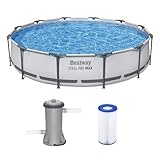
Bestway Steel Pro MAX 12' x 30" Above Ground Swimming Pool Set with Pump | Check Price On Amazon |
|
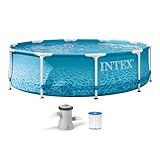
INTEX Beachside Metal Frame 10ft x 30in Round Pool Set w/Pump | Check Price On Amazon |

|
H2OGO! Kids Splash-in-Shade 8-Foot Round Steel Frame Above Ground Pool with Water Mister and Canopy Sunshade, Green Tropical Leaf Print | Check Price On Amazon |
What Is a DE Pool Filter and How Does It Create Crystal-Clear Water?
A diatomaceous earth (DE) filter uses fossilized diatom shells ground into fine powder that coats internal filter grids, creating a microscopic barrier that traps particles down to 2-5 microns in size. This filtration medium achieves superior water clarity because the irregular shapes of diatom particles create countless tiny spaces that capture contaminants through both mechanical straining and depth filtration as water passes through the DE cake layer.
According to the National Swimming Pool Foundation’s Pool & Spa Operator Handbook (2023), DE filters remove particles 10 times smaller than sand filters and 3 times smaller than cartridge filters. The filter operates through a multiport valve system that controls water flow direction for normal filtration, backwashing, and waste functions, with filter grids coated in 1-2 pounds of DE powder per 10 square feet of filter area.
The Three Essential Components That Make DE Filtration Work
The filter tank houses 8-12 curved filter grids arranged in a circular pattern around a central manifold assembly. These fabric-covered frames provide the structure for DE powder adhesion, with each grid containing 60-80 mesh polyester or nylon fabric that allows water passage while retaining the DE coating.
A multiport valve controls water flow direction through six positions: Filter, Backwash, Rinse, Waste, Recirculate, and Closed. The manifold assembly connects each filter grid to the central collection pipe, ensuring even water distribution and preventing DE bypass that causes cloudy water and equipment damage.
How Diatomaceous Earth Creates Microscopic Filtration
Diatomaceous earth consists of fossilized remains of single-celled algae called diatoms that lived millions of years ago. Each diatom skeleton contains intricate patterns and pores measuring 0.1-0.2 microns, creating a complex three-dimensional filtering matrix when thousands of particles combine on filter grids.
The filtration process begins when DE powder mixes with pool water during precoat application, forming a uniform 1/16-inch layer on each filter grid. As water flows through this coating, particles become trapped in the irregular spaces between diatom shells through mechanical straining (particles larger than pore spaces) and adsorption (particles attracted to diatom surfaces).
Complete DE Filter Operation Process: From Precoat to Backwash
DE filter operation requires a systematic 4-step process starting with proper precoat application using 1 pound of DE powder per 10 square feet of filter area, mixed through the skimmer with the pump running for 2-3 minutes until water runs clear. This initial coating creates the filtration medium that captures contaminants, with proper precoat thickness measuring 1/16 inch on grid surfaces when applied correctly.
The filtration cycle continues for 4-8 weeks depending on bather load and environmental factors, with pressure gauge readings indicating when backwashing becomes necessary. According to APSI Pool Equipment Standards (2024), backwash when pressure increases 8-10 PSI above starting pressure or when flow rate decreases noticeably despite proper water chemistry balance.
| Filter Area (sq ft) | DE Amount (lbs) | Grid Count | Pool Size Range | Flow Rate (GPM) |
| 24-36 | 2.5-3.5 | 8 | 15,000-20,000 gal | 40-60 |
| 48-60 | 5-6 | 12 | 25,000-35,000 gal | 80-100 |
| 72-90 | 7-9 | 16 | 40,000-50,000 gal | 120-150 |
Precoat Application: Creating the Initial Filter Layer
Turn the multiport valve to Filter position and start the circulation pump, allowing water to flow through clean filter grids for 30 seconds to establish proper flow patterns. Slowly add the calculated DE amount through the skimmer opening while water circulates, distributing powder addition over 2-3 minutes to ensure even coating formation across all filter grids.
Monitor the sight glass or return flow for clarity improvement as DE particles coat the grids and begin trapping suspended debris. Proper precoat application produces clear return water within 5-10 minutes, while cloudy returns indicate insufficient DE amount, uneven distribution, or damaged filter grids requiring inspection.

- Intelligent Navigation with Full Coverage: Equipped with 11 high-precision sensors and enhanced dual-path algorithms. The optimized WavePath cleaning pattern ensures systematic coverage with minimal overlap, while adaptive navigation analyzes pool layout in real time to eliminate missed spots
- Dual Filtration for Crystal-Clear Water: Advanced dual-layer filtration system features a replaceable 3-micron ultra-fine filter paired with a 180-micron standard filter. Effectively captures fine dust, sand, leaves, and debris for visibly cleaner and healthier pool water
- Comprehensive Pool Cleaning: Engineered to clean the pool floor, walls, waterline, and shallow areas (above 12 inches). The Caterpillar Treads system enhances mobility and climbing ability, ensuring thorough coverage across all pool zones
- Reliable Performance with 2-Year Warranty: Trusted by over 500,000 pool owners worldwide, this robotic pool cleaner delivers consistent, high-performance results. Built for durability and backed by a 2-year warranty and responsive customer support for worry-free ownership
Normal Filtration Cycle: Maintaining Water Clarity
During normal operation, contaminated pool water enters the filter tank through the inlet port and flows outward through the DE-coated filter grids. Particles become trapped in the diatomaceous earth layer while filtered water passes through the fabric grid material into the manifold system for return to the pool through the circulation system.
The DE cake layer gradually thickens as more debris accumulates, requiring higher pump pressure to maintain flow rate through the increasingly dense filter medium. Using a properly sized swimming pool pump is essential for maintaining optimal filtration efficiency and preventing equipment strain throughout the cleaning cycle.
Backwash Process: Removing Accumulated Debris
Turn off the circulation pump and rotate the multiport valve to Backwash position, reversing water flow direction to flush accumulated debris and spent DE powder from filter grids to waste. Start the pump and backwash for 2-3 minutes until the sight glass shows clear water, indicating complete removal of the dirty DE cake layer from all filter grids.
Switch to Rinse position and run the pump for 1-2 minutes to clear any remaining debris from the valve and return lines before returning to Filter position. Add fresh DE powder through the skimmer using the same precoat procedure, establishing a new filtration layer for the next cleaning cycle.
Why DE Filters Outperform Sand and Cartridge Systems
DE filters achieve 2-5 micron particle removal compared to 20-40 microns for sand filters and 10-15 microns for cartridge filters, delivering water clarity that eliminates microscopic algae, bacteria, and organic debris invisible to other filtration methods. This superior performance occurs because diatomaceous earth creates a dynamic filter medium that captures particles within the DE cake structure rather than just on the surface, providing depth filtration that increases capacity and efficiency.
According to comparative testing by the Pool & Hot Tub Alliance (2023), DE filters maintain consistent flow rates 40% longer than cartridge systems and require 60% fewer chemical additions for water clarity maintenance. The regenerative cleaning process through backwashing eliminates filter media replacement costs, making DE systems more economical for pools with high debris loads or frequent use.
| Filter Type | Micron Rating | Cleaning Method | Media Replacement | Water Clarity | Best For |
| DE Filter | 2-5 microns | Backwash | DE powder only | Excellent | Maximum clarity |
| Cartridge | 10-15 microns | Rinse/Replace | Every 1-2 years | Good | Low maintenance |
| Sand | 20-40 microns | Backwash | Every 5-7 years | Fair | Budget conscious |
Particle Removal Efficiency Comparison
DE filters remove 99.9% of particles larger than 5 microns and 95% of particles in the 2-5 micron range, including most bacteria (0.5-3 microns) and algae spores (2-20 microns) that cause water quality problems. Sand filters achieve only 80% removal efficiency for particles larger than 20 microns, allowing microscopic contaminants to pass through and multiply in pool water.
Cartridge filters fall between these extremes with 90% efficiency for particles larger than 10 microns, but their surface-loading design clogs quickly compared to DE’s depth filtration. This superior particle removal translates to reduced chemical demand, longer periods between algae treatments, and water clarity that remains consistent even during heavy swimming loads.
Flow Rate and Capacity Advantages
DE filters maintain designed flow rates throughout the filtration cycle because the DE cake layer provides uniform resistance across the entire grid surface area. As particles accumulate within the diatomaceous earth structure, flow restriction increases gradually rather than the rapid surface clogging experienced with cartridge filters that require frequent cleaning.
The large surface area of multiple filter grids (typically 300-600 square inches per grid) allows DE systems to process higher volumes of water while maintaining lower pressure drops across the filter medium. Choosing the right swimming pool size and filter capacity combination makes DE filters ideal for above-ground pools where pump power limitations require maximum filtration efficiency at lower operating pressures.
How to Properly Maintain Your DE Pool Filter
Proper DE filter maintenance requires monitoring pressure gauge readings daily and backwashing when pressure increases 8-10 PSI above starting levels, typically every 4-8 weeks depending on pool usage and environmental debris load. Complete maintenance includes quarterly grid cleaning with muriatic acid solution (1 part acid to 9 parts water) to remove oils and minerals that resist backwashing, extending filter grid life to 2-3 years with proper care.
Annual filter disassembly allows thorough inspection of grids for tears, manifold connections for leaks, and multiport valve operation for proper sealing. Replace damaged grids immediately to prevent DE bypass that clouds water and damages pump impellers, while lubricating valve seals and spider gaskets maintains proper operation and prevents costly repairs.
Daily and Weekly Monitoring Tasks
Check pressure gauge readings at the same time daily, recording starting pressure after backwashing to establish baseline measurements for comparison. Normal operating pressure varies by system but typically ranges from 8-15 PSI on the filter gauge, with backwashing needed when pressure reaches 18-25 PSI depending on manufacturer specifications.
Inspect skimmer baskets and pump strainer baskets weekly to prevent large debris from reaching the filter and causing premature pressure buildup. Understanding your total pool volume in gallons helps determine appropriate chemical dosing when vacuuming heavy debris loads, using the waste setting to bypass the filter and prevent unnecessary DE cake contamination that shortens filtration cycles.
Monthly Deep Cleaning Procedures
Remove and inspect filter grids monthly during heavy use periods, soaking in trisodium phosphate solution (1 cup per 5 gallons water) for 8-12 hours to dissolve organic oils and lotions that accumulate despite regular backwashing. Rinse grids thoroughly with garden hose pressure, working from inside to outside to push debris away from fabric rather than deeper into the material.
Rotate grid positions within the filter tank to ensure even wear patterns and prevent channeling that reduces filtration efficiency. Number grids with waterproof marker to track individual performance and replacement needs, replacing grids in sets rather than individually to maintain balanced flow distribution.
Seasonal Service and Storage Requirements
Perform complete system disassembly before winter storage in freezing climates, removing all water from the tank, valve, and manifold assembly to prevent freeze damage. Store filter grids in a dry location after thorough cleaning and inspection, replacing any grids with tears larger than 1/4 inch or excessive fabric stretch that allows DE bypass.
Spring startup requires new O-ring and gasket installation in multiport valves that have been stored over winter, using pool-grade silicone lubricant to ensure proper sealing. Test all valve positions before adding DE powder, verifying proper water flow to waste during backwash position and clear return water during filter position operation.
Troubleshooting Common DE Filter Problems
DE filter problems typically manifest as cloudy water return, excessive pressure buildup, or DE powder appearing in the pool, with 90% of issues caused by damaged filter grids, improper precoat application, or multiport valve malfunction according to Pool Service Industry Association data (2024). Systematic diagnosis begins with pressure readings, visual inspection of return water clarity, and checking for DE powder presence in pool water that indicates internal bypass or grid damage requiring immediate attention.
Most DE filter problems resolve through proper maintenance procedures, but some issues require component replacement or professional service to prevent equipment damage and ensure safe operation. Understanding common failure patterns helps pool owners identify problems early and implement appropriate solutions before minor issues become expensive repairs.
| Problem | Possible Cause | Solution | Prevention |
| Cloudy return water | Insufficient DE precoat | Add more DE powder | Calculate DE amount properly |
| DE in pool water | Torn filter grids | Replace damaged grids | Handle grids carefully |
| High pressure quickly | Channeling in DE cake | Backwash and recoat | Even DE distribution |
| Poor water flow | Clogged grids | Acid wash grids | Regular deep cleaning |
Cloudy Water and Poor Filtration Performance
Cloudy return water after precoat application indicates insufficient DE powder amount, uneven distribution across filter grids, or bypass through damaged grids that allows unfiltered water to return to the pool. Calculate DE requirements using 1 pound per 10 square feet of filter area, adding powder slowly through the skimmer over 2-3 minutes to ensure uniform coating formation.
Persistent cloudiness despite proper precoat suggests damaged filter grids allowing DE bypass, requiring immediate system shutdown and grid inspection. Remove grids individually and inspect fabric for tears, holes, or loose seams that allow DE powder passage, replacing damaged components before returning the system to service.
DE Powder Appearing in Pool Water
DE powder entering pool water through return lines indicates internal bypass caused by torn filter grids, loose manifold connections, or multiport valve seal failure that allows unfiltered water flow. Stop filtration immediately to prevent pump impeller damage and pool contamination, then systematically inspect each potential failure point starting with easily accessible components.
Check multiport valve spider gasket and rotor seal condition first, as worn seals create internal bypass paths that mix filtered and unfiltered water. Inspect all visible connections for leaks or loose fittings that could indicate internal pressure loss and bypass flow patterns.
Rapid Pressure Buildup and Short Filter Cycles
Filter pressure increasing to backwash levels within days rather than weeks indicates channeling in the DE cake layer, excessive debris loading, or chemical imbalance causing rapid contaminant accumulation. Check water chemistry balance first, as low pH (below 7.2) or high total dissolved solids promote particle agglomeration that clogs filters prematurely.
Channeling occurs when water flow creates preferential paths through the DE cake rather than uniform distribution across grid surfaces, concentrating debris in specific areas while leaving other sections underutilized. Prevent channeling through proper precoat technique and even DE powder distribution, avoiding rapid powder addition that creates thick spots on individual grids.
DE Filter Safety Considerations and Best Practices
Diatomaceous earth powder requires careful handling because prolonged inhalation of crystalline silica particles can cause respiratory irritation and long-term health effects, making proper personal protective equipment essential during filter maintenance. Use only pool-grade DE that contains less than 1% crystalline silica, wearing N95 or P100 respirator masks during powder handling and avoiding DE application on windy days that increase airborne particle concentration.
According to OSHA Guidelines for Pool Chemical Handling (2024), maintain DE storage in dry locations away from children and pets, using original packaging that identifies the product as pool-grade rather than industrial-grade diatomaceous earth containing higher crystalline silica concentrations. Never use industrial or pest-control DE in pool filters, as these products contain additives and higher silica levels that pose health risks and equipment damage.
Personal Protective Equipment Requirements
Wear appropriate respiratory protection including N95 masks minimum or P100 filters for extended exposure when handling DE powder or performing filter maintenance in enclosed areas. Eye protection prevents particle irritation during windy conditions or when using compressed air for grid cleaning, while nitrile gloves protect skin from prolonged DE contact that can cause drying and irritation.
Work in well-ventilated areas when possible, positioning yourself upwind during DE addition to minimize inhalation exposure. Keep emergency eyewash solution available during filter maintenance, as DE particles in eyes cause irritation requiring immediate flushing with clean water for 15-20 minutes.
Proper DE Storage and Handling Procedures
Store DE powder in original sealed containers in dry locations with temperatures below 100°F to prevent moisture absorption that causes clumping and reduces filtration effectiveness. Label storage areas clearly and maintain inventory rotation using oldest stock first to ensure maximum powder quality and performance.
Measure DE powder amounts accurately using dedicated plastic measuring cups rather than estimating, as excess DE creates unnecessarily thick filter cake that reduces flow rate while insufficient amounts provide inadequate filtration. Consider cartridge filter alternatives for individuals with respiratory sensitivities who cannot safely handle DE powder despite protective equipment use.
Environmental Disposal Considerations
Dispose of spent DE powder according to local environmental regulations, as used DE contains concentrated pool chemicals and organic contaminants removed from pool water. Most municipalities allow small amounts in regular trash when mixed with absorbent materials, but large quantities may require hazardous waste disposal depending on chemical content and local regulations.
Never discharge DE-laden backwash water into storm drains, streams, or septic systems where concentrated chemicals can harm aquatic life or overwhelm treatment systems. Direct backwash water to landscaped areas away from wells or surface water sources, allowing soil filtration to remove chemicals before groundwater contact.
Frequently Asked Questions About DE Pool Filters
How much DE powder should I add to my filter?
Quick Answer: Add 1 pound of DE powder per 10 square feet of filter area, typically 2-9 pounds total depending on your filter size, mixed slowly through the skimmer over 2-3 minutes with the pump running.
Calculate your filter’s square footage by checking the manufacturer specifications or counting filter grids (typically 8-16 grids) and multiplying by individual grid area (usually 5-8 square feet per grid). A 48-square-foot filter requires 4.8 pounds of DE powder, while a 72-square-foot system needs 7.2 pounds for proper precoat formation.
Add DE powder gradually through the skimmer opening while water circulates, distributing the total amount over 2-3 minutes to ensure even coating across all filter grids. Too much DE creates excessive pressure buildup, while insufficient amounts provide poor filtration and allow particles to pass through unfiltered.
How often should I backwash my DE filter?
Quick Answer: Backwash when filter pressure increases 8-10 PSI above starting pressure, typically every 4-8 weeks depending on pool usage, debris load, and environmental conditions like pollen or dust storms.
Monitor pressure gauge readings daily at consistent times to establish baseline measurements after fresh precoat application. Normal operating pressure varies by system but generally starts at 8-15 PSI, requiring backwashing when reaching 18-25 PSI depending on manufacturer specifications and pump capacity.
Heavy usage periods during summer months may require backwashing every 2-3 weeks, while spring and fall operation extends cycles to 6-8 weeks with proper chemical balance maintenance. Environmental factors like construction dust, pollen seasons, or windstorms accelerate debris accumulation and shorten filtration cycles regardless of swimmer load.
Can I reuse DE powder after backwashing?
Quick Answer: No, never reuse DE powder after backwashing because spent powder contains concentrated contaminants, oils, and chemicals that reduce filtration effectiveness and can clog filter grids permanently.
Backwashing removes both DE powder and accumulated debris as a combined waste stream containing bacteria, algae, organic oils, sunscreen residues, and concentrated pool chemicals. This contaminated mixture cannot be separated or cleaned for reuse, requiring fresh DE powder for each precoat application to maintain filtration efficiency.
Used DE powder disposal follows local environmental regulations, typically allowing small amounts in regular trash when mixed with absorbent materials. Some pool service companies collect spent DE for proper disposal, while landscaping applications require checking local soil amendment regulations for chemical content restrictions.
Why does DE powder keep appearing in my pool?
Quick Answer: DE powder in pool water indicates torn filter grids, loose manifold connections, or multiport valve seal failure creating internal bypass that allows unfiltered water to return to the pool carrying DE particles.
Stop filtration immediately when DE appears in return water to prevent pump impeller damage and further pool contamination. Systematically inspect filter grids for tears, holes, or loose fabric seams that allow DE passage, replacing damaged components before returning to service.
Check multiport valve spider gasket and rotor seals for wear that creates internal bypass paths mixing filtered and unfiltered water streams. Loose manifold connections or cracked filter tank walls also cause internal leakage requiring professional repair or component replacement to restore proper filtration operation.
What type of DE powder should I use in my pool filter?
Quick Answer: Use only pool-grade diatomaceous earth containing less than 1% crystalline silica, avoiding industrial or pest-control DE products that contain additives and higher silica concentrations harmful to equipment and health.
Pool-grade DE undergoes processing to reduce crystalline silica content and remove impurities that could damage filter equipment or create health hazards during handling. Major brands like Celite, Dicalite, and Perma-Guard produce NSF-certified DE specifically for swimming pool filtration applications.
Industrial DE contains higher crystalline silica concentrations (up to 60%) that pose respiratory risks and may include additives incompatible with pool chemistry. Pest control DE often contains pesticide residues or attractants unsuitable for water contact, making proper product selection essential for safe pool operation.
How do I clean DE filter grids properly?
Quick Answer: Clean filter grids monthly by soaking in trisodium phosphate solution (1 cup per 5 gallons water) for 8-12 hours, then rinse with high-pressure water from inside to outside to remove oils and debris.
Remove grids carefully from the filter tank and inspect for tears or damage before cleaning, replacing any grids with holes larger than 1/4 inch or excessive fabric stretching. Rotate grid positions during reinstallation to ensure even wear patterns and extend overall grid life to 2-3 years with proper maintenance.
Quarterly acid washing using muriatic acid solution (1 part acid to 9 parts water) removes mineral deposits and oils that resist regular cleaning, requiring proper ventilation and safety equipment during handling. Always add acid to water (never water to acid) and rinse grids thoroughly before returning to service.
Can I use a DE filter with a variable speed pump?
Quick Answer: Yes, DE filters work excellently with variable speed pumps, allowing optimal flow rate adjustment for maximum energy efficiency while maintaining superior filtration performance at lower operating speeds than other filter types require.
Variable speed pumps paired with DE filters achieve significant energy savings because DE systems maintain effective filtration at lower flow rates (30-50 GPM) compared to sand filters requiring higher circulation rates for comparable particle removal. Program pump speeds based on DE manufacturer flow rate specifications rather than maximum pump capacity.
Lower speed operation extends DE cake life by reducing hydraulic stress on filter grids while maintaining water clarity, typically allowing 6-10 week filtration cycles compared to 4-6 weeks with single-speed pumps. Monitor pressure buildup carefully as slower flow rates may mask early clogging indicators requiring more frequent visual inspection.
What causes short filter cycles requiring frequent backwashing?
Quick Answer: Short filter cycles result from chemical imbalance (low pH below 7.2), excessive debris loading, channeling in DE cake layer, or undersized filter systems unable to handle pool volume and usage demands effectively.
Check water chemistry balance first, as acidic conditions (pH 7.0-7.2) or high total dissolved solids promote particle agglomeration that rapidly clogs DE cake layers. Maintain pH between 7.4-7.6 and total alkalinity at 80-120 ppm to optimize filtration efficiency and extend cleaning cycles.
Environmental factors like construction activity, pollen seasons, or dust storms increase debris loading beyond normal filter capacity, requiring more frequent backwashing during these periods. Consider pre-filtering heavy debris through skimmer baskets or leaf traps to reduce DE filter loading during peak contamination periods.
Is it normal for DE filters to have higher operating pressure?
Quick Answer: Yes, DE filters typically operate at 8-15 PSI starting pressure compared to 5-10 PSI for sand filters due to finer filtration medium density, with backwashing needed when pressure reaches 8-10 PSI above baseline readings.
Higher operating pressure reflects the superior filtration capability of DE systems that capture particles 5-10 times smaller than other filter types, naturally creating more resistance to water flow through the dense diatomaceous earth cake layer. This increased pressure differential is normal and necessary for achieving maximum water clarity.
Monitor pressure increases rather than absolute readings, as baseline pressure varies by pump size, plumbing configuration, and filter model specifications. Consistent pressure increases of 8-10 PSI indicate normal debris accumulation, while rapid pressure spikes suggest channeling, bypass, or chemical balance problems requiring investigation.
Can I convert from sand or cartridge to a DE filter?
Quick Answer: Conversion between filter types requires matching new filter sizing to existing pump capacity and plumbing connections, typically achievable for most residential pools with proper component selection and professional installation assistance.
DE filter conversion offers significant water clarity improvements but requires understanding flow rate requirements, pressure limitations, and maintenance commitment differences compared to existing filtration systems. Consult manufacturer specifications to ensure pump compatibility with DE filter pressure requirements and flow rate ranges.
Professional installation ensures proper multiport valve plumbing, electrical connections for any additional components, and system commissioning to verify optimal operation. Factor ongoing maintenance costs including DE powder purchases and potential grid replacements when evaluating conversion economics versus current filter performance satisfaction.
How do I winterize a DE filter in freezing climates?
Quick Answer: Winterize by backwashing thoroughly, removing all water from tank and valve assembly, storing clean filter grids in dry location, and using antifreeze in remaining plumbing connections to prevent freeze damage.
Complete system drainage prevents freeze expansion damage to filter tank, multiport valve, and manifold assembly that could require expensive spring repairs or complete component replacement. Remove drain plugs from filter tank bottom and valve body, using shop vacuum or compressed air to extract remaining water from low points.
Store filter grids after thorough cleaning and inspection in heated areas where temperatures remain above freezing, replacing any damaged grids before spring startup rather than after winter storage. Apply pool-safe antifreeze to plumbing connections that cannot be completely drained, following manufacturer recommendations for product type and quantity.
What maintenance tools do I need for DE filter care?
Quick Answer: Essential tools include pressure gauge for monitoring, high-pressure hose nozzle for grid cleaning, plastic measuring cups for DE powder, and basic hand tools for disassembly and inspection.
Invest in quality filter grid cleaning equipment including soaking containers large enough for grid submersion, trisodium phosphate cleaner, and muriatic acid for quarterly deep cleaning procedures. Digital pressure gauges provide more accurate readings than analog types for precise backwashing timing.
Maintain dedicated DE handling equipment including dust masks, safety glasses, and measuring containers used exclusively for pool chemicals to prevent cross-contamination with household items. Proper chemical storage containers protect DE powder from moisture and contamination while ensuring safe handling during maintenance procedures.
Why is my DE filter making noise during operation?
Quick Answer: Filter noise typically indicates air in the system, loose internal components, or cavitation from restricted flow, requiring systematic inspection of pump prime, valve positions, and internal assembly tightness for proper operation.
Check pump basket and system prime first, as air entrainment creates noise and reduces filtration effectiveness while potentially damaging pump seals and impellers. Ensure all suction line connections are tight and skimmer baskets are properly seated to maintain consistent water flow without air introduction.
Internal rattling suggests loose manifold connections or damaged filter grids vibrating against tank walls during operation, requiring system shutdown and internal inspection. Tighten manifold hardware to manufacturer specifications and replace any grids showing tears or structural damage that could cause movement during operation.
Advanced DE Filter Optimization Techniques
Professional pool technicians maximize DE filter performance through advanced techniques including pre-filtering systems, chemical feed coordination, and customized maintenance schedules based on specific pool conditions and usage patterns. These optimization strategies extend filter life, reduce chemical consumption, and maintain consistently superior water clarity even under challenging conditions like high bather loads or environmental contamination.
Implementation of advanced techniques requires understanding the interaction between filtration, circulation, and chemical treatment systems to achieve optimal results. Proper coordination of these elements produces water quality that exceeds standard residential pool expectations while reducing long-term maintenance costs and equipment wear.
Pre-Filtration Systems for Enhanced Performance
Install leaf trap canisters or debris interceptors before DE filters to capture large particles that would otherwise load the DE cake prematurely and reduce filtration cycles. These pre-filters remove leaves, insects, and coarse debris while allowing fine particles to reach the DE system for microscopic filtration.
Skimmer basket upgrades with finer mesh construction provide additional pre-filtration without restricting flow, capturing smaller debris that standard baskets allow to pass through to the main filter system. Position multiple pre-filtration stages in series for maximum debris removal and extended DE cake life during heavy contamination periods.
Chemical Feed System Coordination
Coordinate automated chemical feeders with DE filter maintenance schedules to optimize both filtration efficiency and chemical effectiveness, timing chlorine additions after fresh precoat application when filter capacity is maximum. Program pH control systems to maintain optimal levels (7.4-7.6) that prevent particle agglomeration and extend filtration cycles.
Install automated pool controllers that monitor multiple parameters simultaneously, adjusting chemical feed rates based on filtration system performance and water quality measurements. This coordination reduces manual testing requirements while maintaining optimal conditions for both filtration and sanitization.
DE filters create the clearest pool water possible through microscopic particle removal at 2-5 micron efficiency, achieved by proper precoat application (1 pound per 10 square feet), regular backwashing when pressure increases 8-10 PSI, and systematic maintenance including quarterly grid cleaning and annual component inspection. Success requires understanding the interaction between diatomaceous earth properties, water chemistry balance, and circulation system operation to achieve consistent results that exceed other filtration methods.
Start your DE filter optimization by calculating proper powder requirements for your specific system size and establishing baseline pressure readings for accurate maintenance timing. Document filtration cycles, pressure patterns, and cleaning schedules to develop customized maintenance procedures that maximize water clarity while minimizing operating costs and equipment wear for long-term pool enjoyment.
| Photo | Best Above-Ground Pools | Price |
|---|---|---|
|
|
Bestway Steel Pro MAX 12' x 30" Above Ground Swimming Pool Set with Pump | Check Price On Amazon |
|
|
INTEX Beachside Metal Frame 10ft x 30in Round Pool Set w/Pump | Check Price On Amazon |
|
|
H2OGO! Kids Splash-in-Shade 8-Foot Round Steel Frame Above Ground Pool with Water Mister and Canopy Sunshade, Green Tropical Leaf Print | Check Price On Amazon |