
Leaving a pool unprotected through winter costs far more than most owners expect. A proper winter pool cover installation protects your water chemistry, prevents debris accumulation, and shields your pool structure from freeze damage, potentially saving hundreds of dollars in spring opening costs.
This guide walks you through every step of installing a winter pool cover correctly, whether you have an inground pool with a solid cover or a mesh safety cover system with anchor hardware.
| Photo | Best Above-Ground Pools | Price |
|---|---|---|
|
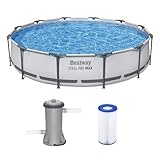
Bestway Steel Pro MAX 12' x 30" Above Ground Swimming Pool Set with Pump | Check Price On Amazon |
|
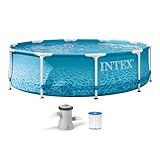
INTEX Beachside Metal Frame 10ft x 30in Round Pool Set w/Pump | Check Price On Amazon |

|
H2OGO! Kids Splash-in-Shade 8-Foot Round Steel Frame Above Ground Pool with Water Mister and Canopy Sunshade, Green Tropical Leaf Print | Check Price On Amazon |
By the Numbers
Winter Pool Cover Installation – What the Research Shows
Sources: Pool and Hot Tub Alliance (PHTA), ASTM International, Pool and Spa News
What Is a Winter Pool Cover and Why Does Correct Installation Matter?
A winter pool cover (also called a pool closing cover, off-season pool cover, or cold weather cover) is a protective barrier installed over an inground or above-ground pool during the non-swimming season to prevent debris accumulation, UV degradation of pool chemicals, and structural freeze damage to plumbing and pool surfaces.
Incorrect installation is the leading cause of cover failure, including sagging that allows debris to enter, ice damage from standing water, and anchor pull-out in safety covers. According to the Pool and Hot Tub Alliance (PHTA), improper winterization including cover installation failures account for a significant share of preventable pool damage claims processed each season.
A winter cover is a type of pool cover system that uses either a solid polyethylene or polypropylene panel secured with water bags, cover clips, or a cable-and-winch system, or a mesh safety cover anchored to the pool deck with stainless steel hardware and tensioning straps. These two cover types differ fundamentally in installation method, maintenance requirements, and level of protection provided.
A solid winter cover works with water bags or a cable system to hold it in place, while a mesh safety cover works with deck anchors and tensioning springs to create a structurally supported barrier. Choosing the correct cover type for your pool shape, deck material, and climate is the first decision that determines every installation step that follows.
Solid Winter Cover vs Mesh Safety Cover: Which Do You Need Before You Start?
Solid winter covers cost between $50 and $300 for standard rectangular inground pools and block all sunlight, preventing algae photosynthesis entirely over winter. Mesh safety covers cost between $800 and $2,500 installed and allow rainwater and snowmelt to pass through while supporting up to 485 pounds per 5-square-foot section, meeting ASTM F1346 safety standards for child and pet protection.
Product Comparison
Solid Winter Cover vs Mesh Safety Cover – Side by Side

- Intelligent Navigation with Full Coverage: Equipped with 11 high-precision sensors and enhanced dual-path algorithms. The optimized WavePath cleaning pattern ensures systematic coverage with minimal overlap, while adaptive navigation analyzes pool layout in real time to eliminate missed spots
- Dual Filtration for Crystal-Clear Water: Advanced dual-layer filtration system features a replaceable 3-micron ultra-fine filter paired with a 180-micron standard filter. Effectively captures fine dust, sand, leaves, and debris for visibly cleaner and healthier pool water
- Comprehensive Pool Cleaning: Engineered to clean the pool floor, walls, waterline, and shallow areas (above 12 inches). The Caterpillar Treads system enhances mobility and climbing ability, ensuring thorough coverage across all pool zones
- Reliable Performance with 2-Year Warranty: Trusted by over 500,000 pool owners worldwide, this robotic pool cleaner delivers consistent, high-performance results. Built for durability and backed by a 2-year warranty and responsive customer support for worry-free ownership
Detailed feature comparison to help you choose the right option before installation begins.
| Feature | Solid Winter Cover | Mesh Safety Cover |
|---|---|---|
| Price range | $50 to $300 | $800 to $2,500 |
| Installation method | Water bags and cable-and-winch | Deck anchors and tensioning springs |
| Algae prevention | Excellent (blocks 100% of sunlight) | Good (requires higher closing chemistry) |
| Standing water handling | Requires cover pump removal | Drains through mesh automatically |
| Child and pet safety | Not rated for safety | ASTM F1346 certified |
| Best climate | Mild winters, low snow load | Heavy snow regions and freeze climates |
| Our verdict | Best for budget-conscious owners in mild climates | Best for families and cold-climate pools |
ASTM F1346 is the standard specification for performance and safety requirements for safety covers and labeling requirements for all covers for swimming pools, spas, hot tubs, and wading pools.
Families with young children or pets should use only a mesh safety cover rated to ASTM F1346 standards. A solid cover held down by water bags provides zero structural support and can trap a child underneath if they fall onto its surface.
For the best winter pool cover options for inground pools including side-by-side comparisons of top-rated solid and mesh cover brands, those product reviews cover real-world performance data across multiple pool shapes and sizes.
What You Need Before Starting: Tools, Materials, and Pre-Installation Checks
Gathering all materials before you begin prevents mid-installation delays that leave your pool partially exposed. The complete tool and material list differs between solid winter covers and mesh safety covers, so identify your cover type first.
Tools and Materials for Solid Winter Cover Installation
You will need winter pool cover water tubes (also called water bags or cover weights) sized for your pool perimeter, a submersible pool cover pump for removing standing water during winter, a cover cable and winch system for inground pools without anchor points, and a pool air pillow for above-ground pools to offset ice expansion pressure.
Additional supplies include pool winterizing chemical kits containing winter algaecide and pool antifreeze, a garden hose for filling water bags, and work gloves for handling the cover material. A second person is strongly recommended for pools larger than 16 by 32 feet.
Tools and Materials for Mesh Safety Cover Installation
Mesh safety cover installation requires a cover installation rod (also called a cover hook or J-hook tool) to attach tensioning springs to anchor hardware, a rubber mallet or 3/4-inch masonry drill bit for setting new anchors, a brass anchor wrench or anchor key for tightening flush-mount deck anchors, and a measuring tape for verifying equal cover overlap on all sides.
Replacement cover tensioning springs should be on hand before installation begins, as springs break under tension during removal and storage. Stainless steel springs outlast standard zinc springs by 5 to 8 seasons in chlorinated pool environments.
Pre-Installation Water Chemistry Requirements
Pool water chemistry must be balanced 48 to 72 hours before cover installation to allow chemicals to fully circulate and reach equilibrium. Closing with imbalanced water causes staining, scale buildup, and accelerated cover deterioration.
Target these closing chemistry parameters according to the PHTA Pool and Spa Operator Handbook:
- Free chlorine: 3 to 5 ppm (higher than normal swimming range to sustain sanitization through winter)
- pH: 7.2 to 7.6 (lower end prevents scale, upper end prevents corrosion)
- Total alkalinity: 80 to 120 ppm
- Calcium hardness: 180 to 220 ppm for plaster pools, 150 to 250 ppm for vinyl liner pools
- Cyanuric acid (stabilizer): 30 to 50 ppm for outdoor pools with solid covers blocking UV
Use a liquid pool test kit or digital pool water tester to verify all parameters before proceeding. Test strips lack the accuracy needed for closing chemistry verification. To confirm your pool’s exact gallon capacity before adjusting any chemicals, use our pool volume calculator, and our pH calculator can help you quickly dial in the correct pH range.
Pool Water Level Adjustment
Water level must be lowered before installing either cover type. Solid winter covers require the water level to drop 4 to 6 inches below the skimmer opening to prevent freeze damage to the skimmer housing. Mesh safety covers require the water level to drop 18 to 24 inches below the coping (pool edge) to prevent ice from pushing upward against the cover and stretching the mesh.
Use a submersible pump or backwash hose connected to your filter’s multiport valve to lower the water level accurately. Draining below the recommended level causes liner shrinkage in vinyl pools and exposes plaster surfaces to air and freeze damage.
How to Blow Out Pool Lines Before Closing: The Critical Step Most Owners Skip
Blowing out pool plumbing lines removes residual water that expands by approximately 9% when it freezes, cracking PVC pipes, pool fittings, valves, and the pump housing. This step must be completed before the pool cover goes on.
You will need a shop vacuum set to blower mode or a dedicated pool line blower rated at 3 to 6 CFM for residential pool plumbing. Compressed air at pressures above 20 PSI can crack fittings and should not be used on residential pool plumbing lines.
Step-by-Step Pool Line Blowing Procedure
Connect the blower to the pump drain plug port or the inlet fitting on the pump housing after removing the drain plugs from the pump and filter. Start with the main drain line by blocking all other suction ports, then blow air through until no water exits the main drain outlet.
Work through each suction line (skimmer lines) individually, then move to the return lines. After blowing each line clear, immediately insert a expansion plug (also called a winter plug or freeze plug) into the fitting to seal the line. Expansion plugs use a rubber gasket that expands when tightened, creating a watertight seal at 2 to 4 inch line openings.
Add 1 quart of non-toxic pool antifreeze (propylene glycol based, rated to minus 40 degrees Fahrenheit) to the skimmer body after blowing the line clear. Pool antifreeze differs from automotive antifreeze: automotive antifreeze (ethylene glycol) is toxic and must never be used in pool plumbing.
How to Install a Solid Winter Pool Cover on an Inground Pool: Step-by-Step
Solid winter cover installation on an inground pool takes 45 to 90 minutes for a standard 16 by 32 foot pool with two people. The cover should overlap the pool edge by a minimum of 12 inches on all sides, with 18 to 24 inches providing better wind resistance in exposed yards.
The following step-by-step process applies to standard solid polyethylene or polypropylene winter covers secured with water bags and a cable-and-winch or cover clips. This is the most common installation method for inground pools without deck anchors.
Step-by-Step Guide
How to Install a Solid Winter Cover on an Inground Pool – Step by Step
8 steps – Estimated time: 45 to 90 minutes with two people
Clear the pool deck of all furniture, accessories, and obstructions
Remove ladders, rails, diving boards, skimmer baskets, and return fittings. A clear 4-foot perimeter around the pool edge prevents cover snagging and allows water bags to lay flat.
Add winter algaecide and closing chemicals to the pool water
Pour winter algaecide (polyquat 60 formula, dosed at 32 oz per 20,000 gallons) directly into the pool water with the pump running. Allow the pump to circulate for a minimum of 2 hours before proceeding. To be sure you’re adding the exact amount needed for your specific pool, use our algaecide calculator for a custom dosage.
Fold and unfold the cover across the pool surface starting from one end
Have one person hold the folded cover at the far end of the pool while the second person walks it across to the opposite end. Unfold in sections to prevent the cover from dragging across pool water and collecting air pockets underneath.
Center the cover with equal overlap on all four sides
Measure the overlap from the pool coping edge to the cover edge on opposite sides. A 12-inch minimum overlap is required on all sides, with the cover manufacturer’s recommended overlap taking precedence if greater than 12 inches.
Thread the cable through the cover loops and tighten the winch
Most inground solid winter covers include a brass cable with a winch tightener. Thread the cable through the loops sewn around the cover perimeter, then connect and tighten the winch until the cable holds the cover edge snugly against the pool coping without pulling the cover off-center.
Fill water bags to 70% capacity and position them around the cover perimeter
Fill water tubes to 70%, not 100%: a fully filled water bag bursts when the water inside freezes and expands. Place water bags end-to-end with no gaps along the entire cover perimeter, including corners.
Position the cover pump at the lowest point of the cover surface
Place a submersible cover pump at the cover’s lowest point to remove rain and snowmelt automatically. A pump with an automatic float switch activates when standing water reaches 1 to 2 inches deep, preventing excess water weight that can collapse the cover or pull water bags off the perimeter.
Inspect the installation and check the cover after the first 48 hours
Check the cover after 48 hours and again after the first significant rain or wind event. Reposition any water bags that have shifted and verify the cable tension remains snug. Covers that shift in the first week typically require one cable tension adjustment to seat correctly.
How to Install a Mesh Safety Cover on an Inground Pool: Complete Anchor-to-Strap Process
Mesh safety cover installation differs fundamentally from solid cover installation because the entire system depends on correctly set deck anchors, properly tensioned straps, and matched spring hardware. An improperly tensioned mesh safety cover sags into the water, creating a drowning hazard rather than a safety barrier.
For a comprehensive visual reference alongside these written instructions, the pool winter cover installation guide covers the full anchor-setting and tensioning process with additional detail for non-rectangular pool shapes.
Setting Deck Anchors for a New Safety Cover Installation
New mesh safety cover installations require drilling anchor holes into the pool deck at the positions marked on the manufacturer’s layout diagram. Anchor spacing follows the strap attachment points on the cover, which are typically placed every 3 feet along the pool perimeter as required by ASTM F1346 standards.
Use a rotary hammer drill with a 3/4-inch masonry bit for concrete decks, or a standard drill with a 3/4-inch bit for wooden decks. Drill to the depth specified by the anchor manufacturer, typically 3 to 3.5 inches for deck anchors in concrete. Blow dust from the hole before inserting the anchor body.
Concrete deck anchors (also called brass flush-mount anchors or recessed anchors) consist of a cylindrical body with internal threads and a flush-mount cap that sits level with the deck surface when in the closed position. The anchor opens by turning the cap counterclockwise with an anchor key, exposing an eyelet that accepts the cover strap hook. Brass anchors resist corrosion significantly better than aluminum anchors: in pool deck environments with chlorinated water exposure, brass anchors last 15 to 25 years versus 5 to 8 years for aluminum.
Attaching Safety Cover Straps and Tensioning Springs
With anchors set and the cover unrolled across the pool surface, begin strap attachment at the center of each long side of the pool, then work outward toward the corners. This pattern distributes tension evenly and prevents the cover from pulling to one side during the tensioning process.
Each strap end connects to an anchor using a tensioning spring (also called a cover spring or safety cover spring) and a D-ring hook. The spring attaches between the strap end and the anchor eyelet, providing enough elastic tension to keep the cover drum-tight across the pool surface. Undersized springs with less than 25 pounds of tension do not provide sufficient resistance to pull the cover taut on pools wider than 14 feet.
Use a cover installation rod (J-hook tool) to attach springs under tension without hand injury. Hook the spring through the anchor eyelet first, then use the rod to stretch the spring and seat the strap hook. Attempting to attach tensioned springs by hand causes finger injuries and is one of the most common pool cover installation accidents reported by pool service professionals.
Corner Tensioning and Final Adjustment
Corners require the most tension adjustment time because two strap directions meet at each corner anchor point. On rectangular pools, corner straps should pull at a 45-degree angle from the pool corner. On freeform or L-shaped pools, the manufacturer’s strap layout diagram specifies the exact anchor positions and strap angles for each corner configuration.
After all straps are attached, walk the perimeter and assess tension visually. The cover surface should be taut with no sagging sections between strap attachment points. A correctly tensioned mesh safety cover, when pressed firmly in the center, should deflect no more than 12 to 18 inches before returning to its tensioned position. Sections that deflect more than 18 inches indicate insufficient spring tension or a missing strap connection.
Adjust tension by moving the strap end to a shorter buckle position or replacing under-tension springs. Safety cover manufacturers including Loop-Loc, Coverstar, and GLI Pool Products provide tension adjustment instructions specific to their spring and buckle hardware systems.
How to Install a Winter Cover on an Above-Ground Pool
Above-ground pool winter cover installation uses an air pillow positioned at the pool center to offset ice expansion pressure, preventing the ice sheet from exerting outward force against the pool wall. Without an air pillow, ice expansion has cracked and warped above-ground pool walls on pools as small as 12 feet in diameter.
Select an air pillow sized to cover 60 to 80% of the pool surface area: a 15-foot round pool needs an air pillow approximately 4 feet wide by 8 feet long. Inflate the pillow to 60% capacity (not fully firm), tie a rope through the pillow grommets to anchor it to two pool wall points at the center of the pool, then drape the winter cover over the pool, including over the top of the pillow.
Above-ground pool winter covers attach using a cable threaded through cover grommets that are evenly spaced around the cover perimeter. The cable tightens with a winch underneath the top rail of the pool wall. Winter cover clips (also called cover clips or coping clips) clip the cover edge to the pool top rail between the cable grommets, preventing wind from lifting the cover edges between grommet points.
Space cover clips every 18 to 24 inches around the entire pool perimeter for pools in regions with wind speeds regularly exceeding 35 mph. In sheltered locations, clips every 36 inches provide adequate edge retention. A cover that lifts along the edges allows debris to enter and accelerates cover UV degradation at the exposed edges.
Common Winter Pool Cover Installation Mistakes That Cause Damage
The following installation errors account for the majority of winter pool cover failures, pool surface damage, and spring opening problems. Each mistake is correctable before it causes permanent damage if caught during installation inspection.
Myth vs Fact
Winter Pool Cover Installation – Common Myths Debunked
Separating fact from fiction on the most common pool closing misconceptions
X Myth
A solid winter cover protects children and pets from falling into the pool
Fact
A solid winter cover held by water bags provides zero structural support. A child or pet that falls onto it will sink through to the water underneath. Only ASTM F1346-certified mesh or solid safety covers with anchor systems provide verified child and pet protection.
X Myth
You should fill water bags completely to maximize their weight and holding power
Fact
Water expands approximately 9% when it freezes. A water bag filled to 100% capacity will rupture when the water inside freezes. Fill water bags to 70% maximum, leaving 30% of the bag volume as empty expansion space.
X Myth
You can use automotive antifreeze in pool plumbing lines to prevent freeze damage
Fact
Automotive antifreeze contains ethylene glycol, which is toxic to humans, pets, and aquatic life. Pool antifreeze uses propylene glycol, which is non-toxic and safe for pool plumbing. Never substitute automotive antifreeze in any pool system component.
X Myth
The pool cover handles all winter maintenance and the water can be ignored until spring
Fact
Standing water on a solid cover must be removed with a cover pump throughout winter. Accumulated water weight can collapse the cover, pull water bags off the perimeter, and drag debris into the pool. Monthly cover inspection is the minimum maintenance standard for closed pools in regions with measurable winter precipitation.
Incorrect Water Level Before Cover Installation
Installing a solid winter cover when the water level is too high (within 1 to 2 inches of the skimmer opening) causes ice to form at skimmer level and crack the skimmer housing. Skimmer housing replacement costs $150 to $400 in labor and materials, far exceeding the time cost of properly lowering the water level before closing.
Installing a mesh safety cover when the water level is too high (within 6 inches of coping level) causes the ice sheet to press against the cover mesh from below during temperature drops, stretching and permanently deforming the mesh weave. Lower water level to 18 to 24 inches below the coping before installing any mesh safety cover.
Leaving Gaps Between Water Bags
Gaps between water bags along the solid cover perimeter create lift points where wind gets under the cover. A single 12-inch gap is enough for sustained winds above 25 mph to lift and shift the entire cover off-center. Overlap water bag ends by 2 to 3 inches when connecting them end-to-end around the cover perimeter to eliminate all gaps, including at corners.
Skipping the Cover Pump Setup
A solid winter cover without a functioning automatic cover pump accumulates standing water at its lowest sag point. As little as 2 inches of standing water across a 400-square-foot cover surface weighs approximately 500 pounds, enough to pull water bags off the perimeter edges and allow the cover to contact pool water below. Keep a pool cover pump with an automatic float switch operational throughout the entire winter season.
What Happens If You Close the Pool Too Late in the Season?
Closing the pool after sustained water temperatures drop below 60 degrees Fahrenheit allows algae spores to establish themselves in the pool water before winterizing chemicals take effect. According to the Pool and Hot Tub Alliance Operator Handbook, algae growth rate accelerates significantly above 60 degrees Fahrenheit and slows to near-dormancy below that threshold.
The practical closing window for most climates is when nighttime air temperatures consistently reach 50 degrees Fahrenheit or lower and pool water temperature falls below 60 degrees Fahrenheit. Pools closed at water temperatures above 65 degrees Fahrenheit that receive standard winterizing chemical doses frequently open in spring with green water, requiring $75 to $200 in shock and algaecide treatment to correct before the pool is swimable.
In climates with irregular temperature patterns, it is better to close 2 weeks earlier than necessary than to delay closing by even one week past the 60-degree water temperature threshold.
How to Protect Pool Equipment During Winterization Before Covering
Pool equipment protection during winterization runs parallel to cover installation and must be completed before the pool is closed for the season. Leaving pool equipment connected and exposed to freezing temperatures without winterization causes the pump, filter, heater, and chlorinator to crack from internal ice expansion.
Draining and Storing the Pool Pump and Filter
Remove the drain plugs from the pool pump housing (typically one drain plug at the bottom of the pump body and one at the hair and lint trap basket housing) to allow all residual water to drain completely. Store drain plugs in the pump basket or in a labeled bag taped to the pump so they are not lost over winter.
Sand filters drain through the multiport valve drain port. Set the multiport valve to the “winterize” position (if equipped) or to the “recirculate” position, then remove the valve’s drain plug. Cartridge filter tanks drain through a bottom drain port: remove the top air relief valve and the bottom drain plug simultaneously to allow complete drainage. Remove the cartridge filter elements, rinse them with a garden hose, and store them indoors for winter to extend their service life by 1 to 2 seasons.
Draining the Pool Heater
Gas pool heaters and electric heat pump heaters contain internal water passageways that crack if water freezes inside them. Drain a gas pool heater by removing the drain plug at the bottom of the heat exchanger housing, typically accessible after removing the heater access panel. Refer to the manufacturer’s manual for specific drain plug locations: Pentair, Hayward, and Raypak heater models each have different drain configurations.
Electric heat pump heaters use a drain valve on the refrigerant coil housing in addition to the water circuit drain plug. Both drain points must be opened to fully winterize an electric heat pump heater. Failure to drain a heat pump heater costs $300 to $1,200 in heat exchanger replacement, making this one of the most expensive winterization mistakes.
Protecting the Saltwater Chlorine Generator
Saltwater pools use a salt chlorine generator (also called a salt chlorinator or SWG) that contains a titanium electrolytic cell. The cell housing can crack from freeze damage if water is left inside. Remove the salt cell from the plumbing union connections, rinse it with a garden hose, inspect the titanium plates for calcium scale buildup, and store the cell indoors at temperatures above 32 degrees Fahrenheit.
Calcium scale on salt cell plates reduces chlorine output by 20 to 40% per season if not removed before winter storage. Clean scaled cells with a 4:1 water-to-muriatic acid solution in a dedicated bucket before storage, wearing acid-resistant gloves and eye protection during the process.
How to Maintain a Winter Pool Cover Throughout the Off-Season
A properly installed winter pool cover requires active maintenance throughout the off-season to prevent failure. Monthly inspection takes less than 15 minutes and prevents the majority of winter cover problems that lead to expensive spring pool openings.
Removing Standing Water from a Solid Winter Cover
Remove standing water from a solid winter cover whenever the depth exceeds 1 inch across the cover surface. A submersible cover pump with a 1/4-inch or 3/8-inch discharge hose removes water at 250 to 500 gallons per hour. Position the pump at the lowest point of the cover surface for maximum water removal efficiency.
Do not allow standing water to freeze on the cover surface: a 2-inch ice sheet across a 400-square-foot cover surface weighs approximately 1,000 pounds, enough to collapse the cover into the pool and potentially damage the pool structure below. In climates where temperatures drop below freezing after rain events, check the cover within 24 hours of any precipitation.
Removing Snow Load from a Winter Pool Cover
Remove snow from a solid winter cover when accumulation exceeds 6 inches of wet snow or 12 inches of dry, powdery snow. Use a soft plastic snow rake or a push broom with soft bristles to avoid puncturing the cover material. Never use a metal shovel or ice scraper on any pool cover surface.
Mesh safety covers handle snow loads more effectively than solid covers because snow compresses through the mesh weave and the pool water below absorbs much of the load. However, mesh covers in climates with more than 24 inches of seasonal snow accumulation still benefit from periodic snow removal to reduce total strap and anchor tension stress over a full winter season.
Checking Water Bags and Anchor Hardware Monthly
Inspect water bags monthly for freeze damage, punctures, and displacement. Replace any water bag that has burst, lost more than 20% of its original volume, or shifted more than 12 inches from its installed position. A single gap in the water bag perimeter is enough for sustained wind to displace the entire solid cover.
Check mesh safety cover anchors for loosening after freeze-thaw cycles. Concrete anchor bodies can loosen when repeated freeze-thaw cycles expand and contract the surrounding concrete. Retighten loose anchors with the anchor key and fill any widened anchor holes with hydraulic cement before re-seating the anchor body.
How Long Does a Winter Pool Cover Last and When Should You Replace It?
Standard solid polyethylene winter covers last 3 to 7 years with proper installation, annual cleaning, and correct water bag maintenance. Mesh safety covers last 10 to 15 years when stored correctly each spring and inspected annually for mesh degradation, strap wear, and spring fatigue.
Replace a solid winter cover when any of the following conditions are present: visible holes or tears larger than 2 inches, UV degradation causing the cover material to become brittle and crack when folded, or loss of waterproofing causing the cover to absorb rather than shed water. A cover that sags more than 24 inches to the pool water surface when properly weighted is no longer providing adequate debris protection.
Replace a mesh safety cover when any single strap shows fraying at the attachment buckle, when springs no longer return the mesh to a taut position after being pressed, or when the mesh material tears at anchor attachment points. A mesh safety cover with any structural compromise no longer meets ASTM F1346 safety certification standards and must be replaced, not repaired, before relying on it for child or pet protection.
For detailed guidance on evaluating the best pool safety covers currently available with current pricing and load-rating comparisons, that resource covers the top-performing mesh safety cover brands with verified ASTM F1346 certification data.
How to Remove a Winter Pool Cover in Spring: What to Prepare Before You Pull It Off
Winter pool cover removal requires preparation before the cover comes off to prevent contaminated cover water from entering the pool and to protect the cover material during storage. Rushing removal without preparation is the single most common cause of spring pool openings requiring 3 to 5 days of chemical correction work instead of the standard 24 to 48 hours.
Remove all standing water from the cover surface with a cover pump before detaching any water bags or anchors. A cover with standing water dragged off the pool surface dumps debris-laden water directly into the pool, turning clear winter water green within 24 hours. Pump the cover surface completely dry before beginning removal steps.
For the complete spring removal process including storage cleaning, chemical startup sequence, and equipment reconnection, the full walkthrough at how to remove a pool cover in spring covers each step with specific chemical dosing quantities for standard pool volumes.
Pool Bonding and Grounding: Why It Matters During Pool Winterization
Pool bonding and grounding involve the electrical systems that prevent stray electrical current from reaching pool water and pool equipment. During winterization, disconnecting electrical equipment incorrectly without understanding the bonding system can interrupt the pool’s equipotential bonding grid, creating an electrical hazard that persists until the pool is reopened and inspected in spring.
The National Electrical Code (NEC) requires all metal components within 5 feet of the pool water surface to be connected to the pool’s equipotential bonding wire, including pump motors, light fixtures, ladder rails, and handrails. Removing metal pool components for winter storage without properly maintaining continuity in the bonding system can create shock hazards during spring reconnection if the bonding wire connections are disturbed.
For a detailed explanation of pool electrical safety requirements during pool closing, the guide on pool bonding and grounding requirements and how the process works explains what the NEC requires, why it matters for pool owner safety, and what to verify before and after winterization work involving any electrical pool components.
Frequently Asked Questions About Installing a Winter Pool Cover
When is the right time to install a winter pool cover?
Install a winter pool cover when pool water temperature drops and stays below 60 degrees Fahrenheit. At water temperatures above 60 degrees Fahrenheit, algae growth continues even under a cover, and winterizing chemicals work less effectively. In most northern United States climates, this threshold occurs between mid-September and late October depending on local conditions. Closing based on water temperature rather than calendar date produces significantly better spring water quality results.
How much water should be in the pool before closing with a solid cover?
For a solid winter cover on an inground pool, lower the water level 4 to 6 inches below the bottom of the skimmer opening. This creates an air gap that prevents freeze damage to the skimmer housing. For a mesh safety cover on an inground pool, lower the water level 18 to 24 inches below the pool coping. Above-ground pools with solid covers should have water 4 inches below the skimmer opening, which is approximately at the bottom of the return fitting.
Do I need to drain my pool to install a winter cover?
No. Draining an inground pool completely causes structural damage: fiberglass pools pop out of the ground from hydrostatic groundwater pressure, and vinyl liner pools have liners that shrink and crack when exposed to air and cold temperatures. Lower the water level to the appropriate depth for your cover type (4 to 6 inches below the skimmer for solid covers, 18 to 24 inches below coping for mesh safety covers) but never completely drain an inground pool for winter.
How many water bags do I need for my pool?
Calculate the pool perimeter in linear feet and divide by the length of each water bag (standard water bags are 8 or 10 feet long). Add 15% to account for corner overlaps. A standard 16 by 32 foot rectangular inground pool has a perimeter of 96 linear feet, requiring 10 to 12 standard 10-foot water bags. Oval and freeform pools require additional bags at curved sections where the cover drapes more closely to the pool edge.
Can I install a winter pool cover by myself?
Above-ground pool winter covers can be installed solo on pools up to 18 feet in diameter. Solid inground pool covers require two people for pools 16 by 32 feet and larger because the cover must be unfolded and centered without dragging it across the pool water surface. Mesh safety covers on pools larger than 20 feet in any dimension are significantly easier with two people during the strap tensioning phase, where one person holds the cover in position while the other sets the spring hooks.
What is the difference between a winter cover and a safety cover?
A winter cover is any cover designed to protect a pool during the off-season from debris and sunlight. A safety cover is specifically a cover that meets ASTM F1346 load-bearing standards, capable of supporting the weight of a child or adult who falls onto its surface. All safety covers can function as winter covers, but not all winter covers are safety covers. Solid winter covers held by water bags do not meet ASTM F1346 standards and should not be relied upon for child or pet safety protection.
How do I prevent my water bags from bursting over winter?
Fill water bags to a maximum of 70% of their total capacity. Water expands approximately 9% in volume when it freezes, and a fully filled water bag cannot accommodate this expansion without rupturing. Use heavy-duty water bags with a minimum 8 mil wall thickness for cold climates where temperatures regularly drop below 20 degrees Fahrenheit. Inspect and replace any water bag showing pinhole leaks or thin spots before the first freeze of the season.
Do I need a cover pump for a mesh safety cover?
No. Mesh safety covers are specifically designed to allow rain and snowmelt to pass through the mesh weave into the pool below, so standing water does not accumulate on the cover surface. A cover pump is required for solid winter covers where water accumulates on the non-porous surface. However, mesh safety cover owners should monitor pool water level through winter, as water passing through the mesh can raise the pool water level closer to the cover surface than the initial closing level.
Can I walk on my pool cover after installation?
Never walk on a solid winter cover: it will not support body weight and will collapse into the pool. Only ASTM F1346-certified mesh safety covers are load-rated for accidental fall support. Even on a certified safety cover, walking across the surface is not recommended as standard practice because lateral movement applies uneven tension to anchor points and accelerates strap wear at buckle attachment locations.
What chemicals do I add before closing the pool?
The standard closing chemical sequence starts with shocking the pool to 10 ppm free chlorine using calcium hypochlorite shock at least 24 hours before covering. Use our pool shock calculator to find the exact amount your pool requires. After shock dissipates to 3 to 5 ppm free chlorine, add a polyquat 60 winter algaecide (32 oz per 20,000 gallons) and a metal sequestrant if iron or copper levels exceed 0.2 ppm. Add pool antifreeze to skimmer lines after blowing them out. Do not add the algaecide and shock at the same time: chlorine oxidizes algaecide molecules, making both treatments less effective.
How do I keep debris off my winter pool cover?
Position a leaf net cover (also called a leaf catcher) over the main winter cover if your pool is surrounded by deciduous trees. A leaf net sits on top of the main cover and catches leaves before they decompose into tannin-staining sludge on the main cover surface. Remove the leaf net with a leaf rake every 2 to 4 weeks during fall leaf drop season, then remove the leaf net entirely before the first snow event.
What do I do if my winter pool cover blows off?
If wind displaces a solid winter cover, remove any remaining debris from the pool surface with a leaf rake before reinstalling the cover. Check the pool water chemistry and add a maintenance dose of algaecide immediately because even brief sunlight exposure allows algae spores to activate. Reinstall the cover with additional water bags overlapping end-to-end, and add cover clips or cover seal strips at locations where wind consistently gets under the cover edge.
Is it safe to be around my pool during a winter lightning storm?
Pool areas present heightened lightning risk even when the pool is covered and not in use during the swimming season. Metal ladder rails, exposed pool pump equipment, and conductive pool water connected to the bonding grid all represent lightning attraction points. For a detailed explanation of lightning safety around pools, the guide on pool safety during lightning and thunderstorms covers the specific risks and safe distances to maintain from pool equipment during electrical storms year-round.
How do I store a winter pool cover after spring removal?
Clean the cover with a garden hose and mild soap before folding for storage. Allow the cover to dry completely before folding: a folded wet cover develops mildew that degrades the polyethylene or polypropylene material, shortening cover lifespan by 2 to 3 seasons. Fold the cover with the same fold lines used during installation to prevent permanent crease damage to the material. Store the folded cover in a pool cover storage bag or sealed container in a location protected from direct sunlight and rodent access.
What size winter cover do I need for my inground pool?
Winter cover sizing adds the required overlap to each pool dimension. For a solid winter cover with 24-inch overlap on all sides, add 4 feet to both the length and width of the pool. A 16 by 32 foot pool requires a 20 by 36 foot cover. For mesh safety covers, the manufacturer measures the pool and provides a custom-sized cover: standard pool shapes use catalog sizing, and freeform or L-shaped pools require a custom-cut cover made to the pool’s specific measurements.
Before You Install: A Pre-Installation Safety Checklist
Running through this checklist before cover installation prevents the most common installation errors that cause equipment damage, cover failure, and unsafe pool conditions over winter.
Buying Guide
Before You Install – Winter Pool Cover Pre-Installation Checklist
Check off each point before beginning your winter pool cover installation.
What Your Pool Looks Like Before and After a Correct Winter Cover Installation
The difference between a correctly installed winter cover and a poorly installed one becomes visible the moment the cover goes on, and the consequences compound throughout the entire off-season.
Results
What Changes When You Install a Winter Pool Cover Correctly
Comparing a correctly installed winter cover to a rushed or improper installation across the full off-season
Before (Incorrect Installation)
- XCover shifts and debris enters pool through gaps at perimeter
- XWater bags burst from freeze expansion, leaving cover unsecured
- XStanding water accumulates on cover and pulls edges into pool
- XGreen water and heavy algae growth discovered at spring opening
- XPlumbing cracks from water left in lines during freeze event
After (Correct Installation)
- VCover stays centered and sealed throughout wind and snow events
- VWater bags remain intact through freeze-thaw cycles all winter
- VCover pump removes standing water automatically after precipitation
- VPool water is clear and balanced at spring opening within 24 to 48 hours
- VPlumbing, pump, and filter survive winter with zero freeze damage
A correctly installed winter pool cover reduces spring opening chemical costs by an estimated $75 to $200 and eliminates freeze damage repair costs that average $400 to $1,500 per incident. For a full estimate of your winterization expenses, try our pool winterization cost calculator.
Installing a winter pool cover correctly the first time saves the majority of pool owners significant time and expense at the spring opening. Balance your pool chemistry to closing parameters, lower the water level to the correct depth for your cover type, blow out all plumbing lines, drain all equipment, and then install the cover with proper overlap, secured water bags, and an operational cover pump. Following these steps in order produces a pool that opens easily in spring with water already close to swimming condition, rather than a pool that requires a week of aggressive chemical treatment to clear.
If you are selecting a mesh safety cover for the first time and want to understand the full anchor installation process alongside cover comparisons, the complete resource on pool safety covers rated to ASTM F1346 standards walks through every anchor type, installation hardware option, and cover brand worth considering for your pool shape and size.
| Photo | Best Above-Ground Pools | Price |
|---|---|---|
|
|
Bestway Steel Pro MAX 12' x 30" Above Ground Swimming Pool Set with Pump | Check Price On Amazon |
|
|
INTEX Beachside Metal Frame 10ft x 30in Round Pool Set w/Pump | Check Price On Amazon |
|
|
H2OGO! Kids Splash-in-Shade 8-Foot Round Steel Frame Above Ground Pool with Water Mister and Canopy Sunshade, Green Tropical Leaf Print | Check Price On Amazon |