
Keeping your pool crystal clear requires regular vacuuming to remove debris, dirt, and algae that standard filtration systems miss. Based on 15 years of pool maintenance experience across inground and above-ground pools, manual vacuuming should be done weekly, while automatic systems can handle daily cleaning cycles depending on pool usage and environmental factors.
Proper vacuuming technique prevents cloudy water, reduces chemical consumption by 20-30%, and extends equipment life significantly. This comprehensive guide covers manual and automatic methods, troubleshooting common problems, and maintenance schedules that professional pool technicians use to keep commercial and residential pools spotless.
| Photo | Best Above-Ground Pools | Price |
|---|---|---|
|
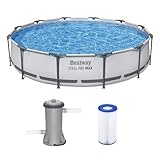
Bestway Steel Pro MAX 12' x 30" Above Ground Swimming Pool Set with Pump | Check Price On Amazon |
|
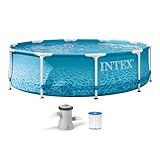
INTEX Beachside Metal Frame 10ft x 30in Round Pool Set w/Pump | Check Price On Amazon |

|
H2OGO! Kids Splash-in-Shade 8-Foot Round Steel Frame Above Ground Pool with Water Mister and Canopy Sunshade, Green Tropical Leaf Print | Check Price On Amazon |
What Equipment Do You Need to Vacuum Your Pool?
Pool vacuuming requires three essential components: a vacuum head, telescoping pole, and vacuum hose rated for your pool’s circulation system. The vacuum head connects debris removal to your pool’s filtration system through suction created by the skimmer or dedicated suction port.
Manual vacuum systems work by connecting to your pool’s existing circulation pump through the skimmer basket or dedicated vacuum port. Water flows through the vacuum head, carrying debris through the hose and into your pool’s filtration system where particles are trapped in the filter media.
Manual Vacuum Components
Select a vacuum head with brush strips that match your pool surface – soft bristles for vinyl liners, medium bristles for fiberglass, and stiff bristles for concrete or pebble surfaces. Triangle heads work best for corners and steps, while wide rectangular heads cover large flat areas efficiently.
Your telescoping pole should extend to reach your pool’s deepest point plus 2 feet for comfortable handling. Standard 8-foot poles work for most residential pools, while 12-16 foot poles are needed for larger or deeper installations.
Hose Selection and Sizing
Choose vacuum hose diameter based on your pool pump capacity – 1.25-inch hoses for pumps under 1 HP, 1.5-inch hoses for 1-2 HP systems, and 2-inch hoses for high-capacity pumps above 2 HP. If you’re not sure about your pump’s horsepower, a swimming pool pump sizing calculator can help determine the correct specifications. Hose length should equal your pool’s longest dimension plus 3 feet to avoid stretching during cleaning.
Heavy-duty vacuum hoses resist kinking and UV damage better than economy versions, maintaining consistent suction over 3-5 year lifespans versus 1-2 years for lighter hoses.
How to Set Up Your Pool Vacuum System
Proper vacuum setup prevents air leaks that reduce suction power and ensures debris flows directly into your filtration system. Start by turning off automatic pool cleaners and removing large debris manually with a leaf net to prevent clogging.
Connect the vacuum head to your telescoping pole and attach one end of the vacuum hose to the head’s suction port. Prime the hose by submerging it completely underwater until air bubbles stop flowing from the free end – this typically takes 2-3 minutes for standard residential hoses.
Connecting to the Skimmer
Remove the skimmer basket and connect the primed hose end to the suction port inside the skimmer. Replace the basket if your skimmer design requires it, or leave it out if the vacuum adapter fits directly into the suction opening.
Turn your pool pump to its normal operating speed and verify strong suction at the vacuum head. Weak suction indicates air leaks in hose connections or inadequate pump prime – check all connection points and re-prime if necessary.

- Intelligent Navigation with Full Coverage: Equipped with 11 high-precision sensors and enhanced dual-path algorithms. The optimized WavePath cleaning pattern ensures systematic coverage with minimal overlap, while adaptive navigation analyzes pool layout in real time to eliminate missed spots
- Dual Filtration for Crystal-Clear Water: Advanced dual-layer filtration system features a replaceable 3-micron ultra-fine filter paired with a 180-micron standard filter. Effectively captures fine dust, sand, leaves, and debris for visibly cleaner and healthier pool water
- Comprehensive Pool Cleaning: Engineered to clean the pool floor, walls, waterline, and shallow areas (above 12 inches). The Caterpillar Treads system enhances mobility and climbing ability, ensuring thorough coverage across all pool zones
- Reliable Performance with 2-Year Warranty: Trusted by over 500,000 pool owners worldwide, this robotic pool cleaner delivers consistent, high-performance results. Built for durability and backed by a 2-year warranty and responsive customer support for worry-free ownership
Dedicated Vacuum Port Connection
If your pool has a dedicated vacuum port (usually located on the pool wall near the skimmer), remove the port cover and connect your primed hose directly. This method provides stronger suction because it doesn’t compete with skimmer flow.
Adjust your pool’s multiport valve to “Filter” position for normal debris removal or “Waste” position when dealing with algae or fine sediment that might clog your filter media.
Step-by-Step Manual Vacuuming Technique
Effective pool vacuuming follows a systematic pattern that prevents stirring up settled debris and ensures complete coverage. Begin at the shallow end and work toward the deep end, allowing gravity to help carry loosened particles toward the main drain area.
Move the vacuum head slowly – approximately 1 foot every 3-5 seconds – to give the suction time to pick up debris completely. Rapid movements create turbulence that suspends particles in the water column rather than removing them.
Vacuuming Pattern Strategy
Start with long, overlapping strokes along the pool’s length, covering 6-8 inch wide strips with each pass. Work systematically from one side to the other, then repeat perpendicular strokes to catch debris missed in the first direction.
Pay special attention to areas where debris accumulates: behind ladders, in corners, around steps, and near return jets where circulation patterns create dead spots. These areas often require multiple passes and slower movement.
Handling Different Debris Types
For leaves and large debris, use the vacuum to push material toward the deep end before attempting suction – this prevents clogging in the hose. Sand and fine sediment require slower movement and may need multiple passes as particles settle.
When encountering algae patches, vacuum directly to waste to avoid spreading spores through your filtration system. This requires switching your multiport valve to “Waste” position and monitoring water level closely. After vacuuming, it’s critical to shock the pool; use a pool shock calculator to determine exactly how much chlorine to add for complete algae eradication.
When Should You Use the Waste Setting vs Filter Setting?
The waste setting bypasses your pool filter entirely, sending vacuumed debris directly to your backwash line or waste drain. Use this setting when removing algae, fine silt, or any debris that could clog or damage your filter media.
Filter setting routes debris through your normal filtration system, trapping particles in sand, cartridge, or DE filter media. This setting works best for routine cleaning of normal pool debris like leaves, bugs, and small particles.
Waste Setting Applications
Switch to waste when dealing with algae blooms, as algae spores can pass through most filter media and recontaminate your pool. Green algae, mustard algae, and black algae should always be vacuumed to waste to prevent spread.
Fine sediment from dust storms, construction, or landscaping also benefits from waste setting disposal. These particles can quickly clog cartridge filters or require excessive backwashing in sand and DE systems.
Filter Setting Benefits
Normal weekly vacuuming should use filter setting to capture debris in your existing filtration system. This conserves water compared to waste setting and allows your filter media to trap particles for later removal during backwashing or cartridge cleaning.
Monitor your filter pressure gauge during vacuuming – pressure increases of 8-10 PSI above clean starting pressure indicate the need for backwashing or filter cleaning.
How Often Should You Vacuum Your Pool?
Pool vacuuming frequency depends on environmental factors, pool usage, and surrounding vegetation that affects debris accumulation. Weekly manual vacuuming maintains water quality in most residential pools with moderate use and minimal tree coverage.
High-use pools or those surrounded by trees may require vacuuming 2-3 times per week during peak seasons. Pools with automatic cleaning systems can extend manual vacuuming intervals to bi-weekly with daily automatic operation.
Seasonal Scheduling Adjustments
Spring opening requires intensive vacuuming to remove winter debris accumulation – plan for 2-3 complete vacuum sessions during the first week of operation. Summer maintenance typically needs weekly vacuuming with increased frequency during heavy use periods.
Fall requires more frequent vacuuming as leaves drop – daily skimming combined with every-other-day vacuuming prevents organic matter from staining pool surfaces or overwhelming filtration systems.
Usage-Based Guidelines
Pools with 1-4 regular swimmers need weekly vacuuming under normal conditions. Pools hosting parties or heavy use should be vacuumed within 24 hours of high-activity periods to remove sunscreen residue, organic matter, and stirred-up debris.
Commercial pools and those with 8+ regular users require daily vacuuming or continuous automatic cleaning to maintain health department standards and water clarity expectations.
What Are the Best Automatic Pool Vacuum Options?
Automatic pool cleaners fall into three categories: suction-side, pressure-side, and robotic systems, each with specific advantages for different pool types and maintenance needs. Suction-side cleaners cost $150-400 and work with existing pump systems, while robotic cleaners range from $800-3000 but operate independently.
Pool size, surface type, and debris load determine optimal cleaner selection. Above-ground pools typically use suction-side models, while large inground pools benefit from robotic systems’ superior cleaning patterns and filtration capabilities.
Suction-Side Automatic Cleaners
Suction-side cleaners connect to your skimmer or dedicated suction port, using pool pump power to move and create suction. Popular models include Hayward Navigator, Pentair Kreepy Krauly, and Zodiac Baracuda series with proven reliability records.
These systems work best in pools with minimal large debris and adequate pump power – typically 1 HP or higher for effective operation. Installation requires no electrical connections, making them ideal for pools without dedicated cleaner electrical circuits.
Pressure-Side Pool Cleaners
Pressure-side cleaners use water pressure from return jets or dedicated booster pumps to power movement and debris collection. Models like Polaris 280 and 380 include debris bags that capture leaves and large particles without sending them through your pool’s filtration system.
These cleaners excel in pools with heavy leaf loads or large debris but require booster pump installation in most cases, adding $300-500 to total system cost plus electrical work for pump connection.
Robotic Pool Cleaners
Robotic cleaners operate independently from pool circulation systems, featuring onboard pumps, filtration, and programmable cleaning cycles. Premium models include wall climbing, waterline cleaning, and smartphone app control for scheduling and monitoring.
Energy efficiency is a major advantage – robotic cleaners use 90% less electricity than running pool pumps for equivalent cleaning time. Most models clean pools in 2-3 hours versus 6-8 hours for suction or pressure cleaners.
How to Troubleshoot Common Pool Vacuuming Problems
Weak suction during vacuuming typically results from air leaks in hose connections, inadequate pump prime, or clogged filter media restricting flow. Check all connection points first, then verify pump basket and skimmer baskets are clean and properly seated.
If your pool pump loses prime during vacuuming, the vacuum hose may not be properly primed or connections may be loose. Re-prime the system completely and ensure vacuum head remains submerged throughout cleaning.
Suction Power Issues
Insufficient suction often indicates filter pressure buildup – clean or backwash filters when pressure exceeds manufacturer specifications by 8-10 PSI. Cartridge filters showing discoloration or debris buildup need cleaning or replacement even if pressure hasn’t increased significantly.
Check your skimmer system for blockages if suction remains weak after filter cleaning. Blocked skimmer baskets, damaged weir doors, or partially closed valves restrict water flow to the pump.
Debris Not Being Picked Up
When debris isn’t being collected effectively, slow your vacuuming pace to allow suction time to work. Move the vacuum head at half your normal speed, especially over fine particles like sand or silt that require more dwell time.
Heavy debris may need pre-treatment with a leaf rake to remove large items before vacuuming. Matted leaves or multiple layers of debris can block vacuum head openings and reduce suction effectiveness.
Automatic Cleaner Malfunctions
Automatic cleaners that move too slowly or stop frequently often have clogged debris compartments or tangled hoses. Empty debris bags or canisters when 2/3 full to maintain optimal performance and prevent motor strain.
Cleaners that flip over repeatedly may have improper weight distribution or damaged components. Check manufacturer specifications for proper weight placement and inspect wheels, tracks, or other moving parts for wear or debris accumulation.
How to Maintain Your Pool Vacuum Equipment
Regular vacuum equipment maintenance extends service life and ensures consistent performance throughout swimming seasons. Rinse all components with fresh water after each use, paying special attention to brush strips and suction openings where debris can accumulate.
Store vacuum hoses in straight or large coil configurations to prevent permanent kinking that reduces suction flow. Avoid sharp bends or storage under heavy objects that can deform hose walls and create air leak points.
Hose and Connection Care
Inspect vacuum hose connections monthly for wear, cracking, or loose fittings that allow air infiltration. Replace worn cuff connections and clean debris from threaded fittings to maintain secure seals during operation.
Rotate hose sections periodically to distribute wear evenly – sections closest to the vacuum head experience more abrasion and may need earlier replacement than sections near the connection point.
Vacuum Head Maintenance
Clean brush strips after each use to remove embedded debris that reduces cleaning effectiveness. Replace brush strips when bristles wear to less than half their original length or become permanently bent from use.
Check vacuum head wheels or runners for damage that could scratch pool surfaces. Replace worn components promptly to prevent costly surface repairs and maintain smooth vacuum head movement.
Automatic Cleaner Service
Service automatic cleaners according to manufacturer schedules – typically every 3-6 months for moving parts inspection and lubrication. Replace wear parts like diaphragms, o-rings, and drive belts at recommended intervals to prevent mid-season failures.
Professional service may be cost-effective for complex cleaners with multiple moving parts or electronic components. Many pool service companies offer cleaning and repair services during off-season periods at reduced rates.
What Pool Surfaces Require Special Vacuuming Techniques?
Different pool surface materials require adjusted vacuuming approaches to prevent damage while achieving effective cleaning. Vinyl liner pools need gentle brush pressure and careful handling around seams, while concrete pools can handle aggressive brushing for algae and stain removal.
Fiberglass pools benefit from soft-bristle vacuum heads and moderate suction to prevent gel coat scratching. Pebble and aggregate surfaces require stiff brushes but careful technique around exposed aggregate edges that can catch and tear equipment.
Vinyl Liner Pool Considerations
Use only soft-bristle vacuum heads on vinyl surfaces and avoid dragging equipment across the liner. Lift and reposition vacuum heads rather than sliding to prevent punctures or scratches that can lead to liner replacement.
Pay special attention to liner seams and step areas where vacuum heads can catch and cause damage. Consider using vinyl-specific vacuum heads with rounded edges and soft materials designed for flexible surfaces.
Concrete and Gunite Surface Techniques
Concrete pools can handle aggressive brushing and high suction for algae removal and deep cleaning. Use stiff-bristle vacuum heads and overlap passes to remove embedded dirt and organic stains from textured surfaces.
Regular brushing with steel-bristle brushes helps prevent algae establishment in porous concrete, reducing vacuuming time and chemical usage for long-term maintenance.
Tile and Natural Stone Guidelines
Tile surfaces require careful vacuum head selection to avoid grout damage and tile displacement. Use vacuum heads with soft bumpers and avoid high-pressure cleaning around decorative tiles or areas with aging grout.
Natural stone surfaces may have varying hardness and texture characteristics requiring different brush types within the same pool. Test vacuum techniques in inconspicuous areas before full pool cleaning to prevent surface damage.
How to Handle Algae and Heavy Debris Loads
Severe algae infestations require specialized vacuuming techniques to prevent spore spread and ensure complete removal. Always vacuum algae directly to waste to bypass filtration systems that cannot capture microscopic spores effectively.
Brush algae patches thoroughly before vacuuming to dislodge attached growth and expose underlying surfaces. This pre-treatment increases vacuum effectiveness and prevents algae from reestablishing in cleaned areas.
Green Algae Removal Protocol
Start algae vacuuming at the lightest affected areas and work toward heavily infested zones to prevent cross-contamination. Move vacuum heads slowly to avoid creating algae clouds that reduce visibility and cleaning effectiveness.
Monitor water level closely when vacuuming to waste – removing large algae volumes can lower water significantly. Add water as needed to maintain proper skimmer operation and equipment protection levels.
Heavy Debris Management
Remove large debris manually before vacuum cleaning to prevent hose clogging and equipment damage. Items larger than vacuum hose diameter should be collected with nets or manual removal tools.
For pools with extreme debris loads from storms or neglect, consider professional cleaning services that have high-capacity equipment and waste disposal capabilities beyond residential systems.
Post-Storm Cleanup Strategies
After severe weather, allow debris to settle for 2-4 hours before beginning cleanup to minimize water turbidity during vacuuming. Skim floating debris first, then proceed with systematic bottom cleaning.
Consider renting commercial-grade pool vacuums for major cleanup projects that exceed residential equipment capacity. These units offer higher flow rates and larger debris handling capabilities.
Cost-Effective Pool Vacuuming Strategies
Optimize vacuuming costs through strategic scheduling that reduces chemical usage and extends equipment life. Regular weekly vacuuming prevents debris accumulation that requires intensive chemical treatment and excessive filtration runtime.
Coordinate vacuuming with filter maintenance schedules to maximize cleaning effectiveness and minimize water waste. Plan major cleaning sessions just before filter backwashing or cartridge replacement to avoid premature clogging.
DIY vs Professional Service Economics
Manual vacuuming costs approximately $15-25 per session in chemicals and utilities, while professional service ranges from $75-150 per visit. For pools requiring weekly service, annual DIY costs total $800-1300 versus $3900-7800 for professional maintenance. To get a personalized estimate of your total yearly pool maintenance costs, try our pool maintenance cost calculator.
Consider professional service for complex cleaning situations like algae remediation or equipment repairs that require specialized knowledge. DIY maintenance works effectively for routine cleaning and preventive care.
Equipment Investment Analysis
Quality manual vacuum equipment costs $150-300 and lasts 3-5 years with proper maintenance. Automatic cleaners range from $200-3000 but can reduce manual labor and chemical costs through consistent cleaning cycles.
Calculate total ownership costs including energy consumption, replacement parts, and time investment. Robotic cleaners often provide best long-term value despite higher initial cost through energy efficiency and reduced chemical usage.
Frequently Asked Questions About Pool Vacuuming
How long should it take to vacuum an average pool?
Quick Answer: Standard 15,000-20,000 gallon residential pools (use a pool volume calculator to find your exact gallon capacity) require 45-75 minutes for thorough manual vacuuming with proper technique and adequate suction power.
Vacuuming time depends on pool size, debris load, and equipment efficiency. Large pools (25,000+ gallons) may require 90-120 minutes, while smaller above-ground pools (10,000-15,000 gallons) typically clean in 30-45 minutes. Move slowly for thorough debris pickup – rushing reduces effectiveness and requires repeat cleaning.
Why does my vacuum lose suction after a few minutes?
Quick Answer: Rapid suction loss typically indicates air leaks in hose connections, pump basket clogs, or filter pressure buildup requiring immediate cleaning or backwashing.
Check pump basket and skimmer baskets first – debris accumulation reduces water flow and pump efficiency. Inspect all hose connections for loose fittings or damaged o-rings that allow air infiltration. Clean or backwash filters when pressure exceeds normal operating range by 8-10 PSI. Re-prime vacuum hose completely if air bubbles appear in pump basket.
Can I vacuum my pool with the filter off?
Quick Answer: Never vacuum with filters completely off – debris will circulate back into the pool through return jets, creating more contamination than cleaning.
Pool pumps require filter media or backwash/waste settings to function safely and effectively. Without filtration, vacuumed debris flows directly through return lines back into pool water, potentially damaging pump impellers and internal components. Use waste setting to bypass clogged filters temporarily, but monitor water levels carefully to prevent pump damage from low water conditions.
How do I vacuum a pool without a skimmer?
Quick Answer: Pools without skimmers require dedicated vacuum ports or temporary suction adapters that connect directly to pump suction lines for effective cleaning.
Install a dedicated vacuum fitting in the pool wall connected to your pump’s suction line, or use temporary suction adapters that connect to main drain systems. Some pool owners install dual-purpose fittings that serve as return jets during normal operation and vacuum connections during cleaning. Consult pool professionals for permanent installation to ensure proper hydraulics and safety compliance.
What setting should my pool pump be on while vacuuming?
Quick Answer: Use “Filter” setting for normal debris removal or “Waste” setting when removing algae, fine silt, or contaminants that could clog filtration media.
Filter setting routes debris through normal filtration for capture and later removal during backwashing. Waste setting bypasses filters entirely, sending debris directly to drain systems – essential for algae removal to prevent spore circulation. Never use “Recirculate” setting during vacuuming as this bypasses filtration without waste disposal, returning debris to pool water.
Is it better to vacuum fast or slow?
Quick Answer: Vacuum slowly at 1 foot every 3-5 seconds to allow suction time for complete debris pickup – fast movement stirs up particles without removing them.
Slow, deliberate movement ensures vacuum suction captures debris rather than suspending it in water column. Rapid movement creates turbulence that lifts sediment and fine particles, reducing water clarity and requiring additional cleaning passes. For algae removal, move even slower to prevent spore dispersal. Overlap each pass by 6-8 inches for complete coverage without missed spots.
Why is my automatic pool cleaner not moving?
Quick Answer: Stationary automatic cleaners typically have clogged debris compartments, tangled hoses, insufficient suction pressure, or worn drive components requiring cleaning or replacement.
Empty debris bags or canisters when 2/3 full to prevent motor strain and maintain movement. Check for hose kinks, twists, or entanglement that restricts movement patterns. Verify adequate suction by testing pump operation and cleaning filter media if pressure is elevated. Inspect wheels, tracks, and drive belts for wear or debris accumulation that prevents normal operation.
Can I leave my robotic pool cleaner in the pool all the time?
Quick Answer: Remove robotic cleaners after each use to prevent UV damage, extend component life, and allow proper cleaning and maintenance of internal systems.
Continuous submersion degrades rubber seals, electrical components, and plastic parts from UV exposure and chemical contact. Most manufacturers recommend 2-3 cleaning cycles per week with storage in shade between uses. Clean debris canisters and rinse units with fresh water after each use. Extended submersion voids most warranties and significantly reduces equipment life expectancy.
How do I vacuum algae without spreading it?
Quick Answer: Always vacuum algae directly to waste setting, move slowly to minimize water disturbance, and start from lightest infestation areas toward heaviest concentrations.
Switch multiport valve to “Waste” position to bypass filtration entirely – algae spores pass through most filter media and recontaminate cleaned areas. Brush algae patches lightly before vacuuming to dislodge growth without creating particle clouds. Work systematically from areas with minimal algae toward heavily infested zones to prevent cross-contamination. Monitor water level closely as waste disposal removes significant water volume.
What should I do if my vacuum hose keeps floating?
Quick Answer: Floating hoses aren’t properly primed – submerge entire hose length underwater until air bubbles stop, then connect to skimmer while keeping vacuum head submerged.
Complete hose priming requires 2-4 minutes of full submersion depending on hose length and diameter. Hold one end against pool return jet to force water through entire length, or use hose flooding method by submerging completely and allowing water to displace air naturally. Attach hose weights every 6-8 feet for hoses that float persistently due to material density or manufacturing characteristics.
How often should I replace my pool vacuum equipment?
Quick Answer: Replace vacuum heads every 2-3 years, hoses every 3-5 years, and automatic cleaners every 5-8 years depending on usage frequency and maintenance quality.
Monitor brush strip wear on vacuum heads – replace when bristles reach 50% original length or show permanent bending. Inspect hoses annually for cracking, stiffness, or connection wear that affects suction efficiency. Automatic cleaner replacement depends on repair costs versus new equipment – replace when annual maintenance exceeds 40% of replacement cost. Quality equipment lasts longer with proper storage and regular maintenance.
Can I vacuum my pool with low water levels?
Quick Answer: Never vacuum with water below skimmer opening mid-point – low levels cause pump cavitation, equipment damage, and loss of prime requiring expensive repairs.
Maintain water levels at least halfway up skimmer openings during all vacuuming operations. Low water prevents proper pump priming and can draw air into circulation systems, causing cavitation damage to pump impellers and motor components. Add water before vacuuming if levels are low, and monitor levels when vacuuming to waste setting which removes significant water volume.
Advanced Pool Vacuuming Techniques for Professional Results
Professional-grade vacuuming techniques achieve superior results through systematic approaches that maximize efficiency and minimize equipment wear. Create detailed cleaning schedules that coordinate vacuuming with chemical treatment, filtration cycles, and preventive maintenance for optimal water quality.
Document cleaning patterns and trouble spots in each pool to develop customized maintenance protocols. Professional pool technicians maintain detailed logs tracking debris patterns, equipment performance, and seasonal variations that inform service optimization and equipment replacement planning.
Regular pool vacuuming forms the foundation of comprehensive water maintenance that reduces chemical costs, extends equipment life, and ensures consistently clear, healthy swimming conditions. Combine systematic vacuuming techniques with proper equipment maintenance and strategic scheduling to achieve professional-quality results while minimizing time and cost investment in your pool care routine.
| Photo | Best Above-Ground Pools | Price |
|---|---|---|
|
|
Bestway Steel Pro MAX 12' x 30" Above Ground Swimming Pool Set with Pump | Check Price On Amazon |
|
|
INTEX Beachside Metal Frame 10ft x 30in Round Pool Set w/Pump | Check Price On Amazon |
|
|
H2OGO! Kids Splash-in-Shade 8-Foot Round Steel Frame Above Ground Pool with Water Mister and Canopy Sunshade, Green Tropical Leaf Print | Check Price On Amazon |