
Pool fencing laws vary so much from state to state that what passes inspection in Florida can get a homeowner fined in California. Understanding the specific requirements for your state before installing a pool safety fence can save you thousands in fines and, more critically, protect children from drowning accidents that happen in seconds.
This guide covers pool fence requirements by state, including height minimums, gate latch specifications, barrier setback rules, and the key differences between residential pool codes across the United States.
| Photo | Best Above-Ground Pools | Price |
|---|---|---|
|
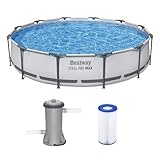
Bestway Steel Pro MAX 12' x 30" Above Ground Swimming Pool Set with Pump | Check Price On Amazon |
|
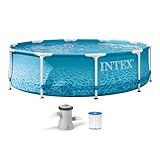
INTEX Beachside Metal Frame 10ft x 30in Round Pool Set w/Pump | Check Price On Amazon |

|
H2OGO! Kids Splash-in-Shade 8-Foot Round Steel Frame Above Ground Pool with Water Mister and Canopy Sunshade, Green Tropical Leaf Print | Check Price On Amazon |
By the Numbers
Pool Fence Safety – What the Data Shows
Sources: CDC Drowning Prevention, CPSC Pool Safety Reports, ASTM International
What Federal Guidelines Say About Pool Fence Requirements
The United States Consumer Product Safety Commission (CPSC) publishes the baseline pool barrier guidelines that most state and local codes build upon. According to CPSC guidelines, a compliant pool barrier must be at least 4 feet high, completely surround the pool on all four sides, and include a self-closing, self-latching gate that opens outward away from the pool.
The Virginia Graeme Baker Pool and Spa Safety Act (VGB Act), enacted by Congress, addresses entrapment prevention and drain cover standards, but does not mandate specific fence heights at the federal level. Pool fencing requirements remain the jurisdiction of individual states and local municipalities.

- Intelligent Navigation with Full Coverage: Equipped with 11 high-precision sensors and enhanced dual-path algorithms. The optimized WavePath cleaning pattern ensures systematic coverage with minimal overlap, while adaptive navigation analyzes pool layout in real time to eliminate missed spots
- Dual Filtration for Crystal-Clear Water: Advanced dual-layer filtration system features a replaceable 3-micron ultra-fine filter paired with a 180-micron standard filter. Effectively captures fine dust, sand, leaves, and debris for visibly cleaner and healthier pool water
- Comprehensive Pool Cleaning: Engineered to clean the pool floor, walls, waterline, and shallow areas (above 12 inches). The Caterpillar Treads system enhances mobility and climbing ability, ensuring thorough coverage across all pool zones
- Reliable Performance with 2-Year Warranty: Trusted by over 500,000 pool owners worldwide, this robotic pool cleaner delivers consistent, high-performance results. Built for durability and backed by a 2-year warranty and responsive customer support for worry-free ownership
The CPSC recommends that the fence barrier stand entirely separate from the house, meaning the dwelling wall should not serve as one side of the enclosure. This 4-sided isolation fence design reduces child drowning risk by approximately 83% compared to 3-sided barriers using the house as one wall, according to CPSC research.
Key specifications from CPSC pool barrier guidelines include:
- Minimum barrier height: 4 feet (48 inches) above grade
- Maximum vertical clearance below fence: 4 inches from ground to bottom rail
- Maximum horizontal spacing between vertical members: 4 inches
- Gate latch height: at least 54 inches from ground, or enclosed on the pool side
- Gate swing direction: outward, away from pool water
- No climbable features within 36 inches of the fence on the outside
These CPSC guidelines form the foundation for the International Swimming Pool and Spa Code (ISPSC), which many states have adopted in whole or in part. Always verify your local building department requirements, as municipal codes can be stricter than state minimums.
Pool Fence Requirements by State: A Comprehensive State-by-State Breakdown
Pool fence laws differ significantly across all 50 states, with some states mandating 5-foot or 6-foot barrier heights while others still rely entirely on local municipal codes with no statewide minimum. The table below summarizes requirements for major states based on current state statutes and building codes.
State Reference Guide
Pool Fence Requirements by State – Key Specifications
Minimum requirements only. Local codes may impose stricter standards. Verify with your local building authority before installation.
| State | Min. Height | 4-Sided Required | Self-Latching Gate | Key Notes |
|---|---|---|---|---|
| California | 60 in (5 ft) | Yes | Yes | Health and Safety Code 115922; pool alarms required |
| Florida | 48 in (4 ft) | Yes | Yes | Florida Statute 515; 7 barrier options allowed including alarms |
| Texas | 48 in (4 ft) | Varies | Yes | Local municipality controls; no single statewide mandate |
| Arizona | 60 in (5 ft) | Yes | Yes | ARS 36-1681; max 4-inch gaps; non-climbable required |
| New York | 48 in (4 ft) | Yes | Yes | NY Public Health Law 206-a; NYC has additional local requirements |
| Nevada | 60 in (5 ft) | Yes | Yes | NRS 209; gate must be self-closing with latch on pool side |
| Georgia | 48 in (4 ft) | Local | Yes | State minimum enforced; county codes vary significantly |
| Illinois | 48 in (4 ft) | Yes | Yes | Illinois Private Swimming Pool Safety Act (430 ILCS 152) |
| Pennsylvania | Local | Local | Local | No statewide law; township and borough codes apply |
| Ohio | 48 in (4 ft) | Varies | Yes | ORC 4109; above-ground pools may use pool wall as barrier |
| North Carolina | 48 in (4 ft) | Yes | Yes | NC Building Code R326; permit required before installation |
| Washington | 48 in (4 ft) | Yes | Yes | RCW 70.340; adopted ISPSC provisions statewide |
Data based on current state statutes and building codes. Requirements can change. Always confirm specifications with your local building department or health authority before installation.
California Pool Fence Requirements: The Strictest State Standards
California enforces some of the most comprehensive residential pool barrier laws in the United States under Health and Safety Code Section 115922. Any residential pool constructed after January 1, 2007, must have at least one of seven approved drowning prevention safety features, and most homeowners are required to install a compliant pool fence as the primary or secondary barrier.
California requires a minimum fence height of 60 inches (5 feet) measured from grade on the exterior side. The barrier must completely surround the pool on all four sides, with no opening that would allow a sphere greater than 4 inches in diameter to pass through.
California Pool Fence Gate Requirements
Gates in California pool enclosures must be self-closing and self-latching, with the latch located on the pool side of the gate at a minimum height of 60 inches from the bottom of the gate or protected so it cannot be opened from the outside by a child. All gates must open away from the pool and return to a fully latched position without human assistance.
California also requires that no opening in the fence, including spaces beneath horizontal rails, exceed 4 inches. Vertical members must be spaced no more than 4 inches apart to prevent a child from squeezing through. A pool fence that relies on horizontal rails as climbing footholds violates California code, so chain-link fencing generally does not meet state requirements without additional modifications.
California’s Seven Drowning Prevention Safety Features
California Health and Safety Code 115922 allows homeowners to choose from a list of seven approved drowning prevention safety features. Compliance requires at least one feature from the list, but many homeowners install multiple layers of protection.
- Isolation fence (4-sided) meeting California requirements
- Removable mesh pool safety fence meeting ASTM F2286 standards
- Approved pool cover meeting ASTM F1346 specifications
- Pool alarm meeting ASTM F2208 standards
- Door alarm on any door with direct pool access
- Self-closing, self-latching door providing pool access
- Natural or artificial barriers approved by local building authority
Homes built before January 1, 2007, are not automatically required to retrofit to current California standards, but any remodeling that involves pool construction or significant modification triggers compliance requirements. Always consult the California Department of Public Health (CDPH) and your local building department for current enforcement guidelines.
Florida Pool Fence Requirements: Barrier Options and Permit Rules
Florida Statute 515, the Residential Swimming Pool Safety Act, requires every new residential swimming pool to have at least one of seven drowning prevention features in place before the final building permit inspection. Florida allows more flexibility than many states in how homeowners achieve compliance, which makes understanding the specific options critical for a successful permit approval.
The minimum fence height in Florida is 48 inches (4 feet), measured from the exterior ground level. Florida does require a 4-sided isolation barrier separating the pool from the home in most jurisdictions, but the statute allows homeowners to select from multiple approved safety systems.
Florida’s Seven Approved Drowning Prevention Features
- Perimeter fence with self-closing, self-latching gates meeting Florida Building Code specifications
- Approved safety pool cover meeting ASTM F1346
- Exit alarms on all doors providing direct pool access
- Removable mesh safety fence meeting ASTM F2286
- Pool alarm meeting ASTM F2208 (sub-surface or surface wave detection)
- Wrist alarms for children
- Door alarms meeting UL 2017 standards on all doors with pool access
Florida requires that the selected drowning prevention feature be in place before the swimming pool is filled with water and before the final building permit inspection is completed. Homeowners who fail to comply face permit holds that prevent them from receiving a certificate of occupancy.
Florida Pool Fence Height and Spacing Rules
Florida pool fences must meet several specific construction requirements in addition to the 48-inch minimum height. The maximum clearance from the ground to the bottom of the fence is 4 inches. Vertical members must be spaced no more than 4 inches apart, and horizontal rails that could serve as climbing footholds must be positioned to prevent a child from scaling the fence.
Gate latches in Florida must be located on the pool side of the gate, at a height of at least 54 inches, or enclosed within a tamper-resistant housing. All gates must open outward away from the pool and be equipped with both a self-closing mechanism and a self-latching device. A self-latching pool gate latch that meets Florida Building Code specifications typically requires the release mechanism to be located at least 54 inches above grade or enclosed on the pool side.
Arizona Pool Fence Laws: Strict Standards for a High-Risk Climate
Arizona Revised Statutes Section 36-1681 mandates one of the strictest residential pool fencing regimes in the country, driven by the state’s year-round swimming season and historically high child drowning rates. Arizona requires a minimum fence height of 60 inches (5 feet) for all residential pools.
The Arizona pool barrier must completely enclose the pool on all four sides and must be constructed so that no opening greater than 4 inches exists anywhere in the fence or its footings. No horizontal rails or structural features within 18 inches of the top of the fence may create climbable footholds. Chain-link fencing does not meet Arizona code unless fitted with slats or a climb-deterrent system that eliminates toe-holds throughout the barrier height.
Arizona Gate Specifications and Enforcement
Arizona requires that pool gates be self-closing and self-latching, with the latch located on the interior (pool side) of the gate at a minimum height of 54 inches. Gates must swing outward and return to a closed and latched position without any human intervention. Arizona municipalities including Phoenix, Scottsdale, Tempe, and Mesa may enforce additional requirements beyond the state minimum, so always check your local jurisdiction.
Maricopa County enforces regular inspections of pool barriers, and homeowners who fail compliance inspections face fines starting at $100 per day until the violation is corrected. Arizona also requires that non-pool-side openings in the fence be no more than 4 inches, and that the fence sit no more than 2 inches above the ground surface. A removable mesh pool safety fence meeting ASTM F2286 standards satisfies Arizona requirements when properly installed and tensioned to 5-foot height.
Texas Pool Fence Requirements: Local Control Dominates
Texas has no single statewide residential pool fencing mandate. Pool barrier requirements in Texas are governed almost entirely at the local level, meaning requirements in Houston, Dallas, San Antonio, and Austin can differ substantially from rural county rules. The Texas Department of State Health Services does not publish a universal pool fence law applicable to all residential pools statewide.
Most Texas municipalities with active pool permitting programs adopt requirements based on the International Swimming Pool and Spa Code (ISPSC) or the International Residential Code (IRC), both of which set a 48-inch minimum fence height. Local ordinances in cities like Houston require 4-sided barriers with self-latching gates, while some smaller municipalities have no formal barrier ordinance beyond requiring a building permit.
What Texas Pool Owners Must Do Before Installing a Fence
Because Texas pool fencing law is locally controlled, the first step for any Texas homeowner is contacting their city or county building department to obtain the specific barrier specifications that apply to their property address. Many Texas jurisdictions require a building permit for pool construction and will issue a pool fence specification sheet as part of the permit package.
Harris County (Houston area) requires a minimum 48-inch fence with non-climbable construction and self-latching gates. Dallas requires 4-foot minimum barriers with specific gate hardware meeting ICC specifications. San Antonio follows the ISPSC with 4-foot minimums and 4-sided isolation requirements. Failing to pull a permit before installing a pool in Texas can result in mandatory removal at the homeowner’s expense.
States with No Statewide Pool Fence Mandate: Where Local Law Controls Everything
Several states, including Texas, Pennsylvania, Michigan, and Montana, have not enacted statewide residential pool fencing laws. In these states, pool barrier requirements come entirely from local ordinances, county codes, or homeowner association (HOA) rules. The absence of a state law does not mean a homeowner faces no legal obligation. It means the obligation is set at a closer, more local level.
In Pennsylvania, for example, boroughs and townships each maintain their own swimming pool ordinances. Philadelphia requires a 6-foot fence, while many rural Pennsylvania counties require only a 4-foot barrier. Michigan relies primarily on local ordinances, though many Michigan cities have adopted the 2021 International Residential Code (IRC) which includes pool barrier provisions.
Homeowners in states without statewide pool fencing laws should take these steps before starting pool construction:
- Contact the county building department and request the specific pool barrier ordinance text
- Check with the city or township building inspector for any local amendments to the base code
- Review HOA covenants, which often impose fence height, material, and color restrictions beyond municipal code
- Confirm whether a permit is required before any fence installation or pool construction begins
- Ask whether a pre-pour and final inspection will be required for code compliance certification
Above-Ground Pool Fence Requirements by State: Different Rules Apply
Above-ground swimming pools (typically 48 inches to 54 inches tall with walls that serve as a partial barrier) are treated differently from inground pools in most state and local codes. The key question regulators ask is whether the pool wall itself, combined with a barrier system, creates adequate protection against unauthorized child access.
Many states allow the wall of an above-ground pool to serve as one side of the required barrier, provided the pool wall meets or exceeds the minimum fence height requirement. California requires above-ground pool walls to be at least 60 inches from the ground and have no external handrails, steps, or ladders that allow a child to climb in unsupervised. A locking above-ground pool ladder that retracts or locks is required in many states to prevent unauthorized access.
Above-Ground Pool Ladder and Step Requirements
Retractable or lockable ladders are required for above-ground pools in most jurisdictions. The rationale is that a pool wall alone creates an adequate barrier only if there is no accessible means for a child to climb over it. Any permanently installed step or ladder that allows easy pool access from the exterior must be locked, removed, or fenced when the pool is not in use.
Florida allows above-ground pool walls of at least 48 inches to serve as the primary barrier if the wall has no exterior footholds and the ladder is secured when not in use. Arizona does not allow the above-ground pool wall to substitute for the required 5-foot perimeter fence unless the wall is at least 60 inches high, entirely smooth on the exterior, and has no accessible ladder or step. Ohio permits above-ground pools 48 inches or taller to use the pool wall as the barrier when a locking ladder system is installed.
Pool Fence Materials: Which Types Meet Code Requirements?
Pool fence material selection matters both for code compliance and long-term durability in a pool environment. Chlorine vapors, UV exposure, and ground moisture all affect how quickly different fencing materials degrade. The right choice depends on your local code requirements, budget, and aesthetic preferences.
Material Comparison
Pool Fence Materials – Compliance, Cost and Durability
Comparison of the most common pool fence materials used in residential applications
| Material | Code Compliant | Typical Cost (per linear ft) | Lifespan | Climbability Risk |
|---|---|---|---|---|
| Aluminum (powder-coated) | Yes, most states | $25-$50 | 20-30 years | Low (vertical pickets) |
| Vinyl (PVC) | Yes, most states | $20-$40 | 15-25 years | Low to moderate |
| Removable mesh | Yes (ASTM F2286) | $15-$30 | 7-15 years | Low (rigid when tensioned) |
| Wood (treated pine or cedar) | Varies by jurisdiction | $12-$25 | 10-15 years | Moderate (horizontal rails) |
| Wrought iron / steel | Yes, most states | $30-$60 | 25-50 years | Low (vertical pickets) |
| Chain-link | Restricted (many states) | $8-$15 | 15-20 years | High (easily climbed) |
Costs are approximate installed costs per linear foot. Actual prices depend on region, contractor rates, and fence height. Chain-link may be approved with slat inserts in some jurisdictions – confirm locally.
Aluminum Pool Fencing: The Most Widely Compliant Option
Powder-coated aluminum pool fencing with vertical pickets spaced no more than 4 inches apart meets code requirements in virtually every state that has pool barrier laws. Aluminum does not rust in chlorinated environments, resists UV degradation better than vinyl in high-sun regions, and typically requires no painting or sealing over its lifespan. A 4-foot aluminum pool fence panel with 3.5-inch picket spacing costs approximately $25 to $50 per linear foot installed.
Aluminum pool fence panels come in standard heights of 48 inches, 54 inches, and 60 inches, making it straightforward to match state minimums in California (60 inches), Arizona (60 inches), or Florida (48 inches). Look for panels rated for residential pool applications with welded construction rather than riveted connections, which can loosen over time in wet environments.
Removable Mesh Pool Fencing: The Flexible Solution
Removable mesh pool safety fencing systems anchored by in-ground poles offer a practical solution for homeowners who want to open up pool areas when children are not present. ASTM F2286 is the governing standard for removable mesh pool barriers. A fence meeting this standard must support a 150-pound horizontal load without deflection exceeding 4 inches.
Mesh systems are accepted in California, Arizona, Florida, Nevada, and most other states with pool barrier laws. The primary limitation is that the mesh must be reinstalled every time the pool area is unsupervised, which requires homeowner discipline. A removable mesh pool fence system for a typical 12×24 foot pool costs approximately $1,200 to $2,500 installed, including poles, mesh panels, and a compliant gate.
Why Chain-Link Pool Fencing Fails Code in Most States
Chain-link fencing is the most commonly rejected pool fence material during building inspections. The interlocking diamond wire pattern creates abundant toe-holds and finger-holds that allow children as young as 18 months to climb a 4-foot chain-link fence in under 20 seconds. Arizona, California, Nevada, and Florida all specifically prohibit chain-link as a pool barrier unless fitted with climb-deterrent modifications that effectively eliminate toe-holds throughout the full height of the fence.
Some jurisdictions allow chain-link with fully inserted slats on every diamond, but the installed cost of slat inserts often exceeds the cost of switching to aluminum or vinyl. If you already have chain-link around your property, confirm with your local building department whether it can be retrofitted to meet pool barrier requirements or whether a new fence installation is necessary.
Pool Gate Requirements: Self-Closing and Self-Latching Specifications
The pool fence gate is the most frequently failed component in pool barrier inspections. A gate that does not fully close and latch on its own creates the same vulnerability as having no fence at all. Self-closing and self-latching gate mechanisms are required by the CPSC, the ISPSC, and virtually every state pool barrier law in the country.
A self-closing gate must return to a fully closed position under its own spring tension or gravity after being released at any position along its swing arc. A self-latching gate must engage the latch automatically when the gate closes, without any manual operation of the latch mechanism. These are two separate requirements, and a gate that closes but requires a manual push to latch does not meet code.
Gate Latch Height Requirements by Code
The CPSC guideline and ISPSC both specify that the gate latch must be located at least 54 inches above grade when mounted on the exterior (non-pool) side of the gate. If the latch is located below 54 inches on the exterior face, it must be enclosed in a locked housing or placed on the interior (pool side) of the gate where it is not accessible to a child reaching through or over the fence.
A pool gate self-closing hinge set rated for pool applications must hold gate weight without sagging. Gate sag is one of the most common sources of pool fence non-compliance, as a sagging gate can fail to self-latch even when the hardware itself is functional. Use stainless steel or powder-coated steel hinges rated for the gate weight plus a 50-pound safety factor in applications exposed to pool water.
Double-Gate and Wide-Opening Requirements
Pool enclosures often require a double gate or a wide single gate to allow equipment access for pool service vehicles, furniture, and machinery. Double gates present a compliance challenge because standard center-meet latches do not meet the self-latching requirement without a drop rod or floor-mounted receiver.
A compliant double gate system requires a cane bolt (drop rod) on the passive leaf that locks into a ground socket, and a self-latching latch on the active leaf that engages the passive leaf. Both leaves must also be equipped with self-closing hinges. Some states specifically address double gate requirements in their pool barrier codes. Always specify this scenario when pulling your building permit so the inspector can confirm the acceptable hardware configuration for your jurisdiction.
Pool Fence Permit Requirements: What You Need Before You Build
Building a pool fence without a permit in most jurisdictions is a code violation that can result in mandatory removal, fines, and complications when selling the property. Most states require a permit for any pool barrier installation connected to a new pool construction project, and many require a separate permit even for fence replacements on existing pools.
The permit process typically involves submitting a site plan showing the fence location relative to the pool, property lines, and dwelling. The building department reviews the plan for compliance with setback requirements (how far the fence must be from the pool edge and from property lines), fence height specifications, gate location, and material specifications.
Typical Pool Fence Permit Documents Required
- Site plan or survey showing pool and fence location on property
- Fence height specification and material type
- Gate hardware specifications including latch model and height placement
- Setback dimensions from pool edge, house walls, and property lines
- Contractor license number (if hiring a licensed fence contractor)
- Homeowner’s association (HOA) approval letter (if applicable)
Permit fees for pool fencing typically range from $50 to $300 depending on jurisdiction and fence scope. Some municipalities charge based on linear footage of fence, while others charge a flat permit fee. After installation, most jurisdictions require a final inspection before the pool can be placed into service. The inspector verifies fence height, gate function, latch placement, and clearance beneath the fence.
The following widget visually shows how to select the right pool fence approach based on your state’s framework and pool type, helping you navigate the permit and compliance process step by step.
Step-by-Step Guide
How to Get Your Pool Fence Permitted and Inspected
7 steps – Estimated total time: 3 to 8 weeks depending on jurisdiction
Contact your local building department
Request the specific pool barrier code section and current permit application. Ask whether your city or county has adopted the ISPSC, IRC, or a local ordinance – the answer determines your fence height minimum.
Prepare your site plan
Draw or obtain a scaled site plan showing the pool, fence perimeter, gate locations, setbacks from property lines, and distance from the house. Most building departments accept hand-drawn plans at standard 1/4-inch scale.
Submit permit application with material specifications
Include the fence height, picket spacing, material type, gate hardware model, and latch height in your application. Some jurisdictions accept online submissions; others require in-person filing with application fees paid at submission.
Receive permit approval and post on site
Once approved, post the permit card at the fence installation site before work begins. Installing fence before permit approval risks rejection of the entire installation if the inspector determines it was built without authorization.
Install fence per approved specifications
Install posts at manufacturer-specified depth (typically 24 to 36 inches for a 4-foot fence in loose soil). Set bottom rail clearance to no more than 4 inches from grade. Verify gate swing direction, self-close function, and latch height before calling for inspection.
Schedule and pass final inspection
Call for a final inspection with the building department. The inspector will measure fence height, test gate self-close and self-latch function, check bottom clearance, verify latch height, and confirm no climbable objects are within 36 inches of the exterior fence face.
Receive certificate of compliance and fill pool
After passing inspection, receive your certificate of compliance or final permit sign-off. In most states, particularly Florida and California, the pool cannot legally be filled with water until the barrier inspection is passed and documented.
Pool Fence Setback Requirements: How Far Must the Fence Be from the Pool?
Pool fence setback rules define how close the fence can be to the pool edge and how close it can be to property lines and structures. Setback requirements serve two purposes: they ensure the fence does not create a hazard in itself (a fence too close to the pool edge offers no room to catch a falling child), and they protect neighboring properties from overly restrictive encroachments.
The CPSC does not specify a minimum setback from the pool edge. Most local codes do require the fence to be at least 20 inches from the pool coping or pool edge, primarily to allow a rescuer to approach the pool from inside the enclosure without being blocked by the fence. The ISPSC recommends a minimum 20-inch clearance between the inside face of the barrier and the pool edge.
Property Line Setback Rules for Pool Fences
Pool fence setback requirements from property lines are set locally and vary widely. In many suburban jurisdictions, a pool fence must be set back at least 3 to 5 feet from any property line, though the fence itself can typically be placed at the property line if local zoning allows a fence of the required height in that location.
In states like California and Florida, the pool safety fence is often treated as a separate category from standard property line fencing, meaning pool fences may be subject to different setback requirements than yard perimeter fencing. Always clarify with your building department whether your pool barrier is subject to residential fence setback rules or pool-specific setback provisions, as the two may differ.
Pool Fence Requirements for Inground Pools vs. Portable Pools
Portable pools and temporary above-ground pools (inflatable pools and soft-sided pools) are treated differently from permanent inground pools under most state and local codes. A portable pool with a water depth greater than 18 inches is considered a drowning hazard by the CPSC and should be treated with the same level of barrier protection as a permanent pool, even if local code does not explicitly require it.
California Health and Safety Code applies to all pools with a water depth greater than 18 inches, including portable and inflatable pools. Florida’s Residential Swimming Pool Safety Act applies to all residential pools with a water depth of 24 inches or greater, including above-ground and temporary pools. Most other states that have pool barrier laws define a “swimming pool” as any permanent or temporary water-holding structure with a depth greater than 18 to 24 inches.
A portable pool with a depth of 12 to 24 inches should still have a barrier system, even if not legally required. A portable pool fence barrier designed for inflatable or soft-sided pools uses ground-spike anchors that do not require concrete footings and can be installed and removed quickly.
Homeowner Association (HOA) Pool Fence Rules: When HOA Requirements Exceed State Law
Homeowner associations can and frequently do impose pool fence requirements that are stricter than state or local building codes. HOA rules commonly address fence color (requiring colors that match the home exterior), fence material (prohibiting chain-link or requiring specific aluminum styles), fence height maximums (limiting visibility impacts on neighboring properties), and gate placement (requiring gates to face the house rather than neighboring yards).
HOA approval is a separate process from the building department permit process. A fence that passes building inspection can still violate HOA covenants and result in fines or mandatory modification at the homeowner’s expense. Always submit your fence design to the HOA architectural review committee before ordering materials or scheduling installation.
The HOA review process typically takes 15 to 30 days and requires the same site plan, material specifications, and color samples you would submit to the building department. If the HOA requires a fence material or style that conflicts with building code (for example, requiring a wood fence that does not meet anti-climb requirements), the building code takes precedence, and the HOA cannot legally require a non-compliant design.
Pool Safety Cover vs. Pool Fence: Can a Safety Cover Replace a Fence?
A pool safety cover that meets ASTM F1346 standards is accepted as a drowning prevention barrier substitute for a fence in California, Florida, Arizona, and several other states that use a multi-option compliance framework. However, a pool safety cover and a pool fence serve different safety functions and are not equivalent in all circumstances.
An ASTM F1346 compliant pool safety cover must support a 485-pound load test, must not allow a child to access water under the cover, and must include a compliant anchor and cover system that prevents accidental removal. A standard winter cover or solar cover does not meet these requirements and cannot substitute for a fence under any state’s pool barrier law.
The practical limitation of a safety cover as a fence substitute is that the cover must be in place every time the pool is not in active use. Many pool owners find this inconvenient and ultimately install both a fence and a safety cover for layered protection. States that accept a safety cover as a barrier substitute do not require an additional fence if the cover is deployed and compliant, but most pool safety professionals recommend installing both systems. You can explore options for compliant pool safety covers rated to ASTM F1346 to understand which cover types qualify as barrier substitutes in your state.
Common Pool Fence Code Violations and How to Avoid Them
Pool fence inspections fail most often on five specific issues, each of which is easily prevented with proper planning and quality hardware installation. Understanding these common violations before installation saves time, money, and the cost of corrections after a failed inspection.
Myth vs Fact
Pool Fence Requirements – Common Misconceptions Debunked
Separating fact from fiction on the most common pool fence code misconceptions
Myth
My house wall counts as one side of the pool fence, so I only need three sides of fencing.
Fact
CPSC guidelines and most state codes require a 4-sided isolation fence that completely surrounds the pool, entirely separate from the house. A 3-sided fence using the dwelling wall reduces drowning prevention effectiveness by approximately 83% compared to a 4-sided barrier. Some states allow the house wall but require alarms or self-latching doors on all access points.
Myth
A 4-foot fence meets code in every state, so I do not need to check my state’s specific requirements.
Fact
California, Arizona, and Nevada all require a minimum of 60 inches (5 feet), not 48 inches. Building a 4-foot fence in these states will fail inspection and require costly replacement. Always confirm your state’s specific minimum height before ordering materials.
Myth
A pool alarm is a sufficient replacement for a pool fence in all states.
Fact
Pool alarms meeting ASTM F2208 are accepted as one of several barrier options in California and Florida, but many states do not accept an alarm as a standalone substitute for a physical fence barrier. A pool alarm alerts after a child has entered the water, while a fence prevents entry entirely. Most pool safety experts recommend both systems together.
Myth
Above-ground pools do not need a fence because the pool wall itself is high enough.
Fact
Above-ground pool walls qualify as a barrier only when the wall reaches the minimum height required by state code (48 or 60 inches depending on state), has no external footholds, and has no unsecured ladder or step attached. A typical 48-inch above-ground pool with a standard attached ladder does not meet barrier requirements without a locking or retractable ladder system.
Myth
I do not need a permit for a pool fence if I am just replacing an old fence in the same location.
Fact
Most jurisdictions require a permit for pool fence replacement, even if the new fence is in the same location as the old one. Replacement is also an opportunity to bring a non-compliant fence into compliance with current code, and the building department may require updated specifications before issuing the permit.
The Five Most Common Pool Fence Inspection Failures
- Gate fails to self-latch: The gate closes but the latch does not engage automatically. Fix with a properly tensioned heavy-duty self-latching pool gate latch rated for the gate weight.
- Bottom clearance exceeds 4 inches: Ground settling or uneven terrain creates gaps beneath the fence bottom rail. Fix with a concrete footing pour or a bottom rail adjustment.
- Fence height falls short of minimum: Measurement from finished grade to top of fence does not reach 48 or 60 inches depending on state. Fix by raising rails or replacing panels.
- Climbable objects within 36 inches: Planters, furniture, pool equipment, or landscaping within 36 inches of the exterior fence face. Fix by relocating objects to beyond the 36-inch exclusion zone.
- Gate opens inward instead of outward: An inward-opening gate creates a risk that a child can push the gate open toward the pool from the exterior. Fix by reversing hinge orientation so the gate swings away from the pool.
Pool Safety Alarms: Required in Some States, Recommended in All
Pool alarms are required in addition to or in place of fencing in several states. California requires a pool alarm meeting ASTM F2208 as one of seven approved safety features. The ASTM F2208 standard covers surface wave detection alarms, which activate when water disturbance exceeds a threshold consistent with a child or object entering the pool.
A pool alarm meeting ASTM F2208 that detects wave disturbances consistent with a 15-pound weight entering the water is the standard California and Florida reference for alarm-as-barrier compliance. Sub-surface sonar alarms and gate alarms that sound when the pool gate is opened are also available but serve as secondary alert systems rather than primary barrier substitutes under most codes.
Door alarms on all doors providing direct access to the pool area are required in Florida when the homeowner selects the door alarm option as one of seven drowning prevention features. A compliant door alarm must meet UL 2017 standards and emit an audible alert of at least 85 decibels for 30 seconds whenever the door is opened. The alarm reset must be placed out of reach of children at a minimum height of 54 inches from the floor.
Pool Bonding and Grounding: A Related Safety Requirement Pool Fence Owners Must Know
Pool fencing addresses the physical barrier preventing unauthorized access, but electrical safety around pool water is equally critical. Pool bonding and grounding requirements under the National Electrical Code (NEC) apply to all residential inground pools and most above-ground pools with electrical equipment. Failure to comply with bonding requirements creates a risk of electric shock drowning (ESD), an often invisible hazard that can be fatal. Understanding pool bonding and grounding requirements is a critical companion to pool barrier compliance for any homeowner completing a new pool installation.
What Happens If You Do Not Have a Compliant Pool Fence?
Non-compliant pool fencing exposes homeowners to multiple categories of risk: civil fines from the local building authority, liability in the event of a drowning or near-drowning incident, and complications with homeowner’s insurance coverage. Many homeowner’s insurance policies specifically require a compliant pool barrier as a condition of coverage. A drowning incident involving a non-compliant pool can result in denial of insurance claims and direct civil liability exposure for the homeowner.
Municipalities that conduct active pool barrier enforcement programs can issue notices of violation requiring compliance within 30 to 60 days. Fines for non-compliance range from $50 per day in some jurisdictions to $500 or more per day in jurisdictions with active enforcement programs. Arizona municipalities, in particular, conduct regular pool barrier compliance sweeps and issue fines without prior warning to homeowners.
From a home sale perspective, a non-compliant pool fence can delay or prevent closing. Most real estate purchase agreements require that all building code violations be resolved before transfer of title. A pool barrier violation discovered during a buyer’s inspection can require fence replacement at the seller’s expense as a condition of sale completion.
Frequently Asked Questions About Pool Fence Requirements by State
What is the minimum pool fence height required by law in most states?
Quick Answer: The most common minimum pool fence height in states with pool barrier laws is 48 inches (4 feet). California, Arizona, and Nevada require a higher minimum of 60 inches (5 feet). Some states have no statewide minimum, relying entirely on local municipal codes that typically range from 48 to 72 inches.
The CPSC recommends a minimum of 4 feet for all residential pool barriers. States that have adopted the International Swimming Pool and Spa Code (ISPSC) use 48 inches as the statewide floor. States with high drowning rates and year-round swimming seasons,
| Photo | Best Above-Ground Pools | Price |
|---|---|---|
|
|
Bestway Steel Pro MAX 12' x 30" Above Ground Swimming Pool Set with Pump | Check Price On Amazon |
|
|
INTEX Beachside Metal Frame 10ft x 30in Round Pool Set w/Pump | Check Price On Amazon |
|
|
H2OGO! Kids Splash-in-Shade 8-Foot Round Steel Frame Above Ground Pool with Water Mister and Canopy Sunshade, Green Tropical Leaf Print | Check Price On Amazon |