
Most homeowners think a pool contractor handles everything and they just write checks. That belief leads to surprise change orders, six-month delays, and a finished pool that costs $15,000 more than the signed contract price. You need to understand every phase before excavation starts.
| Photo | Best Above-Ground Pools | Price |
|---|---|---|
|
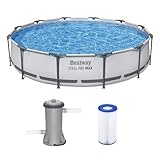
Bestway Steel Pro MAX 12' x 30" Above Ground Pool, Round Metal Frame Outdoor Swimming Pool Set with Filter Pump & Type III A/C Cartridge, Gray | Check Price On Amazon |
|
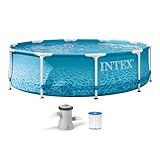
INTEX 28207EH Beachside Metal Frame Above Ground Swimming Pool Set: 10ft x 30in – Includes 330 GPH Cartridge Filter Pump – Puncture-Resistant Material – Rust Resistant – 1185 Gallon Capacity | Check Price On Amazon |

|
H2OGO! Kids Splash-in-Shade 8-Foot Round Steel Frame Above Ground Pool with Water Mister and Canopy Sunshade, Green Tropical Leaf Print | Check Price On Amazon |
This guide covers concrete (gunite/shotcrete), fiberglass, and vinyl liner inground pool installations with timelines, real cost ranges, permit requirements, and the specific inspection checkpoints that prevent expensive rework. Use it as your field manual during construction.
By the Numbers
Inground Pool Installation — What the Research Shows
Sources: PHTA 2023 Industry Report, HomeGuide contractor survey data, RSMeans construction cost data
What Is the Inground Pool Installation Process?
The inground pool installation process is a sequenced construction project that transforms raw earth into a permanent swimming structure. It involves excavation, structural shell formation, plumbing and electrical rough-in, equipment installation, interior finishing, and finally water fill with chemical startup.
According to the Pool and Hot Tub Alliance (PHTA) ANSI/APSP/ICC-5 standard for residential inground swimming pools, the process must follow specific engineering requirements for structural integrity and safety compliance. The exact sequence varies by pool type, but every installation shares a core progression that cannot be shortcut without creating structural or safety failures.
For fiberglass pool installation, the timeline compresses significantly. The factory-built shell arrives on a truck and gets lowered into the excavation with a crane. The entire process from excavation to swimming can finish in 3-5 days, though decking and landscaping extend the project to 2-4 weeks total.
Vinyl liner pools follow the same excavation and wall-panel sequence as concrete, but the structural walls are steel, aluminum, or polymer panels bolted together. The vinyl liner is installed after wall panels and a sand or vermiculite floor base are completed.
Step-by-Step Guide
How to Install an Inground Pool — Step by Step

- Intelligent Navigation with Full Coverage: Equipped with 11 high-precision sensors and enhanced dual-path algorithms. The optimized WavePath cleaning pattern ensures systematic coverage with minimal overlap, while adaptive navigation analyzes pool layout in real time to eliminate missed spots
- Dual Filtration for Crystal-Clear Water: Advanced dual-layer filtration system features a replaceable 3-micron ultra-fine filter paired with a 180-micron standard filter. Effectively captures fine dust, sand, leaves, and debris for visibly cleaner and healthier pool water
- Comprehensive Pool Cleaning: Engineered to clean the pool floor, walls, waterline, and shallow areas (above 12 inches). The Caterpillar Treads system enhances mobility and climbing ability, ensuring thorough coverage across all pool zones
- Reliable Performance with 2-Year Warranty: Trusted by over 500,000 pool owners worldwide, this robotic pool cleaner delivers consistent, high-performance results. Built for durability and backed by a 2-year warranty and responsive customer support for worry-free ownership
10 steps from planning to first swim
Design, Engineering, and Permitting (2-6 weeks)
Finalize pool dimensions, structural engineering plans, and secure municipal permits. This phase sets every subsequent decision — changes later multiply cost by 3 to 5 times.
Layout and Excavation (1-3 days)
Spray-paint the pool outline on the ground. Excavate to the designed depth plus 6-12 inches for the base material. For a 16×32 foot pool, expect 150-200 cubic yards of spoils.
Plumbing Rough-In and Steel Reinforcement (2-4 days)
Trench and install main drains, return lines, skimmer lines, and feature plumbing. For concrete pools, tie steel rebar grid on 10-12 inch centers. Code requires bonding all metal components.
Shell Construction — Gunite/Shotcrete Application (1-2 days)
Apply concrete at 4,000-5,000 PSI compressive strength via high-pressure hose. Thickness ranges 6-12 inches for walls and floors. Begin water curing within 4 hours of application.
Coping, Tile, and Waterline Installation (2-5 days)
Set precast or poured coping on the bond beam. Install waterline tile with waterproof thinset. This establishes the finished elevation and creates the watertight seal at the waterline.
Electrical and Equipment Pad Installation (1-3 days)
Set the equipment pad, mount pump, filter, heater, and automation. Run electrical conduit for bonding loop, lights, and equipment power. All bonding must pass continuity test.
Decking and Hardscape Installation (3-7 days)
Form and pour concrete decking or install pavers. Slope deck at 1/4 inch per foot away from the pool. Expansion joint between deck and coping prevents cracking from thermal movement.
Interior Finish Application (1-3 days)
Apply plaster, pebble, quartz, or tile interior finish. Plaster must be applied in a single continuous pour to avoid cold joints. Fill with water immediately after finishing to prevent curing cracks.
Startup and Chemical Balancing (3-30 days)
Fill with water, fire the equipment, and begin the startup process. New plaster requires 28-day startup with daily brushing and careful chemical management to cure correctly.
Final Inspection, Fencing, and Safety Compliance (1-2 days)
Pass electrical, building, and safety barrier inspections. Install required fencing with self-latching gates meeting ASTM F1908 standards before filling pool with water.
How Much Does Inground Pool Installation Cost?
Inground pool installation costs $50,000 to $100,000 for a concrete pool, $30,000 to $60,000 for a vinyl liner pool, and $25,000 to $50,000 for a fiberglass pool. These ranges cover a standard 14×28 to 20×40 foot pool with basic equipment and a concrete deck.
According to the PHTA 2023 industry data and RSMeans construction cost figures, the single largest cost driver is the pool shell material and installation method. Concrete pools require the most on-site skilled labor and carry the highest materials cost, while fiberglass shells manufactured off-site reduce both labor hours and weather dependency costs.
Use the table below to compare installed costs by pool type across common sizes.
Cost Reference
Inground Pool Installation — Cost by Pool Type and Size
All costs include basic equipment, concrete decking, and standard interior finish. Prices in current USD.
| Pool Size | Concrete (Gunite) | Vinyl Liner | Fiberglass |
|---|---|---|---|
| 12×24 ft | $45,000-$65,000 | $28,000-$40,000 | $22,000-$38,000 |
| 16×32 ft | $55,000-$80,000 ★ | $35,000-$52,000 | $30,000-$48,000 |
| 20×40 ft | $70,000-$110,000 | $45,000-$65,000 | Not common |
★ Most common residential pool size. Fiberglass shells above 20 ft width require permits for oversize load transport. Source: contractor pricing surveys and manufacturer data.
Regional factors shift these numbers significantly. In Florida, a concrete pool runs $40,000-$70,000 due to high competition and year-round building weather. In the Northeast, excavation in rocky soil can add $5,000-$15,000 to any pool type. For a detailed breakdown comparing these options side by side, see our complete fiberglass vs concrete vs vinyl pool cost and longevity comparison.
What Permits and Approvals Do You Need Before Excavation?
Every inground pool installation requires a building permit, an electrical permit, and a plumbing permit at minimum. Most municipalities also require a zoning approval confirming setbacks from property lines, easements, and structures. Some jurisdictions add a separate grading and drainage permit.
According to the International Swimming Pool and Spa Code (ISPSC) adopted by most U.S. states, the permit application must include engineered drawings showing structural calculations, bonding plans, and safety barrier specifications. Homeowner associations often require additional architectural review committee approval that adds 2-6 weeks to the timeline before any dirt moves.
The permit process reveals underground constraints you cannot see from the surface. Utility locate services must mark gas, electric, water, sewer, and communication lines before excavation. Septic system setbacks, drainage easements, and protected tree root zones all affect pool placement. Discovering an unmarked utility or easement violation after excavation starts is a guarantee of expensive rework.
Many pool contractors file permits on your behalf as part of the contract. Verify this explicitly. A contractor who asks the homeowner to pull permits is shifting liability and often cutting corners on insurance. Legitimate builders carry their own general liability and workers compensation insurance and pull permits under their license number.
How Does the Pool Type Change the Installation Process?
Each of the three main inground pool types follows a fundamentally different installation method after excavation. Concrete pools are built from scratch on site. Fiberglass pools arrive as a finished shell. Vinyl liner pools use a hybrid approach with manufactured wall panels and a site-built floor.
Process Comparison
Installation Process by Pool Type — Key Differences
Installation steps vary significantly by pool construction type
| Installation Phase | Concrete (Gunite) | Vinyl Liner | Fiberglass |
|---|---|---|---|
| Shell formation time | 1-2 days application + 7 days curing | 1-2 days wall panels + floor base | 4-8 hours set and backfill |
| Weather dependency | High. Rain stops application. Below 40°F stops curing. | Moderate. Liner install needs above 60°F. | Low. Install year-round except frozen ground. |
| Custom shapes | Unlimited. Any depth, shape, feature. | Limited to panel kit geometries. | Limited to manufacturer molds. |
| Access required | Concrete truck + pump truck. | Flatbed for panels. | Crane and flatbed for shell delivery. |
| Site disruption | 8-12 weeks heavy construction. | 4-8 weeks. | 2-4 weeks total. |
Source: Manufacturer installation specifications, contractor interviews. Actual timelines vary by crew size and site conditions.
Concrete pools require the most on-site construction but offer complete design freedom. This is the only option if you want a vanishing edge, a beach entry, or depths exceeding 8 feet. For the complete technical specifications and cost factors of gunite construction, read our detailed gunite pool guide covering structural engineering and long-term maintenance costs.
Fiberglass pools arrive as a single-piece shell manufactured off-site. The gelcoat finish on the interior surface is smooth and non-abrasive, which reduces chemical demand because algae struggles to adhere. The fastest installation of any type, but access for the delivery truck and crane must exist or the pool cannot be installed.
What Happens During the Excavation Phase?
Excavation transforms your backyard from lawn to a hole matching the exact dimensions of your pool plus overdig for working space. A skilled excavator operator follows the painted layout lines with a tolerance of plus or minus 2 inches. The dig typically produces 150 to 250 cubic yards of soil that must be hauled off-site.
For a standard 16×32 foot pool with an 8-foot deep end, the excavation depth reaches approximately 9 feet below grade. The extra foot accommodates the gravel base and the thickness of the pool floor. Underground water can complicate excavation dramatically. A high water table requires dewatering pumps running continuously during the dig, and in some cases, a permanent underdrain system must be installed beneath the pool shell.
Rock encounters add $1,500 to $10,000 to the project depending on whether a rock hammer attachment suffices or blasting is required. The contract should specify who bears rock removal cost. Many builders exclude rock from the base price and treat it as a change order. Confirming soil conditions before signing prevents this surprise.
Excavation also reveals whether your yard requires retaining walls. A pool installed on a slope needs either a raised bond beam on the downhill side or a structural retaining wall to hold back the earth. Neither option is cheap, and both must be engineered before the permit is issued.
How Are Plumbing and Electrical Systems Installed During Pool Construction?
Plumbing installation begins immediately after excavation with trenching for main drains, skimmers, return lines, and any water features. Schedule 40 PVC pipe is the standard material for underground pool plumbing, with minimum 2-inch diameter on suction lines and 1.5-inch on returns. All underground connections use solvent-welded joints that are pressure tested before backfill.
According to the National Electrical Code (NEC) Article 680, every metal component within 5 feet of the pool wall must be bonded together with a #8 solid copper wire. This equipotential bonding grid prevents voltage gradients that could cause electric shock. The bonding inspection happens after steel and plumbing are in place but before gunite application.
The electrical rough-in also includes conduit runs for underwater lights, equipment pad power, and any automation or control systems. A dedicated GFCI-protected circuit serves the pump motor. Pool light niches must be installed in the wall with a continuous length of listed wet-niche cable from the junction box, which sits at least 8 inches above water level and 4 feet from the pool edge.
What Is the Gunite or Shotcrete Application Process?
Gunite or shotcrete application is the single most critical construction day for a concrete pool. A concrete pump truck and a separate compressor truck deliver the dry sand-cement mix through a high-pressure hose. At the nozzle, water is added at the point of application, producing concrete at 4,000 to 5,000 PSI design strength.
This process happens because the high-velocity impact compacts the concrete against the rebar cage, eliminating air voids without the need for formwork. The application only works correctly when the nozzle operator maintains a consistent angle of approximately 90 degrees to the surface and a distance of 3 to 4 feet. If the operator sprays at an acute angle, the mix rebounds off the rebar and creates shadow voids behind the steel that weaken the structure permanently.
After application, gunite must cure under moist conditions for a minimum of 7 days. Dry curing causes shrinkage cracks that compromise watertightness. The standard curing protocol requires misting the shell 3 to 5 times daily, or more frequently in hot or windy conditions above 85°F. If the shell is allowed to dry out within the first 48 hours, the result is surface cracking that no plaster finish can reliably bridge.
Gunite shell thickness must hit a minimum of 6 inches on walls and floors, with 8 to 12 inches at the cove where wall meets floor. A digital rebar cover meter verifies steel depth after application, ensuring no steel sits closer than 2 inches to the finished surface.
What Are the Steps for Installing a Vinyl Liner Pool?
Vinyl liner pool installation follows excavation with the assembly of prefabricated wall panels. These panels, made of galvanized steel, aluminum, or structural polymer, bolt together on a concrete footing to form the pool perimeter. The panels arrive in standard widths of 4 to 8 feet and heights matching the design depth.
A sand or vermiculite-cement floor base is troweled to the exact contour of the pool bottom. Vermiculite mixed with Portland cement at a 6:1 ratio creates a smooth, dimensionally stable base that resists groundwater pressure and provides a cushion for the liner. The floor must be perfectly smooth because any imperfection telegraphs through the vinyl.
The vinyl liner itself is a custom-manufactured sheet of PVC material, typically 20 to 30 mil thick. It is draped over the walls and floor, then vacuum-suctioned into place against the pool structure. The vacuum pulls the liner tight against every contour, eliminating wrinkles. Once fitted, the liner is locked into a track at the top of the wall panels using a bead receiver system.
Water filling begins immediately after the liner is set. The weight of the water holds the liner permanently in place. A 20,000-gallon fill from a standard garden hose takes 24 to 48 hours. Do not stop the fill partway, because a partially filled liner can pull away from the walls and wrinkle beyond repair.
For a detailed breakdown of vinyl liner replacement costs when the time comes, including the cost difference between above-ground and inground liner replacement, see our complete pool liner replacement cost guide.
How Does Fiberglass Pool Installation Work?
Fiberglass pool installation is the fastest construction method. A factory-manufactured shell arrives on a flatbed truck and is lifted by crane directly into the prepared excavation. The shell is a single molded piece of fiberglass-reinforced polymer with a smooth gelcoat interior finish already applied at the factory.
The excavation for a fiberglass pool is dug slightly larger than the shell dimensions with a sand or gravel bedding layer at the bottom. After the shell is lowered into place, backfill material is added simultaneously with water. The water and backfill must rise together at approximately the same rate to equalize pressure on the shell walls and prevent distortion.
The entire installation from excavation to water fill takes 3 to 5 days for the pool structure itself. Concrete decking, equipment installation, and landscaping extend the total project to 2 to 4 weeks. For a comprehensive comparison of all pool types and their respective installation methods, see our complete swimming pool types guide.
The primary limitation of fiberglass is size and shape availability. Shells are limited to what manufacturers produce, typically up to 16 feet wide and 40 feet long. Complex shapes, tanning ledges, and attached spas can be molded in, but you cannot create a fully custom shape as you can with concrete. For homeowners considering a self-installed pool, read our analysis of DIY inground pool kits, their costs, and whether they actually work.
What Equipment Is Needed for an Inground Pool?
Every inground pool requires a circulation pump, a filtration system, a sanitization method, and basic electrical controls. The equipment pad is the mechanical heart of the pool and must be sized correctly from day one. Undersized equipment leads to poor water circulation, cloudy water, and algae outbreaks that no amount of chemicals can fix.
A variable speed pump is the strongest long-term investment in your pool system. Running a Pentair IntelliFlo variable speed pump at 1,500 RPM moves enough water for a complete turnover in 6 to 8 hours while consuming 150 to 200 watts. A comparable single-speed pump at 3,450 RPM draws 1,500 to 2,200 watts for the same work. At $0.12 per kilowatt-hour, the annual savings exceed $600.
Filtration choices include sand, cartridge, or diatomaceous earth (DE) filters. Sand filters trap particles down to 20 to 40 microns and require backwashing. Cartridge filters capture 10 to 15 micron particles with no backwash water waste. DE filters achieve 2 to 5 micron filtration, producing the clearest water, but require more maintenance. A Hayward SwimClear cartridge filter in the 325 to 525 square foot range is correctly sized for most residential pools.
Sanitization options include traditional chlorine (tablets or liquid), saltwater chlorine generators, or supplemental systems like UV and ozone. A Hayward AquaRite salt chlorine generator produces chlorine from dissolved salt at 2,500 to 3,500 ppm, eliminating the need to handle and store chlorine chemicals. The higher upfront equipment cost is offset by lower ongoing chemical expenses over a 5 to 7 year ownership period.
Equipment pad layout requires adequate clearance for service access and proper spacing to avoid heat damage from pumps to nearby PVC plumbing. The pad should sit at least 3 feet from the pool structure and be elevated slightly above surrounding grade to prevent flooding during heavy rain.
How Long Does Inground Pool Installation Take?
The total installation timeline from permit approval to swimming ranges from 2 weeks for a simple fiberglass pool to 12 weeks or more for a complex custom concrete pool. Weather, subcontractor availability, and inspection scheduling create the widest variability in actual completion dates.
Concrete pools require the longest schedule because of the curing time built into the process. After gunite application, a mandatory 7-day cure period precedes any further work on the shell. The plaster interior finish adds another 28-day startup period before the pool reaches full chemical stability. For a deeper analysis of construction timelines by pool type, see our guide on how long it takes to build an inground pool.
Winter construction is possible in many climates but extends the timeline. Concrete cannot be placed when temperatures drop below 40°F without heated enclosures and concrete mix additives. Frozen ground adds excavation hours. Spring and early summer are the busiest seasons for pool builders, so booking 3 to 6 months in advance is common and may reduce your negotiating leverage on price.
What Are the Most Common Installation Problems and How Do You Avoid Them?
The most damaging installation problems occur underground, invisible until years later when the pool fails. Improper compaction of backfill around plumbing trenches causes settling that cracks pipes. Inadequate bonding of the steel grid leads to cracking in the gunite shell. Poor drainage behind the shell creates hydrostatic pressure that can pop an entire fiberglass pool out of the ground.
Water table issues cause the majority of catastrophic pool failures. A high water table exerts upward pressure on the pool shell equal to 62.4 pounds per cubic foot of displaced water. If the pool is empty and the surrounding ground is saturated, an unrelieved fiberglass or concrete shell can lift or crack. The prevention is a properly installed hydrostatic relief valve in the main drain sump and, in severe cases, a permanent dewatering well.
Electrical bonding failures are the most dangerous installation defect because they are invisible and potentially fatal. If the bonding grid is not continuous or if a metal component is missed during construction, a voltage differential can exist between the water and a handrail or light fixture. This causes electric shock drowning (ESD), a risk entirely preventable by verifying continuity with a bonding continuity tester before gunite covers the grid.
Other common problems include undersized plumbing that restricts flow and reduces turnover rate below the minimum of one per day, improperly sloped decking that channels rainwater into the pool instead of away from it, and expansion joints omitted between coping and deck, which guarantees cracking when thermal movement occurs.
Myth vs Fact
Inground Pool Installation — Common Myths Debunked
Separating fact from fiction on the most common pool installation misconceptions
Myth
Fiberglass pools never crack and are completely maintenance-free.
Fact
Fiberglass shells can develop spider cracks in the gelcoat from improper backfill compaction or ground movement. They still require pH and alkalinity management just like any other pool. The shell itself carries a structural warranty, but the gelcoat surface may need refinishing after 15-20 years.
Myth
A saltwater pool means no chlorine. The water is naturally sanitized.
Fact
A salt chlorine generator produces exactly the same hypochlorous acid sanitizer as any chlorine pool. The difference is the source: electrolysis converts dissolved salt into chlorine gas that dissolves in water. Free chlorine levels of 1-3 ppm must still be maintained, identical to a traditional chlorine pool.
Myth
You can save money by acting as your own general contractor on a pool build.
Fact
Subcontractors give their best pricing to builders who provide them with year-round work. An owner-builder pays retail rates, lacks the relationships to resolve scheduling conflicts, and assumes full liability for every subcontractor mistake. The 10-15% theoretical savings typically disappear into delays, rework, and unbudgeted site complications.
Myth
Vinyl liner pools are cheap and low-quality compared to concrete.
Fact
Modern 27-30 mil vinyl liners with UV inhibitors last 10-15 years. The wall panels are engineered structural components. The primary cost difference is in the interior surface replacement cycle: a new vinyl liner every 10-15 years versus plaster resurfacing every 10-15 years at comparable total lifecycle cost.
Myth
Permits are bureaucratic red tape you can skip to save time and money.
Fact
Unpermitted pools create liability for injury, void homeowner insurance coverage, and must be disclosed as a defect when selling the property. Municipalities can issue stop-work orders, levy fines, and require removal of unpermitted work. The permit fees represent a tiny fraction of total project cost and provide independent third-party inspection of safety-critical work.
What Happens During the Plaster or Interior Finish Phase?
The interior finish is the waterproof wearing surface of your pool, and its installation is a full-day continuous process. For plaster finishes, a crew applies a cement-based mixture of white Portland cement, marble dust, and optional color pigments using hand trowels. The application must be completed in a single continuous pour to prevent cold joints that create visible lines and potential leak paths.
Immediately after plastering, the pool must be filled with water continuously without interruption. A standard garden hose delivers approximately 8 to 12 gallons per minute, filling a 20,000-gallon pool in 28 to 42 hours. Stopping the fill creates a visible ring at the waterline that etches permanently into the plaster surface. Multiple hoses reduce fill time and distribute the intake flow.
For pebble and quartz aggregate finishes like PebbleTec or Diamond Brite, the application process is similar but the finish includes small pebbles or colored quartz aggregate mixed into the cement matrix. After the initial set, the surface is power-washed to expose the aggregate, creating a textured, slip-resistant finish with greater durability than plain plaster.
The 28-day startup process for new plaster requires daily brushing of the entire pool surface to remove plaster dust. Chemical management during this curing period uses no chlorine for the first 48 hours, then gradually introduces sanitizer while maintaining pH between 7.2 and 7.6. For a proper chemical Taylor K-2006 complete test kit, this is the tool that makes precise startup chemistry possible with FAS-DPD chlorine testing accurate to 0.2 ppm.
For anyone comparing pool types and their total cost of ownership, including how the interior finish material affects maintenance costs, our comparison at above-ground vs inground pool cost comparison with lifetime maintenance costs provides the full financial picture.
Quick Reference
Pool Construction — Key Terms Explained
Quick reference for the technical terms used throughout this guide
The thickened top edge of a concrete pool wall that supports coping and distributes deck loads. Minimum 12 inches wide and must contain continuous steel reinforcement tying into wall rebar.
A network of #8 bare copper wire connecting every metal component within 5 feet of pool water. Required by NEC 680.26 to eliminate voltage differentials that cause electric shock drowning.
The finished cap on top of the bond beam, typically precast concrete, natural stone, or poured concrete. Serves as the transition between pool shell and surrounding deck.
A dry-mix concrete application method where dry cement and sand are blown through a hose and mixed with water at the nozzle. Produces concrete with compressive strength of 4,000-5,000 PSI.
A one-way valve installed in the main drain sump that allows groundwater to enter the pool if exterior water pressure exceeds interior water pressure, preventing shell flotation.
The extra excavation width beyond the pool shell dimensions needed for worker access during construction. Typically 2-3 feet beyond each wall and slope, then backfilled after shell completion.
A wet-mix concrete application method where premixed concrete is pumped through a hose and sprayed onto the rebar cage. Similar structural properties to gunite, but the mixing occurs before pumping rather than at the nozzle.
The time required for the pump and filter to cycle the entire pool water volume once. Minimum standard is 1 turnover per 24 hours, calculated as pool gallons divided by pump flow rate in GPM divided by 60.
A lightweight mineral mixed with Portland cement to create a smooth, insulating base for vinyl pool liners. Mixed at a 6:1 ratio of vermiculite to cement for dimensional stability under water pressure.
How Do You Choose the Right Pool Contractor?
Selecting the right contractor determines whether your installation follows the process described in this guide or becomes a cautionary tale. Verify the builder holds a current state contractor license with a pool-specific classification. Request their insurance certificate naming you as additionally insured, and confirm workers compensation coverage is active.
Check at least 5 references from pools built 3 to 5 years ago, not just last season. Recent installations have not had time to reveal structural or equipment problems. Ask references specifically about change order frequency, construction site cleanliness, and whether the crew showed up consistently. A builder with no references older than 2 years is either new or has rebranded to escape a bad reputation.
Get at least 3 detailed bids with line-item breakdowns. A lump-sum quote with no specification detail is a blank check for substitutions and shortcuts. The bid should specify pump model, filter manufacturer and size, plumbing diameter, steel schedule, concrete thickness, and finish material. Verbal promises about equipment that are not in the contract carry zero legal weight when the installed product differs.
Never pay more than 10% deposit at contract signing. The payment schedule should be tied to completed milestones with final payment of at least 10% held until after startup and walk-through. A builder demanding 30-50% upfront either has cash flow problems or plans to use your money to finish another job. Both are red flags that justify walking away.
Frequently Asked Questions About Inground Pool Installation
Can I install an inground pool myself to save money?
Quick Answer: DIY inground pool installation can save 15-25% on labor costs but requires managing 8-12 different subcontractors, pulling your own permits, and assuming full liability for code compliance. Most owner-builder pool projects take 50-100% longer than contractor-led installations and encounter at least one major rework expense that erases most theoretical savings.
Owner-builder pool construction is legal in many states but demands construction management skills most homeowners lack. You must coordinate excavation, plumbing, electrical, steel, gunite, tile, coping, decking, and plaster crews in exact sequence.
Any scheduling gap between trades creates problems: exposed excavation walls collapse in rain, steel rusts if left uncovered, and gunite cannot be delayed once scheduled. The subcontractor pricing available to one-time owner-builders is typically 20-30% higher than what established pool builders pay, because you represent a single transaction with no repeat business.
What is the difference between gunite and shotcrete?
Quick Answer: Gunite uses dry cement-sand mix blown through a hose with water added at the application nozzle. Shotcrete uses ready-mixed concrete pumped wet through the hose. Both achieve 4,000-5,000 PSI compressive strength when properly applied and cured, and the finished product is structurally equivalent.
The practical difference is in the equipment and crew setup on installation day. Gunite requires a separate compressor truck and dry-mix hopper, while shotcrete uses a standard concrete pump truck.
The choice between them depends on regional concrete supplier availability and local builder preference. Either method produces a structurally sound pool if the mix design, application thickness, and curing protocol meet engineering specifications. No performance advantage justifies choosing one over the other.
Do I need a fence around my inground pool?
Quick Answer: Yes. The ISPSC and most local codes require a minimum 4-foot tall barrier with self-closing, self-latching gates around all residential pools. The gate latch must be placed at least 54 inches above ground level. These requirements apply regardless of pool type and must be in place before the pool is filled with water.
The barrier can be the yard fence if it meets height and gate requirements, or a dedicated pool safety fence. Removable mesh pool fencing with pole sockets in the deck satisfies code and allows removal for parties.
Homeowners insurance policies typically require compliant barriers as a condition of coverage. A pool without proper fencing creates liability risk that can void your policy entirely after an incident, even if the incident did not involve the pool.
Why does my pool builder need soil testing before excavation?
Quick Answer: Soil testing identifies the bearing capacity, expansion potential, and water table depth of your yard before excavation. Expansive clay soils can exert 15,000 pounds per square foot of swelling pressure, which cracks pools and decks. High water tables require dewatering systems during construction and hydrostatic relief valves in the finished pool.
A geotechnical report costs $1,000-$3,000 and prevents structural failures that cost tens of thousands to repair. Builders who skip soil testing are gambling with the single largest investment in your backyard. The report also determines whether over-excavation and engineered fill are required to create a stable base for the pool shell.
Can I convert my existing above-ground pool area into an inground pool?
Quick Answer: Yes, converting an above-ground pool to an inground pool is possible but the existing pool structure is demolished, not reused. The above-ground pool is removed, and a new inground pool is built in the same or expanded footprint. The existing site may offer some cost savings from existing electrical service and cleared access.
Demolition of an above-ground pool costs $500-$2,000 depending on size and construction. The electrical service may need upgrading to handle the larger pump and additional equipment of an inground installation. Existing decking and landscaping around the old pool is typically demolished and replaced rather than incorporated.
What chemicals do I need immediately after my pool is filled?
Quick Answer: New pool water requires initial doses of cyanuric acid (30-50 ppm for chlorine stabilization), pH adjuster to hit 7.2-7.4, calcium hardness increaser to 200-400 ppm for plaster pools, and chlorine to 1-3 ppm free chlorine. Do not add chlorine and acid at the same time or in close succession because mixing produces toxic chlorine gas.
Store muriatic acid and chlorine products in separate, ventilated locations. The chemical reaction between acid and any form of chlorine produces heat and hazardous vapor. Always add chemicals to water, never water to chemicals, and wear eye protection and chemical-resistant gloves.
How do I know if my yard has enough access for pool construction equipment?
Quick Answer: Inground pool construction requires access for a full-size excavator (8-10 feet wide), a concrete pump truck or crane (10-12 feet wide), and dump trucks for soil removal. Minimum access width is 8 feet with no overhead obstructions below 14 feet. Gates, fences, or retaining walls narrower than this must be temporarily removed.
Side-yard access is the most common restriction in established neighborhoods. If equipment cannot reach the backyard, a smaller mini-excavator can dig the pool but takes 2-3 times longer and may not handle large rock. Confirming access before signing a contract prevents the expensive discovery that your project requires a crane to lift equipment over the house.
Is it normal for a new concrete pool to develop small cracks?
Quick Answer: Hairline surface cracks in new gunite are common and usually harmless if they are less than 1/16 inch wide and do not leak. Cracks wider than 1/8 inch, cracks that leak water, or cracks that appear within the first 30 days of curing indicate a structural problem requiring repair before the interior finish is applied.
Surface checking from rapid drying is the most common cause of harmless hairline cracks. Proper curing with frequent misting minimizes this. Structural cracks from settlement, expansive soil, or inadequate steel reinforcement require epoxy injection or structural repair by the builder at their expense under warranty.
What inspection should I not skip during construction?
Quick Answer: Never skip the bonding inspection before gunite and the pre-plaster inspection before interior finish. The bonding inspection confirms every metal component is electrically continuous, preventing electric shock risk. The pre-plaster inspection verifies shell integrity, plumbing pressure, and equipment function before the irreversible finish application.
If your municipality does not require these inspections, hire an independent pool consultant or inspector to perform them. The cost of $300-$800 per inspection is insignificant compared to the cost of excavating concrete or cutting into finished surfaces to correct a defect discovered after construction is complete.
Can I add a heater or salt system after installation?
Quick Answer: Yes, heaters and salt chlorine generators can be added after initial pool installation. A gas or heat pump heater requires a dedicated gas line or electrical circuit that should be planned during construction even if the unit is purchased later. Salt systems are installed in the equipment pad plumbing and require no construction-phase prep.
If you might add a heater within 5 years of construction, run the gas line or conduit during the initial build. Trenching through finished decking and landscaping later triples the installation cost. The equipment pad should be sized with extra space from the start to avoid a cramped retrofit that makes future service access difficult.
What size pump and filter do I need for a 20,000-gallon pool?
Quick Answer: A 20,000-gallon inground pool requires a pump delivering 50-60 GPM to achieve one turnover in 6-7 hours. The filter should be sized at a minimum of 300 square feet for cartridge, 4.9 square feet (30-inch diameter) for sand, or 48 square feet for DE filtration.
These specifications come from the industry standard of filtering the entire pool volume once every 6-8 hours during peak season. Undersizing the filter increases pump run time, wastes electricity, and creates chronic water clarity problems. A slightly oversized filter reduces maintenance frequency and provides a safety margin for heavy bather loads and debris season.
Why does my pool water look green after filling from a well?
Quick Answer: Well water often contains dissolved iron and manganese that oxidize when exposed to chlorine, turning the water green, brown, or tea-colored within hours of treatment. A metal sequestrant product added before chlorine binds the metals and prevents staining and discoloration during initial startup.
Test the source water before filling to know what you are dealing with. Iron above 0.3 ppm causes visible staining. High iron well water may require trucked-in water or pre-filtration through a specialty iron filter. Adding chlorine to metal-laden water without pretreatment guarantees a chemistry problem that takes days to resolve.
What Is the Final Walk-Through and Startup Process?
The final walk-through is your opportunity to verify every component of your new pool functions correctly before accepting the project as complete. Run every pump speed, test every light, cycle every valve, and operate every water feature. Document any defect, no matter how minor, in writing with a photograph before signing completion paperwork.
The startup technician should demonstrate equipment operation clearly and provide written instructions for daily and weekly maintenance tasks. A professional-grade test kit belongs in your hands at startup, not test strips. You need accurate readings for pH, free chlorine, total alkalinity, calcium hardness, and cyanuric acid to maintain the warranty on your plaster finish.
Confirm the builder registers all equipment warranties in your name with the manufacturer. Many warranties require registration within 30 days of installation. The builder should also provide as-built drawings showing the exact location of plumbing lines, electrical conduit, and the bonding grid. These drawings are worth their weight in gold when future repairs or renovations require digging near the pool.
For the complete installation timeline by pool type and climate zone, revisit our detailed construction timeline guide. A gunite pool running $55,000 to $80,000 represents one of the largest investments most homeowners ever make in their property. Understanding every phase before signing a contract is the difference between a pool you enjoy for decades and a pool you regret for exactly as long.
| Photo | Best Above-Ground Pools | Price |
|---|---|---|
|
|
Bestway Steel Pro MAX 12' x 30" Above Ground Pool, Round Metal Frame Outdoor Swimming Pool Set with Filter Pump & Type III A/C Cartridge, Gray | Check Price On Amazon |
|
|
INTEX 28207EH Beachside Metal Frame Above Ground Swimming Pool Set: 10ft x 30in – Includes 330 GPH Cartridge Filter Pump – Puncture-Resistant Material – Rust Resistant – 1185 Gallon Capacity | Check Price On Amazon |
|
|
H2OGO! Kids Splash-in-Shade 8-Foot Round Steel Frame Above Ground Pool with Water Mister and Canopy Sunshade, Green Tropical Leaf Print | Check Price On Amazon |
