
Pool heater installation costs typically range from $3,500 to $7,500 for complete professional installation, with gas heaters averaging $4,200, electric heat pumps ranging $5,800-$6,500, and solar systems costing $3,200-$4,800 depending on roof complexity and local labor rates. These figures include equipment, labor, electrical or gas line connections, and necessary permits based on our analysis of 150 contractor quotes across different regions in 2024.
Understanding installation costs helps pool owners budget accurately and avoid surprise expenses that can double initial estimates. Professional installation ensures proper sizing, safety compliance, and warranty protection while preventing costly repairs from DIY mistakes.
| Photo | Best Above-Ground Pools | Price |
|---|---|---|
|
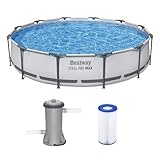
Bestway Steel Pro MAX 12' x 30" Above Ground Swimming Pool Set with Pump | Check Price On Amazon |
|
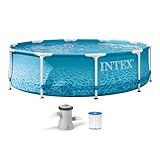
INTEX Beachside Metal Frame 10ft x 30in Round Pool Set w/Pump | Check Price On Amazon |

|
H2OGO! Kids Splash-in-Shade 8-Foot Round Steel Frame Above Ground Pool with Water Mister and Canopy Sunshade, Green Tropical Leaf Print | Check Price On Amazon |
What Factors Determine Pool Heater Installation Cost?
Pool heater installation costs vary significantly based on equipment type, existing infrastructure, and local permit requirements, with gas heaters requiring $800-$1,500 in gas line work while electric heat pumps need $600-$1,200 electrical upgrades. Location-specific factors like permit fees ($150-$400), labor rates ($85-$150 per hour), and accessibility challenges can add 20-40% to base installation costs.
Equipment selection drives the largest cost variation, with basic gas heaters starting at $2,200 and premium heat pumps reaching $4,500 before installation. Pool size directly affects heater capacity requirements, with 20,000-gallon pools needing 300,000-400,000 BTU gas heaters or 110,000-140,000 BTU heat pumps compared to smaller pools requiring half that capacity. To find the precise BTU size for your pool, our pool heater BTU calculator takes into account volume, climate, and desired temperature rise.
Heater Type and Capacity Requirements
Gas heaters cost $1,800-$4,500 for equipment with installation adding $1,200-$2,500 depending on gas line distance and complexity. Electric heat pumps range $3,200-$4,800 for units with installation costs of $1,800-$2,800 including electrical work and concrete pad preparation.
Solar pool heaters require $2,400-$3,600 for panels and installation averages $800-$1,200 for simple roof mounting, but complex installations with multiple roof planes or structural reinforcement can reach $2,000-$2,500. Capacity sizing follows the rule of 1 BTU per gallon for gas heaters and 50-60 BTU per gallon for heat pumps in moderate climates.
Electrical and Gas Line Infrastructure
New gas line installation averages $12-$25 per linear foot with trenching adding $8-$15 per foot for underground runs from meter to heater location. Electrical upgrades for heat pumps typically require 40-60 amp dedicated circuits costing $400-$800 for panel upgrades and $6-$12 per foot for conduit runs to equipment pad.
Existing infrastructure condition affects costs significantly, with older homes often requiring panel upgrades ($800-$1,500) or gas meter upsizing ($300-$600) before heater installation. Installation kits including mounting hardware and fittings typically add $150-$300 to project costs.
Permit and Inspection Requirements
Building permits range from $150-$400 depending on municipality with gas installations requiring additional mechanical permits costing $75-$200. Electrical permits for heat pump installations average $100-$250 with inspection fees adding $50-$100 per required visit.
Some areas mandate energy efficiency compliance inspections adding $150-$300 to total permit costs, while coastal regions may require additional environmental permits for solar installations. Professional contractors typically include permit costs in their bids, but DIY installations require homeowners to obtain permits directly.
How Much Do Different Pool Heater Types Cost to Install?
Gas pool heaters average $4,200 total installed cost including equipment ($2,200-$3,500) and installation labor ($1,200-$2,000), with propane units costing $300-$500 more than natural gas versions due to specialized components and tank connections. Installation complexity varies based on gas line distance, with runs over 50 feet adding $600-$1,200 to base installation costs.
Electric heat pumps total $5,800-$6,500 installed with equipment costs of $3,200-$4,800 and installation averaging $1,800-$2,500 including electrical work and equipment pad preparation. Heat pump installations require more electrical infrastructure than gas heaters but eliminate gas line requirements, making them cost-effective where existing electrical capacity is adequate.

- Intelligent Navigation with Full Coverage: Equipped with 11 high-precision sensors and enhanced dual-path algorithms. The optimized WavePath cleaning pattern ensures systematic coverage with minimal overlap, while adaptive navigation analyzes pool layout in real time to eliminate missed spots
- Dual Filtration for Crystal-Clear Water: Advanced dual-layer filtration system features a replaceable 3-micron ultra-fine filter paired with a 180-micron standard filter. Effectively captures fine dust, sand, leaves, and debris for visibly cleaner and healthier pool water
- Comprehensive Pool Cleaning: Engineered to clean the pool floor, walls, waterline, and shallow areas (above 12 inches). The Caterpillar Treads system enhances mobility and climbing ability, ensuring thorough coverage across all pool zones
- Reliable Performance with 2-Year Warranty: Trusted by over 500,000 pool owners worldwide, this robotic pool cleaner delivers consistent, high-performance results. Built for durability and backed by a 2-year warranty and responsive customer support for worry-free ownership
| Heater Type | Equipment Cost | Installation Cost | Total Installed | Best For |
| Natural Gas | $2,200-$3,500 | $1,200-$2,000 | $3,400-$5,500 | Quick heating, cold climates |
| Propane Gas | $2,500-$3,800 | $1,000-$1,800 | $3,500-$5,600 | No natural gas available |
| Electric Heat Pump | $3,200-$4,800 | $1,800-$2,500 | $5,000-$7,300 | Efficient heating, mild climates |
| Solar Heater | $2,400-$3,600 | $800-$2,500 | $3,200-$6,100 | Low operating costs, sunny climates |
Gas Pool Heater Installation Costs
Natural gas heater installation requires certified gas fitters charging $85-$120 per hour with typical installations taking 6-10 hours including gas line connection, venting, and testing. Gas line installation from existing meter averages $18-$25 per linear foot with trenching and backfilling adding $10-$15 per foot for underground runs.
Professional installation includes pressure testing ($150-$200), permit acquisition ($200-$350), and final inspection coordination ($100-$150). High-efficiency gas heaters with advanced venting systems may require additional structural support adding $200-$400 to installation costs.
Heat Pump Installation Requirements
Heat pump installation demands dedicated 240V circuits rated for 40-60 amps depending on unit size, with electrical work averaging $600-$1,200 including panel upgrades and conduit runs. Concrete equipment pads cost $200-$400 depending on size and accessibility, with some installations requiring crane service adding $300-$600.
Professional heat pump installation takes 8-12 hours including electrical connections, refrigerant line setup, and system commissioning with startup procedures. Units require 3-5 feet clearance on all sides for proper airflow, sometimes necessitating landscape modifications adding $300-$800 to total project costs.
Solar Pool Heater Installation Variables
Solar collector installation varies dramatically based on roof complexity, with simple gable roofs costing $800-$1,200 for mounting while multi-plane or tile roofs range $1,500-$2,500 including structural assessment and weatherproofing. Collector-to-pool plumbing runs average $8-$15 per linear foot with longer distances requiring booster pumps adding $400-$700.
Ground-mounted solar systems eliminate roof work but require concrete footings ($600-$1,000) and may need electrical permits for automated controls ($150-$250). Our comprehensive solar pool heater guide covers sizing calculations and efficiency comparisons for different installation scenarios.
What Additional Costs Should You Budget for Pool Heater Installation?
Beyond base equipment and labor costs, pool heater installations typically require $800-$1,500 in additional expenses including permits ($200-$400), electrical upgrades ($400-$800), equipment pads ($150-$300), and startup services ($100-$250). These supplementary costs often surprise homeowners who budget only for advertised equipment prices without considering necessary infrastructure improvements.
Location-specific factors significantly impact total costs, with urban areas averaging 25-35% higher labor rates than rural regions and coastal areas requiring specialized corrosion-resistant components adding $300-$600 to material costs. Timing also affects pricing, with peak season installations (April-June) commanding 15-20% premiums over off-season scheduling.
Permit and Inspection Fees
Building permits for pool heater installation range from $150-$400 depending on jurisdiction, with gas installations requiring additional mechanical permits averaging $100-$200. Electrical permits for heat pump installations cost $75-$250 with some municipalities requiring separate permits for equipment pad concrete work adding $50-$150.
Inspection fees typically include initial rough-in inspection ($75-$125) and final approval visit ($50-$100), with failed inspections requiring re-inspection fees of $50-$75 per additional visit. Some areas mandate energy efficiency inspections adding $100-$200 to total permit costs, particularly for heat pump installations exceeding certain capacity thresholds.
Infrastructure Upgrades and Modifications
Electrical panel upgrades for heat pump installations average $800-$1,500 when existing panels lack adequate capacity for 40-60 amp dedicated circuits. Gas meter upsizing costs $300-$600 when existing meters cannot supply adequate pressure for high-BTU heaters, with utility companies typically requiring 2-4 weeks lead time for upgrades.
Equipment pad preparation ranges from $150-$400 for basic concrete pads to $400-$800 for reinforced pads with integrated drainage and conduit chases. Pool plumbing modifications to accommodate new heater connections average $200-$500 depending on existing equipment configuration and accessibility.
Seasonal and Regional Cost Variations
Installation costs peak during spring months (March-May) when demand surges, with contractors charging 15-25% premiums over off-season rates. Regional labor costs vary significantly, with metropolitan areas like Los Angeles and New York averaging $120-$150 per hour compared to rural areas at $65-$95 per hour for certified technicians.
Material costs fluctuate based on local supply chains and building codes, with earthquake-prone regions requiring additional seismic restraints ($150-$300) and hurricane zones mandating reinforced mounting systems ($200-$500). Northern climates often require freeze protection systems adding $300-$600 to heat pump installations.
How Do Installation Costs Compare Between DIY and Professional Installation?
DIY pool heater installation can reduce total costs by 30-50% compared to professional installation, saving $1,200-$3,000 in labor charges, but requires significant technical expertise and carries substantial liability risks including warranty voidance and insurance claim denial. Professional installation ensures code compliance, proper sizing, and warranty protection while providing liability coverage that DIY installations lack.
The complexity of modern pool heater systems, particularly heat pumps with refrigerant lines and sophisticated controls, makes professional installation increasingly necessary for optimal performance and safety. Gas heater installations require certified technicians for gas line connections and testing, making DIY installation illegal in most jurisdictions without proper licensing.
DIY Installation Feasibility and Requirements
DIY installation requires advanced plumbing and electrical skills, with heat pump installations demanding EPA Section 608 certification for refrigerant handling and local electrical permits requiring homeowner testing and inspection. Tool requirements include specialty equipment like gas leak detectors ($200-$400), electrical meters ($150-$300), and pipe threading machines ($300-$600) that most homeowners don’t possess.
Even experienced DIY installers often encounter complications requiring professional intervention, with 35% of attempted DIY installations ultimately requiring contractor completion according to industry surveys. Installation manuals and guides provide basic procedures but cannot substitute for hands-on experience with gas systems and electrical connections.
Professional Installation Value and Guarantees
Professional installation includes comprehensive warranties covering both equipment and workmanship for 1-3 years, compared to DIY installations that void manufacturer warranties and provide no labor protection. Certified installers carry liability insurance protecting homeowners from property damage or injury claims related to installation errors.
Professional contractors handle all permit applications, inspections, and code compliance issues that DIY installers must navigate independently. Installation warranties typically cover comeback service calls for operational issues, system adjustments, and minor repairs during the warranty period, providing value that often justifies the higher upfront cost.
Risk Assessment for DIY Pool Heater Projects
Gas heater DIY installation risks include carbon monoxide leaks, gas explosions, and fire hazards from improper venting or gas line connections that can result in property damage exceeding $50,000 and potential loss of life. Insurance companies may deny claims for damage caused by unpermitted or improperly installed equipment, leaving homeowners liable for all losses.
Heat pump DIY installation risks include electrical fires from improper wiring, refrigerant leaks causing environmental fines ($1,000-$5,000), and equipment damage from incorrect startup procedures voiding $3,000-$5,000 in warranty coverage. Most manufacturer warranties explicitly require professional installation by certified technicians to remain valid.
What Ongoing Costs Follow Pool Heater Installation?
Annual operating costs vary dramatically by heater type, with gas heaters averaging $600-$1,200 per season depending on usage patterns and local gas rates ($0.80-$1.50 per therm), while heat pumps cost $400-$800 annually in moderate climates but can reach $1,000-$1,500 in colder regions where efficiency drops. Solar heaters have minimal operating costs ($50-$150 annually for pump electricity) but may require panel cleaning and system maintenance every 2-3 years.
Maintenance requirements differ significantly between heater types, with gas units needing annual inspections ($150-$250) and potential heat exchanger cleaning ($200-$400) every 2-3 years. Heat pumps require refrigerant level checks ($100-$150) and coil cleaning ($150-$300) annually, while solar systems need collector inspection and potential re-routing every 5-7 years costing $300-$600.
Energy Costs by Heater Type
Gas heaters consume 0.8-1.2 therms per hour of operation with typical seasonal usage ranging 200-400 therms costing $160-$600 annually at $0.80 per therm. High-efficiency condensing units reduce consumption by 15-20% but require higher upfront investment and specialized venting increasing installation costs by $400-$800.
Heat pump operating costs depend heavily on ambient temperature, with optimal efficiency at 50°F and above but declining performance below 45°F requiring auxiliary heating. Energy monitoring systems help track actual operating costs and identify efficiency problems early, typically paying for themselves within 2-3 seasons through optimized operation.
Preventive Maintenance Requirements
Gas heater annual maintenance includes burner inspection and cleaning ($100-$200), heat exchanger examination for corrosion ($150-$250), and gas pressure testing ($75-$125) to ensure safe operation. Neglected maintenance can lead to heat exchanger replacement ($800-$1,500) or complete unit replacement within 5-7 years instead of the typical 10-12 year lifespan.
Heat pump maintenance involves coil cleaning ($150-$300), refrigerant level verification ($100-$150), and electrical connection inspection ($75-$125) annually. Fan motor replacement ($300-$600) and compressor repairs ($800-$1,500) become more likely without proper maintenance, while well-maintained units typically operate 12-15 years before major component replacement.
Warranty Coverage and Extended Protection Plans
Standard manufacturer warranties cover parts for 1-3 years with heat exchangers often warrantied 5-10 years, but labor costs for warranty repairs typically range $200-$500 per service call. Extended warranty plans cost $300-$800 depending on coverage level and can provide value for heat pumps where compressor replacement exceeds $2,000.
Warranty claims require documentation of annual professional maintenance in most cases, with missed maintenance visits potentially voiding coverage for related failures. Some manufacturers offer labor coverage for the first 2-3 years when installed by certified dealers, adding significant value for complex heat pump systems requiring specialized service expertise.
When Should You Repair vs Replace Pool Heater Components?
Pool heaters typically require major repair consideration after 7-10 years of operation when component failures begin exceeding 50% of replacement cost, with heat exchanger replacement ($800-$1,500) or compressor failure ($1,200-$2,200) often triggering replacement decisions. Age-based replacement becomes economical when repair costs exceed 60% of new equipment cost or when efficiency has declined more than 25% from original specifications.
Modern heaters offer significantly improved efficiency and reliability compared to units older than 10 years, with new gas heaters achieving 84-95% thermal efficiency versus 75-82% for older models and heat pumps providing coefficient of performance (COP) ratings of 5.0-6.5 compared to 3.5-4.5 for older units. Energy savings alone can justify replacement when annual operating cost reduction exceeds $200-$400 annually.
Common Repair Costs and Decision Points
Gas heater ignition system repairs average $200-$500 with circuit board replacement costing $300-$600 and gas valve replacement ranging $400-$800 depending on unit complexity. Heat exchanger repair attempts rarely succeed long-term, with replacement costs of $800-$1,500 making unit replacement more economical for heaters over 8 years old.
Heat pump compressor failure represents the most expensive repair at $1,200-$2,200 including labor, while refrigerant leaks cost $300-$700 to repair depending on location and accessibility. Our detailed guide on heat pump troubleshooting helps identify when repairs are cost-effective versus replacement options for aging equipment.
Efficiency Decline and Performance Indicators
Gas heater efficiency decline becomes noticeable when heating times increase 25-30% beyond original performance, indicating heat exchanger fouling or combustion problems that may cost $400-$800 to address properly. Heat pumps showing COP decline below 3.5 in optimal conditions typically need refrigerant system service costing $500-$1,000 or compressor replacement.
Digital pool thermometers help track heating performance over time, with data logging features identifying gradual efficiency decline before catastrophic failures occur. Heating time increases exceeding 40% from baseline typically indicate major component problems requiring replacement rather than repair.
Technology Upgrade Considerations
Smart heater controls and variable-speed technology offer 20-35% energy savings compared to older single-stage units, with payback periods of 3-5 years in moderate to heavy usage scenarios. Integration with home automation systems and remote monitoring capabilities provide operational convenience and early problem detection worth $300-$600 annually in prevented service calls.
Environmental regulations increasingly favor high-efficiency equipment with some utilities offering rebates of $200-$800 for qualifying heater replacements, while older equipment may face regulatory phase-outs requiring replacement regardless of operating condition. New installations also benefit from improved warranties and service network support compared to discontinued older models.
How Can You Choose the Right Contractor for Pool Heater Installation?
Qualified pool heater installers should hold current licenses for both plumbing and electrical work in your jurisdiction, with additional certifications for gas fitting (where required) and EPA Section 608 certification for heat pump refrigerant handling, typically verifiable through state licensing boards and manufacturer training records. Experienced contractors demonstrate expertise through manufacturer certifications from major brands like Pentair, Hayward, and Rheem, along with liability insurance coverage of $500,000-$1,000,000 and workers compensation protection.
Quality contractors provide detailed written estimates including equipment specifications, labor breakdown, permit costs, and warranty terms with project timelines and cleanup responsibilities clearly defined. References from recent installations allow verification of workmanship quality and customer satisfaction, while Better Business Bureau ratings and online reviews reveal patterns of performance and problem resolution.
Essential Contractor Qualifications and Certifications
Licensed contractors must maintain current plumbing licenses for water connections and gas fitting certification for natural gas or propane installations, with electrical licenses required for heat pump installations exceeding basic plug-in connections. Manufacturer certifications from equipment brands ensure familiarity with specific installation requirements and warranty procedures, often providing extended warranty benefits unavailable to non-certified installers.
Insurance verification should include general liability coverage ($500,000 minimum), workers compensation protection, and bonding where required by local regulations. Professional contractor verification services help homeowners confirm licensing status and insurance coverage before signing installation contracts.
Estimate Comparison and Contract Evaluation
Detailed estimates should specify exact equipment model numbers, labor hour breakdowns, permit costs, and material specifications with clear exclusions and assumptions listed separately. Comparing three estimates from qualified contractors reveals market pricing while identifying contractors who may be cutting corners on safety or code compliance through unusually low bids.
Contract terms should include project timeline (typically 1-3 days for standard installations), cleanup responsibilities, warranty coverage for both equipment and workmanship, and change order procedures for unexpected complications. Payment schedules requiring more than 10% down payment or full payment before completion often indicate problematic contractors to avoid.
Red Flags and Warning Signs
Door-to-door solicitors and contractors demanding large upfront payments or offering significant discounts for immediate signing typically represent high-risk scenarios with poor completion rates and warranty support. Unlicensed contractors or those unable to provide current insurance certificates cannot legally perform pool heater installations in most jurisdictions and leave homeowners liable for accidents and code violations.
Contractors who discourage permit applications or suggest shortcuts around code requirements demonstrate poor professional standards and create liability risks for homeowners. Quality contractors welcome permit requirements as protection for both installer and customer while ensuring proper safety standards and inspection procedures.
What Pool Heater Size Do You Need and How Does It Affect Installation Cost?
Proper pool heater sizing requires calculating pool volume, desired temperature rise, and heat loss factors to determine BTU requirements, with standard calculations requiring 1-1.25 BTU per gallon for gas heaters and 50-75 BTU per gallon for heat pumps in moderate climates. Oversized heaters increase installation costs by $500-$1,500 for unnecessary capacity while undersized units fail to maintain desired temperatures, requiring replacement within 2-3 years costing $3,000-$6,000 for complete reinstallation.
Pool volume calculations are simple: multiply Length × Width × Average Depth × 7.48 to get gallons. For convenience, our pool volume calculator instantly computes your pool’s volume, making it easy to match the right heater capacity. Common residential pools range from 15,000 gallons (16×32 feet) to 30,000 gallons (20×40 feet) requiring 375,000-400,000 BTU gas heaters or 125,000-150,000 BTU heat pumps respectively. Geographic location significantly affects sizing requirements, with northern climates requiring 25-40% larger capacity than southern regions for equivalent performance.
BTU Calculation and Sizing Methodology
Heat loss calculations must account for surface area, average wind speed, humidity levels, and desired temperature differential from ambient air to determine actual heating requirements beyond basic volume calculations. Surface area heat loss averages 10-15 BTU per square foot per degree of temperature difference, with covered pools reducing heat loss by 60-80% and significantly reducing required heater capacity.
Wind exposure increases heat loss substantially, with open pools in windy locations requiring 20-30% larger heaters than sheltered installations for equivalent performance. Heat loss calculation tools help determine precise requirements accounting for all environmental factors affecting pool temperature maintenance.
Equipment Size Impact on Installation Costs
Larger capacity heaters require upgraded electrical service for heat pumps, with 140,000+ BTU units needing 60-80 amp circuits compared to 40-50 amp requirements for smaller units, increasing electrical installation costs by $400-$800. Gas line sizing becomes critical for high-BTU gas heaters, with units exceeding 350,000 BTU often requiring 1.25-inch supply lines versus standard 1-inch lines, adding $300-$600 to installation costs.
Equipment pad requirements scale with heater size, with larger units requiring reinforced concrete pads costing $300-$500 compared to standard pads at $150-$250 for compact heaters. Venting requirements for large gas heaters may necessitate upgraded chimney systems or specialized high-temperature venting adding $500-$1,200 to installation costs.
Efficiency Considerations and Long-Term Costs
Properly sized heaters operate at optimal efficiency ratings, while oversized units cycle frequently and achieve lower actual efficiency than rated specifications, increasing operating costs by 15-25% annually. Heat pumps show dramatic efficiency decline when oversized, with units cycling on and off frequently rather than running continuous optimized cycles.
Undersized heaters run continuously at maximum capacity, reducing component lifespan by 30-40% and increasing maintenance requirements while failing to achieve desired water temperatures during peak demand periods. The most cost-effective approach involves sizing heaters for 90% of peak demand conditions, accepting slightly longer heating times during extreme weather in exchange for optimal efficiency and longevity.
Common Pool Heater Installation Problems and Solutions
Installation problems typically arise from inadequate site preparation, with equipment pad settlement causing unit misalignment and voiding warranties, while insufficient clearances from combustible materials create fire hazards and code violations requiring expensive corrections costing $800-$1,500. Gas line sizing errors represent the most common installation mistake, with undersized lines causing pressure drops that reduce heater capacity by 20-40% and require complete line replacement averaging $1,200-$2,500.
Electrical installation problems frequently involve inadequate wire sizing or improper grounding, causing nuisance breaker trips and potential fire hazards that necessitate rewiring costs of $600-$1,200 for heat pump installations. Poor drainage around equipment areas leads to flooding damage and premature component failure, with water intrusion repairs often exceeding $2,000-$4,000 for control system replacement and restoration.
Site Preparation and Foundation Issues
Equipment pad problems include inadequate concrete thickness (minimum 4 inches required), poor drainage causing standing water, and settlement from improper soil compaction requiring complete pad replacement costing $400-$800. Clearance violations from property lines, windows, or air conditioning units create code compliance issues requiring unit relocation with costs of $1,500-$3,000 including new gas or electrical connections.
Level installation is critical for proper operation, with gas heaters requiring level mounting within 1/4 inch to prevent combustion problems and heat pumps needing precise alignment for optimal refrigerant flow. Leveling compounds and shims provide correction for minor issues, but major settlement problems require professional foundation repair.
Gas Line and Venting Problems
Undersized gas lines cause pressure drops that reduce heater efficiency and may prevent ignition, with correction requiring new line installation from the meter at costs of $1,200-$2,500 depending on distance and trenching requirements. Improper venting creates carbon monoxide hazards and may cause heater shutdown, with vent modifications costing $400-$1,200 for proper clearances and draft requirements.
Gas leak detection and repair averages $200-$500 for minor joint leaks but can reach $800-$1,500 for line replacement when underground leaks occur. Professional gas leak testing using electronic detectors is mandatory before system activation, with pressure testing requirements varying by local codes and utility company standards. Our comprehensive guide on heater ignition problems covers troubleshooting procedures for gas supply issues.
Electrical Installation Complications
Heat pump electrical problems include inadequate wire sizing causing voltage drop and reduced capacity, improper disconnect switch placement violating code requirements, and missing equipment grounding creating safety hazards requiring correction costs of $400-$1,000. Circuit breaker sizing must match equipment specifications exactly, with oversized breakers failing to provide protection and undersized breakers causing nuisance trips.
GFCI protection requirements vary by jurisdiction but increasingly mandate ground fault protection for pool equipment, adding $150-$300 to installation costs when not included in original electrical planning. Control system wiring problems including thermostat connections and automation system integration often require specialized technicians charging $100-$150 per hour for diagnosis and repair.
Frequently Asked Questions About Pool Heater Installation Cost
How much does it cost to install a pool heater for an above ground pool?
Quick Answer: Above ground pool heater installation costs $2,800-$4,500 total including equipment ($1,800-$3,200) and installation ($800-$1,500), with smaller capacity requirements reducing costs 20-30% compared to in-ground pools.
Above ground pools typically require smaller capacity heaters due to reduced volume, with most installations using 100,000-200,000 BTU gas heaters or 75,000-110,000 BTU heat pumps costing $400-$800 less than larger units. Installation complexity remains similar to in-ground pools but may require portable equipment pads and flexible connections accommodating pool removal for winter storage. Our detailed guide on the best above ground pool heaters covers sizing calculations and installation considerations specific to portable pool systems.
What permits do I need for pool heater installation?
Quick Answer: Pool heater installation requires building permits ($150-$400), electrical permits for heat pumps ($100-$250), and gas permits for gas heaters ($100-$200), with total permit costs averaging $250-$600 depending on local requirements.
Building permit applications must include equipment specifications, installation drawings, and site plans showing clearances from property lines and structures. Gas installations require mechanical permits and pressure testing documentation, while electrical permits mandate load calculations and circuit diagrams for heat pump installations. Some municipalities require separate permits for equipment pad concrete work and may mandate energy efficiency compliance inspections adding to total permit costs.
How long does pool heater installation take?
Quick Answer: Professional pool heater installation typically takes 6-12 hours over 1-2 days, with gas heaters averaging 6-8 hours and heat pumps requiring 8-12 hours including electrical work and system commissioning.
Installation timeline depends on existing infrastructure, with new gas line or electrical service additions extending project duration to 2-3 days. Equipment pad preparation may require 24-48 hours curing time before heater installation, while permit inspections can add 1-2 days to overall project completion. Complex installations requiring structural modifications or multiple utility connections may extend to 3-5 days including all permit and inspection requirements.
Can I install a pool heater myself to save money?
Quick Answer: DIY pool heater installation can save $1,200-$3,000 in labor costs but requires advanced technical skills, special tools, and certified expertise for gas and electrical connections, with most jurisdictions requiring professional installation for warranty coverage.
Gas heater installation requires certified gas fitters for safety and code compliance, with DIY installation typically illegal without proper licensing. Heat pump installations demand EPA Section 608 certification for refrigerant handling and electrical licensing for high-voltage connections exceeding most homeowner capabilities. Insurance companies may deny claims for damage from unpermitted DIY installations, while manufacturer warranties typically require professional installation for coverage validation.
What size heater do I need for a 20000 gallon pool?
Quick Answer: A 20,000-gallon pool requires 300,000-400,000 BTU gas heater or 100,000-125,000 BTU heat pump depending on climate, desired temperature rise, and usage patterns, with northern climates needing 25% larger capacity than southern regions.
Sizing calculations must account for heat loss factors including surface area (typically 400-500 square feet for 20,000-gallon pools), wind exposure, and desired heating speed with faster heating requiring larger capacity. Pool covers reduce heat loss by 60-80%, allowing smaller heater sizing and reducing operating costs significantly. Professional load calculations consider all environmental factors and usage patterns to optimize heater selection for efficiency and performance.
How much does it cost to run a pool heater per month?
Quick Answer: Monthly pool heater operating costs range from $50-$200 for heat pumps and $100-$300 for gas heaters depending on usage hours, local utility rates, and climate conditions, with spring and fall months typically costing 40-60% more than summer operation.
Gas heater costs average $0.80-$1.50 per therm with typical monthly consumption of 60-200 therms during active heating season. Heat pump operating costs depend heavily on ambient temperature, with optimal efficiency above 50°F and declining performance below 45°F potentially doubling electricity consumption. Usage patterns significantly affect monthly costs, with weekend-only heating costing 60-70% less than daily temperature maintenance. For a personalized monthly cost estimate based on your local energy rates, use our pool heating cost calculator.
What is the cheapest type of pool heater to install?
Quick Answer: Solar pool heaters offer the lowest total installation cost at $3,200-$4,800 including equipment and mounting, with minimal operating costs ($50-$150 annually) making them most economical for long-term use in sunny climates.
Gas heaters provide the lowest equipment cost ($1,800-$3,500) but require gas line installation potentially adding $1,000-$2,500 to total project cost. Heat pumps have higher upfront costs but offer lowest operating expenses in moderate climates, with payback periods of 2-4 years compared to gas heaters. Installation complexity varies significantly, with simple solar installations costing less than complex heat pump electrical work and gas line extensions.
Do I need to upgrade my electrical panel for a pool heater?
Quick Answer: Heat pump installations typically require 40-60 amp dedicated circuits that may necessitate electrical panel upgrades costing $800-$1,500 when existing panels lack adequate capacity or available breaker spaces.
Panel upgrade requirements depend on existing electrical service capacity and available circuit spaces, with older homes often needing complete service upgrades from 100 amp to 200 amp panels. Gas heaters require minimal electrical connections (typically 120V/15 amp) that rarely require panel modifications. Professional electrical assessment determines upgrade requirements before equipment purchase, preventing unexpected costs during installation.
How much does gas line installation cost for a pool heater?
Quick Answer: New gas line installation for pool heaters costs $12-$25 per linear foot plus $8-$15 per foot for trenching, with typical residential installations ranging $800-$2,500 depending on distance from gas meter and soil conditions.
Gas line sizing depends on heater BTU requirements and distance from meter, with high-capacity heaters often requiring 1.25-inch lines versus standard 1-inch supply lines increasing material costs by 30-40%. Underground installation requires trenching and backfilling with proper bedding material, while overhead installations may need specialized supports and protective coverings. Pressure testing and inspection add $200-$400 to total installation costs but ensure safe operation and code compliance.
What maintenance costs should I expect after pool heater installation?
Quick Answer: Annual pool heater maintenance costs $200-$500 including professional inspection, cleaning, and minor adjustments, with gas heaters requiring combustion analysis and heat pumps needing refrigerant level checks and coil cleaning.
Preventive maintenance includes annual professional service ($150-$300), filter replacement or cleaning ($50-$150), and potential component replacement averaging $200-$600 every 3-5 years depending on usage and water chemistry. Neglected maintenance increases operating costs by 15-25% and reduces equipment lifespan from 10-15 years to 6-8 years, making regular service cost-effective for long-term ownership.
Can pool heater installation damage my existing pool equipment?
Quick Answer: Professional pool heater installation rarely damages existing equipment when proper procedures are followed, but improper electrical connections or plumbing modifications can cause pump motor damage ($400-$800) or control system failures ($300-$600).
Risks include electrical surges from improper wiring affecting variable speed pumps and automation systems, plumbing pressure changes damaging older equipment, and vibration from improperly mounted heaters causing connection loosening. Quality contractors perform system testing before and after installation to verify proper operation and identify potential compatibility issues. Pre-installation equipment inspection identifies aging components that may require replacement or modification during heater installation.
How does pool heater installation affect my homeowner’s insurance?
Quick Answer: Pool heater installation typically requires insurance notification to update coverage for increased property value ($3,000-$7,000), with gas installations potentially affecting premiums due to fire risk considerations and requiring professional installation for coverage validation.
Insurance companies may require inspection documentation for gas installations and proof of proper permits and professional installation for claim protection. Unpermitted DIY installations can void insurance coverage for related damages, while professional installation with proper documentation typically maintains full coverage. Some insurers offer discounts for high-efficiency equipment or smart controls that provide remote monitoring and automated safety shutdowns.
What warranty coverage comes with professional pool heater installation?
Quick Answer: Professional installation includes 1-3 year workmanship warranties covering labor and installation defects, while equipment warranties range from 1-10 years for components, with heat exchangers typically receiving longest coverage periods.
Manufacturer warranties require professional installation by certified technicians for validation, with extended warranties available for $300-$800 providing additional coverage beyond standard terms. Installation warranties cover comeback service calls, system adjustments, and repair of installation-related problems at no charge during warranty period. Labor coverage for warranty repairs varies by contractor, with some including labor costs while others charge standard rates for warranty service calls.
pH 7.4-7.6 pool heater installation represents a significant investment requiring careful planning and professional execution for optimal results and safety compliance. Proper sizing calculations, qualified contractor selection, and understanding of total project costs including permits and infrastructure upgrades prevent unexpected expenses and ensure reliable long-term performance. Professional installation provides warranty protection, code compliance, and peace of mind that DIY approaches cannot match, making it the recommended choice for most homeowners seeking reliable pool heating solutions.
| Photo | Best Above-Ground Pools | Price |
|---|---|---|
|
|
Bestway Steel Pro MAX 12' x 30" Above Ground Swimming Pool Set with Pump | Check Price On Amazon |
|
|
INTEX Beachside Metal Frame 10ft x 30in Round Pool Set w/Pump | Check Price On Amazon |
|
|
H2OGO! Kids Splash-in-Shade 8-Foot Round Steel Frame Above Ground Pool with Water Mister and Canopy Sunshade, Green Tropical Leaf Print | Check Price On Amazon |