A plunge pool is a compact swimming pool, typically 10-20 feet long and 6-10 feet wide, designed for relaxation and cooling rather than swimming laps. These smaller pools cost significantly less than full-sized pools, ranging from $15,000-$50,000 installed, making them an attractive option for homeowners with limited space or budgets.
Plunge pools offer the luxury of pool ownership without the extensive maintenance, heating costs, and space requirements of traditional swimming pools. Their compact design makes them perfect for urban backyards, rooftops, or as spa-like additions to existing outdoor spaces.
| Photo | Best Above-Ground Pools | Price |
|---|---|---|
|
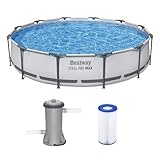
Bestway Steel Pro MAX 12' x 30" Above Ground Swimming Pool Set with Pump | Check Price On Amazon |
|
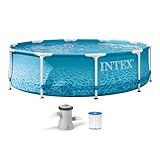
INTEX Beachside Metal Frame 10ft x 30in Round Pool Set w/Pump | Check Price On Amazon |

|
H2OGO! Kids Splash-in-Shade 8-Foot Round Steel Frame Above Ground Pool with Water Mister and Canopy Sunshade, Green Tropical Leaf Print | Check Price On Amazon |
What Makes a Plunge Pool Different from Regular Swimming Pools?
Plunge pools are specifically designed for vertical relaxation rather than horizontal swimming, with depths typically ranging from 4-7 feet and surface areas under 300 square feet. This fundamental difference affects everything from construction costs to ongoing maintenance requirements.
The compact size means you get many benefits of pool ownership – cooling off on hot days, hydrotherapy, entertainment value – while using 60-80% less water than a standard pool. Most plunge pools can be heated year-round more affordably due to their smaller water volume.
Key Specifications:
- Dimensions: 10-20 feet long × 6-10 feet wide
- Depth: 4-7 feet (deeper than most regular pools)
- Water Volume: 3,000-8,000 gallons vs 15,000-25,000 for standard pools
- Installation Time: 2-4 weeks vs 6-12 weeks
- Maintenance: 50-70% less chemicals and cleaning time
- Heating Costs: 40-60% lower than full-size pools
Unlike regular pools optimized for swimming and recreation, plunge pools focus on providing a refreshing soak experience. Many incorporate spa-like features such as built-in seating, water jets, or heating systems that make them usable year-round in most climates. To see how these features come together in a compact space, you can explore layouts with our plunge pool design visualizer.
How Much Does a Plunge Pool Cost to Install?
Plunge pool installation costs range from $15,000-$50,000 depending on materials, location, and features, with most homeowners spending $25,000-$35,000 for a professionally installed concrete or fiberglass plunge pool. This represents significant savings compared to full-size pool installations.
The smaller excavation requirements, reduced material needs, and faster installation timeline contribute to these lower costs. However, the per-square-foot cost is often higher than large pools due to fixed costs like permits, equipment, and site preparation being spread over a smaller area.
| Pool Type | Cost Range | Installation Time | Best For |
| Prefab Fiberglass | $15,000-$28,000 | 1-2 weeks | Quick installation, smooth finish |
| Gunite/Concrete | $25,000-$45,000 | 3-6 weeks | Custom shapes, integrated features |
| Natural Stone | $30,000-$50,000 | 4-8 weeks | Premium aesthetics, natural look |
| Container/Modular | $12,000-$22,000 | 1-3 days | Budget-conscious, temporary installations |
Additional costs include electrical work ($1,500-$3,000), plumbing connections ($1,000-$2,500), decking or patio work ($2,000-$8,000), and landscaping ($1,000-$5,000). Heating systems add $2,000-$5,000 but extend your swimming season significantly.
When compared to our detailed analysis of inground pool costs by type, plunge pools offer 40-60% savings on initial installation while providing many of the same lifestyle benefits.
Which Plunge Pool Size Should You Choose?
The optimal plunge pool size depends on your intended use, available space, and budget, with 12×8 feet being the most popular size for 2-4 person capacity and balanced cost-to-benefit ratio. This size provides enough room for comfortable soaking while keeping heating and maintenance costs reasonable.
Smaller 10×6 foot pools work well for individual use or couples but feel cramped for entertaining. Larger 16×10 foot pools approach the space and cost of small traditional pools while maintaining the plunge pool’s depth-focused design.

- Intelligent Navigation with Full Coverage: Equipped with 11 high-precision sensors and enhanced dual-path algorithms. The optimized WavePath cleaning pattern ensures systematic coverage with minimal overlap, while adaptive navigation analyzes pool layout in real time to eliminate missed spots
- Dual Filtration for Crystal-Clear Water: Advanced dual-layer filtration system features a replaceable 3-micron ultra-fine filter paired with a 180-micron standard filter. Effectively captures fine dust, sand, leaves, and debris for visibly cleaner and healthier pool water
- Comprehensive Pool Cleaning: Engineered to clean the pool floor, walls, waterline, and shallow areas (above 12 inches). The Caterpillar Treads system enhances mobility and climbing ability, ensuring thorough coverage across all pool zones
- Reliable Performance with 2-Year Warranty: Trusted by over 500,000 pool owners worldwide, this robotic pool cleaner delivers consistent, high-performance results. Built for durability and backed by a 2-year warranty and responsive customer support for worry-free ownership
Compact Plunge Pools (8×6 to 10×6 feet)
Compact plunge pools maximize cooling benefits in minimal space, perfect for urban backyards or rooftop installations where every square foot matters. These pools typically hold 2,000-4,000 gallons and cost $15,000-$25,000 installed.
The smaller water volume means faster heating (30-45 minutes to raise temperature 10°F) and lower chemical costs ($20-30 monthly). However, the intimate size limits entertaining and may feel restrictive for larger individuals or families.
Standard Plunge Pools (12×8 to 14×8 feet)
Standard sizing offers the best balance of functionality, cost, and maintenance for most homeowners, comfortably accommodating 2-4 adults for relaxation or light exercise. Water volume typically ranges from 4,000 to 6,000 gallons—you can get an exact figure by using our pool volume calculator—with installation costs of $20,000-$35,000.
This size allows for built-in seating areas, water features, or exercise equipment like swim jets while maintaining the compact footprint that defines plunge pools. Monthly operating costs typically run $40-60 including chemicals and heating.
Large Plunge Pools (16×10 to 20×12 feet)
Large plunge pools bridge the gap between compact plunge pools and full-size swimming pools, offering more entertaining space while maintaining the deeper profile that distinguishes them from traditional pools. These installations cost $30,000-$50,000 with water volumes of 7,000-10,000 gallons.
The additional space allows for more elaborate features like integrated spas, multiple seating areas, or exercise zones. However, heating and maintenance costs approach those of small traditional pools, potentially negating some plunge pool advantages.
Plunge Pool Materials: Which Creates Better Results?
Fiberglass plunge pools offer the fastest installation and smoothest finish, while concrete provides unlimited customization options and superior durability, with most homeowners choosing based on timeline, budget, and desired aesthetics rather than performance differences. Both materials perform excellently in plunge pool applications when properly installed.
The smaller size of plunge pools actually benefits both material types – fiberglass shells are easier to transport and position, while concrete pours require less material and cure faster than large pool installations.
| Material | Installation Time | Customization | Durability | Cost Range |
| Fiberglass | 1-2 weeks | Limited shapes | 25-30 years | $15,000-$28,000 |
| Concrete/Gunite | 3-6 weeks | Unlimited | 30+ years | $25,000-$45,000 |
| Vinyl Liner | 2-3 weeks | Moderate | 15-20 years | $12,000-$22,000 |
| Natural Stone | 4-8 weeks | High | 50+ years | $30,000-$50,000 |
Fiberglass excels in quick installation scenarios and provides a non-porous surface that resists algae growth and requires fewer chemicals. The gel coat finish feels smooth and comfortable for extended soaking sessions.
Concrete allows for custom shapes, integrated features like waterfalls or built-in seating, and various finish options from plaster to natural stone. The installation process mirrors techniques used in our inground pool installation guide, just on a smaller scale.
Do You Need Special Equipment for Plunge Pools?
Plunge pools require the same basic equipment as larger pools – filtration, sanitation, and circulation systems – but in smaller, more efficient packages that cost 30-50% less than full-size pool equipment. Most systems can be housed in compact equipment pads that take up minimal yard space.
The reduced water volume means faster turnover rates (complete water circulation in 2-4 hours vs 6-8 hours for large pools) and more responsive chemical adjustment. This allows for smaller pumps, filters, and heaters while maintaining excellent water quality.
Filtration Systems for Plunge Pools
Cartridge filters work exceptionally well for plunge pools due to their compact size, easy maintenance, and ability to filter small particles effectively in lower water volumes. A quality cartridge filter system handles 3,000-8,000 gallons efficiently with minimal space requirements.
Sand filters remain popular for their low maintenance and familiar operation, though they take up more equipment space. DE (diatomaceous earth) filters provide the finest filtration but may be overkill for most plunge pool applications.
Heating Options for Year-Round Use
Heat pumps provide the most cost-effective heating for plunge pools, with 80,000-110,000 BTU units sufficient for most installations and operational costs of $50-150 monthly depending on climate and usage. The smaller water volume means faster heating and better heat retention. To determine the exact BTU requirement for your specific pool and climate, use our pool heater calculator.
Gas heaters offer rapid heating (temperature rise of 1-2°F per hour) but higher operational costs, making them ideal for occasional use rather than maintaining constant temperature. Electric resistance heaters work well in mild climates but become expensive in colder regions.
Pool heat pumps designed for smaller pools often include digital controls and energy-efficient compressors that make year-round operation practical in most climates.
Sanitization and Chemical Systems
Salt chlorine generators work excellently in plunge pools, providing automated chlorine production and softer-feeling water ideal for extended soaking sessions. The best salt chlorine generators for smaller pools typically handle up to 10,000 gallons and cost $400-800 installed.
UV sanitizers pair well with reduced chemical programs, using ultraviolet light to destroy bacteria and viruses while minimizing chlorine requirements. This combination works particularly well for homeowners sensitive to chemical odors or skin irritation.
Traditional chlorine feeders and manual chemical addition remain viable options, with the smaller water volume making chemical adjustments quick and cost-effective. Monthly chemical costs typically run $15-40 depending on usage and local water conditions.
Installation Process: How Long Does a Plunge Pool Take?
Professional plunge pool installation takes 1-6 weeks depending on material choice and site conditions, with fiberglass installations completing fastest (1-2 weeks) and custom concrete installations requiring 3-6 weeks for excavation, plumbing, construction, and finishing. Weather and permit approval can extend timelines by 1-2 weeks.
The compact size significantly reduces excavation time and material delivery compared to full-size pools. Most plunge pools require 15-25 cubic yards of excavation versus 75-150 cubic yards for traditional pools.
Site Preparation and Excavation
Site preparation begins with utility marking, soil testing, and access planning for equipment and materials. The smaller excavation footprint means most plunge pools can be installed without removing fencing or landscaping that would be necessary for larger pools.
Excavation typically takes 1-2 days with proper equipment access, followed by soil compaction, gravel base installation, and utility rough-ins for plumbing and electrical connections. Poor drainage or rocky soil conditions can extend this phase by several days.
Plumbing and Electrical Installation
Plumbing installation follows the same principles outlined in traditional pool construction but with shorter runs and smaller pipe sizes due to reduced flow requirements. Main drains, skimmers, returns, and equipment connections typically take 1-2 days to install and pressure test.
Electrical work includes pool equipment connections, safety systems (GFCI protection), and lighting installation if included. The GFCI breakers and safety disconnects required by code ensure safe operation around water.
Shell Installation or Construction
Fiberglass shells install in a single day once site preparation is complete, with backfilling, plumbing connections, and equipment installation following immediately. The pre-manufactured approach eliminates curing time and weather delays common with concrete construction.
Concrete plunge pools follow traditional gunite or shotcrete methods, with steel reinforcement, concrete application, and curing taking 1-2 weeks. Plaster or tile finishing adds another 3-7 days depending on chosen materials and complexity.
Plunge Pool Maintenance: What You Need to Know
Plunge pool maintenance requires 50-70% less time and chemicals than full-size pools due to smaller water volume and faster circulation, with most owners spending 15-30 minutes weekly on testing, chemical adjustment, and cleaning tasks. The compact size makes every maintenance task quicker and easier.
Water chemistry responds more quickly to adjustments in smaller volumes, requiring more frequent monitoring but smaller chemical additions. This responsiveness actually helps maintain more stable water conditions once you understand the system.
Weekly Maintenance Routine
Test water chemistry twice weekly using pool test strips or a liquid test kit, checking pH (7.2-7.6), total alkalinity (80-120 ppm), and sanitizer levels (1-3 ppm chlorine). The smaller water volume means adjustments take effect within 2-4 hours rather than 24-48 hours in large pools.
Skim the surface daily and brush walls weekly to prevent algae buildup and maintain circulation efficiency. The compact size means complete cleaning takes 10-15 minutes compared to 30-60 minutes for traditional pools.
Chemical Usage and Costs
Monthly chemical costs range from $15-40 for most plunge pools, with chlorine, pH adjusters, and algae preventers being the primary expenses. The 3,000-8,000 gallon water volume requires proportionally smaller chemical additions that respond quickly to testing and adjustment.
Shock treatments use 1-2 pounds of pool shock compared to 5-10 pounds for large pools, while pH adjustments typically require 8-16 ounces of chemicals rather than 1-3 pounds.
Equipment Maintenance
Clean cartridge filters every 2-4 weeks depending on usage and environmental conditions, with replacement needed every 6-12 months. The smaller filtration systems mean lower replacement costs and easier handling compared to large pool filters.
Heat pump maintenance includes quarterly coil cleaning and annual professional service, with the smaller units being more accessible for routine care. Proper maintenance extends equipment life to 10-15 years and maintains heating efficiency.
Cost Analysis: Budget Planning for Your Plunge Pool
Total plunge pool ownership costs including installation, equipment, and five years of operation typically range from $25,000-$65,000, making them 40-60% less expensive than comparable full-size pool installations when comparing total cost of ownership. The smaller water volume drives savings in every category from heating to chemicals.
Understanding the complete cost picture helps homeowners budget appropriately and compare options effectively. Many homeowners find the ongoing cost savings justify higher initial investment in quality equipment and installation.
| Cost Category | Plunge Pool | Traditional Pool | Savings |
| Initial Installation | $15,000-$50,000 | $35,000-$100,000 | 40-60% |
| Annual Heating | $300-$800 | $800-$2,000 | 50-70% |
| Annual Chemicals | $200-$500 | $500-$1,200 | 60-75% |
| Annual Electricity | $200-$600 | $600-$1,500 | 50-70% |
| Maintenance/Repairs | $300-$800 | $800-$2,000 | 50-70% |
Financing Options for Plunge Pool Installation
Home equity loans provide the lowest interest rates for plunge pool financing, typically 3-7% APR for qualified homeowners with established equity. The pool installation may increase home value by $8,000-$25,000, helping offset the initial investment.
Personal loans offer faster approval and no collateral requirements but with higher interest rates (6-15% APR). Pool-specific financing through contractors or manufacturers may include promotional rates or extended terms.
Cash purchases eliminate interest costs and provide negotiating leverage with contractors. Many homeowners find the smaller investment amount makes cash purchase more feasible than with traditional pool installations.
Return on Investment Considerations
Plunge pools typically add 60-80% of their installation cost to home value in appropriate markets, with higher returns in warm climates and upscale neighborhoods. The compact size appeals to buyers who want pool amenities without large maintenance commitments.
Energy efficiency and lower operating costs make plunge pools attractive to environmentally conscious buyers. The ability to heat year-round affordably extends the usage season and value proposition compared to larger pools.
Common Plunge Pool Installation Mistakes to Avoid
Undersizing equipment ranks as the most common plunge pool mistake, with homeowners choosing pumps, heaters, or filters based on cost rather than proper sizing calculations, resulting in poor circulation, slow heating, and water quality problems. Proper equipment sizing ensures efficient operation and longevity.
The compact size doesn’t mean you can cut corners on essential equipment – filtration, heating, and chemical systems must still meet minimum performance standards for safe, clean water. Skimping on equipment costs more in repairs and replacement than investing in properly sized systems initially.
Equipment Sizing Errors
Installing undersized pumps creates poor circulation, leading to dead spots where debris accumulates and chemical distribution becomes uneven. Calculate proper pump sizing based on desired turnover rate (6-8 hours maximum) rather than choosing the cheapest option.
Undersized heaters struggle to maintain temperature in cold weather and take excessive time to heat the pool initially. Size heaters for 1-2°F temperature rise per hour under expected weather conditions, not just mild spring temperatures.
Poor Site Preparation
Inadequate drainage around plunge pools causes hydrostatic pressure problems, potentially lifting fiberglass shells or cracking concrete structures. Install proper drainage systems and maintain positive drainage away from the pool structure.
Ignoring utility locations leads to expensive relocations or dangerous situations. Always have utilities professionally marked and verified before excavation begins, even for small plunge pools.
Skipping Professional Installation Steps
DIY electrical work violates code requirements and creates safety hazards around water features. All electrical work must be performed by licensed electricians and inspected according to local codes for safe operation.
Attempting to install plunge pools without proper permits risks code violations, insurance issues, and resale problems. Most areas require permits for any permanent pool installation regardless of size.
Plunge Pool vs Swimming Pool vs Hot Tub: Which Should You Choose?
Plunge pools occupy the middle ground between full-size swimming pools and hot tubs, offering year-round usability like spas with the cooling capacity of pools, making them ideal for homeowners who want both relaxation and refreshment without the space and cost commitment of traditional pools. The choice depends on your priorities for exercise, entertaining, and budget.
Consider your primary use case: exercise requires swimming pools, maximum relaxation suggests hot tubs, while cooling off and moderate entertaining favor plunge pools. Many homeowners find plunge pools provide 80% of the benefits they actually wanted from a full-size pool.
| Feature | Plunge Pool | Swimming Pool | Hot Tub |
| Installation Cost | $15,000-$50,000 | $35,000-$100,000 | $4,000-$15,000 |
| Space Required | 200-400 sq ft | 600-1,200 sq ft | 50-100 sq ft |
| Exercise Capability | Limited | Excellent | None |
| Year-round Use | Yes (with heating) | Seasonal (most climates) | Yes |
| Cooling Benefit | Excellent | Excellent | None |
| Entertainment Value | Moderate | High | Low-Moderate |
When to Choose a Plunge Pool
Plunge pools work best for homeowners who prioritize cooling off and relaxation over swimming exercise, have limited yard space, or want pool benefits with lower maintenance commitment. The compact size fits urban lots and small backyards where traditional pools would overwhelm the space.
Budget-conscious homeowners appreciate the 40-60% cost savings compared to swimming pools while retaining most lifestyle benefits. The ability to heat affordably extends the season and increases value per dollar invested.
When Swimming Pools Make More Sense
Choose traditional pools if swimming exercise is important, you frequently entertain large groups, or you have extensive yard space to showcase a larger water feature. The additional space allows for pool games, floating, and activities impossible in plunge pools.
Families with active children often prefer the space and versatility of full-size pools. The extra cost may be justified if the pool will see heavy daily use throughout the swimming season.
When Hot Tubs Are the Better Option
Hot tubs excel for pure relaxation, therapeutic use, and year-round comfort in any climate. The smaller water volume heats quickly and maintains temperature efficiently, making daily use practical even in cold climates.
If cooling off isn’t a priority and you prefer warm water relaxation, portable hot tubs or permanent spa installations may better meet your needs at lower initial cost.
Troubleshooting Common Plunge Pool Problems
Water temperature fluctuations represent the most common plunge pool complaint, typically caused by undersized heaters, poor insulation, or timer programming issues rather than equipment failure. The smaller water volume makes temperature changes more noticeable but also easier to correct once you identify the cause.
Most plunge pool problems relate to the unique characteristics of smaller water volumes – faster chemical changes, more noticeable equipment cycling, and quicker response to environmental factors. Understanding these differences helps diagnose and prevent common issues.
Water Chemistry Imbalances
Problem: pH and chlorine levels fluctuate rapidly or won’t stay stable despite regular testing and adjustment.
Cause: Smaller water volume responds quickly to chemical additions, bather load, and environmental factors. Over-adjusting creates bounce between high and low readings.
Solution: Use smaller chemical increments (1/4 to 1/2 normal pool amounts), wait 2-4 hours between adjustments, and test more frequently during initial balancing. Install an automatic chemical feeder to maintain steady sanitizer levels.
Inadequate Heating Performance
Problem: Pool takes too long to heat or won’t maintain desired temperature despite properly sized equipment.
Cause: Heat loss through surface evaporation, insufficient insulation, or poor circulation preventing even heat distribution.
Solution: Install a pool solar cover to reduce evaporation (60-80% heat loss reduction), ensure proper circulation timing (run pumps during heating cycles), and consider windscreen installation to reduce surface heat loss.
Poor Water Circulation
Problem: Dead spots where debris accumulates, uneven chemical distribution, or cloudy water despite proper chemical levels.
Cause: Undersized pump, incorrect return jet positioning, or blocked skimmers reducing water movement throughout the pool.
Solution: Verify pump sizing provides complete water turnover every 4-6 hours, adjust return jets to create circular flow patterns, and ensure skimmer baskets and filters are clean. Add supplemental circulation jets if needed.
Equipment Cycling Issues
Problem: Pumps, heaters, or other equipment turn on and off frequently or won’t maintain steady operation.
Cause: Oversized equipment for the small water volume, improper timer programming, or pressure switch problems in circulation systems.
Solution: Adjust timer cycles for shorter, more frequent operation rather than long continuous runs. Install variable speed pumps that can operate at lower speeds for extended periods. Check pressure switches and flow sensors for proper calibration.
Frequently Asked Questions About Plunge Pools
Can you swim in a plunge pool?
Quick Answer: Plunge pools allow stationary swimming exercises and water aerobics but not lap swimming due to their 10-20 foot length, which is too short for stroke development or continuous swimming.
Plunge pools excel at water-based exercises like walking, jogging in place, resistance training, and stretching routines. Many owners install swim jets or resistance systems that create current for stationary swimming workouts.
The deeper design (4-7 feet typical) accommodates vertical exercises and full-body immersion better than traditional pools. Consider your exercise goals when deciding between plunge pools and lap pools designed specifically for swimming.
How much does it cost to heat a plunge pool?
Quick Answer: Heating a plunge pool costs $25-75 monthly depending on climate, desired temperature, and heating method, with heat pumps being most efficient for year-round use and gas heaters for occasional heating.
The 3,000-8,000 gallon water volume heats much faster and cheaper than full-size pools. Heat pumps provide the lowest operating costs in moderate climates, while gas heaters offer rapid temperature rise for weekend or vacation use.
Installing a pool cover reduces heating costs by 50-70% by preventing evaporation and heat loss. Automatic pool covers make daily cover use convenient and maximize energy savings.
In warm climates, heating may only be needed 3-5 months annually. Cold climate year-round heating requires proper insulation and windscreens to control heat loss and operating costs.
Do plunge pools increase home value?
Quick Answer: Plunge pools typically add $8,000-$25,000 to home value in appropriate markets, representing 60-80% return on investment, with higher returns in warm climates and luxury neighborhoods where outdoor living is prioritized.
The compact size appeals to buyers who want pool amenities without large maintenance commitments or space requirements. Energy efficiency and lower operating costs make them attractive to environmentally conscious purchasers.
Market acceptance varies by region – warm climate markets show stronger appreciation than cold climates where pool season is limited. Luxury markets often view plunge pools as sophisticated spa alternatives rather than budget pool substitutes.
Professional installation and quality materials maximize value addition. DIY or budget installations may not provide the same return on investment as properly constructed plunge pools.
How long do plunge pools last?
Quick Answer: Well-maintained plunge pools last 20-30+ years with fiberglass shells, concrete construction lasting 30+ years, and vinyl liner systems requiring liner replacement every 8-12 years but lasting decades with proper care.
The smaller size actually extends equipment life in many cases – less water volume means less pump run time, smaller heating loads, and reduced chemical usage that can corrode system components.
Proper water chemistry maintenance prevents surface deterioration and equipment damage. Regular service and timely repairs extend life significantly beyond minimum expectations.
Quality installation matters more than size – proper excavation, plumbing, and electrical work determine long-term reliability regardless of pool dimensions.
What permits do you need for a plunge pool?
Quick Answer: Most jurisdictions require building permits for permanent plunge pool installation regardless of size, plus electrical permits for equipment connections and possible zoning approval depending on local setback requirements.
Permit requirements don’t scale with pool size – the same safety codes, inspection requirements, and approval processes apply to plunge pools as traditional pools in most areas.
Check with local building departments before beginning any excavation or construction. Permit costs typically range from $200-$800 depending on location and scope of work.
Professional contractors handle permit applications as part of their service. DIY installations still require proper permits and inspections for legal compliance and insurance coverage.
Can you install a plunge pool above ground?
Quick Answer: Above-ground plunge pools are available using specialized deep-wall systems or modular construction, costing $8,000-$20,000 installed, though they lose the seamless aesthetic integration of in-ground installations.
Above-ground options work well for temporary installations, rental properties, or situations where excavation isn’t practical. The elevated design requires stairs or decking for safe access.
Structural requirements increase with the deeper water (4-7 feet typical) compared to standard above-ground pools. Above-ground pool installation techniques apply but with reinforced wall systems and stronger foundation requirements.
Consider local climate for freeze protection and wind resistance. Above-ground installations may have shorter lifespan than in-ground equivalents due to environmental exposure.
How often should you clean a plunge pool?
Quick Answer: Clean plunge pools weekly with daily surface skimming, twice-weekly water testing, and monthly deep cleaning including filter maintenance, requiring 50-70% less time than traditional pool maintenance due to smaller size.
Daily tasks include skimming debris and checking equipment operation (5 minutes). Weekly tasks cover brushing walls, vacuuming, and chemical testing/adjustment (15-20 minutes total).
The smaller water volume responds quickly to contamination but also cleans up faster with proper equipment. Consistent light maintenance prevents problems better than neglect followed by intensive cleaning.
Small robotic cleaners designed for spas and small pools automate daily cleaning tasks and work well in plunge pool applications.
What’s the difference between a plunge pool and a spa?
Quick Answer: Plunge pools are designed for cooling and relaxation at ambient or slightly warm temperatures (75-85°F), while spas focus on hot water therapy (100-104°F), with plunge pools being larger but spas offering more therapeutic heating.
Plunge pools excel at cooling off on hot days and provide swimming-pool-like refreshment in compact spaces. Spas prioritize warm water relaxation and therapeutic benefits through higher temperatures and jet systems.
Many homeowners combine both functions with plunge pools that can heat to spa temperatures when desired, though the larger water volume requires more energy to reach and maintain hot temperatures.
Construction and equipment requirements overlap significantly – both need proper circulation, heating, and chemical systems scaled to their water volume and intended use temperature ranges.
Do plunge pools need chlorine?
Quick Answer: Plunge pools require sanitization systems like chlorine, salt chlorine generators, or alternative sanitizers to maintain safe water quality, with salt systems being popular due to gentler water feel for extended soaking.
The same water safety standards apply regardless of pool size – bacteria, algae, and organic contamination must be controlled through proper sanitization and filtration systems.
Salt chlorine generators work particularly well in plunge pools, providing automated chlorine production and softer-feeling water ideal for relaxation use. The smaller salt systems handle plunge pool water volumes efficiently.
UV sanitizers and ozone systems can reduce chlorine requirements but rarely eliminate the need entirely. Combination approaches often provide the best balance of effectiveness and water comfort.
How deep should a plunge pool be?
Quick Answer: Optimal plunge pool depth ranges from 4-7 feet depending on intended use, with 5-6 feet being most common for adult soaking and light exercise, providing full immersion without wasted water volume.
Deeper pools (6-7 feet) accommodate taller users and vertical exercises but increase heating costs and construction complexity. Shallower pools (4-5 feet) heat faster and cost less but may not provide full immersion for all users.
Consider the primary users’ heights and intended activities when selecting depth. Most manufacturers offer standard depths with custom options available for specific requirements.
Local building codes may specify minimum depths for safety compliance and maximum depths before additional safety features become required.
Can you heat a plunge pool year-round?
Quick Answer: Plunge pools can be heated year-round in most climates with proper equipment and insulation, costing $200-$800 annually depending on location, target temperature, and heating efficiency measures like pool covers.
The smaller water volume makes year-round heating more practical and affordable than large pools. Heat pumps provide efficient operation in moderate climates, while gas heaters offer reliability in extreme cold.
Insulation measures like pool covers, windscreens, and proper equipment sizing dramatically reduce heating costs. Thermal pool covers can reduce heat loss by 70-80% when properly used.
In cold climates, consider freeze protection systems and equipment winterization procedures. Some owners prefer seasonal operation with proper closing and opening procedures rather than year-round heating.
What maintenance does a plunge pool need?
Quick Answer: Plunge pool maintenance includes daily skimming (2 minutes), twice-weekly water testing and chemical adjustment (10 minutes), weekly brushing and cleaning (15 minutes), and monthly equipment service, totaling 30-45 minutes weekly.
The compact size makes every maintenance task quicker and requires proportionally fewer chemicals. Water chemistry responds faster to adjustments, requiring more frequent monitoring but smaller chemical additions.
Filter cleaning frequency depends on usage and environmental conditions but typically occurs every 2-4 weeks for cartridge systems. The smaller filters are easier to handle and less expensive to replace.
Equipment service follows the same schedule as larger pools but with smaller, more accessible components. Many owners find plunge pool maintenance fits easily into weekly routines without the time commitment of traditional pools.
Do plunge pools work in cold climates?
Quick Answer: Plunge pools work well in cold climates with proper heating, insulation, and freeze protection systems, though operating costs increase significantly below 40°F average temperatures without extensive efficiency measures like covers and windscreens.
The smaller water volume actually provides advantages in cold climates – faster heating, better heat retention with covers, and lower total heating costs compared to full-size pools.
Proper equipment sizing becomes critical in cold climates. Heat pumps lose efficiency below 45-50°F, making gas heaters or hybrid systems necessary for reliable winter operation.
Many cold-climate owners operate seasonally (May-October) to avoid winter heating costs, using proper winterization procedures to protect equipment and structure during freezing months.
Are plunge pools safe for children?
Quick Answer: Plunge pools require the same safety measures as traditional pools including fencing, covers, alarms, and adult supervision, with their 4-7 foot depth presenting drowning risk equal to or greater than shallow pools for unsupervised children.
The compact size doesn’t reduce safety requirements – proper barriers, self-closing gates, and safety equipment remain essential. Many jurisdictions require identical safety measures regardless of pool size.
The deeper water profile may actually increase risk for small children compared to traditional pools with shallow ends. Consider safety covers, pool alarms, and swimming lessons as essential safety measures.
Pool safety alarms and automatic covers provide additional protection layers beyond required fencing and supervision. Never rely on single safety measures for child protection around any water feature.
Conclusion
Plunge pools deliver the essential benefits of pool ownership – cooling relief, relaxation, and entertainment value – at 40-60% lower cost than traditional installations through their compact 10-20 foot design and efficient 3,000-8,000 gallon water volume. The smaller size means faster heating, reduced maintenance, and year-round usability that fits urban backyards and busy lifestyles.
Start by determining your primary use case (cooling vs. exercise vs. entertainment) and available space, then budget for total ownership costs including installation, equipment, and five years of operation. Request quotes from multiple contractors for fiberglass and concrete options, ensuring proper equipment sizing for your climate and usage patterns. Most homeowners find the combination of lower costs, reduced maintenance, and full pool experience makes plunge pools the ideal solution for modern pool ownership.
| Photo | Best Above-Ground Pools | Price |
|---|---|---|
|
|
Bestway Steel Pro MAX 12' x 30" Above Ground Swimming Pool Set with Pump | Check Price On Amazon |
|
|
INTEX Beachside Metal Frame 10ft x 30in Round Pool Set w/Pump | Check Price On Amazon |
|
|
H2OGO! Kids Splash-in-Shade 8-Foot Round Steel Frame Above Ground Pool with Water Mister and Canopy Sunshade, Green Tropical Leaf Print | Check Price On Amazon |