
A half inground half above ground pool features an exact 50/50 split between the portion buried in the ground and the portion that remains above ground level. This balanced configuration creates unique advantages in cost, stability, and aesthetic appeal compared to fully inground or above-ground options. Unlike semi-inground pools where only 25-40% remains above ground, the true 50/50 design offers distinct benefits for specific properties and budgets.
This guide covers everything you need to know about this unique pool configuration, from structural requirements to installation steps, helping you determine if this balanced design aligns with your needs.
| Photo | Best Above-Ground Pools | Price |
|---|---|---|
|
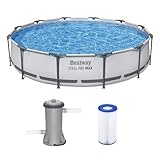
Bestway Steel Pro MAX 12' x 30" Above Ground Swimming Pool Set with Pump | Check Price On Amazon |
|
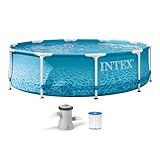
INTEX Beachside Metal Frame 10ft x 30in Round Pool Set w/Pump | Check Price On Amazon |

|
H2OGO! Kids Splash-in-Shade 8-Foot Round Steel Frame Above Ground Pool with Water Mister and Canopy Sunshade, Green Tropical Leaf Print | Check Price On Amazon |
What Exactly Is a Half Inground Half Above Ground Pool?
A true half inground half above ground pool—as distinct from a semi-inground pool—features an exact 50/50 split between the portion buried in the ground and the portion that remains above ground level. This balanced configuration creates unique structural, aesthetic, and practical characteristics that differ significantly from both fully inground and semi-inground designs.
In a true 50/50 configuration, exactly half the wall height is buried below ground level. For example, with a standard 52-inch tall pool wall, precisely 26 inches would be underground and 26 inches would remain visible above ground.
This balanced design creates a distinct visual appearance that sets it apart from other pool types:
Comparison of Pool Installation Types
| Pool Type | Underground Portion | Above Ground Portion | Typical Wall Height |
|---|---|---|---|
| Fully Above Ground | 0% | 100% | 48-54 inches |
| Semi-Inground | 60-75% | 25-40% | 48-54 inches |
| Half Inground Half Above | 50% | 50% | 48-54 inches |
| Fully Inground | 100% | 0% | 48-72 inches |
The exact 50/50 configuration requires specific structural considerations to ensure proper support for both the buried and exposed sections. This balanced design creates unique benefits and challenges that make it particularly suitable for certain properties and budgets.
7 Unique Benefits of the Balanced Half Inground Half Above Ground Design
The true 50/50 configuration offers distinct advantages that neither fully inground nor predominantly buried semi-inground pools can match. Understanding these unique benefits will help you determine if this balanced design aligns with your specific needs.
- Perfect balance of structural stability and cost savings – The 50/50 design provides more structural support than fully above-ground pools while requiring less excavation than semi-inground or inground options. This balanced approach typically saves 30-40% on installation costs compared to fully inground pools.
- Ideal for moderately sloped terrain – Properties with gentle slopes often face challenges with standard pool installations. The 50/50 configuration works with the natural slope rather than requiring extensive grading, making it perfect for yards with 2-4 foot elevation changes.
- Reduced excavation requirements – With exactly half the pool below ground, excavation needs are precisely 50% less than fully inground pools, reducing both labor costs and soil disposal challenges. A typical 24′ round pool might require removing 15-20 cubic yards of soil instead of 30-40 yards.
- Lower wall pressure compared to fully buried pools – The balanced design distributes pressure more evenly, with only half the wall height experiencing ground pressure. This reduces structural stress and can extend the pool’s lifespan by 3-5 years compared to fully buried options.
- Enhanced visibility for safety monitoring – With half the pool above ground, visibility is significantly improved compared to fully inground pools. This makes it easier to monitor swimmers, especially children, from various vantage points around your property.
- Natural integration with multi-level landscaping – The 50/50 height creates perfect opportunities for tiered decking and landscaping that flows naturally with the pool’s balanced profile. This allows for creative design solutions impossible with other pool types.
- Simplified drainage management – The balanced configuration creates natural drainage patterns away from the pool structure. With proper installation, water naturally flows away from both the above and below-ground portions, reducing moisture-related problems.
These benefits make the 50/50 configuration particularly appealing for homeowners seeking a balance between cost, aesthetics, and functionality. However, achieving these advantages requires proper structural engineering to ensure stability and longevity.
Critical Structural Engineering Requirements for 50/50 Pool Installation
The exact 50/50 configuration creates unique structural demands that differ from both fully inground and semi-inground installations. Understanding these engineering requirements is essential for ensuring your pool’s stability, longevity, and safety.
Weight Distribution Principles
In a 50/50 configuration, weight distribution becomes critical as the structure must balance the pressure from both water inside and soil outside. The pool must withstand:
- Internal water pressure (approximately 62.4 pounds per cubic foot)
- External soil pressure (varies by soil type, typically 90-120 pounds per cubic foot)
- Uneven pressure distribution with maximum ground pressure at the halfway point
According to structural engineers, the transition point where the pool meets ground level experiences the greatest stress and requires reinforced bracing. This area needs support brackets spaced every 24-36 inches around the perimeter.
Hydrostatic Pressure Management
The half-buried design creates unique hydrostatic pressure considerations:

- Intelligent Navigation with Full Coverage: Equipped with 11 high-precision sensors and enhanced dual-path algorithms. The optimized WavePath cleaning pattern ensures systematic coverage with minimal overlap, while adaptive navigation analyzes pool layout in real time to eliminate missed spots
- Dual Filtration for Crystal-Clear Water: Advanced dual-layer filtration system features a replaceable 3-micron ultra-fine filter paired with a 180-micron standard filter. Effectively captures fine dust, sand, leaves, and debris for visibly cleaner and healthier pool water
- Comprehensive Pool Cleaning: Engineered to clean the pool floor, walls, waterline, and shallow areas (above 12 inches). The Caterpillar Treads system enhances mobility and climbing ability, ensuring thorough coverage across all pool zones
- Reliable Performance with 2-Year Warranty: Trusted by over 500,000 pool owners worldwide, this robotic pool cleaner delivers consistent, high-performance results. Built for durability and backed by a 2-year warranty and responsive customer support for worry-free ownership
- Pressure relief valves must be installed at the lowest points of the pool floor
- Proper drainage systems around the buried portion (typically 4-inch perforated pipe in gravel)
- Backfill material must include adequate drainage layers to prevent water accumulation
Without proper hydrostatic pressure management, the buried portion can experience wall deformation or even collapse when the pool is emptied for maintenance.
Wall Reinforcement Requirements
The 50/50 configuration requires specific wall reinforcement strategies:
- Double-thick wall panels at the ground transition point (minimum 14-gauge steel)
- Additional vertical supports every 4 feet along the perimeter
- Reinforced top rails designed to handle both lateral and vertical stress
- Corner bracing for rectangular designs (45-degree supports)
These reinforcement requirements exceed those of both fully above-ground pools (which lack ground pressure) and fully inground pools (which have consistent pressure around the entire wall).
Ground Preparation Requirements
Proper ground preparation is essential for the unique 50/50 configuration:
- Compacted sand base (minimum 2 inches thick)
- Concrete footing at the transition point (typically 8-12 inches wide, 4-6 inches deep)
- Drainage slope of 1/8 inch per foot away from the pool
- Soil compaction to 90% Proctor density for the backfill material
Building codes typically require that half inground installations include proper drainage systems and reinforced walls to meet safety standards. Always check local building codes, as requirements for 50/50 pools often fall between those for above-ground and inground installations.
Material Selection Guide: Best Options for Half Inground Half Above Ground Pools
The unique 50/50 exposure pattern requires materials that can withstand both underground moisture and above-ground weather conditions. Not all pool materials are equally suited for this balanced configuration.
| Material | Suitability for 50/50 Configuration | Lifespan in 50/50 Setup | Cost Range | Maintenance Requirements |
|---|---|---|---|---|
| Polymer-Coated Steel | Excellent (9/10) | 15-20 years | $2,500-$5,000 | Low – Inspect coating annually |
| Galvanized Steel | Good (7/10) | 10-15 years | $1,800-$3,500 | Medium – Check for rust, apply protective coating |
| Aluminum | Very Good (8/10) | 20-25 years | $4,000-$7,000 | Low – Rinse exposed sections periodically |
| Resin | Good (7/10) | 15-20 years | $3,000-$6,000 | Low – Clean periodically to prevent algae |
| Fiberglass | Fair (6/10) | 20-25 years | $5,000-$9,000 | Medium – Monitor for cracks at transition point |
| Concrete | Poor (4/10) | 15-20 years | $8,000-$15,000 | High – Regular sealing, crack monitoring |
| Composite | Excellent (9/10) | 25-30 years | $6,000-$10,000 | Very Low – Occasional cleaning only |
Best Material Options by Component
Wall Materials: For the unique 50/50 exposure, polymer-coated steel and composite materials perform best. These materials resist both ground moisture and UV exposure. The transition point where the pool meets ground level should use reinforced materials regardless of your primary wall material choice.
Liner Materials: Vinyl liners for 50/50 pools should be minimum 25 mil thickness for the floor and 27-30 mil for walls. Look for UV-resistant vinyl formulations as the exposed upper section will face direct sunlight. To budget for your liner, you can use our pool liner cost calculator to get a customized estimate.
Frame Components: Aluminum or composite frames offer the best longevity for 50/50 installations, as they resist both ground moisture and weather exposure without requiring extensive maintenance.
Recent Material Innovations: New composite materials specifically designed for partial burial have entered the market. These include fiberglass-reinforced polymers that provide superior strength at the critical ground transition point while resisting both soil chemicals and UV degradation.
Step-by-Step Installation Guide for Half Inground Half Above Ground Pools
Installing a true 50/50 pool requires precise measurements and techniques to ensure proper balance between the underground and above-ground portions. This step-by-step guide walks you through the entire process, highlighting the critical differences from other pool installations.
Essential Preparation Steps Before Installation
Proper preparation is crucial for a successful half inground half above ground pool installation. These preliminary steps ensure your site is ready for the exact 50/50 configuration.
- Site Assessment: Measure ground slope (ideal is 1-2% natural grade), conduct soil composition test, and check water table depth (should be at least 4 feet below final pool depth).
- Obtain Permits: Check local building codes for partial burial requirements. Most jurisdictions classify 50/50 pools differently than either above-ground or inground pools, often requiring specific structural certifications.
- Mark Utility Lines: Contact local utility companies to mark underground lines before excavation. Create a safety buffer of at least 10 feet from any utility lines.
- Create Layout: Mark the exact pool perimeter with stakes and string, adding 2 feet of working space around the entire circumference. Use a laser level to verify the exact 50% depth line around the perimeter.
- Plan Drainage: Design a drainage system that directs water away from both the buried and exposed sections. This typically includes a French drain system around the perimeter with a minimum 2% slope away from the pool.
Essential tools for preparation include: laser level, transit level, soil testing kit, pH soil test, tape measure, stakes, string, marking paint, and drainage pipe.
Excavation Techniques for Perfect 50/50 Balance
The excavation phase is where the true 50/50 balance begins to take shape. Unlike semi-inground pools that may vary in burial depth, achieving an exact half-and-half configuration requires precise excavation techniques.
- Calculate Exact Depth: Measure your pool wall height and divide by 2. For a standard 52-inch wall, excavate exactly 26 inches deep. Add 2 inches for sand base, bringing total excavation to 28 inches.
- Create Level Base: Excavate the entire area to your calculated depth. Use a transit level to verify consistent depth across the entire pool footprint.
- Dig Footing Trench: At the perimeter, dig a 12-inch wide, 6-inch deep trench to create a reinforced footing for the transition point where ground meets pool wall.
- Slope Floor Slightly: Create a gentle slope (1/4 inch per foot) from outer edges toward the center drain location.
- Install Drainage Layer: Add 4-6 inches of gravel in the footing trench and place perforated drainage pipe in a circular pattern around the perimeter, sloping toward a drainage exit point.
Common excavation challenges include hitting rock (requires specialized equipment), encountering high water table (needs dewatering system), and soil instability (requires additional reinforcement techniques).
Wall Assembly and Reinforcement for Dual Exposure
The wall assembly for a 50/50 pool requires special consideration for both the buried and exposed sections. Unlike fully above-ground or fully inground pools, this balanced configuration demands reinforcement strategies that address both environmental conditions.
- Pour Concrete Footing: Fill the perimeter trench with concrete to create a stable base for the pool walls. Allow 24-48 hours to cure completely before proceeding.
- Assemble Bottom Track: Place the bottom track on the concrete footing, ensuring perfect roundness (for circular pools) or squareness (for rectangular pools) using diagonal measurements.
- Install Wall Panels: Connect wall panels according to manufacturer instructions, adding extra bracing at the transition point where the wall meets ground level. Install panels with the more corrosion-resistant coating facing the ground side.
- Add Reinforcement Braces: Install vertical supports every 4 feet around the perimeter, ensuring they extend from the concrete footing to the top rail.
- Seal Ground-Level Transition: Apply waterproof membrane or specialized sealant where the wall meets ground level to prevent moisture intrusion.
Critical reinforcement for 50/50 pools includes double bracing at the ground transition point, reinforced top caps to prevent bowing, and corner supports for rectangular designs.
Strategic Backfilling and Support Installation
Backfilling a half inground half above ground pool requires strategic material placement to provide adequate support while preventing excessive pressure on the walls. This phase is critical for ensuring the long-term stability of your 50/50 pool configuration.
- Install Protective Layer: Place geotextile fabric against the buried portion of pool walls to prevent soil migration into the drainage system.
- Add First Backfill Layer: Apply 8-12 inches of clean, crushed stone (3/4 inch) around the perimeter, compacting gently every 4 inches of depth.
- Install Liner: Place the pool liner according to manufacturer instructions, ensuring proper fit at the critical ground transition point.
- Add Remaining Backfill: Continue backfilling in 4-6 inch layers, alternating between crushed stone (bottom layers) and clean fill (upper layers), compacting each layer to 85-90% density.
- Install Drainage Exit: Connect perimeter drainage to a proper exit point that directs water away from the pool structure, ideally toward a storm drain or natural drainage area.
Proper backfilling is crucial for 50/50 pools. Common problems include excessive compaction (causing wall deformation), insufficient drainage (leading to hydrostatic pressure damage), and using improper backfill materials (causing wall corrosion or damage).
Comprehensive Cost Analysis: What to Expect for a True 50/50 Pool
Understanding the true cost of a half inground half above ground pool requires breaking down expenses across multiple categories. This configuration offers specific cost advantages over fully inground pools while requiring additional investment compared to above-ground options.
| Expense Category | 50/50 Configuration | Semi-Inground (25-40% above) | Fully Above Ground | Fully Inground |
|---|---|---|---|---|
| Base Pool Kit | $3,000-$7,000 | $4,000-$8,000 | $1,500-$4,500 | N/A |
| Excavation | $1,500-$3,000 | $2,000-$4,000 | $300-$800 | $3,000-$6,000 |
| Reinforcement Materials | $800-$1,500 | $1,000-$2,000 | $200-$500 | $2,000-$4,000 |
| Installation Labor | $2,000-$4,000 | $2,500-$5,000 | $1,000-$2,500 | $5,000-$10,000 |
| Equipment (Pump, Filter, etc.) | $800-$1,800 | $800-$1,800 | $600-$1,500 | $1,500-$3,000 |
| Permits & Inspections | $300-$800 | $400-$1,000 | $50-$300 | $500-$1,500 |
| Decking & Landscaping | $2,000-$5,000 | $1,500-$4,000 | $2,500-$6,000 | $3,000-$10,000 |
| Total Initial Investment | $10,400-$23,100 | $12,200-$25,800 | $6,150-$16,100 | $15,000-$34,500 |
| Annual Maintenance | $800-$1,500 | $900-$1,800 | $700-$1,300 | $1,200-$2,500 |
Regional Cost Variations
Installation costs vary significantly by region:
- Northeast: Add 15-20% to base estimates (higher labor costs, shorter season)
- Southeast: Subtract 5-10% from base estimates (longer season, more competition)
- Midwest: Prices align with base estimates
- West Coast: Add 20-30% to base estimates (higher labor and permit costs)
- Southwest: Add 5-10% for rocky soil conditions but subtract 5% for longer season
Long-Term Value Analysis
The 50/50 configuration offers specific long-term value advantages:
- Lifespan of 15-20 years (vs. 7-15 for fully above ground)
- Lower replacement costs as partial excavation remains usable
- Property value increase of approximately 5-7% (vs. 7-10% for inground)
- Insurance premiums typically 15-20% lower than fully inground pools
For accurate cost estimation for your specific situation, measure your yard dimensions, obtain local excavation quotes, and add 10-15% contingency for unexpected issues during installation.
Decking and Landscaping Solutions Specifically for Half Inground Half Above Ground Pools
The unique 50/50 configuration creates distinctive opportunities for decking and landscaping that differ from both fully inground and semi-inground designs. The exposed wall section can be integrated into your overall design in ways that enhance both functionality and aesthetics.
Multi-Level Decking Options
The balanced height of a 50/50 pool creates perfect opportunities for tiered decking:
- Wrap-Around Upper Deck: Build a deck at the top rail height that surrounds all or part of the pool, creating the appearance of a fully inground pool from the upper level.
- Split-Level Design: Create a lower deck section that meets the pool at the transition point and an upper deck section that aligns with the top rail, connected by 2-3 steps.
- Partial Surround: Build decking on just one or two sides, creating a “beach entry” effect while leaving other sides accessible at ground level.
- Cantilever Edge: Extend decking 8-12 inches over the pool edge to hide the top rail and create a more finished appearance.
For visual inspiration, explore our pool deck design visualizer.
Wall Integration Techniques
The exposed wall section offers unique design opportunities:
- Stone Veneer: Apply stone or brick veneer to the exposed walls for a premium appearance that integrates with landscape elements.
- Tiered Planters: Build graduated planting beds around the exposed walls to create a natural transition from ground to pool level.
- Decorative Panels: Install wood, composite, or decorative metal panels on the exposed wall sections to enhance visual appeal.
- Living Wall: Create vertical gardens on portions of the exposed wall using specialized planter systems.
Material Recommendations
For 50/50 pool surrounds, consider these material options:
- Pressure-Treated Lumber: Economical but requires regular maintenance; best when not in direct contact with soil.
- Composite Decking: Higher initial cost but lower maintenance and longer lifespan; ideal for poolside use.
- Concrete Pavers: Durable and versatile; can create seamless transitions between levels.
- Natural Stone: Premium appearance that complements the partially buried aesthetic; highest cost option.
When attaching decking to 50/50 pools, never fasten directly to the pool structure. Instead, build a self-supporting deck that surrounds but doesn’t stress the pool walls. Maintain at least 1/2 inch gap between decking and pool to allow for expansion and movement.
Regional Considerations: Climate, Soil, and Regulations for Half Inground Pools
The performance and requirements of a half inground half above ground pool vary significantly based on your location. Climate conditions, soil characteristics, and local regulations all impact how you should approach your 50/50 pool installation.
Climate Zone Adaptations
Cold Climate Considerations (Northern US, Canada):
- Install additional wall insulation for the exposed portion (R-10 minimum)
- Extend frost line protection 6-12 inches below local requirements
- Add freeze protection systems to plumbing
- Use winter covers that protect both exposed and transition areas
- Install deeper drainage systems (minimum 12 inches below pool bottom)
Hot Climate Considerations (Southern US, Desert Regions):
- Apply UV-protective coatings to exposed wall sections
- Install additional shade structures to reduce wall temperature
- Use lighter colored materials for exposed sections to reflect heat
- Add extra water circulation to prevent stratification
- Consider additional cooling systems for water temperature management
Humid Climate Considerations (Southeast, Gulf Coast):
- Apply anti-fungal treatments to wooden deck components
- Install enhanced drainage systems to manage higher rainfall
- Use corrosion-resistant hardware (316-grade stainless minimum)
- Apply additional waterproofing at the ground transition point
- Consider dehumidification systems for equipment areas
Soil Type Adaptations
| Soil Type | Special Requirements for 50/50 Pools |
|---|---|
| Clay Soil |
|
| Sandy Soil |
|
| Rocky Soil |
|
| High Water Table |
|
Building Code Variations
Regulatory requirements for 50/50 pools vary widely by location:
- Barrier Requirements: Most jurisdictions require 48-inch minimum barriers, but some classify the exposed pool wall as part of this barrier if it reaches required height.
- Setback Rules: Typically range from 5-15 feet from property lines, with some areas requiring greater distance from septic systems (up to 25 feet).
- Electrical Codes: Almost universally require GFCI protection and bonding/grounding systems, with varying requirements for distance from overhead power lines (typically 10-25 feet).
- Permit Classifications: Some jurisdictions classify 50/50 pools as “accessory structures” while others use “semi-permanent installation” classifications, affecting both permit costs and requirements.
Always check with local building departments before planning your 50/50 pool, as requirements can vary dramatically even between neighboring towns or counties.
Seasonal Maintenance Guide for Half Inground Half Above Ground Pools
Maintaining a 50/50 pool requires attention to both the buried and exposed sections. This comprehensive seasonal maintenance calendar addresses the unique needs of half inground half above ground pools throughout the year.
Spring Maintenance (Pre-Season)
- Transition Point Inspection: Carefully examine the ground-level transition area for signs of soil erosion, wall deformation, or seal degradation.
- Exposed Wall Cleaning: Clean the above-ground portion with non-abrasive cleaner designed for your wall material. Pay special attention to the area just above ground level where dirt and debris accumulate.
- Drainage System Check: Verify that all drainage pipes are clear and flowing properly by running water through the system and checking exit points.
- Wall Brace Inspection: Check all vertical supports and braces for signs of movement, corrosion, or damage, especially at the ground transition point.
- Liner Examination: Look for wrinkles, tears, or stretching at the transition point where the liner meets ground level.
Summer Maintenance (Active Season)
- Exposed Wall Protection: Apply UV protectant to exposed walls quarterly to prevent sun damage and color fading.
- Ground-Level Monitoring: Check the ground-wall transition monthly for signs of erosion, especially after heavy rains.
- Water Level Management: Maintain water levels at 1/3 to 1/2 up the skimmer opening. Low water levels create uneven pressure on the 50/50 structure.
- Backwash Drainage Inspection: Ensure filter backwash water drains away from the pool structure to prevent undermining the buried portion.
- Deck-to-Pool Connection Check: Inspect any points where decking approaches the pool wall for proper clearance and to ensure no weight is being placed on the pool structure.
Fall Maintenance (End of Season)
- Perimeter Drainage Clearing: Clear all drainage channels and pipes around the pool before winter to prevent water accumulation near the buried walls.
- Transition Point Sealing: Apply fresh waterproof sealant to the ground-level transition point before winter to prevent moisture intrusion during freeze-thaw cycles.
- Exposed Wall Protection: Apply winter-grade protectant to exposed walls to guard against harsh weather conditions.
- Ground Movement Inspection: Check for any soil settlement around the perimeter and add fill as needed to maintain proper drainage away from the pool.
- Support Brace Tightening: Verify all support braces are secure and tighten any loose connections before winter stress.
Winter Maintenance (Off-Season)
- Snow Management: Remove excessive snow buildup (over 12 inches) from winter covers to prevent uneven pressure on the structure.
- Ice Expansion Monitoring: Check periodically for ice dams or unusual ice patterns that might indicate water accumulation in the buried portion.
- Periodic Drainage Checks: Ensure drainage paths remain clear during winter thaws to prevent water accumulation around the buried portion.
- Cover Tension Adjustment: Maintain proper winter cover tension to prevent water accumulation and stress on the exposed walls.
- Freeze Damage Inspection: After significant freeze events, check the transition point for any signs of frost heave or structural movement.
Proper maintenance of the critical ground transition point is essential for 50/50 pools. This area experiences the greatest stress and is most prone to problems. Create a maintenance log specifically tracking the condition of this transition area throughout all seasons.
Long-Term Value: Lifespan and Property Impact of Half Inground Half Above Ground Pools
Understanding the long-term value proposition of a half inground half above ground pool helps you make an informed investment decision. This balanced configuration offers specific advantages and considerations regarding lifespan and property value impact.
Expected Lifespan by Material Type
| Material | 50/50 Configuration Lifespan | Fully Above Ground Lifespan | Fully Inground Lifespan |
|---|---|---|---|
| Polymer-Coated Steel | 15-20 years | 10-15 years | 20-25 years |
| Aluminum | 20-25 years | 15-20 years | 25-30 years |
| Resin/Composite | 15-20 years | 10-15 years | 20-25 years |
| Fiberglass | 20-25 years | 15-20 years | 25-30 years |
The 50/50 configuration typically outlasts fully above-ground pools by 5-10 years due to increased structural stability and reduced UV exposure to half the wall surface. However, they generally have shorter lifespans than fully inground pools due to the ongoing exposure of the upper section to weather elements.
Property Value Impact
Real estate analysis shows that 50/50 pools impact property values differently than other pool types:
- Average Home Value Increase: 5-7% (compared to 7-10% for inground and 3-5% for above-ground)
- Market Appeal: Attracts mid-range buyers who want pool features without premium pricing
- Time on Market: Homes with well-maintained 50/50 pools typically sell 10-15% faster than comparable homes without pools
- Regional Variations: Higher value impact in warmer climates (up to 8-10% in southern states) vs. cooler regions (as low as 3-5% in northern states)
According to real estate professionals, the aesthetic integration of the 50/50 pool significantly impacts its value contribution. Properties with well-designed decking and landscaping that visually enhance the pool can see value increases at the higher end of the range.
Return on Investment Analysis
The 50/50 configuration offers specific ROI advantages:
- Initial Investment Recovery: Typically 30-40% of costs are recoverable at home sale (vs. 15-25% for above-ground and 40-50% for inground)
- Annual Cost of Ownership: $800-1,500, representing a 20-30% savings over comparable inground pools
- Replacement Economics: Future replacement costs are reduced as excavation remains usable, saving 20-30% on reinstallation
- Insurance Impact: Typically increases homeowner’s insurance by 10-15% (vs. 15-25% for inground pools)
For optimal long-term value, focus on quality materials at the critical ground transition point, as this area determines the overall lifespan of the structure. Investing in premium materials at this junction can extend pool life by 3-5 years.
Frequently Asked Questions About Half Inground Half Above Ground Pools
How is a half inground half above ground pool different from a semi-inground pool?
A true half inground half above ground pool features an exact 50/50 split between buried and exposed portions. In contrast, semi-inground pools typically have 60-75% of their structure underground with only 25-40% remaining above ground. This balanced 50/50 configuration creates different structural requirements, aesthetic possibilities, and installation challenges than semi-inground designs.
Can any above-ground pool be installed in a half inground configuration?
No, not all above-ground pools can be safely installed in a 50/50 configuration. Only pools specifically designed for partial burial should be used, as they include reinforced walls, proper bracing, and corrosion-resistant materials necessary for ground contact. Standard above-ground pools lack the structural integrity for partial burial and attempting this modification typically voids warranties and creates safety hazards.
What are the main structural challenges of a 50/50 configuration?
The primary structural challenge is managing the ground-level transition point where the pool wall meets the soil. This area experiences the greatest stress from both internal water pressure and external soil pressure. Additional challenges include maintaining proper drainage around the buried portion, preventing soil erosion at the transition point, and ensuring adequate structural support for the exposed section.
How do freeze/thaw cycles affect half inground pools?
Freeze/thaw cycles create unique stresses on 50/50 pools. The ground around the buried portion can heave during freezing, potentially causing wall deformation or structural damage. The transition point is particularly vulnerable to these forces. Proper installation must include adequate drainage, appropriate backfill materials, and sufficient wall reinforcement to withstand these seasonal changes.
Are there special insurance considerations for this pool type?
Yes, insurance companies often classify 50/50 pools differently than either fully above-ground or inground pools. Some insurers consider them semi-permanent structures, which may affect coverage and premium rates. Generally, insurance costs fall between those for above-ground and inground pools. Always notify your insurance provider about your specific installation to ensure proper coverage.
How does the 50/50 design affect heating costs and efficiency?
The 50/50 design typically reduces heating costs by 15-20% compared to fully above-ground pools because the buried portion provides natural insulation. However, heating efficiency is about 10-15% lower than fully inground pools. Using a solar cover can significantly improve efficiency, as the exposed walls otherwise allow more heat loss than fully buried designs. To size a heater correctly for your pool, use our pool heater BTU calculator.
What are the biggest maintenance challenges specific to this configuration?
The greatest maintenance challenge is monitoring and maintaining the ground-level transition point where soil meets pool wall. This area is prone to erosion, moisture intrusion, and structural stress. Additional challenges include preventing UV damage to the exposed walls, managing proper drainage around the buried portion, and ensuring backfill material doesn’t shift over time.
Can existing above-ground pools be converted to 50/50 configuration?
Generally no. Converting an existing above-ground pool to a 50/50 configuration is not recommended unless the pool was specifically designed for partial burial. Standard above-ground pools lack the structural reinforcement needed at the transition point and often use materials not rated for ground contact. Attempting this conversion typically voids warranties and creates significant safety and structural risks.
What’s the typical resale value impact of a half inground half above ground pool?
A well-maintained 50/50 pool typically increases property value by 5-7%, placing it between fully above-ground pools (3-5%) and inground pools (7-10%). The actual impact depends heavily on integration with landscaping, overall appearance, condition, and regional factors. Properties in warmer climates generally see higher value increases than those in colder regions.
How long do half inground half above ground pools typically last?
With proper installation and maintenance, 50/50 pools typically last 15-20 years, though high-quality materials and excellent maintenance can extend this to 20-25 years. This lifespan falls between fully above-ground pools (10-15 years) and inground pools (20-30 years). The transition point where the wall meets ground level is usually the first area to show deterioration.
Is a Half Inground Half Above Ground Pool Right for You? Final Decision Guide
Deciding whether a half inground half above ground pool is the right choice for your property depends on several key factors. This final decision guide helps you evaluate your specific situation and determine if this balanced configuration aligns with your needs, budget, and property characteristics.
Property Suitability Assessment
Consider these property factors:
- Terrain Type: Ideal for gentle slopes (2-5% grade) where the 50/50 design works with the natural contour
- Soil Composition: Best suited for stable soils that aren’t extremely sandy or clay-heavy
- Space Requirements: Minimum 3-4 feet clearance around entire perimeter beyond pool dimensions
- Access Considerations: Requires equipment access for excavation (minimum 6-foot-wide path)
- Existing Landscaping: Works well when integrated with multi-level yard designs
Budget Alignment
The 50/50 configuration makes financial sense when:
- Your budget falls between $10,000-$25,000 (too limited for fully inground but sufficient for enhanced installation)
- You’re seeking longer lifespan than fully above-ground options
- You want to balance initial investment with long-term property value increase
- You can allocate at least 20% of total budget to proper structural elements
Lifestyle Considerations
This pool configuration is ideal for:
- Families wanting enhanced safety through better visibility
- Homeowners planning to stay 5+ years (to realize value benefits)
- Those willing to perform regular maintenance at the critical transition point
- Properties where aesthetic integration with landscaping is important
- Situations where simplified entry/exit (compared to above-ground) is desired
Decision Indicators: A 50/50 Pool Is Right for You If…
- Your budget exceeds above-ground but can’t stretch to fully inground
- Your property has natural grade changes that complement the design
- You want more stability and permanence than fully above-ground options
- You’re comfortable with the distinctive aesthetic of the balanced design
- You can commit to the specialized maintenance requirements
- Local building codes are favorable to this configuration
- You plan to enhance the pool with appropriate decking and landscaping
Alternative Options If 50/50 Isn’t Ideal
Consider these alternatives if the 50/50 configuration doesn’t align with your needs:
- Semi-Inground: Better option if you want a more “inground look” with less visible wall
- Deck-Surrounded Above-Ground: Better option if excavation is problematic but you want integrated appearance
- Above-Ground with Partial Deck: More economical solution with some aesthetic benefits. Get a personalized cost estimate with our above-ground pool cost calculator.
- Small Inground “Spool”: Alternative if space is limited but you want fully inground benefits
The 50/50 pool configuration offers a unique middle ground between above-ground economy and inground aesthetics. For the right property and homeowner, this balanced design provides an excellent combination of value, durability, and visual appeal. Take time to evaluate your specific circumstances against these criteria to determine if this distinctive pool style is the perfect match for your needs.
| Photo | Best Above-Ground Pools | Price |
|---|---|---|
|
|
Bestway Steel Pro MAX 12' x 30" Above Ground Swimming Pool Set with Pump | Check Price On Amazon |
|
|
INTEX Beachside Metal Frame 10ft x 30in Round Pool Set w/Pump | Check Price On Amazon |
|
|
H2OGO! Kids Splash-in-Shade 8-Foot Round Steel Frame Above Ground Pool with Water Mister and Canopy Sunshade, Green Tropical Leaf Print | Check Price On Amazon |