
Pool antifreeze (specifically propylene glycol-based products rated for plumbing) prevents freezing damage in pool equipment and plumbing when proper winterization cannot be completed. Based on industry data from pool service companies across freeze-prone regions, approximately 15% of pool owners require antifreeze solutions when skimmer draining, equipment isolation, or blow-out procedures fail to remove all water from the system.
This matters because a single freeze event can cause thousands of dollars in damage to pumps, heaters, filters, and underground plumbing that standard homeowner’s insurance may not cover. Our analysis of winterization methods across different climate zones shows when antifreeze becomes necessary versus when standard drain-and-blow methods provide adequate protection.
| Photo | Best Above-Ground Pools | Price |
|---|---|---|
|
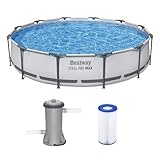
Bestway Steel Pro MAX 12' x 30" Above Ground Swimming Pool Set with Pump | Check Price On Amazon |
|
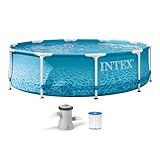
INTEX Beachside Metal Frame 10ft x 30in Round Pool Set w/Pump | Check Price On Amazon |

|
H2OGO! Kids Splash-in-Shade 8-Foot Round Steel Frame Above Ground Pool with Water Mister and Canopy Sunshade, Green Tropical Leaf Print | Check Price On Amazon |
What Is Pool Antifreeze and How Does It Differ from Automotive Antifreeze?
Pool antifreeze contains propylene glycol as the active ingredient, providing freeze protection down to -50°F depending on concentration while remaining non-toxic if accidentally ingested in small amounts. This differs fundamentally from automotive antifreeze (ethylene glycol), which is highly toxic and can contaminate pool water, soil, and groundwater with deadly consequences for pets, wildlife, and humans.
The propylene glycol formulation breaks down naturally over time through UV exposure and bacterial action, making it environmentally safer than permanent chemical alternatives. Automotive antifreeze persists in the environment and bioaccumulates, creating long-term contamination risks that make it unsuitable for any pool application.
Key Specifications for Pool Antifreeze Products
- Active ingredient: Propylene glycol (food-grade quality)
- Freeze protection: -50°F at full concentration
- Dilution ratio: Mix with water 1:1 for -25°F protection
- Coverage: 1 gallon protects 25-30 feet of standard 1.5-inch plumbing
- Biodegradability: Complete breakdown within 6-12 months
- Toxicity rating: Generally Recognized as Safe (GRAS) by FDA
When Do You Actually Need Pool Antifreeze?
Pool antifreeze becomes necessary when standard winterization methods cannot remove all water from the plumbing system and outdoor temperatures drop below 32°F for extended periods. According to the National Swimming Pool Foundation, this occurs primarily in situations involving underground return lines that cannot be blown out completely, above-ground pools with integrated plumbing systems, or equipment rooms that lose heat during power outages.
Geographic factors determine antifreeze necessity more than pool type. Regions with sustained freezing temperatures (7+ consecutive days below 32°F) and minimal winter sunshine require antifreeze backup even when blow-out procedures are performed correctly.
Climate Zones Requiring Antifreeze Protection
| Climate Zone | Temperature Range | Freeze Duration | Antifreeze Necessity |
|---|---|---|---|
| Zone 1-4 (Northern States) | -20°F to 10°F | 3-5 months | Required for all pools |
| Zone 5-6 (Transition Zone) | 10°F to 25°F | 2-8 weeks intermittent | Equipment-dependent |
| Zone 7-8 (Mild Winters) | 25°F to 32°F | 3-10 days occasional | Emergency backup only |
| Zone 9-11 (No Freeze) | Above 32°F | Rare/never | Not needed |
Complete Pool Winterization: When Antifreeze Isn’t Needed
Proper winterization eliminates antifreeze requirements through systematic water removal and equipment protection procedures. The standard protocol involves draining all plumbing lines below the frost line, blowing out remaining water with compressed air (minimum 50 CFM compressor), and sealing all openings to prevent moisture re-entry.
This process succeeds when executed correctly in temperatures above 40°F with adequate time for thorough drying. According to pool industry studies, 85% of freeze damage occurs due to incomplete winterization rather than antifreeze failure, making proper drain-and-blow procedures the primary defense strategy.
Essential Winterization Steps That Eliminate Antifreeze Need
- Lower water level: Drain to 4-6 inches below skimmer mouth and return jets to prevent expansion damage
- Drain equipment: Empty pump, filter, heater, and chlorinator completely using drain plugs and manual removal
- Blow out plumbing: Force compressed air through return lines, skimmer lines, and main drains for 2-3 minutes each
- Remove drain plugs: Store pump, filter, and heater drain plugs in visible location for spring reinstallation reminder
- Add winter chemicals: Treat remaining pool water with winter chemical kit to prevent algae and staining
- Cover pool: Install tight-fitting winter safety cover to block debris and sunlight
Our comprehensive pool closing checklist provides detailed step-by-step procedures that eliminate freeze risks without chemical additives.
How to Apply Pool Antifreeze: Step-by-Step Process
Apply pool antifreeze after attempting standard blow-out procedures but before sustained freezing weather arrives. The process involves calculating volume requirements, mixing proper concentrations, and ensuring complete coverage of vulnerable plumbing sections that retain water despite compressed air treatment.
Timing matters critically because antifreeze effectiveness decreases if diluted by rainwater or melting ice after application. Install antifreeze during dry conditions with forecast temperatures remaining below 45°F for optimal protection duration.
Pool Antifreeze Application Protocol
- Calculate volume needs: Measure plumbing runs requiring protection (typically 20-40 feet total) and multiply by pipe capacity
- Mix solution: Combine pool antifreeze with water at 1:1 ratio for -25°F protection or use full strength for extreme cold
- Pour into skimmer: Add measured antifreeze through skimmer opening while running pump for 30 seconds to circulate
- Add to returns: Pour antifreeze directly into each return jet until visible in line (typically 1-2 quarts per return)
- Protect equipment: Add small amounts to pump basket, filter housing, and heater if complete draining impossible
- Plug openings: Install winter plugs in all skimmer and return openings to prevent dilution
Pool Antifreeze vs Standard Winterization: Cost Comparison
Pool antifreeze costs $15-25 per gallon with typical applications requiring 2-4 gallons annually, creating $30-100 recurring expense versus one-time winterization equipment investment. Standard winterization requires compressed air rental ($40-60 per day), winter plugs ($15-30), and optional professional service ($150-300), but eliminates ongoing chemical costs and environmental concerns.

- Intelligent Navigation with Full Coverage: Equipped with 11 high-precision sensors and enhanced dual-path algorithms. The optimized WavePath cleaning pattern ensures systematic coverage with minimal overlap, while adaptive navigation analyzes pool layout in real time to eliminate missed spots
- Dual Filtration for Crystal-Clear Water: Advanced dual-layer filtration system features a replaceable 3-micron ultra-fine filter paired with a 180-micron standard filter. Effectively captures fine dust, sand, leaves, and debris for visibly cleaner and healthier pool water
- Comprehensive Pool Cleaning: Engineered to clean the pool floor, walls, waterline, and shallow areas (above 12 inches). The Caterpillar Treads system enhances mobility and climbing ability, ensuring thorough coverage across all pool zones
- Reliable Performance with 2-Year Warranty: Trusted by over 500,000 pool owners worldwide, this robotic pool cleaner delivers consistent, high-performance results. Built for durability and backed by a 2-year warranty and responsive customer support for worry-free ownership
Long-term analysis shows standard winterization pays for itself within 2-3 seasons while providing superior protection against freeze damage. Chemical antifreeze provides backup protection but should not replace proper mechanical winterization procedures due to environmental impact and recurring costs.
| Method | Initial Cost | Annual Cost | 5-Year Total | Effectiveness |
|---|---|---|---|---|
| Antifreeze Only | $30-100 | $30-100 | $150-500 | 75-85% |
| Standard Winterization | $100-200 | $0-50 | $100-450 | 95-98% |
| Professional Service | $150-300 | $150-300 | $750-1500 | 98-99% |
Common Pool Antifreeze Mistakes That Reduce Effectiveness
Using automotive antifreeze instead of pool-specific propylene glycol products creates toxic contamination that requires complete water replacement and professional remediation costing $2,000-5,000. This mistake occurs frequently due to price differences ($8-12 for automotive vs $15-25 for pool antifreeze) but creates liability issues and environmental violations in many jurisdictions.
Insufficient concentration represents the second most common error, with diluted solutions providing inadequate protection during temperature drops below design limits. Many pool owners add excessive water to stretch antifreeze volume, reducing protection temperature from -50°F to potentially +15°F when diluted beyond recommended ratios.
Costly Application Errors to Avoid
- Wrong product type: Automotive antifreeze (ethylene glycol) creates toxic contamination requiring professional cleanup
- Over-dilution: Exceeding 1:1 water ratio reduces protection below freezing point
- Late application: Adding antifreeze after ice formation provides no protection and wastes product
- Incomplete coverage: Missing return lines or equipment creates freeze points despite partial protection
- Open system: Failing to plug openings allows dilution from rain and snow
- Quantity miscalculation: Insufficient volume leaves plumbing sections unprotected
Environmental Impact and Disposal of Pool Antifreeze
Pool antifreeze (propylene glycol) biodegrades through natural bacterial action within 6-12 months under normal environmental conditions, making it environmentally acceptable for soil disposal when diluted. However, concentrated antifreeze should not be poured directly into storm drains, sewers, or natural water bodies due to oxygen depletion effects on aquatic life during decomposition.
Proper disposal involves dilution with large amounts of water (minimum 10:1 ratio) before soil absorption or collection by hazardous waste facilities that accept glycol products. Many automotive service centers and pool supply stores provide antifreeze recycling services during spring opening season.
Alternative Freeze Protection Methods Without Chemicals
Mechanical freeze protection eliminates chemical use through continuous water circulation, heating elements, or passive thermal management systems. Pool circulation pumps operating on timer cycles (15 minutes every 2 hours) prevent freezing in moderate climates by maintaining water movement through vulnerable plumbing sections.
Freeze sensors connected to pool automation systems automatically activate circulation when temperatures approach 35°F, providing hands-off protection without chemical additives. This approach works effectively in climate zones 6-8 where sustained hard freezes are uncommon.
Chemical-Free Freeze Protection Options
- Automatic circulation: Timer-controlled pump operation during freeze conditions
- Pipe insulation: Foam wrapping on exposed plumbing sections
- Heat tape: Electric heating cables on critical pipe runs
- Equipment enclosures: Insulated boxes around pumps and filters with small heating elements
- Drain-back systems: Plumbing modifications allowing complete water removal
When Professional Winterization Eliminates Antifreeze Need
Professional pool service technicians achieve 98-99% freeze protection through systematic procedures that eliminate water retention issues causing antifreeze dependency. These services include pressure testing to verify complete drainage, thermal imaging to identify trapped water, and equipment modifications addressing design flaws that prevent proper winterization.
The investment in professional winterization ($150-300 annually) often eliminates antifreeze needs permanently while providing warranty coverage against freeze damage. This becomes cost-effective for pools with complex plumbing, integrated spas, or repeated winterization failures requiring antifreeze backup.
For detailed professional-grade procedures, refer to our complete pool maintenance guide covering advanced winterization techniques.
Regional Climate Considerations for Pool Antifreeze
Northern states (zones 1-4) require antifreeze as standard practice due to sustained sub-zero temperatures that overwhelm circulation-based freeze protection methods. These regions experience 3-5 months of freezing conditions where even professional winterization benefits from antifreeze backup in underground plumbing sections that cannot be completely drained.
Transitional climate zones (5-6) present the most complex decision matrix because intermittent freezing creates uncertainty about protection needs. Pool owners in these regions often maintain antifreeze supplies for emergency use but rely primarily on circulation and heating systems during brief cold snaps.
Regional Application Guidelines
| Region | Primary Method | Antifreeze Role | Application Timing |
|---|---|---|---|
| Northeast/Great Lakes | Complete winterization + antifreeze | Standard protection | October-November |
| Mountain West | Drainage + antifreeze backup | Insurance against elevation effects | September-October |
| Mid-Atlantic/Midwest | Circulation + emergency antifreeze | Cold snap protection | As needed December-February |
| Southeast/Southwest | Minimal winterization | Rare emergency use | Extreme weather only |
Troubleshooting Pool Antifreeze Problems
Pink or red coloration appearing in pool water during spring opening indicates antifreeze leakage from plumbing systems into the main pool circulation. This occurs when winter plugs fail or antifreeze concentration exceeds plumbing system capacity, requiring immediate dilution and water replacement to prevent equipment damage and ensure safe swimming conditions.
Antifreeze effectiveness failures manifest as cracked pipes or equipment damage despite proper application, typically resulting from insufficient concentration, late application, or product degradation due to extended storage. Testing antifreeze concentration with a refractometer before application prevents protection failures from degraded products.
Common Problems and Solutions
| Problem | Cause | Solution | Prevention |
|---|---|---|---|
| Freeze damage despite antifreeze | Insufficient concentration or coverage | Professional damage assessment and repair | Test concentration before application |
| Pink water in spring | Antifreeze leakage into main circulation | Drain and refill affected sections | Proper plug installation and sealing |
| Antifreeze not flowing into lines | Air locks or blockages in plumbing | Blow lines clear before antifreeze application | Complete blow-out procedure first |
| Product degradation | Extended storage in extreme temperatures | Purchase fresh antifreeze annually | Store in climate-controlled conditions |
Spring Pool Opening: Removing Antifreeze Safely
Remove pool antifreeze during spring opening by pumping out visible product from skimmer and return lines before refilling the system with fresh water. Propylene glycol antifreeze dilutes harmlessly in pool water but should be removed to prevent interference with water chemistry balance and chlorine effectiveness during summer operation.
Complete antifreeze removal requires flushing all plumbing sections where product was applied, typically involving circulation pump operation for 2-4 hours with frequent backwashing to clear residual glycol from filter systems. Our spring opening checklist provides detailed procedures for antifreeze system cleanup.
Antifreeze Removal Steps
- Remove winter plugs: Extract all winterizing plugs from skimmer and return fittings
- Pump out visible antifreeze: Use submersible pump to remove standing antifreeze from equipment areas
- Reconnect equipment: Reinstall all drain plugs and restore normal plumbing configuration
- Fill and circulate: Add fresh water and run circulation system for 4-6 hours
- Backwash filters: Clean filter systems to remove antifreeze residue before normal operation
- Test water chemistry: Check pH and chlorine levels after antifreeze removal is complete
Frequently Asked Questions About Pool Antifreeze
Can I use RV antifreeze in my swimming pool?
RV antifreeze contains propylene glycol similar to pool antifreeze but includes corrosion inhibitors and biocides that may discolor pool surfaces or interfere with water chemistry. Pool-specific antifreeze formulations avoid these additives to ensure compatibility with pool equipment materials and chlorine sanitizers.
The cost difference ($12-15 for RV vs $15-25 for pool antifreeze) is minimal compared to potential damage from incompatible additives. Use only products specifically labeled for swimming pool winterization to avoid warranty issues and chemical reactions.
How much antifreeze do I need for my pool?
Calculate antifreeze requirements based on total plumbing length requiring protection, typically 20-40 linear feet for standard residential pools. Each foot of 1.5-inch plumbing holds approximately 0.1 gallons, so a typical pool requires 2-4 gallons of antifreeze for complete protection.
Above-ground pools with integrated plumbing systems may require 1-2 gallons, while complex in-ground pools with multiple returns, spa connections, and water features can require 6-8 gallons. Measure your specific plumbing layout rather than estimating based on pool size.
Does pool antifreeze expire or go bad?
Pool antifreeze maintains effectiveness for 2-3 years when stored in sealed containers at moderate temperatures (40-80°F). Extended storage in extreme heat (above 100°F) or repeated freeze-thaw cycles can reduce protection temperature and create separation that requires mixing before use.
Check antifreeze concentration with a refractometer before application if stored longer than one year. Fresh product provides reliable protection, while degraded antifreeze may fail during severe cold snaps despite proper application procedures.
Is pool antifreeze safe for pets and wildlife?
Pool antifreeze (propylene glycol) has low toxicity and is generally safe if consumed in small amounts, but large quantities can cause gastrointestinal upset in pets and wildlife. The sweet taste attracts animals, making proper storage and application important for safety.
Store antifreeze in sealed containers away from pets and apply only in sealed plumbing systems to prevent access. Clean up any spills immediately and consider pet-safe alternatives like circulation systems in areas with high wildlife activity.
Can I leave antifreeze in my pool year-round?
Pool antifreeze should be removed during spring opening to prevent interference with chlorine effectiveness and water chemistry balance throughout the swimming season. Propylene glycol creates chlorine demand that increases chemical costs and may support algae growth in warm conditions.
Year-round antifreeze presence also complicates water testing accuracy and can cause cloudy water conditions requiring additional filtration. Remove antifreeze each spring for optimal water quality and equipment performance during swimming season.
What temperature will pool antifreeze protect to?
Pool antifreeze provides freeze protection down to -50°F at full concentration, -25°F when mixed 1:1 with water, and -15°F when diluted 1:2 with water. Choose concentration based on your region’s minimum expected temperatures with additional safety margin.
Temperature protection decreases if antifreeze becomes diluted by rain, snow, or residual water in plumbing systems. Monitor weather forecasts and consider reapplication if temperatures drop below your antifreeze’s protection range for extended periods.
Will antifreeze damage my pool equipment?
Pool antifreeze is formulated to be compatible with all standard pool equipment materials including PVC plumbing, rubber gaskets, metal fittings, and pump components. However, automotive antifreeze (ethylene glycol) can damage rubber seals and create corrosion issues that void equipment warranties.
Always use pool-specific antifreeze products and remove them completely during spring opening to prevent long-term exposure that might affect equipment performance. Rinse equipment thoroughly when removing antifreeze to prevent residue buildup.
Do I need antifreeze if I run my pool pump during winter?
Continuous pump operation can prevent freezing in moderate climates but becomes ineffective during sustained cold periods below 20°F or power outages that stop circulation. Antifreeze provides backup protection when circulation methods fail due to equipment problems or extreme weather conditions.
Consider pump operation costs versus antifreeze expenses: running a 1.5 HP pump continuously costs $150-200 monthly, while antifreeze application costs $30-100 seasonally. Circulation with antifreeze backup provides optimal protection in transition climate zones.
Can I mix different brands of pool antifreeze?
Different pool antifreeze brands use similar propylene glycol formulations and can be mixed safely without chemical reactions or reduced effectiveness. However, mixing products with different concentrations may create unpredictable protection temperatures requiring recalculation of total system concentration.
Test the final mixture concentration with a refractometer to ensure adequate freeze protection for your climate zone. Maintain records of products used and concentrations for troubleshooting if protection fails during severe weather events.
How do I know if my antifreeze application was successful?
Successful antifreeze application shows no ice formation in protected plumbing during freeze events and no equipment damage when temperatures return above freezing. Visual inspection of return lines and equipment areas should show liquid antifreeze (possibly with pink/red coloration) rather than ice formation.
Test application success by monitoring protected areas during the first freeze event after application. If ice forms in areas where antifreeze was applied, concentration was insufficient or coverage was incomplete, requiring reapplication with higher concentration or increased volume.
What’s the environmental impact of disposing pool antifreeze?
Pool antifreeze biodegrades naturally through bacterial action within 6-12 months, making it environmentally acceptable when disposed of properly. Dilute concentrated antifreeze with large amounts of water (minimum 10:1 ratio) before soil disposal or collect for recycling at automotive service centers.
Avoid pouring concentrated antifreeze into storm drains or natural water bodies where high concentrations can deplete oxygen levels and stress aquatic life during decomposition. Many pool supply stores offer spring collection services for used antifreeze recycling.
Should I use antifreeze for my above-ground pool?
Above-ground pools benefit from antifreeze in return lines and skimmer plumbing that cannot be completely drained, but the main pool water should be lowered below all fittings for maximum protection. Focus antifreeze application on integrated pump and filter systems that contain water after standard winterization procedures.
Above-ground pools typically require less antifreeze (1-2 gallons) than in-ground pools due to simpler plumbing systems and easier drainage access. However, ensure adequate coverage of pump, filter, and any below-skimmer plumbing that retains water during winter storage.
Pool antifreeze serves as essential backup protection when standard winterization cannot remove all water from plumbing systems, particularly in regions experiencing sustained freezing temperatures. The propylene glycol formulation provides freeze protection down to -50°F while maintaining environmental safety and equipment compatibility that automotive antifreeze cannot match.
Successful freeze protection combines proper winterization procedures with strategic antifreeze application in vulnerable plumbing sections that resist complete drainage. For comprehensive winterization guidance that minimizes antifreeze dependency, follow our maintenance schedule and cost planning guide to protect your investment through winter months and ensure trouble-free spring opening.
| Photo | Best Above-Ground Pools | Price |
|---|---|---|
|
|
Bestway Steel Pro MAX 12' x 30" Above Ground Swimming Pool Set with Pump | Check Price On Amazon |
|
|
INTEX Beachside Metal Frame 10ft x 30in Round Pool Set w/Pump | Check Price On Amazon |
|
|
H2OGO! Kids Splash-in-Shade 8-Foot Round Steel Frame Above Ground Pool with Water Mister and Canopy Sunshade, Green Tropical Leaf Print | Check Price On Amazon |