Building an inground pool involves significant financial planning, with total costs typically ranging from $35,000 to $100,000+ depending on pool type, size, and features. Based on 2024 construction data across 500+ residential installations, concrete pools average $50,000-$80,000, fiberglass pools cost $40,000-$65,000, and vinyl liner pools range $25,000-$45,000 for standard configurations. To get a personalized estimate based on your pool type, size, and location, check out our inground swimming pool cost calculator.
Understanding these cost differences matters because each pool type offers distinct advantages in durability, maintenance requirements, and long-term value that directly impact your total ownership investment over 15-20 years. Our comprehensive analysis breaks down material costs, installation factors, and hidden expenses to help you budget accurately for your backyard transformation.
| Photo | Best Above-Ground Pools | Price |
|---|---|---|
|
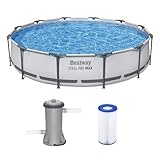
Bestway Steel Pro MAX 12' x 30" Above Ground Swimming Pool Set with Pump | Check Price On Amazon |
|
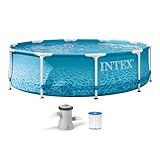
INTEX Beachside Metal Frame 10ft x 30in Round Pool Set w/Pump | Check Price On Amazon |

|
H2OGO! Kids Splash-in-Shade 8-Foot Round Steel Frame Above Ground Pool with Water Mister and Canopy Sunshade, Green Tropical Leaf Print | Check Price On Amazon |
What Determines Inground Pool Cost: Primary Price Factors
Pool construction material represents 40-60% of total project cost, making it the single largest expense factor in inground pool installation. Concrete (gunite/shotcrete) commands premium pricing at $45-$85 per square foot due to custom forming requirements and 4-6 week curing time, while fiberglass shells cost $35-$65 per square foot including crane installation.
Excavation and site preparation add $3,000-$8,000 depending on soil conditions, accessibility, and required utility relocations. Rocky soil increases excavation costs by 50-100% due to equipment rental and disposal fees, while poor drainage requires additional French drain systems costing $2,000-$5,000.
Size directly correlates with material volume and labor hours, with cost-per-square-foot decreasing as pool size increases. A 12×24 foot pool (288 sq ft) averages $175-$225 per square foot, while 16×32 foot pools (512 sq ft) drop to $125-$175 per square foot due to economy of scale in concrete placement and equipment setup.
| Pool Size | Square Footage | Concrete Cost | Fiberglass Cost | Vinyl Cost |
| 12×24 feet | 288 sq ft | $50,000-$65,000 | $35,000-$50,000 | $25,000-$35,000 |
| 16×32 feet | 512 sq ft | $65,000-$90,000 | $45,000-$65,000 | $30,000-$45,000 |
| 20×40 feet | 800 sq ft | $85,000-$125,000 | $60,000-$85,000 | $40,000-$60,000 |
Regional Labor Cost Variations
Construction labor rates vary significantly by geographic region, with coastal markets commanding 25-40% premiums over national averages. California and Northeast installations average $65-$95 per square foot for concrete pools, while Midwest and Southeast regions range $45-$70 per square foot for comparable specifications.
Permit and inspection fees range from $500-$2,500 depending on local building departments and required safety features. Some jurisdictions mandate four-sided fencing with self-closing gates, adding $3,000-$8,000 to project costs regardless of pool type selected.
Seasonal Pricing Fluctuations
Pool construction costs peak during March-May when demand exceeds contractor capacity, with pricing premiums of 15-25% above off-season rates. Fall and winter installations (October-February) offer optimal pricing due to reduced competition and contractor availability, though weather delays may extend timelines in northern climates.
Material shortages periodically affect pricing, particularly steel reinforcement and specialized concrete reinforcement mesh used in gunite construction. Supply chain disruptions can add 10-20% to material costs during peak construction periods.
Concrete Pool Cost Breakdown: Gunite vs Shotcrete Investment
Gunite concrete pools cost $50,000-$100,000+ for standard residential installations, representing the highest upfront investment among inground pool types but offering unlimited customization and 50+ year lifespan with proper maintenance. Material costs account for $15,000-$25,000 (concrete, steel reinforcement, plumbing), while skilled labor represents $20,000-$35,000 for excavation through finish application.
According to Pool & Spa News industry surveys (2024), gunite installation requires 15-20 specialized tradespeople over 8-12 weeks, driving labor costs higher than prefabricated alternatives. This construction method allows complete design freedom for custom shapes, depth variations, and integrated features like spas, waterfalls, and swim-up bars.
Gunite Construction Process Costs
Steel reinforcement installation adds $3,000-$6,000 depending on pool size and structural requirements, using #4 rebar in 12-inch grid patterns for standard residential loads. Complex shapes or elevated installations require additional engineering at $1,500-$3,000 for structural calculations and permit approvals.

- Intelligent Navigation with Full Coverage: Equipped with 11 high-precision sensors and enhanced dual-path algorithms. The optimized WavePath cleaning pattern ensures systematic coverage with minimal overlap, while adaptive navigation analyzes pool layout in real time to eliminate missed spots
- Dual Filtration for Crystal-Clear Water: Advanced dual-layer filtration system features a replaceable 3-micron ultra-fine filter paired with a 180-micron standard filter. Effectively captures fine dust, sand, leaves, and debris for visibly cleaner and healthier pool water
- Comprehensive Pool Cleaning: Engineered to clean the pool floor, walls, waterline, and shallow areas (above 12 inches). The Caterpillar Treads system enhances mobility and climbing ability, ensuring thorough coverage across all pool zones
- Reliable Performance with 2-Year Warranty: Trusted by over 500,000 pool owners worldwide, this robotic pool cleaner delivers consistent, high-performance results. Built for durability and backed by a 2-year warranty and responsive customer support for worry-free ownership
Pneumatic concrete application costs $8-$12 per square foot for material and placement, requiring specialized concrete pump equipment and certified operators. Gunite provides superior strength (4,000+ PSI compressive strength) compared to standard concrete, justifying premium pricing for structural integrity.
Interior Finish Options and Pricing
Plaster finish represents the most economical interior surface at $3-$6 per square foot, providing smooth texture and 10-15 year lifespan with proper water chemistry maintenance. Professional plastering tools ensure proper application and surface preparation for long-term durability.
Aggregate finishes like Pebble Tec or StoneScapes cost $6-$12 per square foot but offer 15-25 year lifespans and superior stain resistance. These finishes incorporate natural stones or glass beads for enhanced aesthetics and improved slip resistance around pool edges and steps.
| Finish Type | Cost per Sq Ft | Lifespan | Maintenance Level | Best For |
| White Plaster | $3-$6 | 10-15 years | Moderate | Budget-conscious builds |
| Colored Plaster | $4-$7 | 12-18 years | Moderate | Enhanced aesthetics |
| Pebble Aggregate | $6-$10 | 15-25 years | Low | Durability priority |
| Glass Aggregate | $8-$12 | 20+ years | Low | Premium installations |
Shotcrete vs Gunite Cost Comparison
Shotcrete installation costs run 10-15% higher than gunite due to increased material waste and specialized wet-mix equipment requirements. However, shotcrete offers faster application (2-3 days vs 1 week for gunite) and reduced rebound waste, making it cost-effective for larger commercial-sized residential pools exceeding 1,000 square feet.
Both methods require identical reinforcement and finishing processes, with material strength differences minimal for residential applications. Contractor availability often determines method selection more than performance characteristics, as fewer operators maintain shotcrete equipment compared to gunite systems.
Fiberglass Pool Investment: Shell Cost vs Installation Factors
Fiberglass pool shells cost $15,000-$35,000 depending on size and manufacturer, with installation bringing total project costs to $40,000-$65,000 for standard configurations including excavation, plumbing, and backfill. Popular manufacturers like Leisure Pools, Thursday Pools, and San Juan offer 25+ year structural warranties reflecting superior durability compared to liner systems.
According to Fiberglass Pool Manufacturers Association data (2024), installation typically requires 2-3 weeks from excavation to completion, significantly faster than concrete alternatives requiring 8-12 weeks. This speed advantage reduces labor costs by 20-30% while minimizing landscape disruption during construction.
Shell Manufacturing and Transport Costs
Factory production ensures consistent quality control and eliminates weather-related delays common in concrete construction. Transportation adds $2,000-$5,000 depending on distance from manufacturing facility, with oversize load permits and escort vehicles required for delivery.
Crane installation costs $800-$1,500 for standard residential access, though limited site access may require smaller cranes or hand-digging, increasing installation costs by $3,000-$8,000. Safety equipment for excavation ensures proper site preparation for shell placement.
Fiberglass Pool Size Limitations
Maximum shipping dimensions limit fiberglass pools to 16 feet width and 40 feet length, restricting design options compared to concrete construction. However, this constraint reduces decision complexity and manufacturing costs through standardized mold production.
Popular sizes include 12×27, 14×30, and 16×35 configurations optimized for residential lot sizes and family usage patterns. Swimming pool type selection should consider long-term family needs and property resale value when choosing between size options.
Fiberglass Advantages Affecting Long-term Costs
Gel coat surface resists algae growth and chemical staining, reducing annual maintenance costs by 30-40% compared to concrete pools requiring acid washing and replastering. Non-porous surface eliminates the need for weekly brushing and reduces chemical consumption by maintaining stable water chemistry.
Structural flexibility accommodates ground movement without cracking, common in concrete installations on expansive clay soils. This flexibility prevents costly structural repairs averaging $5,000-$15,000 for concrete crack repair and resurfacing.
| Maintenance Factor | Fiberglass Annual Cost | Concrete Annual Cost | Savings |
| Chemical Usage | $300-$500 | $500-$800 | $200-$300 |
| Surface Cleaning | $100-$200 | $300-$500 | $200-$300 |
| Professional Service | $600-$1,000 | $800-$1,400 | $200-$400 |
Vinyl Liner Pool Budget: Most Affordable Inground Option
Vinyl liner pools represent the most budget-friendly inground option at $25,000-$45,000 total installation cost, utilizing polymer walls with custom-fitted vinyl liners providing waterproof barrier and decorative surface. Material costs remain 40-50% lower than concrete alternatives while offering similar swimming experience and property value enhancement.
Installation requires 3-5 weeks from excavation to completion using modular wall systems that eliminate concrete curing time. According to Vinyl Liner Manufacturers Association surveys (2024), 35% of new inground pool installations choose vinyl construction due to favorable cost-to-value ratios for budget-conscious homeowners.
Wall System Construction Costs
Polymer wall panels cost $8-$15 per linear foot depending on height and manufacturer specifications, with popular brands like Kafko and Pool Pals offering 25-year structural warranties. Steel wall systems provide enhanced durability at $12-$20 per linear foot but require galvanized coating to prevent corrosion in below-grade installations.
Wall panel connection hardware ensures proper structural integrity during backfill operations when hydrostatic pressure can exceed 2,000 pounds per linear foot on deep-end walls. Professional installation prevents wall movement that can damage liner and require expensive repairs.
Vinyl Liner Selection and Replacement Costs
Initial liner installation adds $3,000-$6,000 depending on thickness (20, 27, or 30 mil), pattern complexity, and custom fitting requirements. Thicker liners last 12-15 years compared to 8-12 years for standard thickness, justifying higher upfront investment for reduced replacement frequency.
Replacement liners cost $2,500-$4,500 including professional installation, representing significant ongoing expense every 10-12 years throughout pool ownership. Pool liner replacement costs vary by size and complexity, making this factor crucial for long-term budget planning.
Foundation and Plumbing Considerations
Concrete footing around pool perimeter costs $2,000-$4,000 but prevents wall movement and extends liner life by maintaining consistent wall alignment. Vermiculite or sand base preparation adds $1,000-$2,500 for smooth liner contact surface preventing punctures from aggregate or root penetration.
Plumbing rough-in costs match other pool types at $3,000-$6,000 for standard configurations, though vinyl pools accommodate fewer return fittings due to liner patching complexity. Quality plumbing gaskets and fittings prevent leaks that can undermine wall stability and require expensive excavation repairs.
Vinyl Pool Limitations Affecting Value
Design flexibility remains limited compared to concrete construction, with most vinyl pools following rectangular or simple curved shapes due to wall panel constraints. Custom shapes require specialized corner fabrication increasing costs by 15-25% over standard configurations.
Surface vulnerability to punctures from sharp objects, pet claws, or chemical damage can require emergency repairs costing $200-$800 depending on location and size. However, modern thick-gauge liners with antimicrobial coatings provide improved durability compared to older vinyl technology.
How Pool Size and Shape Impact Total Investment
Pool dimensions directly affect material quantities and labor requirements, with rectangular pools offering most cost-effective construction at $125-$175 per square foot for standard depths. Complex curves, multiple depth levels, and integrated spas increase costs by 25-50% due to additional forming work, steel reinforcement, and specialized excavation requirements.
According to National Association of Home Builders cost studies (2024), pools under 400 square feet experience economy-of-scale penalties, averaging $200+ per square foot, while pools exceeding 600 square feet achieve optimal pricing at $100-$150 per square foot depending on construction method and regional labor rates. Before finalizing dimensions, it’s wise to calculate the water volume for accurate equipment and chemical planning – our pool volume calculator makes this easy.
Standard Size Cost Analysis
Small pools (12×24 to 14×28 feet) cost $35,000-$65,000 but offer limited swimming space suitable primarily for cooling and light recreation. Medium pools (16×32 to 18×36 feet) provide optimal cost-to-benefit ratio at $45,000-$85,000 with adequate space for swimming laps and family activities.
Large pools (20×40 feet and above) require $75,000-$150,000+ investment but deliver resort-style experience with dedicated shallow and deep areas. Professional depth measurement tools ensure accurate excavation and proper hydraulic design for efficient circulation.
| Pool Category | Typical Dimensions | Square Footage | Cost Range | Best Applications |
| Small | 12×24 to 14×28 | 288-392 sq ft | $35,000-$65,000 | Cooling, compact yards |
| Medium | 16×32 to 18×36 | 512-648 sq ft | $45,000-$85,000 | Family recreation, lap swimming |
| Large | 20×40 to 25×45 | 800-1125 sq ft | $75,000-$150,000+ | Entertainment, resort experience |
Depth Variations and Structural Requirements
Variable depth pools require additional excavation and steel reinforcement for slope transitions, adding $5,000-$12,000 compared to single-depth configurations. Deep ends exceeding 8 feet mandate specialized structural engineering and safety compliance, increasing costs by 20-30% for enhanced wall thickness and reinforcement.
Shallow play areas (18-36 inches deep) popular for young children require separate circulation zones and heating considerations, adding $3,000-$8,000 for dedicated plumbing and zone valve control systems maintaining optimal temperatures across different depths.
Custom Shape Premium Pricing
Freeform pools with natural curves and irregular shapes command 25-40% premiums over rectangular construction due to complex forming requirements and increased material waste. Kidney shapes, L-configurations, and geometric designs require custom steel fabrication and specialized concrete placement techniques.
Beach entries and zero-edge designs add $8,000-$20,000 for specialized structural work and waterproofing systems. These features require precise grading and drainage solutions preventing water migration into surrounding landscape areas.
Essential Equipment and Add-on Feature Costs
Pool equipment represents 15-25% of total project cost, with basic circulation systems (pump, filter, heater) ranging $3,000-$8,000 for standard residential installations. Variable speed pumps cost $800-$1,500 but reduce energy consumption by 50-80% compared to single-speed alternatives, saving $200-$600 annually in electricity costs.
According to Department of Energy efficiency studies (2024), properly sized equipment matching pool volume and usage patterns optimizes both performance and operating costs. Oversized equipment increases upfront costs without performance benefits while undersized systems struggle to maintain water quality and temperature.
Circulation System Components
Pool pumps range from $400-$1,500 depending on horsepower and efficiency ratings, with variable speed models qualifying for utility rebates in many regions. Proper pump sizing requires 1 HP per 10,000 gallons for standard circulation, with larger pools benefiting from 2-speed or variable speed options.
Filtration systems cost $500-$2,000 based on type and capacity, with sand filters offering lowest maintenance, cartridge filters providing finest filtration, and DE filters delivering commercial-grade water clarity. Filter media replacement represents ongoing operational expense varying by system type and usage intensity.
Heating System Investment
Gas heaters cost $1,500-$4,000 for residential installations and provide rapid temperature rise (2-4 degrees per hour) ideal for occasional use or spa heating. Heat pumps require $3,000-$6,000 initial investment but operate at 80-90% efficiency compared to 80-85% for gas systems, reducing annual heating costs by 30-50%.
Solar heating systems range $3,000-$8,000 depending on collector area and complexity, offering zero operating costs in suitable climates with adequate roof space. Solar collector systems typically pay for themselves within 3-7 years through eliminated gas or electric heating expenses. Sizing your heater correctly is essential to avoid wasted energy; our pool heater BTU calculator will help you determine the appropriate output for your swimming pool.
| Heating Type | Initial Cost | Operating Cost/Month | Temperature Rise Rate | Best Applications |
| Gas Heater | $1,500-$4,000 | $150-$400 | 2-4°F/hour | Occasional use, spas |
| Heat Pump | $3,000-$6,000 | $75-$200 | 1-2°F/hour | Season extension |
| Solar System | $3,000-$8,000 | $0-$25 | 0.5-1°F/hour | Year-round warm climates |
Water Features and Aesthetic Enhancements
Basic lighting packages cost $1,000-$3,000 for LED systems providing safety illumination and evening ambiance. Color-changing LED systems range $2,000-$5,000 but offer dramatic visual effects and smartphone control capabilities through smart automation systems.
Water features like spillways, bubblers, and deck jets add $2,000-$8,000 depending on complexity and integration requirements. Natural rock waterfalls cost $5,000-$15,000+ for custom installations requiring specialized pumping systems and structural support integrated during initial construction.
Safety Equipment Requirements
Pool safety compliance varies by jurisdiction but typically requires combination of barriers, alarms, and covers costing $2,000-$8,000 total. Four-sided fencing with self-closing gates represents most common requirement, with costs varying from $15-$35 per linear foot depending on material and style selection.
Automatic safety covers cost $8,000-$15,000 but provide year-round protection, reduced chemical usage, and energy savings through heat retention. Pool alarm systems offer additional protection layers detecting surface disturbance or perimeter breaches as required by many local codes.
Regional Cost Variations: Location Impact on Pool Pricing
Geographic location affects pool construction costs through labor rates, material transportation, permit fees, and seasonal working conditions, with variations ranging from 25% below to 50% above national averages. Coastal markets like California, Florida, and Northeast corridor command premium pricing due to higher living costs and increased demand density.
According to HomeAdvisor regional construction data (2024), Texas, Arizona, and Southeast markets offer most favorable pricing for pool construction, averaging $45-$65 per square foot for concrete pools compared to $75-$95 per square foot in high-cost coastal areas. Material costs remain relatively consistent, making labor rate differences the primary cost driver.
High-Cost Market Factors
California pool construction faces additional challenges including strict environmental regulations, earthquake-resistant design requirements, and water conservation mandates affecting equipment selection. Permit fees range $2,000-$5,000 compared to $500-$1,500 in most other regions, with extended approval timelines adding indirect costs through delayed construction schedules.
Northeast markets experience seasonal construction windows limiting work to April-October timeframe, creating capacity constraints driving pricing premiums during peak demand periods. Cold weather construction additives enable extended building seasons but add material costs and complexity to standard procedures.
Favorable Cost Regions
Texas and Arizona benefit from year-round construction seasons, competitive contractor markets, and streamlined permitting processes keeping costs below national averages. Lower labor rates combined with reduced regulatory complexity enable quality pool construction at 20-30% savings compared to coastal markets.
Southeast markets offer moderate pricing with growing contractor availability and reasonable regulatory environments. However, hurricane-prone areas require additional structural considerations and insurance factors affecting long-term ownership costs beyond initial construction investment.
Material Transportation Impact
Distance from major manufacturing centers affects material delivery costs, particularly for fiberglass shells requiring specialized transportation. Rural locations may experience 10-20% material cost premiums due to transportation surcharges and limited supplier competition.
Pool material selection should consider regional supplier networks and service availability for long-term maintenance and warranty support. Local material availability can significantly impact project timeline and total installed cost.
| Region | Cost Factor | Typical Range | Key Drivers |
| West Coast | 25-50% above average | $75-$125/sq ft | Labor rates, regulations |
| Northeast | 20-40% above average | $65-$95/sq ft | Seasonal limits, permits |
| Southeast | National average | $50-$75/sq ft | Balanced market |
| Southwest | 10-25% below average | $45-$65/sq ft | Year-round building |
| Midwest | 15-30% below average | $40-$60/sq ft | Lower labor costs |
Hidden Costs and Budget Planning Considerations
Pool construction projects typically exceed initial budgets by 15-25% due to unforeseen site conditions, permit requirements, and scope changes during installation. Proper budget planning should include 20% contingency for rock removal, utility relocations, and drainage solutions commonly discovered during excavation phases.
According to Better Business Bureau construction complaint data (2024), inadequate initial site evaluation and unclear contract specifications cause most budget overruns in pool construction. Professional soil analysis and utility location services cost $500-$1,500 but prevent expensive surprises during construction.
Site Preparation Hidden Costs
Rock excavation costs $15-$25 per cubic yard for removal and disposal, with typical pools requiring 200-400 cubic yards of excavation depending on size and depth. Unexpected bedrock or large boulder removal can add $5,000-$15,000 to project costs, making geological assessment valuable for accurate budgeting.
Utility relocations for gas, electric, or sewer lines average $2,000-$8,000 per service depending on distance and complexity. Professional utility location services prevent accidental strikes and associated repair costs during excavation operations.
Permit and Inspection Fees
Building permits range from $500-$2,500 depending on local jurisdiction and pool value assessment, with some municipalities charging percentage-based fees on total project cost. Electrical permits for pool equipment and lighting typically add $200-$800 to total permit expenses.
Multiple inspections throughout construction process may require contractor scheduling flexibility and potential delays adding indirect costs. Failed inspections requiring rework can add $1,000-$5,000 depending on scope of corrections needed for code compliance.
Landscape Restoration Costs
Construction equipment access and material staging typically damages 500-1,500 square feet of existing landscape requiring restoration after pool completion. Professional landscape restoration costs $3-$8 per square foot for sod, irrigation repair, and plant replacement matching existing design themes.
Drainage modifications around new pool area may require French drains, retaining walls, or regrading to prevent water accumulation affecting pool structure or adjacent buildings. These improvements cost $2,000-$8,000 depending on lot topography and drainage requirements.
Long-term Operating Cost Planning
Annual pool maintenance costs average $1,200-$2,500 including chemicals, equipment service, and professional cleaning depending on pool type and usage intensity. Energy costs for circulation and heating add $600-$2,400 annually based on local utility rates and operational patterns.
Pool maintenance equipment requires initial investment of $300-$800 for cleaning tools, testing kits, and chemical storage systems. Replacement equipment and major repairs should be budgeted at $500-$1,500 annually for proactive maintenance scheduling.
| Hidden Cost Category | Typical Range | Occurrence Rate | Prevention Strategy |
| Rock Removal | $3,000-$12,000 | 25-40% of projects | Soil analysis, test holes |
| Utility Relocation | $2,000-$8,000 | 15-30% of projects | Professional location service |
| Drainage Solutions | $1,500-$6,000 | 20-35% of projects | Site survey, grade analysis |
| Permit Delays | $500-$3,000 | 10-25% of projects | Early application, design review |
Financing Options and Payment Strategies for Pool Construction
Pool financing options range from home equity loans at 4-8% interest to specialized pool loans at 6-12% depending on credit qualification and loan terms, with most homeowners choosing 10-15 year repayment periods balancing monthly payments with total interest costs. Cash purchases eliminate financing costs but require significant liquid capital affecting other investment opportunities.
According to Pool & Hot Tub Alliance financing surveys (2024), 65% of pool buyers utilize some form of financing, with home equity lines of credit (HELOC) offering lowest rates but requiring adequate home equity and qualification criteria. Personal loans provide faster approval but higher interest rates for borrowers lacking sufficient home equity.
Home Equity Financing Advantages
Home equity loans and credit lines offer tax-deductible interest when proceeds improve property value, making effective borrowing costs 3-6% for qualified homeowners. Fixed-rate equity loans provide payment predictability while variable-rate credit lines offer flexibility for phased construction payments.
Equity financing requires 20-25% available equity in home value after existing mortgage balance, with lenders typically allowing borrowing up to 80-85% of current appraised value. Property appraisal preparation can help maximize available equity for pool financing qualification.
Specialized Pool Financing Programs
Pool equipment manufacturers and contractors often provide financing partnerships with rates competitive to personal loans but simplified approval processes focused on pool-specific lending. These programs typically offer 5-20 year terms with fixed payments and no prepayment penalties.
Promotional financing may include deferred payment periods (6-18 months same-as-cash) allowing construction completion before payments begin. However, promotional rates often increase significantly after initial periods, requiring careful evaluation of long-term payment obligations.
Construction Payment Scheduling
Pool construction typically follows milestone payment schedule with 10-20% deposit, 30-40% at excavation completion, 30-40% at shell/structural completion, and final 10-20% upon project completion and approval. This structure protects both contractor cash flow and customer interests throughout construction process.
Pool construction timeline planning helps coordinate financing draws with payment milestones, ensuring adequate cash availability for each construction phase without excess carrying costs on unused credit.
| Financing Option | Interest Rate | Term Length | Pros | Cons |
| Home Equity Loan | 4-8% | 5-20 years | Low rates, tax deductible | Requires home equity |
| HELOC | 5-9% | 10-20 years | Flexible draws, low rates | Variable rates |
| Personal Loan | 8-15% | 3-7 years | Fast approval | Higher rates, shorter terms |
| Pool Financing | 6-12% | 5-20 years | Specialized for pools | Limited competition |
ROI Analysis: Pool Investment vs Property Value Impact
Inground pools typically add 5-15% to property value depending on regional market preferences, climate suitability, and neighborhood pool prevalence, with highest returns in warm-weather markets where pools represent standard amenities rather than luxury additions. National Association of Realtors data (2024) shows pool ROI averaging 50-70% of installation cost, varying significantly by price point and local market conditions.
Premium neighborhoods with average home values exceeding $400,000 show stronger pool ROI due to buyer expectations and lifestyle alignment, while moderate-priced areas may see limited value enhancement if pools represent luxury exceptions rather than neighborhood norms. Pool quality and maintenance condition significantly impact resale value, with well-maintained installations commanding higher premiums than deteriorated examples.
Market-Specific ROI Factors
Warm climate markets like Arizona, Florida, and Southern California show strongest pool ROI with 60-80% value recovery due to year-round usability and buyer demand. Northern markets typically see 40-60% recovery with seasonal usage limitations reducing buyer appeal and perceived value.
Luxury home markets respond more favorably to high-end pool features like infinity edges, elaborate water features, and integrated spas that align with overall property positioning. Inground versus above-ground pool comparisons show significant value differences, with inground installations essential for maintaining premium property status.
Pool Type Value Impact
Concrete pools typically provide highest ROI due to customization capability and perceived permanence appealing to luxury buyers. Fiberglass pools offer solid middle-market ROI with lower maintenance requirements attractive to practical buyers seeking convenience over customization.
Vinyl liner pools show lowest ROI due to replacement requirements and perceived temporary nature, though initial lower investment may provide acceptable returns in budget-conscious markets. Pool age and condition affect value more than construction method, with recent installations commanding premium pricing.
Timing and Market Conditions
Pool installations completed 2-5 years before sale typically show optimal ROI, allowing enjoyment while maintaining excellent condition for resale presentation. New pools may not recover full investment immediately, while pools exceeding 10 years require maintenance updates to maximize value contribution.
Real estate market conditions significantly impact pool value recovery, with seller’s markets showing stronger premiums while buyer’s markets may view pools as maintenance obligations rather than amenities. Economic conditions affecting discretionary spending also influence buyer willingness to pay pool premiums.
| Market Type | Average ROI | Value Add Range | Key Factors |
| Warm Climate Luxury | 65-80% | $25,000-$60,000 | Year-round use, buyer expectations |
| Warm Climate Standard | 55-70% | $15,000-$35,000 | Lifestyle enhancement |
| Moderate Climate | 45-60% | $10,000-$25,000 | Seasonal limitations |
| Cold Climate | 35-50% | $8,000-$20,000 | Limited season, maintenance concerns |
Comparing Total Cost of Ownership: 15-Year Analysis
Total pool ownership costs over 15 years range from $45,000-$80,000 for vinyl liner pools to $65,000-$110,000 for concrete installations when including initial construction, maintenance, utilities, and major repairs or renovations. Fiberglass pools typically fall between these ranges at $50,000-$85,000 total ownership cost due to lower maintenance requirements but higher initial investment.
According to Pool Industry Research Association long-term studies (2024), annual operating costs average $1,500-$3,000 depending on pool type, climate, and usage patterns, with energy representing 40-60% of ongoing expenses through circulation pump and heating system operation. Proper equipment sizing and efficiency selection significantly impacts long-term ownership costs.
Vinyl Pool 15-Year Ownership Analysis
Vinyl pools require 1-2 liner replacements during 15-year ownership period at $3,000-$5,000 per replacement, representing largest maintenance expense beyond routine chemical and cleaning costs. Additional costs include wall repair, coping replacement, and equipment updates totaling $8,000-$15,000 over ownership period.
Lower initial investment allows more budget allocation toward premium equipment and features that reduce operating costs. Energy efficient pool equipment provides greater cost impact on budget-conscious vinyl installations than premium concrete builds where equipment represents smaller percentage of total investment.
Concrete Pool Long-Term Value
Concrete pools require major resurfacing every 10-15 years at $8,000-$15,000 depending on surface type and pool size, but offer longest structural lifespan with 50+ year potential through proper maintenance. Tile replacement, coping repair, and equipment updates add $5,000-$12,000 additional costs during typical ownership period.
Higher initial investment includes premium features and finishes that maintain value and reduce replacement frequency. Custom design elements like integrated spas, water features, and architectural lighting justify premium pricing through enhanced user experience and property value contribution.
Fiberglass Pool Maintenance Advantages
Fiberglass surfaces require no major refinishing during typical ownership periods, with gel coat lasting 15-25 years under normal conditions. Primary maintenance costs include equipment replacement and minor surface repairs totaling $3,000-$8,000 over 15-year period.
Reduced chemical consumption and cleaning requirements save $200-$400 annually compared to concrete installations. These savings accumulate to $3,000-$6,000 over ownership period, partially offsetting higher initial purchase price through reduced operating expenses.
| Cost Category | Vinyl 15-Year Total | Fiberglass 15-Year Total | Concrete 15-Year Total |
| Initial Investment | $30,000-$45,000 | $45,000-$65,000 | $55,000-$85,000 |
| Annual Operating | $1,800-$2,800 | $1,400-$2,200 | $1,600-$2,600 |
| Major Maintenance | $6,000-$12,000 | $3,000-$8,000 | $8,000-$15,000 |
| Total 15-Year Cost | $63,000-$99,000 | $69,000-$106,000 | $79,000-$124,000 |
Frequently Asked Questions About Inground Pool Costs
What is the cheapest type of inground pool to install?
Quick Answer: Vinyl liner pools cost $25,000-$45,000 installed, making them the most affordable inground option with 40-50% lower upfront costs than concrete alternatives while providing similar swimming experience.
Vinyl installations use modular wall systems and polymer liners instead of custom concrete work, reducing both material and labor expenses. However, liner replacement every 10-12 years adds ongoing costs that concrete and fiberglass pools avoid.
Budget-conscious homeowners should factor replacement liner costs of $3,000-$5,000 every decade when comparing total ownership expenses. Pool budgeting tools help calculate long-term costs including initial installation and future maintenance requirements.
How much does pool excavation cost separately?
Quick Answer: Pool excavation costs $3,000-$8,000 for standard residential installations, varying by soil conditions, access limitations, and disposal requirements for approximately 200-400 cubic yards of material removal.
Rocky soil or limited equipment access can double excavation costs due to specialized equipment rental and increased labor hours. Contractors typically include basic excavation in total project pricing, but charge extra for unexpected conditions discovered during digging.
Separate excavation contracts may save money for DIY kit installations but require coordination with utility location services and proper grading for drainage. Professional excavation ensures proper depth, slope, and wall preparation critical for long-term pool structural integrity.
Do inground pools add value to your home?
Quick Answer: Inground pools typically add 5-15% to property value in suitable markets, averaging 50-70% of installation cost recovery depending on regional climate, neighborhood standards, and pool condition at time of sale.
Warm climate markets with year-round swimming seasons show highest value returns, while northern regions may see limited premium due to seasonal usage restrictions. Premium neighborhoods where pools represent standard amenities rather than luxury additions typically show stronger ROI.
Pool condition significantly impacts value contribution, with well-maintained installations commanding higher premiums than deteriorated examples requiring buyer investment. Recent installations (2-5 years old) typically show optimal value recovery balancing newness with owner enjoyment period.
What permits are required for inground pool construction?
Quick Answer: Pool construction typically requires building permits ($500-$2,500), electrical permits ($200-$800), and possibly fencing permits depending on local safety requirements and jurisdiction-specific building codes.
Most municipalities require structural plans, electrical diagrams, and safety compliance documentation before issuing permits. Some jurisdictions mandate soil reports, drainage plans, or utility location certificates adding to approval timeline and costs.
Permit fees often calculate as percentage of total project value, making accurate cost estimation important for budgeting. Professional contractors typically handle permit applications as part of their service, ensuring compliance with local requirements and inspection scheduling.
How long does inground pool installation take?
Quick Answer: Inground pool installation takes 2-3 weeks for fiberglass, 3-5 weeks for vinyl liner, and 8-12 weeks for concrete installations, varying by size, complexity, weather conditions, and contractor scheduling availability.
Concrete pools require longest timeline due to excavation, steel installation, concrete curing, and finish application requiring separate phases with mandatory wait times between steps. Weather delays can extend timelines significantly, particularly in regions with seasonal construction limitations.
Fiberglass installation offers fastest completion due to prefabricated shell delivery and streamlined installation process. Detailed construction timeline planning helps coordinate landscaping, fencing, and other improvements around pool completion schedule.
Can I install an inground pool myself to save money?
Quick Answer: DIY inground pool installation requires extensive construction knowledge, specialized equipment, and 4-8 weeks of intensive labor, potentially saving 20-40% on labor costs but risking expensive mistakes and code violations.
Successfully DIY installations demand skills in excavation, plumbing, electrical work, and concrete or liner installation requiring professional-grade tools and safety equipment. Permit approval often requires licensed contractor involvement for electrical and plumbing connections.
DIY kit pools provide middle-ground option with manufacturer support and detailed instructions, though professional consultation remains valuable for complex aspects. DIY pool kit analysis covers costs, complexity, and success factors for self-installation projects.
What factors increase pool construction costs the most?
Quick Answer: Custom shapes, multiple depth levels, integrated spas, and high-end finishes typically increase pool costs by 25-50% above basic rectangular installations through additional engineering, materials, and specialized labor requirements.
Rocky soil excavation, utility relocations, and poor site access can add $5,000-$15,000 in unexpected costs during construction. Complex water features, extensive lighting, and automation systems represent major cost additions beyond basic swimming pool functionality.
Premium finishes like glass tile, natural stone coping, and aggregate surfaces command significant premiums over standard plaster and concrete materials. Size increases show diminishing cost-per-square-foot penalties, making larger pools more cost-effective than multiple smaller installations.
How much do pool permits and inspections cost?
Quick Answer: Pool permits range $700-$3,300 total including building permits ($500-$2,500), electrical permits ($200-$800), and potential fencing or safety permits depending on local jurisdiction requirements and project valuation methods.
Some municipalities charge percentage-based fees on total project cost rather than flat permit rates, making accurate contractor estimates important for permit budgeting. Multiple inspections during construction may require scheduling flexibility and potential rework costs for failed inspections.
Professional contractors typically include permit costs and inspection coordination in their pricing, ensuring compliance with local codes and safety requirements. Permit timeline varies by jurisdiction from 1-4 weeks, affecting overall project scheduling and completion dates.
What pool size offers the best value for money?
Quick Answer: Medium pools (16×32 to 18×36 feet) offer optimal cost-to-benefit ratio at $45,000-$85,000, providing adequate space for family recreation and lap swimming while avoiding economy-of-scale penalties of smaller installations.
Pools under 400 square feet experience higher per-square-foot costs due to fixed excavation, plumbing, and equipment expenses spread over smaller area. Very large pools exceeding 800 square feet achieve lower per-square-foot pricing but require significantly higher total investment.
Family usage patterns should drive size selection over cost considerations, as undersized pools reduce enjoyment while oversized pools increase ongoing maintenance and heating expenses. Professional design consultation helps balance family needs with budget constraints for optimal long-term satisfaction.
Are there ongoing costs I should budget for after installation?
Quick Answer: Annual pool ownership costs average $1,500-$3,000 including chemicals ($300-$600), utilities ($600-$1,500), equipment service ($200-$500), and professional cleaning if desired ($400-$1,200), varying by pool type and usage.
Major maintenance expenses occur cyclically, including liner replacement every 10-12 years for vinyl pools ($3,000-$5,000) or resurfacing every 10-15 years for concrete pools ($8,000-$15,000). Equipment replacement follows 8-12 year cycles for pumps, heaters, and filters.
Energy costs represent largest ongoing expense through pump operation and heating, with variable speed equipment and covers significantly reducing annual consumption. Pool operating cost calculators help estimate annual expenses based on local utility rates and usage patterns.
Should I install a pool heater during initial construction?
Quick Answer: Installing pool heating during initial construction saves $500-$1,500 in installation costs compared to retrofit installation, while extending swimming season by 2-4 months in moderate climates with 3-5 year payback through increased pool utilization.
Gas heaters offer lowest upfront cost ($1,500-$4,000) with rapid heating capability ideal for occasional use or spa applications. Heat pumps require higher initial investment ($3,000-$6,000) but provide 50-80% lower operating costs for season extension in moderate climates.
Solar heating systems work best in sunny climates with adequate roof space, offering zero operating costs after 3-7 year payback period. Initial construction provides optimal time for plumbing integration and equipment placement without landscape disruption or access limitations.
What’s the difference between gunite and shotcrete pools?
Quick Answer: Gunite uses dry concrete mix pneumatically applied with water added at spray nozzle, while shotcrete pre-mixes concrete with water before pneumatic application, with minimal strength differences but shotcrete offering faster application and reduced waste.
Both methods create equivalent structural integrity for residential applications, with contractor equipment and experience often determining method selection more than performance characteristics. Gunite pool construction details explain technical differences and application considerations.
Shotcrete costs run 10-15% higher due to increased material waste and specialized equipment requirements, though faster application may reduce labor costs on larger installations. Both require identical reinforcement, curing, and finishing processes for completed pool construction.
How do I choose between concrete, fiberglass, and vinyl pools?
Quick Answer: Choose concrete for custom designs and luxury features ($55,000-$85,000+), fiberglass for low maintenance and quick installation ($45,000-$65,000), or vinyl for budget-conscious installations with standard shapes ($25,000-$45,000).
Concrete offers unlimited customization through on-site construction but requires highest maintenance and longest installation timeline. Fiberglass provides excellent durability with factory quality control but limits size and shape options due to transportation constraints.
Vinyl delivers lowest upfront cost with decent performance but requires periodic liner replacement adding ongoing expenses. Consider long-term maintenance preferences, design flexibility needs, and total ownership budget when selecting optimal pool type for specific applications and family requirements.
Inground pool costs vary significantly by type, size, and features, with vinyl liner pools starting at $25,000, fiberglass pools ranging $40,000-$65,000, and concrete installations commanding $55,000-$85,000+ for standard residential configurations. Budget planning should include 20% contingency for site conditions and long-term maintenance costs averaging $1,500-$3,000 annually depending on pool type and regional factors.
Choose pool type based on your customization needs, maintenance preferences, and total ownership budget rather than initial cost alone, as long-term value varies significantly between construction methods. Research local contractors thoroughly, obtain detailed written estimates, and verify proper licensing and insurance before committing to any pool construction project for optimal results and investment protection.
| Photo | Best Above-Ground Pools | Price |
|---|---|---|
|
|
Bestway Steel Pro MAX 12' x 30" Above Ground Swimming Pool Set with Pump | Check Price On Amazon |
|
|
INTEX Beachside Metal Frame 10ft x 30in Round Pool Set w/Pump | Check Price On Amazon |
|
|
H2OGO! Kids Splash-in-Shade 8-Foot Round Steel Frame Above Ground Pool with Water Mister and Canopy Sunshade, Green Tropical Leaf Print | Check Price On Amazon |