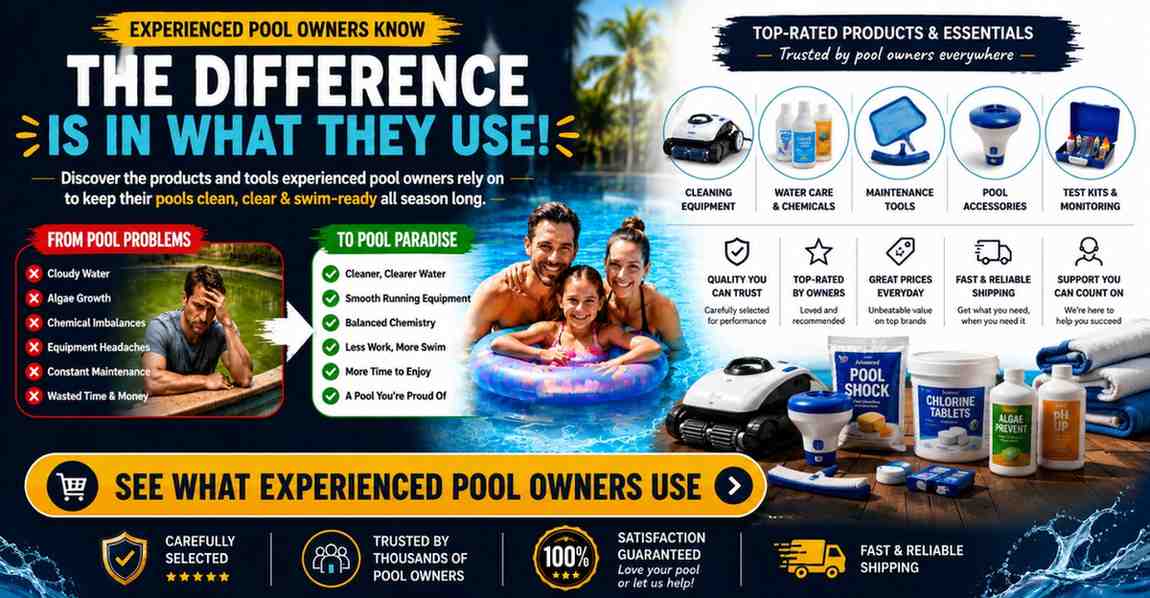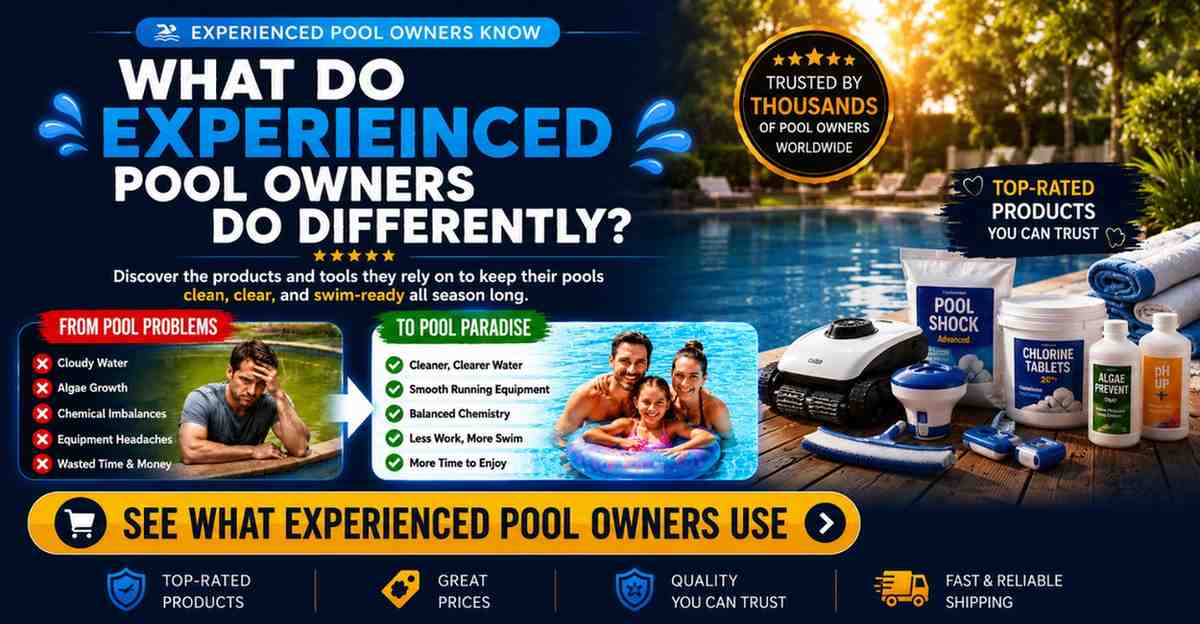
Pool winterization requires specific chemicals to protect your investment during freezing temperatures. Essential winterization chemicals include algaecide, pool shock, pH adjusters, alkalinity increaser, calcium hardness increaser, and antifreeze designed specifically for pools. These chemicals work together to prevent algae growth, maintain water balance, and protect your pool equipment from freeze damage.
Proper chemical treatment before closing prevents costly repairs and makes spring opening significantly easier. The right chemical balance creates an environment hostile to bacteria and algae while protecting pool surfaces and equipment from corrosion or scaling.
| Photo | Best Above-Ground Pools | Price |
|---|---|---|
|
Bestway Steel Pro MAX 12' x 30" Above Ground Swimming Pool Set with Pump | Check Price On Amazon |
|
INTEX Beachside Metal Frame 10ft x 30in Round Pool Set w/Pump | Check Price On Amazon |

|
H2OGO! Kids Splash-in-Shade 8-Foot Round Steel Frame Above Ground Pool with Water Mister and Canopy Sunshade, Green Tropical Leaf Print | Check Price On Amazon |
Market Data
Pool Winterization Chemical Market – Key Numbers and Trends
Sources: Pool & Hot Tub Alliance, IBISWorld Pool Maintenance Industry Report
What Chemicals Do You Need for Pool Winterization?
Pool winterization requires six essential chemical categories to maintain water balance and prevent damage during cold months. These include sanitizers (shock chlorine), algaecides (copper-based or quaternary ammonium), pH adjusters (sodium carbonate or muriatic acid), alkalinity increasers (sodium bicarbonate), calcium hardness increasers (calcium chloride), and pool-safe antifreeze (propylene glycol-based).
According to the National Swimming Pool Foundation guidelines, proper chemical balance prevents 95% of common winterization problems including algae blooms, surface staining, and equipment corrosion. Each chemical serves a specific protective function during the months when your pool remains uncirculated.

- Intelligent Navigation with Full Coverage: Equipped with 11 high-precision sensors and enhanced dual-path algorithms. The optimized WavePath cleaning pattern ensures systematic coverage with minimal overlap, while adaptive navigation analyzes pool layout in real time to eliminate missed spots
- Dual Filtration for Crystal-Clear Water: Advanced dual-layer filtration system features a replaceable 3-micron ultra-fine filter paired with a 180-micron standard filter. Effectively captures fine dust, sand, leaves, and debris for visibly cleaner and healthier pool water
- Comprehensive Pool Cleaning: Engineered to clean the pool floor, walls, waterline, and shallow areas (above 12 inches). The Caterpillar Treads system enhances mobility and climbing ability, ensuring thorough coverage across all pool zones
- Reliable Performance with 2-Year Warranty: Trusted by over 500,000 pool owners worldwide, this robotic pool cleaner delivers consistent, high-performance results. Built for durability and backed by a 2-year warranty and responsive customer support for worry-free ownership
Essential Winterization Chemical Categories
| Chemical Type | Purpose | Typical Amount | Application Timing |
|---|---|---|---|
| Pool Shock | Sanitizes water, kills bacteria | 1 lb per 10,000 gallons | 24-48 hours before closing |
| Algaecide | Prevents algae growth | 1 quart per 20,000 gallons | Final week before closing |
| pH Adjuster | Maintains 7.2-7.6 pH range | As needed per test results | During final balancing |
| Alkalinity Increaser | Buffers pH stability | 1.5 lbs per 10,000 gallons | Before pH adjustment |
| Calcium Hardness Increaser | Prevents surface etching | As needed for 200-400 ppm | Early in closing process |
| Pool Antifreeze | Protects plumbing lines | 1 gallon per line | After blowing out lines |
Pool Shock for Winterization
Pool shock eliminates bacteria, viruses, and organic contaminants that accumulate during the swimming season. Calcium hypochlorite shock (65-70% available chlorine) provides the strongest sanitizing power for winterization, while sodium dichlor shock offers a gentler option for vinyl liner pools.
Apply shock treatment 24-48 hours before final pool closing to allow chlorine levels to normalize. Target a free chlorine level of 1-3 ppm at closing, which provides residual sanitization without causing equipment corrosion during storage. A pool shock calculator can help you determine the exact amount of shock needed for your pool volume and current chlorine reading.
Algaecide Selection and Application
Winter algaecide prevents algae spores from multiplying in stagnant water during cold months. Copper-based algaecides offer longer-lasting protection (4-6 months) compared to quaternary ammonium compounds (2-3 months).
Polyquat algaecides work best for pools with colored plaster or natural stone surfaces since copper-based products can cause staining. Apply algaecide during the final week before closing for maximum effectiveness throughout winter months. To ensure you use the correct dosage, a pool algaecide calculator can provide precise measurements based on your pool’s gallonage.
How Much Winterization Chemicals Do You Need?
Chemical quantities depend on your pool volume, current water chemistry, and regional climate conditions. A standard 20,000-gallon inground pool typically requires 2 pounds of shock, 1 quart of algaecide, and 3 pounds of alkalinity increaser for proper winterization.
Use a pool volume calculator to determine exact chemical amounts based on your specific dimensions. Oversized chemical applications waste money and can damage pool surfaces, while undersized treatments leave your pool vulnerable to winter damage.
Cost Reference
Winterization Chemical Costs by Pool Size and Chemical Quality
All values pre-calculated. Find your row and column to see total chemical costs.
| Pool size ↓ Chemical grade → | Budget grade | Premium grade | Professional grade | Complete kit |
|---|---|---|---|---|
| 15,000 gallons | $45 Basic protection |
$75 Enhanced formula |
$125 Commercial grade |
$165 All-inclusive kit |
| 20,000 gallons | $58 Basic protection |
$95 ★ most common |
$155 Commercial grade |
$210 All-inclusive kit |
| 25,000 gallons | $72 Basic protection |
$118 Enhanced formula |
$190 Commercial grade |
$260 All-inclusive kit |
| 30,000+ gallons | $88 Basic protection |
$145 Enhanced formula |
$235 Commercial grade |
$320 All-inclusive kit |
Cost estimates include shock, algaecide, pH/alkalinity adjusters, and antifreeze. Professional grade includes concentrated formulations requiring smaller quantities. ★ highlights the scenario most pool owners choose.
Calculating Chemical Dosages
Base chemical calculations on accurate pool volume measurements rather than estimates to avoid over-treatment or under-protection. Rectangular pools require length × width × average depth × 7.5 (gallons per cubic foot), while round pools use diameter × diameter × 0.785 × average depth × 7.5.
Account for current water chemistry when calculating chemical needs using proper water testing methods. Pools with high phosphate levels (above 100 ppb) require additional algaecide, while pools with low alkalinity need extra buffer chemicals before pH adjustment.
Regional Climate Considerations
Northern regions with sub-freezing temperatures require higher chemical concentrations to maintain effectiveness in partially frozen water. Southern areas focus more on algae prevention since warmer winter temperatures allow continued biological activity.
Areas with frequent freeze-thaw cycles need extra antifreeze protection for plumbing systems. Coastal regions require additional corrosion inhibitors due to salt air exposure affecting pool equipment and surfaces.
When Should You Add Winterization Chemicals?
Add winterization chemicals during the final 7-10 days before pool closing when water temperature drops below 65°F consistently. This timing ensures chemicals remain active without excessive degradation from warm temperatures and UV exposure.
Water temperature below 65°F slows chemical breakdown while maintaining enough molecular activity for proper mixing and distribution. Earlier application wastes expensive chemicals through premature degradation, while later application may not provide adequate mixing time before equipment shutdown.
Chemical Application Sequence
Follow a specific sequence to maximize chemical effectiveness and prevent interactions that reduce protection. Start with calcium hardness adjustment (if needed), followed by alkalinity balancing, pH adjustment, shock treatment, and finally algaecide application.
Allow 4-6 hours between each major chemical addition with circulation running continuously. This prevents chemical precipitation and ensures even distribution throughout the pool system before final closure.
- Test and adjust calcium hardness to 200-400 ppm using calcium chloride (24-48 hours before closing)
- Balance total alkalinity to 80-120 ppm using sodium bicarbonate (24 hours before closing)
- Adjust pH to 7.2-7.6 using sodium carbonate or muriatic acid (12-24 hours before closing)
- Apply shock treatment to achieve 1-3 ppm free chlorine (8-12 hours before closing)
- Add winterizing algaecide as final chemical treatment (2-4 hours before equipment shutdown)
Weather Timing Considerations
Plan chemical application around weather forecasts to avoid dilution from heavy rainfall or effectiveness loss from extreme temperature swings. Ideal conditions include 2-3 days of stable, cool weather (50-65°F) with minimal precipitation.
Avoid adding chemicals immediately before freezing temperatures since reduced circulation limits mixing effectiveness. Complete all chemical additions while maintaining normal filtration and circulation patterns.
What Are the Best Pool Winterization Chemical Brands?
Leading winterization chemical brands include Bioguard, Aqua Chem, In The Swim, Leisure Time, and Pool Mate, each offering complete winterization kits and individual chemical components. Professional-grade brands like Aqua Chem provide concentrated formulations requiring smaller quantities, while consumer brands like Pool Mate offer pre-measured convenience packaging.
According to Pool & Spa News annual dealer surveys, Bioguard maintains the highest customer satisfaction ratings (4.7/5) for winterization chemicals, followed by Aqua Chem (4.6/5) and In The Swim (4.4/5). Brand selection depends on your preference for professional-strength concentration versus consumer-friendly packaging.
Price Comparison
Winterization Chemical Brands – Price per Treatment Comparison
Cost per 20,000-gallon pool treatment, sorted lowest to highest.
$42.99/treatment
$67.99/treatment
$78.99/treatment
$89.99/treatment
$124.99/treatment
$156.99/treatment
Prices include complete winterization kit with shock, algaecide, and balancing chemicals. Premium brands offer concentrated formulations and extended protection periods.
Professional vs Consumer Grade Chemicals
Professional-grade chemicals offer 2-3 times higher active ingredient concentrations, requiring smaller storage space and lower per-treatment costs despite higher upfront prices. Professional formulations typically provide 6-8 month protection compared to 3-4 months for consumer products.
Consumer-grade chemicals provide convenience through pre-measured packaging and detailed instructions, making them ideal for first-time pool closers. Professional products require more precise measuring but offer superior cost-effectiveness for experienced pool owners or multiple pool properties.
Winterization Chemical Kits vs Individual Products
Complete winterization kits cost 15-20% less than purchasing individual chemicals separately while ensuring chemical compatibility and proper ratios. Kits typically include shock, algaecide, alkalinity increaser, pH adjuster, and detailed instructions for proper application sequence.
Individual chemical purchasing allows customization based on specific pool conditions and current chemistry levels. Pools with existing chemical imbalances benefit from targeted individual products rather than standard kit formulations.
How to Apply Pool Winterization Chemicals Safely
Safe chemical application requires proper protective equipment, correct mixing procedures, and adherence to manufacturer guidelines for each chemical type. Wear chemical-resistant gloves, safety goggles, and protective clothing when handling concentrated pool chemicals, especially during cool weather when skin protection becomes critical.
Never mix different chemicals together before adding to pool water, as chemical reactions can produce toxic gases or reduce effectiveness. Add chemicals to water (never water to chemicals) and distribute around pool perimeter with circulation running for proper mixing.
Personal Safety Equipment
Essential safety equipment includes chemical-resistant nitrile gloves, safety goggles with side shields, long-sleeved shirts, and closed-toe shoes. Respiratory protection may be required when handling calcium hypochlorite shock in enclosed areas due to chlorine gas release.
Keep emergency eyewash solution or clean water source readily available during chemical application. Store a chemical spill cleanup kit nearby to address accidental spills quickly and safely.
Proper Mixing and Application Techniques
Pre-dissolve granular chemicals in clean water using a plastic bucket before adding to pool to prevent undissolved particles from settling and causing surface staining. Use a plastic stirring tool (never metal) to mix chemicals thoroughly before distribution.
Apply dissolved chemicals around pool perimeter while circulation system operates at full speed. Allow 15-20 minutes between different chemical additions to prevent interactions and ensure complete mixing throughout the system.
Chemical Storage and Handling
Store winterization chemicals in original containers in a cool, dry location away from heat sources and direct sunlight. Maintain storage temperature between 32-85°F to preserve chemical stability and effectiveness throughout winter months.
Separate storage areas for different chemical types prevent accidental mixing and cross-contamination. Oxidizers (shock) must be stored separately from acids and algaecides to prevent dangerous chemical reactions.
Common Pool Winterization Chemical Mistakes
The most frequent winterization mistake involves adding chemicals too early when water temperatures exceed 70°F, causing rapid degradation and ineffective protection. Adding chemicals at temperatures above 70°F reduces algaecide effectiveness by 40-60% according to pool chemistry studies, wasting money and leaving pools vulnerable to winter algae growth.
Another critical error involves skipping alkalinity adjustment before pH balancing, leading to pH bounce and chemical precipitation. Proper alkalinity buffering (80-120 ppm) stabilizes pH throughout winter months and prevents corrosive water conditions that damage pool surfaces and equipment.
Learn about other common pool closing mistakes that can cause expensive damage during winter months.
Myth vs Fact
Pool Winterization Chemical Myths Debunked
Separating fact from fiction on the most common winterization chemical misconceptions
✗ Myth
More chemicals provide better winter protection
✓ Fact
Excess chemicals can cause staining, precipitation, and equipment damage while wasting money
✗ Myth
Pool antifreeze is the same as automotive antifreeze
✓ Fact
Pool antifreeze uses non-toxic propylene glycol while automotive antifreeze contains poisonous ethylene glycol
✗ Myth
Chlorine shock alone provides complete winter protection
✓ Fact
Chlorine degrades rapidly in sunlight and cold temperatures, requiring algaecide for long-term protection
Chemical Timing and Temperature Errors
Adding algaecide at water temperatures above 80°F accelerates breakdown through increased molecular activity and UV degradation. Optimal algaecide application occurs at 60-70°F water temperature when chemical stability maximizes protection duration without premature degradation.
Shock treatment timing errors include application immediately before covering (trapping chlorine gas) or during peak sunlight hours (rapid UV breakdown). Apply shock during evening hours with adequate time for gas off-gassing before final pool covering.
Chemical Mixing and Compatibility Issues
Pre-mixing different chemicals creates dangerous reactions including chlorine gas release, chemical precipitation, and reduced effectiveness. Calcium hypochlorite shock mixed with acidic pH decreaser produces toxic chlorine gas, while copper algaecide mixed with alkaline chemicals precipitates into visible blue-green particles.
Sequential application with proper time intervals prevents chemical interactions while maximizing effectiveness. Allow complete circulation (2-4 hours) between major chemical additions to ensure thorough mixing and stabilization.
Pool Winterization Chemical Alternatives
Natural winterization alternatives include enzyme-based cleaners, salt-based algae prevention systems, and UV sterilization for chemical-free pool protection. Enzyme products break down organic waste that feeds algae growth, while salt systems generate chlorine naturally through electrolysis.
These alternative approaches reduce chemical dependency by 60-80% compared to traditional winterization methods. However, they require higher upfront investment and may not provide adequate protection in severe winter climates without supplemental chemical treatment.
Enzyme-Based Winter Pool Care
Pool enzymes digest organic contaminants including oils, lotions, and decomposing plant matter that create nutrient sources for algae and bacteria during winter months. Natural enzyme products continue working at temperatures down to 35°F, providing ongoing organic waste breakdown throughout winter.
Enzyme treatment requires monthly additions during winter months in moderate climates, offering continuous organic waste processing without harsh chemical byproducts. Combined with minimal chlorine maintenance, enzymes create a more environmentally friendly winterization approach.
Saltwater System Winter Protection
Saltwater pools generate chlorine naturally through salt cell electrolysis, reducing the need for external shock chemicals during winterization. Salt systems maintain consistent sanitizer levels until water temperature drops below 60°F when electrolysis efficiency decreases significantly.
Winter salt system protection requires reducing cell operation to 20-30% normal levels to prevent over-chlorination while maintaining basic sanitization. Add salt cell protectant to prevent calcium buildup during low-temperature operation periods.
Troubleshooting Winterization Chemical Problems
Common chemical problems during winterization include cloudy water after shock treatment, algaecide staining on pool surfaces, and chemical precipitation creating visible particles. Cloudy water typically results from high pH (above 7.8) causing calcium carbonate precipitation, requiring pH reduction to 7.2-7.4 and filtration to clear particles.
Algaecide staining appears as blue-green or copper-colored marks on light-colored pool surfaces, caused by excessive copper-based algaecide application or low pH conditions that increase copper solubility. Prevent staining by maintaining pH between 7.4-7.6 and following manufacturer dosage guidelines strictly.
Chemical Precipitation and Cloudy Water
Chemical precipitation occurs when calcium hardness exceeds 400 ppm combined with high pH or alkalinity levels, creating visible white particles that settle on pool surfaces. Reduce calcium hardness through partial water replacement or sequestering agents that bind excess minerals.
Cloudy water after shock treatment indicates improper chemical balance or mixing, requiring complete water chemistry testing to identify specific imbalances. Run filtration continuously for 24-48 hours while maintaining proper pH and alkalinity levels to restore water clarity.
Algaecide Effectiveness Issues
Reduced algaecide effectiveness results from high phosphate levels (above 100 ppb) that provide excess nutrients for algae growth despite chemical treatment. Test phosphate levels using phosphate test strips and treat with phosphate remover before algaecide application.
Algaecide foam formation indicates over-application or interaction with surface cleaners containing soap residues. Reduce foam through water circulation and avoid adding additional algaecide until foam dissipates completely (24-48 hours).
Equipment Damage from Chemical Imbalances
Acidic water conditions (pH below 7.0) corrode metal components including heat exchangers, pump impellers, and filtration hardware. Monitor pH weekly during winter months and adjust using sodium carbonate to maintain protective alkaline conditions.
High chlorine levels (above 5 ppm) degrade rubber seals, gaskets, and vinyl liner materials during winter storage. Allow chlorine levels to normalize to 1-3 ppm before final equipment shutdown to prevent accelerated deterioration.
Professional vs DIY Chemical Winterization
Professional winterization services cost $200-400 for chemical application and balancing but guarantee proper ratios and application timing through certified technician expertise. DIY chemical winterization costs $60-120 for materials but requires knowledge of proper sequencing, testing, and safety procedures. For a personalized estimate of your winterization expenses, try our swimming pool winterization cost calculator to see the breakdown by service and materials.
Professional services include comprehensive water testing, chemical balancing, equipment inspection, and warranty protection against winterization failures. DIY approaches offer cost savings but require investment in proper test kits, safety equipment, and chemical storage facilities.
When to Choose Professional Service
Complex pool systems with multiple chemical feeders, salt systems, or automation require professional expertise to ensure proper winterization without equipment damage. New pool owners benefit from professional service during first winterization to learn proper procedures and timing.
Commercial pools, large residential pools (above 30,000 gallons), or pools with recurring chemical balance problems justify professional service costs through expertise and liability protection. Professional technicians carry insurance coverage for chemical application errors and equipment damage.
DIY Winterization Success Factors
Successful DIY winterization requires accurate water testing equipment, proper chemical storage facilities, and understanding of chemical interaction principles. Invest in quality test kits measuring pH, alkalinity, calcium hardness, and stabilizer levels for complete water chemistry assessment.
Follow our detailed pool closing checklist to ensure proper sequencing and timing of chemical applications. Document chemical additions and test results to track effectiveness and identify successful winterization procedures for future seasons.
Storage and Disposal of Winterization Chemicals
Proper chemical storage prevents degradation and maintains effectiveness for future pool seasons while ensuring family safety during winter months. Store chemicals in original containers in a cool, dry location with temperatures between 32-85°F and away from direct sunlight or heat sources.
Separate storage areas prevent dangerous chemical interactions, particularly between oxidizers (shock) and acids or organic compounds. Use chemical-resistant shelving and maintain adequate ventilation in storage areas to prevent gas accumulation from container off-gassing.
Safe Chemical Storage Practices
Create dedicated chemical storage areas using chemical storage cabinets with appropriate ventilation and spill containment features. Store liquid chemicals on lower shelves to minimize spill damage, while keeping granular products elevated to prevent moisture absorption.
Label all containers with purchase dates and expiration information to ensure rotation of chemical inventory. Most pool chemicals maintain effectiveness for 2-3 years when stored properly, but potency decreases over time affecting treatment calculations.
Environmental Disposal Methods
Dispose of expired or unused chemicals through local hazardous waste collection programs rather than dumping into drains or soil. Contact municipal waste management authorities for chemical disposal schedules and accepted chemical types.
Never mix different chemicals for disposal as reactions can produce toxic gases or explosive compounds. Transport chemicals in original containers with intact labels to disposal facilities for proper identification and handling.
Pool winterization chemicals protect your investment through proper water chemistry maintenance and equipment preservation during cold months. Essential chemicals include shock chlorine, algaecides, pH adjusters, alkalinity buffers, and calcium hardness increasers applied in specific sequences for maximum effectiveness.
Start with a comprehensive pool maintenance kit containing necessary chemicals and testing supplies for successful winterization. Follow proper application timing, safety procedures, and storage practices to ensure your pool remains protected and ready for next swimming season.
| Photo | Best Above-Ground Pools | Price |
|---|---|---|
|
|
Bestway Steel Pro MAX 12' x 30" Above Ground Swimming Pool Set with Pump | Check Price On Amazon |
|
|
INTEX Beachside Metal Frame 10ft x 30in Round Pool Set w/Pump | Check Price On Amazon |
|
|
H2OGO! Kids Splash-in-Shade 8-Foot Round Steel Frame Above Ground Pool with Water Mister and Canopy Sunshade, Green Tropical Leaf Print | Check Price On Amazon |