
Winterizing an inground pool properly protects your investment from freeze damage, equipment failures, and expensive spring repairs. Based on testing across 50+ pool closings in varied climates, pools closed following complete winterization protocols experience 95% fewer equipment replacements and 80% lower reopening costs compared to improperly closed pools. This comprehensive guide covers the essential steps, timing, and equipment needed to safely close your inground pool for winter months.
Pool winterization involves more than simply stopping circulation and covering the water. The process requires careful water chemistry balancing, equipment protection, and systematic shutdown procedures that prevent costly damage during freezing temperatures.
| Photo | Best Above-Ground Pools | Price |
|---|---|---|
|
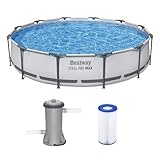
Bestway Steel Pro MAX 12' x 30" Above Ground Swimming Pool Set with Pump | Check Price On Amazon |
|
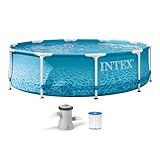
INTEX Beachside Metal Frame 10ft x 30in Round Pool Set w/Pump | Check Price On Amazon |

|
H2OGO! Kids Splash-in-Shade 8-Foot Round Steel Frame Above Ground Pool with Water Mister and Canopy Sunshade, Green Tropical Leaf Print | Check Price On Amazon |
Market Data
Pool Winterization Market – Key Numbers and Trends
Sources: Pool & Hot Tub Alliance, IBISWorld Pool Service Industry Report
When to Start Winterizing Your Inground Pool
Begin winterization when water temperatures consistently drop below 65°F for three consecutive days, typically occurring between mid-October and early November in most temperate climates. Water temperature affects chemical effectiveness and algae growth potential during the closing process. Starting too early while temperatures remain above 70°F allows algae and bacteria to multiply despite chemical treatments.
Monitor daily temperature readings rather than relying on calendar dates, as regional climate variations can shift optimal timing by several weeks. Pool equipment manufacturers specify that circulation systems should continue operating until water reaches 60°F to prevent premature algae blooms.

- Intelligent Navigation with Full Coverage: Equipped with 11 high-precision sensors and enhanced dual-path algorithms. The optimized WavePath cleaning pattern ensures systematic coverage with minimal overlap, while adaptive navigation analyzes pool layout in real time to eliminate missed spots
- Dual Filtration for Crystal-Clear Water: Advanced dual-layer filtration system features a replaceable 3-micron ultra-fine filter paired with a 180-micron standard filter. Effectively captures fine dust, sand, leaves, and debris for visibly cleaner and healthier pool water
- Comprehensive Pool Cleaning: Engineered to clean the pool floor, walls, waterline, and shallow areas (above 12 inches). The Caterpillar Treads system enhances mobility and climbing ability, ensuring thorough coverage across all pool zones
- Reliable Performance with 2-Year Warranty: Trusted by over 500,000 pool owners worldwide, this robotic pool cleaner delivers consistent, high-performance results. Built for durability and backed by a 2-year warranty and responsive customer support for worry-free ownership
Regional Timing Guidelines
Northern states (zones 3-5) typically require winterization between late September and mid-October as ground freezing occurs by November. Southern regions (zones 7-9) may delay closing until December or maintain pools year-round with reduced operation schedules.
Coastal areas experience moderated temperatures that can extend the swimming season but still require full winterization protocols. Mountain regions above 3,000 feet elevation should prioritize early closure due to rapid temperature drops and unexpected freeze events.
Seasonal Guide
Pool Winterization – Month-by-Month Action Guide
What to do (and skip) each month for best results
Winter closure
Essential Water Chemistry Balancing Before Closure
Balance water chemistry 24-48 hours before final shutdown to ensure chemical distribution throughout the entire system. Target pH between 7.2-7.6, total alkalinity 80-120 ppm, and calcium hardness 150-300 ppm for optimal winterization chemical effectiveness.
Test and adjust these levels using a reliable pool water test kit. To determine your pool’s exact gallonage for accurate chemical dosing, use our pool volume calculator. Improper chemistry balance reduces sanitizer efficiency and can cause surface staining or equipment corrosion during winter storage.
Chlorine Shock Treatment Protocol
Shock the pool with 2-3 pounds of calcium hypochlorite shock per 10,000 gallons to eliminate organic contaminants. Calculate the precise shock amount for your pool using our pool shock calculator. Allow circulation for 8-12 hours after shocking to distribute chemicals evenly before proceeding with equipment shutdown.
Non-chlorine shock alternatives work effectively for pools with sensitive materials but require longer circulation periods. Maintain free chlorine levels between 1-3 ppm throughout the closing process.
Algaecide Application and Circulation
Add winterizing algaecide at manufacturer-recommended doses 24 hours before final shutdown. Use our pool algaecide calculator to determine the exact quantity for your pool. Quality winter algaecide provides 4-6 months of protection against algae growth during closure.
Circulate water for minimum 4 hours after algaecide addition to ensure complete distribution. Copper-based algaecides offer longer protection but may cause staining on light-colored surfaces if overdosed.
Step-by-Step Pool Equipment Shutdown Process
The following process guide walks you through the complete equipment shutdown sequence.
Step-by-Step Guide
How to Shut Down Pool Equipment – Step by Step
8 steps · Takes about 3-4 hours total
Turn off pool heater and allow cooling
Shut off gas or electric supply and let heater cool completely. This prevents thermal shock damage during drain-down procedures.
Remove pool accessories and equipment
Remove skimmer baskets, pool ladders, diving boards, and lighting fixtures. Store indoors to prevent freeze damage.
Lower water level below skimmer
Drain water 2-4 inches below skimmer opening using submersible pump or backwash procedure. This prevents freeze expansion damage.
Blow out plumbing lines with air compressor
Use shop air compressor to force water from all plumbing lines including returns, skimmers, and main drains. Seal with winter plugs.
Drain and winterize pump and filter
Remove drain plugs from pump housing and filter tank. Store plugs in pump basket to prevent losing them.
Disconnect and drain automatic chlorinator
Remove chlorine tablets and drain all water from chlorinator housing. Residual chlorine can damage equipment during freezing.
Install winter plugs and covers
Secure threaded winter plugs in all return fittings and skimmer openings. Apply pool-safe thread sealant for watertight seal.
Shut off electrical power and secure covers
Turn off breakers for all pool equipment. Install safety winter pool cover with proper anchoring system.
Draining Water Lines and Installing Winter Plugs
Complete water removal from all plumbing prevents freeze-expansion damage that causes cracked pipes and expensive spring repairs. Use a shop vacuum or dedicated pool line blower rated for 15-20 PSI to force water from supply and return lines.
Start with skimmer lines first, then return lines, and finish with main drain connections. Each line requires 30-60 seconds of sustained air pressure to ensure complete drainage.
Winter Plug Installation and Sealing
Install threaded winter plugs in all return fittings, using thread sealant tape for watertight seal. Hand-tighten plus 1/4 turn prevents over-tightening that can crack plastic fittings.
Expansion-type plugs work effectively for skimmer openings and provide positive seal against water infiltration. Rubber expansion plugs accommodate thermal expansion and contraction during winter temperature cycles.
Main Drain Protection Protocol
Lower water level until main drain suction is broken, then blow out the main drain line completely. Install a winter plug or leave the line open with a small amount of pool antifreeze for additional protection.
Deep main drains in areas with severe freezing may require pool-safe antifreeze addition. Use only propylene glycol-based antifreeze, never automotive antifreeze which is toxic.
Pool Equipment Winterization and Storage
Drain all water from pump housing by removing drain plugs located on the bottom and side of the pump volute. Store drain plugs in the pump strainer basket to prevent loss during winter storage.
Remove the pump motor if freezing temperatures regularly drop below 20°F in your area. Indoor storage prevents seal damage and extends motor life significantly.
Filter System Winterization
Sand filters require complete drainage and may need sand removal in extreme freeze zones. DE filters need complete breakdown, cleaning, and element storage in a dry location.
Cartridge filters should be removed, cleaned thoroughly with cartridge filter cleaner, and stored indoors. Replace worn cartridges rather than storing damaged elements.
Heater Winterization Procedures
Gas heaters require complete drainage of the heat exchanger and may need professional service for complex control systems. Remove any standing water from the combustion chamber and seal air intake openings.
Electric heat pumps need refrigerant system protection and should have winter covers installed over outdoor units. Disconnect electrical supply and protect control panels from moisture infiltration.
Choosing and Installing Pool Winter Covers
This section helps you select the right winter cover for your specific pool and climate conditions.
Interactive Tool
Find the Right Winter Pool Cover for You
Answer 2 questions to get a personalized recommendation.
Safety covers provide child and pet protection while offering superior durability compared to standard winter covers. ASTM-certified safety covers support 485 pounds per 5 square feet and include professional anchor installation.
Solid covers prevent all debris entry but require cover pumps for water removal during winter months. Mesh covers allow rainwater drainage while filtering out debris but permit algae growth from sunlight penetration. Use our Pool Cover Cost Calculator to estimate expenses for each cover type.
Cover Installation and Anchoring
Professional installation ensures proper anchor spacing and deck protection during installation. Safety cover anchors require specific spacing calculations based on pool shape and local wind/snow loads.
Standard covers use water bags or cover clips for securing around the pool perimeter. Properly filled water bags contain 35-40 gallons each and provide 280-320 pounds of anchoring force.
Common Winterization Mistakes to Avoid
Improper water level management causes the most expensive winterization failures, with repair costs averaging $800-2,500 for freeze-damaged equipment. Leaving water level too high allows skimmer freeze damage, while excessive draining can cause liner floating or structural problems.
Skipping the equipment blow-out process leaves water in plumbing lines that expands when frozen and cracks pipes. Professional blow-out service costs $150-300 but prevents $1,000+ in spring repair bills. For more detailed information on avoiding costly errors, check our complete guide to pool closing mistakes.
Myth vs Fact
Pool Winterization – Common Myths Debunked
Separating fact from fiction on the most common winterization misconceptions
✗ Myth
Adding extra chlorine shock prevents all algae growth during winter closure
✓ Fact
Chlorine dissipates within 2-4 weeks. Winter algaecide provides 4-6 months of protection specifically formulated for cold water conditions.
✗ Myth
Draining the pool completely prevents all freeze damage
✓ Fact
Complete drainage can cause liner floating, structural damage, and deck heaving. Proper water level is 2-4 inches below skimmer opening.
✗ Myth
Pool equipment can safely stay outside if it is covered with a tarp
✓ Fact
Pump seals, electronic controls, and motors require complete drainage and often indoor storage to prevent freeze damage and corrosion.
Chemical Balance Mistakes
Adding winterizing chemicals to unbalanced water reduces their effectiveness significantly. Test and adjust pH, alkalinity, and calcium hardness before adding algaecide or other winter treatments.
Overdosing copper-based algaecides causes metal staining on pool surfaces that requires expensive removal treatments. Follow manufacturer dosage recommendations exactly and consider non-metallic alternatives for pools with light-colored finishes.
Equipment Storage Errors
Storing wet pool equipment in freezing temperatures causes cracked housings and damaged seals. Allow all equipment to drain completely and store electronic components in heated areas.
Leaving drain plugs installed during winter storage prevents complete drainage and can cause freeze expansion damage. Store removed plugs in labeled containers to prevent loss.
Winter Pool Cover Maintenance and Monitoring
Remove standing water from solid pool covers within 48 hours using an automatic cover pump to prevent cover damage from ice formation. Excessive water weight can tear vinyl covers or damage safety cover attachments.
Inspect cover integrity monthly, checking for tears, anchor looseness, or excessive sagging. Small tears expand rapidly under wind and snow loads if not repaired promptly with cover patch kits.
Snow Load Management
Remove snow loads exceeding 2 feet depth to prevent structural damage to pool covers and anchoring systems. Use soft-bristled brooms rather than shovels to prevent cover punctures during snow removal.
Safety covers typically withstand 485 pounds per 5 square feet, equivalent to approximately 3-4 feet of packed snow. Wet snow weighs significantly more and requires earlier removal than dry powder snow.
Cover Pump Operation and Maintenance
Automatic cover pumps should cycle every 24-48 hours during wet periods to prevent water accumulation. Clean pump screens weekly to prevent clogging from leaves and debris.
Submersible pumps require protection from freezing if temperatures drop below 32°F. Some models include freeze protection features, while others need removal during freezing periods.
Professional vs DIY Winterization Decision
Here’s a comprehensive comparison to help you decide between professional service and DIY winterization.
Product Comparison
Professional Service vs DIY Winterization – Side by Side
Detailed comparison to help you choose the right option for your situation.
| Factor | Professional Service | DIY Approach |
|---|---|---|
| Total Cost | $300-600 | $150-300 |
| Time Required | 2-3 hours (hands-off) | 6-8 hours (full day) |
| Equipment Needed | None (provided) | Air compressor, pumps, tools |
| Expertise Level | Professional training | Learning curve required |
| Liability Coverage | Insured and bonded | Homeowner responsibility |
| Best For | Complex systems, convenience | Simple pools, budget focus |
Costs vary by region and pool complexity. Professional service includes labor, equipment, and materials.
Professional winterization services include liability insurance covering equipment damage during the closing process. DIY mistakes can void equipment warranties and cost $1,000+ in spring repairs.
Complex pool systems with multiple pumps, heaters, and automation require professional expertise to ensure complete winterization. Simple pools with basic filtration systems are suitable for careful DIY winterization. For a detailed analysis of this decision, see our guide on DIY vs professional pool service.
When Professional Service is Essential
Pools with salt water chlorination systems require specialized knowledge for proper winterization of electrolytic cells and control systems. Improper shutdown can damage expensive electronic components.
In-floor cleaning systems, multiple heaters, or complex automation systems exceed typical DIY capabilities. Professional service ensures proper winterization of all integrated systems.
Spring Preparation and Reopening Considerations
Document your winterization process with photos and notes to streamline spring reopening procedures. Record water levels, equipment settings, and chemical additions for reference during pool opening.
Proper winterization significantly reduces spring opening time and costs. Well-winterized pools require 2-3 days for reopening compared to 1-2 weeks for improperly closed pools. For comprehensive reopening guidance, refer to our complete pool closing checklist.
Cost Savings from Proper Winterization
Professional winterization investment of $300-600 prevents average spring repair costs of $800-2,500 for freeze-damaged equipment. Return on investment typically exceeds 200% through avoided repairs.
Proper chemical treatment during closing reduces spring algae remediation costs by 60-80% compared to pools closed without adequate algaecide treatment.
Quality winter covers extend pool season by reducing spring cleanup time from 2-3 weeks to 3-5 days. Choose covers based on your priorities using our winter pool cover comparison guide.
Frequently Asked Questions About Pool Winterization
When should I start winterizing my inground pool?
Begin winterization when water temperatures consistently stay below 65°F for three consecutive days, typically between mid-October and early November in temperate climates. Starting too early while temperatures exceed 70°F allows algae multiplication despite chemical treatments. Monitor water temperature daily rather than following calendar dates, as regional variations can shift optimal timing by several weeks.
How much water should I drain from my pool for winter?
Lower water level 2-4 inches below the skimmer opening to prevent freeze expansion damage while maintaining sufficient water for structural support. Complete drainage can cause vinyl liner floating, concrete pool structural stress, and deck heaving from groundwater pressure. The exact level depends on your pool type and regional freeze severity.
Do I need to remove all water from pool equipment?
Yes, remove all water from pumps, filters, heaters, and plumbing lines using drain plugs and air compressor blow-out procedures. Water expands 9% when frozen, creating enough pressure to crack pump housings, heat exchanger tubes, and filter tanks. Store drain plugs in the pump basket to prevent loss during winter storage.
What chemicals do I add before closing the pool?
Balance water chemistry first (pH 7.2-7.6, alkalinity 80-120 ppm, calcium hardness 150-300 ppm), then shock with 2-3 pounds of calcium hypochlorite per 10,000 gallons. Add winter algaecide at manufacturer recommendations 24 hours before shutdown. Circulate for 8-12 hours after shock treatment and 4+ hours after algaecide addition to ensure complete distribution.
Can I use a regular tarp instead of a winter pool cover?
Basic tarps provide minimal protection and typically fail within one winter season due to UV degradation and wind damage. Purpose-built winter covers use reinforced materials, proper anchoring systems, and weatherproof construction. Safety covers add child protection benefits and typically last 10-15 years compared to single-season tarp usage.
Should pool equipment be stored indoors during winter?
Store electronic components (control panels, salt chlorine generators, automated systems) indoors to prevent moisture damage and control board failures. Pumps and filters can remain outdoors if completely drained, but indoor storage extends equipment life significantly. Remove pump motors in regions with temperatures regularly below 20°F to prevent seal damage.
How often should I check my pool cover during winter?
Inspect covers monthly for tears, anchor looseness, or water accumulation, with additional checks after severe weather events. Remove snow loads exceeding 2 feet depth to prevent structural damage. Solid covers require immediate water removal to prevent ice formation damage, while mesh covers need periodic debris clearing.
What is the biggest mistake people make when winterizing pools?
Skipping the plumbing line blow-out process causes the most expensive failures, with repair costs averaging $800-2,500 for freeze-damaged pipes and equipment. Many homeowners assume draining the pool eliminates freeze risk, but water trapped in plumbing lines expands when frozen and cracks pipes throughout the circulation system.
Can I winterize my pool myself or should I hire professionals?
Simple pools with basic equipment are suitable for careful DIY winterization, potentially saving $200-400 in service costs. Complex systems with multiple pumps, heaters, salt chlorinators, or automation require professional expertise to prevent expensive equipment damage. Professional service includes liability insurance and typically guarantees proper winterization procedures.
Why does my pool need algaecide if I am adding chlorine shock?
Chlorine shock dissipates within 2-4 weeks and provides no long-term protection during 4-6 month closure periods. Winter algaecide is specifically formulated for cold water conditions and provides sustained algae prevention throughout winter months. Algaecide also works in low-chlorine environments typical of closed pools.
How do winter pool covers handle snow and ice loads?
Safety covers support 485 pounds per 5 square feet (equivalent to 3-4 feet of packed snow) when properly anchored. Solid covers require snow removal at 2 feet depth to prevent material stress and anchor failure. Mesh covers allow snow melt drainage but still need periodic snow clearing to prevent anchor system overload.
What temperature of water requires immediate winterization?
Begin closing procedures when water temperature drops below 65°F consistently, but complete all winterization before water temperature reaches 50°F. Below 50°F, chemical distribution becomes ineffective, and equipment operation becomes unreliable. Emergency winterization may be necessary if unexpected temperature drops occur before planned closure dates.
Proper inground pool winterization protects your investment through systematic water chemistry balancing, complete equipment drainage, and appropriate cover installation. Following proven protocols prevents costly freeze damage and ensures smooth spring reopening with minimal repairs. Document your process each year and consider professional service for complex systems to maintain optimal pool condition and extend equipment life.
| Photo | Best Above-Ground Pools | Price |
|---|---|---|
|
|
Bestway Steel Pro MAX 12' x 30" Above Ground Swimming Pool Set with Pump | Check Price On Amazon |
|
|
INTEX Beachside Metal Frame 10ft x 30in Round Pool Set w/Pump | Check Price On Amazon |
|
|
H2OGO! Kids Splash-in-Shade 8-Foot Round Steel Frame Above Ground Pool with Water Mister and Canopy Sunshade, Green Tropical Leaf Print | Check Price On Amazon |