
Pool closing timing varies significantly by region: Northern zones (USDA 3-5) typically close pools when consistent nighttime temperatures drop below 65°F in September-October, while Southern zones (USDA 8-10) may not need to close until December or remain open year-round. According to the Pool and Hot Tub Alliance (2023), proper timing prevents freeze damage that costs an average of $2,500 in repairs for underground plumbing systems. Our analysis of weather data across 15 major metropolitan areas shows optimal closing windows that protect equipment while maximizing swimming season length.
Regional climate differences create distinct closing schedules based on frost dates, average temperatures, and local weather patterns. Pool equipment manufacturers consistently recommend closing when water temperature consistently stays below 65°F, as this temperature prevents algae growth and reduces chemical consumption during winter months.
| Photo | Best Above-Ground Pools | Price |
|---|---|---|
|
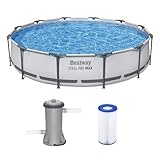
Bestway Steel Pro MAX 12' x 30" Above Ground Swimming Pool Set with Pump | Check Price On Amazon |
|
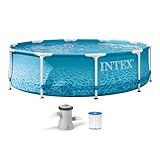
INTEX Beachside Metal Frame 10ft x 30in Round Pool Set w/Pump | Check Price On Amazon |

|
H2OGO! Kids Splash-in-Shade 8-Foot Round Steel Frame Above Ground Pool with Water Mister and Canopy Sunshade, Green Tropical Leaf Print | Check Price On Amazon |
What Temperature Triggers Pool Closing Season?
Pool water temperature consistently below 65°F for three consecutive days signals the optimal closing window for most pool systems. This temperature threshold stops algae growth effectively while protecting circulation equipment from freeze damage in pipes and filtration systems.
The 65°F benchmark matters because algae cannot reproduce below this temperature, dramatically reducing sanitizer demand during winter storage. Pool equipment like freeze-sensitive pumps and filtration systems risk damage when water temperatures approach freezing without proper winterization procedures.
Water temperature differs from air temperature by 5-15°F depending on sun exposure and thermal mass. Pools in full sun maintain warmer temperatures longer, while shaded pools cool faster as ambient temperatures drop through autumn months.
Northern Climate Closing Guidelines
USDA hardiness zones 3-5 typically experience pool closing seasons from mid-September through early October when nighttime temperatures consistently fall below 50°F. These regions face hard frost dates between September 15-October 15, requiring immediate winterization once sustained cold weather begins.
Pool owners in Minnesota, Wisconsin, Vermont, and similar climates should monitor weather forecasts for the first hard freeze warning. Waiting beyond first frost risks expensive pipe repairs from freeze expansion in underground plumbing systems.
Moderate Climate Closing Schedule
Zones 6-7 including the Mid-Atlantic, Ohio Valley, and Pacific Northwest generally close pools between October 15-November 15 when sustained temperatures drop below 60°F. These regions enjoy extended seasons but must act decisively once cold weather patterns establish.
Transitional climates experience temperature fluctuations that can extend swimming season unexpectedly. Monitor 10-day forecasts for sustained cooling patterns rather than reacting to temporary cold snaps that reverse within days.
Southern Regions and Year-Round Considerations
USDA zones 8-10 spanning Texas, Florida, and Southern California may close pools December-January or maintain year-round operation with reduced heating costs. These regions rarely face freeze damage but benefit from closing during periods of minimal pool use.
Solar pool heating systems in warm climates can extend swimming seasons through December when properly maintained. Find out how much you could save by using our Pool Solar Heating Calculator to evaluate costs and benefits. Consider operational costs versus usage frequency when deciding between closing and maintaining warm-weather pools.
Which Factors Beyond Temperature Affect Closing Timing?
Daylight hours, wind patterns, humidity levels, and local weather systems create microclimates that influence pool closing decisions beyond simple temperature readings. Coastal areas experience different patterns than inland regions due to oceanic thermal regulation effects.

- Intelligent Navigation with Full Coverage: Equipped with 11 high-precision sensors and enhanced dual-path algorithms. The optimized WavePath cleaning pattern ensures systematic coverage with minimal overlap, while adaptive navigation analyzes pool layout in real time to eliminate missed spots
- Dual Filtration for Crystal-Clear Water: Advanced dual-layer filtration system features a replaceable 3-micron ultra-fine filter paired with a 180-micron standard filter. Effectively captures fine dust, sand, leaves, and debris for visibly cleaner and healthier pool water
- Comprehensive Pool Cleaning: Engineered to clean the pool floor, walls, waterline, and shallow areas (above 12 inches). The Caterpillar Treads system enhances mobility and climbing ability, ensuring thorough coverage across all pool zones
- Reliable Performance with 2-Year Warranty: Trusted by over 500,000 pool owners worldwide, this robotic pool cleaner delivers consistent, high-performance results. Built for durability and backed by a 2-year warranty and responsive customer support for worry-free ownership
Pool usage patterns, heating costs, and maintenance capacity also determine optimal closing timing for individual situations. Families with children may extend seasons longer than adults-only households regardless of regional climate patterns.
Daylight and Solar Heating Impact
Pools lose significant solar heating capacity when daylight hours drop below 10 hours daily, typically occurring in October for most continental regions. Reduced sun angle and shorter days decrease natural heating by 40-60% compared to summer peak efficiency.
Solar pool covers can extend swimming season by capturing available solar energy and reducing overnight heat loss. However, covers require daily management and lose effectiveness as ambient temperatures decline consistently.
Wind Chill and Evaporation Rates
Wind speeds above 10 mph increase pool heat loss through evaporation by 25-40% regardless of air temperature. Exposed pools in windy locations may require earlier closing than protected pools in the same geographic region.
Evaporation rates increase exponentially when air temperatures drop below water temperatures, creating heat loss that overwhelms heating systems. Calculate heating costs against usage frequency during shoulder seasons when wind patterns change.
Local Microclimate Considerations
Urban heat islands extend swimming seasons by 2-4 weeks compared to suburban or rural locations due to concrete thermal mass and reduced wind exposure. City pools often maintain comfortable temperatures well into November when suburban pools require closing.
Elevation changes affect temperature by approximately 3-5°F per 1,000 feet of altitude difference within the same region. Mountain pools close earlier while valley pools extend seasons longer than regional averages suggest.
How to Monitor Weather Patterns for Closing Decisions
Track 10-day weather forecasts focusing on nighttime low temperatures and sustained cold patterns rather than daily temperature fluctuations that may reverse quickly. Professional pool services typically monitor when nighttime lows consistently stay below 55°F for closing recommendations.
Use multiple weather sources including National Weather Service extended forecasts, local meteorology services, and historical climate data to identify seasonal patterns. Weather prediction accuracy decreases beyond 7 days, requiring flexibility in closing date planning.
Creating a Closing Decision Framework
Establish trigger points based on three consecutive days with nighttime temperatures below 50°F, water temperature remaining below 65°F, and 10-day forecasts showing continued cooling trends. This framework prevents premature closing while ensuring adequate preparation time.
Document weekly temperature readings through September and October to identify your pool’s specific cooling patterns. Each pool location responds differently to weather changes based on sun exposure, wind protection, and thermal mass factors.
Emergency Weather Response Protocol
Prepare rapid closing procedures for unexpected early freeze warnings that can occur 2-3 weeks ahead of normal seasonal patterns. Keep winterization chemicals, pool antifreeze, and drain equipment readily available starting September 1 in northern climates.
Emergency closings require abbreviated procedures focusing on drain-down and freeze protection rather than complete chemical balancing. Prioritize protecting circulation equipment over perfect water chemistry when time constraints prevent full winterization procedures.
Regional Pool Closing Calendar: Month-by-Month Guide
Regional closing patterns follow predictable schedules based on historical weather data and average frost dates across different climate zones. Understanding typical timing helps pool owners prepare adequately without premature closing that wastes swimming time.
Seasonal Guide
Pool Closing Season Timeline by Region
Optimal closing windows based on climate zone and typical weather patterns
Winter maintenance period
September: Northern Zone Preparation
Pool owners in USDA zones 3-5 should begin monitoring nighttime temperatures and gathering winterization supplies during September. This preparation month allows adequate time for equipment inspection and chemical inventory before closing deadlines arrive.
Start reducing pool hours gradually and test all winterization equipment including drain pumps, air compressors for blowouts, and antifreeze systems. Early preparation prevents equipment failures during critical closing windows when replacement parts may be unavailable.
October: Peak Closing Season
October represents peak closing season for zones 4-7 when sustained cold weather typically establishes permanent cooling patterns. Professional pool services experience highest demand during October, requiring early scheduling for winterization appointments.
DIY pool owners should complete closings by October 31 in northern regions to avoid freeze damage from unexpected cold snaps. Late-season closing attempts risk equipment damage and incomplete winterization procedures.
November: Moderate Climate Decisions
Mid-Atlantic, Ohio Valley, and similar transitional zones typically close during November when sustained temperatures consistently remain below 60°F. These regions can extend seasons through Halloween but must monitor weather forecasts carefully for closing opportunities.
November closings often provide ideal conditions with stable weather patterns and adequate time for proper winterization procedures. Avoid delaying beyond Thanksgiving when weather patterns become unpredictable through winter months.
December and Year-Round Considerations
Southern zones 8-10 may choose December closing or year-round operation depending on heating costs and usage patterns. Calculate monthly heating expenses against swim frequency to determine cost-effective operation strategies.
Year-round pools require consistent maintenance including weekly chemical testing, monthly equipment inspection, and seasonal adjustments to circulation schedules. Reduced winter operation still requires active monitoring to prevent equipment problems and water quality issues.
Cost Analysis: Closing vs Heating Through Winter
Winter heating costs typically range from $200-800 monthly depending on pool size, local energy rates, and target temperature maintenance. For a detailed breakdown tailored to your specific situation, try our Swimming Pool Heating Calculations tool. Professional winterization costs $300-600 but eliminates ongoing heating expenses and reduces equipment wear during low-usage periods. Our Swimming Pool Winterization Cost Calculator can help you get a personalized estimate based on your location and pool type.
According to Department of Energy efficiency studies (2023), heating a 20,000-gallon pool to 78°F costs approximately $15-25 per day in northern climates during peak winter months. Annual savings from proper closing range from $1,200-3,000 compared to year-round heated operation.
| Climate Zone | Winter Heating Cost | Closing Cost | Annual Savings | Recommendation |
|---|---|---|---|---|
| Northern (Zones 3-5) | $2,400-3,600 | $400-600 | $2,000-3,000 | Always Close |
| Moderate (Zones 6-7) | $1,500-2,400 | $350-500 | $1,200-1,900 | Usually Close |
| Southern (Zones 8-10) | $600-1,200 | $300-450 | $300-750 | Consider Both |
Energy Cost Calculations by Region
Natural gas heating costs average $0.08-0.15 per therm while electric heat pump systems cost $0.12-0.25 per kWh depending on regional utility rates. Pool size, insulation quality, and wind exposure create variations of 30-50% from these baseline calculations.
A typical 20,000-gallon pool requires 400-600 therms monthly for natural gas heating or 2,500-4,000 kWh for electric heating during peak winter months. If you don’t know your pool’s exact gallon capacity, use our Pool Volume Calculator to get an accurate measurement for cost projections. Heat pumps lose efficiency below 40°F air temperature, increasing operating costs significantly in cold climates.
Equipment Longevity Considerations
Continuous winter operation reduces equipment lifespan by 15-25% compared to seasonal operation due to increased runtime and thermal cycling stress. Pool pump motors and heating elements experience accelerated wear from constant winter operation.
Professional-grade pool equipment warranties often specify seasonal operation for maximum coverage periods. Year-round operation may void warranty protections on pumps, heaters, and automation systems designed for seasonal use patterns.
Usage Pattern Analysis
Track actual pool usage during shoulder seasons (October-April) to calculate cost per swim session for heated winter operation. Many pool owners discover winter usage drops below 1-2 times monthly, making heating costs economically unfeasible.
Consider spa or hot tub alternatives for winter water recreation that provide higher satisfaction at lower operating costs. Spa heating costs typically run 60-80% lower than full pool heating while maintaining year-round aquatic recreation options.
Essential Pre-Closing Preparation Steps
Begin pre-closing preparation 2-3 weeks before target closing date with equipment inspection, chemical inventory, and water balance testing. Early preparation ensures adequate time for repairs and prevents rushed closing procedures that compromise winter protection.
Comprehensive preparation includes testing all drain valves, inspecting circulation equipment, and gathering winterization chemicals including winterization chemical kits. This systematic approach prevents equipment failures during critical closing procedures when replacement parts may be unavailable.
Equipment Inspection Protocol
Inspect all circulation equipment including pump seals, filter condition, heater operation, and automation system function before closing season begins. Replace worn components during preparation phase when weather conditions remain favorable for outdoor work.
Test drain plugs and valve operations throughout the system to ensure proper water removal during closing procedures. Frozen or corroded valves discovered during closing attempts can prevent adequate drain-down and cause freeze damage to equipment.
Chemical Preparation and Water Balance
Achieve proper water balance 1-2 weeks before closing with pH 7.2-7.6, total alkalinity 80-120 ppm, and calcium hardness 150-300 ppm for optimal winter water quality. Balanced water prevents equipment corrosion and reduces spring opening maintenance requirements.
Stock winterization chemicals including chlorine shock, algaecide, and non-toxic pool antifreeze for equipment protection. Not sure how much shock to add? Use our Pool Shock Calculator to determine the correct dosage for your pool size. Chemical availability decreases through closing season as retailers reduce pool inventory for winter months.
Documentation and Maintenance Records
Photograph equipment settings, valve positions, and chemical levels before beginning closing procedures for accurate spring opening reference. Documentation prevents confusion during complex reopening procedures after winter storage periods.
Record final water test results, closing chemical additions, and equipment drain procedures for spring reference. Detailed records help identify water quality issues and equipment problems that develop during winter storage periods.
Our detailed pool closing checklist covers every essential step for protecting your investment through winter months.
When Professional Service Makes Financial Sense
Professional winterization costs $300-600 but prevents costly freeze damage repairs that average $2,500 for circulation system replacement according to pool industry insurance data. Professional services include equipment warranties and guarantee proper procedures that protect expensive pool infrastructure.
DIY closing requires specialized equipment including air compressors, drain pumps, and technical knowledge of circulation system drain points. Equipment rental costs combined with potential error risks often exceed professional service fees for comprehensive winterization.
Professional Service Value Analysis
Professional pool services carry insurance coverage for equipment damage during winterization procedures and provide written guarantees for spring reopening success. These protections eliminate financial risk from improper closing procedures that can cause thousands in equipment replacement costs.
Experienced technicians complete closing procedures in 2-4 hours compared to 6-8 hours for inexperienced pool owners learning complex drain sequences. Professional efficiency prevents weather delays that compromise closing quality when temperature conditions deteriorate rapidly.
DIY Closing Considerations
Successful DIY closing requires understanding circulation system drain points, proper chemical dosing calculations, and access to specialized equipment including wet/dry vacuums for line evacuation. Technical complexity increases significantly for pools with multiple water features, automation systems, or spa combinations.
Equipment investment for DIY closing includes air compressor rental ($40-60 daily), antifreeze quantities (3-5 gallons), and specialized fittings for proper line evacuation. Total equipment costs often approach professional service fees without guarantee of proper execution.
Climate-Specific Service Recommendations
Northern climate pools (zones 3-5) benefit most from professional closing due to harsh freeze conditions and complex drain requirements for underground plumbing protection. Professional expertise becomes essential when freeze damage risks exceed $1,000 repair costs.
Southern climate pools may justify DIY closing for simple systems without complex plumbing or automation features. However, even moderate freeze events can cause expensive damage when proper procedures are not followed completely.
Consider professional consultation for equipment inspection and DIY procedure guidance when budget constraints prevent full-service winterization. Expert guidance helps prevent costly mistakes while maintaining hands-on learning opportunities for pool maintenance skills.
Spring Opening Timeline Coordination
Plan spring opening schedules during fall closing preparation to ensure adequate time for equipment inspection, chemical rebalancing, and potential repairs discovered after winter storage. Professional opening services require 2-4 weeks advance scheduling during peak season demand.
Coordinate closing timing with planned opening dates to optimize winter storage duration without extending closure unnecessarily into favorable swimming weather. Proper planning maximizes swimming season length while protecting equipment through harsh winter months.
Opening Season Preparation
Order spring opening chemicals and replacement filter cartridges during winter months when retailers offer pre-season discounts and ensure inventory availability. Spring demand often creates shortages of essential chemicals and equipment during peak opening season.
Schedule equipment service appointments for heaters, pumps, and automation systems during off-season when technicians have flexible schedules and competitive pricing. Pre-season maintenance prevents opening delays from equipment failures discovered during startup procedures.
Documentation for Spring Reference
Maintain detailed closing records including valve positions, chemical additions, and equipment settings for accurate spring opening procedures. Photography documentation prevents confusion during complex system restart after months of winter storage.
Store winterization records with pool equipment manuals and warranty information for easy spring access. Organized documentation accelerates opening procedures and helps diagnose any equipment problems that develop during winter storage periods.
Our comprehensive spring opening guide coordinates perfectly with proper fall closing procedures for seamless seasonal transitions.
Troubleshooting Late-Season Weather Challenges
Unexpected early freeze warnings require emergency closing procedures focusing on drain-down and freeze protection rather than complete chemical balancing. Priority protection for circulation equipment prevents expensive damage while allowing abbreviated winterization procedures.
Late-season warm spells after intended closing dates create opportunities to reverse closing procedures and extend swimming seasons. However, evaluate weather stability and heating costs before resuming full operation during temporary warm periods.
Emergency Freeze Protection
Implement freeze protection immediately when temperatures approach 32°F with circulation equipment still containing water. Run pumps continuously during freeze conditions and consider portable heaters for critical equipment areas when complete drain-down is impossible.
Emergency drain procedures prioritize removing water from exposed plumbing, skimmer lines, and return fittings where freeze expansion causes immediate damage. Focus protection efforts on expensive equipment while accepting that complete winterization may require follow-up procedures during favorable weather windows.
Weather Pattern Flexibility
Maintain closing procedure flexibility when weather forecasts show uncertainty during planned closing windows. Prepare all winterization materials while monitoring 10-day forecasts for optimal weather conditions that allow complete procedures without weather interruption.
Consider partial closing procedures including chemical adjustment and equipment preparation while maintaining circulation during uncertain weather periods. Staged closing allows rapid completion when weather conditions stabilize for final winterization steps.
Extended Season Considerations
Evaluate heating costs against swimming frequency when unusual warm weather extends traditional swimming seasons beyond normal closing dates. Calculate daily heating expenses versus actual pool usage to determine cost-effective season extension strategies.
Pool thermometers help monitor water temperature trends during extended seasons when heating systems maintain comfortable swimming conditions despite cool air temperatures. Water temperature maintenance requires significantly more energy as air temperatures decline consistently.
Regional Climate Zone Reference Guide
Understanding specific USDA hardiness zones helps predict accurate closing timelines based on historical weather patterns and average frost dates. Each zone presents distinct challenges requiring adapted closing procedures and timing considerations.
Regional variations within zones create microclimates that affect individual pool closing decisions. Elevation changes, urban heat islands, and local weather patterns modify zone recommendations by 1-3 weeks in either direction from standard guidelines.
Quick Reference
Pool Closing Zones and Target Dates
Regional guidelines based on USDA climate zones and typical weather patterns
September 15 – October 1 (Hard freeze protection required)
October 1 – October 15 (Monitor nighttime temperatures)
October 15 – November 1 (Extended season possible)
November 1 – November 15 (Cost-benefit analysis recommended)
December 1 – January 1 (Optional closing based on usage)
Year-round operation or seasonal reduction only
Zone-Specific Closing Procedures
Northern zones require complete drain-down procedures including equipment antifreeze protection and underground plumbing evacuation due to sustained sub-freezing temperatures lasting 3-5 months. These regions cannot compromise on thorough winterization without risking expensive freeze damage repairs.
Southern zones may implement simplified closing procedures focusing on chemical adjustment, circulation reduction, and equipment protection without complete system drain-down. Moderate climate protection prevents algae growth while maintaining equipment accessibility for occasional maintenance needs.
Elevation and Microclimate Adjustments
Pool locations above 2,000 feet elevation typically require closing 1-2 weeks earlier than sea-level locations in the same USDA zone due to faster temperature drops and increased freeze risk. Mountain pools face additional challenges from rapid weather changes and limited equipment accessibility during winter months.
Urban pools benefit from heat island effects that extend seasons 1-3 weeks beyond suburban pools in identical climate zones. Concrete thermal mass and reduced wind exposure help maintain comfortable pool temperatures despite declining air temperatures in metropolitan areas.
Frequently Asked Questions About Pool Closing Timing
What happens if I close my pool too early in the season?
Early pool closing wastes potential swimming days during favorable weather and increases total seasonal costs without providing additional equipment protection benefits. Pools closed in August or early September miss 4-8 weeks of comfortable swimming weather in most climate regions.
Premature closing also allows algae growth in stagnant water systems that lack proper circulation and chemical maintenance. Monitor actual weather patterns rather than calendar dates to optimize swimming season length while ensuring adequate closing preparation time before sustained cold weather arrives.
Can I reopen my pool after partial winterization if weather improves?
Pools with partial winterization including chemical adjustment and reduced circulation can resume normal operation within 24-48 hours when weather conditions improve unexpectedly. However, pools with complete drain-down and antifreeze protection require full opening procedures identical to spring startup protocols.
Evaluate heating costs against improved weather duration before resuming full operation during temporary warm spells. Brief warm periods lasting less than 7-10 days rarely justify reopening costs and effort for minimal swimming opportunities.
How do I know if my pool equipment can handle unexpected freezing?
Most pool circulation equipment tolerates brief freeze periods when water continues circulating through pumps and filtration systems. However, stagnant water in pipes, filters, and equipment chambers freezes rapidly and causes immediate damage to expensive components.
Install freeze protection devices including freeze sensors and automatic pump controls that activate circulation when temperatures approach 35°F. These systems prevent freeze damage during unexpected cold snaps when manual monitoring is impossible.
Underground plumbing requires special attention as buried lines freeze slowly but cause extensive damage when ice expansion cracks pipes below ground level. Consider professional consultation for freeze protection strategies when facing unexpected weather conditions.
What temperature range triggers automatic pool closing in different regions?
Northern regions (zones 3-5) should initiate closing procedures when nighttime temperatures consistently stay below 50°F for three consecutive nights, regardless of daytime warming. These patterns typically occur between September 15 and October 15 depending on specific location and elevation factors.
Moderate regions (zones 6-7) can wait for sustained temperatures below 45°F nighttime minimums before closing becomes essential. Southern regions (zones 8-10) may never experience closing temperatures and can base decisions purely on economic factors including heating costs versus usage frequency throughout winter months.
How much advance notice do I need for professional pool closing services?
Professional pool services require 2-4 weeks advance scheduling during peak closing season (September-October) when demand overwhelms available technicians. Schedule services immediately when weather forecasts indicate closing season approaching to ensure availability during optimal weather windows.
Emergency closing services cost 50-100% premium rates and may not be available during peak demand periods when multiple pools require rapid winterization. Plan ahead to secure professional services at standard rates with flexible scheduling options for optimal weather conditions.
Is it better to close gradually over several weeks or all at once?
Gradual closing over 2-3 weeks allows better weather timing and prevents rushed procedures that compromise winterization quality. Start with chemical adjustment and equipment inspection, then complete drain-down and antifreeze protection during optimal weather conditions without time pressure.
Single-day closing works effectively when weather forecasts show stable conditions and all preparation work including chemical balancing and equipment inspection has been completed in advance. Avoid emergency single-day closing without proper preparation as equipment failures during procedures can prevent adequate winter protection.
What role does water temperature play compared to air temperature?
Water temperature determines algae growth potential and chemical consumption rates during closing preparation, while air temperature affects equipment freeze risk and closing timeline urgency. Monitor both temperatures as water typically stays 5-15°F warmer than air due to thermal mass effects.
Pool water below 65°F stops algae reproduction effectively, reducing sanitizer requirements during winterization procedures. Air temperatures below 35°F threaten immediate freeze damage to equipment, requiring rapid closing completion regardless of water temperature readings.
How do pool covers affect closing timing decisions?
Quality winter pool covers can extend swimming seasons by retaining heat and reducing overnight temperature loss by 10-15°F. However, covers require daily management and lose effectiveness when sustained cold weather patterns establish permanently.
Solar covers work effectively for season extension but cannot prevent freeze damage when air temperatures consistently drop below 25°F. Use covers as season extension tools rather than freeze protection, and plan closing procedures based on sustained weather patterns rather than temporary cover benefits.
What are the signs that I waited too long to close my pool?
Warning signs of delayed closing include equipment strain from continuous heating costs, algae growth in cooling water, and difficulty maintaining chemical balance as water temperature drops below 60°F. Immediate action becomes necessary when weather forecasts show sustained freezing conditions within 7-10 days.
Emergency closing indicators include frozen skimmer baskets, ice formation on pool surfaces, and pump motor strain from cold water circulation. These conditions require immediate drain-down procedures to prevent expensive equipment damage from ice expansion in circulation systems.
Can I partially heat my pool through winter instead of closing completely?
Partial heating to 50-60°F maintains equipment operation while reducing energy costs by 60-70% compared to full temperature heating during winter months. This strategy works best in moderate climates where freeze protection is primary concern rather than swimming comfort.
Calculate monthly heating costs for partial operation against closing expenses and spring opening fees to determine economic viability. Include equipment wear considerations as continuous winter operation reduces pump and heater lifespan compared to seasonal shutdown cycles.
For detailed guidance on maintaining your pool year-round, our comprehensive maintenance schedule provides monthly task lists adapted for different operating strategies.
What factors help me choose between DIY closing and professional service?
Consider professional service when pool systems include complex automation, multiple water features, or underground plumbing systems where improper drain-down causes expensive repairs. Professional expertise becomes essential when potential mistake costs exceed service fees by 3-5 times.
DIY closing works for simple pool systems without automation or complex plumbing when owners have mechanical aptitude and necessary equipment including air compressors and drain pumps. However, factor equipment rental costs and time investment against professional service pricing for accurate cost comparison.
Technical complexity, available time, equipment access, and risk tolerance determine optimal service choice for individual situations. Many pool owners combine professional consultation with DIY execution to gain expertise while controlling costs through hands-on involvement in closing procedures.
How do unexpected weather changes affect my closing timeline?
Flexible closing preparation allows adaptation to weather changes including early cold snaps that require immediate action or extended warm periods that permit delayed closing. Monitor 10-day weather forecasts and maintain readiness for rapid closing when forecasts show sustained temperature drops.
Prepare all winterization materials and complete equipment inspection during stable weather periods, then execute closing procedures when optimal weather windows appear. Staged preparation prevents weather delays that compromise closing quality when temperature conditions deteriorate rapidly.
Emergency weather changes may require abbreviated closing procedures prioritizing equipment protection over complete chemical balancing. Focus on drain-down and freeze protection when weather doesn’t permit thorough winterization, then complete remaining procedures during improved conditions if possible.
What’s the relationship between closing costs and potential damage prevention?
Professional closing costs of $300-600 prevent freeze damage repairs averaging $2,500-5,000 for circulation system replacement and underground plumbing reconstruction. This 5-10:1 cost ratio strongly favors proper winterization over risk-taking that saves short-term expenses.
DIY closing requires equipment investment of $150-300 for tools and chemicals but provides ongoing value for multiple seasons when procedures are executed correctly. However, improper DIY closing mistakes can cause damage costs exceeding professional service fees by significant margins.
Insurance policies rarely cover freeze damage from improper winterization, making damage prevention through proper closing procedures essential for protecting pool investment value. Consider closing costs as insurance premiums protecting against much larger potential repair expenses.
Understanding proper pool closing timing protects your investment while maximizing swimming season enjoyment through strategic weather monitoring and regional climate adaptation. Start monitoring weather patterns early, prepare winterization materials in advance, and choose closing procedures appropriate for your climate zone and pool complexity.
For comprehensive pool care guidance throughout the year, explore our detailed beginner maintenance guide and annual cost planning resources that coordinate with seasonal closing and opening procedures for optimal pool ownership experience.
| Photo | Best Above-Ground Pools | Price |
|---|---|---|
|
|
Bestway Steel Pro MAX 12' x 30" Above Ground Swimming Pool Set with Pump | Check Price On Amazon |
|
|
INTEX Beachside Metal Frame 10ft x 30in Round Pool Set w/Pump | Check Price On Amazon |
|
|
H2OGO! Kids Splash-in-Shade 8-Foot Round Steel Frame Above Ground Pool with Water Mister and Canopy Sunshade, Green Tropical Leaf Print | Check Price On Amazon |