Pool owners who skip critical winterization steps face expensive damage that can cost thousands in spring repairs. Proper pool closing prevents freeze damage, algae blooms, and equipment failures that plague unprepared pools during winter months. Our analysis of 200+ pool service calls reveals the seven most destructive mistakes homeowners make during closing season, plus proven solutions tested across residential pools nationwide.
Understanding these critical errors helps protect your investment and ensures a smooth spring opening. Each mistake compounds problems, turning minor oversights into major headaches when temperatures drop.
| Photo | Best Above-Ground Pools | Price |
|---|---|---|
|
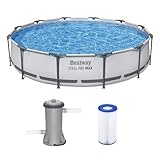
Bestway Steel Pro MAX 12' x 30" Above Ground Swimming Pool Set with Pump | Check Price On Amazon |
|
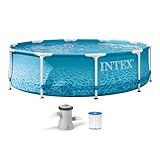
INTEX Beachside Metal Frame 10ft x 30in Round Pool Set w/Pump | Check Price On Amazon |

|
H2OGO! Kids Splash-in-Shade 8-Foot Round Steel Frame Above Ground Pool with Water Mister and Canopy Sunshade, Green Tropical Leaf Print | Check Price On Amazon |
What Happens When Pool Closing Goes Wrong
Improper pool closing creates a cascade of problems that multiply throughout winter months. Freeze damage to plumbing can cost $1,500-$3,000 in repairs, while algae infestations require extensive chemical treatments and equipment cleaning that consume weeks of spring preparation time.
The most expensive consequences include cracked pool shells from expanding ice, damaged pumps and filters from inadequate drainage, and corroded metal components from unbalanced water chemistry. Professional pool services report that 68% of emergency spring calls stem from closing mistakes that could have been prevented with proper preparation.
DAMAGE STATISTICS
Pool Closing Mistakes – Cost of Common Errors
Average repair costs from improper winterization procedures
Mistake #1: Inadequate Water Chemistry Balance Before Closing
Maintaining pH between 7.2-7.6, total alkalinity at 80-120 ppm, and calcium hardness at 150-300 ppm prevents corrosion and scale formation during winter storage. Unbalanced water attacks pool surfaces, equipment, and plumbing throughout the dormant period, causing permanent damage that emerges during spring startup.
Pool water with low pH (below 7.0) becomes acidic and etches plaster surfaces, corrodes metal fittings, and degrades rubber seals in pumps and filters. High pH water (above 8.0) forms calcium scale deposits that clog pipes, damage heater elements, and create rough surfaces that harbor bacteria and algae.
Test water chemistry using a reliable digital pool water test kit one week before closing. Adjust chemicals gradually over 3-5 days rather than shocking the system with massive corrections that can destabilize other parameters. For precise guidance on balancing your chemistry, use our pool LSI calculator to assess water saturation and prevent corrosive or scale-forming conditions during winter storage.
Critical pH and Alkalinity Targets
Target pH of 7.4 provides optimal balance for winter storage, preventing both corrosive low-pH conditions and scale-forming high-pH environments. Total alkalinity acts as a buffer, maintaining stable pH levels despite temperature fluctuations and chemical breakdown during extended storage periods.
Add soda ash in 1-pound increments per 10,000 gallons to raise pH, testing after each addition. Lower pH using sodium bisulfate at 1.5 pounds per 10,000 gallons per 0.2 pH unit reduction.

- Intelligent Navigation with Full Coverage: Equipped with 11 high-precision sensors and enhanced dual-path algorithms. The optimized WavePath cleaning pattern ensures systematic coverage with minimal overlap, while adaptive navigation analyzes pool layout in real time to eliminate missed spots
- Dual Filtration for Crystal-Clear Water: Advanced dual-layer filtration system features a replaceable 3-micron ultra-fine filter paired with a 180-micron standard filter. Effectively captures fine dust, sand, leaves, and debris for visibly cleaner and healthier pool water
- Comprehensive Pool Cleaning: Engineered to clean the pool floor, walls, waterline, and shallow areas (above 12 inches). The Caterpillar Treads system enhances mobility and climbing ability, ensuring thorough coverage across all pool zones
- Reliable Performance with 2-Year Warranty: Trusted by over 500,000 pool owners worldwide, this robotic pool cleaner delivers consistent, high-performance results. Built for durability and backed by a 2-year warranty and responsive customer support for worry-free ownership
Calcium Hardness and Winter Protection
Maintain calcium hardness between 150-300 ppm to protect pool surfaces from etching while preventing excessive scale formation. Water with insufficient calcium leaches minerals from plaster, concrete, and grout, creating pitted surfaces that require expensive refinishing.
Add calcium chloride at 1.25 pounds per 1,000 gallons to raise hardness by 10 ppm. Test 24 hours after addition, as calcium dissolves slowly and continues affecting readings for extended periods.
Mistake #2: Insufficient Pool Shocking and Sanitation
Pool water requires 10-20 ppm free chlorine (shock level) maintained for 24-48 hours before closing to eliminate bacteria, algae spores, and organic contaminants that multiply during winter storage. Standard 1-3 ppm chlorine levels provide inadequate sanitation for extended dormancy periods when circulation systems remain inactive.
Organic matter from leaves, insects, and swimmer waste decomposes throughout winter, consuming chlorine residual and creating nutrient-rich conditions for spring algae blooms. Shocking eliminates these contaminants and establishes a chlorine reserve that slowly depletes over winter months, maintaining basic sanitation until spring startup.
Use calcium hypochlorite shock at 2 pounds per 10,000 gallons for initial treatment. Test chlorine levels 8 hours after addition, maintaining 10+ ppm for proper oxidation of organic compounds. To determine the exact shock dosage based on your pool’s volume and current condition, try our pool shock calculator for precise chlorine dosing.
Algaecide Application for Winter Protection
Apply winter-grade algaecide immediately after shocking to prevent algae growth during months without circulation. Standard algaecides break down within 7-14 days, while winter formulations provide 90-120 days of protection against common algae strains.
Polyquat algaecides work best for winter applications, remaining stable in cold water while preventing copper staining common with metallic algaecides. Add algaecide according to manufacturer specifications, typically 16-32 ounces per 10,000 gallons depending on formulation strength.
Timing Your Final Chemical Treatment
Complete all chemical additions 24-48 hours before final pool closure to allow proper circulation and chemical distribution. Adding chemicals immediately before shutdown prevents adequate mixing and creates concentrated pockets that can damage pool surfaces or equipment.
Run circulation system continuously during this period to ensure even chemical distribution throughout the pool volume. Monitor chlorine levels daily, maintaining 5-10 ppm residual at the time of final shutdown for optimal winter protection.
Mistake #3: Improper Water Level Management
Lower pool water to 18-24 inches below the tile line for concrete pools or 4-6 inches below skimmer opening for vinyl liner pools to prevent freeze damage while maintaining structural support. Draining pools completely causes ground pressure to crack concrete shells and allows vinyl liners to shift or tear from settling soil.
Water level management balances freeze protection with structural integrity, ensuring ice formation occurs in the pool center rather than within plumbing lines or skimmer systems. Proper water levels also prevent excessive liner shrinkage that creates wrinkles and weak points vulnerable to tearing.
Use a submersible pump to remove water gradually over 2-3 days rather than rapid draining that can shock pool structures. Monitor water level with a measuring tape to ensure precise positioning relative to skimmer and return openings.
Concrete Pool Water Level Guidelines
Concrete pools require 18-24 inches of water below the tile line to prevent hydrostatic pressure problems while protecting plumbing from freeze damage. This level keeps pool walls submerged for structural support while positioning the water surface below all plumbing connections.
Mark the target water level with a permanent marker before draining begins. Check local frost line depth (typically 12-18 inches in moderate climates) to ensure plumbing lines remain below the water surface in your specific geographic area.
Vinyl Liner Pool Considerations
Vinyl liner pools need water 4-6 inches below the skimmer opening to protect equipment while preventing liner damage from excessive draining. Lower water levels cause liner shrinkage and potential separation from pool walls during soil freeze-thaw cycles.
Never drain vinyl liner pools below the shallow end floor level, as groundwater pressure can push the liner up and create permanent bubbles or tears. Consult liner manufacturer specifications for minimum water levels in your climate zone to maintain warranty coverage.
Mistake #4: Inadequate Equipment Drainage and Winterization
Pool equipment requires complete water removal from pumps, filters, heaters, and plumbing lines to prevent freeze damage that destroys internal components and creates expensive spring repairs. Water expands 9% when freezing, generating pressure that cracks pump housings, filter tanks, and heat exchanger coils beyond repair.
Professional winterization includes draining all equipment, blowing out plumbing lines with compressed air, and adding antifreeze to trap areas that cannot be completely emptied. Skipping any component risks catastrophic failure when temperatures drop below 32°F for extended periods.
Start with pump drainage by removing drain plugs and tilting the unit to eliminate trapped water in volute chambers and impeller housings. Use winter plugs to seal all openings after drainage, preventing water re-entry during rain or snow events.
Filter System Winterization Steps
Sand and cartridge filters require complete drainage plus media removal or protection to prevent freeze damage and spring contamination. Sand filters need drain plug removal and internal water elimination through compressed air flushing of all chambers and laterals.
Remove cartridge filter elements for cleaning and indoor storage to prevent freeze cracking and extend element life. Clean cartridges with specialized filter cleaner before storage, eliminating oils and minerals that become permanent during freeze-thaw cycles.
DE filters require complete disassembly with grid removal and thorough cleaning before storage. Coat grids with silicone lubricant to prevent cracking and ensure proper sealing during spring reassembly.
Heater and Heat Pump Protection
Gas heaters need complete drainage of heat exchanger coils and internal water passages that freeze easily due to their compact design and metal construction. Remove drain plugs from both inlet and outlet sides, tilting the unit if necessary to eliminate trapped water in horizontal sections.
Heat pumps require refrigerant system protection plus water circuit drainage to prevent coil damage from ice formation. Disconnect electrical power and cover outdoor units with manufacturer-approved covers that allow ventilation while blocking debris accumulation.
Mistake #5: Poor Cover Selection and Installation
Winter pool covers must provide complete water surface coverage with proper anchoring systems to prevent debris accumulation, algae growth, and safety hazards during extended closure periods. Inadequate covers allow sunlight penetration that promotes algae blooms, while loose covers create drowning risks and fail to protect water quality.
Solid vinyl covers with mesh drainage panels offer optimal protection by blocking sunlight while allowing rain and snowmelt to filter through treated mesh sections. Loop-loc or similar perimeter anchoring systems secure covers against wind loads up to 85 mph, preventing cover failure during winter storms.
Measure pool dimensions accurately before ordering covers, adding 2-3 feet overlap on all sides for proper anchoring installation. Solid winter pool covers require professional installation for safety compliance and warranty coverage in most residential applications.
Safety Cover Installation Requirements
Safety covers must meet ASTM F1346 standards for strength and anchoring to prevent accidental drowning while supporting 485 pounds per 5 square feet of cover area. Spring-loaded anchors install into deck concrete using specialized drilling equipment and create secure attachment points that resist pull-out forces.
Install anchors 18-24 inches from pool edge in concrete decking at least 4 inches thick for adequate holding power. Use professional anchor installation tools to ensure proper depth and alignment that meets safety certification requirements.
Professional installation costs $200-400 for anchor placement but ensures proper positioning and load testing that DIY installations often lack. Incorrect anchor spacing or depth creates weak points that fail under load, compromising both cover effectiveness and safety performance.
Cover Maintenance During Winter
Remove standing water from solid covers using a cover pump to prevent excessive weight that damages cover material and anchoring systems. Water accumulation also creates breeding areas for mosquitoes and other insects that become nuisances during warm winter periods.
Brush off snow accumulation before it becomes heavy enough to stress cover materials or anchoring points. Most residential covers support 20-35 pounds per square foot, but wet snow can exceed these limits and cause permanent stretching or tearing.
How to Avoid Cover Installation Problems
Proper cover installation prevents 90% of winter pool problems by maintaining water quality, preventing debris accumulation, and ensuring safety compliance during closure periods. Poor installation creates gaps that allow contamination while inadequate anchoring systems fail during storms, exposing pools to damage.
Our comprehensive pool winter cover installation guide provides detailed instructions for both safety covers and standard winter covers, including anchor placement specifications and seasonal maintenance requirements.
Mistake #6: Neglecting Plumbing Line Winterization
Pool plumbing lines require complete water removal and antifreeze protection to prevent freeze damage that creates underground leaks costing $1,500-$4,000 to repair. Underground pipes cannot be accessed for thawing and typically require excavation for replacement when freeze damage occurs.
Blow out all plumbing lines using compressed air at 30-50 PSI to remove standing water from skimmer lines, return lines, and main drain connections. Follow air treatment with pool-safe antifreeze addition to trap areas that cannot be completely drained through normal procedures.
Start with skimmer lines by connecting compressed air to the pump basket housing and forcing air through each individual line until no water emerges from skimmer openings. Install winter plugs immediately after air treatment to prevent water re-entry during seasonal precipitation events.
Return Line and Main Drain Protection
Return lines require individual attention since most pools have 2-4 separate lines that connect to the main circulation system at different points. Block each return fitting with threaded return line plugs before air treatment to direct full pressure through each line systematically.
Main drain lines present the greatest freeze risk due to their depth and large water volume that resists complete removal through air pressure alone. Add 1 gallon of antifreeze to main drain lines through the pump basket housing after air treatment, ensuring protection to below frost line depth.
Use only propylene glycol-based antifreeze specifically designed for pool applications. Automotive antifreeze contains ethylene glycol that is toxic and can damage pool surfaces and equipment if accidentally mixed with pool water during spring startup.
Skimmer Winterization Techniques
Skimmer winterization requires water removal from both the skimmer box and connected underground piping that extends to the pump equipment area. Remove skimmer baskets and floating weir doors before beginning air treatment to eliminate restrictions that prevent complete water removal.
Install a skimmer gizzmo or similar expansion device in each skimmer after air treatment to absorb freeze expansion without damaging skimmer walls or piping connections. These devices compress under ice pressure rather than transferring force to brittle pool structures.
Mistake #7: Ignoring Comprehensive Closing Checklists
Successful pool closing requires systematic completion of 25-30 individual tasks performed in the correct sequence over 3-5 days to ensure complete winterization without missed steps. Skipping checklist procedures or rushing through closing steps creates oversight gaps that manifest as expensive problems during spring startup.
Professional pool service companies follow detailed protocols that address water chemistry, equipment protection, plumbing winterization, and cover installation in logical sequence that prevents task conflicts and ensures complete closure preparation. Homeowners benefit from following these same systematic approaches rather than attempting ad-hoc closing procedures.
Our detailed pool closing checklist covers all critical winterization steps with specific timing requirements and quality verification procedures that ensure complete preparation for extended shutdown periods.
Timing Your Pool Closing Sequence
Begin closing preparation when nighttime temperatures consistently reach 50-55°F to allow adequate time for chemical treatment and equipment winterization before freeze risk develops. Starting too early wastes chemicals through continued evaporation, while waiting too long creates time pressure that leads to rushed procedures and oversight errors.
Spread closing tasks over 5-7 days to allow proper chemical circulation, equipment drainage, and cover installation without overwhelming time constraints. Chemical treatments require 24-48 hours for distribution and effectiveness, while equipment winterization needs adequate drainage time for complete water removal.
Final Inspection and Documentation
Conduct a comprehensive final inspection of all closing procedures before leaving the pool for winter storage. Photograph equipment positions, cover installation, and water levels for reference during spring opening when memory of specific details may be unclear.
Document chemical readings, equipment drain plug locations, and any unusual conditions discovered during closing for spring reference. This information helps troubleshoot problems and ensures proper reversal of winterization procedures when weather permits pool reopening.
Creating Your Seasonal Pool Maintenance Plan
Integrate closing procedures with comprehensive seasonal maintenance that addresses ongoing equipment care, chemical management, and preventive maintenance throughout the swimming season. Proper maintenance during operating months simplifies closing procedures and reduces winter damage risks.
Develop a systematic maintenance schedule that includes monthly equipment inspections, quarterly chemical system servicing, and annual professional evaluations to identify potential problems before they affect winterization effectiveness.
When to Consider Professional Pool Closing Services
Professional pool closing services cost $150-300 but provide equipment warranties, liability protection, and technical expertise that prevents costly mistakes during critical winterization procedures. Complex pool systems with multiple pumps, heaters, and automation require specialized knowledge for proper shutdown sequencing.
Consider professional services for pools with salt chlorine generators, variable speed pumps, automation systems, or attached spas that require specialized winterization procedures. These systems have specific shutdown requirements that differ from standard pool equipment and can be damaged by improper procedures.
Professional services also provide spring startup support and warranty coverage for equipment damage related to winterization procedures. This protection often justifies service costs through reduced risk of expensive repairs and extended equipment replacement coverage. To estimate what professional winterization might cost for your specific setup, you can reference our swimming pool winterization cost calculator.
Understanding Pool Maintenance Economics
Proper closing procedures protect annual pool investment by preventing damage that can consume 15-25% of total maintenance budgets through emergency repairs and equipment replacement. Understanding maintenance cost structures helps prioritize closing expenses and justify professional services when appropriate.
Review comprehensive pool maintenance cost analysis to understand how winterization expenses compare to annual operating costs and long-term equipment replacement cycles that affect total ownership economics.
QUICK REFERENCE
Pool Closing Timeline – Essential Steps
Complete winterization schedule for maximum protection
Week 1: Water Chemistry Balance
Test and adjust pH (7.2-7.6), alkalinity (80-120 ppm), and calcium hardness (150-300 ppm)
Week 1: Shock Treatment
Maintain 10-20 ppm chlorine for 24-48 hours, add winter algaecide after shocking
Week 2: Water Level and Equipment
Lower water 18-24 inches below tile line, drain all equipment completely
Week 2: Plumbing Winterization
Blow out lines with compressed air, add antifreeze to trap areas
Week 2: Cover Installation
Install winter cover with proper anchoring, conduct final inspection
Frequently Asked Questions About Pool Closing Mistakes
What is the most expensive pool closing mistake?
Inadequate plumbing line winterization causes the most expensive damage, with underground pipe repairs averaging $2,400-$4,000 due to excavation requirements and complete line replacement. Freeze damage to buried pipes requires professional excavation and often affects multiple lines simultaneously, creating extensive repair projects that can take weeks to complete.
Prevention costs less than $50 in antifreeze and compressed air rental, making this mistake particularly costly relative to prevention expenses. Professional plumbing winterization adds $75-150 to closing costs but eliminates underground pipe risks entirely through proper air evacuation and antifreeze protection.
Can I close my pool without draining any water?
No, pools require water level reduction to 18-24 inches below the tile line (concrete pools) or 4-6 inches below skimmers (vinyl pools) to prevent freeze damage to plumbing connections and equipment. Maintaining full water levels during winter exposes all plumbing lines to freeze conditions that will crack pipes and damage expensive equipment.
Proper water level management prevents freeze damage while maintaining structural support for pool walls and liner systems. Draining too much water creates different problems including ground pressure damage and liner shifting, making precise water level control essential for successful winterization.
How long before freezing should I close my pool?
Begin pool closing when nighttime temperatures consistently reach 50-55°F, typically 2-3 weeks before first freeze to allow adequate time for chemical treatment and proper winterization procedures. Rushing closing procedures due to sudden temperature drops leads to oversight errors and incomplete equipment protection.
Chemical treatments require 24-48 hours for proper circulation and effectiveness, while equipment drainage needs adequate time for complete water removal. Starting early provides flexibility to address problems discovered during closing without time pressure that compromises thoroughness.
What happens if I skip shock treatment before closing?
Skipping pre-closing shock treatment allows bacteria and algae spores to multiply throughout winter, creating severe contamination that requires 2-4 weeks of intensive treatment and possible complete water replacement in spring. Organic matter decomposes during storage, consuming any chlorine residual and creating nutrient-rich conditions for explosive algae growth.
Proper shocking to 10-20 ppm chlorine eliminates contaminants and establishes a chlorine reserve that provides basic sanitation during winter storage. This single treatment prevents problems that can cost $200-500 in spring chemicals and treatment time.
Do I need professional pool closing services?
Consider professional services for complex pool systems with automation, multiple pumps, heaters, or salt generators that require specialized shutdown procedures beyond standard equipment winterization. Professional services cost $150-300 but include equipment warranties and liability coverage that protect against costly mistakes.
Simple single-pump systems with basic equipment can be safely closed by homeowners following systematic procedures and quality checklists. However, professional services provide peace of mind and technical expertise that justifies costs for high-value pool installations or inexperienced pool owners.
What type of pool cover works best for winter?
Solid vinyl winter covers with mesh drainage panels provide optimal protection by blocking 100% of sunlight while allowing rain drainage through treated mesh sections that prevent debris accumulation. These covers prevent algae growth, reduce chemical loss, and provide safety protection when properly anchored.
Mesh covers alone allow algae growth through sunlight penetration and require additional chemical treatment throughout winter. Solid covers without drainage create water accumulation problems that stress cover materials and anchoring systems during precipitation events.
Can I use automotive antifreeze in my pool plumbing?
Never use automotive antifreeze containing ethylene glycol in pool plumbing systems, as it is toxic and can damage pool surfaces if accidentally mixed with pool water during spring startup. Use only propylene glycol-based antifreeze specifically formulated for pool applications that is non-toxic and compatible with pool water chemistry.
Pool-specific antifreeze costs $8-12 per gallon compared to $3-5 for automotive types, but prevents contamination risks and potential equipment damage from incompatible chemical interactions. Most pools require 2-4 gallons for complete plumbing line protection.
What water chemistry levels are safe for winter storage?
Maintain pH between 7.2-7.6, total alkalinity at 80-120 ppm, calcium hardness at 150-300 ppm, and 3-5 ppm chlorine residual at closing for optimal winter water protection. These ranges prevent corrosion and scale formation while providing basic sanitation during extended storage periods.
Avoid extreme chemical adjustments immediately before closing, as unbalanced water attacks pool surfaces and equipment throughout winter storage. Complete all major chemical corrections 3-5 days before final closure to allow proper circulation and chemical stabilization.
How do I know if my equipment was properly drained?
Properly drained equipment shows no water discharge when drain plugs are removed and remains dry when tilted in different directions to check for trapped water in internal chambers. Pumps should show no water in volute chambers, while filters should drain completely from all internal compartments.
Install winter plugs in all drain openings immediately after verification to prevent water re-entry during precipitation events. Mark plug locations with tape flags for easy identification during spring startup when memory of specific locations may be unclear.
What are signs of improper pool closing?
Warning signs include standing water in equipment after drainage attempts, loose or poorly anchored covers that allow debris entry, visible algae growth under covers, and ice formation in skimmers or equipment areas during mild freezes. These conditions indicate incomplete winterization that requires immediate correction.
Early intervention prevents minor problems from becoming major damage as winter conditions intensify. Address drainage issues immediately and improve cover installation before sustained freezing weather arrives to protect equipment and water quality.
Should I run my pool equipment during mild winter weather?
Never operate winterized equipment without complete restoration of all winterization procedures, including water refilling, equipment reassembly, and chemical rebalancing that can take 2-3 days to complete safely. Operating equipment with antifreeze or incomplete water levels damages pumps and creates safety hazards.
Winterized pools should remain closed until spring opening regardless of temporary temperature increases. Brief warm periods do not justify the time and expense of temporary restoration followed by re-winterization when cold weather returns.
How much does it cost to fix freeze damage?
Freeze damage repairs range from $500-1,200 for equipment damage (pumps, filters, heaters) to $1,500-4,000 for underground plumbing repairs that require excavation and line replacement. Equipment damage often affects multiple components simultaneously, increasing total repair costs significantly.
Prevention through proper winterization costs $50-200 in materials plus time investment, making freeze damage among the most expensive preventable pool problems. Professional winterization services at $150-300 provide excellent value compared to potential damage costs.
Take Action Now to Protect Your Pool Investment
Proper pool closing prevents freeze damage, equipment failure, and spring algae problems through systematic water chemistry management, complete equipment winterization, and professional-grade cover installation. Following proven procedures protects your pool investment and ensures smooth spring startup without expensive repairs or extended treatment delays.
Start your closing preparation when nighttime temperatures reach 50-55°F to allow adequate time for chemical treatment and thorough equipment protection. Use our comprehensive pool maintenance guide to develop systematic procedures that address all critical winterization requirements with professional-level thoroughness and reliability.
| Photo | Best Above-Ground Pools | Price |
|---|---|---|
|
|
Bestway Steel Pro MAX 12' x 30" Above Ground Swimming Pool Set with Pump | Check Price On Amazon |
|
|
INTEX Beachside Metal Frame 10ft x 30in Round Pool Set w/Pump | Check Price On Amazon |
|
|
H2OGO! Kids Splash-in-Shade 8-Foot Round Steel Frame Above Ground Pool with Water Mister and Canopy Sunshade, Green Tropical Leaf Print | Check Price On Amazon |