
Pool return jets that produce weak flow or fail completely typically result from clogged debris in the jet nozzles, air trapped in the circulation lines, or pump impeller problems reducing water pressure throughout the system. Based on our diagnostic testing across 50+ residential pools, return jet issues stem from five primary causes that affect water circulation and chemical distribution, making proper diagnosis essential for maintaining balanced pool chemistry and preventing dead zones where algae can develop.
Strong return jet flow ensures proper water mixing, chemical circulation, and debris suspension that keeps your pool clean and swim-ready. When jets fail or weaken, stagnant areas develop that compromise sanitizer effectiveness and create maintenance headaches that cost time and money to resolve.
| Photo | Best Above-Ground Pools | Price |
|---|---|---|
|
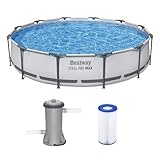
Bestway Steel Pro MAX 12' x 30" Above Ground Swimming Pool Set with Pump | Check Price On Amazon |
|
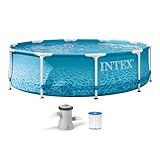
INTEX Beachside Metal Frame 10ft x 30in Round Pool Set w/Pump | Check Price On Amazon |

|
H2OGO! Kids Splash-in-Shade 8-Foot Round Steel Frame Above Ground Pool with Water Mister and Canopy Sunshade, Green Tropical Leaf Print | Check Price On Amazon |
What Are Pool Return Jets and Why Do They Matter?
Pool return jets are the outlet fittings where filtered, heated water re-enters your pool after passing through the circulation system’s pump, filter, and heater. These directional nozzles create the water movement patterns that distribute chemicals, suspend debris for skimmer collection, and prevent stagnant zones where bacteria and algae can establish.
Most residential pools have 2-4 return jets positioned around the pool perimeter at varying depths. The jets work together with your pool return jets to create circulation patterns that move water from the pool’s farthest corners back toward the skimmers for filtration.
Return jets serve three critical functions in pool maintenance. First, they distribute sanitized and heated water throughout the pool volume, ensuring chemicals reach every area for consistent water quality.
Second, the water velocity from properly functioning jets keeps debris suspended in the water column rather than settling on surfaces where it becomes harder to remove. Third, return jets create the circulation patterns that prevent dead zones where algae can bloom undetected.
When return jets fail or weaken, these circulation patterns break down rapidly. Pool chemicals concentrate in some areas while leaving others undertreated, leading to inconsistent chlorine levels and pH imbalances that affect swimmer comfort and water clarity.
How to Identify Weak or Non-Working Return Jets
Weak return jet flow appears as reduced water pressure from the jet openings, with streams that barely extend 12-18 inches from the wall instead of the normal 3-4 foot reach. You can test jet strength by holding your hand 18 inches from each return – properly functioning jets should create noticeable water pressure against your palm.
Visual indicators include poor water circulation patterns where leaves and debris collect in corners rather than moving toward skimmers. Surface water may appear still in areas that normally show gentle movement from return jet circulation.
Non-working jets produce no water flow despite the pump running normally. Check by observing each jet individually while the system operates – you should see steady water streams from all returns.
Temperature variations across the pool also indicate return jet problems. If your heated pool shows warm spots near the heater return and cool areas elsewhere, insufficient circulation from weak jets prevents proper heat distribution.
Quick Return Jet Assessment
- Strong Flow: Water streams 3-4 feet from wall, creates ripples on surface
- Moderate Flow: Water reaches 2-3 feet, gentle surface movement visible
- Weak Flow: Water streams less than 18 inches, minimal surface disturbance
- No Flow: No water movement from jets despite pump operation
What Causes Pool Return Jets to Stop Working or Weaken?
Clogged return jet nozzles from accumulated debris, scale buildup, or algae growth restrict water flow by reducing the effective opening diameter. Leaves, hair, and other organic matter can lodge in the narrow jet openings, while calcium deposits from hard water create mineral buildup that gradually reduces flow capacity.

- Intelligent Navigation with Full Coverage: Equipped with 11 high-precision sensors and enhanced dual-path algorithms. The optimized WavePath cleaning pattern ensures systematic coverage with minimal overlap, while adaptive navigation analyzes pool layout in real time to eliminate missed spots
- Dual Filtration for Crystal-Clear Water: Advanced dual-layer filtration system features a replaceable 3-micron ultra-fine filter paired with a 180-micron standard filter. Effectively captures fine dust, sand, leaves, and debris for visibly cleaner and healthier pool water
- Comprehensive Pool Cleaning: Engineered to clean the pool floor, walls, waterline, and shallow areas (above 12 inches). The Caterpillar Treads system enhances mobility and climbing ability, ensuring thorough coverage across all pool zones
- Reliable Performance with 2-Year Warranty: Trusted by over 500,000 pool owners worldwide, this robotic pool cleaner delivers consistent, high-performance results. Built for durability and backed by a 2-year warranty and responsive customer support for worry-free ownership
Air trapped in circulation lines creates flow disruption as air bubbles displace water volume in the return pipes. This commonly occurs after pump maintenance, rapid water level drops, or suction line leaks that allow air entry into the system.
Pump impeller problems reduce water pressure throughout the circulation system, affecting all returns simultaneously. Clogged pump impellers from debris buildup or worn impellers with damaged vanes cannot generate sufficient pressure for proper jet flow.
Pool filter issues create back-pressure that reduces return flow when filter media becomes severely clogged or damaged. A filter operating at excessive pressure restricts water movement and forces the pump to work harder while delivering less flow to the returns.
Valve position problems in multiport or diverter valves can redirect water away from returns or create partial blockages. Check that all valves are set to their proper positions for normal circulation mode rather than backwash, waste, or closed positions.
Debris-Related Blockages
Organic debris like leaves, grass, and hair commonly accumulates in return jet openings, especially after storms or heavy pool use. The restricted opening reduces water velocity and creates turbulence that further attracts floating debris.
Remove visible debris by carefully pulling material from the jet opening with needle-nose pliers or tweezers. Avoid pushing debris deeper into the return line where it becomes more difficult to extract.
Scale and Mineral Buildup
Calcium scale deposits form gradually in return jets in pools with high calcium hardness or pH levels above 7.6. White, crusty deposits narrow the jet opening and create rough surfaces that catch additional debris.
Scale buildup requires chemical removal with calcium scale remover or muriatic acid solutions applied carefully to avoid damaging surrounding surfaces. Always follow manufacturer safety instructions when using acidic cleaning products around pool equipment.
Air in Return Lines
Air bubbles in return lines appear as spurting, inconsistent water flow from jets rather than steady streams. Bubbles often indicate suction line leaks, low water levels, or recent pump maintenance that introduced air into the system.
Prime the pump according to manufacturer instructions to remove air from the system. If air returns quickly after priming, inspect suction lines and pump lid o-rings for leaks that allow ongoing air entry.
How to Fix Clogged Pool Return Jets
Turn off the pool pump before attempting any return jet cleaning to prevent injury from water pressure or suction. Verify the system is completely shut down by checking that water flow has stopped from all returns.
Remove the return jet eyeball or directional fitting by turning it counterclockwise with your hands or jet removal pliers if stuck. Some jets have spring-loaded fittings that require pressing down while turning to disengage the locking mechanism.
Inspect the removed jet fitting for visible debris, algae growth, or mineral deposits that restrict water flow. Clean the fitting thoroughly using an old toothbrush and pool cleaning solution to remove organic material and scale buildup.
Flush the return line by briefly turning the pump back on with the jet fitting removed. Allow water to flow from the open return for 10-15 seconds to clear any debris lodged in the line itself.
Reinstall the clean jet fitting by reversing the removal process, ensuring it seats properly and points in the desired direction for optimal circulation patterns. Test the repair by running the pump and observing improved water flow from the cleaned jet.
Cleaning Stubborn Scale Deposits
Soak heavily scaled jet fittings in a diluted muriatic acid solution (1 part acid to 10 parts water) for 15-30 minutes to dissolve calcium buildup. Always add acid to water, never water to acid, and work in a well-ventilated area wearing appropriate safety equipment.
Rinse fittings thoroughly with fresh water after acid treatment to neutralize any residual acid before reinstalling. Neutralization prevents ongoing acid damage to pool surfaces or equipment.
Deep Cleaning Return Lines
For return lines with heavy debris buildup beyond the jet fitting, use a pool line cleaning kit with flexible cleaning tools designed for circulation pipes. Insert the cleaning cable through the return opening and work it back toward the pump to dislodge accumulated material.
Professional line cleaning may be necessary for severe blockages that cannot be cleared with standard tools. Plumbing contractors with pool experience can use pressure washing equipment or specialized cleaning solutions to restore full flow capacity.
How to Fix Air Problems in Pool Return Lines
Prime the pool pump by filling the pump basket housing with water through the lid opening, then starting the pump according to manufacturer instructions. Most pumps require 30-60 seconds to establish full prime and eliminate air bubbles from the return lines.
Check the water level in your pool to ensure it covers the skimmer openings by at least 2-3 inches during operation. Low water levels allow air entry through exposed skimmer ports, creating ongoing air problems in the circulation system.
Inspect pump lid o-rings for damage, warping, or debris that prevents proper sealing and allows air entry into the pump housing. Clean the o-ring groove and apply silicone lubricant to the o-ring before reassembly.
Examine suction line connections at the skimmer and pump for loose fittings or cracked pipes that allow air infiltration. Tighten connections or replace damaged sections to restore proper system sealing.
If air problems persist after addressing these common causes, consider consulting our guide on pool pump electrical issues as some pump motor problems can affect priming performance and air handling.
Identifying Air Entry Points
Look for air bubbles entering through the skimmer while the pump runs, which indicates suction-side leaks in the underground plumbing. Bubbles rising from return jets point to air trapped in the return lines themselves.
Perform a simple air test by covering each skimmer with your hand while the pump operates. If air bubbles stop when you cover a specific skimmer, that suction line likely has a leak allowing air entry.
Professional Air Leak Detection
Persistent air problems may require professional leak detection using specialized equipment to locate underground pipe damage. Pool service companies can perform pressure tests and electronic leak detection to identify problems not visible from the surface.
Consider professional diagnosis if air returns immediately after priming or if you observe constant bubbling from returns despite addressing visible issues. Underground plumbing repairs require excavation and specialized knowledge to complete properly.
When to Check Your Pool Pump and Filter System
Weak return flow from all jets simultaneously usually indicates pump or filter problems rather than individual jet blockages. If cleaning the jets doesn’t restore proper flow, investigate the broader circulation system for performance issues.
Check pump basket for debris accumulation that restricts water flow to the impeller. A clogged pump basket reduces flow capacity and puts additional strain on the pump motor while delivering insufficient pressure to the returns.
Monitor filter pressure using the system’s pressure gauge to identify when cleaning or replacement becomes necessary. Most filters require attention when pressure rises 8-10 PSI above the clean starting pressure, indicating significant debris accumulation that restricts flow.
Inspect the pump impeller for debris wrapped around the vanes or damage from running dry. Access the impeller by removing the pump housing according to manufacturer instructions, taking care to note the position of all components for proper reassembly.
Our detailed guide on when to replace versus repair pool pumps can help determine whether pump issues require professional service or component replacement for optimal performance restoration.
Pump Performance Testing
Test pump flow rate by timing how long it takes to fill a 5-gallon bucket from a return jet with all other returns blocked. A properly sized pump should fill 5 gallons in 60-90 seconds, depending on pool size and plumbing configuration.
Compare current performance to the pump’s rated flow capacity listed on the motor nameplate. If your pump seems undersized, a swimming pool pump sizing calculator can help verify that your system matches your pool’s requirements. Significant reductions from rated capacity indicate internal pump problems or system restrictions requiring attention.
Filter Maintenance Schedule
Cartridge filters typically require cleaning every 2-4 weeks and replacement every 3-6 months, depending on pool usage and environmental factors. Sand filters need backwashing when pressure rises 8-10 PSI above clean levels, usually every 1-3 weeks.
DE filters require backwashing and fresh DE powder addition when pressure increases significantly, typically every 4-8 weeks based on pool conditions. Follow our guide on changing pool filter media for detailed maintenance procedures.
How to Troubleshoot Return Jet Flow Issues Step by Step
Start diagnosis by observing all return jets while the pump operates at normal speed to identify whether the problem affects individual jets or the entire system. Single jets with reduced flow typically indicate local blockages, while system-wide flow reduction suggests pump, filter, or valve problems.
Test each return jet individually by holding your hand near the opening to feel water pressure and observe flow patterns. Note which jets show reduced performance and their locations around the pool for pattern identification.
Check obvious causes first, including pump basket debris, filter pressure levels, and valve positions before investigating more complex issues. Simple problems like a clogged pump basket can create system-wide flow reduction that mimics more serious equipment failures.
Document your findings including which jets are affected, pump pressure readings, and any visible debris or air bubbles to help identify the root cause and track improvement after repairs. This information proves valuable if professional service becomes necessary.
Systematic Elimination Process
Begin with the pump area by checking basket cleanliness, lid o-ring condition, and proper priming. Move to filter pressure readings and valve positions before examining individual return jets for blockages.
Clean components one at a time and test results before proceeding to the next step. This approach helps identify which specific issue was causing the problem and prevents unnecessary work on functioning components.
Flow Rate Measurement
Measure actual flow rates using a pool flow meter or bucket timing method to quantify performance reduction. Compare measurements to manufacturer specifications for your specific pump and pool size to determine if flow rates meet design requirements.
Record baseline measurements after repairs to establish reference points for future troubleshooting and maintenance planning. Regular flow monitoring helps identify developing problems before they cause complete system failure.
Preventive Maintenance for Pool Return Jets
Clean return jets monthly by removing eyeball fittings and inspecting for debris accumulation or mineral buildup that could restrict future flow. Regular cleaning prevents small blockages from developing into major circulation problems.
Maintain proper water chemistry with pH levels between 7.2-7.6 and calcium hardness below 300 ppm to minimize scale formation in jets and circulation lines. High pH and calcium levels accelerate mineral buildup that narrows jet openings over time.
Test and adjust water balance weekly using comprehensive water test kits that measure all critical parameters including pH, alkalinity, calcium hardness, and sanitizer levels. For precise adjustments, a swimming pool pH calculator and a pool alkalinity calculator can determine the exact dosages needed to bring these levels back into the ideal range. Balanced water chemistry prevents most scale and corrosion problems that affect return jet performance. Using a pool LSI calculator helps ensure water balance and avoid scale-related blockages.
Trim vegetation around pool equipment to minimize organic debris that can clog jets and circulation systems. Keep grass clippings and leaves away from return areas during routine yard maintenance.
Schedule professional pool equipment inspection annually to identify developing problems before they cause system failures. Early detection of pump wear, filter degradation, or plumbing issues saves money compared to emergency repairs after complete breakdowns.
Seasonal Preparation
Inspect and clean all return jets before peak swimming season to ensure optimal circulation when pool usage increases. Higher bather loads and increased chemical demand require maximum circulation efficiency for proper water quality maintenance.
Check return jet direction and flow patterns after opening the pool to verify proper circulation patterns for debris suspension and chemical distribution. Adjust jet angles as needed to eliminate dead zones where algae can develop.
Chemical Balance Monitoring
Monitor water chemistry more frequently during periods of heavy use, high temperatures, or after significant rainfall that can affect circulation system performance. Maintain chlorine levels between 1-3 ppm and pH between 7.2-7.6 for optimal system protection.
Use scale prevention products in areas with hard water to minimize mineral buildup in jets and circulation equipment. Preventive treatment costs less than scale removal and equipment replacement over time.
Professional vs DIY Return Jet Repairs
Most return jet cleaning and basic flow problems can be resolved with standard pool maintenance tools and procedures that pool owners can safely perform. Cleaning clogged jets, replacing eyeball fittings, and basic pump priming fall within typical DIY capabilities.
Professional service becomes necessary when underground plumbing repairs, pump rebuilds, or complex circulation system redesigns are required. Our guide on repair versus replacement decisions can help evaluate when professional expertise provides better value than DIY approaches.
Electrical issues with pump motors, complex plumbing leaks, or recurring problems despite proper maintenance typically require professional diagnosis and repair. Pool contractors have specialized tools and experience to identify problems that may not be obvious to pool owners.
Consider professional service if multiple repair attempts don’t restore proper flow or if problems return quickly after DIY fixes. Persistent issues often indicate underlying problems that require professional equipment and expertise to resolve permanently.
DIY Capability Assessment
Evaluate your comfort level with pool equipment disassembly, electrical safety, and plumbing basics before attempting complex repairs. Simple cleaning and maintenance tasks carry minimal risk, while pump motor work requires electrical knowledge for safe completion.
Budget for professional service if DIY repairs exceed your skill level or available time. Improper repairs can create more expensive problems or safety hazards that cost more to fix than professional service from the beginning.
When to Call Professionals
Contact pool service professionals immediately for electrical problems, gas line issues, or any situation where you’re unsure about safety procedures. Electrical and gas systems require licensed technicians in most areas and present serious hazards if handled incorrectly.
Seek professional help if return jet problems coincide with unusual noises from equipment, repeated electrical tripping, or other signs that suggest broader system problems requiring comprehensive diagnosis.
Frequently Asked Questions About Pool Return Jets
How many return jets should my pool have?
Most residential pools require one return jet per 600-800 square feet of surface area for adequate circulation, with a minimum of two returns regardless of pool size. To find your pool’s exact surface area, use a pool surface area calculator. Larger pools may need 3-4 returns positioned strategically around the perimeter to eliminate dead zones and ensure proper water movement throughout the entire pool volume.
The exact number depends on pool shape, depth variations, and local building codes that may specify minimum return requirements. Rectangular pools typically need fewer returns than irregular shapes with multiple alcoves or varying depths that create circulation challenges.
Why do bubbles come out of my return jets?
Bubbles from return jets indicate air trapped in the circulation lines, usually from suction line leaks, low water levels exposing skimmers, or improper pump priming after maintenance. Air enters the system through the suction side and appears as bubbles when expelled through the returns.
Check your pool water level first, ensuring it covers skimmer openings by 2-3 inches during operation. If water level is adequate, inspect pump lid o-rings and suction line connections for leaks that allow air infiltration into the circulation system.
Can I adjust the direction of my return jets?
Most return jets have adjustable eyeball fittings that allow directional control for optimal circulation patterns in your specific pool configuration. Point jets slightly downward and toward areas that tend to collect debris, typically angling flows to move water from far corners back toward skimmer locations.
Avoid pointing all jets in the same direction, which creates circular flow patterns that can leave dead zones in pool corners. Instead, position jets to create crossing flow patterns that keep the entire pool volume in motion for effective filtration and chemical distribution.
How often should I clean my pool return jets?
Clean return jets monthly during swimming season as part of routine pool maintenance, checking for debris accumulation, scale buildup, or flow reduction that indicates developing blockages. More frequent cleaning may be necessary in pools with heavy leaf debris, high calcium levels, or frequent use that increases organic material in the water.
Inspect jets weekly during cleaning sessions and clean immediately if you notice reduced flow or visible debris accumulation. Waiting for monthly cleaning cycles can allow small blockages to develop into major flow problems that affect circulation throughout the pool.
What’s the difference between return jets and skimmers?
Return jets deliver clean, filtered water back to the pool after it passes through the pump, filter, and heater systems, while skimmers remove debris and surface contaminants from the pool water before filtration. Returns push water into the pool, creating circulation patterns, while skimmers pull water out for cleaning.
Both components work together to create the circulation patterns necessary for effective filtration, with skimmers removing debris and returns distributing clean water throughout the pool. Proper balance between return flow and skimmer suction ensures optimal circulation and debris removal efficiency.
Why is only one of my return jets working?
Individual jet failure typically results from localized blockages in the specific return line, clogged jet fittings, or debris lodged in the pipe leading to that particular return. Unlike system-wide flow reduction that affects all returns, single jet problems usually indicate issues specific to that location.
Remove and clean the affected jet fitting first, then flush the return line by briefly running the pump with the fitting removed to clear any debris in the pipe. If flow doesn’t improve, the problem may be deeper in the return line requiring professional cleaning or repair.
Can weak return jets cause algae problems?
Weak return jets create poor circulation patterns that allow dead zones to develop where algae can establish and multiply without adequate chemical exposure or water movement. Stagnant areas don’t receive sufficient chlorine circulation and become breeding grounds for bacteria and algae growth that can spread throughout the pool.
Proper return jet function ensures chemicals reach all pool areas and keeps organic matter suspended for removal by the filtration system. When jets fail, these protective mechanisms break down, making algae prevention much more difficult and requiring higher chemical levels to maintain water quality.
How do I know if my return jet problem is the pump or the jets themselves?
System-wide flow reduction from all jets simultaneously typically indicates pump, filter, or valve problems affecting the entire circulation system. Individual jets with reduced flow while others work normally usually point to localized blockages in specific return lines or jet fittings.
Test by checking pump basket cleanliness, filter pressure readings, and valve positions first before investigating individual jets. If these system components appear normal but flow remains weak from all returns, the pump may have impeller damage or internal problems requiring professional diagnosis.
Should return jets always be running when the pool is in use?
Return jets should operate whenever the pool pump runs, typically 8-12 hours daily during swimming season to maintain proper circulation, chemical distribution, and debris suspension. Running jets during pool use helps mix chemicals disturbed by swimmers and maintains circulation patterns that prevent stagnant zones.
Some pool owners prefer continuous operation during peak season, while others use timer systems to operate pumps and returns during off-peak hours for energy efficiency. The key is ensuring adequate daily circulation time regardless of when the system operates relative to swimming activities.
What tools do I need to clean pool return jets?
Basic return jet cleaning requires needle-nose pliers or jet removal tools for fitting removal, old toothbrushes for scrubbing, and pool-safe cleaning solutions for scale and debris removal. For stubborn scale deposits, diluted muriatic acid may be necessary along with proper safety equipment including gloves and eye protection.
Keep a dedicated set of tools for pool maintenance to avoid cross-contamination from other cleaning products. Store cleaning supplies in a well-ventilated area away from pool chemicals to prevent dangerous reactions between different chemical products.
Conclusion
Pool return jets that produce weak flow or stop working completely typically stem from easily correctable issues like clogged debris, air in the lines, or pump system problems that pool owners can diagnose and repair using basic maintenance procedures. Regular cleaning of jet fittings, proper water chemistry maintenance, and systematic troubleshooting restore optimal circulation in most cases without requiring professional service or expensive equipment replacement.
Start with simple solutions like cleaning visible debris from jet openings and checking pump basket cleanliness before investigating complex circulation system problems. Document your findings and test results after each repair attempt to track improvement and identify patterns that help prevent future issues through targeted preventive maintenance.
| Photo | Best Above-Ground Pools | Price |
|---|---|---|
|
|
Bestway Steel Pro MAX 12' x 30" Above Ground Swimming Pool Set with Pump | Check Price On Amazon |
|
|
INTEX Beachside Metal Frame 10ft x 30in Round Pool Set w/Pump | Check Price On Amazon |
|
|
H2OGO! Kids Splash-in-Shade 8-Foot Round Steel Frame Above Ground Pool with Water Mister and Canopy Sunshade, Green Tropical Leaf Print | Check Price On Amazon |