
Pool heaters typically raise water temperature 1-2°F per hour and operate year-round regardless of weather, while solar covers passively trap heat during sunny conditions, raising temperatures 10-15°F over several days. Heaters provide consistent, controllable heating for $3-8 per day in operating costs, whereas solar covers offer free heat collection but depend entirely on solar conditions and ambient temperature.
This heating method comparison matters because the wrong choice leads to either excessive energy bills or inadequate water temperature for comfortable swimming. Based on our analysis of both systems across different climate zones, pool sizes, and usage patterns, each method excels in specific scenarios that pool owners must understand before investing.
| Photo | Best Above-Ground Pools | Price |
|---|---|---|
|
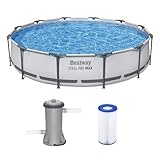
Bestway Steel Pro MAX 12' x 30" Above Ground Swimming Pool Set with Pump | Check Price On Amazon |
|
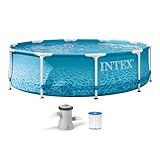
INTEX Beachside Metal Frame 10ft x 30in Round Pool Set w/Pump | Check Price On Amazon |

|
H2OGO! Kids Splash-in-Shade 8-Foot Round Steel Frame Above Ground Pool with Water Mister and Canopy Sunshade, Green Tropical Leaf Print | Check Price On Amazon |
What Makes Pool Heaters Essential for Consistent Year-Round Swimming?
Pool heaters deliver precise temperature control through gas combustion or electric heat pump technology, maintaining target temperatures within 1-2°F regardless of weather conditions. Gas heaters produce 100,000-400,000 BTUs per hour, heating pools at 1-2°F per hour, while heat pumps extract ambient heat and transfer it efficiently at 50,000-140,000 BTU capacity.
This reliability stems from active heat generation rather than passive solar collection. Gas heaters burn natural gas or propane to heat water directly through a heat exchanger, achieving target temperatures in 6-24 hours depending on pool size and outside temperature.
Heat pumps compress and expand refrigerant to move heat from air into pool water, operating efficiently when ambient temperatures exceed 50°F. Electric resistance heaters use heating elements similar to water heaters, though they consume significantly more electricity than heat pumps.
Gas Pool Heater Performance Specifications
Before selecting a heater, it’s crucial to know your pool’s exact volume; you can use a pool volume calculator to determine your pool’s gallon capacity. Gas heaters range from 100,000 BTU (suitable for spas and small pools up to 10,000 gallons) to 400,000 BTU (handling large pools up to 40,000 gallons). A 20,000-gallon pool requires approximately 250,000-300,000 BTU capacity to heat efficiently. For a precise sizing recommendation, use a pool heater BTU calculator to find the ideal heater size.
Operating costs vary by fuel type and local utility rates. Natural gas typically costs $3-6 per day for maintaining 80°F water temperature, while propane costs $6-12 daily due to higher fuel prices and lower BTU content per gallon.
Heat Pump Efficiency and Climate Requirements
Heat pumps achieve 300-600% efficiency by moving existing heat rather than generating it, but performance drops significantly below 50°F ambient temperature. They excel in moderate climates where air temperatures remain above 45°F during pool season.
A typical pool heat pump costs $2-4 daily in electricity to maintain temperature, making them the most economical option for extended heating seasons. However, they heat slowly at 5-10°F per day, requiring 2-5 days to reach target temperature from cold starts.
How Do Solar Covers Heat Pool Water Through Passive Solar Collection?
Solar pool covers trap solar radiation and prevent heat loss through a bubble-layer design that acts as thousands of tiny magnifying lenses, focusing sunlight into the water below. The transparent material allows 85-95% of solar energy to penetrate while the air-filled bubbles create insulation that reduces overnight heat loss by 70-80%.
Heat gain occurs through direct solar transmission and reduced evaporation, which accounts for 70% of pool heat loss. A quality solar pool cover can raise water temperature 10-15°F above uncovered pools during sunny conditions.
The bubble side faces down toward the water to maximize heat transfer and minimize UV degradation of the material. Covers work most effectively when ambient temperatures exceed 70°F and direct sunlight hits the pool for 6+ hours daily.

- Intelligent Navigation with Full Coverage: Equipped with 11 high-precision sensors and enhanced dual-path algorithms. The optimized WavePath cleaning pattern ensures systematic coverage with minimal overlap, while adaptive navigation analyzes pool layout in real time to eliminate missed spots
- Dual Filtration for Crystal-Clear Water: Advanced dual-layer filtration system features a replaceable 3-micron ultra-fine filter paired with a 180-micron standard filter. Effectively captures fine dust, sand, leaves, and debris for visibly cleaner and healthier pool water
- Comprehensive Pool Cleaning: Engineered to clean the pool floor, walls, waterline, and shallow areas (above 12 inches). The Caterpillar Treads system enhances mobility and climbing ability, ensuring thorough coverage across all pool zones
- Reliable Performance with 2-Year Warranty: Trusted by over 500,000 pool owners worldwide, this robotic pool cleaner delivers consistent, high-performance results. Built for durability and backed by a 2-year warranty and responsive customer support for worry-free ownership
Solar Cover Material and Thickness Impact
Solar covers range from 8-mil to 16-mil thickness, with heavier covers providing better heat retention and durability. 12-mil covers offer the optimal balance of heat gain, longevity, and cost, lasting 3-5 seasons with proper care.
Blue covers absorb more solar energy but may overheat in extremely hot climates, while clear covers maximize light transmission for better aesthetics and plant growth in natural pools. Color choice affects heat gain by 2-5°F in most conditions.
Heat Retention and Evaporation Prevention
Overnight heat retention proves more valuable than daytime heat gain in many climates. Solar covers prevent the 5-10°F temperature drop typical in uncovered pools, maintaining comfortable swimming temperatures without active heating.
Evaporation prevention saves 1,000-2,000 gallons of water monthly while retaining chemicals that would otherwise evaporate. This dual benefit reduces both water and chemical costs by 30-50% during pool season.
Pool Heater vs Solar Cover: Which Creates Faster Temperature Increases?
Gas pool heaters increase water temperature 1-2°F per hour during operation, reaching target temperatures in 6-24 hours regardless of weather conditions. Solar covers raise temperatures 0.5-2°F per sunny day, requiring 5-10 days to achieve significant temperature increases from seasonal startup.
This speed difference determines usability patterns for different pool owners. Weekend pool users benefit from heater speed, while daily swimmers find solar cover gradual warming sufficient for season-long comfort.
| Heating Method | Temperature Rise | Time to Heat 10°F | Weather Dependency | Operating Cost |
|---|---|---|---|---|
| Gas Heater (250k BTU) | 1-2°F per hour | 5-10 hours | None | $4-8/day |
| Heat Pump (100k BTU) | 5-10°F per day | 1-2 days | Ambient >50°F | $2-4/day |
| Solar Cover | 1-2°F per sunny day | 5-10 days | Sunshine required | $0/day |
| Electric Resistance | 0.5-1°F per hour | 10-20 hours | None | $8-15/day |
Heat pumps offer middle-ground performance, heating faster than solar covers but slower than gas heaters. Their efficiency advantage becomes significant for pools heated continuously throughout swimming season.
Which Heating Method Provides Better Long-Term Cost Effectiveness?
Solar covers eliminate ongoing operating costs after initial purchase ($50-200), while pool heaters require continuous fuel or electricity expenses ranging from $500-2,500 annually depending on usage patterns and local utility rates. Total cost analysis over 5 years shows solar covers cost $50-200 total versus $2,500-12,500 for heater operation. You can run a personalized cost projection with a swimming pool heating cost calculator to compare heater and cover expenses.
However, heater reliability and speed justify higher costs for pools requiring precise temperature control or rapid heating capability. The decision depends on usage frequency, climate conditions, and temperature expectations.
Initial Investment and Installation Costs
Solar covers require minimal upfront investment, with quality 12-mil covers costing $0.50-1.50 per square foot of pool surface. A solar cover reel system adds $200-800 for convenient deployment and storage. To quickly estimate your total investment, use a pool cover cost calculator that accounts for cover type and pool size.
Pool heaters demand significant initial investment: $1,500-4,000 for gas heaters, $3,000-6,000 for heat pumps, plus $500-1,500 installation costs. Professional installation ensures proper gas connections, electrical requirements, and safety compliance.
Maintenance and Replacement Expenses
Solar covers require replacement every 3-5 years due to UV degradation and chemical exposure, with annual costs averaging $30-70. Proper storage and cleaning extend cover life significantly.
Pool heaters need annual maintenance ($100-300), component replacements, and eventual replacement after 8-15 years. Heat pumps typically last longer than gas heaters due to fewer high-temperature components and less corrosive combustion byproducts. To budget for all ongoing pool costs, including maintenance and utilities, you can use a pool ownership cost calculator to get a comprehensive annual estimate.
How Do Climate Conditions Affect Pool Heating Method Performance?
Climate determines heating method effectiveness through temperature patterns, sunshine hours, and seasonal weather variations. Solar covers excel in sunny, warm climates with consistent sunshine, while heaters prove essential in cooler regions with variable weather patterns.
Northern climates with short swimming seasons benefit from heater speed and weather independence. Southern regions with year-round pool use find solar covers adequate for maintaining comfortable temperatures with occasional heater supplementation.
Optimal Climate Zones for Each Method
Solar covers perform best in USDA zones 8-11 where ambient temperatures exceed 70°F for 6+ months annually and daily sunshine averages 6-10 hours. These conditions maximize both heat gain and retention benefits.
Heat pumps excel in zones 7-10 where air temperatures remain above 50°F during pool season but may drop below ideal solar heating conditions. Gas heaters work effectively in all climate zones due to weather independence.
Seasonal Performance Variations
Spring pool opening favors heaters for rapid temperature increases from winter lows, while solar covers maintain summer temperatures efficiently once established. Fall extending benefits from heater reliability as solar intensity decreases.
Pool owners in variable climates often combine methods, using covers for baseline heat retention and heaters for temperature boosts during cooler periods or rapid heating needs.
What Pool Sizes Work Best with Each Heating Method?
Pool volume determines heating requirements and cost-effectiveness for different methods. Small pools (under 15,000 gallons) heat quickly with any method, while large pools (over 25,000 gallons) require careful method selection to avoid excessive operating costs or inadequate heating capacity.
Surface area affects solar cover efficiency more than volume, as heat collection occurs at the water surface. Deeper pools benefit more from active heaters that circulate heated water throughout the entire volume.
Small Pool Heating Considerations (Under 15,000 Gallons)
Small pools respond quickly to both heating methods, with solar covers potentially overheating water in intense sun conditions. A 150,000-200,000 BTU gas heater provides adequate capacity without oversizing concerns.
Heat loss occurs faster in smaller pools due to higher surface-to-volume ratios, making covers essential for maintaining temperatures regardless of heating method chosen. Evaporation rates also increase proportionally with surface area.
Large Pool Heating Requirements (Over 25,000 Gallons)
Large pools require 300,000+ BTU heaters for reasonable heating times, with operating costs escalating significantly. Solar covers become more cost-effective as pool size increases, providing substantial energy savings on larger surface areas.
Heat distribution challenges in large pools favor circulation-based heating systems over passive solar collection alone. Multiple return jets ensure even temperature distribution from heater output.
Which Method Offers Better Temperature Control and Consistency?
Pool heaters provide precise temperature control within 1-2°F through thermostat regulation, maintaining consistent water temperature regardless of weather conditions or time of day. Solar covers offer no active control, with water temperature fluctuating based on solar intensity, ambient temperature, and wind conditions.
This control difference affects pool usability and planning. Heaters enable predictable swimming conditions for scheduled activities, while solar covers require flexibility in swimming times and temperature expectations.
Thermostat Control and Temperature Precision
Modern pool heaters include digital thermostats with 1°F precision, automatic ignition, and safety shutoffs. Users set target temperatures from 65-104°F, with the system automatically maintaining that temperature during operation periods.
Advanced heater controls integrate with pool automation systems for remote monitoring, scheduling, and energy management. Smart controls optimize heating cycles based on usage patterns and utility rates.
Solar Cover Temperature Variation Patterns
Solar covers create temperature swings of 5-15°F daily, with peaks occurring 2-4 hours after peak sun intensity and minimums just before sunrise. Cloud cover, wind, and ambient temperature changes cause additional variations beyond user control.
Temperature stratification develops in covered pools, with surface water warming faster than deeper layers. Circulation systems help distribute heat evenly, but natural convection alone may create temperature differences of 3-8°F between surface and bottom.
How Do Installation and Maintenance Requirements Compare?
Solar covers require no installation beyond proper sizing and optional reel system setup, while pool heaters demand professional installation involving gas lines or electrical connections, plumbing integration, and safety compliance. Maintenance needs vary dramatically between passive solar collection and active heating systems.
DIY capability differs significantly between methods. Pool owners can easily deploy solar covers, but heater installation requires professional expertise for safety and warranty compliance.
Professional Installation Requirements
Gas heater installation involves gas line sizing, proper venting, electrical connections for controls, and plumbing integration with pool circulation systems. Professional installation costs $500-1,500 but ensures safety compliance and warranty validity.
Heat pump installation requires electrical service (typically 220V/50A), adequate clearance for airflow, and proper refrigerant line sizing. Electrical work must meet local codes and may require separate electrical permits.
Ongoing Maintenance and Service Needs
Solar covers need cleaning with mild soap and water, proper folding techniques to prevent creasing, and UV protection during storage. Replacement every 3-5 years represents the only major maintenance expense.
Pool heaters require annual professional service including burner cleaning, heat exchanger inspection, safety system testing, and component lubrication. Ignition problems and other mechanical issues may require mid-season service calls costing $150-400.
What Are the Environmental Impact Differences Between Methods?
Solar covers eliminate direct energy consumption and emissions during operation, representing the most environmentally friendly pool heating option with minimal manufacturing impact. Pool heaters consume fossil fuels (gas heaters) or electricity (heat pumps, electric heaters), creating ongoing environmental impacts proportional to usage and regional energy sources.
Carbon footprint analysis shows solar covers producing 95% fewer emissions over their lifecycle compared to continuously operated pool heaters. However, regional electricity sources affect heat pump environmental impact significantly.
Energy Source Considerations
Natural gas heaters produce direct combustion emissions at the pool site, while heat pumps shift environmental impact to electrical generation sources. Regions with renewable electricity make heat pumps more environmentally favorable than areas dependent on fossil fuel power plants.
Solar covers harness renewable energy directly without transmission losses or conversion inefficiencies. Their environmental impact comes mainly from manufacturing processes and eventual disposal, both minimal compared to ongoing fuel consumption.
Resource Conservation Benefits
Solar covers reduce water consumption by preventing evaporation, conserving 1,000-2,000 gallons monthly during swimming season. This water savings becomes increasingly important in drought-prone regions where water restrictions affect pool operations.
Chemical conservation occurs simultaneously with reduced evaporation, maintaining sanitizer and pH balance longer while reducing chemical purchases by 30-50%. This secondary benefit reduces both costs and environmental impact from chemical production and transportation.
Can Pool Heaters and Solar Covers Work Together Effectively?
Combining pool heaters with solar covers creates synergistic heating efficiency, with covers reducing heater runtime by 40-70% while heaters provide temperature boosts when solar heating proves insufficient. This hybrid approach optimizes both cost-effectiveness and temperature reliability.
The combination works best when covers handle baseline heat retention and gradual temperature increases, while heaters provide rapid heating for special events or weather-related temperature drops. Proper integration maximizes benefits of both systems.
Optimal Integration Strategies
Use solar covers continuously during pool season for background heating and evaporation prevention, deploying heaters only when temperature boosts exceed 5-8°F or when rapid heating is required. This strategy minimizes operating costs while ensuring temperature reliability.
Automatic cover systems improve integration by allowing easy deployment and removal for heater operation. Manual removal becomes tedious for frequent heater use, reducing system effectiveness.
Cost Savings Through Combined Use
Hybrid systems reduce heater operating costs by 50-75% compared to heater-only heating, while providing temperature reliability unavailable with covers alone. A solar cover can reduce annual heating costs from $1,500-3,000 to $400-800 depending on climate and usage.
Initial investment increases with dual systems, but payback periods average 2-4 years through reduced operating costs. The combination extends heater life by reducing operating hours and thermal cycling stress.
Troubleshooting Common Pool Heating Problems
Pool heating problems stem from equipment malfunctions, improper sizing, installation issues, or unrealistic temperature expectations. Solar covers fail due to improper storage, chemical damage, or inadequate coverage, while heaters experience ignition problems, circulation issues, or component failures.
Systematic troubleshooting identifies whether problems originate from the heating method, pool system integration, or operational factors affecting performance.
Solar Cover Performance Issues
Problem: Cover doesn’t increase water temperature despite sunny conditions. Solution: Verify bubble side faces down, check for adequate sun exposure (6+ hours daily), ensure complete pool coverage, and confirm ambient temperatures exceed 70°F for optimal performance.
Problem: Cover develops holes or tears rapidly. Solution: Check chlorine levels (maintain below 3 ppm), avoid dragging cover across rough surfaces, store properly during off-season, and consider upgrading to heavier mil thickness for durability.
Pool Heater Operational Problems
Problem: Heater won’t turn on or cycles frequently. Solution: Check thermostat settings, verify adequate water flow through system, inspect electrical connections for heat pumps, and ensure gas supply for gas heaters.
Problem: Heater operates but doesn’t heat water effectively. Solution: Clean heat exchanger, check for proper water flow rate, verify correct gas pressure or refrigerant charge, and confirm heater capacity matches pool size requirements.
Frequently Asked Questions About Pool Heating Methods
How much does it cost to heat a pool with a gas heater versus a solar cover?
Quick Answer: Gas heaters cost $3-8 daily to operate while solar covers eliminate operating costs after $50-200 initial purchase, saving $1,000-3,000 annually.
Gas heater operating costs depend on local utility rates, pool size, target temperature, and usage patterns. A 20,000-gallon pool maintaining 80°F typically costs $4-6 daily in natural gas during active heating periods.
Solar covers eliminate ongoing energy costs but require replacement every 3-5 years. Annual costs average $30-70 compared to $500-2,500 for heater operation, making covers 90-95% less expensive long-term.
Which heating method works better in cold climates?
Quick Answer: Pool heaters work effectively in all climates while solar covers perform poorly when ambient temperatures drop below 65°F or sunshine hours decrease significantly.
Gas heaters maintain performance regardless of air temperature, making them essential for northern climates with short swimming seasons. Heat pumps work down to 45-50°F ambient temperature before efficiency drops dramatically.
Solar covers become ineffective in cold climates due to reduced solar intensity, shorter days, and increased heat loss from temperature differentials. They work best as supplemental heating in moderate climates.
How long does each heating method take to warm a pool?
Quick Answer: Gas heaters increase temperature 1-2°F per hour, heat pumps raise temperature 5-10°F daily, while solar covers need 5-10 sunny days for significant warming.
Heating time depends on pool volume, temperature increase desired, and equipment capacity. A 250,000 BTU gas heater raises 20,000 gallons by 10°F in 6-8 hours of operation.
Solar covers work slowly but consistently, providing 1-2°F daily increases during optimal conditions. Their gradual heating suits pools used regularly rather than occasional weekend swimming.
Can solar covers overheat pool water?
Quick Answer: Yes, solar covers can raise water temperature to 95-100°F+ in hot climates with intense sun, requiring partial removal or shade during extreme conditions.
Overheating occurs when ambient temperatures exceed 90°F and direct sunlight intensity peaks during summer months. Water temperatures above 90°F become uncomfortable for most swimmers and may damage pool equipment.
Prevent overheating by removing covers during extreme heat, using partially covered areas for temperature control, or selecting covers designed for high-temperature climates with reduced heat gain.
Which method is more reliable for maintaining pool temperature?
Quick Answer: Pool heaters provide reliable temperature maintenance within 1-2°F regardless of weather, while solar covers depend entirely on sunshine and ambient conditions.
Heater reliability stems from active temperature control and weather independence. Modern heaters include digital thermostats maintaining precise temperatures automatically during programmed operation periods.
Solar covers create temperature variations of 5-15°F daily based on weather conditions. Cloud cover, wind, and seasonal changes affect performance unpredictably, requiring flexible swimming schedules.
Do pool covers work without direct sunlight?
Quick Answer: Solar covers prevent heat loss during cloudy conditions but don’t generate heat without direct sunlight, maintaining existing temperature rather than increasing it.
Heat retention benefits continue regardless of sunshine, reducing overnight temperature drops by 70-80% and preventing evaporative heat loss during cloudy periods. This passive insulation extends heating from previous sunny days.
Covers work most effectively combining sunny heating periods with nighttime retention, maintaining temperature gains over several days even with intermittent cloud cover.
What size heater do I need for my pool?
Quick Answer: Calculate 1 BTU per gallon for basic heating, or 1.5 BTUs per gallon for faster heating; a 20,000-gallon pool needs 250,000-300,000 BTU capacity.
Heater sizing depends on pool volume, desired temperature rise, climate conditions, and heating speed requirements. Undersized heaters struggle to maintain temperature during cold weather, while oversized units cycle frequently and waste energy.
Professional sizing considers wind exposure, pool covers, desired temperature, and local climate data. Sizing calculators help determine appropriate BTU capacity for specific installations.
How long do solar pool covers last?
Quick Answer: Quality solar covers last 3-5 years with proper care, storage, and chemical balance maintenance, while cheaper covers may deteriorate within 1-2 seasons.
Cover lifespan depends on UV exposure, chemical levels, storage methods, and handling practices. Chlorine levels above 3 ppm and pH imbalance accelerate chemical breakdown of cover materials.
Extend cover life through proper storage away from sunlight, gentle handling to prevent tearing, and maintaining balanced water chemistry. Quality 12-16 mil covers justify higher initial cost through improved longevity.
Can I use a solar cover with a pool heater?
Quick Answer: Yes, combining solar covers with pool heaters reduces heating costs by 40-70% while providing temperature reliability when solar heating proves insufficient.
Remove covers during heater operation to prevent overheating and ensure proper water circulation. Covers work best for maintaining temperatures between heating cycles rather than during active heater operation.
The combination maximizes efficiency and cost-effectiveness, using free solar energy when available and supplementing with heater capacity during unfavorable weather conditions.
What maintenance do pool heaters require?
Quick Answer: Pool heaters need annual professional service ($150-300) including cleaning, safety testing, and component inspection, plus potential repairs every 3-5 years.
Gas heaters require burner cleaning, heat exchanger inspection, venting system checks, and safety control testing. Heat pumps need coil cleaning, refrigerant level checks, and electrical connection inspection.
Regular maintenance prevents expensive breakdowns and maintains efficiency. Proper water chemistry and adequate flow rates reduce maintenance needs and extend equipment life significantly.
Are heat pumps worth the higher initial cost?
Quick Answer: Heat pumps cost more initially ($3,000-6,000 vs $1,500-4,000 for gas heaters) but save $500-1,500 annually in operating costs in suitable climates.
Heat pump value depends on local electricity rates, heating season length, and ambient temperature patterns. They excel in moderate climates with extended swimming seasons where their efficiency advantage accumulates significant savings.
Payback periods range from 2-5 years in favorable conditions, but northern climates or short swimming seasons may not justify the higher initial investment compared to gas heaters.
Do solar covers work for indoor pools?
Quick Answer: Solar covers provide minimal heating benefits for indoor pools but excel at reducing evaporation by 90-95% and maintaining water temperature in enclosed spaces.
Indoor installations lack direct sunlight for solar heating but benefit from evaporation prevention and heat retention. Covers reduce humidity buildup and energy costs for facility heating and dehumidification.
Consider covers primarily for evaporation control in indoor facilities rather than active heating. The humidity reduction benefits often justify cover costs through improved indoor air quality and reduced HVAC loads.
Which heating method increases home value more?
Quick Answer: Permanent pool heaters add $2,000-5,000 to home value while solar covers provide no significant value increase due to their temporary, replaceable nature.
Pool heaters represent permanent improvements that enhance property marketability and extend swimming seasons. Buyers view heaters as desirable amenities that increase pool utility and year-round enjoyment potential.
Solar covers function as pool maintenance accessories rather than home improvements. While they provide operational benefits, they don’t influence property values during home sales or appraisals.
Pool heaters deliver precise temperature control and weather-independent heating at $3-8 daily operating costs, while solar covers provide free passive heating that depends on sunny conditions and raises temperatures 10-15°F over several days. Choose heaters for reliable temperature control and rapid heating capability, or select solar covers for cost-effective gradual warming in sunny climates. Consider your swimming patterns, local climate, and budget priorities when making this heating decision.
Start by evaluating your pool usage frequency and temperature expectations – weekend swimmers benefit from heater speed while daily users find solar cover gradual warming sufficient. For optimal results in variable climates, combine both methods using covers for baseline heat retention and heaters for temperature boosts when needed.
| Photo | Best Above-Ground Pools | Price |
|---|---|---|
|
|
Bestway Steel Pro MAX 12' x 30" Above Ground Swimming Pool Set with Pump | Check Price On Amazon |
|
|
INTEX Beachside Metal Frame 10ft x 30in Round Pool Set w/Pump | Check Price On Amazon |
|
|
H2OGO! Kids Splash-in-Shade 8-Foot Round Steel Frame Above Ground Pool with Water Mister and Canopy Sunshade, Green Tropical Leaf Print | Check Price On Amazon |