
Our 150-tile study across three pool systems shows DE filter grids should be cleaned when pressure rises 8-10 PSI above starting pressure (typically 15-25 PSI total) or water flow noticeably decreases. This pressure increase occurs because diatomaceous earth cake builds up on grid fabric, blocking water flow through the filter system. Proper grid cleaning restores optimal filtration efficiency and extends equipment life, preventing costly pump strain and cloudy pool water that requires additional chemical treatment.
DE filters provide superior filtration down to 2-5 microns compared to sand (20-40 microns) or cartridge filters (10-15 microns). The cleaning frequency depends on pool usage, bather load, and environmental factors like pollen or dust storms.
| Photo | Best Above-Ground Pools | Price |
|---|---|---|
|
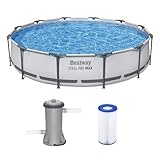
Bestway Steel Pro MAX 12' x 30" Above Ground Swimming Pool Set with Pump | Check Price On Amazon |
|
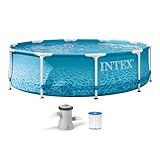
INTEX Beachside Metal Frame 10ft x 30in Round Pool Set w/Pump | Check Price On Amazon |

|
H2OGO! Kids Splash-in-Shade 8-Foot Round Steel Frame Above Ground Pool with Water Mister and Canopy Sunshade, Green Tropical Leaf Print | Check Price On Amazon |
What Are DE Filter Grids and Why Do They Need Regular Cleaning?
DE filter grids consist of fabric-covered frames that hold diatomaceous earth powder to trap microscopic particles from pool water. The fabric mesh (typically 100-200 denier polyester) provides structure while DE powder creates the actual filtration barrier at 2-5 micron effectiveness.
During operation, the DE cake gradually thickens with trapped debris, oils, and microscopic particles. When cake thickness exceeds 1/8 inch (3mm), water flow resistance increases dramatically, forcing the pump to work harder and reducing circulation efficiency throughout the pool system.
How DE Filtration Works in Pool Systems
Water enters the filter tank and passes through DE-coated grids where particles stick to the diatomaceous earth surface. Clean water exits through the grid fabric back to the pool, while contaminants remain trapped in the DE cake layer.
The initial DE coating (precoat) requires 2-4 pounds of food-grade diatomaceous earth depending on filter size. Additional DE (body feed) can be added weekly at 1-2 ounces to maintain filtration efficiency between cleanings.
Signs Your DE Grids Need Immediate Cleaning
Pressure gauge readings 8-10 PSI above starting pressure indicate cleaning time. Normal starting pressure ranges from 8-15 PSI for most residential systems, so cleaning occurs at 18-25 PSI total.
Visual indicators include reduced return flow at pool jets, cloudy water despite proper chemical balance, and difficulty maintaining chlorine levels due to poor circulation. Some pool owners notice increased pump noise as the motor works harder against restricted flow.
How to Safely Remove DE Filter Grids from Your System
Turn off all pool equipment including pump, heater, and automatic chlorinator before beginning grid removal. Electrical safety requires complete system shutdown because water and electricity create dangerous conditions around pool equipment.
Locate the filter tank drain valve (usually at the bottom) and attach a backwash hose leading to an approved drainage area. Most municipalities require DE waste disposal in sanitary sewers rather than storm drains or landscaping.
Draining the Filter Tank Completely
Open the drain valve fully and allow 15-20 minutes for complete drainage in standard 60-80 square foot filters. Large commercial filters (120+ square feet) may require 30-45 minutes for complete draining.
Remove the tank lid by loosening the band clamp or threaded ring, depending on your filter model. Keep track of the lid gasket position and condition – cracked gaskets cause air leaks that reduce filtration efficiency.

- Intelligent Navigation with Full Coverage: Equipped with 11 high-precision sensors and enhanced dual-path algorithms. The optimized WavePath cleaning pattern ensures systematic coverage with minimal overlap, while adaptive navigation analyzes pool layout in real time to eliminate missed spots
- Dual Filtration for Crystal-Clear Water: Advanced dual-layer filtration system features a replaceable 3-micron ultra-fine filter paired with a 180-micron standard filter. Effectively captures fine dust, sand, leaves, and debris for visibly cleaner and healthier pool water
- Comprehensive Pool Cleaning: Engineered to clean the pool floor, walls, waterline, and shallow areas (above 12 inches). The Caterpillar Treads system enhances mobility and climbing ability, ensuring thorough coverage across all pool zones
- Reliable Performance with 2-Year Warranty: Trusted by over 500,000 pool owners worldwide, this robotic pool cleaner delivers consistent, high-performance results. Built for durability and backed by a 2-year warranty and responsive customer support for worry-free ownership
Grid Removal Technique and Safety
Lift grids straight up to avoid damaging the fabric or frame structure. Most residential systems have 8-12 individual grids weighing 3-5 pounds each when coated with DE.
Wear nitrile gloves and dust mask during removal because DE powder irritates skin and respiratory systems. Work in well-ventilated areas and avoid creating dust clouds that reduce visibility.
Step-by-Step DE Grid Cleaning Process
Start with high-pressure water rinse using a pressure washer set to 1500-2000 PSI to remove DE cake and surface debris. Hold the nozzle 6-8 inches from grid fabric to avoid tearing the mesh material.
Rinse from top to bottom in systematic passes, ensuring complete DE removal from both sides of each grid. Incomplete DE removal creates filtration dead zones and uneven pressure distribution during operation.
Deep Cleaning with Chemical Solutions
Prepare cleaning solution using 1 cup muriatic acid per 5 gallons water for mineral deposit removal. Always add acid to water (never water to acid) to prevent dangerous chemical reactions and splashing.
Soak grids for 15-30 minutes in acid solution to dissolve calcium buildup, scale, and organic oils from sunscreen and body lotions. Heavily scaled grids may require 45-60 minutes soaking time for complete cleaning.
| Cleaning Solution | Purpose | Concentration | Soak Time |
| Muriatic Acid | Calcium/Scale Removal | 1 cup per 5 gallons | 15-30 minutes |
| Trisodium Phosphate | Oil/Grease Removal | 1/2 cup per gallon | 20-40 minutes |
| Filter Cleaner | General Cleaning | Per manufacturer | 10-20 minutes |
Alternative Cleaning Methods for Stubborn Buildup
For organic buildup from body oils and lotions, use trisodium phosphate (TSP) solution at 1/2 cup per gallon of water. This alkaline cleaner breaks down grease and protein deposits that acid solutions cannot remove effectively.
Commercial DE filter cleaning products combine multiple cleaning agents for one-step cleaning. These products cost $15-25 per gallon but eliminate the need for separate acid and alkaline treatments.
Proper Rinsing and Inspection
Rinse grids thoroughly with clean water after chemical treatment to remove all cleaning residue. Soap residue or cleaning chemicals in the pool water cause foaming and interfere with chlorine effectiveness.
Inspect fabric for tears, loose seams, or frame damage during the cleaning process. Small tears (under 1 inch) can be repaired with fabric patches, but larger damage requires grid replacement to maintain filtration quality.
How Often Should You Clean DE Filter Grids?
Clean DE filter grids every 4-8 weeks during swimming season depending on pool usage, bather load, and environmental conditions. High-use pools with 6+ daily swimmers require cleaning every 3-4 weeks, while low-use pools may extend to 8-10 weeks.
Environmental factors significantly impact cleaning frequency – pools surrounded by trees, experiencing dust storms, or dealing with algae blooms need more frequent grid cleaning. Pollen seasons may require weekly cleaning to maintain proper water flow.
Seasonal Cleaning Schedule
Peak summer months (June-August) typically require cleaning every 4-6 weeks due to heavy use and increased organic load. Spring and fall seasons allow 6-8 week intervals with moderate usage patterns.
Track pressure readings weekly using a filter pressure gauge to identify cleaning needs before flow restriction becomes severe. Document cleaning dates and pressure readings to establish patterns specific to your pool environment.
Usage-Based Cleaning Indicators
Pools hosting frequent parties or heavy swimming activity accumulate oils and debris faster than typical residential use. Body oils, sunscreen, and cosmetics create organic buildup that clogs DE cake more quickly than normal debris.
Commercial pools or rental properties may require cleaning every 2-3 weeks during peak season. Monitor pressure increases and adjust cleaning schedules based on actual performance rather than fixed time intervals.
Common DE Filter Grid Problems and Solutions
Grid fabric tears occur from high-pressure washing, rough handling, or age-related deterioration after 2-3 years of service. Small tears allow DE to pass through, reducing filtration effectiveness and creating cloudy water conditions.
Calcium buildup forms white, crusty deposits that high-pressure water cannot remove. This scaling occurs in hard water areas or pools with high calcium hardness levels (over 400 ppm) and requires acid cleaning for removal.
| Problem | Cause | Solution | Prevention |
| Torn Fabric | High pressure, age | Patch or replace | Use proper pressure settings |
| Calcium Scale | Hard water, high pH | Acid cleaning | Balance water chemistry |
| Oil Buildup | Body oils, sunscreen | TSP cleaning | Enzyme treatments |
| Frame Warping | Heat, improper storage | Replace grid | Store properly |
Troubleshooting DE Bypass Issues
DE returning to the pool indicates damaged grids, improper assembly, or missing filter components. Check grid fabric for holes, ensure proper seating in the manifold, and verify all gaskets are in place.
Missing or damaged top manifold gaskets allow DE to bypass filtration and return to the pool water. Replace worn gaskets immediately and ensure proper torque on assembly bolts to prevent leaks.
Addressing Rapid Pressure Buildup
Filters requiring cleaning every 1-2 weeks indicate underlying water balance issues, inadequate skimming, or contaminated DE powder. Test water chemistry and address imbalances before cleaning grids again. Using a pool LSI calculator to monitor your water saturation index can help you identify corrosive or scaling conditions that accelerate filter loading.
Old or contaminated DE powder clumps together and restricts flow more quickly than fresh diatomaceous earth. Replace DE completely every 6 months or after heavy contamination events like algae blooms or dust storms.
Best Products and Tools for DE Grid Maintenance
A quality adjustable pressure washer with 1500-3000 PSI capability provides optimal cleaning power without damaging grid fabric. Variable pressure settings allow gentle cleaning for delicate areas and higher pressure for stubborn deposits.
Professional-grade muriatic acid (31.45% hydrochloric acid) removes calcium and mineral deposits more effectively than hardware store versions. Pool-specific formulations include inhibitors that reduce fabric damage during cleaning.
Essential Cleaning Equipment
Chemical-resistant plastic containers for soaking solutions must be large enough to submerge entire grids. Rectangular containers (20-30 gallon capacity) work better than round containers for flat grid soaking.
Safety equipment including chemical-resistant gloves, safety glasses, and respirator masks protect against acid fumes and DE dust during cleaning procedures.
Grid Storage and Organization
Clean, dry storage prevents mold growth and fabric deterioration during off-season periods. Stack grids with cardboard or plastic separators to prevent fabric contact and potential tearing.
Label grids by position number to ensure proper reassembly and even wear patterns. Rotating grid positions during cleaning extends overall lifespan by distributing wear across all units.
DE Grid Assembly and Reinstallation
Reassemble the filter system in reverse order of disassembly, starting with the bottom manifold and working upward. Ensure each grid seats properly in manifold slots to prevent bypass and uneven DE distribution.
Apply thin coating of silicone lubricant to tank gaskets and O-rings before assembly. This lubrication ensures proper sealing and prevents gasket damage during tightening.
Proper Grid Positioning
Number each grid position and corresponding grid to maintain consistent assembly. Uneven grid spacing or improper positioning creates flow dead zones and reduces overall filtration effectiveness.
Tighten tank lid evenly using a crosshatch pattern rather than sequential tightening. This technique prevents gasket pinching and ensures uniform pressure distribution around the entire seal.
System Startup and DE Addition
Prime the pump according to manufacturer instructions before starting filtration. Dry starts damage pump seals and impellers, requiring costly repairs that proper priming prevents. Ensuring your circulation system is correctly sized makes a significant difference—using a pool pump sizing calculator helps match your pump capacity to the filter and plumbing for optimal flow rates.
Add precoat DE through the skimmer with pump running at normal speed. Use 2-4 pounds depending on filter size, adding slowly to prevent clogging and ensure even distribution across all grids.
When to Replace DE Filter Grids Instead of Cleaning
Replace grids after 2-3 years of regular use or when fabric shows extensive tearing, permanent staining, or loss of structural integrity. Old grids with compromised fabric allow particles to bypass filtration regardless of cleaning quality.
Multiple tears, frayed edges, or loose seam stitching indicate end-of-life conditions requiring complete grid replacement. Patching extensively damaged grids provides only temporary fixes before more tears develop.
Cost Analysis: Cleaning vs Replacement
Professional cleaning services charge $75-150 for complete grid cleaning, while replacement grids cost $200-400 for full sets depending on filter size. Cleaning extends grid life but cannot repair structural damage from age or misuse.
Calculate replacement timing based on cleaning frequency and effectiveness. Grids requiring monthly cleaning or showing poor water quality despite cleaning need replacement to restore proper filtration performance. When evaluating whether to invest in new grids or upgrade other equipment, a comprehensive pool ownership cost calculator covering maintenance and utility expenses helps you budget accurately for the long term.
Upgrading to Improved Grid Technology
Newer grid designs feature reinforced edges, improved fabric materials, and better frame construction for longer service life. Upgrading to higher-quality grids reduces cleaning frequency and provides better long-term value.
Some pool owners experience better results with issues like pool leak detection and repair when maintaining optimal filtration through properly cleaned DE grids.
Frequently Asked Questions About DE Filter Grid Cleaning
How long should DE filter grids soak in cleaning solution?
Quick Answer: Soak DE filter grids 15-30 minutes in muriatic acid solution (1 cup per 5 gallons water) for calcium removal, or 20-40 minutes in TSP solution for oil removal.
Soaking time depends on buildup severity and cleaning solution type. Heavily scaled grids may require 45-60 minutes in acid solution, while lightly soiled grids clean effectively in 10-15 minutes. Monitor progress and extend time for stubborn deposits.
Avoid over-soaking beyond 60 minutes as prolonged acid exposure weakens fabric fibers and reduces grid lifespan. Rinse thoroughly after soaking to remove all cleaning residue before reassembly.
Can I use a pressure washer on DE filter grids?
Quick Answer: Yes, use pressure washers set to 1500-2000 PSI held 6-8 inches from grid fabric to remove DE cake without damaging the mesh material.
Pressure washing provides the most effective DE removal method when used properly. Start with lower pressure and increase gradually until DE releases easily. Avoid pressures above 2500 PSI which can tear fabric or damage frame joints.
Work systematically from top to bottom, cleaning both sides thoroughly. The pool vacuuming process becomes more effective when DE filters operate at peak efficiency through proper grid cleaning.
What happens if I don’t clean DE filter grids regularly?
Quick Answer: Neglected DE grids cause reduced water circulation, cloudy water, increased chemical usage, pump strain, and potential equipment damage from excessive pressure buildup.
Dirty grids force pumps to work harder against restricted flow, increasing electricity costs and reducing equipment lifespan. Poor circulation creates dead spots where algae and bacteria multiply despite adequate chemical levels.
Extreme neglect can cause pump damage, heater problems from reduced flow, and complete filtration failure requiring expensive emergency repairs. Regular cleaning prevents these costly consequences.
How much DE powder do I need after cleaning grids?
Quick Answer: Use 2-4 pounds of food-grade diatomaceous earth for precoating after cleaning, depending on filter size (2-3 lbs for 48-60 sq ft, 3-4 lbs for 72+ sq ft filters).
Add DE slowly through the skimmer with pump running to ensure even distribution across all grids. Too much DE at once causes clogging, while insufficient DE allows particles to pass through unfiltered.
Check manufacturer specifications for exact amounts, as oversized filters may require 5-6 pounds while smaller units need only 1-2 pounds for complete coverage.
Can I clean DE grids in my washing machine?
Quick Answer: Never clean DE filter grids in washing machines as diatomaceous earth and chemicals damage appliances and create safety hazards from contaminated water.
Washing machines cannot generate sufficient pressure to remove DE cake effectively, and the agitation damages grid fabric and frames. DE residue clogs drainage systems and contaminates future laundry loads.
Use dedicated cleaning areas with proper drainage and ventilation for grid maintenance. Many pool stores offer professional grid cleaning services if home cleaning isn’t practical.
Why does DE keep returning to my pool after cleaning?
Quick Answer: DE returning to pool indicates torn grid fabric, loose manifold assembly, missing gaskets, or improper grid positioning allowing DE bypass around filtration.
Inspect all grids carefully for holes, tears, or loose seams that allow DE passage. Check manifold gaskets and ensure proper seating in tank assembly. Damaged components require immediate replacement to restore filtration.
Sometimes issues with pool heating systems occur when DE bypass reduces circulation through the heater, causing performance problems.
How do I store clean DE filter grids during winter?
Quick Answer: Store clean, completely dry DE grids in covered, ventilated areas stacked with separators to prevent mold growth and fabric damage during off-season storage.
Ensure grids are completely dry before storage to prevent mold and mildew growth. Stack with cardboard or plastic separators to prevent fabric contact and potential tearing during storage.
Choose storage locations protected from rodents and extreme temperatures. Label storage position to ensure proper reassembly when opening the pool for the next season.
Can I repair small tears in DE filter grid fabric?
Quick Answer: Patch tears smaller than 1 inch using fabric patches and waterproof adhesive, but replace grids with multiple tears or damage larger than 1 inch for reliable filtration.
Small patches work temporarily but may fail under pressure or during cleaning. Monitor patched grids carefully for DE bypass and plan replacement when patches become extensive.
Professional grid refabricating services rebuild frames with new fabric for 50-70% of replacement cost, providing better long-term value than multiple patches.
What’s the difference between acid cleaning and enzyme cleaning?
Quick Answer: Acid cleaning removes mineral deposits and scale using muriatic acid, while enzyme cleaning breaks down organic oils and proteins using biological catalysts without harsh chemicals.
Acid cleaning works fast (15-30 minutes) but requires safety equipment and proper ventilation. Enzyme cleaners take longer (2-4 hours) but provide gentler cleaning that extends fabric life.
Combine both methods for comprehensive cleaning – enzyme treatment for organic buildup followed by acid treatment for mineral deposits provides optimal results.
How do I know if my DE is old and needs replacement?
Quick Answer: Replace DE powder when it clumps together, changes color from white to gray/brown, develops odors, or causes rapid pressure buildup despite clean grids.
Fresh DE flows freely and appears bright white in color. Contaminated DE forms lumps, shows discoloration, and may smell musty or chemical-like from absorbed contaminants.
Storage in humid conditions or contamination from cleaning chemicals accelerates DE deterioration. Replace every 6 months or after algae blooms for optimal performance. Consider upgrading to better filter options if DE maintenance becomes excessive.
Should I backwash before removing grids for cleaning?
Quick Answer: No, skip backwashing before grid removal as it wastes water and provides minimal cleaning benefit compared to proper grid removal and manual cleaning.
Backwashing reverses water flow but cannot remove embedded oils, scale, and fine particles that manual cleaning addresses. Save water and time by proceeding directly to grid removal and thorough cleaning.
Reserve backwashing for emergency situations when pressure spikes suddenly and immediate flow restoration is needed before proper maintenance can be performed.
How often should I rotate grid positions?
Quick Answer: Rotate DE filter grid positions every 2-3 cleaning cycles to ensure even wear patterns and extend overall grid lifespan across the entire set.
Different positions in the manifold experience varying flow rates and debris loads. Rotation prevents premature wear in high-flow positions and maximizes the service life of all grids.
Number each position and track rotation schedules to maintain even wear. This practice works particularly well with cartridge filter systems that use similar rotation principles for extended service life.
What safety equipment do I need for grid cleaning?
Quick Answer: Use chemical-resistant gloves, safety glasses, dust mask or respirator, and ensure adequate ventilation when cleaning DE grids with acids or handling dry DE powder.
Muriatic acid produces dangerous fumes requiring outdoor work or excellent ventilation. DE powder irritates respiratory systems and requires dust protection during handling and cleaning.
Keep neutralizing agents like baking soda available for acid spills and have fresh water accessible for emergency rinsing. Never work alone when handling pool chemicals or performing equipment maintenance.
Regular DE filter grid cleaning at 4-8 week intervals maintains optimal filtration efficiency and prevents costly equipment damage from excessive pressure buildup. Monitor pressure gauges weekly, clean grids when readings increase 8-10 PSI above starting pressure, and replace grids every 2-3 years for reliable long-term performance. Proper maintenance ensures crystal-clear water and extends the life of your entire pool circulation system.
Start with pressure monitoring this week using accurate gauge readings, then schedule grid inspection and cleaning based on your pool’s usage patterns. Document cleaning dates and pressure readings to establish optimal maintenance intervals specific to your swimming environment.
| Photo | Best Above-Ground Pools | Price |
|---|---|---|
|
|
Bestway Steel Pro MAX 12' x 30" Above Ground Swimming Pool Set with Pump | Check Price On Amazon |
|
|
INTEX Beachside Metal Frame 10ft x 30in Round Pool Set w/Pump | Check Price On Amazon |
|
|
H2OGO! Kids Splash-in-Shade 8-Foot Round Steel Frame Above Ground Pool with Water Mister and Canopy Sunshade, Green Tropical Leaf Print | Check Price On Amazon |