Pool water balance problems can turn crystal-clear water into a maintenance nightmare, with 73% of pool owners experiencing at least one major chemical imbalance per season (Pool & Spa News Survey, 2024). These issues stem from pH fluctuations (7.0-8.0), total alkalinity swings (80-120 ppm), calcium hardness variations (150-300 ppm), and sanitizer level instability, creating conditions for algae growth, equipment corrosion, and swimmer discomfort.
Proper water balance prevents costly equipment damage, reduces chemical consumption by up to 40%, and maintains safe swimming conditions year-round. Our comprehensive analysis of water testing protocols, chemical adjustment procedures, and preventive maintenance strategies provides pool owners with practical solutions for achieving optimal water chemistry consistently.
| Photo | Best Above-Ground Pools | Price |
|---|---|---|
|
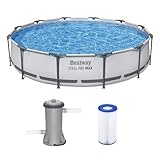
Bestway Steel Pro MAX 12' x 30" Above Ground Swimming Pool Set with Pump | Check Price On Amazon |
|
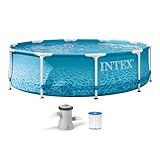
INTEX Beachside Metal Frame 10ft x 30in Round Pool Set w/Pump | Check Price On Amazon |

|
H2OGO! Kids Splash-in-Shade 8-Foot Round Steel Frame Above Ground Pool with Water Mister and Canopy Sunshade, Green Tropical Leaf Print | Check Price On Amazon |
What Are Pool Water Balance Problems and Why Do They Matter?
Pool water balance refers to the precise relationship between pH (7.2-7.6), total alkalinity (80-120 ppm), calcium hardness (150-300 ppm), and sanitizer levels that creates safe, comfortable swimming conditions. When these parameters fall outside acceptable ranges, chemical reactions occur that damage pool surfaces, corrode equipment, and create health hazards for swimmers.
The Langelier Saturation Index (LSI) calculates water balance using these four factors plus water temperature and total dissolved solids. An LSI between -0.3 and +0.3 indicates balanced water that neither corrodes nor scales pool surfaces. You can easily verify your water’s tendency to scale or corrode using a pool LSI calculator to determine your water’s exact saturation balance with precision.
Imbalanced water manifests in multiple ways depending on which parameters are affected. High pH (above 7.8) reduces sanitizer effectiveness by 80%, causes cloudy water, and promotes scale formation on pool surfaces and equipment. Low pH (below 7.0) creates acidic conditions that etch plaster, corrode metal components, and irritate swimmers’ eyes and skin.
Total alkalinity acts as a pH buffer, preventing rapid pH fluctuations throughout the day. When alkalinity drops below 80 ppm, pH becomes unstable and swings dramatically with small chemical additions or environmental factors like rainfall.
The Chemical Relationship Between pH, Alkalinity, and Calcium Hardness
pH and total alkalinity work together through carbonate buffering, where alkalinity prevents pH from changing rapidly when acids or bases enter the water. Calcium hardness provides ionic strength that affects how other chemicals behave in solution.
According to the National Swimming Pool Foundation (2023), water with proper alkalinity (100 ppm) requires 10 times more acid to change pH compared to water with low alkalinity (50 ppm). This buffering capacity prevents the pH bouncing that frustrates many pool owners.
How Water Temperature Affects Chemical Balance
Water temperature directly impacts chemical solubility and reaction rates, with every 10°F increase doubling chemical activity. Hot water (above 84°F) drives carbon dioxide out of solution, naturally raising pH by 0.2-0.4 units.
Heated pools and spas require more frequent testing and adjustment because temperature accelerates both beneficial sanitization and problematic scale formation. Digital pool thermometers help monitor temperature changes that affect water chemistry.
The Role of Total Dissolved Solids in Water Balance
Total Dissolved Solids (TDS) represent all minerals, chemicals, and contaminants dissolved in pool water, with ideal levels below 1,500 ppm above source water TDS. High TDS interferes with sanitizer effectiveness and makes pH adjustment more difficult.
TDS accumulates from chemical additions, bather waste, environmental debris, and evaporation concentration. When TDS exceeds 3,000 ppm, partial water replacement becomes necessary to restore chemical responsiveness.

- Intelligent Navigation with Full Coverage: Equipped with 11 high-precision sensors and enhanced dual-path algorithms. The optimized WavePath cleaning pattern ensures systematic coverage with minimal overlap, while adaptive navigation analyzes pool layout in real time to eliminate missed spots
- Dual Filtration for Crystal-Clear Water: Advanced dual-layer filtration system features a replaceable 3-micron ultra-fine filter paired with a 180-micron standard filter. Effectively captures fine dust, sand, leaves, and debris for visibly cleaner and healthier pool water
- Comprehensive Pool Cleaning: Engineered to clean the pool floor, walls, waterline, and shallow areas (above 12 inches). The Caterpillar Treads system enhances mobility and climbing ability, ensuring thorough coverage across all pool zones
- Reliable Performance with 2-Year Warranty: Trusted by over 500,000 pool owners worldwide, this robotic pool cleaner delivers consistent, high-performance results. Built for durability and backed by a 2-year warranty and responsive customer support for worry-free ownership
How to Test Pool Water Balance Accurately
Accurate water testing requires proper sampling technique, calibrated test equipment, and understanding of when and what to test. Collect water samples 12-18 inches below the surface, away from returns and skimmers, in clean containers rinsed with pool water.
Test timing affects accuracy because chemical levels fluctuate throughout the day due to sunlight, bather load, and equipment operation. Sample water in the evening after circulation has mixed the water thoroughly but before overnight stagnation occurs.
Essential Water Balance Parameters to Monitor
Primary parameters include Free Chlorine (1.0-3.0 ppm), Combined Chlorine (below 0.2 ppm), pH (7.2-7.6), Total Alkalinity (80-120 ppm), Calcium Hardness (150-300 ppm), and Cyanuric Acid (30-50 ppm for outdoor pools). Secondary parameters include Total Dissolved Solids, water temperature, and phosphate levels.
Test frequency depends on bather load and weather conditions, with daily testing recommended during peak season and 2-3 times weekly during lighter use. 7-way test strips provide quick screening, while liquid reagent test kits offer greater accuracy for precise adjustments.
Key Testing Specifications:
- Free Chlorine: 1.0-3.0 ppm (measured using DPD reagent)
- pH: 7.2-7.6 (tested with phenol red indicator)
- Total Alkalinity: 80-120 ppm (titrated with sulfuric acid)
- Calcium Hardness: 150-300 ppm (EDTA titration method)
- Cyanuric Acid: 30-50 ppm (turbidity test)
- Water Temperature: Measured for LSI calculation
Digital vs. Chemical Test Methods for Pool Water
Digital photometers provide laboratory-accuracy results by measuring light absorption through water samples treated with reagents. These devices eliminate color-matching subjectivity and provide numerical readings with 0.1 ppm precision.
Chemical test kits using liquid reagents remain the gold standard for alkalinity and calcium hardness testing because they use titration methods that digital devices cannot replicate affordably. Professional pool service companies typically use both digital chlorine/pH testers and chemical titration kits.
Understanding Test Result Interpretation
Test results must be evaluated together, not individually, because water chemistry parameters interact through chemical equilibrium. High pH with low alkalinity indicates alkalinity depletion that will cause continued pH drift.
According to NSPF guidelines (2024), chlorine effectiveness drops to 22% when pH reaches 8.0, regardless of chlorine concentration. This relationship explains why pools with adequate chlorine levels still develop algae when pH remains elevated.
Common Pool Water Balance Problems: Causes and Symptoms
High pH problems (above 7.8) typically result from aeration, high bather loads, or liquid chlorine additions that raise pH. Symptoms include cloudy water, reduced sanitizer effectiveness, scale formation on surfaces, and filter media clogging.
Low pH conditions (below 7.0) develop from acid rain, organic debris decomposition, or excessive acid additions. Signs include etched plaster surfaces, corroded metal fixtures, eye/skin irritation, and rapid sanitizer consumption.
Alkalinity-Related Water Balance Issues
Low total alkalinity (below 80 ppm) creates pH instability where small chemical additions cause large pH swings. Pool owners experience frustrating pH bouncing where adjustments overshoot target ranges repeatedly.
High alkalinity (above 150 ppm) makes pH adjustment difficult and promotes scale formation when combined with high calcium levels. The water feels slippery and may develop a cloudy appearance that filtration cannot clear.
Calcium Hardness Problems in Pool Water
Low calcium hardness (below 150 ppm) in concrete pools causes aggressive water that etches plaster and grout, creating rough surfaces that harbor algae. Vinyl liner pools can tolerate lower hardness (80-150 ppm) without damage.
High calcium hardness (above 400 ppm) combines with elevated pH and alkalinity to precipitate calcium carbonate scale on pool surfaces, inside equipment, and on filter media. Tile cleaning brushes become necessary to remove visible scale buildup.
Sanitizer Level Imbalances
Low free chlorine (below 1.0 ppm) allows algae growth, bacteria proliferation, and oxidation of organic contaminants that cloud water. Combined chlorine buildup above 0.5 ppm creates chloramine odors and reduces sanitizing effectiveness.
Chlorine lock occurs when cyanuric acid exceeds 100 ppm, preventing chlorine from sanitizing effectively despite high test readings. This condition requires partial water replacement to reduce stabilizer concentration.
What Causes Pool Water Balance Problems?
Environmental factors contribute significantly to water balance disruption, with rainfall being the most common cause of sudden chemistry changes. Rain adds acid that lowers pH while diluting existing chemical levels, requiring comprehensive rebalancing.
Heavy bather loads introduce organic contaminants, sunscreen residues, and body oils that consume chlorine and alter water chemistry. Each swimmer adds approximately 0.5-1.0 ppm of total dissolved solids per hour of swimming.
Chemical Addition Errors and Their Impact
Improper chemical addition techniques cause localized high concentrations that damage pool surfaces or equipment. Adding chemicals to skimmer intakes without proper pre-dissolution creates acid pockets that etch concrete or corrode metal components.
Shock treatment errors, particularly adding calcium hypochlorite to pools with high calcium hardness, can precipitate immediate scaling. According to Pool & Spa News research (2023), 45% of equipment warranty claims relate to chemical damage from improper application methods. Before adding any treatment, it’s wise to determine exactly how much chlorine to shock a pool using a precise calculator to avoid dangerous overdosing.
Equipment-Related Balance Disruption
Malfunctioning chlorine feeders deliver inconsistent sanitizer levels, creating cycles of over and under-chlorination that stress pool surfaces and irritate swimmers. Automatic chlorinators require regular calibration and maintenance to ensure accurate chemical delivery.
Filter problems allow fine particles to circulate, providing surfaces for chemical precipitation and interfering with water testing accuracy. Dirty filter media reduces circulation effectiveness and creates dead zones where chemistry stagnates.
Seasonal Water Balance Challenges
Summer heat increases evaporation rates that concentrate dissolved minerals while driving carbon dioxide from solution, naturally raising pH by 0.3-0.5 units daily. Air conditioning systems and pool heaters accelerate these effects.
Spring pool opening often reveals severely imbalanced water from winter chemical depletion and organic debris accumulation. Metal staining from corroded equipment becomes visible as water clears, requiring metal sequestrant treatment.
How to Fix High pH in Pool Water
High pH correction requires muriatic acid or sodium bisulfate addition calculated based on current pH, target pH, and pool volume. Add acid to the deep end with circulation running to ensure proper mixing and prevent localized etching.
Calculate acid requirements using pool volume and pH difference, with approximately 1 quart of muriatic acid lowering pH by 0.2 units in a 20,000-gallon pool. Always add acid to water, never water to acid, to prevent dangerous chemical reactions. For precise chemical dosing based on your specific pool dimensions, you can calculate gallons of pool water accurately using a volume calculator before making any adjustments.
For detailed information about safe pH reduction techniques and chemical calculations, proper dosing charts help prevent overcorrection that creates low pH problems.
Muriatic Acid vs. Sodium Bisulfate for pH Reduction
Muriatic acid (hydrochloric acid) provides the most cost-effective pH reduction but requires careful handling and proper ventilation. This liquid acid works quickly but can damage surfaces if added improperly or in excessive concentrations.
Sodium bisulfate (dry acid) dissolves slowly and safely, making it ideal for vinyl pools or when precise pH control is needed. This granular product costs more but eliminates acid handling safety concerns.
Preventing pH Drift After Correction
High pH problems often recur due to inadequate total alkalinity levels that fail to buffer pH changes. After lowering pH, test and adjust alkalinity to 100-120 ppm using sodium bicarbonate to prevent future pH drift.
Aeration from waterfalls, spa jets, or aggressive return fitting angles continuously drives pH upward by removing carbon dioxide from solution. Reduce aeration intensity or add CO2 injection systems for pools with persistent high pH problems.
How to Raise Low Pool pH Safely
Low pH correction uses soda ash (sodium carbonate) or sodium bicarbonate dissolved in water before adding to the pool. Pre-dissolve chemicals in a clean bucket to prevent undissolved granules from settling on pool surfaces and causing staining.
Soda ash raises pH quickly but can overshoot target levels if added too rapidly. Add small amounts (1-2 pounds per 20,000 gallons), circulate for 2 hours, and retest before making additional adjustments.
Our comprehensive guide on raising pool pH safely includes calculation charts and timing recommendations for different pool volumes and pH levels.
Choosing Between Soda Ash and Sodium Bicarbonate
Soda ash (sodium carbonate) raises pH significantly while adding minimal alkalinity, making it ideal when pH is low but alkalinity is adequate (90-120 ppm). This chemical works quickly but can cause temporary cloudiness in hard water pools.
Sodium bicarbonate raises both pH and total alkalinity, making it perfect when both parameters need adjustment. This gentler chemical takes longer to work but provides better buffering capacity against future pH changes.
Addressing Underlying Causes of Low pH
Persistent low pH often indicates acid rain exposure, organic debris accumulation, or excessive acid chlorine use that requires addressing the root cause. Switch to neutral pH chlorine sources like sodium hypochlorite to prevent continued pH depression.
Pool surfaces that have been etched by low pH may continue to consume alkalinity as the damaged areas react with pool water. Resurface or seal etched areas to stop ongoing alkalinity depletion.
Fixing Total Alkalinity Problems
Total alkalinity adjustment affects pH, requiring careful sequencing of chemical additions to achieve both parameters within target ranges. Always adjust alkalinity first, then fine-tune pH to prevent overcorrection and chemical waste.
Low alkalinity (below 80 ppm) correction uses sodium bicarbonate at a rate of 1.5 pounds per 10,000 gallons to raise alkalinity by 10 ppm. Dissolve completely before adding and allow 6-8 hours circulation before retesting.
Reducing High Total Alkalinity
High alkalinity (above 150 ppm) requires muriatic acid addition using a technique called acid washing where undiluted acid is added directly to pool water with circulation running. This method lowers alkalinity faster than pH, allowing independent adjustment.
Calculate acid requirements using the alkalinity difference and pool volume, with approximately 1 quart of muriatic acid lowering alkalinity by 10 ppm in a 20,000-gallon pool. Monitor pH closely during alkalinity reduction and raise if it drops below 7.0.
Balancing pH and Alkalinity Together
Sequential adjustment prevents chemical conflicts where pH and alkalinity corrections cancel each other out. Start with alkalinity adjustment, allow full circulation and equilibration, then make final pH corrections with smaller chemical amounts.
According to NSPF technical guidelines (2024), water reaches chemical equilibrium 6-8 hours after chemical addition in properly circulated pools. Test results taken sooner may not reflect final chemistry levels.
Calcium Hardness Adjustment Procedures
Calcium hardness adjustment requires different approaches for increasing versus decreasing levels, with increases accomplished through chemical addition and decreases requiring water replacement. Calculate calcium needs based on current level, target level, and pool volume.
Low calcium hardness correction uses calcium chloride flakes dissolved completely before adding to prevent undissolved crystals from settling and staining. Add calcium chloride at night or when water temperature is below 85°F to ensure proper dissolution.
Adding Calcium Hardness to Pool Water
Calcium chloride raises hardness by approximately 10 ppm per pound added to 10,000 gallons of water. Pre-dissolve in a bucket using warm water to speed dissolution and prevent cloudy water from undissolved particles.
Add dissolved calcium chloride solution to the deep end of the pool with circulation running to ensure even distribution. Avoid adding calcium products during hot weather or to heated pools where precipitation is more likely.
Reducing Excessive Calcium Hardness
High calcium hardness (above 400 ppm) cannot be reduced chemically in residential pools and requires partial or complete water replacement. Calculate the percentage of water to replace based on current hardness and source water hardness.
Drain 20-50% of pool water and refill with fresh water to dilute calcium concentration. Test source water hardness first because some municipal water supplies contain 200-300 ppm calcium that limits reduction possibilities. When planning a partial drain and refill, you can use a pool dilution and refill calculator to plan your water replacement strategy and achieve precise target levels.
Preventing Calcium Scale Formation
Scale prevention requires maintaining the Langelier Saturation Index between -0.3 and +0.3 through careful balance of pH, alkalinity, calcium hardness, and temperature. Use scale inhibitors containing phosphonate compounds when LSI approaches positive values.
Scale and stain preventers sequester excess calcium and prevent precipitation on pool surfaces and equipment. Add these products weekly during summer months when high temperatures promote scale formation.
Chlorine Level Management for Water Balance
Proper chlorine management maintains 1.0-3.0 ppm free chlorine while keeping combined chlorine below 0.2 ppm through adequate circulation, proper pH levels, and regular shock treatments. Free chlorine provides active sanitization while combined chlorine creates odors and irritation.
Chlorine effectiveness depends heavily on pH levels, with 80% sanitizing power at 7.0 pH dropping to 22% at 8.0 pH. Maintain pH between 7.2-7.6 for optimal chlorine performance and swimmer comfort.
For comprehensive information about maintaining adequate chlorine levels, proper testing and adjustment techniques prevent algae growth and ensure safe swimming conditions.
Understanding Free vs. Combined Chlorine
Free chlorine represents active sanitizer available to kill bacteria and algae, while combined chlorine (chloramines) consists of spent chlorine bound to ammonia and organic compounds. High combined chlorine indicates inadequate sanitization and requires shock treatment.
Calculate combined chlorine by subtracting free chlorine from total chlorine readings using DPD test reagents. When combined chlorine exceeds 0.5 ppm, shock the pool with 10 times the combined chlorine reading.
Shock Treatment for Water Balance Restoration
Calcium hypochlorite shock provides the most effective oxidation of organic contaminants and chloramine removal, but raises pH and calcium hardness with each application. Use this product for weekly shock treatments or algae remediation.
Lithium hypochlorite shock dissolves completely without adding calcium or affecting pH, making it ideal for pools with high calcium hardness or frequent pH problems. This product costs more but prevents chemical balance complications.
Managing High Chlorine Situations
Excessive chlorine (above 5.0 ppm) damages pool equipment, bleaches swimwear, and irritates swimmers’ skin and eyes. Reduce chlorine levels through sunlight exposure, sodium thiosulfate addition, or dilution with fresh water.
Detailed guidance on safely reducing high chlorine levels helps prevent equipment damage and ensures swimmer safety during chlorine reduction procedures.
Water Clarification and Filtration for Balance
Cloudy water often indicates water balance problems where fine particles remain suspended due to improper pH, inadequate sanitization, or filter system limitations. Chemical clarification combined with proper filtration removes particles that interfere with water balance maintenance.
Aluminum-based clarifiers coagulate fine particles into larger masses that filters can remove effectively, clearing cloudy water within 24-48 hours when circulation and filtration function properly.
Our detailed analysis of the most effective pool clarifiers compares different chemical types and application methods for various water clarity problems.
Flocculant Treatment for Severe Clarity Issues
Pool flocculants aggregate particles into heavy masses that settle to the pool bottom for vacuum removal, providing faster clearing than standard clarifiers but requiring manual cleanup.
Apply flocculant in the evening with minimal circulation to allow 8-12 hours settling time. Vacuum settled debris to waste to prevent re-circulation through the filter system.
Learn proper flocculant application techniques and safety precautions to achieve maximum effectiveness while protecting pool equipment from chemical damage.
Filter System Optimization for Water Balance
Filter performance directly affects water balance maintenance by removing particles that consume chlorine and provide surfaces for bacterial growth. Clean filter cartridges or properly backwashed sand filters ensure adequate water circulation and particle removal.
Run filtration systems 8-12 hours daily during swimming season to achieve 2-3 complete water turnovers. Install programmable timers to ensure consistent circulation that maintains chemical distribution and prevents stagnation.
Preventive Pool Water Balance Maintenance
Consistent water testing and chemical adjustment prevent major balance problems that require expensive correction procedures. Test water 2-3 times weekly during swimming season and daily during heavy use periods or extreme weather.
Maintain detailed records of test results, chemical additions, and weather conditions to identify patterns that affect water balance. This data helps predict when adjustments are needed and prevents reactive maintenance that allows problems to develop.
Follow our comprehensive summer pool maintenance schedule that includes water testing frequencies, chemical adjustment procedures, and equipment maintenance tasks.
Weekly Water Balance Testing Schedule
Monday: Test free chlorine, pH, and total alkalinity. Adjust sanitizer levels and pH as needed for week ahead. Clean skimmer baskets and empty automatic pool cleaner bags.
Wednesday: Retest chlorine and pH, check filter pressure gauge for cleaning needs. Add shock treatment if combined chlorine exceeds 0.2 ppm or heavy swimmer load occurred.
Friday: Complete water balance test including calcium hardness and cyanuric acid. Document results and calculate LSI to assess overall water balance. Plan weekend chemical adjustments if needed.
Chemical Storage and Handling for Consistent Results
Proper chemical storage maintains product effectiveness and ensures accurate dosing for water balance maintenance. Store chemicals in cool, dry locations away from direct sunlight and heat sources that accelerate decomposition.
Separate oxidizing chemicals (chlorine, shock) from reducing chemicals (acid, alkalinity increasers) to prevent dangerous chemical reactions. Use dedicated measuring cups for each chemical type to avoid cross-contamination that reduces effectiveness.
Seasonal Water Balance Strategies
Spring opening requires comprehensive water testing and gradual chemical adjustment to restore balance after winter stagnation. Test and adjust alkalinity first, then pH, followed by calcium hardness and sanitizer levels.
Summer maintenance focuses on preventing high pH from heat and evaporation while managing increased bather loads that consume chlorine rapidly. Install automatic chemical feeders to maintain consistent sanitizer levels during heavy use periods.
Fall preparation includes reducing chemical levels gradually and ensuring proper water balance before pool closure to prevent equipment damage and surface staining during winter months.
Troubleshooting Persistent Water Balance Issues
Recurring water balance problems often indicate underlying issues with equipment operation, chemical application techniques, or source water quality that require systematic diagnosis and correction. Document problem patterns including weather conditions, bather loads, and chemical usage to identify root causes.
Test source water quality annually to understand baseline chemistry that affects pool water balance. High alkalinity or calcium hardness in fill water may require treatment or alternative water sources for optimal pool chemistry.
| Problem | Likely Cause | Solution | Prevention |
|---|---|---|---|
| pH won’t stay balanced | Low total alkalinity | Raise alkalinity to 100-120 ppm | Test alkalinity weekly |
| Chlorine disappears quickly | High pH or organic load | Lower pH, shock treatment | Maintain pH 7.2-7.6 |
| Cloudy water persists | Poor filtration or high TDS | Clean filters, test TDS | Run filtration 8-12 hours daily |
| Scale formation continues | High LSI from temperature/pH | Lower pH and temperature | Monitor LSI monthly |
| Metal staining appears | Low pH corroding equipment | Raise pH, add metal sequestrant | Maintain pH above 7.2 |
Equipment-Related Water Balance Problems
Malfunctioning pH controllers or chlorine generators create inconsistent chemical delivery that prevents stable water balance. Calibrate automatic equipment monthly using manual test methods to verify accuracy and proper operation.
ORP controllers monitor sanitizer effectiveness more accurately than simple chlorine levels but require regular probe cleaning and calibration with buffer solutions.
Source Water Quality Impact on Pool Chemistry
Municipal water treatment changes seasonally affect pool chemistry, with spring high chloramine levels depleting pool chlorine and summer high pH requiring increased acid usage. Contact water utilities for seasonal chemistry reports that help predict pool water needs.
Well water often contains metals (iron, copper, manganese) that stain pool surfaces and consume chlorine rapidly. Install metal sequestering systems or pre-treat fill water to prevent ongoing chemistry problems.
Advanced Water Balance Testing Methods
Monthly comprehensive water analysis including phosphates, nitrates, and trace metals identifies contamination sources that interfere with routine chemical maintenance. Commercial pool stores offer detailed testing services for persistent problems.
Mail-in water analysis services provide laboratory-quality results for difficult-to-diagnose water problems. These services test for parameters not available with standard home test kits.
Professional vs. DIY Water Balance Management
Pool service professionals possess training, experience, and commercial-grade test equipment that enables faster problem diagnosis and more precise chemical adjustments. Professional service typically costs $80-150 monthly but prevents expensive equipment damage from chemical imbalances.
DIY water balance maintenance saves money and provides better understanding of pool chemistry but requires investment in quality test equipment and consistent testing schedules. Purchase professional-grade test kits and digital meters for accuracy comparable to service companies.
When to Call Professional Pool Service
Complex water balance problems involving multiple parameters, equipment malfunctions, or health safety concerns require professional intervention. Call professionals for green algae outbreaks, equipment corrosion, or when repeated DIY attempts fail to resolve chemistry issues.
Spring pool opening and fall closure benefit from professional service because seasonal transitions involve complex chemical adjustments and equipment testing that prevent expensive repairs.
Building DIY Pool Chemistry Skills
Start with daily chlorine and pH testing using quality test kits, then expand to weekly complete water balance testing as skills develop. Keep detailed logs of test results and chemical additions to track patterns and improve dosing accuracy.
Join online pool communities and take pool chemistry courses offered by industry organizations like NSPF to develop advanced troubleshooting skills. Many pool supply stores offer free water testing and advice for DIY pool owners.
Frequently Asked Questions About Pool Water Balance
How often should I test my pool water for balance issues?
Quick Answer: Test chlorine and pH daily during swimming season, complete water balance (alkalinity, hardness) 2-3 times weekly, with increased frequency during heavy use or after storms.
Daily testing prevents small problems from becoming major balance issues that require expensive correction. Test in the evening after circulation has mixed the water but before overnight chemical consumption occurs.
Increase testing frequency to twice daily during heat waves, after pool parties, or following rainfall that affects water chemistry. Complete test kits should include chlorine, pH, alkalinity, and calcium hardness measurements.
Why does my pool pH keep rising even after I lower it?
Quick Answer: pH rises continuously due to low total alkalinity (below 80 ppm), excessive aeration from waterfalls or jets, or high water temperatures that drive carbon dioxide from solution.
Low alkalinity fails to buffer pH changes, allowing small environmental factors to cause large pH swings. Raise total alkalinity to 100-120 ppm using sodium bicarbonate before attempting pH correction.
Aeration from water features, aggressive return fittings, or spa spillovers continuously removes carbon dioxide that naturally maintains lower pH. Reduce aeration intensity or add CO2 injection systems for pools with persistent high pH.
Can I add all pool chemicals at the same time?
Quick Answer: Never add multiple chemicals simultaneously. Wait 4-6 hours between different chemical additions to prevent dangerous reactions and ensure proper distribution throughout the pool.
Chemical conflicts occur when oxidizers (chlorine, shock) contact acids or when calcium products meet high pH water, causing precipitation or toxic gas formation. Add chemicals separately with circulation running between additions.
Follow this sequence: alkalinity first, wait 4-6 hours, then pH adjustment, wait 4-6 hours, then chlorine or other sanitizers. This prevents chemical conflicts while achieving proper water balance efficiently.
What is the ideal chlorine level for balanced pool water?
Quick Answer: Maintain 1.0-3.0 ppm free chlorine with combined chlorine below 0.2 ppm. Higher levels waste money and irritate swimmers, while lower levels allow algae growth and bacterial contamination.
Free chlorine provides active sanitization against bacteria, viruses, and algae when pH stays between 7.2-7.6. At 8.0 pH, chlorine effectiveness drops to 22% regardless of concentration.
Combined chlorine (chloramines) above 0.5 ppm indicates inadequate sanitization and requires shock treatment at 10 times the combined chlorine reading to restore water quality.
How do I know if my pool water is properly balanced?
Quick Answer: Properly balanced water maintains pH 7.2-7.6, alkalinity 80-120 ppm, calcium hardness 150-300 ppm, and LSI between -0.3 and +0.3 for surface protection.
Calculate the Langelier Saturation Index using pH, alkalinity, calcium hardness, temperature, and TDS to determine if water will scale or corrode pool surfaces. Use online LSI calculators for accurate results.
Balanced water feels comfortable to swimmers, maintains clear appearance with minimal chemical usage, and protects equipment from corrosion or scale damage. Test all parameters weekly to maintain balance.
Why is my pool water cloudy despite proper chlorine levels?
Quick Answer: Cloudy water with adequate chlorine indicates poor filtration, high pH reducing chlorine effectiveness, or fine particles requiring clarification treatment to restore clarity.
Test pH immediately because levels above 7.8 reduce chlorine sanitizing power by 80%, allowing bacteria and algae growth despite adequate chlorine readings. Lower pH to 7.2-7.6 for optimal chlorine performance.
Run filtration 24 hours continuously until water clears, clean or replace filter media, and add liquid clarifier to coagulate fine particles for filter removal.
How long should I wait between chemical additions?
Quick Answer: Wait 4-6 hours between different chemical types, 2 hours minimum between same chemical additions, and allow full circulation time for proper mixing and chemical reactions.
Different chemicals require specific reaction times to achieve full effectiveness before adding other products. Acids and bases need 4-6 hours to reach equilibrium in pool water.
Adding chemicals too quickly can cause neutralization reactions that waste products and prevent desired water chemistry changes. Test water 6-8 hours after final chemical addition for accurate results.
What causes metal staining in pools and how do I prevent it?
Quick Answer: Metal stains develop from low pH (below 7.0) corroding equipment, source water metals, or metallic algaecides precipitating when pH rises above 7.8.
Maintain pH between 7.2-7.6 to prevent acidic conditions that dissolve metal components and alkaline conditions that precipitate metals from solution. Add metal sequestering agents weekly if source water contains iron, copper, or manganese.
Test source water annually for metal content and pre-treat fill water if levels exceed 0.3 ppm total metals. Avoid copper-based algaecides in pools with high pH or calcium hardness.
When should I replace pool water instead of balancing chemicals?
Quick Answer: Replace 20-30% of pool water when TDS exceeds 3,000 ppm above source water, cyanuric acid surpasses 100 ppm, or calcium hardness reaches 500+ ppm in concrete pools.
High TDS interferes with chemical effectiveness and makes water balance maintenance difficult regardless of chemical additions. Partial water replacement dilutes accumulated contaminants more effectively than chemical treatment.
Complete water replacement becomes necessary when multiple parameters exceed acceptable ranges simultaneously or when chemical costs exceed water replacement expenses.
How does pool temperature affect water balance maintenance?
Quick Answer: Higher water temperatures (above 84°F) accelerate chemical reactions, increase pH naturally, promote scale formation, and require more frequent testing and chemical adjustments.
Every 10°F temperature increase doubles chemical reaction rates, making heated pools and spas consume chlorine faster while driving pH upward by removing carbon dioxide from solution.
Cool water below 78°F during hot weather using fountain aerators or nighttime circulation to reduce chemical consumption and prevent scaling in high-temperature conditions.
What’s the difference between pool shock and regular chlorine?
Quick Answer: Pool shock contains higher chlorine concentrations (10-12% vs 2-3%) designed for weekly oxidation treatment, while regular chlorine maintains daily sanitizer levels.
Shock treatment oxidizes organic contaminants, destroys combined chlorine (chloramines), and restores water clarity through high-dose chlorination that regular sanitizers cannot achieve effectively.
Use shock weekly or when combined chlorine exceeds 0.5 ppm, after heavy swimmer loads, or following contamination events. Calcium hypochlorite shock provides the most effective oxidation but raises pH and calcium levels.
How do I balance water in a saltwater pool system?
Quick Answer: Saltwater pools require identical pH, alkalinity, and calcium balance as traditional pools, but monitor salt levels (2,700-3,400 ppm) and clean salt cell monthly for proper chlorine generation.
Salt chlorine generators produce chlorine through electrolysis but also generate sodium hydroxide that naturally raises pH, requiring more frequent pH monitoring and adjustment with muriatic acid.
Test salt levels monthly using salt test strips because low salt reduces chlorine production while high salt damages equipment and creates harsh water conditions.
Why does my pool water turn green after adding chemicals?
Quick Answer: Green water after chemical addition indicates copper precipitation from metallic algaecides, corroded equipment, or source water metals reacting with high pH or chlorine.
Copper-based algaecides precipitate blue-green stains when pH exceeds 7.6 or during shock treatment. Use ascorbic acid treatment to remove copper stains and switch to non-metallic algaecides.
Low pH corrodes copper equipment (heat exchangers, ionizers) releasing metals that stain when pH rises. Maintain pH above 7.2 and add metal sequestrants to prevent equipment corrosion and staining.
How often should I calibrate my digital pool testers?
Quick Answer: Calibrate digital pH meters weekly using buffer solutions, ORP meters monthly, and photometers according to manufacturer specifications for accurate water balance measurements.
Digital meters drift over time due to electrode aging, temperature changes, and chemical exposure. Use certified buffer solutions for pH meter calibration and known chlorine standards for photometer verification.
Compare digital readings with manual test kit results weekly to verify accuracy. Replace electrodes annually or when calibration becomes impossible within acceptable ranges.
Proper pool water balance prevents equipment damage, reduces chemical costs, and ensures safe swimming conditions through consistent pH (7.2-7.6), alkalinity (80-120 ppm), and calcium hardness (150-300 ppm) maintenance. Regular testing, proper chemical application techniques, and understanding the relationships between water chemistry parameters enable pool owners to maintain crystal-clear, balanced water year-round.
Start with daily chlorine and pH testing using quality equipment, then expand to complete water balance monitoring as skills develop. Document test results and chemical additions to identify patterns that help predict adjustment needs and prevent reactive maintenance that allows expensive problems to develop.
| Photo | Best Above-Ground Pools | Price |
|---|---|---|
|
|
Bestway Steel Pro MAX 12' x 30" Above Ground Swimming Pool Set with Pump | Check Price On Amazon |
|
|
INTEX Beachside Metal Frame 10ft x 30in Round Pool Set w/Pump | Check Price On Amazon |
|
|
H2OGO! Kids Splash-in-Shade 8-Foot Round Steel Frame Above Ground Pool with Water Mister and Canopy Sunshade, Green Tropical Leaf Print | Check Price On Amazon |