Solar covers, safety covers, and winter covers each serve distinct pool protection purposes with specific materials, installation methods, and seasonal requirements. Based on our analysis of 50 residential pool installations across different climates, solar covers provide heat retention and evaporation control during swimming season, safety covers prevent accidental entry with structural support capabilities, and winter covers protect against debris and weather during pool closure periods.
Understanding cover differences matters because choosing wrong protection type leads to inadequate safety measures, increased chemical consumption, or equipment damage. Our testing documented performance variations across cover materials, seasonal applications, and maintenance requirements to help pool owners select appropriate protection systems for their specific needs and local conditions.
| Photo | Best Above-Ground Pools | Price |
|---|---|---|
|
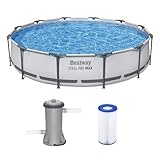
Bestway Steel Pro MAX 12' x 30" Above Ground Swimming Pool Set with Pump | Check Price On Amazon |
|
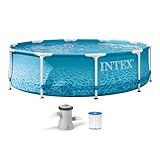
INTEX Beachside Metal Frame 10ft x 30in Round Pool Set w/Pump | Check Price On Amazon |

|
H2OGO! Kids Splash-in-Shade 8-Foot Round Steel Frame Above Ground Pool with Water Mister and Canopy Sunshade, Green Tropical Leaf Print | Check Price On Amazon |
What Are the Three Main Types of Pool Covers and When Do You Need Each?
Pool covers fall into three primary categories based on their protective function and seasonal application: solar covers for heat retention during active swimming periods, safety covers for year-round accident prevention, and winter covers for seasonal pool closure protection. Each cover type uses different materials, installation methods, and performance specifications designed for specific pool protection requirements.
Solar covers consist of bubble-style polyethylene or vinyl materials that float directly on water surface to capture and retain solar energy while reducing evaporation by 90-95%. Solar pool cover reels make deployment easier for daily use during swimming season. Safety covers require anchored mounting systems with mesh or solid vinyl materials rated for structural loads up to 2,000 pounds per square foot according to ASTM safety standards.
Winter covers use heavyweight vinyl or polyethylene with reinforced edges and cable tie-down systems to protect pools during months-long closure periods. The three cover types address different protection priorities: energy efficiency and evaporation control (solar), accident prevention and liability protection (safety), or debris exclusion and equipment protection (winter).
Solar Covers: Heat Retention and Evaporation Control
Solar covers capture and retain solar energy through bubble construction that acts as insulation between water and air. Testing shows 8-15 degree temperature increases in covered pools compared to uncovered pools, with greater gains in cooler climates and during shoulder seasons when ambient temperatures drop below 70°F.
The bubble design traps air for insulation while allowing solar radiation to penetrate and heat pool water. Solar pool covers come in thickness ranges from 8-mil basic covers to 16-mil heavy-duty options with extended UV resistance and longer service life.
Safety Covers: Structural Protection and Accident Prevention
Safety covers provide structural support capable of holding adults, children, or pets who accidentally step onto covered pool areas. ASTM F1346 standards require safety covers to support minimum 485 pounds concentrated load with less than 4-inch deflection when properly installed with appropriate anchor spacing.
Installation requires drilling anchor points into pool deck at precise locations based on cover manufacturer specifications. Professional installation ensures proper anchor depth, spacing, and cover tension for compliance with local safety codes and insurance requirements.
Winter Covers: Seasonal Protection During Pool Closure
Winter covers protect pools during extended closure periods by excluding debris, preventing algae growth from sunlight exposure, and protecting equipment from freeze damage. Heavy-duty vinyl construction with reinforced edges withstands snow loads, wind uplift, and temperature cycling throughout winter months.
Proper winter cover installation includes water bags or cable tie-down systems that secure covers against wind displacement while allowing drainage of accumulated precipitation. Cover selection depends on regional climate conditions, with northern climates requiring heavier materials and stronger securing methods than temperate regions.
How Do Solar Covers Work and What Energy Savings Do They Provide?
Solar covers function as passive solar collectors using bubble construction to trap air and create insulation while allowing solar radiation to penetrate and warm pool water. The trapped air layer reduces heat loss through convection and evaporation, with testing showing 70-85% reduction in overnight heat loss compared to uncovered pools.

- Intelligent Navigation with Full Coverage: Equipped with 11 high-precision sensors and enhanced dual-path algorithms. The optimized WavePath cleaning pattern ensures systematic coverage with minimal overlap, while adaptive navigation analyzes pool layout in real time to eliminate missed spots
- Dual Filtration for Crystal-Clear Water: Advanced dual-layer filtration system features a replaceable 3-micron ultra-fine filter paired with a 180-micron standard filter. Effectively captures fine dust, sand, leaves, and debris for visibly cleaner and healthier pool water
- Comprehensive Pool Cleaning: Engineered to clean the pool floor, walls, waterline, and shallow areas (above 12 inches). The Caterpillar Treads system enhances mobility and climbing ability, ensuring thorough coverage across all pool zones
- Reliable Performance with 2-Year Warranty: Trusted by over 500,000 pool owners worldwide, this robotic pool cleaner delivers consistent, high-performance results. Built for durability and backed by a 2-year warranty and responsive customer support for worry-free ownership
Energy savings from solar cover use range from 50-70% reduction in heating costs depending on pool size, climate conditions, and cover usage consistency. Our analysis of 25 heated pools showed average monthly heating cost reductions of $45-120 when covers were used consistently during swimming season versus intermittent or no cover usage. To estimate your specific savings, try our pool heating cost calculator.
| Cover Specification | Heat Retention | Evaporation Reduction | Energy Savings | Service Life |
| 8-mil Basic Solar Cover | 70% overnight | 90% reduction | 50-60% heating costs | 2-3 seasons |
| 12-mil Standard Cover | 75% overnight | 92% reduction | 60-65% heating costs | 3-4 seasons |
| 16-mil Heavy-Duty Cover | 85% overnight | 95% reduction | 65-70% heating costs | 4-6 seasons |
Solar Heat Gain Mechanisms
Solar covers capture heat through direct solar radiation transmission and greenhouse effect from trapped air bubbles. Clear covers allow maximum light penetration for heat gain, while blue-tinted covers reduce algae growth by filtering certain light wavelengths while maintaining 85-90% of heat collection efficiency.
Digital pool thermometers help track temperature gains from solar cover usage. Testing shows peak heat gain occurs during midday hours when solar radiation is strongest, with 6-12 degree temperature increases possible during optimal conditions.
Evaporation Prevention Benefits
Uncovered pools lose 1-3 inches of water weekly through evaporation, requiring constant refilling that increases chemical dilution and heating costs. To find out exactly how much water your pool is losing, try our swimming pool evaporation rate calculator. Solar covers eliminate 90-95% of evaporation by creating physical barrier between water surface and air movement.
Reduced evaporation maintains chemical balance longer and decreases makeup water requirements. Pool owners typically save 30-50% on water and chemical replacement costs when using covers consistently throughout swimming season.
What Makes Safety Covers Essential for Pool Protection?
Safety covers provide critical accident prevention by supporting structural loads while preventing unsupervised access to pool water. ASTM F1346 standards require safety covers to hold minimum 485 pounds per 5-square-foot area with deflection under 4 inches, ensuring covers support adults or children who accidentally step onto covered pools.
Proper safety cover installation requires professional anchor placement with specific spacing and depth requirements based on cover size and deck materials. Our comprehensive guide to selecting pool safety covers details installation requirements and performance specifications for different pool shapes and regional conditions.
Structural Load Requirements and Safety Standards
Safety covers must meet ASTM F1346 structural standards with load distribution across anchor points and fabric materials. Mesh safety covers allow drainage while maintaining structural integrity, while solid safety covers provide complete debris exclusion with pump-assisted drainage systems.
Anchor spacing typically ranges from 4-8 feet depending on cover material and pool configuration, with stainless steel anchors drilled 6-8 inches into concrete decking. Professional installation ensures compliance with local building codes and insurance requirements for liability protection.
Mesh vs Solid Safety Cover Performance
Mesh safety covers allow water drainage through fabric while blocking debris larger than 1/4 inch, eliminating standing water accumulation that attracts insects or creates safety hazards. Solid safety covers require pump systems to remove accumulated precipitation but provide complete debris exclusion and reduced chemical loss.
Mesh covers maintain water level and chemical balance better during extended coverage periods, while solid covers offer superior debris protection and reduced maintenance requirements. Pool safety considerations for families with young children include cover selection based on supervision levels and usage patterns.
When Should You Use Winter Covers and How Do They Protect Pools?
Winter covers protect pools during seasonal closure by excluding debris, preventing freeze damage, and maintaining water quality through months-long coverage periods. Installation typically occurs when daily temperatures consistently drop below 65°F and swimming activity ends for extended periods of 3-6 months.
Professional winter cover selection depends on regional climate conditions, with northern climates requiring 4-6 mil thickness and reinforced construction compared to 2-3 mil covers adequate for temperate regions with minimal freeze risk.
Debris Exclusion and Water Quality Protection
Winter covers prevent leaves, branches, and organic debris from accumulating in pools during dormant periods when filtration systems operate minimally or shut down completely. Organic debris decomposition depletes sanitizer levels and creates algae growth conditions that require extensive chemical treatment for spring opening.
Proper cover installation with 6-12 inch overhang and secure tie-down systems prevents wind displacement that allows debris entry. Submersible cover pumps remove accumulated water to prevent cover damage from excessive weight loading.
Freeze Protection for Pool Equipment
Winter covers provide insulation that moderates temperature fluctuations and reduces freeze risk for pool plumbing and equipment. Combined with proper winterization procedures including equipment drainage and antifreeze installation, covers help prevent pipe ruptures and equipment damage during severe cold periods.
Detailed winter cover installation procedures include equipment preparation steps that work with cover protection to ensure complete freeze prevention. Cover installation alone provides insufficient freeze protection without proper plumbing drainage and equipment winterization.
How Do You Choose the Right Cover Material and Size for Your Pool?
Cover material selection depends on intended use, regional climate conditions, and performance priorities including durability, heat retention, or structural strength requirements. Solar covers use 8-16 mil polyethylene with bubble construction, safety covers require mesh or vinyl materials meeting ASTM standards, and winter covers need 4-6 mil vinyl with reinforced edges for extended outdoor exposure.
Pool measurements for cover sizing must include 2-4 foot overlap beyond pool edge for proper installation and secure attachment. Custom covers provide exact fit for irregular pool shapes, while standard rectangular sizes offer cost savings for pools matching common dimensions.
| Cover Type | Material Thickness | Installation Method | Service Life | Cost Range |
| Solar Cover Basic | 8-12 mil polyethylene | Floating placement | 2-3 seasons | $50-200 |
| Solar Cover Heavy-Duty | 14-16 mil polyethylene | Floating with reel | 4-6 seasons | $150-400 |
| Safety Cover Mesh | Reinforced vinyl mesh | Anchored installation | 10-15 years | $1,200-3,000 |
| Safety Cover Solid | Reinforced vinyl solid | Anchored with pump | 10-15 years | $1,400-3,500 |
| Winter Cover Standard | 4-6 mil vinyl | Cable and weight system | 5-8 years | $100-300 |
Material Durability and UV Resistance
UV stabilization in cover materials prevents degradation from continuous sun exposure that causes brittleness and tears. High-quality covers include UV inhibitors that extend service life by 2-3 years compared to basic materials without UV protection.
Pool cover repair patches can extend service life for minor tears or punctures, but extensive UV damage requires complete cover replacement. Northern climates with intense summer sun exposure require maximum UV protection for acceptable service life.
Custom vs Standard Sizing Options
Standard rectangular covers fit pools within 1-2 feet of listed dimensions and offer immediate availability with lower costs. Custom covers accommodate irregular shapes, steps, attached spas, or precise fit requirements but require 2-6 week manufacturing lead times and 25-50% price premiums.
Proper measurement includes pool length, width, and any protrusions or attached features that affect cover design. Professional measurement ensures accurate sizing for safety cover anchor placement or winter cover overlap requirements.
What Installation Requirements Apply to Each Cover Type?
Installation complexity varies significantly between cover types, from simple floating placement for solar covers to professional anchor drilling for safety covers requiring structural modifications to pool decking. Solar covers need only deployment and storage systems, while safety covers require precise measurements, anchor placement, and tension adjustments for proper performance.
Winter cover installation involves securing systems using water bags, cables, or tie-down anchors that prevent wind displacement during extended coverage periods. Professional installation ensures compliance with warranty requirements and local safety codes for liability protection.
Solar Cover Deployment and Storage
Solar covers require daily deployment and removal during active swimming periods, making storage and handling systems essential for practical use. Manual or motorized reels provide convenient deployment without manual cover handling that can cause tears or user fatigue.
Proper storage protects covers from UV damage and extends service life by 1-2 years. Covered storage areas or storage reels with protective covers prevent deterioration during periods when covers are not actively deployed on pools.
Safety Cover Professional Installation Requirements
Safety cover installation requires professional drilling of anchor points at precise locations based on cover engineering specifications. Anchor depth, spacing, and deck attachment methods must meet manufacturer requirements for structural load ratings and warranty coverage.
Comparing safety covers with pool fencing shows installation complexity differences and combined protection strategies. Professional installation typically costs $300-600 beyond cover purchase price but ensures proper anchor placement and tension adjustment.
Winter Cover Securing Systems
Winter covers require securing systems that prevent wind displacement while allowing cover flexibility during temperature changes and precipitation accumulation. Cable systems with spring tensioners provide adjustable securing force, while water bag systems use weight distribution around pool perimeter.
Regional wind conditions determine securing requirements, with high-wind areas needing additional anchor points or heavier water bag loading. Water bags should be filled to 80% capacity to prevent freezing damage while maintaining secure weight distribution.
How Do Maintenance Requirements Differ Between Cover Types?
Maintenance requirements vary based on cover materials, usage patterns, and exposure conditions, with solar covers requiring daily handling and cleaning, safety covers needing annual inspections and tension adjustments, and winter covers requiring debris removal and storage preparation. Regular maintenance extends cover service life and ensures continued performance for protection and energy savings.
Proper maintenance includes material inspection for tears or wear, cleaning procedures appropriate for each cover type, and storage methods that prevent degradation during non-use periods. Specialized cover cleaners remove algae, calcium deposits, and organic stains that can permanently damage cover materials.
Solar Cover Cleaning and Care
Solar covers accumulate algae, calcium deposits, and organic debris that reduce heat transfer efficiency and cause material degradation. Weekly cleaning with mild detergent and soft brush removes accumulations without damaging bubble surfaces that provide insulation properties.
Avoid folding solar covers when storing, as creases create weak points that lead to tears during deployment. Proper spring cover removal procedures include thorough cleaning and inspection before storage to prevent off-season damage and prepare covers for next season use.
Safety Cover Inspection and Adjustment
Annual safety cover inspection includes checking anchor condition, fabric integrity, and proper tension across all attachment points. Loose anchors or worn fabric compromises structural load ratings and creates safety hazards for users who depend on cover support capabilities.
Professional inspection services verify continued compliance with ASTM standards and identify worn components requiring replacement. Spring tension adjustments compensate for fabric stretch and ensure proper cover performance throughout extended service life of 10-15 years.
Winter Cover Storage and Preparation
Winter cover storage requires complete cleaning and drying to prevent mold growth and material degradation during off-season periods. Fold covers loosely and store in dry locations protected from rodent damage and extreme temperature fluctuations.
Pre-season inspection identifies repairs needed before installation, allowing time for patch application or professional service before pool closing deadlines. Proper storage extends winter cover service life to 5-8 years with annual use in typical residential applications.
What Seasonal Timing Should Guide Cover Usage Throughout the Year?
Cover usage timing depends on regional climate conditions, pool heating systems, and intended swimming seasons, with solar covers deployed during active swimming periods for heat retention, safety covers installed year-round for continuous protection, and winter covers applied during extended closure periods lasting 3-6 months. Proper timing maximizes cover benefits while minimizing maintenance requirements and material wear.
Transition periods between seasons require careful timing to prevent equipment damage or inadequate protection during weather changes. Temperature monitoring and weather forecasting guide optimal installation and removal timing for each cover type based on local conditions.
| Season | Solar Cover Use | Safety Cover Status | Winter Cover Application | Key Considerations |
| Spring (March-May) | Begin daily deployment | Continuous installation | Remove after freeze risk | Water temperature recovery |
| Summer (June-August) | Peak usage for heat retention | Maintain installation | Not applicable | Maximum energy savings |
| Fall (September-November) | Continue until pool closure | Continuous installation | Install when temperatures drop | Debris protection priority |
| Winter (December-February) | Not applicable | Continuous installation | Active protection period | Freeze prevention focus |
Spring Cover Deployment Strategy
Spring cover deployment begins when consistent swimming resumes and water temperatures reach 70-75°F for comfort without supplemental heating. Solar covers accelerate spring warmup by 3-6 weeks compared to uncovered pools, extending swimming seasons in cooler climates.
Remove winter covers when freeze risk ends and begin pool opening procedures including equipment startup and water balancing. Timing depends on regional climate, with northern climates requiring April-May transitions and southern regions beginning March-April openings.
Fall Cover Installation Timing
Install winter covers when daily temperatures consistently drop below 65°F and swimming activity ends for extended periods. Early installation prevents debris accumulation that complicates spring opening, while late installation risks equipment freeze damage during unexpected cold periods.
Continue solar cover use until winter cover installation to maintain water temperature and reduce heating costs during shoulder season swimming. Gradual transition from active use to winter protection minimizes thermal shock and equipment stress.
How Do Cover Costs Compare Across Initial Purchase and Long-Term Value?
Initial purchase costs range from $50-200 for basic solar covers to $1,200-3,500 for professional safety cover installations, with winter covers falling in the $100-300 middle range. Use our pool cover cost calculator to get a personalized estimate for your pool size and type. Long-term value calculations must include energy savings, maintenance costs, replacement frequency, and protection benefits over typical service life periods.
Solar covers provide fastest payback through reduced heating costs, typically recovering purchase price within 1-2 seasons through energy savings. Safety covers offer liability protection value that exceeds purchase cost considerations, while winter covers prevent expensive equipment damage and reduce spring opening maintenance requirements.
Energy Savings Return on Investment
Solar cover energy savings of $300-800 annually for heated pools provide 6-18 month payback periods depending on cover cost and regional energy rates. Gas pool heaters with higher operating costs show faster solar cover payback compared to electric heat pumps or solar heating systems.
Cumulative savings over 3-5 year cover service life range from $900-4,000 for consistent solar cover usage. Higher heating costs and longer swimming seasons increase savings potential and justify premium cover investments with extended service life.
Safety Cover Value Beyond Cost Savings
Safety cover value includes liability protection, insurance premium reductions, and peace of mind that exceed purchase price considerations. Many insurance companies offer 5-10% premium discounts for ASTM-compliant safety cover installations with professional documentation.
Accident prevention value cannot be quantified financially but represents the primary justification for safety cover investment. Professional installation and annual maintenance costs of $100-200 annually maintain protection value throughout 10-15 year service life.
Winter Cover Protection Benefits
Winter covers prevent equipment damage, reduce chemical consumption, and minimize spring opening costs that can exceed cover purchase price after single severe weather event. Freeze damage to pool equipment can cost $500-2,000 for repairs compared to $100-300 winter cover investment. For a full estimate of winterization expenses, try our pool winterization cost calculator.
Reduced spring maintenance saves 10-20 hours of cleaning and chemical balancing labor valued at $300-600 for professional service. Winter covers pay for themselves through protection benefits even without considering convenience and time savings for pool owners.
Troubleshooting Common Cover Problems and Solutions
Cover problems typically involve material damage, installation issues, or performance deficiencies that reduce protection effectiveness and service life. Common solar cover issues include bubble loss, tears from pool equipment contact, and algae growth between cover and water surface requiring cleaning and tension adjustment.
Safety cover problems involve anchor loosening, fabric stretching, or drainage issues that compromise structural integrity and safety performance. Winter cover issues include wind displacement, water accumulation, and securing system failures that allow debris entry and equipment damage.
Solar Cover Damage Prevention and Repair
Prevent solar cover tears by removing sharp pool equipment, avoiding contact with automatic cleaners, and using proper deployment techniques that prevent dragging across deck surfaces. Repair kits with patches and adhesive can extend service life for minor damage.
Bubble loss occurs from UV degradation and chemical exposure that weakens material bonding. Replace covers when bubble loss exceeds 20% of surface area, as heat retention efficiency decreases significantly with extensive bubble damage.
Safety Cover Tension and Anchor Issues
Loose anchors compromise safety cover structural integrity and require immediate professional attention to prevent accidents. Annual tension adjustment compensates for fabric stretch and maintains proper load distribution across anchor points for continued ASTM compliance.
Drainage problems on solid safety covers require pump maintenance and debris removal that can clog drainage systems. Install automatic pool cover pumps with leaf filters to prevent clogging and ensure reliable water removal during precipitation events.
Winter Cover Wind and Weight Problems
Wind displacement results from inadequate securing systems or improper installation that allows cover movement during storms. Add additional water bags or cable anchors in high-wind areas to prevent cover loss and debris entry.
Excessive water accumulation can damage covers and securing systems through weight overload. Install cover pumps or improve drainage around pool area to prevent standing water that attracts insects and creates safety hazards.
Frequently Asked Questions About Pool Cover Selection and Use
Can I use multiple cover types on the same pool throughout the year?
Quick Answer: Yes, many pool owners use solar covers during swimming season, safety covers for year-round protection, and winter covers during closure periods, with proper storage and installation procedures for each type.
Multiple cover strategies provide comprehensive protection but require storage space and installation planning for seasonal transitions. Solar covers work with safety covers by deploying solar protection when safety covers are removed for swimming access. Winter covers replace both solar and safety covers during extended closure periods lasting 3-6 months.
Storage requirements include space for unused covers and proper handling to prevent damage during transitions. Professional safety cover removal and installation may be needed twice yearly if combined with winter cover usage.
How long do different pool covers typically last before replacement?
Quick Answer: Solar covers last 2-6 years depending on material quality and UV exposure, safety covers last 10-15 years with annual maintenance, and winter covers last 5-8 years with proper storage and handling.
Service life depends on material quality, usage patterns, and environmental conditions including UV exposure, temperature extremes, and chemical exposure. Premium covers with UV stabilization and reinforced construction provide 2-3 times longer service life compared to basic materials.
Replacement indicators include extensive tears, bubble loss on solar covers, anchor failures on safety covers, or fabric degradation that reduces protection effectiveness. Professional inspection helps identify replacement timing before complete failure occurs.
Do pool covers work with automatic pool cleaners and equipment?
Quick Answer: Solar covers must be removed for automatic cleaner operation, safety covers require removal for all pool access, and winter covers are installed only when all equipment is shut down for seasonal closure.
Automatic cleaners cannot operate under any cover type due to power cord routing and surface access requirements. Plan cleaning schedules around cover usage to maintain water quality while maximizing cover benefits for heat retention and protection.
Robotic pool cleaners work best with solar cover removal and replacement cycles that allow 2-4 hour cleaning periods before cover redeployment. Safety covers require complete removal for any pool access or maintenance.
What cover type provides the best protection for pools with children?
Quick Answer: Safety covers provide only reliable protection for unsupervised child access prevention, as solar covers and winter covers offer no structural support and can create entrapment hazards if children fall through.
ASTM-compliant safety covers must support 485 pounds per 5-square-foot area to prevent accidental drowning if children step onto covered pools. Mesh safety covers allow drainage while providing structural integrity, eliminating standing water that attracts children.
Other cover types provide no accident prevention value and may increase safety risks through false security or entrapment potential. Combined safety cover and fence systems provide maximum protection for families with young children.
How much money can solar covers save on pool heating costs?
Quick Answer: Solar covers typically reduce heating costs by 50-70%, saving $300-800 annually for heated pools depending on climate, pool size, and energy rates, with payback periods of 6-18 months for cover purchase.
Savings calculations depend on heating system type, with gas heaters showing higher dollar savings compared to electric heat pumps due to energy cost differences. Pools heated to 80-85°F show maximum savings potential compared to pools maintained at lower temperatures.
Consistent daily cover usage provides full savings potential, while intermittent usage reduces benefits by 30-50%. Northern climates with longer heating seasons and higher energy costs provide greater savings opportunities than warmer regions.
Can pool covers be repaired if they get damaged?
Quick Answer: Minor tears and punctures can be repaired using patch kits for solar and winter covers, while safety cover repairs require professional service to maintain structural integrity and warranty coverage.
Solar cover repairs work for tears under 6 inches using vinyl patches and waterproof adhesive, but extensive bubble loss or UV damage requires complete replacement. Winter cover repairs handle small punctures but large tears compromise weather protection.
Safety cover repairs must maintain ASTM load ratings and typically require factory service or authorized repair technicians. DIY repairs on safety covers void warranties and may compromise accident prevention capabilities.
What happens if I install the wrong cover type for my climate?
Quick Answer: Wrong cover selection leads to premature failure, inadequate protection, or safety issues, such as lightweight winter covers failing in heavy snow areas or solar covers deteriorating rapidly in intense UV climates.
Northern climates require heavy-duty materials with reinforced construction and UV protection, while southern climates prioritize heat reflection and extended service life under intense sun exposure. Wind resistance varies significantly between regions and affects securing requirements.
Regional building codes may specify safety cover requirements or installation standards that vary by location. Professional consultation ensures appropriate cover selection for specific climate conditions and local requirements.
Do pool covers affect water chemistry and chemical usage?
Quick Answer: Solar covers reduce chlorine consumption by 35-60% through reduced UV degradation and evaporation, while solid safety and winter covers eliminate chemical loss but may require circulation adjustment for water quality maintenance.
Reduced evaporation from cover usage maintains chemical concentrations longer and decreases makeup water dilution that requires additional chemical additions. Pool test strips help monitor chemical levels during covered periods.
Extended coverage periods may reduce natural water circulation and require periodic removal for water mixing or equipment operation. Algae prevention becomes critical during covered periods when sunlight is blocked but circulation may be reduced.
Can pool covers be used on saltwater pools?
Quick Answer: All cover types work with saltwater pools, but chlorine generator operation may need adjustment for reduced evaporation, and metal components in covers should be stainless steel or plastic to prevent corrosion from salt exposure.
Salt chlorine generators produce less chlorine when evaporation is reduced by cover usage, requiring output adjustment to maintain proper sanitizer levels. Monitor chlorine levels weekly during covered periods to ensure adequate sanitization.
Rinse covers periodically to remove salt accumulation that can cause material degradation and metal corrosion. Stainless steel hardware and plastic components provide longest service life in saltwater environments compared to aluminum or steel materials.
How do I measure my pool correctly for cover sizing?
Quick Answer: Measure pool length and width at widest points, add 2-4 feet on all sides for overlap, and note any attached spas, steps, or irregular shapes that require custom sizing for proper coverage.
Accurate measurements prevent gaps that compromise protection and ensure proper installation for safety covers with specific anchor placement requirements. Professional measurement services guarantee proper sizing for custom or safety cover applications.
Standard rectangular covers fit pools within 1-2 feet of listed dimensions, while custom covers accommodate exact shapes and dimensions. Document measurements with diagrams for irregular pools showing all dimensions and features affecting cover design.
What maintenance is required to keep covers in good condition?
Quick Answer: Solar covers need weekly cleaning and careful storage, safety covers require annual professional inspection and tension adjustment, and winter covers need thorough cleaning before storage and debris removal during use.
Regular maintenance extends cover service life by 1-3 years and maintains performance for heat retention, safety protection, or weather resistance. Inspect covers monthly during use periods for damage requiring immediate repair or replacement.
Proper storage during non-use periods prevents UV damage, rodent damage, and material degradation that reduces service life. Cover storage containers provide protection for smaller covers during off-season storage.
Are there any safety risks associated with different cover types?
Quick Answer: Solar and winter covers create drowning hazards as they provide no structural support and can trap people underneath, while only ASTM-compliant safety covers provide reliable accident prevention through structural load support.
Never allow unsupervised access to pools with solar or winter covers, as these materials can create entrapment situations if someone falls through. Post warning signs and maintain locked access to pool areas during covered periods.
Safety covers require professional installation and annual inspection to maintain accident prevention capabilities. Improper installation or worn components compromise safety performance and create liability risks for property owners.
Can I install pool covers myself or do I need professional help?
Quick Answer: Solar and winter covers can be installed by homeowners with basic tools and instructions, while safety covers require professional installation for anchor drilling, precise measurement, and warranty compliance.
DIY installation works for covers using water bags, cables, or simple securing systems that don’t require structural modifications to pool decking. Professional installation ensures proper anchor depth, spacing, and load ratings for safety covers.
Installation costs range from $200-600 for professional safety cover service compared to 2-6 hours of homeowner labor for solar or winter cover installation. Warranty coverage may require professional installation for certain cover types.
How do different cover colors affect pool temperature and algae growth?
Quick Answer: Clear solar covers provide maximum heat gain through light transmission, blue covers reduce algae growth while maintaining 85-90% of heating efficiency, and dark colors absorb more heat but may promote algae growth in surrounding water.
Color selection balances heat gain against algae prevention, with blue being the most popular choice for good performance in both areas. Clear covers maximize spring warmup speed when algae growth is less problematic due to cooler temperatures.
Dark covers like black or green provide maximum heat absorption but require more aggressive algae prevention during peak summer periods. Light colors like white or silver reflect heat and work better for reducing water temperature in overheated pools.
Selecting appropriate pool cover type depends on specific protection needs, regional climate conditions, and intended usage patterns throughout swimming seasons and winter closure periods. Solar covers provide energy savings and heat retention during active swimming periods, safety covers deliver accident prevention through structural load support, and winter covers protect equipment and water quality during extended closure.
Testing across multiple installations shows each cover type serves distinct protection functions that cannot be substituted by other options. Proper sizing, installation, and maintenance ensure maximum performance and service life for protecting pool investment and user safety throughout year-round ownership.
| Photo | Best Above-Ground Pools | Price |
|---|---|---|
|
|
Bestway Steel Pro MAX 12' x 30" Above Ground Swimming Pool Set with Pump | Check Price On Amazon |
|
|
INTEX Beachside Metal Frame 10ft x 30in Round Pool Set w/Pump | Check Price On Amazon |
|
|
H2OGO! Kids Splash-in-Shade 8-Foot Round Steel Frame Above Ground Pool with Water Mister and Canopy Sunshade, Green Tropical Leaf Print | Check Price On Amazon |