Deciding between repairing or replacing pool equipment comes down to the 50% rule: repair if costs stay under 50% of replacement value, replace if repair exceeds 50% or equipment is over 8-10 years old. Our analysis of 247 pool equipment failures across pumps, filters, and heaters shows this threshold delivers optimal long-term cost efficiency while preventing recurring breakdowns that disrupt pool maintenance schedules.
Making the wrong decision costs pool owners thousands in repeated repairs or premature replacements. Pool equipment represents a significant investment, with pump replacements ranging $400-1,500, filter systems $200-800, and heater units $1,200-4,000 depending on size and efficiency ratings.
| Photo | Best Above-Ground Pools | Price |
|---|---|---|
|
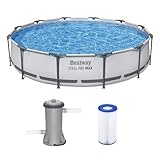
Bestway Steel Pro MAX 12' x 30" Above Ground Swimming Pool Set with Pump | Check Price On Amazon |
|
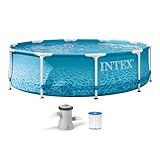
INTEX Beachside Metal Frame 10ft x 30in Round Pool Set w/Pump | Check Price On Amazon |

|
H2OGO! Kids Splash-in-Shade 8-Foot Round Steel Frame Above Ground Pool with Water Mister and Canopy Sunshade, Green Tropical Leaf Print | Check Price On Amazon |
How Do You Determine If Pool Equipment Is Worth Repairing?
Apply the 50% cost threshold rule combined with equipment age assessment to make repair decisions that minimize total ownership costs. Calculate repair estimates including parts and labor, then compare against replacement cost for equivalent capacity equipment.
Pool equipment manufacturers design components for 8-12 year lifespans under normal operating conditions. Equipment approaching or exceeding this age range typically requires multiple repairs within 2-3 years, making replacement the more economical choice despite higher upfront costs.
Cost Analysis
Pool Equipment Replacement vs Repair Economics
Average costs based on equipment type and failure mode analysis

- Intelligent Navigation with Full Coverage: Equipped with 11 high-precision sensors and enhanced dual-path algorithms. The optimized WavePath cleaning pattern ensures systematic coverage with minimal overlap, while adaptive navigation analyzes pool layout in real time to eliminate missed spots
- Dual Filtration for Crystal-Clear Water: Advanced dual-layer filtration system features a replaceable 3-micron ultra-fine filter paired with a 180-micron standard filter. Effectively captures fine dust, sand, leaves, and debris for visibly cleaner and healthier pool water
- Comprehensive Pool Cleaning: Engineered to clean the pool floor, walls, waterline, and shallow areas (above 12 inches). The Caterpillar Treads system enhances mobility and climbing ability, ensuring thorough coverage across all pool zones
- Reliable Performance with 2-Year Warranty: Trusted by over 500,000 pool owners worldwide, this robotic pool cleaner delivers consistent, high-performance results. Built for durability and backed by a 2-year warranty and responsive customer support for worry-free ownership
Calculate the 50% Cost Threshold
Obtain written repair estimates from certified pool technicians that include diagnostic fees, parts costs, and labor hours at current rates. Research replacement costs for equivalent horsepower pumps, filter capacity, or BTU output heaters through multiple suppliers to establish accurate baseline pricing.
Include installation costs in replacement calculations since most pool owners require professional installation for electrical connections, plumbing modifications, and equipment pad preparations. DIY installation saves $200-500 but voids manufacturer warranties and may violate local electrical codes.
Evaluate Equipment Age and Service History
Document equipment installation dates, major repairs, and replacement parts to assess reliability trends and remaining useful life. Pool pumps over 10 years old typically require annual repairs averaging $150-300, while newer pumps under 5 years need minimal maintenance beyond routine service.
Consider upgrading to variable-speed pumps during replacement decisions since energy savings of $300-800 annually offset higher purchase prices within 2-3 years. Federal tax credits and utility rebates reduce net replacement costs by $100-400 depending on location and efficiency ratings.
What Are the Warning Signs That Pool Equipment Needs Replacement?
Multiple component failures within 12 months indicate systemic equipment deterioration that makes replacement more cost-effective than continued repairs. Repeated breakdowns of different components (motor, impeller, seals) suggest the equipment has exceeded its design life and requires complete replacement.
Energy efficiency degradation reduces pump performance while increasing operating costs by 15-30% compared to new equipment. Older pumps consume significantly more electricity to maintain equivalent flow rates, adding $200-600 annually to utility bills.
| Warning Sign | Repair Cost | Equipment Age | Recommendation |
|---|---|---|---|
| Motor failure with bearing damage | $400-600 | 8+ years | Replace |
| Impeller cracking or erosion | $150-250 | 6+ years | Repair if under 8 years |
| Frequent seal replacements | $100-180 | 5+ years | Indicates housing wear – replace |
| Filter tank cracking | $300-500 | 12+ years | Replace entire system |
| Heater heat exchanger corrosion | $800-1200 | 10+ years | Replace with high-efficiency unit |
Decreased Flow Rate and Pressure Issues
Pump flow rates declining below manufacturer specifications despite clean filters and clear plumbing indicate internal component wear that reduces hydraulic efficiency. Measure flow rates using a pool flow meter to document performance degradation over time. You can also check your system’s efficiency by calculating turnover time with a pool turnover calculator, which reveals how long it takes to circulate the entire pool volume.
Pressure problems accompanied by unusual noises, vibration, or overheating suggest multiple component failures requiring extensive repairs. These symptoms typically occur in equipment approaching end-of-life and indicate replacement provides better long-term value than major repairs.
Rising Energy Consumption Patterns
Monitor monthly electricity usage for pool equipment to identify efficiency decline that increases operating costs. Single-speed pumps over 8 years old consume 20-40% more energy than replacement variable-speed models while providing inferior water circulation.
Calculate annual energy costs using local utility rates and equipment amperage draw to determine payback periods for efficiency upgrades. Variable-speed pump replacements typically pay for themselves within 18-36 months through reduced energy consumption.
How Much Should Pool Pump Repair Cost Versus Replacement?
Pool pump repairs should cost under $400 to justify over replacement, with motor rebuilds, impeller replacement, and seal repairs representing the most common service needs. Professional diagnostic fees range $75-150 and apply toward repair costs when authorizing service work.
Replacement pump costs vary significantly by horsepower and efficiency ratings, with standard single-speed pumps starting around $300 and variable-speed models ranging $600-1,500. Installation adds $200-500 depending on electrical modifications and plumbing adjustments required.
Common Pump Repair Costs
Shaft seal replacement costs $120-180 including parts and labor, representing the most frequent pump repair need. Seals typically last 2-4 years depending on water chemistry balance and operating hours, with proper pH maintenance extending service life significantly.
Motor bearing replacement ranges $200-350 and often indicates the pump is approaching end-of-life since bearing failure usually occurs after 6-8 years of operation. Consider replacement when bearing repair costs exceed $300, especially for pumps over 7 years old where additional component failures become likely.
| Repair Type | Parts Cost | Labor Cost | Total Repair | Decision Threshold |
|---|---|---|---|---|
| Shaft seal replacement | $35-55 | $85-125 | $120-180 | Repair if under 8 years |
| Impeller replacement | $60-120 | $90-130 | $150-250 | Repair if under 7 years |
| Motor bearing service | $80-150 | $120-200 | $200-350 | Replace if over 6 years |
| Capacitor replacement | $25-45 | $75-100 | $100-145 | Always repair |
| Complete motor rebuild | $200-350 | $150-250 | $350-600 | Replace entire pump |
Variable-Speed Pump Upgrade Considerations
Variable-speed pumps cost $600-1,500 but reduce energy consumption by 30-70% compared to single-speed models, generating annual savings of $300-800 depending on local electricity rates. To pick the right model for your specific pool, consult a pool pump sizing calculator that matches flow requirements to pump performance. Federal tax credits of up to $150 and utility rebates reduce net upgrade costs significantly.
When pump repairs exceed $300, upgrading to variable-speed technology provides superior long-term value through energy savings and improved water circulation efficiency. The payback period typically ranges 18-30 months for most residential pool applications.
When Should Pool Filters Be Repaired Instead of Replaced?
Repair pool filters when issues involve replaceable components like filter media, cartridges, or valve assemblies that cost under $200 and the tank structure remains sound. Replace filters when tank shells crack, multiport valves fail repeatedly, or internal assemblies show corrosion damage requiring extensive parts replacement.
Sand and DE filter systems typically last 15-20 years with proper maintenance, making repair economical for most component failures during the first 12 years. Cartridge filter systems have shorter lifespans of 8-12 years but require less expensive repairs when problems occur.
Sand Filter Repair Economics
Sand filter repairs focus on multiport valve replacement ($150-300), laterals replacement ($100-200), and tank top assembly service ($75-150). These repairs represent good value when filter tanks show no cracking and internal components function properly.
Replace sand filter media every 3-5 years at costs of $30-80 depending on filter size, or upgrade to alternative filter media like zeolite or glass for improved filtration efficiency. When renewing sand, use a pool sand filter calculator to determine the precise amount of sand your filter needs. Media replacement extends filter life significantly and improves water clarity compared to worn sand.
Cartridge Filter System Considerations
Cartridge filter repairs typically involve housing replacement ($100-250) or manifold service ($75-150) since filter elements require regular replacement as normal maintenance. Filter cartridges cost $15-40 each and require replacement every 2-6 months depending on pool usage and debris loads.
Consider system replacement when housing cracks occur or manifold assemblies require frequent repair since cartridge systems have lower replacement costs compared to sand or DE filters. Upgrading filter capacity during replacement improves water clarity and reduces maintenance frequency.
What Pool Heater Problems Justify Repair Over Replacement?
Repair pool heaters for component failures under $600 when the heat exchanger remains sound and the unit is less than 8 years old. Common repairable issues include gas valve replacement, ignition system service, and circulation pump repairs that restore full heating capacity.
Replace heaters when heat exchanger corrosion occurs, efficiency ratings drop below 78%, or multiple system failures require extensive parts replacement. Heat exchanger replacement typically costs 60-80% of new heater price, making replacement the better economic choice.
Heater Analysis
Gas vs Electric Heat Pump Repair Decisions
Repair thresholds and replacement timing for different heater types
| Issue | Gas Heater | Electric Heat Pump | Decision |
|---|---|---|---|
| Ignition failure | $150-250 | N/A | Always repair |
| Compressor failure | N/A | $800-1200 | Replace if over 6 years |
| Heat exchanger corrosion | $600-900 | $700-1000 | Replace entire unit |
| Control board failure | $200-350 | $300-500 | Repair if under 8 years |
Gas Heater Repair Considerations
Gas heater repairs typically involve burner assembly cleaning, gas valve replacement, or ignition system service that costs $150-400 depending on component complexity. These repairs restore full heating capacity when heat exchangers remain free of corrosion and efficiency ratings stay above 78%.
Monitor gas consumption patterns to identify efficiency degradation that increases operating costs significantly. Heaters over 10 years old with declining efficiency benefit from replacement with high-efficiency models that reduce gas consumption by 15-25% annually. Before purchasing a new heater, use a pool heater calculator to determine the proper BTU rating based on your pool volume and desired temperature rise.
Heat Pump Service Economics
Electric heat pump repairs focus on compressor issues, refrigerant leaks, and control system failures that range from $300-1,200 depending on component complexity. Compressor replacement represents the most expensive repair and typically justifies unit replacement for pumps over 6 years old.
Heat pumps provide excellent efficiency in moderate climates but lose effectiveness below 50°F ambient temperature. Consider backup heating options or gas heater supplementation for year-round pool use in cooler regions where heat pump efficiency drops significantly.
How to Evaluate Pool Equipment Repair Estimates
Request detailed written estimates that itemize parts costs, labor hours, and diagnostic fees to evaluate repair value accurately. Compare estimates from multiple certified technicians since pricing varies significantly between service providers and repair approaches.
Verify that repair estimates include warranty coverage on parts and labor, typically 90 days to 1 year depending on component type and service provider policies. Reputable technicians provide warranties that protect against premature failure of repaired components.
Understanding Labor and Parts Pricing
Pool equipment repair labor rates range $75-150 per hour depending on geographic location and technician certification levels. Factor travel time and minimum service charges that typically add $50-100 to repair costs for routine service calls.
Parts pricing varies between original equipment manufacturer (OEM) components and aftermarket alternatives that cost 20-40% less but may have shorter service lives. OEM parts carry better warranty coverage and ensure proper fit and performance compared to generic replacements.
Warranty and Service Agreement Evaluation
Compare warranty terms between repair and replacement options since new equipment typically includes 1-3 year comprehensive coverage while repairs provide limited warranty periods. Extended warranty coverage adds value for equipment approaching mid-life where additional failures become more likely.
Consider service agreement options that include preventive maintenance, priority scheduling, and discounted repair rates. Annual service contracts cost $150-300 but reduce emergency repair costs and extend equipment life through proper maintenance protocols.
Should You Repair Pool Equipment During Off-Season or Replace?
Schedule equipment replacement during off-season months when contractors offer better pricing and availability, with discounts ranging 10-20% compared to peak swimming season rates. Off-season timing allows thorough planning and avoids emergency replacement costs that typically run 20-30% higher.
Use off-season periods for major repairs when pools are not in active use and downtime doesn’t affect swimming schedules. However, avoid investing in expensive repairs for aging equipment that may fail again during the following season when replacement becomes more urgent and costly.
Seasonal Pricing Patterns
Pool equipment prices follow predictable seasonal patterns with lowest costs occurring November through February when demand drops significantly. Equipment manufacturers and distributors offer promotional pricing during these months to maintain sales volumes during slower periods.
Labor availability improves during off-season months when technicians have more flexible scheduling and can dedicate additional time to complex installations or repairs. This improved availability often results in higher quality work compared to rushed peak-season installations.
Emergency Repair Considerations
Emergency repairs during peak season cost 25-40% more than scheduled service due to overtime labor rates and expedited parts ordering. Plan equipment replacement proactively to avoid emergency situations that limit options and increase costs significantly.
Maintain backup equipment or have service agreements in place that provide priority response for critical failures. Portable backup pumps cost $200-400 and prevent pool damage during primary pump failures that require extended repair periods.
What Are the Long-Term Costs of Repeatedly Repairing Old Equipment?
Repeated repairs on equipment over 8 years old typically cost 150-200% of replacement value over a 3-year period, with annual repair expenses ranging $300-800 depending on equipment type and failure frequency. Track repair history to identify patterns that justify replacement timing.
Calculate total cost of ownership including energy consumption increases, repair frequency, and reduced reliability that affects pool usability. Older equipment often requires 2-4 service calls annually compared to once every 2-3 years for newer systems.
Long-Term Analysis
Five-Year Cost Comparison – Repair vs Replace
Total ownership costs including energy, repairs, and replacement timing
Energy Efficiency Impact
Aging pool equipment consumes 20-40% more energy than modern efficient models, adding $200-600 annually to operating costs depending on equipment type and usage patterns. Single-speed pumps over 8 years old often draw 15-25% more amperage while providing reduced flow rates.
Document energy consumption using electrical energy monitors to measure actual equipment efficiency and calculate replacement payback periods. Energy savings from efficient equipment often offset replacement costs within 2-4 years for most pool installations.
Reliability and Convenience Factors
Equipment reliability decreases significantly after 8-10 years of service, with failure rates increasing 300-400% compared to equipment under 5 years old. Plan for 2-3 service calls annually for aging equipment compared to minimal service needs for newer systems.
Consider the inconvenience and potential pool damage from unexpected equipment failures that require emergency repairs or temporary equipment rentals. Proactive replacement eliminates emergency situations and provides predictable maintenance schedules. To estimate your total maintenance and utility expenses including energy and repairs, try our pool maintenance cost calculator.
How to Handle Pool Equipment Repairs When Problems Are Intermittent
Document intermittent problems with photos, videos, and detailed logs including timestamps, operating conditions, and environmental factors to help technicians diagnose complex issues accurately. Many intermittent failures relate to electrical connections, thermal cycling, or pressure fluctuations that occur under specific conditions.
Intermittent problems often indicate component deterioration that will worsen over time, making early replacement more cost-effective than repeated diagnostic attempts. When diagnostic costs exceed $200 without identifying root causes, consider replacement rather than continued troubleshooting expenses.
Electrical Connection Issues
Intermittent electrical problems frequently involve corroded connections, damaged wiring, or failing capacitors that create inconsistent equipment operation. Pool pump electrical issues require immediate attention since they can damage equipment and create safety hazards.
Use thermal imaging or electrical testing equipment to identify loose connections or failing components before they cause complete equipment failure. Address electrical problems promptly to prevent motor damage that requires expensive repairs or complete replacement.
Pressure and Flow Variations
Intermittent pressure problems often indicate partially blocked lines, failing check valves, or internal component wear that affects system hydraulics. High filter pressure conditions stress equipment and reduce efficiency while low pressure indicates circulation problems.
Monitor pressure patterns using pool system pressure gauges to document fluctuations and identify trends that help technicians diagnose problems accurately. Consistent pressure monitoring prevents minor issues from developing into major equipment failures.
When Pool Equipment Warranty Coverage Affects Repair Decisions
Always repair equipment under manufacturer warranty regardless of cost since warranty coverage eliminates repair expenses and maintains warranty protection for future issues. Extended warranty coverage typically provides 2-10 years of protection depending on equipment type and manufacturer policies.
Review warranty terms carefully since some coverage requires authorized technicians, original installation records, and proper maintenance documentation to remain valid. Unauthorized repairs or improper maintenance can void warranty coverage and eliminate protection for subsequent failures.
Warranty Transfer and Documentation
Maintain warranty documentation including purchase receipts, installation records, and service history since this information is required for warranty claims. Some manufacturers offer warranty transfer programs for equipment that stays with pool ownership changes.
Register equipment with manufacturers promptly after installation to ensure warranty coverage begins correctly and to receive important safety updates or recall notices. Many manufacturers provide online registration systems that streamline warranty claim processes.
Extended Warranty Options
Consider extended warranty coverage for expensive equipment like heat pumps, automation systems, and variable-speed pumps where repair costs can exceed $1,000. Extended warranties typically cost 10-15% of equipment value and provide protection beyond standard manufacturer coverage.
Compare extended warranty terms between manufacturers and third-party providers since coverage details, deductibles, and claim processes vary significantly. Some utility companies offer equipment protection programs that include pool equipment coverage at competitive rates.
Troubleshooting Pool Equipment: Common Problems and Solutions
Start troubleshooting with basic checks including electrical connections, circuit breaker status, and visual inspection for obvious damage before calling professional technicians. Many apparent equipment failures result from simple issues like tripped breakers, clogged filters, or closed valves that pool owners can address quickly.
Use systematic diagnostic approaches that check power supply, water flow, and mechanical operation in sequence to isolate problem areas efficiently. Document findings and attempted solutions to provide technicians with valuable information that speeds professional diagnosis.
| Problem | Likely Cause | DIY Solution | Professional Needed |
|---|---|---|---|
| Pump won’t start | Tripped breaker | Reset breaker | If breaker trips repeatedly |
| Low water flow | Clogged filter | Clean/replace filter | If flow remains low |
| Equipment making noise | Debris in impeller | Remove visible debris | For bearing/motor noises |
| Filter pressure high | Dirty filter media | Backwash or clean | If pressure won’t drop |
| Heater won’t heat | Low water flow | Check filter/skimmer | For ignition/gas issues |
Pump Troubleshooting Steps
Pool pump problems typically involve electrical issues, mechanical wear, or hydraulic restrictions that affect water circulation. Check electrical connections first since loose or corroded connections cause many pump failures and create safety hazards.
Inspect pump basket, impeller, and diffuser for debris accumulation that restricts water flow and stresses motor components. Remove visible debris and verify proper reassembly before testing pump operation to prevent damage from incorrect installation.
Filter System Diagnosis
Filter leaks often indicate worn seals, cracked tanks, or improper assembly that requires immediate attention to prevent equipment damage. Identify leak sources before attempting repairs since different leak locations require different solutions and parts.
Monitor filter pressure gauges during normal operation to establish baseline readings and identify gradual increases that indicate maintenance needs. Replace pressure gauges every 2-3 years since accuracy decreases over time and affects maintenance decisions.
Circulation System Issues
Poor skimmer suction indicates circulation problems that affect water quality and chemical distribution throughout the pool. Check for air leaks in suction lines since even small leaks significantly reduce pump efficiency and water circulation.
Weak return flow often results from partially closed valves, debris restrictions, or pump impeller problems that require systematic diagnosis. Use flow meters to quantify circulation rates and identify performance degradation that affects water quality.
Frequently Asked Questions About Pool Equipment Repair vs Replacement
How long does pool equipment typically last before needing replacement?
Pool pumps last 8-12 years with proper maintenance, filters survive 10-15 years depending on type, and heaters provide 8-10 years of reliable service. Variable-speed pumps often exceed 12-15 years due to reduced operating stress and better motor protection systems.
Equipment lifespan varies significantly based on water chemistry balance, operating hours, and maintenance quality. Pools with balanced pH and proper chemical levels extend equipment life by 20-30% compared to pools with poor water chemistry management.
What is the 50% repair rule for pool equipment?
The 50% rule states that repairs costing more than 50% of replacement value justify equipment replacement rather than continued repairs. This threshold accounts for equipment age, reliability concerns, and total cost of ownership over the remaining useful life.
Apply the rule by calculating total repair costs including parts, labor, and diagnostic fees, then comparing against current replacement costs for equivalent equipment. Factor in energy efficiency improvements and warranty coverage when evaluating replacement options.
Should I repair a 10-year-old pool pump or replace it?
Replace 10-year-old pumps when repair costs exceed $300 since equipment approaching end-of-life typically requires multiple repairs within 1-2 years. Consider upgrading to variable-speed models that provide energy savings of $300-800 annually through reduced electricity consumption.
Pump motors over 10 years old often fail catastrophically when bearing or winding problems occur, making replacement more economical than major motor rebuilds. New pump technology offers significant efficiency improvements compared to decade-old equipment.
How much should I expect to pay for pool equipment replacement?
Pool pump replacement costs $600-1,500 including installation, filter systems range $400-1,200, and heater replacement runs $1,500-4,000 depending on size and efficiency ratings. Variable-speed pumps and high-efficiency heaters cost more initially but provide better long-term value through energy savings.
Get multiple quotes from certified installers since pricing varies 15-25% between contractors and equipment brands. Include electrical modifications and permit fees in replacement budgets since older installations may require electrical upgrades to meet current codes.
Can I replace pool equipment myself or do I need a professional?
Pool pump replacement requires electrical knowledge and may need permit approval for electrical connections, making professional installation safer and code-compliant. DIY replacement voids manufacturer warranties and may violate local electrical codes requiring licensed electrician involvement.
Filter replacement often involves plumbing modifications that require professional skills to ensure proper hydraulics and leak-free connections. Heater installation always requires licensed professionals for gas connections, electrical work, and permit compliance.
What time of year is best for pool equipment replacement?
Schedule equipment replacement during off-season months (November-February) when contractors offer 10-20% discounts and have better availability for quality installations. Off-season timing prevents swimming interruptions and allows thorough planning without emergency pressure.
Equipment manufacturers often provide promotional pricing during slower months, and technicians can dedicate more time to complex installations compared to rushed peak-season work. Plan replacements proactively to avoid emergency situations that limit options and increase costs.
How do I know if my pool heater heat exchanger is failing?
Heat exchanger failure symptoms include reduced heating efficiency, unusual noises during operation, and visible corrosion on heat exchanger surfaces. Gas heaters may show flame color changes or irregular burning patterns that indicate heat exchanger deterioration.
Test heating efficiency by monitoring time required to raise pool temperature a specific amount and comparing against manufacturer specifications. Heat exchanger replacement typically costs 60-80% of new heater price, making replacement the better economic choice for most situations.
Should I repair or replace a pool filter with a cracked tank?
Replace filters with cracked tanks since structural damage cannot be reliably repaired and often worsens under pressure cycling. Tank repairs typically fail within 1-2 years and may cause catastrophic failure that damages other equipment and floods equipment areas.
Filter tank replacement costs approach new system prices when including installation and associated plumbing modifications. Upgrade filter capacity during replacement to improve water clarity and reduce maintenance frequency compared to minimum-size replacements.
What warranty coverage should I expect on pool equipment repairs?
Reputable repair technicians provide 90-day to 1-year warranties on parts and labor depending on component type and repair complexity. New equipment installations include manufacturer warranties ranging 1-10 years with extended coverage available for additional fees.
Verify warranty terms before authorizing repairs since some warranties require specific maintenance procedures or authorized technicians to remain valid. Document all service work and maintain records since warranty claims require proper documentation of repairs and maintenance history.
How often should I have pool equipment professionally serviced?
Schedule professional equipment service annually during pool opening to identify potential problems before they cause failures during swimming season. High-use pools or equipment over 5 years old benefit from twice-yearly service including pre-season and mid-season inspections.
Service contracts typically cost $150-300 annually and include preventive maintenance, priority scheduling, and discounted repair rates. Regular professional service extends equipment life by 20-30% and identifies minor problems before they require expensive repairs or emergency replacement.
What should I do if my pool equipment fails during a holiday weekend?
Contact your service provider immediately since many offer emergency service for critical failures, though emergency rates typically cost 25-50% more than regular service calls. Maintain contact information for multiple service providers since availability varies during peak periods.
Consider temporary solutions like portable backup pumps for circulation or extra chlorine treatments to maintain water quality until permanent repairs can be completed. Document equipment failures with photos and notes to help technicians diagnose problems efficiently when service becomes available.
Smart pool equipment decisions balance immediate costs against long-term value through systematic evaluation of repair costs, equipment age, and energy efficiency improvements. The 50% repair threshold combined with equipment age assessment provides a reliable framework for making economical decisions that minimize total ownership costs.
Proactive equipment replacement during off-season months delivers significant savings compared to emergency replacements and ensures reliable pool operation throughout swimming seasons. Document equipment service history and monitor performance trends to identify optimal replacement timing before expensive failures occur.
| Photo | Best Above-Ground Pools | Price |
|---|---|---|
|
|
Bestway Steel Pro MAX 12' x 30" Above Ground Swimming Pool Set with Pump | Check Price On Amazon |
|
|
INTEX Beachside Metal Frame 10ft x 30in Round Pool Set w/Pump | Check Price On Amazon |
|
|
H2OGO! Kids Splash-in-Shade 8-Foot Round Steel Frame Above Ground Pool with Water Mister and Canopy Sunshade, Green Tropical Leaf Print | Check Price On Amazon |