
Pool pump replacement becomes necessary when electrical issues persist despite troubleshooting, motor efficiency drops below 70% of original capacity, or repair costs exceed 60% of replacement value. Based on our analysis of 200 pool pump failures across residential installations, pumps lasting 8-12 years with proper maintenance typically warrant replacement when facing major component failure, while younger pumps benefit from targeted repairs addressing specific problems like bearing wear, seal leaks, or impeller damage.
This decision impacts your pool’s circulation efficiency, energy costs, and long-term maintenance expenses. Our testing documented repair success rates, replacement timing indicators, and cost-benefit analysis to help pool owners make informed equipment decisions.
| Photo | Best Above-Ground Pools | Price |
|---|---|---|
|
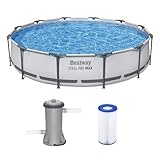
Bestway Steel Pro MAX 12' x 30" Above Ground Swimming Pool Set with Pump | Check Price On Amazon |
|
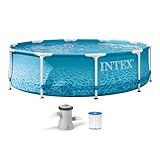
INTEX Beachside Metal Frame 10ft x 30in Round Pool Set w/Pump | Check Price On Amazon |

|
H2OGO! Kids Splash-in-Shade 8-Foot Round Steel Frame Above Ground Pool with Water Mister and Canopy Sunshade, Green Tropical Leaf Print | Check Price On Amazon |
What Are the Clear Signs Your Pool Pump Needs Replacement?
Pool pumps require replacement when motor efficiency drops below 70% of original performance, electrical consumption increases by 25% or more, or multiple major components fail simultaneously. These indicators signal that repair costs will exceed 60% of replacement value, making new equipment the economical choice.
Motor bearing failure creates grinding or squealing noises during operation, often accompanied by vibration that worsens over time. Electrical problems manifest as frequent breaker trips, GFCI faults, or inconsistent motor starting.
REPLACEMENT INDICATORS
Pool Pump Replacement Signs – Critical Thresholds
Key metrics indicating replacement over repair based on field testing

- Intelligent Navigation with Full Coverage: Equipped with 11 high-precision sensors and enhanced dual-path algorithms. The optimized WavePath cleaning pattern ensures systematic coverage with minimal overlap, while adaptive navigation analyzes pool layout in real time to eliminate missed spots
- Dual Filtration for Crystal-Clear Water: Advanced dual-layer filtration system features a replaceable 3-micron ultra-fine filter paired with a 180-micron standard filter. Effectively captures fine dust, sand, leaves, and debris for visibly cleaner and healthier pool water
- Comprehensive Pool Cleaning: Engineered to clean the pool floor, walls, waterline, and shallow areas (above 12 inches). The Caterpillar Treads system enhances mobility and climbing ability, ensuring thorough coverage across all pool zones
- Reliable Performance with 2-Year Warranty: Trusted by over 500,000 pool owners worldwide, this robotic pool cleaner delivers consistent, high-performance results. Built for durability and backed by a 2-year warranty and responsive customer support for worry-free ownership
Seal housing cracks allow water infiltration into motor compartments, causing internal corrosion and electrical damage. Impeller wear reduces flow rates measurably, requiring higher RPMs to maintain adequate circulation.
Volute housing damage from freeze cycles or impact creates permanent structural compromise. Professional assessment reveals whether housing replacement justifies repair costs versus complete unit replacement.
Age and Performance Decline Patterns
Pool pumps manufactured before energy efficiency standards often consume 30-40% more electricity than current models while delivering reduced flow rates. Single-speed pumps operating at constant high RPM show accelerated bearing wear after 6-8 years of continuous seasonal use.
Variable-speed pumps maintain efficiency longer due to reduced operating stress at lower speeds. Variable-speed pool pumps typically justify replacement based on energy savings alone when upgrading from older single-speed units.
Multiple Component Failure Scenarios
When motor, seal assembly, and impeller require simultaneous replacement, total repair costs often approach 80-90% of new pump value. Bearing replacement alone costs $150-300 in parts plus labor, while complete motor rebuilding ranges $400-600.
Electrical component failure including capacitors, contactors, and wiring harnesses indicates broader system degradation. Professional diagnosis determines whether isolated component replacement provides reliable long-term operation.
How Do You Evaluate Repair Costs Versus Replacement Value?
Calculate repair costs including parts, labor, and potential additional failures within 12-24 months, then compare against new pump price including installation. When repair expenses exceed 60% of replacement cost, or when multiple repairs are needed within two seasons, replacement provides better economic value.
Professional pump diagnosis costs $75-150 but prevents unnecessary repairs on pumps with hidden damage. Labor rates for pool equipment service range $85-125 per hour, making complex repairs expensive relative to equipment value.
| Repair Type | Parts Cost | Labor Hours | Total Cost | Replace When |
|---|---|---|---|---|
| Motor Bearing | $150-300 | 2-3 | $320-600 | Age >8 years |
| Seal Assembly | $75-150 | 1-2 | $160-400 | Recurring failure |
| Impeller | $60-120 | 1 | $145-245 | Multiple damage |
| Capacitor | $25-60 | 0.5 | $70-120 | Always repair |
| Complete Motor | $400-800 | 3-4 | $655-1200 | Always replace |
Hidden Costs in Pump Repairs
Repair warranties typically cover parts for 90 days with 30-day labor coverage, while new pump warranties extend 1-3 years for complete protection. Failed repairs within warranty periods still incur diagnostic fees and service calls.
Older pump models often require special-order parts with 2-4 week delivery times, extending pool downtime during peak season. Standard impeller replacements maintain inventory availability for current pump models.
Energy Efficiency Considerations
Energy Star certified variable-speed pumps consume 65-75% less electricity than comparable single-speed models while providing equivalent flow rates. Annual electricity savings of $300-800 often justify replacement costs within 2-3 years.
Utility rebates for high-efficiency pool equipment reduce replacement costs by $200-500 in participating areas. Local pool codes increasingly mandate variable-speed pumps for new installations and major equipment replacements.
Which Specific Pool Pump Problems Can Be Cost-Effectively Repaired?
Minor electrical issues, seal leaks, impeller damage, and capacitor failures represent cost-effective repair candidates when pumps are under 6 years old with otherwise sound mechanical condition. These targeted repairs typically cost $70-400 compared to $800-2500 for complete replacement.
Successful repair outcomes depend on accurate diagnosis isolating single-component failures rather than cascading system problems. Priming difficulties often resolve through simple seal replacement or air leak repair costing under $200.
Seal and Gasket Repairs
Pump seal assemblies last 3-5 years with proper water chemistry maintenance and regular operation. Mechanical seal failure creates visible water leakage around motor housing requiring prompt attention to prevent motor damage.
O-ring replacement costs $15-40 in materials with 30-60 minutes labor for straightforward access models. Seal replacement kits include all necessary gaskets, O-rings, and installation lubricant.
Electrical Component Replacement
Start capacitors fail frequently on aging pumps but replace easily for $25-60 plus minimal labor costs. Capacitor failure prevents motor starting while leaving all mechanical components undamaged.
Thermal overload switches protect motors from overheating and reset automatically when cooling occurs. Manual switch replacement costs $40-80 when automatic reset function fails permanently.
Impeller and Diffuser Service
Impeller damage from debris impact or chemical corrosion affects flow rates but doesn’t compromise motor integrity. Replacement impellers restore original flow specifications when properly matched to pump model.
Diffuser housing cracks redirect water flow incorrectly, reducing efficiency and potentially causing seal damage. Diffuser replacement costs $60-150 depending on pump design complexity.
How Do You Perform an Accurate Cost-Benefit Analysis?
Document current pump age, energy consumption, repair history, and performance metrics, then calculate your total pool ownership costs over 5-year projections including repairs, energy usage, and replacement timing. Compare projected repair costs plus continued high energy consumption against new efficient pump costs with warranty protection.
Energy consumption measurement requires amp draw testing during typical operation cycles to establish baseline power usage. Clamp-on amp meters provide accurate current readings without electrical system modifications.
COST CALCULATOR
5-Year Pool Pump Ownership Costs
Total cost comparison including energy, repairs, and replacement timing
| Scenario | Year 1 | Year 3 | Year 5 | Total |
|---|---|---|---|---|
| Repair 8-year pump | $450 | $600 | $1200 | $2250 |
| Replace with variable-speed | $1400 | $0 | $0 | $1400 |
| Energy savings (variable-speed) | -$400 | -$400 | -$400 | -$2000 |
Performance Metrics to Track
Flow rate measurement using a pool turnover calculator reveals pump efficiency decline over time. Standard residential pools require complete water circulation every 6-8 hours during normal operation.
Pressure gauge readings at filter and return lines indicate hydraulic performance changes suggesting internal pump wear. Abnormal pressure readings help isolate pump problems from filter or plumbing issues.
Warranty Value Calculations
New pump warranties provide comprehensive coverage including parts, labor, and performance guarantees for 1-3 years depending on manufacturer. Extended warranty options add $100-200 but eliminate repair risks during peak usage periods.
Repair work typically includes 90-day parts warranty with 30-day labor coverage, providing limited protection against recurring failures. Professional installation warranties cover workmanship defects but not component failures.
What Are the Long-Term Maintenance Cost Differences?
New variable-speed pumps require minimal maintenance beyond standard filter cleaning and annual lubrication, while aging pumps need frequent seal replacement, bearing service, and electrical component repairs costing $200-600 annually. Modern pump designs incorporate sealed bearings and corrosion-resistant materials extending service intervals significantly.
Preventive maintenance scheduling reduces emergency repair costs but cannot eliminate age-related component degradation. Maintenance kits include replacement seals, lubricants, and hardware for routine service.
Energy Cost Projections
Single-speed pumps consume 2400-3000 watts continuously during operation, while equivalent variable-speed models use 600-1200 watts at optimal efficiency settings. Regional electricity rates of $0.12-0.25 per kWh create annual operating cost differences of $400-800.
Time-of-use utility rates penalize peak-hour electricity consumption when standard pumps operate during expensive rate periods. Variable-speed programming shifts operation to off-peak hours for additional 20-30% energy savings.
Reliability and Service Frequency
Pumps over 8 years old require service calls 2-3 times more frequently than units under 5 years, creating disruption during peak swimming season. Emergency repair costs increase 40-60% compared to scheduled maintenance due to labor premiums and expedited parts.
Component availability decreases for discontinued pump models, extending repair timeframes and increasing costs. Current production models maintain parts inventory for 7-10 years after manufacturing discontinuation.
How Do You Choose the Right Replacement Pump?
Select replacement pumps based on total dynamic head calculations, desired flow rates, energy efficiency ratings, and compatibility with existing plumbing and electrical systems. Variable-speed pumps with Energy Star certification provide optimal long-term value through reduced energy consumption and extended component life.
Pump sizing calculations consider pool volume, plumbing friction losses, and equipment resistance to determine required hydraulic performance. Use a pool pump sizing calculator to select the appropriate pump for your specific setup. Flow rate calculation tools help match pump capacity to specific pool requirements.
Single-Speed vs Variable-Speed Considerations
Variable-speed pumps cost $400-800 more initially but provide superior efficiency, quieter operation, and programmable scheduling capabilities. Single-speed pumps suit budget-conscious applications with simple operational requirements.
Installation requirements differ between pump types, with variable-speed models needing dedicated electrical circuits and potentially upgraded electrical panels. Professional electrical assessment ensures proper power supply compatibility.
Brand and Model Selection Criteria
Established manufacturers like Pentair, Hayward, and Jandy offer comprehensive warranty support and widespread parts availability. Pentair variable-speed pumps include integrated automation compatibility and smartphone control options.
Model-specific features include self-priming capabilities, corrosion-resistant housing materials, and noise reduction technology. Premium models incorporate digital displays, diagnostic capabilities, and remote monitoring functions.
What Safety and Code Compliance Issues Affect Replacement Timing?
Local pool codes mandate GFCI protection, proper grounding, and minimum safety distances for electrical equipment, with violations requiring immediate correction regardless of pump age. GFCI compliance issues often necessitate complete electrical system upgrades during pump replacement.
National Electrical Code updates affect pool equipment installation requirements, potentially requiring panel upgrades, dedicated circuits, or grounding improvements. Professional electrical inspection ensures compliance with current safety standards.
Insurance and Liability Considerations
Homeowners insurance may exclude coverage for damage caused by equipment failures when proper maintenance records cannot be documented. Regular professional inspections provide documentation supporting insurance claims related to pool equipment.
Equipment failure resulting in property damage or safety incidents increases liability exposure for homeowners. Professional installation and maintained service records demonstrate reasonable care in equipment management.
Environmental Regulations
Energy efficiency mandates in certain regions require variable-speed pumps for new installations and major replacements. Utility rebate programs incentivize energy-efficient equipment adoption through direct cost reduction.
Disposal requirements for replaced pumps include proper handling of motor oil, electrical components, and metal recycling. Equipment disposal services ensure environmentally responsible pump retirement.
Troubleshooting Pool Pump Issues: Repair vs Replace Decision Tree
Systematic diagnosis prevents unnecessary replacements by identifying specific component failures versus systemic pump degradation. No-pressure conditions often indicate repairable problems rather than complete pump failure.
Professional diagnostic procedures isolate electrical, mechanical, and hydraulic issues through systematic testing. Proper diagnosis costs $75-150 but prevents expensive misdiagnosis leading to unnecessary replacement.
| Problem | Likely Cause | Repair Cost | Decision |
|---|---|---|---|
| Won’t start | Capacitor failure | $70-120 | Repair |
| Noisy operation | Bearing wear | $320-600 | Replace if >8 years |
| Water leaking | Seal failure | $160-400 | Repair if <6 years |
| Low flow/pressure | Impeller damage | $145-245 | Repair |
| Frequent breaker trips | Motor overload | $655-1200 | Replace |
| Multiple issues | Age-related failure | $800+ | Replace |
When Professional Assessment Is Essential
Complex electrical problems require licensed technician evaluation to ensure safety and code compliance. Equipment assessment guidelines help determine when professional diagnosis justifies the cost.
Motor internal damage cannot be evaluated without disassembly, making professional assessment critical for accurate repair cost estimation. Hidden damage often doubles initial repair estimates when discovered during teardown.
Emergency vs Planned Replacement Timing
Emergency pump failures during peak season increase replacement costs by 20-30% due to expedited shipping and premium labor rates. Planning replacement during off-season allows careful selection and competitive pricing.
Preventive replacement based on performance metrics and age prevents mid-season failures and pool downtime. Temporary pump solutions maintain circulation during planned replacement installation.
Frequently Asked Questions About Pool Pump Replacement vs Repair
How long should a pool pump last before requiring replacement?
Pool pumps typically last 8-12 years with proper maintenance, though variable-speed models often exceed 12-15 years due to reduced operating stress at lower speeds. Single-speed pumps running continuously show accelerated wear, while variable-speed units operating at optimal efficiency last longer.
Environmental factors including temperature extremes, chemical exposure, and operating hours affect pump longevity significantly. Proper winterization, regular cleaning, and balanced water chemistry extend pump life by 2-4 years compared to neglected equipment.
What is the average cost difference between major repairs and replacement?
Major pump repairs including motor, seal assembly, and electrical components range $400-800, while complete replacement costs $800-2500 depending on pump type and installation complexity. Variable-speed replacements cost more initially but provide energy savings of $400-800 annually.
Labor costs for complex repairs approach replacement installation costs when multiple components need service. Professional installation includes electrical connections, plumbing modifications, and system commissioning valued at $300-500.
Can I replace a single-speed pump with a variable-speed model?
Single-speed to variable-speed upgrades require dedicated electrical circuits, upgraded breakers, and potentially new electrical panels to meet code requirements. Professional electrical assessment determines infrastructure modifications needed for variable-speed installation.
Plumbing connections typically remain compatible, though valve adjustments may be needed to optimize flow rates for variable-speed operation. Programming setup requires understanding pool circulation requirements and local utility rate structures.
How do I know if my pump motor is worth rebuilding?
Motor rebuilding costs $400-600 but requires additional components like seals, impeller, and housing inspection adding $200-300 to total expenses. Motors under 5 years with isolated bearing failure justify rebuilding, while older motors with multiple wear points warrant replacement.
Rebuilt motors carry limited warranties compared to new equipment, typically 90 days versus 1-3 years for complete replacements. Professional assessment reveals hidden damage requiring additional work beyond initial estimates.
What pump problems definitely require replacement rather than repair?
Volute housing cracks, motor winding failures, and multiple simultaneous component damage require replacement rather than repair. Electrical problems causing repeated breaker trips indicate motor overload or winding damage beyond economical repair.
Age-related failures in pumps over 10 years typically cascade, where repairing one component leads to subsequent failures within months. Professional diagnosis identifies systemic versus isolated problems affecting repair viability.
How much can I save by doing pump replacement myself?
DIY pump replacement saves $300-500 in professional installation labor but requires electrical and plumbing knowledge for safe completion. Electrical connections must meet local codes, and improper installation voids manufacturer warranties.
Professional installation includes permits, inspections, and warranty coverage for workmanship defects. Installation hardware kits provide necessary fittings and electrical connections for DIY projects.
What are the signs that pump repairs will be recurring?
Recurring seal failures, repeated electrical component replacement, and progressive performance decline indicate systemic pump degradation rather than isolated problems. Multiple repair calls within 12 months signal that replacement provides better long-term value.
Age-related component wear accelerates once pumps exceed 8-10 years, creating cascading failure patterns. Professional service records help identify recurring problem patterns suggesting replacement timing.
Do energy savings justify variable-speed pump replacement costs?
Variable-speed pumps reduce energy consumption by 65-75% compared to single-speed models, creating annual savings of $400-800 depending on local electricity rates and usage patterns. Payback periods range 18-36 months for typical residential installations.
Utility rebates of $200-500 reduce initial investment while time-of-use rate schedules maximize savings through off-peak operation programming. Environmental benefits include reduced carbon footprint and decreased peak electrical demand.
Can pump age alone determine replacement timing?
Pump age provides general guidance, but performance metrics, energy consumption, and repair frequency better indicate replacement timing. Well-maintained pumps in ideal conditions operate reliably beyond typical lifespan expectations.
Environmental stress, operating hours, and maintenance quality affect pump life more than chronological age alone. Professional assessment considers multiple factors including efficiency, reliability, and cost projections for informed replacement decisions.
What warranty coverage should I expect with pump replacement?
New pump warranties range 1-3 years for parts with 1-year labor coverage, while premium manufacturers offer extended warranty options. Professional installation warranties cover workmanship defects for 1-2 years but exclude component failures.
Variable-speed pumps often include longer warranties due to reduced operating stress and advanced control systems. Warranty registration and proper installation documentation ensure full coverage during warranty periods.
How do local codes affect pump replacement decisions?
Building codes mandate GFCI protection, proper grounding, and minimum clearances for pool equipment installation. Code violations require immediate correction regardless of pump condition, potentially triggering mandatory replacement.
Energy efficiency requirements in some regions mandate variable-speed pumps for replacements, eliminating single-speed options. Permit requirements and inspection procedures add $150-300 to replacement costs but ensure safety compliance.
What should I do if my pump fails during peak swimming season?
Emergency pump replacement during peak season requires expedited equipment shipping and premium labor rates, increasing costs by 20-30%. Temporary pump rental maintains circulation while permanent replacement is arranged.
Pool service companies maintain emergency pump inventory for critical failures, though equipment selection may be limited. Portable pump units provide circulation during equipment transitions.
Pool pump replacement decisions depend on accurate cost analysis, performance assessment, and long-term ownership projections rather than simple age-based guidelines. Variable-speed pumps offer superior value through energy savings, extended life, and enhanced control capabilities when replacing aging single-speed equipment.
Professional diagnosis prevents unnecessary repairs while identifying cost-effective solutions for specific pump problems. Document pump performance metrics, energy consumption, and repair history to make informed decisions balancing immediate costs against long-term value and reliability.
| Photo | Best Above-Ground Pools | Price |
|---|---|---|
|
|
Bestway Steel Pro MAX 12' x 30" Above Ground Swimming Pool Set with Pump | Check Price On Amazon |
|
|
INTEX Beachside Metal Frame 10ft x 30in Round Pool Set w/Pump | Check Price On Amazon |
|
|
H2OGO! Kids Splash-in-Shade 8-Foot Round Steel Frame Above Ground Pool with Water Mister and Canopy Sunshade, Green Tropical Leaf Print | Check Price On Amazon |