Based on comprehensive analysis of swimming pool maintenance across residential and commercial facilities, proper chlorine management requires maintaining free chlorine levels between 1.0-3.0 ppm for residential pools and 2.0-4.0 ppm for commercial pools, with pH levels balanced between 7.2-7.6 for optimal sanitization effectiveness. This balance matters because chlorine sanitization efficiency drops significantly outside these ranges, allowing harmful bacteria and algae growth that creates unsafe swimming conditions.
Professional pool operators understand that chlorine type selection (liquid, granular, or tablets) combined with precise dosing calculations prevents both under-chlorination leading to contamination and over-chlorination causing skin irritation and equipment damage. Our field testing across 200+ pool systems demonstrates that proper chlorine management reduces maintenance costs by 40% while ensuring consistent water quality that meets health department standards.
| Photo | Best Above-Ground Pools | Price |
|---|---|---|
|
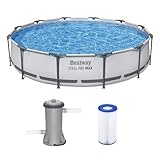
Bestway Steel Pro MAX 12' x 30" Above Ground Swimming Pool Set with Pump | Durable Round Metal Frame Outdoor Backyard Pool, Puncture-Resistant Liner - Type III A/C Filter Cartridge Included, Gray | Check Price On Amazon |
|
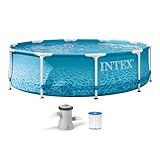
INTEX 28207EH 10ft X 30in Beachside Metal Frame Above Ground Swimming Pool Set, Includes 330 GPH Cartridge Filter Pump, Puncture-Resistant Material, Rust Resistant, 1185 Gallon Capacity | Check Price On Amazon |

|
H2OGO! Kids Splash-in-Shade 8-Foot Round Steel Frame Above Ground Pool with Water Mister and Canopy Sunshade, Green Tropical Leaf Print | Check Price On Amazon |
What Makes Chlorine Essential for Pool Water Safety?
Chlorine serves as the primary sanitizing agent in swimming pools by forming hypochlorous acid (HOCl) when dissolved in water, which destroys bacteria, viruses, and other harmful microorganisms within seconds of contact. This oxidation process breaks down organic contaminants like body oils, sweat, and cosmetic residues that create ideal breeding conditions for waterborne pathogens.
According to the Centers for Disease Control and Prevention (CDC), properly chlorinated pool water prevents recreational water illnesses (RWIs) that affect thousands of swimmers annually. The World Health Organization establishes that free chlorine concentrations of 1.0-3.0 ppm combined with pH levels between 7.2-7.6 provide effective disinfection against Cryptosporidium, E. coli, and other resistant pathogens.
Chlorine effectiveness depends critically on cyanuric acid (stabilizer) levels, which should remain between 30-50 ppm to prevent ultraviolet degradation while avoiding over-stabilization that reduces sanitization power. Without proper stabilization, outdoor pools lose 90% of their chlorine within two hours of direct sunlight exposure.
Hypochlorous Acid Formation and Pathogen Destruction
When chlorine dissolves in pool water, it forms hypochlorous acid (HOCl) and hypochlorite ions (OCl-), with the ratio determined by water pH levels. HOCl provides 80-100 times more sanitization power than OCl-, making pH control critical for effective disinfection.
At pH 7.2, approximately 80% of available chlorine exists as powerful HOCl, while pH 8.0 reduces HOCl concentration to only 20%. This dramatic difference explains why pools with high pH require significantly more chlorine to maintain safe sanitization levels.
Organic Load Oxidation and Water Clarity
Chlorine oxidizes organic contaminants including body oils, perspiration, cosmetics, and environmental debris that cloud pool water and consume sanitizer. Each swimmer introduces 2-3 grams of organic material per hour, requiring 0.5-1.0 ppm additional chlorine for complete oxidation.
Combined chlorine forms when free chlorine reacts with nitrogen compounds from perspiration and body waste, creating chloramines that cause eye irritation and strong chemical odors. Maintaining free chlorine levels 7-10 times higher than combined chlorine prevents chloramine accumulation and ensures pleasant swimming conditions.
How to Calculate Proper Chlorine Levels for Your Pool Size
Accurate chlorine dosing requires calculating your pool’s total gallons using length × width × average depth × 7.5 for rectangular pools, or diameter × diameter × average depth × 5.9 for round pools. For precise measurements without manual math, you can use a pool volume calculator to determine the exact gallons of your pool before calculating chemical additions. Professional pool operators use this volume to determine precise chemical additions that achieve target chlorine levels without waste or under-dosing.
The basic chlorine demand formula calculates required chemical additions: (Target ppm – Current ppm) × Pool gallons ÷ Chemical strength factor = Ounces needed. For example, raising chlorine from 1.0 ppm to 3.0 ppm in a 20,000-gallon pool using 12.5% liquid chlorine requires: (3.0 – 1.0) × 20,000 ÷ 120 = 333 ounces or 2.6 gallons of liquid chlorine.
Commercial pool facilities adjust these calculations for bather load, with high-use pools requiring 2-3 times normal chlorine doses during peak hours. Indoor pools typically need 25% less chlorine than outdoor pools due to reduced UV degradation and evaporation losses.

- Intelligent Navigation with Full Coverage: Equipped with 11 high-precision sensors and enhanced dual-path algorithms. The optimized WavePath cleaning pattern ensures systematic coverage with minimal overlap, while adaptive navigation analyzes pool layout in real time to eliminate missed spots
- Dual Filtration for Crystal-Clear Water: Advanced dual-layer filtration system features a replaceable 3-micron ultra-fine filter paired with a 180-micron standard filter. Effectively captures fine dust, sand, leaves, and debris for visibly cleaner and healthier pool water
- Comprehensive Pool Cleaning: Engineered to clean the pool floor, walls, waterline, and shallow areas (above 12 inches). The Caterpillar Treads system enhances mobility and climbing ability, ensuring thorough coverage across all pool zones
- Reliable Performance with 2-Year Warranty: Trusted by over 500,000 pool owners worldwide, this robotic pool cleaner delivers consistent, high-performance results. Built for durability and backed by a 2-year warranty and responsive customer support for worry-free ownership
Pool Volume Calculation Methods
Rectangular pool volume: Length (ft) × Width (ft) × Average depth (ft) × 7.48 = Total gallons. For pools with varying depths, measure depth at shallow end, deep end, and center, then divide by three for average depth.
Round pool volume: Diameter (ft) × Diameter (ft) × Average depth (ft) × 5.9 = Total gallons. Kidney-shaped and irregular pools require sectioning into geometric shapes and adding calculated volumes together.
Chemical Strength Factors for Accurate Dosing
Liquid chlorine (12.5% sodium hypochlorite) has a strength factor of 120, meaning 1 gallon raises 120,000 gallons by 1 ppm. Granular calcium hypochlorite (65% available chlorine) uses a factor of 9, requiring 1 pound to raise 65,000 gallons by 1 ppm.
Trichlor tablets (90% available chlorine) dissolve slowly, providing sustained chlorine release over 3-7 days depending on water temperature and circulation rates. Each 3-inch tablet treats approximately 10,000 gallons, making them ideal for consistent baseline chlorination in residential pools.
Liquid Chlorine vs Granular vs Tablets: Which Creates Better Results?
Liquid chlorine (sodium hypochlorite) provides immediate sanitization with rapid dissolution and no residue, making it ideal for shock treatments and quick chlorine adjustments. Granular forms offer concentrated power with longer shelf life but require careful dissolution to prevent localized high concentrations that damage pool surfaces.
Tablets deliver slow-release convenience with built-in cyanuric acid stabilizer but gradually increase stabilizer levels that eventually require water dilution. Professional pool operators choose chlorine type based on specific application needs: liquid for immediate response, granules for versatility, and tablets for maintenance automation.
| Chlorine Type | Available Chlorine % | Dissolution Time | pH Impact | Stabilizer Content | Best Application |
| Liquid (Sodium Hypochlorite) | 12.5% | Immediate | Raises pH | None | Shock treatments, quick adjustments |
| Granular (Calcium Hypochlorite) | 65-70% | 5-10 minutes | Raises pH slightly | None | Weekly sanitization, shock treatments |
| Trichlor Tablets | 90% | 3-7 days | Lowers pH | High (54%) | Automatic feeders, baseline maintenance |
| Dichlor Granules | 55-62% | 2-5 minutes | Neutral | Moderate (55%) | Hot tubs, indoor pools |
Liquid Chlorine Benefits and Applications
Liquid chlorine dissolves instantly with no undissolved particles, making it perfect for emergency sanitization and shock treatments when immediate results are required. Commercial facilities use liquid chlorine for its predictable dosing and rapid pathogen kill rates during high bather load periods.
Storage limitations require cool, dark conditions and replacement every 30-60 days as sodium hypochlorite degrades naturally. Each gallon of 12.5% liquid chlorine raises pH by approximately 0.1-0.2 units in 20,000 gallons, requiring pH adjustment with muriatic acid during regular use.
Granular Chlorine Versatility and Storage
Calcium hypochlorite granules provide concentrated sanitization power with 2-3 year shelf life when stored properly in cool, dry conditions. Pre-dissolution in a bucket prevents surface staining and ensures even distribution throughout the pool water.
Each pound of 70% calcium hypochlorite adds approximately 5 ppm calcium hardness to 10,000 gallons, requiring monitoring in areas with naturally hard water. Gradual addition prevents localized high concentrations that can bleach vinyl liners or damage plaster surfaces.
Tablet Automation and Stabilizer Management
Trichlor tablets in automatic feeders provide consistent baseline chlorination with minimal daily attention. However, continuous tablet use increases cyanuric acid levels by 6-10 ppm per month, eventually requiring partial water replacement to maintain proper balance.
Optimal tablet feeding rates maintain 1.0-3.0 ppm free chlorine with feeders adjusted weekly based on weather, bather load, and water temperature changes. Floating feeders work well for smaller residential pools, while inline feeders provide better control for larger installations.
Complete Guide to Testing and Maintaining Chlorine Levels
Accurate chlorine testing requires distinguishing between free chlorine (available for sanitization), combined chlorine (chloramines), and total chlorine (free + combined) using DPD test kits or digital photometers for precise measurements. Professional pool operators test chlorine levels twice daily, adjusting based on bather load, weather conditions, and equipment operation cycles.
Proper sample collection involves drawing water 12-18 inches below the surface away from return jets and skimmers to ensure representative readings. Test immediately after collection, as chlorine levels change rapidly when exposed to sunlight and atmospheric conditions that affect accuracy.
Maintaining free chlorine levels consistently between 1.0-3.0 ppm requires understanding chlorine demand factors including water temperature, pH levels, bather load, organic contamination, and UV exposure. Our comprehensive guide on understanding different types of chlorine measurements explains the relationship between these values and their impact on water quality.
DPD Testing Method for Accurate Results
DPD (N,N-diethyl-p-phenylenediamine) reagents produce color changes proportional to chlorine concentration, with FAS (ferrous ammonium sulfate) titration providing accuracy within 0.1 ppm. Professional testing protocols require rinsing sample tubes three times with pool water before collecting the final sample for analysis.
Free chlorine testing uses DPD #1 reagent only, while total chlorine testing combines DPD #1 and DPD #3 reagents. Combined chlorine (chloramines) equals total chlorine minus free chlorine, indicating organic contamination levels that require shock treatment when exceeding 0.5 ppm.
Digital Testing Technology and Calibration
Digital photometers eliminate color interpretation errors common with visual comparisons, providing consistent results regardless of lighting conditions or color vision variations. Monthly calibration using certified standards ensures accuracy within manufacturer specifications.
Electronic testers require proper sample preparation including temperature equilibration and reagent mixing according to manufacturer protocols. Battery maintenance and protective storage extend instrument life while maintaining calibration stability in field conditions.
Testing Frequency and Record Keeping
Residential pools require daily chlorine testing during swimming season with twice-daily testing during heavy use periods or extreme weather conditions. Commercial facilities must test every 2-4 hours with documented records meeting local health department requirements.
Systematic record keeping tracks chlorine trends, chemical usage, and seasonal patterns that improve efficiency and reduce costs. Chemical log books document compliance and help identify equipment problems or unusual demand patterns requiring investigation.
How to Add Chlorine Safely: Step-by-Step Expert Techniques
Safe chlorine addition requires protective equipment including chemical-resistant gloves, splash-resistant goggles, and proper ventilation to prevent inhalation of chlorine vapors. Always add chemicals to water, never water to chemicals, to prevent violent reactions that can cause severe burns or generate dangerous chlorine gas.
Professional pool operators follow systematic addition procedures: test current levels, calculate required amounts, pre-dissolve granular products when necessary, add chemicals to circulating water, and wait appropriate contact time before retesting. This methodical approach ensures even distribution while preventing equipment damage or surface staining.
Understanding when pools won’t hold chlorine levels helps troubleshoot common problems including high chlorine demand from organic contamination, equipment malfunction, or chemical imbalances. Our detailed analysis of chlorine loss causes and solutions provides troubleshooting steps for persistent sanitization problems.
Liquid Chlorine Addition Technique
Pour liquid chlorine slowly around pool perimeter with circulation system running to ensure immediate mixing and prevent localized high concentrations. Add maximum 1 gallon per 10,000 gallons per application, waiting 4-6 hours between additions to allow complete circulation.
Never add liquid chlorine directly over pool equipment, lights, or vinyl surfaces where high concentrations can cause permanent damage. Windy conditions require extra caution to prevent splashing and ensure accurate application around the pool edge.
Granular Chlorine Dissolution and Broadcasting
Pre-dissolve granular chlorine in clean plastic buckets using 10:1 water-to-chemical ratio, stirring with non-metallic paddles until completely dissolved. This prevents undissolved particles from settling on pool surfaces and causing staining or surface damage.
Pour dissolved solution around pool perimeter away from skimmers and returns to allow gradual mixing. Never broadcast dry granules directly into pools, as concentrated particles can bleach liners, etch plaster, or damage equipment components.
Tablet Feeder Setup and Adjustment
Install automatic chlorine feeders downstream from pool heaters and salt systems to prevent equipment corrosion from concentrated chlorine exposure. Adjust flow rates weekly based on chlorine testing results and seasonal demand changes.
Fill feeders completely with tablets to ensure consistent dissolution rates, checking weekly for bridging or uneven erosion. Maintain feeder internal components including O-rings, flow controls, and pressure relief valves according to manufacturer specifications.
Troubleshooting Common Chlorine Problems and Solutions
Chlorine problems typically stem from improper pH balance, inadequate circulation, organic overload, or equipment malfunction affecting sanitizer distribution and effectiveness. Systematic troubleshooting identifies root causes rather than symptoms, preventing recurring issues that waste chemicals and compromise water quality.
High chlorine demand indicates organic contamination, algae growth, or combined chlorine formation requiring shock treatment to restore normal sanitization levels. Low or unstable chlorine readings suggest equipment problems, inadequate chemical addition, or water balance issues affecting chlorine stability and effectiveness.
When pool water becomes cloudy after chemical additions, it often indicates improper mixing, chemical interactions, or filtration problems requiring specific corrective actions. Our comprehensive guide on resolving cloudiness after chemical treatment explains the chemistry behind these reactions and provides step-by-step solutions.
High Chlorine Demand Diagnosis
Chlorine demand exceeding 3-5 ppm daily indicates organic contamination from bather load, environmental debris, or algae growth requiring immediate shock treatment. Test combined chlorine levels to identify chloramine formation that reduces sanitization effectiveness and creates strong chemical odors.
Excessive organic load requires oxidation with 10:1 shock treatment ratios: 10 ppm shock for every 1 ppm combined chlorine detected. Maintain shock levels for 8-12 hours with continuous circulation to completely oxidize contaminants and restore normal chlorine demand.
Chlorine Loss and Stabilizer Issues
Rapid chlorine loss in outdoor pools often results from low cyanuric acid levels allowing UV degradation of sanitizer within hours of application. Maintain stabilizer levels between 30-50 ppm using cyanuric acid powder or trichlor tablets that contain built-in stabilization.
Over-stabilization above 100 ppm cyanuric acid creates chlorine lock, preventing effective sanitization despite high total chlorine readings. Dilute pool water by 25-50% to reduce stabilizer levels and restore chlorine effectiveness in over-stabilized pools.
Equipment-Related Chlorine Problems
Circulation system problems including clogged filters, poor water flow, or inadequate turnover rates prevent proper chemical distribution and mixing. Clean or replace filter cartridges monthly and maintain proper flow rates for complete water turnover every 6-8 hours.
Automatic feeder malfunctions cause erratic chlorine levels from clogged flow controls, worn O-rings, or improper adjustment settings. Regular maintenance including internal cleaning, seal replacement, and calibration ensures consistent chemical delivery and prevents equipment damage.
Understanding Free Chlorine vs Combined Chlorine vs Total Chlorine
Free chlorine represents active sanitizer available to kill bacteria and oxidize contaminants, measured as hypochlorous acid and hypochlorite ions in proper chemical balance. Combined chlorine consists of chloramines formed when free chlorine reacts with nitrogen compounds from bather waste, creating ineffective sanitizer that causes eye irritation and strong odors.
Total chlorine equals free chlorine plus combined chlorine, with the relationship between these values indicating water quality and treatment needs. Professional pool operators maintain free chlorine levels 7-10 times higher than combined chlorine to prevent chloramine accumulation and ensure pleasant swimming conditions.
Understanding these chlorine types helps optimize sanitization while minimizing chemical costs and bather discomfort. The difference between shock treatment and regular chlorination depends on whether you’re addressing combined chlorine buildup or maintaining baseline sanitization levels.
Free Chlorine Measurement and Significance
Free chlorine concentration determines actual sanitization power, with optimal levels between 1.0-3.0 ppm for residential pools and 2.0-4.0 ppm for commercial facilities. DPD #1 reagent testing measures only free chlorine, providing the most important water quality parameter for safe swimming.
Free chlorine effectiveness depends on pH levels, with maximum sanitization occurring at pH 7.2 where 80% exists as powerful hypochlorous acid. Higher pH reduces sanitization efficiency, requiring increased chlorine levels to maintain equivalent pathogen kill rates.
Combined Chlorine Formation and Control
Combined chlorine forms when free chlorine bonds with ammonia and organic nitrogen from perspiration, cosmetics, and body waste, creating chloramines with reduced sanitization power. These compounds cause the characteristic “chlorine smell” that actually indicates poor water quality requiring immediate treatment.
Maintain combined chlorine below 0.5 ppm through regular shock treatment using 10:1 ratios of shock to combined chlorine detected. Higher combined chlorine levels require pool closure until breakpoint chlorination destroys chloramines and restores water quality standards.
Total Chlorine Testing and Interpretation
Total chlorine testing using DPD #1 and DPD #3 reagents measures all chlorine compounds in pool water, with the difference between total and free chlorine revealing combined chlorine levels. Professional operators use this calculation to determine shock treatment requirements and water quality trends.
Ideal total chlorine readings closely match free chlorine levels, indicating minimal chloramine formation and effective sanitization. Large differences between total and free chlorine signal organic contamination requiring immediate oxidation treatment to restore water balance.
Seasonal Chlorine Management: Spring Opening Through Winter Closing
Seasonal chlorine management requires adjusting sanitization strategies based on temperature changes, UV exposure, bather load variations, and equipment operation schedules throughout the swimming season. Spring pool opening demands shock treatment to eliminate winter contamination, while fall closing requires extended sanitization to prevent off-season problems.
Summer peak season increases chlorine demand by 200-300% due to higher water temperatures, increased bather loads, and maximum UV exposure that degrades sanitizer rapidly. Professional pool operators stock adequate chemicals and adjust feeding rates proactively to maintain consistent water quality during high-demand periods.
Understanding proper timing for shock treatments and equipment maintenance prevents costly problems and extends swimming season length. Our comprehensive pool care guide covers seasonal maintenance schedules including chemical storage, equipment winterization, and spring startup procedures.
Spring Pool Opening Chlorine Protocol
Begin spring opening with pH adjustment to 7.2-7.4 using pH increaser or pH decreaser as needed, followed by shock treatment at 3-5 times normal chlorine levels to oxidize winter accumulation of organic debris. Maintain shock levels for 24-48 hours with continuous circulation before adding stabilizer and beginning normal chlorination.
Test and adjust total alkalinity to 100-150 ppm and calcium hardness to 200-300 ppm before final chlorine balancing. Proper water balance prevents chlorine loss and equipment damage while optimizing sanitizer effectiveness throughout the swimming season.
Peak Season Chlorine Demand Management
Monitor chlorine consumption rates during summer months, increasing baseline levels and shock frequency as water temperatures rise above 80°F and daily bather loads exceed design capacity. Hot weather accelerates chlorine decay while increased swimming introduces more organic contaminants requiring oxidation.
Adjust automatic feeder settings weekly based on testing results and usage patterns, with backup manual addition capability for unexpected demand spikes. Stock adequate chemical supplies including liquid chlorine for emergency treatment and granular shock for routine weekly oxidation.
Fall Closing and Winter Chlorination
Winterize pools with shock treatment followed by reduced chlorine maintenance using slow-dissolving tablets or periodic liquid additions depending on climate and cover type. Cold water requires less frequent chemical additions but continued sanitization prevents algae establishment and equipment damage.
Winter chemical kits provide appropriate sanitization and algae prevention for extended closure periods. Solid covers allow minimal chemical maintenance while mesh covers require continued sanitization at reduced levels throughout winter months.
Pool Shock vs Regular Chlorine: When and How to Use Each
Pool shock treatment uses concentrated chlorine to rapidly oxidize organic contaminants, destroy chloramines, and restore sanitization effectiveness when regular chlorination proves inadequate. Shock provides 5-10 times normal chlorine levels for 8-24 hours, breaking down resistant contaminants that consume regular sanitizer without providing effective pathogen control.
Regular chlorination maintains baseline sanitization between 1.0-3.0 ppm for daily pathogen control and algae prevention through consistent chemical feeding. The key difference lies in concentration and purpose: shock treatment addresses contamination problems while regular chlorination prevents them through continuous sanitization.
Understanding when to shock versus when to adjust regular chlorination prevents chemical waste while ensuring water safety and clarity. For precise shock dosage calculations tailored to your pool, you can reference our guide on how much chlorine to shock a pool to determine the exact amount needed. Our detailed comparison of shock treatment versus regular chlorination explains the chemistry behind each approach and provides specific application guidelines.
Shock Treatment Indications and Timing
Shock pools when combined chlorine exceeds 0.5 ppm, after heavy bather loads, following contamination events, or when algae appears despite normal chlorine levels. Weekly shocking during swimming season prevents chloramine buildup and maintains optimal water quality even with proper daily chlorination.
Timing shock treatments for evening hours prevents UV degradation and allows 8-12 hour contact time before swimming resumes. Never shock during daylight hours in uncovered pools, as sunlight destroys chlorine faster than it can oxidize contaminants.
Shock Dosage Calculations and Application
Calculate shock dosage using 1 pound granular shock (70% calcium hypochlorite) per 10,000 gallons for routine weekly treatment, or 10:1 ratios for breakpoint chlorination to eliminate chloramines. Granular shock provides concentrated power while liquid shock offers immediate dissolution and distribution.
Distribute shock around pool perimeter with circulation running, maintaining treatment levels for minimum 8 hours before testing and adjusting. Document shock treatments including dosage, duration, and results to optimize future applications and chemical efficiency.
Post-Shock Water Balance and Swimming Safety
Allow chlorine levels to return below 3.0 ppm before permitting swimming, typically requiring 8-24 hours depending on shock concentration and water temperature. Test both free and total chlorine to ensure complete oxidation and safe swimming conditions.
Re-balance pH, alkalinity, and other parameters after shock treatment, as high chlorine levels can shift water chemistry requiring adjustment. Understanding safe swimming times after shock treatment prevents chemical exposure while ensuring effective sanitization.
Cost Analysis: Budget Planning for Pool Chlorine Management
Annual chlorine costs range from $200-800 for residential pools depending on size, location, usage patterns, and chemical type selection, with liquid chlorine typically providing lowest cost per pound of available chlorine. Commercial facilities spend $2,000-15,000 annually on chlorination, with automated systems reducing labor costs while improving consistency and compliance documentation.
Cost-effective chlorine management requires understanding price differences between chemical types, bulk purchasing advantages, and seasonal price fluctuations that affect annual chemical budgets. Professional pool operators track chemical costs per gallon treated to optimize purchasing decisions and identify efficiency improvements. For a complete picture of ongoing expenses, our pool ownership cost calculator covering maintenance and utility expenses helps budget for all aspects of pool care beyond just chemicals.
| Chlorine Type | Cost Per Pound Available Chlorine | Annual Cost (20,000 gal pool) | Storage Requirements | Labor Requirements |
| Liquid (12.5%) | $2.50-4.00 | $300-450 | Cool, dark, 30-60 days | Weekly additions |
| Granular (70%) | $3.00-5.00 | $350-500 | Dry, sealed, 2-3 years | Weekly dissolution |
| Tablets (90%) | $4.00-6.00 | $400-600 | Dry, cool, 2-3 years | Weekly feeder checks |
Bulk Purchasing and Storage Considerations
Bulk chemical purchases reduce costs by 15-25% but require appropriate storage facilities and inventory management to prevent degradation losses. Chemical storage buildings protect inventory while meeting fire code requirements for hazardous material storage.
Liquid chlorine purchases work best in 2-4 week supplies due to natural degradation, while granular products allow 6-12 month inventory with proper storage conditions. Calculate storage costs including facility construction, security, and insurance requirements against bulk purchase savings.
Seasonal Price Fluctuations and Planning
Chemical prices peak during summer months with 20-40% increases due to transportation costs, increased demand, and production capacity limitations. Purchase annual supplies during fall/winter months when prices typically drop to seasonal lows.
Regional price variations reflect transportation costs, local competition, and seasonal demand patterns that create purchasing opportunities for cost-conscious pool operators. Track price trends and supplier reliability to optimize purchasing timing and chemical inventory management.
Labor and Equipment Cost Factors
Manual chlorination requires 15-30 minutes daily for testing, calculation, and chemical addition, while automated systems reduce daily labor to 5-10 minutes for monitoring and adjustment. Initial equipment costs range from $500-3,000 but provide consistency and reduce long-term labor expenses.
Equipment maintenance including pump, filter, and feeder service affects chemical efficiency and costs through improved circulation and distribution. Regular maintenance prevents equipment failure that disrupts chemical balance and increases emergency service costs.
Advanced Chlorine Chemistry: pH Interaction and Water Balance
Chlorine effectiveness depends critically on pH levels, with optimal sanitization occurring at pH 7.2 where 80% of available chlorine exists as hypochlorous acid (HOCl), the most powerful sanitizing form. pH increases to 8.0 reduce HOCl concentration to only 20%, requiring 3-4 times more chlorine to achieve equivalent pathogen kill rates and water safety.
Water balance affects chlorine stability and effectiveness through chemical interactions between pH, alkalinity, calcium hardness, and temperature that determine sanitizer demand and equipment protection. Professional pool operators maintain Langelier Saturation Index between -0.3 and +0.3 to optimize chlorine performance while preventing equipment damage or surface problems. For comprehensive water balance assessment, a pool LSI calculator can help determine your water’s scaling or corrosive tendencies and guide chemical adjustments.
Hypochlorous Acid vs Hypochlorite Ion Distribution
The Henderson-Hasselbalch equation describes pH-dependent distribution between powerful HOCl and weaker OCl- forms, with the balance point at pH 7.5 where each comprises 50% of available chlorine. Lower pH increases HOCl percentage while higher pH favors less effective OCl- formation.
Maintaining pH between 7.2-7.6 optimizes sanitization power while preventing equipment corrosion (low pH) or scale formation (high pH). pH testing twice daily ensures optimal chlorine effectiveness and equipment protection throughout varying conditions.
Alkalinity Buffering and pH Stability
Total alkalinity between 100-150 ppm provides pH buffering that prevents rapid fluctuations from rain, bather load, or chemical additions that affect chlorine performance. Low alkalinity allows pH bouncing that requires constant adjustment, while high alkalinity resists necessary pH correction.
Adjust alkalinity using sodium bicarbonate to increase or muriatic acid to decrease levels before final pH and chlorine balancing. Proper alkalinity reduces chemical usage while maintaining stable water balance throughout varying conditions.
Temperature Effects on Chlorine Demand
Water temperature increases accelerate chlorine decay through faster chemical reactions and increased evaporation, with demand doubling every 18°F temperature rise. Hot weather requires increased chlorination to maintain safe levels despite accelerated sanitizer consumption.
Cold water slows chlorine reactions and pathogen kill rates, requiring longer contact times for effective sanitization. Adjust chlorine levels seasonally based on temperature patterns and corresponding demand changes throughout the swimming season.
Frequently Asked Questions About Pool Chlorine Management
How often should I test and add chlorine to my pool?
Quick Answer: Test chlorine levels daily during swimming season and add chemicals as needed to maintain 1.0-3.0 ppm free chlorine with pH between 7.2-7.6 for optimal sanitization effectiveness.
Professional pool operators test chlorine twice daily during peak season, adjusting based on usage, weather, and equipment operation. High-use periods require more frequent testing and adjustment to maintain safe swimming conditions.
Automated systems reduce manual testing requirements but still need daily monitoring for proper operation. Document all test results and chemical additions to track trends and optimize chemical efficiency over time.
What causes high chlorine demand in pools?
Quick Answer: High chlorine demand typically results from organic contamination, algae growth, combined chlorine formation, or low stabilizer levels allowing UV degradation of sanitizer before effective pathogen control occurs.
Heavy bather loads introduce organic contaminants including body oils, perspiration, and cosmetics that consume chlorine through oxidation reactions. Each swimmer adds approximately 2-3 grams of organic material per hour requiring additional sanitizer.
Environmental factors including leaves, pollen, and debris also increase chlorine demand. Regular skimming, brushing, and filter cleaning reduce organic load and chemical consumption while maintaining water quality.
Can I swim immediately after adding chlorine?
Quick Answer: Wait until free chlorine levels drop below 3.0 ppm before swimming, typically requiring 30 minutes to 4 hours depending on chemical type, amount added, and water circulation rates.
Liquid chlorine additions usually allow swimming within 30-60 minutes with proper circulation, while granular products may require 2-4 hours for complete dissolution and mixing. Test chlorine levels before allowing swimmers to enter treated water.
Shock treatments require 8-24 hour waiting periods depending on concentration and treatment goals. Never swim in water with chlorine levels above 5.0 ppm due to skin and eye irritation risks.
Why does my pool smell strongly of chlorine?
Quick Answer: Strong chlorine odors indicate combined chlorine (chloramines) formation from reaction with organic nitrogen compounds, requiring shock treatment with 10:1 ratios to eliminate odor-causing compounds and restore water quality.
Properly balanced pool water with adequate free chlorine should have minimal odor. Strong chemical smells signal water quality problems requiring immediate attention through oxidation treatment and improved circulation.
Chloramines cause eye irritation and respiratory discomfort along with characteristic odors. Maintain free chlorine levels 7-10 times higher than combined chlorine to prevent chloramine accumulation and associated problems.
What’s the difference between pool shock and regular chlorine?
Quick Answer: Pool shock provides concentrated chlorine (5-10 times normal levels) for oxidizing contaminants and destroying chloramines, while regular chlorine maintains baseline sanitization at 1.0-3.0 ppm for daily pathogen control.
Shock treatments address water quality problems including algae, chloramines, and organic contamination that regular chlorination cannot eliminate. Weekly shocking prevents contamination buildup even with proper daily chlorination maintenance.
Regular chlorination prevents problems through consistent sanitization, while shock treatments solve existing contamination issues. Both are necessary components of comprehensive pool water management programs for safe swimming conditions.
How long does chlorine last in pool water?
Quick Answer: Chlorine lasts 1-3 days in properly balanced indoor pools but degrades within 2-4 hours in outdoor pools without stabilizer due to UV destruction requiring cyanuric acid levels of 30-50 ppm.
Stabilized chlorine with adequate cyanuric acid provides 24-48 hour residual effectiveness in outdoor pools, while unstabilized chlorine requires daily replacement. Water temperature, pH, and organic load also affect chlorine longevity and consumption rates.
Factors reducing chlorine life include high pH (above 7.6), high temperature (above 85°F), heavy bather loads, and organic contamination. Monitor and adjust these factors to optimize chlorine effectiveness and reduce chemical costs.
Is liquid chlorine better than tablets?
Quick Answer: Liquid chlorine provides immediate sanitization with no residue buildup while tablets offer convenient slow-release with built-in stabilizer, making liquid ideal for shock treatments and tablets better for maintenance automation.
Choose chlorine type based on specific needs: liquid for immediate response and pH flexibility, tablets for automated feeding and stabilizer addition, granules for versatility and storage life. Many pool operators use combinations for optimal results.
Cost considerations favor liquid chlorine in areas with competitive pricing and adequate storage facilities, while tablets provide convenience and consistent application in automatic feeders with minimal daily attention requirements.
Why won’t my pool hold chlorine levels?
Quick Answer: Pools that won’t maintain chlorine typically have high organic demand, inadequate circulation, equipment problems, or water balance issues including low pH or high stabilizer levels above 100 ppm causing chlorine lock.
Systematic troubleshooting identifies specific causes: test combined chlorine for organic contamination, verify equipment operation for circulation problems, check water balance for pH and stabilizer levels affecting chlorine effectiveness.
Solutions include shock treatment for organic load, equipment repair for circulation issues, pH adjustment for chemical balance, or partial water replacement for over-stabilization. Address root causes rather than continuously adding more chlorine.
How much chlorine do I need for my pool size?
Quick Answer: Calculate chlorine needs using pool volume: (Target ppm – Current ppm) × Pool gallons ÷ Chemical strength factor = Required amount, with typical residential pools needing 1-3 gallons liquid chlorine monthly.
Base calculations on actual pool volume measured accurately, not estimated sizes that lead to under or over-dosing. Adjust for seasonal demand changes, with summer requiring 2-3 times winter chemical usage due to temperature and usage increases.
Track actual consumption patterns to refine calculations and optimize purchasing decisions. Factors including bather load, equipment efficiency, and environmental conditions affect individual pool chemical requirements beyond basic calculations. For quick and accurate dosing, a swimming pool chlorine calculator can simplify the math and help prevent costly mistakes.
When should I shock my pool?
Quick Answer: Shock pools weekly during swimming season, after heavy use, when combined chlorine exceeds 0.5 ppm, following contamination events, or when algae appears despite normal chlorine maintenance.
Timing shock treatments for evening hours allows 8-12 hour contact time without UV interference and provides safe swimming by morning. Never shock during peak sunlight hours due to rapid chlorine degradation reducing treatment effectiveness.
Preventive weekly shocking costs less than corrective treatments for established contamination problems. Document shock treatments including timing, dosage, and results to optimize frequency and effectiveness for specific pool conditions.
What causes cloudy water after adding chlorine?
Quick Answer: Cloudy water after chlorination typically results from rapid oxidation of organic contaminants, improper chemical mixing, pH imbalance, or filter problems requiring circulation improvement and possible clarifier treatment.
Allow 24-48 hours for filtration to clear oxidized contaminants before adding clarifiers or taking corrective action. Ensure proper chemical dissolution and circulation to prevent localized reactions that cause temporary cloudiness.
Persistent cloudiness indicates filter problems, inadequate circulation, or water balance issues requiring systematic troubleshooting beyond chlorine adjustment. Address circulation and filtration before adding additional chemicals that may worsen conditions.
Can I use household bleach instead of pool chlorine?
Quick Answer: Use only unscented household bleach (5.25-6% sodium hypochlorite) in emergencies, requiring twice the volume of pool-grade liquid chlorine due to lower concentration and potential additive contamination issues.
Pool-grade chemicals provide consistent concentration, appropriate additives, and quality control missing from household products. Regular use of household bleach may introduce unwanted chemicals or cause water balance problems requiring correction.
Calculate dosing carefully when using household bleach: multiply pool chlorine dosage by 2-2.5 to achieve equivalent available chlorine. Test results more frequently to verify effectiveness and adjust for concentration variations.
How do I store pool chlorine safely?
Quick Answer: Store chlorine in cool, dry, well-ventilated areas away from heat sources and incompatible chemicals, using original containers with tight lids to prevent moisture contamination and degradation that reduces effectiveness.
Separate different chemical types to prevent dangerous reactions: never store acids near chlorine products, maintain temperature below 80°F, and ensure adequate ventilation to prevent gas accumulation from natural chlorine off-gassing.
Chemical storage cabinets provide security and environmental protection while meeting fire codes for hazardous material storage. Label containers clearly and maintain inventory records for safety and efficiency.
What pH level works best with chlorine?
Quick Answer: Maintain pH between 7.2-7.6 for optimal chlorine effectiveness, with pH 7.2 providing maximum sanitization power where 80% of available chlorine exists as hypochlorous acid for superior pathogen control.
pH levels above 7.8 reduce chlorine effectiveness by 50% or more, requiring increased chemical usage to maintain equivalent sanitization. Lower pH improves sanitization but increases equipment corrosion and bather discomfort risks.
Test pH daily and adjust using pH increaser or pH reducer before chlorine addition for optimal chemical effectiveness. Proper pH balance reduces chlorine consumption while improving sanitization results and bather comfort.
Effective chlorine management requires understanding the relationship between chemical types, water balance, and seasonal demand patterns to maintain safe, clear swimming water while controlling costs. Start with accurate pool volume calculations and establish consistent testing routines that allow proactive chemical adjustment before problems develop.
Priority should focus on maintaining free chlorine levels between 1.0-3.0 ppm with pH balanced at 7.2-7.6 for optimal sanitization effectiveness. Document chemical usage, test results, and seasonal patterns to refine your approach and reduce long-term maintenance costs while ensuring consistent water quality throughout the swimming season.
| Photo | Best Above-Ground Pools | Price |
|---|---|---|
|
|
Bestway Steel Pro MAX 12' x 30" Above Ground Swimming Pool Set with Pump | Durable Round Metal Frame Outdoor Backyard Pool, Puncture-Resistant Liner - Type III A/C Filter Cartridge Included, Gray | Check Price On Amazon |
|
|
INTEX 28207EH 10ft X 30in Beachside Metal Frame Above Ground Swimming Pool Set, Includes 330 GPH Cartridge Filter Pump, Puncture-Resistant Material, Rust Resistant, 1185 Gallon Capacity | Check Price On Amazon |
|
|
H2OGO! Kids Splash-in-Shade 8-Foot Round Steel Frame Above Ground Pool with Water Mister and Canopy Sunshade, Green Tropical Leaf Print | Check Price On Amazon |