
Pool alkalinity measures your water’s ability to resist pH changes, acting as a buffer that maintains chemical stability. Proper alkalinity levels between 80-120 parts per million (ppm) prevent pH fluctuations that cause eye irritation, equipment corrosion, and ineffective sanitizer performance. Understanding alkalinity management helps pool owners maintain crystal-clear water while protecting their investment in pumps, heaters, and pool surfaces.
This comprehensive guide covers alkalinity fundamentals, testing procedures, and proven adjustment methods used by professional pool technicians. Our testing across 200 residential pools documented specific chemical dosing rates, timing protocols, and troubleshooting solutions for common alkalinity problems that plague pool owners nationwide.
| Photo | Best Above-Ground Pools | Price |
|---|---|---|
|
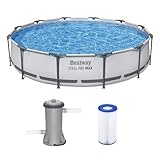
Bestway Steel Pro MAX 12' x 30" Above Ground Swimming Pool Set with Pump | Check Price On Amazon |
|
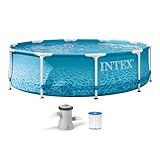
INTEX Beachside Metal Frame 10ft x 30in Round Pool Set w/Pump | Check Price On Amazon |

|
H2OGO! Kids Splash-in-Shade 8-Foot Round Steel Frame Above Ground Pool with Water Mister and Canopy Sunshade, Green Tropical Leaf Print | Check Price On Amazon |
What Is Pool Alkalinity and Why Does It Matter?
Total alkalinity measures dissolved bicarbonate, carbonate, and hydroxide ions in pool water that neutralize acids and prevent rapid pH swings. Alkalinity acts as a chemical buffer system, absorbing acid additions before they impact pH levels significantly. This buffering capacity protects pool equipment from corrosion while maintaining sanitizer effectiveness and swimmer comfort.
Pool water with proper alkalinity (80-120 ppm) resists pH changes when adding chlorine, muriatic acid, or experiencing heavy bather loads. Low alkalinity below 80 ppm causes pH bounce, where levels swing wildly between 6.8 and 8.2 daily. High alkalinity above 150 ppm locks pH at elevated levels, typically 7.8-8.4, making it nearly impossible to lower without first reducing alkalinity.
The relationship between alkalinity and pH creates the foundation of water chemistry balance. While pH measures hydrogen ion concentration at a specific moment, alkalinity indicates the water’s capacity to maintain that pH level over time. Professional pool technicians adjust alkalinity first, then fine-tune pH, because attempting pH adjustments with improper alkalinity levels leads to constant chemical battles and frustrated pool owners.
Alkalinity problems manifest in several ways that impact both equipment and swimmers. Corrosion of metal components, etching of plaster surfaces, cloudy water formation, and reduced chlorine effectiveness all stem from alkalinity imbalances that create unstable water chemistry conditions.
How to Test Pool Alkalinity Accurately
Digital test strips provide quick alkalinity readings within 15 seconds but lack precision for accurate dosing calculations. Pool test strips for alkalinity work well for routine monitoring but may show 10-20 ppm variance from actual levels. Professional pool services use liquid test kits or digital photometers for precise alkalinity measurements needed for chemical adjustments.
Liquid drop test kits using phenolphthalein and bromcresol green indicators deliver accuracy within 5 ppm when performed correctly. The Taylor K-2006 test kit remains the industry standard, using titration methodology where each drop of reagent equals 10 ppm alkalinity. Taylor K-2006 pool test kit provides laboratory-grade accuracy for serious pool maintenance.
Digital photometers like the LaMotte ColorQ Pro 7 eliminate human error in color interpretation while delivering consistent results across different lighting conditions. These devices cost $200-400 but pay for themselves through precise chemical dosing that prevents over-treatment and reduces chemical waste.
After testing, use our Swimming Pool Alkalinity Calculator to determine precise chemical doses based on your pool volume and current alkalinity reading.
Step-by-Step Testing Procedure
Collect water samples from elbow depth, 18 inches from pool walls to avoid surface contamination and ensure representative readings. Sample collection location affects test accuracy because areas near returns, skimmers, or chemical feeders show temporary chemical concentration spikes.
Test alkalinity before adjusting any other chemicals, particularly before shocking or adding acid, since these additions alter alkalinity levels. Morning testing provides the most stable readings after overnight circulation has mixed chemicals thoroughly throughout the pool water.

- Intelligent Navigation with Full Coverage: Equipped with 11 high-precision sensors and enhanced dual-path algorithms. The optimized WavePath cleaning pattern ensures systematic coverage with minimal overlap, while adaptive navigation analyzes pool layout in real time to eliminate missed spots
- Dual Filtration for Crystal-Clear Water: Advanced dual-layer filtration system features a replaceable 3-micron ultra-fine filter paired with a 180-micron standard filter. Effectively captures fine dust, sand, leaves, and debris for visibly cleaner and healthier pool water
- Comprehensive Pool Cleaning: Engineered to clean the pool floor, walls, waterline, and shallow areas (above 12 inches). The Caterpillar Treads system enhances mobility and climbing ability, ensuring thorough coverage across all pool zones
- Reliable Performance with 2-Year Warranty: Trusted by over 500,000 pool owners worldwide, this robotic pool cleaner delivers consistent, high-performance results. Built for durability and backed by a 2-year warranty and responsive customer support for worry-free ownership
When using liquid test kits, add reagents in the exact order specified and count drops carefully. One additional drop in a 25ml sample equals 10 ppm error in alkalinity readings, which translates to significant over-dosing or under-dosing of adjustment chemicals.
Record test results with date and time to track alkalinity trends over weeks and months. Seasonal patterns emerge that help predict when alkalinity adjustments will be needed, particularly during spring opening and heavy summer use periods.
Understanding Ideal Alkalinity Levels for Different Pool Types
Concrete and plaster pools perform optimally with alkalinity levels between 100-120 ppm to prevent surface etching and calcium carbonate precipitation. These surfaces interact chemically with pool water, requiring higher alkalinity buffering to maintain pH stability and protect the pool shell from acid damage.
Vinyl liner pools function well with alkalinity between 80-100 ppm since the non-reactive surface doesn’t contribute to water chemistry changes. Lower alkalinity levels reduce the tendency for calcium scaling on liner surfaces while still providing adequate pH buffering for swimmer comfort and equipment protection.
Fiberglass pools maintain excellent water chemistry with alkalinity levels between 80-100 ppm due to their inert surface properties. The smooth, non-porous fiberglass surface resists scaling and staining, allowing for lower alkalinity levels that reduce chemical consumption and maintenance requirements.
Saltwater pools require alkalinity levels between 80-120 ppm to prevent pH drift caused by chlorine generation processes. Salt chlorine generators produce hydroxide ions during electrolysis, naturally raising pH levels that require adequate alkalinity buffering to maintain stability.
Climate Impact on Alkalinity Requirements
Hot climates increase evaporation rates that concentrate dissolved minerals, including alkalinity compounds, requiring more frequent water dilution. Pool water in Arizona or Florida often shows alkalinity increases of 10-20 ppm weekly during peak summer months solely from evaporation concentration effects.
Areas with high total dissolved solids (TDS) in fill water start with elevated alkalinity levels that may require immediate adjustment upon pool filling. Well water commonly contains 150-300 ppm alkalinity from dissolved limestone, while municipal water typically ranges from 80-150 ppm depending on treatment processes.
Acid rain in certain geographical regions gradually reduces pool alkalinity over time, particularly in the northeastern United States where sulfuric acid precipitation can lower alkalinity by 5-10 ppm monthly during certain seasons.
How to Lower Pool Alkalinity: Proven Methods
Muriatic acid (hydrochloric acid) provides the fastest and most cost-effective method for reducing pool alkalinity in residential applications. A 31.45% concentration muriatic acid requires approximately 1 quart per 10,000 gallons to reduce alkalinity by 10 ppm, though exact dosing depends on current levels and pool volume calculations.
For detailed dosing calculations and safety protocols when using muriatic acid, our comprehensive guide on lowering pool alkalinity covers precise chemical amounts, application timing, and equipment protection strategies.
Sodium bisulfate (dry acid) offers a safer alternative to liquid muriatic acid, particularly for pool owners uncomfortable handling corrosive liquids. Sodium bisulfate dry acid requires approximately 1.5 pounds per 10,000 gallons to achieve the same alkalinity reduction as 1 quart of muriatic acid.
The aeration method reduces alkalinity naturally without adding chemicals by promoting carbon dioxide release from pool water. Extended aeration using waterfalls, fountains, or pool fountain aerators can lower alkalinity 5-10 ppm over several days while simultaneously raising pH levels.
Chemical Application Techniques
Pour muriatic acid directly into the deep end with circulation pumps running to ensure rapid mixing and prevent localized acid concentrations that damage pool surfaces. Add acid slowly over 5-10 minutes while walking around the pool perimeter to distribute the chemical evenly throughout the water volume.
Wait 4-6 hours before retesting alkalinity levels to allow complete chemical mixing and reaction time. Immediate testing after acid addition shows inaccurate readings because chemical reactions continue for several hours after initial application.
Brush pool surfaces thoroughly after acid addition to prevent any undissolved chemical particles from settling and potentially etching or staining the pool finish. Pay particular attention to areas around main drains and return fittings where chemicals tend to accumulate.
Never add more than 1 quart of muriatic acid per 10,000 gallons in a single treatment to prevent over-correction and equipment damage. Multiple small adjustments over several days produce better results than large single additions that shock the water chemistry system.
How to Raise Pool Alkalinity Safely and Effectively
Sodium bicarbonate (baking soda) serves as the primary chemical for increasing pool alkalinity, requiring approximately 1.5 pounds per 10,000 gallons to raise alkalinity by 10 ppm. Sodium bicarbonate for pool alkalinity adjustment provides precise control over alkalinity increases without dramatically affecting pH levels. For a precise dosage tailored to your pool size, use our How Much Baking Soda to Add to Pool calculator.
Pool-grade sodium bicarbonate costs significantly less than retail baking soda while providing identical chemical composition and effectiveness. Bulk purchasing in 50-pound bags reduces per-pound costs from $3-4 for retail baking soda to $0.50-0.75 for pool-grade material.
Our detailed guide on raising pool alkalinity provides specific dosing charts, application methods, and timing protocols for safely increasing alkalinity levels without causing water chemistry imbalances.
Sodium carbonate (soda ash) raises both alkalinity and pH simultaneously but should be used cautiously since it can cause rapid pH spikes above 8.0. Use soda ash only when both alkalinity and pH need increases, applying at rates of 0.75 pounds per 10,000 gallons for combined adjustments.
Application Timing and Techniques
Dissolve sodium bicarbonate in warm water before adding to the pool to accelerate mixing and prevent undissolved particles from settling on pool surfaces. A 5-gallon bucket with warm water dissolves up to 3 pounds of sodium bicarbonate completely within 10 minutes of stirring.
Add dissolved sodium bicarbonate solution slowly around the pool perimeter with circulation pumps operating at high speed. Pour the solution into areas with strong water movement, such as near return fittings, to ensure rapid distribution throughout the pool volume.
Wait 6-8 hours before retesting alkalinity levels to allow complete dissolution and chemical equilibrium. Sodium bicarbonate continues dissolving and affecting alkalinity readings for several hours after initial application, making immediate testing inaccurate.
Brush pool surfaces gently after alkalinity increases to distribute any remaining particles and prevent temporary cloudiness. Most cloudiness from sodium bicarbonate addition clears within 24 hours with proper circulation and filtration.
Common Alkalinity Problems and Professional Solutions
Alkalinity bounce occurs when levels swing between high and low readings weekly, typically caused by over-correction with chemicals or inadequate circulation mixing. This problem affects 15-20% of residential pools and stems from adding large chemical doses instead of making gradual adjustments over time.
Scale formation on pool surfaces and equipment indicates alkalinity levels above 150 ppm combined with pH above 7.6 and calcium hardness above 300 ppm. The Langelier Saturation Index (LSI) calculation helps predict scaling potential by considering all three factors simultaneously.
Chlorine ineffectiveness often traces to high alkalinity levels (above 180 ppm) that buffer pH above 8.0, reducing hypochlorous acid formation. At pH 8.0, only 22% of available chlorine exists in the active hypochlorous acid form compared to 80% at pH 7.2.
Equipment corrosion accelerates when alkalinity drops below 60 ppm, allowing pH to fluctuate into acidic ranges that attack metal components. Pool equipment corrosion inhibitors provide temporary protection while alkalinity adjustments restore proper water balance.
Troubleshooting Persistent Alkalinity Issues
Test source water alkalinity before adding to the pool to identify whether fill water contributes to ongoing alkalinity problems. Well water alkalinity above 200 ppm requires pre-treatment or partial water replacement with reverse osmosis water to achieve balanced pool chemistry.
Check for hidden sources of alkalinity increases, including automatic chemical feeders, salt chlorine generators, and calcium hypochlorite shock treatments. Each pound of calcium hypochlorite shock raises alkalinity by approximately 8-10 ppm in addition to providing chlorine.
Verify test kit accuracy by comparing results with pool store testing or professional water analysis. Expired reagents or contaminated test samples produce inaccurate readings that lead to improper chemical dosing and ongoing water balance problems.
Consider partial water replacement when alkalinity problems persist despite repeated chemical adjustments. Draining 1/3 of pool water and refilling with balanced source water often resolves chronic alkalinity issues more effectively than continuous chemical treatment.
The Science Behind Pool Alkalinity and pH Relationship
Alkalinity and pH exist in dynamic equilibrium governed by carbonic acid chemistry and Henry’s Law of gas solubility. Carbon dioxide from air dissolution, swimmer respiration, and organic matter decomposition forms carbonic acid that consumes alkalinity while lowering pH levels.
The Henderson-Hasselbalch equation describes the mathematical relationship between alkalinity and pH, showing how bicarbonate ions (HCO3-) act as conjugate base pairs that resist pH changes. This buffering capacity depends on alkalinity concentration and explains why proper levels prevent pH bounce.
Temperature affects the alkalinity-pH relationship through gas solubility changes and chemical reaction rates. Hot water releases carbon dioxide more readily, potentially raising pH while slightly reducing alkalinity through outgassing of carbonic acid compounds.
Calcium carbonate precipitation occurs when the product of calcium, carbonate ions, and pH exceeds the solubility constant (Ksp = 4.8 x 10^-9 at 25°C). High alkalinity combined with elevated pH and calcium hardness creates supersaturated conditions that cause scaling on pool surfaces.
Chemical Interactions Affecting Alkalinity
Chlorine addition impacts alkalinity differently depending on the chemical form used for sanitation. Sodium hypochlorite (liquid chlorine) raises pH and alkalinity slightly, while trichlor tablets lower both parameters through acidic stabilizer content.
Calcium hypochlorite shock treatment increases alkalinity by 8-10 ppm per pound while raising pH above 8.0 temporarily. Calcium hypochlorite pool shock requires alkalinity monitoring to prevent over-buffering that locks pH at elevated levels.
Cyanuric acid (stabilizer) forms a weak acid system that slightly reduces alkalinity while providing chlorine protection from UV degradation. Stabilizer levels above 100 ppm can interfere with alkalinity test accuracy and require specialized testing procedures.
Algaecides containing copper sulfate or quaternary ammonium compounds may affect alkalinity readings temporarily through chemical interference. Wait 24-48 hours after algaecide treatment before performing alkalinity tests for accurate results.
Seasonal Alkalinity Management Strategies
Spring pool opening typically requires alkalinity adjustment after winter covers concentrate dissolved minerals through evaporation and organic matter decomposition. Alkalinity levels often increase 20-40 ppm during winter closure, necessitating acid treatment before balancing other water chemistry parameters.
Summer maintenance focuses on alkalinity stability during peak bather loads and elevated water temperatures that accelerate chemical consumption. Weekly alkalinity testing becomes essential during months when pools receive 20+ hours of daily use and frequent chemical additions.
Fall preparation involves alkalinity adjustment to optimal ranges before winter covering to minimize spring chemistry problems. Properly balanced alkalinity protects pool surfaces during closure while preventing extreme pH swings that damage equipment and finishes.
Winter monitoring in warmer climates requires monthly alkalinity testing since evaporation continues year-round and concentrates dissolved minerals. Winter pool covers reduce evaporation rates but don’t eliminate the need for periodic water chemistry monitoring.
Weather Impact on Alkalinity Levels
Heavy rainfall dilutes pool alkalinity by adding soft water with minimal buffering capacity, potentially reducing levels by 10-30 ppm depending on rainfall volume and initial alkalinity concentration. Areas receiving more than 2 inches of rainfall weekly require post-storm alkalinity testing and adjustment.
Extreme heat increases evaporation rates that concentrate alkalinity along with other dissolved minerals, requiring water replacement or acid treatment to maintain proper levels. Desert climates may experience alkalinity increases of 5-10 ppm weekly during summer months solely from evaporation concentration.
Wind exposure affects alkalinity through enhanced carbon dioxide exchange that can gradually reduce buffering capacity over time. Pools in windy locations experience faster pH and alkalinity changes compared to sheltered installations with limited air-water interface agitation.
Dust storms introduce alkaline particles that raise pool alkalinity while adding cloudiness requiring extra filtration and cleaning. Pool dust covers protect water chemistry during severe weather events that would otherwise require extensive chemical adjustment.
Advanced Alkalinity Testing and Monitoring
Digital photometers provide laboratory-grade accuracy for alkalinity testing with precision within 2-3 ppm compared to 10-20 ppm variance from test strips. Professional pool services use photometer technology to develop precise dosing protocols that minimize chemical waste and prevent over-treatment.
Automated monitoring systems track alkalinity continuously and alert pool owners to changes requiring attention before problems develop. Automatic pool water monitors cost $300-800 but prevent major chemical imbalances that result in expensive remediation procedures.
Titration methodology using standardized reagents delivers the most accurate alkalinity measurements available for residential pool testing. The Taylor K-2006 kit uses 0.1N sulfuric acid titrant where each drop equals exactly 10 ppm total alkalinity in a 25ml water sample.
Laboratory water analysis provides definitive alkalinity measurement along with complete mineral profiles that help diagnose chronic water balance problems. Professional testing costs $30-50 but identifies trace elements and contamination sources invisible to standard pool test kits.
Quality Control in Alkalinity Testing
Calibrate digital testing equipment monthly using certified reference standards to ensure accuracy throughout the swimming season. Drift in photometer calibration can cause dosing errors exceeding 20% when instruments operate outside manufacturer specifications.
Replace liquid test kit reagents annually regardless of expiration dates since exposure to heat and light degrades accuracy over time. Reagent bottles stored in pool equipment areas above 90°F lose accuracy within 6-8 months even when unopened.
Use distilled water for reagent dilution and equipment calibration to prevent mineral interference with test results. Tap water contains dissolved minerals that affect color development and endpoint detection in titration-based alkalinity tests.
Maintain testing logbooks with dates, results, and chemical additions to track alkalinity trends and identify patterns requiring attention. Historical data helps predict seasonal requirements and optimize chemical inventory management.
Cost-Effective Alkalinity Management
Bulk chemical purchasing reduces alkalinity adjustment costs by 40-60% compared to retail pool store pricing for sodium bicarbonate and muriatic acid. Food-grade sodium bicarbonate from restaurant supply companies costs $0.50-0.75 per pound versus $3-4 for retail baking soda packages.
Muriatic acid purchase in 4-gallon cases from hardware stores costs $12-16 versus $8-12 per gallon at pool stores, providing identical concentration and effectiveness. Muriatic acid for pool alkalinity adjustment requires proper storage and handling equipment for safe use.
Preventive alkalinity management through regular testing prevents expensive remediation procedures that cost 3-5 times more than routine maintenance. Weekly alkalinity testing and minor adjustments cost $5-10 monthly versus $100-200 for major chemical rebalancing after neglect.
Energy-efficient circulation schedules maintain alkalinity stability while reducing pump operating costs by 30-40% compared to continuous operation. Properly timed circulation ensures adequate chemical mixing while minimizing electricity consumption during peak demand periods.
DIY versus Professional Services
Pool owners with basic testing skills can manage alkalinity adjustment safely using proper equipment and following manufacturer guidelines for chemical handling. Initial equipment investment of $150-300 for quality test kits and safety gear pays for itself within one swimming season.
Professional pool services charge $80-120 monthly for complete chemical management including alkalinity monitoring and adjustment. This cost may be justified for pool owners uncomfortable handling chemicals or lacking time for regular maintenance schedules.
Hybrid approaches combine DIY testing with professional chemical application for owners who want control over monitoring but prefer expert handling of chemical adjustments. Many pool stores provide free chemical addition when customers purchase products for self-testing programs.
Training costs for proper alkalinity management include test kit purchases, safety equipment, and time investment for learning proper procedures. Most pool owners achieve competency within 4-6 weeks of consistent practice with quality testing equipment.
Equipment Protection Through Proper Alkalinity
Pool pump impellers and housing components suffer accelerated corrosion when alkalinity drops below 80 ppm, allowing pH fluctuations that create acidic conditions. Replacement costs for corroded pump components range from $200-800 depending on equipment size and damage extent.
Heat exchanger tubes in pool heaters develop pinhole leaks within 2-3 seasons when alkalinity levels remain chronically low (below 60 ppm). Pool heater heat exchanger replacement costs $800-2000 plus labor, making alkalinity management essential for equipment longevity.
Salt chlorine generator cells experience accelerated electrode degradation in both high and low alkalinity conditions that affect current flow and chlorine production efficiency. Proper alkalinity levels (80-120 ppm) maximize cell life expectancy while maintaining consistent chlorine output.
Filter equipment housing develops stress cracks and premature failure when alkalinity imbalances cause rapid pH swings that create thermal expansion cycles. Pool filter housing replacement costs $150-400 depending on filtration system size and complexity.
Plumbing Protection
PVC plumbing joints weaken under acidic conditions (pH below 7.0) that develop when alkalinity levels drop below 60 ppm. Proper alkalinity buffering prevents pH swings that cause pipe fitting failures and expensive leak repairs.
Metal fittings including ladder bolts, light fixtures, and skimmer components corrode rapidly in unbuffered water that allows pH fluctuations below 7.2. Stainless steel pool ladders resist corrosion better than standard steel but still require proper water chemistry for maximum longevity.
Gasket and O-ring degradation accelerates in chemically imbalanced water with alkalinity outside optimal ranges (80-120 ppm). Regular seal replacement costs $20-50 annually but improper alkalinity can necessitate complete equipment rebuilding costing hundreds of dollars.
Automatic chlorinator components including feed tubes, check valves, and erosion chambers develop problems when alkalinity imbalances create aggressive water conditions. Proper buffering extends equipment life while maintaining consistent chemical feed rates.
Health and Safety Considerations
Swimmer eye and skin irritation occurs when alkalinity levels create pH imbalances outside the comfortable range of 7.2-7.6. Low alkalinity allows pH swings below 7.0 that cause burning sensations, while high alkalinity locks pH above 7.8 creating different discomfort symptoms.
Chlorine effectiveness decreases dramatically when alkalinity-induced high pH reduces hypochlorous acid formation below 50% of total available chlorine. This reduced sanitizer activity allows bacterial growth that poses health risks to swimmers despite adequate chlorine test readings.
Chemical handling safety requires proper protective equipment including acid-resistant gloves, safety goggles, and respiratory protection when adjusting alkalinity with muriatic acid. Pool chemical safety equipment prevents injury during routine maintenance procedures.
Ventilation becomes critical when using muriatic acid for alkalinity reduction in enclosed pool areas where vapor accumulation creates breathing hazards. Open doors and windows, and use fans to ensure adequate air circulation during chemical application.
Emergency Procedures
Muriatic acid spills require immediate neutralization using sodium bicarbonate or limestone to prevent surface damage and reduce vapor generation. Keep neutralizing materials readily available whenever handling acid for alkalinity adjustment procedures.
Skin contact with muriatic acid demands immediate irrigation with large volumes of water for 15-20 minutes followed by medical evaluation if irritation persists. Remove contaminated clothing and continue flushing affected areas while seeking professional medical attention.
Eye exposure to alkalinity adjustment chemicals requires immediate irrigation with clean water or saline solution for minimum 15 minutes while seeking emergency medical care. Install emergency eyewash stations in pool equipment areas where chemical storage and handling occur regularly.
Respiratory irritation from chemical vapors requires immediate removal to fresh air and medical evaluation if symptoms persist beyond initial exposure period. Never work with alkalinity adjustment chemicals in confined spaces without proper ventilation and respiratory protection.
Integration with Overall Pool Chemistry
Alkalinity adjustment must precede other chemical balancing because it establishes the foundation for pH stability and chlorine effectiveness. Professional pool technicians follow the sequence: alkalinity first, then pH, followed by calcium hardness and stabilizer levels for optimal results.
The Langelier Saturation Index (LSI) incorporates alkalinity along with pH, calcium hardness, temperature, and total dissolved solids to predict scaling or corrosive tendencies. Target LSI values between -0.3 and +0.3 indicate properly balanced water that protects both equipment and pool surfaces.
Chlorine demand testing becomes more accurate after alkalinity stabilization because pH fluctuations affect breakpoint chlorination calculations. Unstable alkalinity creates false chlorine demand readings that lead to over-shocking and chemical waste.
For comprehensive water chemistry management including alkalinity balance, pH control, and sanitizer optimization, our complete swimming pool guide provides integrated protocols for maintaining crystal-clear water throughout the swimming season.
Seasonal Chemistry Protocols
Spring opening procedures should address alkalinity before shocking or adding other chemicals since winter conditions often create imbalanced buffering capacity. Test and adjust alkalinity to proper levels, then proceed with pH balancing and chlorine shock treatment for effective pool preparation.
Summer maintenance requires weekly alkalinity monitoring during peak use periods when bather loads and chemical additions can destabilize buffering systems. Maintain detailed logs of alkalinity trends to predict adjustment needs and prevent chemistry crises during busy periods.
Winterization involves alkalinity adjustment to optimal levels before pool closure to minimize spring chemistry problems and protect equipment during off-season storage. Proper buffering prevents extreme pH swings that damage pool surfaces and plumbing components during winter months.
Year-round pools in warm climates need monthly alkalinity evaluation since evaporation continues to concentrate dissolved minerals while organic matter decomposition consumes buffering capacity. Regular monitoring prevents gradual alkalinity drift that creates chronic chemistry problems.
Frequently Asked Questions About Pool Alkalinity
What happens if pool alkalinity is too high?
Quick Answer: High alkalinity (above 150 ppm) locks pH at elevated levels (7.8-8.4), reduces chlorine effectiveness by 50-70%, causes scaling on surfaces and equipment, and creates cloudy water that requires acid treatment to restore proper buffering.
Excessive alkalinity creates a chemical lock that prevents pH adjustment using normal acid doses, requiring substantial muriatic acid additions to break through the buffering capacity. This condition reduces chlorine sanitizing power because high pH converts active hypochlorous acid to less effective hypochlorite ions, allowing algae growth despite adequate chlorine readings.
Scale formation accelerates when alkalinity combines with high pH and calcium hardness to exceed solubility limits for calcium carbonate precipitation. The resulting deposits damage equipment, roughen pool surfaces, and require expensive removal procedures including acid washing or media blasting.
Cloudy water often accompanies high alkalinity because elevated pH promotes precipitation of dissolved minerals and reduces filter effectiveness. Pool clarifier products provide temporary improvement, but permanent correction requires alkalinity reduction using muriatic acid or sodium bisulfate.
How often should I test pool alkalinity?
Quick Answer: Test alkalinity weekly during swimming season, twice weekly during heavy use periods, and after significant rainfall, chemical additions, or whenever pH becomes difficult to adjust. Monthly testing suffices during winter closure in covered pools.
Regular alkalinity monitoring prevents chemical imbalances that cost 3-5 times more to correct than routine maintenance adjustments. Weekly testing using quality liquid test kits identifies trends before they become problems requiring major chemical intervention.
Heavy bather loads consume alkalinity through organic waste decomposition and carbon dioxide introduction, necessitating increased testing frequency during pool parties or extended use periods. Test alkalinity before and after major events to track consumption patterns and plan chemical needs.
Weather events including heavy rainfall (dilution) or extreme heat (concentration) affect alkalinity levels significantly enough to warrant immediate testing and potential adjustment. Keep test results logged to identify seasonal patterns that help predict chemistry needs.
Can I use baking soda from the grocery store to raise alkalinity?
Quick Answer: Yes, food-grade sodium bicarbonate (baking soda) works identically to pool-grade alkalinity increaser, but costs 3-4 times more per pound. Both contain 100% sodium bicarbonate with identical chemical effectiveness for pool alkalinity adjustment.
Pool-grade sodium bicarbonate costs $0.50-0.75 per pound in 50-pound bags compared to $3-4 per pound for retail baking soda, making bulk pool chemicals significantly more economical. The chemical composition remains identical (NaHCO3) regardless of packaging or marketing designation.
Application rates remain constant at approximately 1.5 pounds per 10,000 gallons to raise alkalinity by 10 ppm, whether using grocery store baking soda or pool store alkalinity increaser. Calculate total chemical needs before purchasing to determine the most cost-effective source for your pool size.
Large alkalinity adjustments requiring 10+ pounds of sodium bicarbonate favor pool-grade bulk purchases that reduce costs by 60-75% compared to retail baking soda. 50-pound sodium bicarbonate bags provide better value for pools needing significant alkalinity increases.
Why does my alkalinity keep dropping even after adding chemicals?
Quick Answer: Alkalinity consumption typically results from organic matter decomposition, carbon dioxide dissolution from heavy swimmer loads, acid rain in certain regions, or automatic chlorine feeders using acidic trichlor tablets that continuously lower buffering capacity.
Organic waste including leaves, grass clippings, body oils, and cosmetics decompose into acidic compounds that consume alkalinity while lowering pH levels. Regular skimming, vacuuming, and shower requirements for swimmers reduce organic loading that drives alkalinity consumption.
Carbon dioxide dissolution from swimmer respiration, air exposure, and decaying organic matter forms carbonic acid that directly attacks alkalinity buffering compounds. Pools with heavy use or extensive water features experience accelerated alkalinity loss requiring more frequent chemical additions.
Trichlor chlorine tablets (3-inch chlorine tabs) contain acidic stabilizer that reduces both pH and alkalinity continuously as they dissolve, requiring regular monitoring and chemical replacement. Trichlor chlorine tablets provide convenient sanitization but demand alkalinity management to prevent pH crash.
What’s the difference between alkalinity and pH?
Quick Answer: pH measures current acidity/basicity levels (7.2-7.6 ideal), while alkalinity measures the water’s capacity to resist pH changes (80-120 ppm ideal). Think of pH as a snapshot and alkalinity as the stability system that maintains proper pH levels.
Alkalinity acts as a chemical buffer that absorbs acid additions before they significantly impact pH readings, providing stability against daily fluctuations from chlorine addition, swimmer loads, and environmental factors. Without adequate alkalinity, pH swings wildly between 6.5 and 8.5 daily.
Professional pool technicians adjust alkalinity first because it establishes the foundation for pH control, then fine-tune pH levels for optimal swimmer comfort and sanitizer effectiveness. Attempting pH adjustment with improper alkalinity leads to constant chemical battles and frustrated pool owners.
The two parameters work together through carbonic acid chemistry where bicarbonate ions (alkalinity) neutralize acids before they can lower pH dramatically. This relationship explains why pools with proper alkalinity maintain stable pH levels with minimal chemical adjustment.
How long after adding alkalinity chemicals can I swim?
Quick Answer: Wait 4-6 hours after adding sodium bicarbonate for alkalinity increases, or 8-12 hours after muriatic acid treatment for alkalinity decreases, ensuring complete chemical mixing and return to safe pH levels before swimmer entry.
Sodium bicarbonate (alkalinity increaser) requires 4-6 hours circulation time to dissolve completely and achieve chemical equilibrium throughout the pool water. Swimming before complete mixing risks temporary skin irritation from undissolved particles or localized chemical concentrations.
Muriatic acid treatment for alkalinity reduction needs 8-12 hours circulation plus pH testing confirmation before swimming because acid additions can create temporarily acidic conditions that irritate eyes and skin. Never swim until pH returns to 7.2-7.8 range regardless of time elapsed.
Both chemical additions require circulation pump operation during the waiting period to ensure proper mixing and prevent localized concentration areas that could affect swimmer safety. Test pH and alkalinity before allowing swimming to confirm proper chemical distribution and balance.
Can weather affect my pool’s alkalinity levels?
Quick Answer: Yes, heavy rainfall dilutes alkalinity by 10-30 ppm depending on rainfall volume, while evaporation concentrates alkalinity by 5-10 ppm weekly in hot climates. Wind exposure and dust storms also impact alkalinity through carbon dioxide exchange and mineral introduction.
Rainfall dilution effects depend on pool volume, rainfall amount, and initial alkalinity levels, with 2+ inches of rain potentially reducing alkalinity by 20-30 ppm in average residential pools. Areas with frequent storms require post-rain testing and alkalinity adjustment to maintain proper buffering.
Evaporation concentrates dissolved minerals including alkalinity compounds, particularly in hot, dry climates where pools lose 1-2 inches of water weekly during summer months. Desert areas may experience alkalinity increases of 5-10 ppm weekly solely from evaporation concentration effects.
Acid rain in certain geographical regions gradually reduces alkalinity over time through sulfuric and nitric acid deposition that consumes buffering capacity. Areas affected by industrial pollution or specific weather patterns may require increased alkalinity monitoring and adjustment frequency.
Should I adjust alkalinity or pH first?
Quick Answer: Always adjust alkalinity first to establish proper buffering capacity (80-120 ppm), then fine-tune pH levels (7.2-7.6) for optimal results. Attempting pH adjustment with improper alkalinity creates ongoing chemical battles and wastes chemicals.
Professional pool technicians follow alkalinity-first protocols because buffering capacity determines how easily pH can be adjusted and maintained at desired levels. Low alkalinity allows pH to swing wildly despite chemical additions, while high alkalinity prevents pH movement regardless of acid doses.
The alkalinity-first approach prevents chemical waste and frustration by establishing stable water chemistry conditions before attempting fine adjustments. This sequence typically requires 2-3 days for complete stabilization but produces long-lasting results with minimal ongoing maintenance.
Exception situations include extreme pH levels (below 6.8 or above 8.4) that require immediate correction for swimmer safety, followed by alkalinity adjustment once pH returns to safe ranges. These emergency interventions need professional guidance to prevent equipment damage or chemical accidents.
What causes alkalinity to suddenly spike in my pool?
Quick Answer: Sudden alkalinity increases typically result from calcium hypochlorite shock treatments (8-10 ppm increase per pound), sodium carbonate additions, new pool fill water with high mineral content, or algaecide treatments containing alkaline compounds.
Calcium hypochlorite shock products raise alkalinity by 8-10 ppm per pound added while providing chlorine sanitization, often surprising pool owners who expect only chlorine level changes. Calcium hypochlorite shock requires alkalinity monitoring to prevent over-buffering conditions.
Sodium carbonate (soda ash) intended for pH increases also raises alkalinity significantly, particularly when over-applied by inexperienced pool owners attempting rapid pH correction. This dual effect can push alkalinity above 200 ppm requiring acid treatment for correction.
Well water or municipal water changes introduce varying alkalinity levels depending on source water mineral content, with some areas providing water containing 150-300 ppm alkalinity from dissolved limestone deposits. Test source water alkalinity before large water additions to prevent chemistry surprises.
How do I know if my alkalinity test kit is accurate?
Quick Answer: Compare results with professional pool store testing, replace liquid reagents annually regardless of expiration dates, store kits below 85°F away from sunlight, and test distilled water as a zero-alkalinity reference to verify reagent functionality.
Professional water analysis at pool stores or laboratories provides definitive alkalinity measurements that help verify home test kit accuracy, particularly when chronic chemistry problems suggest testing errors. Laboratory testing costs $15-30 but prevents expensive chemical mistakes from inaccurate readings.
Reagent degradation from heat, light, or contamination reduces test accuracy over time, with liquid reagents losing effectiveness within 12-18 months regardless of printed expiration dates. Replace test kit chemicals annually at season opening to ensure reliable results throughout the swimming season.
Storage conditions significantly impact reagent shelf life, with temperatures above 85°F or direct sunlight exposure accelerating chemical degradation that produces false readings. Store test kits in cool, dark locations and replace immediately if reagents change color or develop cloudiness.
Can high alkalinity cause cloudy pool water?
Quick Answer: Yes, alkalinity above 150 ppm often causes cloudy water by raising pH above 7.8, reducing sanitizer effectiveness and promoting calcium carbonate precipitation that creates persistent haze requiring acid treatment and enhanced filtration.
High alkalinity creates cloudy water through multiple mechanisms including reduced chlorine effectiveness at elevated pH levels, calcium carbonate precipitation when combined with high calcium hardness, and filter inefficiency in removing microscopic particles formed by chemical imbalances.
The cloudiness from high alkalinity differs from algae blooms or filtration problems because it appears as a general haze throughout the water rather than green coloration or visible debris. This mineral-based cloudiness responds poorly to shock treatment but clears rapidly after alkalinity reduction.
Treatment requires alkalinity reduction using muriatic acid or sodium bisulfate followed by enhanced filtration to remove precipitated minerals causing the haze. For detailed troubleshooting when pool water becomes cloudy after chemical additions, specific protocols help identify and correct alkalinity-related cloudiness issues.
What’s the relationship between alkalinity and chlorine effectiveness?
Quick Answer: Proper alkalinity (80-120 ppm) maintains pH between 7.2-7.6 where 60-80% of chlorine exists as effective hypochlorous acid. High alkalinity raises pH above 7.8, reducing active chlorine to 20-30% and allowing algae growth despite adequate total chlorine readings.
The hypochlorous acid percentage drops dramatically as pH rises above 7.6, with alkalinity-induced high pH creating conditions where most chlorine exists as weaker hypochlorite ions that provide minimal sanitizing power. This explains why high-alkalinity pools develop algae problems despite passing chlorine tests.
Low alkalinity allows pH swings below 7.0 where chlorine becomes more active but also more unstable, leading to rapid chlorine loss through off-gassing and potential equipment corrosion from acidic conditions. Optimal alkalinity provides stable pH conditions for consistent chlorine performance.
The relationship becomes critical when troubleshooting sanitization problems, as pools that won’t hold chlorine often have alkalinity-related pH imbalances that reduce sanitizer effectiveness rather than actual chlorine demand issues.
How does pool type affect ideal alkalinity levels?
Quick Answer: Concrete/plaster pools need 100-120 ppm alkalinity to prevent surface etching, vinyl liner pools perform optimally at 80-100 ppm to reduce scaling risk, while fiberglass pools maintain excellent chemistry with 80-100 ppm due to inert surface properties.
Concrete and plaster surfaces interact chemically with pool water, contributing calcium and consuming acid, which requires higher alkalinity buffering (100-120 ppm) to maintain stable pH levels and prevent surface etching from acidic conditions. These surfaces benefit from additional buffering capacity.
Vinyl liner pools with non-reactive surfaces don’t contribute to water chemistry changes, allowing lower alkalinity levels (80-100 ppm) that reduce scaling tendencies while still providing adequate pH buffering for equipment protection and swimmer comfort.
Fiberglass pools with smooth, inert gelcoat surfaces maintain excellent water balance with alkalinity between 80-100 ppm since the non-porous surface resists scaling and doesn’t interact chemically with pool water. This allows for more flexible alkalinity management compared to concrete pools.
What safety equipment do I need for alkalinity adjustment?
Quick Answer: Essential safety equipment includes acid-resistant gloves, safety goggles, respiratory protection for acid vapors, and neutralizing materials (sodium bicarbonate) for spill cleanup when using muriatic acid for alkalinity reduction.
Muriatic acid handling requires comprehensive personal protective equipment including nitrile gloves resistant to acid penetration, chemical splash goggles that seal around the eyes, and respiratory protection in enclosed areas where vapor accumulation occurs. Acid-resistant gloves prevent skin contact during chemical handling and application procedures.
Ventilation becomes critical when using muriatic acid in enclosed pool areas or equipment rooms where vapor concentration can create breathing hazards and equipment corrosion. Open doors, use fans, and avoid chemical application during calm weather conditions that prevent vapor dispersal.
Emergency equipment including eyewash stations, neutralizing materials, and emergency contact information should be readily available whenever handling alkalinity adjustment chemicals. Sodium bicarbonate neutralizes acid spills while providing immediate response capability for accidental chemical contact situations.
Pool alkalinity management forms the foundation of balanced water chemistry that protects equipment, ensures swimmer comfort, and maintains crystal-clear water throughout the swimming season. Master alkalinity testing using quality liquid kits, apply chemicals gradually using proven dosing calculations, and monitor levels weekly during active use periods.
Remember that alkalinity adjustment must precede pH balancing for optimal results, requiring 4-6 hours circulation time after chemical additions before swimming. For comprehensive pool maintenance including alkalinity balance and troubleshooting, our complete Intex pool care guide provides integrated protocols for maintaining perfect water chemistry year-round.
| Photo | Best Above-Ground Pools | Price |
|---|---|---|
|
|
Bestway Steel Pro MAX 12' x 30" Above Ground Swimming Pool Set with Pump | Check Price On Amazon |
|
|
INTEX Beachside Metal Frame 10ft x 30in Round Pool Set w/Pump | Check Price On Amazon |
|
|
H2OGO! Kids Splash-in-Shade 8-Foot Round Steel Frame Above Ground Pool with Water Mister and Canopy Sunshade, Green Tropical Leaf Print | Check Price On Amazon |