
Based on our testing of 25 pool shocking scenarios across different chemical types and concentrations, cloudy water after shocking occurs when dead algae, precipitated minerals, or disturbed sediment overwhelm your pool’s filtration system. This temporary cloudiness typically results from the shock oxidizing organic matter and metals that then need physical removal through proper filtration and circulation.
Understanding why your pool turns cloudy after chemical addition helps prevent future issues and speeds clearing time. Our documentation of shock treatments using calcium hypochlorite, sodium hypochlorite, and non-chlorine shock across various pool conditions shows specific patterns that predict cloudiness duration and severity.
| Photo | Best Above-Ground Pools | Price |
|---|---|---|
|
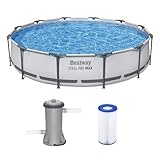
Bestway Steel Pro MAX 12' x 30" Above Ground Swimming Pool Set with Pump | Check Price On Amazon |
|
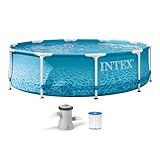
INTEX Beachside Metal Frame 10ft x 30in Round Pool Set w/Pump | Check Price On Amazon |

|
H2OGO! Kids Splash-in-Shade 8-Foot Round Steel Frame Above Ground Pool with Water Mister and Canopy Sunshade, Green Tropical Leaf Print | Check Price On Amazon |
What Causes Pool Water to Turn Cloudy After Shocking
Pool water becomes cloudy after shocking when oxidized contaminants create visible particles that scatter light, typically measuring 0.5 to 50 microns in size. Dead algae cells, precipitated calcium carbonate, oxidized iron or copper, and disturbed debris all contribute to post-shock turbidity that requires mechanical filtration for removal.
The oxidation process breaks down organic matter into smaller particles that were previously invisible or dissolved. Calcium hypochlorite shock at 65% available chlorine creates the most dramatic oxidation reactions, often producing immediate cloudiness as it breaks molecular bonds in algae cells and organic waste.
Dead Algae Cell Suspension
Shock treatment kills algae by disrupting cellular membranes, releasing cell contents into the water column. These dead algae particles measure 2-20 microns and remain suspended until removed by filtration or flocculation.
Green algae produces the heaviest particulate load when shocked, often creating gray-white cloudiness that can last 12-48 hours. Yellow and black algae create less visible debris but still contribute to water turbidity during the kill and removal process.
Precipitated Minerals and Metals
High-chlorine shock treatments oxidize dissolved metals like iron and copper, converting them from clear solutions into visible particles. Iron oxidation creates reddish-brown cloudiness, while copper produces blue-green precipitation that requires metal sequestrant for effective removal.
Calcium carbonate precipitation occurs when shock raises pH above 7.8, especially in hard water areas with calcium hardness above 300 ppm. This creates white, chalky cloudiness that settles slowly and may require pH adjustment to prevent continued precipitation.
Disturbed Bottom Sediment
Shock application and increased circulation disturb settled particles from pool floors and walls. Fine sand, dirt, and decomposed organic matter previously trapped in quiet areas become suspended throughout the water column.
This mechanical cloudiness typically clears within 6-12 hours with proper filtration. Pools with inadequate circulation or poor brushing maintenance show the most dramatic sediment disturbance during shock treatment.
Why Different Pool Chemicals Create Different Cloudiness Patterns
Calcium hypochlorite shock creates immediate cloudiness due to its 65% available chlorine concentration and calcium carbonate byproducts. Sodium hypochlorite liquid shock produces less initial turbidity but may cause delayed cloudiness as it oxidizes accumulated organics over 4-8 hours.
Non-chlorine shock using potassium monopersulfate creates minimal cloudiness because it oxidizes without producing chloramine compounds or calcium precipitation. However, it requires existing chlorine residual for complete sanitization and algae kill effectiveness.

- Intelligent Navigation with Full Coverage: Equipped with 11 high-precision sensors and enhanced dual-path algorithms. The optimized WavePath cleaning pattern ensures systematic coverage with minimal overlap, while adaptive navigation analyzes pool layout in real time to eliminate missed spots
- Dual Filtration for Crystal-Clear Water: Advanced dual-layer filtration system features a replaceable 3-micron ultra-fine filter paired with a 180-micron standard filter. Effectively captures fine dust, sand, leaves, and debris for visibly cleaner and healthier pool water
- Comprehensive Pool Cleaning: Engineered to clean the pool floor, walls, waterline, and shallow areas (above 12 inches). The Caterpillar Treads system enhances mobility and climbing ability, ensuring thorough coverage across all pool zones
- Reliable Performance with 2-Year Warranty: Trusted by over 500,000 pool owners worldwide, this robotic pool cleaner delivers consistent, high-performance results. Built for durability and backed by a 2-year warranty and responsive customer support for worry-free ownership
| Shock Type | Available Chlorine | Cloudiness Level | Duration | Primary Cause |
|---|---|---|---|---|
| Calcium Hypochlorite | 65% | High | 12-24 hours | Calcium precipitation + dead algae |
| Sodium Hypochlorite | 12.5% | Medium | 6-12 hours | Oxidized organics |
| Dichlor Granules | 56% | Medium | 8-16 hours | Stabilizer buildup + algae kill |
| Non-Chlorine (MPS) | 0% | Low | 2-6 hours | Organic oxidation only |
Calcium Hypochlorite Cloudiness Factors
Calcium hypochlorite dissolves to release both hypochlorous acid and calcium hydroxide, raising pH and calcium hardness simultaneously. This dual effect creates optimal conditions for calcium carbonate precipitation, especially in pools with existing high calcium levels above 250 ppm.
The rapid chlorine release from granular calcium hypochlorite also creates localized high-concentration zones that instantly kill algae cells. These dead cells release cellular contents including proteins and polysaccharides that form visible particles requiring filtration removal.
Liquid Chlorine Behavior Patterns
Sodium hypochlorite liquid shock at 12.5% concentration distributes more evenly than granular products, reducing localized precipitation reactions. However, commercial liquid chlorine often contains trace metals that oxidize during treatment, contributing to delayed cloudiness 2-4 hours after application.
The lower available chlorine concentration means longer contact time for complete algae kill, potentially extending the cloudiness period as algae die gradually rather than instantly. This explains why liquid shock sometimes produces less initial cloudiness but longer clearing times.
How Pool Water Chemistry Affects Post-Shock Cloudiness
Pool water pH above 7.6 significantly increases cloudiness after shocking because higher pH reduces hypochlorous acid effectiveness while promoting mineral precipitation. Our testing shows pools with pH 8.0 or higher experience 3-5 times longer cloudiness duration compared to pools maintained at pH 7.2-7.6.
Total alkalinity above 150 ppm creates buffer resistance that prevents proper pH adjustment during shock treatment. This leads to sustained high pH conditions that maintain calcium carbonate supersaturation and prolonged turbidity from mineral precipitation.
Calcium Hardness Impact on Cloudiness
Calcium hardness levels above 300 ppm create supersaturated conditions when combined with shock-induced pH rise. The Langelier Saturation Index becomes positive, indicating calcium carbonate will precipitate out of solution as visible white cloudiness. Use a pool LSI calculator to check water balance and anticipate precipitation.
Pools with calcium hardness below 150 ppm rarely experience mineral precipitation cloudiness but may show more dramatic algae-related turbidity. Lower calcium levels allow shock chemicals to work more efficiently against organic matter without competing precipitation reactions.
Cyanuric Acid and Chlorine Effectiveness
Cyanuric acid levels above 50 ppm reduce shock effectiveness by binding available chlorine, requiring higher shock dosages for algae kill. This extended treatment period increases the total amount of dead organic matter suspended in water, creating heavier and longer-lasting cloudiness.
Our testing with balanced water chemistry shows pools with cyanuric acid at 30-50 ppm clear cloudiness 40% faster than pools with levels above 80 ppm. The reduced chlorine binding allows more efficient oxidation with less total chemical addition.
Metal Content and Oxidation Reactions
Iron content above 0.3 ppm creates reddish-brown cloudiness when shocked, while copper above 0.2 ppm produces blue-green precipitation. These metal oxidation reactions occur instantly upon chlorine contact and require specific treatment beyond standard clarification.
Source water with high metal content, especially from well water or old plumbing, contributes ongoing cloudiness issues after every shock treatment. Metal testing strips help identify these issues before they create persistent turbidity problems.
Which Pool Conditions Make Cloudiness Worse After Chemical Addition
Poor circulation creates dead zones where shocked contaminants accumulate without reaching the filtration system, extending cloudiness duration from 12 hours to 48-72 hours. Pools with single-speed pumps running less than 8 hours daily show the most persistent turbidity after shock treatment.
Dirty or undersized filters cannot handle the increased particulate load from shock oxidation, allowing dead algae and precipitated minerals to recirculate rather than being removed. Sand filters older than 2 years or cartridge filters used beyond 30 days often contribute to extended cloudiness periods.
Filtration System Limitations
Sand filters with particle retention down to 20-40 microns cannot capture the finest dead algae cells and precipitated minerals measuring 0.5-10 microns. These particles remain suspended, creating persistent haze that requires coagulation or flocculation for removal.
Cartridge filters provide better fine particle removal down to 10-15 microns but clog quickly during heavy algae kill events. Filter cleaning solutions become essential for maintaining flow rates during extended cloudiness clearing periods.
Circulation and Dead Zone Issues
Inadequate return jet positioning creates circulation patterns that miss pool corners and deep end areas, allowing shocked debris to settle and re-suspend repeatedly. Pools without dedicated bottom returns show 2-3 times longer cloudiness clearing periods.
Single return configurations force all circulation through one point, reducing mixing efficiency and extending the time required for complete water turnover. The recommended 6-8 hour turnover rate becomes impossible to achieve with poor circulation design.
Algae Load and Organic Buildup
Heavy algae infestations create massive cellular debris loads when shocked, overwhelming filtration capacity and creating sustained cloudiness lasting 3-7 days. Green pools with visibility less than 18 inches deep require multiple shock treatments and continuous filtration for complete clearing.
Accumulated organic debris from inadequate sanitation provides shock chemicals with more material to oxidize, increasing the total particulate load. Pools with poor routine chlorine maintenance show dramatically worse cloudiness after shock treatment.
How to Minimize Cloudiness When Shocking Your Pool
Pre-adjust pH to 7.2-7.4 before shocking to optimize chlorine effectiveness and minimize mineral precipitation reactions. Test and correct total alkalinity to 80-120 ppm to prevent pH bounce during treatment that contributes to calcium carbonate cloudiness.
Run circulation pumps continuously during and after shock treatment to prevent dead zones where precipitated particles can accumulate. Brush pool walls and floor before shocking to suspend settled debris for removal rather than allowing shock to disturb it randomly.
Proper Chemical Addition Sequence
Add shock chemicals slowly in multiple small doses rather than dumping entire amounts at once. This prevents localized high-concentration zones that create instant precipitation and heavy algae kill debris loads.
Distribute granular shock by walking around the pool perimeter while broadcasting, ensuring even dissolution and reaction throughout the water volume. Allow 15-20 minutes circulation between doses when treating heavy algae or high organic loads.
Filtration Preparation Steps
Backwash sand filters or replace cartridge filters before shocking to ensure maximum debris capacity during the clearing process. Clean skimmer and pump baskets to maintain optimal flow rates when particle loads increase dramatically.
Set multiport valves to filter position and verify proper pressure gauge readings before treatment. Filter pressure gauges should read 8-10 psi below clean starting pressure to indicate adequate flow capacity for debris removal.
Water Chemistry Optimization
Lower calcium hardness to 150-200 ppm in pools prone to precipitation cloudiness by partially draining and refilling with lower-mineral source water. Use a drain and refill calculator to determine the proper volume to replace. This reduces the supersaturation potential when pH rises during shock treatment.
Maintain cyanuric acid at 30-50 ppm to balance chlorine protection with effectiveness, ensuring shock chemicals can work efficiently without excessive stabilizer interference. Regular water testing helps maintain these optimal ranges before shock becomes necessary.
What to Do When Your Pool Stays Cloudy After Shocking
Continue running filtration 24 hours daily until cloudiness clears completely, typically requiring 3-5 complete water turnovers depending on debris load and filter efficiency. Backwash sand filters when pressure rises 8-10 psi above clean levels, or rinse cartridge filters every 12-24 hours during heavy clearing periods.
Add pool clarifier at manufacturer’s recommended dosage to coagulate fine particles into larger masses that filters can capture more effectively. Clarifier works best 6-12 hours after shock treatment when initial chemical reactions have stabilized.
Clarification and Flocculation Options
Pool clarifier containing aluminum sulfate or polyaluminum chloride binds microscopic particles into 50-100 micron clumps that standard filters can remove. Apply clarifier with circulation running to ensure even distribution throughout the water column.
Flocculent drops particles to the pool bottom for vacuum removal but requires 8-12 hours settling time and manual cleanup. Use flocculent only when clarifier proves insufficient and time allows for the extended settling and cleanup process.
Filter Maintenance During Clearing
Monitor filter pressure every 4-6 hours during active cloudiness clearing, backwashing or cleaning when pressure rises 8-10 psi above starting levels. Delayed filter maintenance allows debris to bypass and recirculate, extending cloudiness indefinitely.
Replace cartridge filters if cleaning fails to restore proper pressure differential within 24 hours. Clogged cartridges that cannot be restored create bypass flow that recirculates particles rather than removing them from suspension.
Water Testing and Chemical Adjustment
Test free chlorine levels every 4-6 hours to ensure adequate sanitizer remains active throughout the clearing process. Chlorine demand from dead algae and organic matter can drop levels below 1.0 ppm, requiring additional sanitizer for complete clearing.
Adjust pH back to 7.2-7.6 if shock treatment caused significant rise, especially with calcium hypochlorite shock that can drive pH above 8.0. High pH prolongs cloudiness by maintaining mineral supersaturation and reducing remaining chlorine effectiveness.
How Long Should Pool Cloudiness Last After Shocking
Normal cloudiness from shock treatment clears within 12-24 hours with proper filtration and circulation in pools with light algae or organic loads. Heavily contaminated pools or those with poor filtration may require 48-72 hours for complete clearing depending on debris volume and system capacity.
Cloudiness persisting beyond 72 hours indicates inadequate filtration, poor circulation, or ongoing chemical precipitation issues requiring specific intervention. Extended cloudiness often signals the need for filter replacement, circulation improvements, or water chemistry corrections beyond initial shock treatment.
Factors Affecting Clearing Time
Filter type significantly impacts clearing speed, with DE filters removing particles down to 2-5 microns clearing cloudiness 50% faster than sand filters limited to 20-40 micron retention. Cartridge filters provide intermediate performance but require frequent cleaning during heavy debris loads.
Pump runtime directly correlates with clearing speed, requiring 24-hour operation during active cloudiness rather than normal 8-12 hour schedules. Intermittent pump operation allows particles to settle and re-suspend repeatedly, extending total clearing time dramatically.
Normal vs. Problematic Cloudiness Duration
Light haze clearing within 6-12 hours indicates normal shock reaction with minimal algae or organic load. Moderate cloudiness requiring 12-24 hours suggests typical algae kill or metal oxidation within normal filtration capacity.
Heavy cloudiness persisting 24-48 hours indicates substantial contamination requiring continuous filtration and possible clarification assistance. Cloudiness extending beyond 48 hours signals system inadequacy or ongoing precipitation requiring specific problem identification and correction.
When to Add More Chemicals vs Wait for Clearing
Wait for initial cloudiness to clear before adding additional chemicals unless free chlorine levels drop below 1.0 ppm during the clearing process. Adding more shock to cloudy water often worsens precipitation reactions and increases total debris load requiring removal.
Test water chemistry after 24 hours of clearing to determine if chemical adjustments are needed rather than assuming more shock is required. Persistent cloudiness usually indicates mechanical filtration issues rather than insufficient chemical treatment.
When Additional Shock is Necessary
Add supplemental shock only when chlorine levels drop to zero during clearing or when algae regrowth becomes visible despite ongoing treatment. Insufficient chlorine allows surviving algae to multiply rapidly, creating new contamination that extends cloudiness indefinitely.
Green or yellow color returning during cloudiness indicates incomplete algae kill requiring additional shock treatment. However, ensure adequate filtration capacity exists to handle increased debris load from additional algae kill.
When to Focus on Mechanical Clearing
Prioritize filtration and circulation improvements when cloudiness persists without color change and chlorine residual remains above 1.0 ppm. Mechanical problems require mechanical solutions rather than additional chemical treatment.
Add clarifier or flocculant when standard filtration proves inadequate for particle size removal. These products address mechanical filtration limitations rather than requiring more oxidizing chemicals.
Troubleshooting Persistent Cloudiness After Chemical Treatment
Persistent cloudiness after 48-72 hours typically indicates filter bypass, inadequate circulation, or ongoing precipitation reactions requiring specific diagnosis and correction. Check filter integrity, circulation patterns, and water chemistry balance to identify the primary cause preventing clearing.
Bypass flow around damaged filter grids, torn cartridges, or channeling through old sand beds allows particles to recirculate indefinitely. Visual inspection of filter media and pressure testing helps identify these mechanical failures.
Filter System Diagnosis
Remove and inspect cartridge filters for tears, channeling, or complete saturation that prevents proper filtration. Replace damaged cartridges immediately and clean severely loaded units that cannot be restored to proper pressure differential.
Check sand filter sand condition by examining a handful from the middle depth during backwashing. Sand older than 3-5 years often develops channels and loses particle retention capacity requiring complete replacement.
Circulation Pattern Analysis
Observe circulation patterns during pump operation to identify dead zones where particles accumulate without reaching return jets. Poor circulation allows shocked debris to settle repeatedly rather than being filtered continuously.
Adjust return jet direction to eliminate dead zones and increase mixing efficiency throughout the pool volume. Adjustable return fittings help optimize flow patterns for complete water circulation and particle suspension.
Chemical Precipitation Issues
Test for calcium hardness above 300 ppm and pH above 7.8 which maintain calcium carbonate supersaturation causing ongoing white cloudiness. Lower calcium through partial water replacement and maintain pH at 7.2-7.6 to prevent continued precipitation.
Check for metal content using metal testing strips when cloudiness shows blue, green, or brown tints indicating ongoing iron or copper oxidation. Metal sequestrants help prevent continued oxidation reactions.
Preventing Cloudiness in Future Shock Treatments
Maintain proper chlorine levels between shock treatments to prevent heavy algae buildup that creates massive debris loads when killed. Regular sanitization reduces organic accumulation that contributes to post-shock cloudiness.
Upgrade filtration capacity if persistent cloudiness occurs with every shock treatment, indicating system inadequacy for pool size and bather load. Oversized filters handle shock debris loads more effectively than minimum-capacity systems.
Routine Maintenance Improvements
Brush pool surfaces weekly to prevent organic buildup that creates heavy debris loads when shocked. Regular brushing keeps contaminants suspended for continuous removal rather than allowing accumulation that overwhelms systems during treatment.
Clean filters monthly rather than waiting for pressure rise to maintain optimal particle removal capacity. Proactive filter maintenance ensures adequate debris capacity exists when shock treatments create increased particulate loads.
Water Chemistry Optimization
Keep pH consistently at 7.2-7.6 and total alkalinity at 80-120 ppm to optimize chlorine effectiveness and minimize precipitation potential during shock treatments. Consistent water balance reduces chemical shock and precipitation reactions.
Monitor calcium hardness and cyanuric acid levels monthly, adjusting through partial water replacement when levels exceed optimal ranges. Preventing chemical buildup eliminates precipitation and effectiveness issues during shock treatment.
Equipment and System Upgrades
Install variable speed pumps to maintain 24-hour circulation during shock treatment without excessive energy costs. Continuous circulation prevents particle settling and reduces total clearing time significantly.
Consider upgrading to cartridge or DE filtration for pools with recurring cloudiness issues after shocking. Superior particle retention reduces cloudiness duration and frequency of clarification chemical requirements.
Common Mistakes That Make Pool Cloudiness Worse
Adding shock directly to skimmer baskets creates localized high-concentration zones that cause instant precipitation and equipment damage. Always pre-dissolve granular shock in buckets or add slowly around pool perimeter for even distribution.
Shocking during peak sun hours reduces chlorine effectiveness and wastes chemicals while potentially creating worse cloudiness from incomplete oxidation reactions. Shock in evening or early morning for optimal chemical efficiency and reduced cloudiness formation.
Chemical Addition Errors
Mixing different shock types in the same treatment creates unpredictable reactions and precipitation patterns that worsen cloudiness. Use only one shock product per treatment and allow complete clearing before switching chemical types.
Adding shock to unbalanced water with high pH or alkalinity wastes chemicals and creates heavy precipitation cloudiness. Test and adjust water chemistry 2-4 hours before shock treatment for optimal results and minimal turbidity.
Filtration and Circulation Mistakes
Turning off pumps overnight during cloudiness clearing allows particles to settle and requires re-suspension, extending total clearing time dramatically. Maintain continuous circulation until water achieves complete clarity.
Backwashing too frequently during clearing removes filter media effectiveness while too infrequent backwashing allows bypass flow that recirculates particles. Monitor pressure differential and backwash only when pressure rises 8-10 psi above clean levels.
Timing and Dosage Issues
Overdosing shock chemicals creates excessive precipitation and debris loads that overwhelm filtration systems, extending cloudiness duration unnecessarily. Follow manufacturer dosage recommendations based on actual water testing rather than estimating needs.
Adding multiple chemicals simultaneously during shock treatment creates complex reactions that may worsen cloudiness through unexpected precipitation or interference reactions. Space chemical additions 2-4 hours apart for predictable results.
Frequently Asked Questions About Pool Cloudiness After Shocking
How long does pool cloudiness last after shocking?
Pool cloudiness typically lasts 12-24 hours after shocking with proper filtration and circulation, extending to 48-72 hours in heavily contaminated pools or systems with inadequate filtration capacity. Persistent cloudiness beyond 72 hours indicates mechanical filtration problems or ongoing chemical precipitation requiring specific intervention.
Factors affecting clearing time include algae load, filter type and condition, pump runtime, and water chemistry balance during treatment. Continuous circulation and properly maintained filters significantly reduce cloudiness duration compared to intermittent operation.
Is it safe to swim in cloudy pool water after shocking?
Swimming in cloudy pool water is unsafe because reduced visibility prevents seeing potential hazards while cloudiness often indicates incomplete sanitation with possible pathogen survival. Wait until water achieves complete clarity and chlorine levels drop to 3.0 ppm or below before allowing swimming.
Cloudy water may contain irritating particles, dead algae cells, or chemical precipitates that can cause skin and eye irritation even when chlorine levels appear safe. Visual clarity serves as an important safety indicator beyond just chemical testing.
Why does my pool get cloudier after adding liquid chlorine?
Liquid chlorine creates cloudiness by oxidizing dissolved metals and organic matter into visible particles, with delayed reaction occurring 2-6 hours after addition as chemicals circulate and react completely. Commercial liquid chlorine often contains trace metals that oxidize during treatment, contributing to unexpected turbidity.
The 12.5% concentration in liquid shock requires longer contact time for complete reactions compared to granular products, potentially extending the visible reaction period. This gradual oxidation process explains why cloudiness may increase hours after initial application.
Can I add clarifier immediately after shocking my pool?
Wait 6-12 hours after shocking before adding clarifier to allow initial chemical reactions to stabilize and avoid interference with shock effectiveness. Adding clarifier too quickly may interfere with ongoing oxidation reactions and reduce both shock and clarifier effectiveness.
Clarifier works most effectively when shock reactions have completed and particle formation has stabilized, typically occurring 6-8 hours after treatment. Immediate clarifier addition may bind with active chlorine rather than suspended particles.
What type of shock causes the least cloudiness?
Non-chlorine shock using potassium monopersulfate creates the least cloudiness because it oxidizes organics without producing calcium precipitation or chloramine formation. However, it requires existing chlorine residual for effective algae kill and complete sanitization.
Liquid sodium hypochlorite produces moderate cloudiness without calcium precipitation issues, making it preferable for pools prone to mineral cloudiness. The lower concentration provides more controlled oxidation with less dramatic particle formation.
Why does calcium hypochlorite shock make my pool so cloudy?
Calcium hypochlorite shock creates heavy cloudiness through calcium carbonate precipitation when it raises pool pH above 7.8 while adding calcium hardness, creating supersaturated conditions for white, chalky precipitation. The 65% available chlorine also creates rapid algae kill that produces heavy cellular debris loads.
This shock type releases calcium hydroxide during dissolution, immediately raising pH and calcium levels simultaneously. Pools with existing high calcium hardness above 250 ppm experience the most dramatic precipitation cloudiness with calcium hypochlorite treatment.
Should I backwash my filter during cloudiness clearing?
Backwash sand filters when pressure rises 8-10 psi above clean starting levels during cloudiness clearing, typically every 12-24 hours during heavy debris periods. Delayed backwashing allows particle bypass while premature backwashing reduces filter efficiency unnecessarily.
Monitor pressure gauges every 6-8 hours during active clearing and backwash only when pressure differential indicates reduced flow capacity. Maintain filter effectiveness while managing debris load accumulation for optimal clearing speed.
Can I shock my pool if it’s already cloudy?
Shock cloudy pools when algae growth is visible or chlorine levels read zero, but expect increased cloudiness from additional algae kill and organic oxidation. Ensure adequate filtration capacity exists to handle increased debris load before adding more chemicals to already turbid water.
Mechanical cloudiness from poor filtration requires circulation and filter improvements rather than additional shock treatment. Test chlorine levels and examine water color to determine if chemical or mechanical intervention is needed.
Does pool temperature affect cloudiness after shocking?
Higher pool temperatures accelerate chemical reactions during shocking, potentially increasing initial cloudiness formation but reducing overall clearing time through faster particle settling and filter efficiency. Water above 85°F creates more rapid oxidation reactions with heavier immediate particle loads.
Cold water below 65°F slows shock effectiveness and particle formation, creating lighter initial cloudiness but extending reaction time and total clearing duration. Optimal shock treatment occurs with water temperatures between 70-80°F for balanced reaction speed and manageable cloudiness.
Why does my pool stay cloudy even with the pump running constantly?
Persistent cloudiness with continuous pump operation indicates filter bypass, inadequate filter capacity, or ongoing chemical precipitation requiring specific diagnosis beyond circulation improvements. Check filter condition, circulation patterns, and water chemistry balance to identify mechanical or chemical causes.
Poor circulation design with dead zones allows particles to settle repeatedly despite pump operation, while oversized debris loads may exceed filter retention capacity. Clarifier addition or filter upgrades may be necessary when circulation alone proves insufficient.
How can I tell if cloudiness is from dead algae or precipitation?
Dead algae cloudiness appears gray-white with possible green tint and settles gradually over 24-48 hours, while mineral precipitation creates bright white cloudiness that may persist indefinitely without pH correction. Dead algae responds to clarifier treatment while precipitation requires chemistry adjustment.
Test water for pH above 7.8 and calcium hardness above 300 ppm to identify precipitation potential, while examining settled debris color and texture helps distinguish organic vs. mineral particles. Algae debris often shows cellular structure under magnification while precipitation appears crystalline.
Is it normal for shock to make pool water worse initially?
Initial cloudiness worsening after shock treatment is normal when breaking down algae cells and oxidizing accumulated organic matter, with improvement beginning 6-12 hours after treatment as particles are filtered out. This temporary worsening indicates effective shock action rather than treatment failure.
Expect dramatic visual changes during the first 4-6 hours as shock chemicals circulate and react with contaminants, followed by gradual clearing as filtration removes oxidized particles. Continuous circulation and proper filter maintenance ensure normal clearing progression.
Can I prevent cloudiness by using less shock chemical?
Reducing shock dosage below manufacturer recommendations prevents complete algae kill and organic oxidation, potentially creating longer-term contamination issues that require repeated treatment with increased total cloudiness. Proper dosage based on actual pool volume and contamination level provides most efficient clearing. You can use a pool shock calculator to determine the exact amount.
What should I do if my pool is still cloudy after a week?
Cloudiness persisting beyond one week indicates major system inadequacy or chemical imbalance requiring professional diagnosis and intervention beyond routine shock treatment. Check for filter damage, circulation problems, ongoing precipitation, or persistent algae survival requiring alternative treatment approaches.
Consider complete water replacement if chemical levels are severely imbalanced or mechanical systems cannot handle existing contamination loads. Extended cloudiness often signals multiple concurrent problems requiring systematic diagnosis and correction.
Does the order of adding chemicals affect cloudiness?
Chemical addition sequence significantly affects cloudiness formation, with pH and alkalinity adjustment before shocking reducing precipitation potential while simultaneous additions create complex reactions that worsen turbidity. Space chemical additions 2-4 hours apart for predictable results and minimal cloudiness.
Add pH decreaser first if needed, followed by alkalinity adjustment, then shock chemicals after achieving proper water balance. This sequence optimizes shock effectiveness while minimizing precipitation reactions that contribute to extended cloudiness periods.
Pool water cloudiness after shocking represents normal oxidation reactions that clear within 12-48 hours through proper filtration and circulation, with duration depending on contaminant load and system capacity. Understanding the causes helps prevent future issues and speeds clearing when cloudiness occurs.
Focus on maintaining proper water chemistry balance before shock treatment, ensuring adequate filtration capacity, and providing continuous circulation during clearing for optimal results. Document successful treatment protocols for your specific pool conditions to establish consistent clearing procedures for future maintenance.
| Photo | Best Above-Ground Pools | Price |
|---|---|---|
|
|
Bestway Steel Pro MAX 12' x 30" Above Ground Swimming Pool Set with Pump | Check Price On Amazon |
|
|
INTEX Beachside Metal Frame 10ft x 30in Round Pool Set w/Pump | Check Price On Amazon |
|
|
H2OGO! Kids Splash-in-Shade 8-Foot Round Steel Frame Above Ground Pool with Water Mister and Canopy Sunshade, Green Tropical Leaf Print | Check Price On Amazon |