
Drowning is the leading cause of unintentional injury death for children aged 1 to 4 in the United States, according to the Centers for Disease Control and Prevention (CDC). A pool alarm is one of the most effective layers of protection you can add to any residential pool, and this guide breaks down every type so you can choose the right one for your yard, your family, and your budget.
The pool safety alarm market covers three distinct categories: door and gate alarms, surface wave detection alarms, and wearable immersion alarms. Each type addresses a different failure point in pool access, and the best setups use more than one type together.
| Photo | Best Above-Ground Pools | Price |
|---|---|---|
|
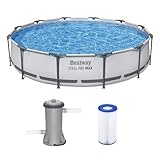
Bestway Steel Pro MAX 12' x 30" Above Ground Swimming Pool Set with Pump | Check Price On Amazon |
|
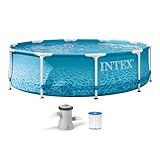
INTEX Beachside Metal Frame 10ft x 30in Round Pool Set w/Pump | Check Price On Amazon |

|
H2OGO! Kids Splash-in-Shade 8-Foot Round Steel Frame Above Ground Pool with Water Mister and Canopy Sunshade, Green Tropical Leaf Print | Check Price On Amazon |
By the Numbers
Pool Safety Alarms – What the Research Shows
Sources: CDC Drowning Prevention Data, U.S. Consumer Product Safety Commission (CPSC), Pool and Hot Tub Alliance (PHTA)
What Is a Pool Alarm and How Does Each Type Work?
A pool alarm is a safety device designed to detect unauthorized or accidental pool access and trigger an audible alert before a drowning incident can occur. The three primary types are door and gate alarms (which monitor entry points), surface wave alarms (which detect water disturbance), and wearable alarms (which activate on contact with water).
Each type operates on a different detection principle, which means each also has different strengths and failure points. Understanding how each one works helps you decide which combination gives your specific pool setup the most reliable coverage.
How Door and Gate Pool Alarms Work
Door and gate alarms use a magnetic contact sensor, similar to a home security door sensor, mounted on the door or gate frame and the door or gate itself. When the two magnetic components separate by more than roughly 1 inch, the alarm circuit breaks and triggers a siren, typically between 85 and 105 decibels (dB).
Most models include a key or button that adults can press to temporarily silence the alarm for 15 to 30 seconds, allowing supervised entry. The alarm resets automatically when the door closes. These devices are governed by the Virginia Graeme Baker Pool and Spa Safety Act (VGB Act), which mandates specific alarm requirements for public pools, and by ASTM International standard F2208, which covers residential pool alarms.
How Surface Wave Detection Alarms Work
Surface wave alarms (also called sub-surface alarms or pool motion sensors) float on the water’s surface or mount to the pool wall with a sensor submerged below the waterline. They detect pressure wave changes caused by a body entering the water.
The sensor uses an accelerometer or sub-surface wave detection technology to distinguish between wind ripples, rain, and the heavier wave pattern produced by a child or adult falling in. Most units send a wireless signal to an indoor receiver unit placed inside the home, which sounds the alarm even when the homeowner is not near the pool. According to ASTM F2208, these alarms must sound at 85 dB or louder and must detect a child-equivalent weight entry within 20 seconds.
How Wearable Pool Alarms Work
Wearable pool alarms are worn on the wrist like a watch or bracelet, typically by children. The device activates within 5 to 10 seconds of full submersion in water, triggering an alarm on both the wristband itself and on a base station kept within 100 to 300 feet of the pool.

- Intelligent Navigation with Full Coverage: Equipped with 11 high-precision sensors and enhanced dual-path algorithms. The optimized WavePath cleaning pattern ensures systematic coverage with minimal overlap, while adaptive navigation analyzes pool layout in real time to eliminate missed spots
- Dual Filtration for Crystal-Clear Water: Advanced dual-layer filtration system features a replaceable 3-micron ultra-fine filter paired with a 180-micron standard filter. Effectively captures fine dust, sand, leaves, and debris for visibly cleaner and healthier pool water
- Comprehensive Pool Cleaning: Engineered to clean the pool floor, walls, waterline, and shallow areas (above 12 inches). The Caterpillar Treads system enhances mobility and climbing ability, ensuring thorough coverage across all pool zones
- Reliable Performance with 2-Year Warranty: Trusted by over 500,000 pool owners worldwide, this robotic pool cleaner delivers consistent, high-performance results. Built for durability and backed by a 2-year warranty and responsive customer support for worry-free ownership
The detection mechanism varies by brand. Some use water conductivity sensors, others use tilt or submersion sensors. The key distinction is that these alarms travel with the child, providing protection even at neighbors’ pools, ponds, or any water source, not just the home pool.
Quick Reference
Pool Alarm Types – Key Terms Explained
Terminology used throughout this guide
What Are the Legal Requirements for Pool Alarms?
Pool alarm requirements vary significantly by state, county, and municipality in the United States. At the federal level, the Virginia Graeme Baker Pool and Spa Safety Act (enacted into law and updated through subsequent regulatory action) mandates anti-entrapment drain covers and certain safety features for public pools but does not require alarms for residential private pools at the federal level.
At the state level, requirements differ substantially. States including California, Florida, New Jersey, New York, and Texas have specific residential pool safety laws that may require one or more of the following: a fence or barrier, a pool alarm, a safety cover, or an exit alarm on doors leading to the pool area. The specific requirements depend on pool type, pool age, and local building codes.
Which States Require Pool Alarms Specifically?
Several states mandate pool alarms as part of residential pool safety compliance. California’s Swimming Pool Safety Act (Health and Safety Code Section 115920-115929) requires at least two of five specified drowning prevention features, and a pool alarm meeting ASTM F2208 is one of the qualifying options. Florida Statute 515 requires one of four safety features, including an approved pool alarm.
New Jersey requires pool alarms on all doors with direct access to the pool from a dwelling. New York has similar door alarm requirements in its building code. Always verify current local requirements with your county building department before purchase, as codes are updated regularly and local ordinances may be stricter than state law.
What Does ASTM F2208 Require for Pool Alarms?
ASTM International standard F2208, titled “Standard Safety Specification for Residential Pool Alarms,” establishes minimum performance requirements for pool alarms sold in the United States. Surface wave alarms must sound at a minimum of 85 dB at 10 feet and must detect the entry of an object weighing at least 15 pounds within 20 seconds of water contact.
The standard also requires that alarms have a self-test function, that remote receivers sound at 85 dB or louder inside the home, and that temporary bypass modes automatically reactivate without manual resetting. When shopping for a surface wave pool alarm, look specifically for ASTM F2208 compliance listed on the product packaging or specification sheet.
Best Door and Gate Pool Alarms: Top Picks and What to Look For
Door and gate pool alarms are the first line of defense because they activate before a child or pet reaches the water. The best models sound at 105 dB or louder, include a tamper-resistant bypass mechanism, and use a battery backup that lasts at least 12 months on standard alkaline batteries. Price range for quality door alarms runs from $20 to $80 per unit.
The most important specification for door alarms is the sensor gap distance: the maximum gap between the door and frame at which the magnet still maintains contact and keeps the alarm silent. Most quality units maintain contact through gaps up to 1.5 inches, which accounts for warping and minor frame misalignment in older gates.
Pool Guard Door Alarm (PGRM-2)
The Pool Guard Door Alarm (model PGRM-2) is one of the most commonly recommended pool gate door alarms in the residential pool safety market. It sounds at 85 dB with a 7-second delay, uses a key bypass mechanism that adults can operate without disabling the alarm permanently, and installs on doors, gates, or sliding glass doors with adhesive mounting hardware.
Battery life on two 9-volt batteries runs approximately 12 months under normal use. The unit weighs under 4 ounces and installs in under 10 minutes without tools. It meets ASTM F2208 requirements and is accepted as a qualifying safety feature under California’s Swimming Pool Safety Act.
Ideal Security SK630 Door Alarm
The Ideal Security SK630 is a self-contained door and window alarm that works effectively as a pool gate alarm. It sounds at 100 dB (louder than the ASTM minimum), uses a magnetic contact sensor with up to 1.5-inch gap tolerance, and runs on a single 9-volt battery for approximately 12 months.
The SK630 includes an on/off switch on the main unit, which means anyone who can reach it can silence it permanently. This is a significant limitation for pool gate applications where the alarm must be tamper-resistant to children. For pool use, mount the alarm out of reach of children by positioning the sensor body at least 54 inches above grade on the gate post.
What to Look for When Buying a Door or Gate Pool Alarm
The alarm volume must be at least 85 dB at 10 feet (ASTM F2208 minimum), but 100 dB or higher is preferable for detection through walls and across larger yards. The bypass mechanism must require adult dexterity to operate: a keyed cylinder or a button sequence that a young child cannot replicate.
Battery replacement intervals matter for long-term compliance. Units requiring battery changes every 3 months create lapses in protection when homeowners forget. Choose units with 12-month battery life or hardwired power with battery backup. Weather resistance matters for outdoor gate installations: look for an IP44 or higher ingress protection rating for outdoor-rated units.
The following checklist helps confirm you have selected the right door or gate pool alarm before purchase.
Buying Guide
Before You Buy – Pool Door and Gate Alarm Checklist
Check off each point before making your decision.
Best Surface Wave Pool Alarms: Top Picks and What to Look For
Surface wave pool alarms (also called pool motion alarms or water surface detectors) are the most common type of pool alarm used on inground and above-ground pools in residential settings. The best units detect a child-weight entry within 10 seconds, transmit wirelessly to an indoor receiver at 300 feet or more, and produce fewer than 3 false alarms per week under typical wind conditions. Price range runs from $130 to $350 for quality units with remote receivers.
The critical performance variable is false alarm suppression. Units with poor wave discrimination trigger on wind, rain, leaves dropping in the water, and pool equipment turning on. High false alarm rates cause homeowners to disable the alarm, which is the single most dangerous outcome. Consumer reviews across pool owner forums including TroubleFreePool and r/pools consistently identify false alarm frequency as the top complaint with budget surface wave alarms.
Pool Patrol PA-30 Pool Alarm
The Pool Patrol PA-30 is a wall-mount sub-surface alarm that anchors to the pool wall with a bracket and senses wave disturbances below the waterline. It includes an indoor receiver that sounds at 85 dB up to 200 feet away from the pool sensor unit. The PA-30 is sold as a complete kit including the pool sensor, indoor receiver, and mounting hardware for approximately $140 to $175.
The temporary bypass mode silences the pool unit for 60 seconds and automatically reactivates, meeting ASTM F2208 bypass requirements. The battery in the pool unit runs on one 9-volt battery lasting approximately 6 months. The indoor receiver plugs into a standard 120-volt outlet. The PA-30 meets ASTM F2208 and is accepted under California’s pool safety code.
SmartPool NC52 Pool Alarm
The SmartPool NC52 (also sold under the SafetyTurtle branding in some markets) uses a wristband-integrated surface detection system that combines a floating pool alarm with a wristband component. The pool unit detects wave disturbances and also receives signals from the wristband if worn. The kit includes one pool alarm, one indoor receiver, and one wristband, providing surface wave and wearable coverage in a single package priced at approximately $200 to $240.
The NC52 requires two 9-volt batteries in the pool unit with a 6-month replacement interval. The wireless range to the indoor receiver is 150 feet, which may be insufficient for very large properties with the pool located far from the house. For properties with detached pool houses or pools more than 150 feet from the main dwelling, consider a unit with extended wireless range such as the Poolguard PGRM-SB2.
Poolguard PGRM-SB2 In-Ground Pool Alarm
The Poolguard PGRM-SB2 is a dedicated sub-surface detection alarm designed specifically for inground pools. It mounts to the pool wall below the coping with a permanent bracket and senses wave disruptions below the surface waterline. The wireless receiver transmits to an indoor unit at up to 200 feet and sounds at 85 dB inside the home.
The PGRM-SB2 sells for approximately $140 to $190 and meets ASTM F2208 standards. It includes a self-test function that homeowners can use to verify operation without triggering the full alarm cycle. One noted limitation: the wall-mount bracket requires drilling into the pool coping or deck, which means installation on a vinyl liner pool or fiberglass pool wall requires careful drilling to avoid surface damage.
Lifebuoy Pool Alarm System
The Lifebuoy Pool Alarm is a floating surface alarm that rests on the water’s surface rather than mounting to the pool wall. It uses an accelerometer to detect wave height changes caused by a pool entry. The floating design makes it portable (usable at vacation rentals, grandparents’ pools, or hotel pools) and requires no permanent installation. It sells for approximately $120 to $160.
The tradeoff with floating surface alarms compared to wall-mount sub-surface units is higher wind sensitivity. At wind speeds above 15 miles per hour (mph), floating alarm false alarm rates increase noticeably based on user reports across pool ownership forums. For pools in consistently windy locations (open yards, coastal regions), a wall-mount sub-surface unit like the PA-30 or PGRM-SB2 is a more reliable choice.
How to Choose the Right Surface Wave Pool Alarm
The two most important specifications to compare are the detection threshold (minimum entry weight the sensor can reliably detect) and the wireless receiver range. ASTM F2208 requires detection of a 15-pound object, but higher-quality units detect entries of 18 to 20 pounds, reducing missed detections from lighter children. Receiver range should exceed the actual distance between your pool and the farthest occupied room in your home by at least 50 feet of buffer.
Confirm the unit includes an automatic bypass reactivation, not a manual reset. With manual reset bypass systems, an alarm silenced during an adult swim can remain silenced until the homeowner manually reactivates it, leaving the pool unprotected. Automatic reactivation after 60 seconds or less is the safer standard.
The comparison table below shows the key specifications side by side for the top surface wave pool alarm models covered in this section.
Product Comparison
Surface Wave Pool Alarms – Side by Side Specs
Key specifications compared across top residential pool surface alarm picks
| Model | Price Range | Mount Type | Receiver Range | ASTM F2208 | Best For |
|---|---|---|---|---|---|
| Pool Patrol PA-30 | $140-$175 | Wall-mount sub-surface | 200 ft | Yes | Inground pools, windy yards |
| Poolguard PGRM-SB2 | $140-$190 | Wall-mount sub-surface | 200 ft | Yes | Inground pools, permanent install |
| SmartPool NC52 | $200-$240 | Wall-mount + wristband | 150 ft | Yes | Dual protection, young children |
| Lifebuoy Pool Alarm | $120-$160 | Floating surface | Varies | Yes | Portable use, above-ground pools |
Best Wearable Pool Alarms: Top Picks and What to Look For
Wearable pool alarms offer protection that travels with the child, making them the only alarm type that works at unfamiliar pools, water features, or natural bodies of water away from home. The best wearable alarms activate within 5 seconds of submersion, sound at 85 dB or louder on the wristband itself, and maintain reliable wireless communication with a base station at 100 feet or more. Price range runs from $100 to $200 per kit including base station.
The primary limitation of wearable alarms is user compliance: the device must be worn consistently for it to work. Research from the Pediatric Aquatic Trauma prevention literature notes that caregiver-enforced wearing protocols are the single biggest variable in wearable alarm effectiveness. A wearable alarm left on the pool deck provides no protection.
Safety Turtle Wearable Pool Alarm
The Safety Turtle wristband pool alarm is one of the most widely cited wearable pool alarms by pediatric water safety organizations. The child wears a small turtle-shaped pendant on a wristband. When submerged, the device triggers an alarm on the wristband and sends a wireless signal to the base station, which sounds at 85 dB, within 5 seconds of full water contact. The base station range is approximately 150 feet.
The Safety Turtle system sells for approximately $130 to $160 for a one-child kit. Additional wristbands for additional children cost approximately $60 to $80 each and pair with the same base station. The device is not swim-proof in the sense that it triggers on any water contact above wrist depth, so it cannot be worn during supervised swimming. It must be put on and taken off each time. This is the intended use pattern: wear it any time the child is near water unsupervised, remove it for supervised swimming, and put it back on immediately after.
iSwimband Wearable Water Detector
The iSwimband is a wristband or goggle strap-mounted water detector designed for children and weak swimmers. It pairs with a smartphone app via Bluetooth and sounds an alert on the phone and on the band within 10 to 15 seconds of submersion. The detection mechanism uses a water conductivity sensor that activates when the band is submerged beyond a set depth.
The iSwimband sells for approximately $100 and does not require a separate base station, relying on the caregiver’s smartphone within Bluetooth range (approximately 30 feet). The 30-foot Bluetooth range is significantly shorter than the 100 to 200-foot wireless range of traditional wearable alarm systems, which means the supervising adult must remain within 30 feet of the pool at all times for the alarm to transmit reliably. This is a notable limitation compared to systems with dedicated receivers.
Iollo Personal Pool Alarm
The Iollo is a compact wearable pool immersion alarm worn as a wristband by children ages 2 and up. It activates within 5 seconds of water immersion and communicates with a receiver base station at up to 100 feet via a dedicated 433 MHz radio frequency (not Bluetooth or Wi-Fi). The dedicated radio frequency means the alarm does not depend on smartphone connectivity or Wi-Fi availability.
The Iollo kit sells for approximately $150 to $180 and includes one wristband and one base station. The wristband uses a CR2032 coin cell battery lasting approximately 6 months. A low-battery LED indicator on the wristband alerts caregivers before the battery fails. The 100-foot receiver range is sufficient for most residential pool setups where the pool is located within 80 to 100 feet of the main living areas.
What to Look for When Buying a Wearable Pool Alarm
Activation time is the most critical specification: the alarm must trigger within 10 seconds of submersion according to ASTM F2208, but units activating within 5 seconds provide a meaningfully longer response window. Wireless communication range to the base station must exceed the actual distance between your pool and the farthest room you occupy regularly by at least 20 feet.
Comfort and wearability matter significantly for child compliance. Devices that are too heavy, too stiff, or uncomfortable are frequently removed by young children. Look for wristbands weighing under 1 ounce and made from hypoallergenic silicone. Water-resistant construction on the wristband itself is essential: the device will get wet incidentally even when the child is not in the pool, and the electronics must survive this exposure without false activation on splash or rain contact above the submersion threshold.
Door vs. Surface vs. Wearable: Which Pool Alarm Type Should You Choose?
No single pool alarm type provides complete protection on its own, and the CDC, CPSC, and pool safety advocacy organizations including the Pool and Hot Tub Alliance (PHTA) all recommend layered pool safety systems combining physical barriers, alarms, and adult supervision. Each alarm type addresses a different gap in pool access control.
Door alarms stop unauthorized access before it reaches the water. Surface wave alarms detect a pool entry after it happens. Wearable alarms detect submersion on the child directly, independent of how they reached the water. The combination of all three eliminates the failure point of each individual system.
The interactive tool below helps narrow down which alarm type or combination best fits your specific pool situation.
Interactive Tool
Find the Right Pool Alarm Setup for Your Situation
Answer 2 questions to get a personalized pool alarm recommendation.
Comparison: Door Alarm vs. Surface Wave Alarm vs. Wearable Alarm
Product Comparison
Pool Alarm Types – Head to Head Comparison
Key differences to help you choose the right type for your pool setup
| Feature | Door/Gate Alarm | Surface Wave Alarm | Wearable Alarm |
|---|---|---|---|
| Price range | $20-$80 per unit | $130-$350 per kit | $100-$200 per kit |
| Detection point | Pool access point (before water) | Water surface (after entry) | Child’s wrist (during submersion) |
| False alarm risk | Low (door open/close only) | Moderate (wind, rain, debris) | Low (submersion threshold) |
| Portable for travel | No | Floating type only | Yes |
| ASTM F2208 compliance | Required for qualifying models | Required for qualifying models | Covered by separate ASTM standard |
| Best for | Preventing unauthorized access | Detecting pool entry events | Protecting individual children anywhere |
| Verdict | Essential first layer for any gated pool | Essential backup detection layer | Essential for toddlers and travel |
Prices are approximate retail ranges verified at time of publication. Always confirm ASTM compliance on product packaging before purchase.
How to Install a Pool Alarm: Step-by-Step for Each Type
Installation complexity varies significantly by alarm type. Door and gate alarms install in under 15 minutes with no tools beyond a screwdriver. Surface wave alarms with wall-mount brackets require a drill and take 30 to 60 minutes. Wearable alarm base stations plug into a standard outlet and pair to the wristband in under 5 minutes.
The most critical installation variable across all types is sensor placement relative to the detection target. Incorrect placement is the primary cause of both false alarms and missed detections in newly installed pool alarm systems.
The following step-by-step guide walks through installation for each alarm type.
Step-by-Step Guide
How to Install a Pool Alarm – Step by Step for Each Type
Complete installation instructions for door, surface wave, and wearable pool alarms
Door/Gate Alarm: Mount the receiver body on the door or gate frame
Position the alarm receiver body (the larger component with the siren) on the door frame or gate post at a height unreachable by the target child, minimum 54 inches above grade. Use the included screws for permanent mounting or adhesive tape for temporary installation.
Door/Gate Alarm: Attach the magnet to the door or gate
Mount the smaller magnetic component on the moving door or gate, aligned with the receiver body within 0.75 inches when the door is closed. Test the gap by slowly opening the door and confirming the alarm triggers within 1 inch of separation.
Surface Wave Alarm: Choose the wall mounting location
For sub-surface wall-mount alarms, select a location on the pool wall 4 to 8 inches below the waterline, away from return jets, skimmers, and the pool pump intake. Mounting near return jets causes constant water movement that triggers false alarms.
Surface Wave Alarm: Drill and mount the bracket, then connect the sensor
Using a masonry bit for concrete pools or a standard drill bit for fiberglass or vinyl liner pools (through the pool wall into the coping structure), install the anchor bolt and bracket. Attach the sensor to the bracket so the sensing element is submerged 4 to 8 inches. Seal the drill hole with pool-rated silicone sealant.
Surface Wave Alarm: Place the indoor receiver and test communication
Plug the indoor receiver into an outlet in the room you occupy most frequently when home. Use the self-test function on the pool unit to confirm the signal reaches the receiver. If the receiver does not sound, move it to an outlet closer to the pool until signal reception is confirmed.
Wearable Alarm: Pair the wristband to the base station
Plug the base station into a central outlet inside the home. Follow the manufacturer’s pairing procedure (typically holding the wristband’s pairing button for 3 to 5 seconds within 3 feet of the base station until a confirmation beep sounds). Test by dipping the wristband into water to confirm the base station sounds within 10 seconds.
All Types: Establish and communicate alarm protocols with all household members
All household members and regular caregivers must know the alarm sounds, bypass procedures, and response protocol. A pool alarm that adults routinely silence without investigating is no safer than no alarm. Post a written protocol near the pool access point and review it with all babysitters and guests who will be at the pool.
How to Reduce False Alarms Without Compromising Pool Safety
False alarms are the most cited reason homeowners permanently disable surface wave pool alarms, according to pool owner discussions on TroubleFreePool forums and r/pools. A disabled alarm provides zero protection, making false alarm management a critical safety issue, not merely a convenience concern.
Surface wave alarm false alarm triggers fall into four primary categories: wind-driven wave action, rain impact on the water surface, pool equipment vibration transmitted through the water, and debris (leaves, branches) falling into the pool. Each has a specific mitigation strategy.
Wind-Driven False Alarms
Wind-driven surface ripple is the most common false alarm trigger. The solution is choosing a sub-surface wall-mount alarm over a floating surface alarm. Sub-surface sensors positioned 4 to 8 inches below the waterline detect pressure waves caused by a body entering the water, which are significantly larger in magnitude than surface wind ripple.
If you already own a floating surface alarm and experience frequent wind-related false alarms, relocate it to the end of the pool most sheltered from prevailing wind direction. On a rectangular pool, the downwind end experiences less surface agitation than the upwind end during moderate wind conditions (10 to 20 mph).
Pool Equipment Vibration False Alarms
Pool pump vibration transmitted through the plumbing system and into the pool water can trigger some surface wave sensors. If you notice false alarms occurring consistently when the pool pump turns on or off, reposition the sensor away from the pool wall nearest to the equipment pad. Moving the sensor to the opposite end of the pool from the equipment reduces vibration transmission significantly.
Additionally, check that the pool pump and filter are properly vibration-isolated on rubber isolation mounts (also called equipment pads or anti-vibration mounts). A loose pump sitting directly on concrete transmits significantly more vibration than one mounted on a rubber isolation pad. For above-ground pool equipment, pump vibration isolation pads cost $15 to $30 and reduce transmitted vibration by 60 to 80 percent.
Pool Alarm Maintenance: What You Need to Do and How Often
Pool alarms require regular maintenance to remain reliably operational. The two primary maintenance tasks are battery replacement and functional testing. Neglecting either creates a false sense of security more dangerous than having no alarm at all.
According to guidelines from the Pool and Hot Tub Alliance (PHTA), pool safety equipment should be functionally tested at the beginning of each swim season and at least monthly throughout the swim season. Annual battery replacement on 9-volt battery units (most common) should be scheduled as a fixed calendar event, not deferred until a low-battery indicator activates.
How Often to Test Your Pool Alarm
Test door and gate alarms monthly by opening the protected door or gate and confirming the alarm sounds within 1 to 2 seconds. Test surface wave alarms monthly using the manufacturer’s self-test function (most units have a test button on the pool sensor) and confirming the indoor receiver sounds. Test wearable alarms monthly by briefly dipping the wristband in water and confirming the base station responds within 10 seconds.
Document test dates on a simple log kept near the pool equipment pad or in a household maintenance folder. Pool safety inspectors and insurance underwriters increasingly request documentation of alarm maintenance history, particularly following an incident. A written log demonstrates active, ongoing safety management.
When to Replace Pool Alarm Batteries
Replace all 9-volt batteries in door alarms and surface wave alarm pool sensors annually, at the start of each swim season, regardless of indicated battery level. Battery voltage can appear adequate on a low-battery indicator while delivering insufficient current to reliably trigger the alarm siren under load. Annual replacement on a fixed schedule eliminates this failure mode entirely.
Wearable alarm wristbands using CR2032 coin cell batteries have a longer replacement interval of 6 to 12 months depending on the model and usage frequency. Confirm the replacement battery type printed on the wristband or in the manufacturer’s documentation before purchasing replacements. Using the wrong battery chemistry can cause faster drain or sensor inaccuracy.
Common Pool Alarm Mistakes That Put Families at Risk
Relying on a single alarm type as the sole safety layer is the most dangerous pool alarm mistake pool owners make. The CPSC notes in its drowning prevention guidelines that no single barrier or safety device has 100 percent reliability, and that layered safety systems (multiple independent methods that each must fail for a drowning to occur) provide substantially more protection than any single device.
The second most common mistake is permanently disabling an alarm after the first false alarm rather than troubleshooting the false alarm cause. Surface wave alarms experiencing wind-related false alarms have a solvable problem: sub-surface sensors, repositioning, or equipment vibration isolation. Disabling the alarm solves the inconvenience but eliminates all protection.
Using an Alarm as a Replacement for a Pool Fence
Pool alarms supplement pool barriers (fences, covers, gates) but do not replace them as primary physical barriers. A pool alarm activates after a pool entry event, providing detection and response time. A fence prevents entry in the first place. The CDC’s drowning prevention guidance explicitly states that physical barriers are the single most effective individual drowning prevention measure and that alarms function as a backup detection layer, not a standalone protection system.
In jurisdictions where pool fencing is required by local building code, a pool alarm does not satisfy the fencing requirement. Install the required fence or barrier first, then add alarms as supplementary layers. To budget for a safety fence, you can use our pool fence cost calculator. For guidance on pool covers that add an additional layer of water surface protection, see our guide to the best winter pool covers for inground pools, which covers safety-rated cover options alongside winter protection covers.
Not Accounting for Multiple Pool Access Points
Many pool owners install one door alarm on the main pool gate but overlook secondary access points: a side yard fence gate, a sliding glass door from the house, a window with direct pool access, or a neighbor’s shared fence line. Children rarely access pools through the expected entry point when unsupervised access occurs.
Conduct a full perimeter assessment before selecting alarm quantities. Count every door, gate, window, and fence opening within 20 feet of the pool edge. Install a door alarm on each point where a child could gain access without immediately visible detection by an adult indoors. Budget $20 to $80 per door alarm, with the total investment scaling to $100 to $400 for homes with multiple access points.
Pool Alarm Myths vs. Facts: What Actually Keeps Kids Safe
Myth vs Fact
Pool Alarm Safety – Common Myths Debunked
Separating fact from fiction on the most common pool alarm misconceptions
Myth
A pool alarm alone is enough to protect children from drowning.
Fact
Pool alarms provide detection and alert time. The CDC and CPSC both state that no single safety device prevents drowning independently. Effective protection requires layered safety: a physical barrier (fence or cover), an alarm, and active adult supervision.
Myth
Surface wave alarms will always detect a child falling into the pool.
Fact
ASTM F2208 requires detection of a 15-pound object entry within 20 seconds, but real-world performance depends heavily on sensor placement, water conditions, and proper maintenance. Sensors positioned near return jets or in high-wind environments have higher missed detection rates. Annual testing and correct installation are non-negotiable for reliability.
Myth
Wearable alarms are too inconvenient to use because children cannot swim while wearing them.
Fact
Wearable alarms are designed to be worn when children are near water unsupervised and removed for supervised swimming sessions. This on-off protocol takes less than 30 seconds and provides protection during the highest-risk window: unsupervised access. The Safety Turtle weighs under 1 ounce and clips on and off in seconds.
Myth
Frequent false alarms mean the alarm system is working correctly and is highly sensitive.
Fact
Frequent false alarms indicate sensor placement problems or equipment compatibility issues, not heightened protection. High false alarm rates cause homeowners to disable the alarm entirely. A correctly installed alarm with minimal false alarms provides better real-world protection than a hypersensitive alarm that is disabled due to nuisance triggering.
Myth
Any pool alarm sold at a retail store meets the legal requirements for pool alarms in all states.
Fact
ASTM F2208 compliance is not universally required for retail sale. Some alarms sold in hardware stores do not meet ASTM F2208 performance standards and will not qualify as a legal safety feature under state pool codes. Always verify ASTM F2208 compliance on the product packaging before purchase, particularly in California, Florida, New Jersey, and New York where specific alarm standards are codified into law.
Pool Alarms for Above-Ground Pools: What Is Different?
Above-ground pools (including inflatable pools and frame pools) present a different alarm challenge than inground pools because the primary access point is typically a removable ladder rather than a gate. Removing or locking the pool ladder when the pool is unsupervised is the equivalent of a fence barrier for above-ground pool safety, and it is the most recommended first step by above-ground pool safety resources.
Surface wave alarms work on above-ground pools with wall-mount brackets designed for above-ground pool walls, which are typically thinner aluminum or resin panels than inground pool concrete or fiberglass walls. The Pool Patrol PA-30 and Poolguard PGRM-SB2 both include above-ground pool mounting options. Floating surface alarms (Lifebuoy) require no wall mounting and work equally well on above-ground and inground pools.
Pool liner integrity on above-ground pools is a separate but related safety consideration. A compromised liner creates water chemistry problems that can affect alarm sensor performance over time through mineral and chemical buildup on sensors. For guidance on pool liner selection and maintenance that affects overall pool condition, see our comprehensive resource on pool liner types, costs, and lifespan. To estimate replacement costs, you can use our pool liner cost calculator.
Can You Use a Door Alarm on an Above-Ground Pool Ladder?
Standard magnetic contact door alarms are designed for hinged doors and swinging gates. They can be adapted for above-ground pool ladders with some creativity, but the application is not straightforward. The movable component of a removable ladder does not have a fixed frame counterpart to mount the receiver body on, which is required for a magnetic contact sensor to work.
A more practical solution for above-ground pool access control is a dedicated pool ladder lock ($25 to $60), which physically prevents ladder deployment when the pool is unsupervised. Pair a ladder lock with a floating surface wave alarm for a two-layer protection system well-suited to above-ground pools.
Pool Alarm Price Comparison: Budget vs. Mid-Range vs. Premium
Pool alarm pricing follows a clear pattern across the three categories. Door alarms are the least expensive at $20 to $80 per unit. Surface wave alarm systems with indoor receivers range from $130 to $350 depending on detection technology and wireless range. Wearable alarm kits run $100 to $200 per child kit including the base station.
The performance gap between budget and mid-range pool alarms is significant for surface wave units. Budget surface wave alarms under $100 frequently lack ASTM F2208 certification, have shorter wireless range to indoor receivers (under 100 feet), and use less sophisticated wave discrimination algorithms that produce higher false alarm rates. Spending $140 to $200 on a mid-range unit like the Pool Patrol PA-30 or Poolguard PGRM-SB2 delivers meaningfully better real-world reliability.
The price comparison below gives a visual reference for the full range of pool alarm options across all three types.
Price Comparison
Pool Alarm Price Ranges Across All Types and Tiers
Sorted lowest to highest. Prices verified at time of publication.
$20-$35
$40-$80
$120-$160
$100-$180
$140-$200
$250-$350
$300-$600+
Prices represent approximate retail ranges at time of publication. Multi-child wearable kits require additional wristbands at $60 to $80 each beyond the base kit price.
Frequently Asked Questions About Pool Alarms
Do pool alarms actually work to prevent drowning?
Quick Answer: Pool alarms detect unauthorized pool access or water entry and alert caregivers within 5 to 20 seconds, providing a critical response window. They do not prevent pool entry. Effectiveness depends on correct installation, functioning batteries, and caregiver response time.
The CPSC and CDC both recognize pool alarms as a valid supplementary drowning prevention measure but consistently note that they must be part of a layered safety system including physical barriers. Studies on pool safety barriers published in the journal Pediatrics indicate that four-sided pool fencing reduces child drowning risk by up to 83 percent. Pool alarms add detection capability on top of that barrier, which is why safety organizations recommend both, not either/or. A pool alarm that sounds when a child enters the water gives a caregiver 30 to 60 seconds to reach the pool before submersion injury risk increases significantly.
Are pool alarms required by law?
Quick Answer: Requirements vary by state and municipality. California, Florida, New Jersey, New York, and Texas have specific residential pool safety laws that may require pool alarms. Federal law (VGB Act) mandates safety features for public pools but not private residential pools.
Always verify with your county building department and local code enforcement office before relying on general guidance. Some cities have stricter ordinances than their state law. Homeowners in new construction or pool renovation projects typically receive an inspection that confirms compliance with all applicable codes, which may include alarm requirements. For existing pools, proactive code compliance review is recommended regardless of enforcement activity.
What is the best pool alarm for young children ages 1 to 4?
Quick Answer: The best protection for toddlers ages 1 to 4 combines a door/gate alarm on all pool access points with a wearable alarm (Safety Turtle or Iollo) worn whenever the child is outdoors. This two-layer system catches both unauthorized access attempts and accidental falls.
This age group is at highest drowning risk because children this age can move faster than caregivers expect, have no understanding of water danger, and can drown in as little as 1 to 2 inches of water. The wearable alarm specifically addresses the scenario where a toddler exits through an unsecured door or window not covered by a door alarm. A surface wave alarm on the pool adds a third layer of detection if the first two are bypassed. For complete peace of mind with this age group, all three alarm types are recommended.
Can pool alarms be used during swimming?
Quick Answer: Surface wave alarms and wearable alarms must be deactivated or removed during supervised swimming sessions. Door alarms operate independently of pool use and can remain active as long as the gate is closed.
Surface wave alarms include a temporary bypass mode (15 to 60 seconds) that silences the pool sensor for supervised swimming entry, then automatically reactivates. For extended swim sessions, use the alarm’s bypass mode or manually switch the unit to bypass for the swim period and reactivate immediately after. Wearable alarms must be physically removed for swimming since they trigger on water contact. Establish a family protocol: alarm on when near pool unsupervised, alarm off for supervised swim, alarm back on immediately after swim.
How far can a pool alarm’s indoor receiver transmit?
Quick Answer: Standard mid-range surface wave alarm receivers transmit 150 to 200 feet. Premium units reach 300 feet. Bluetooth-based wearable alarms (iSwimband) are limited to 30 feet. Dedicated 433 MHz radio frequency systems (Iollo) reach 100 feet reliably through walls.
Wall construction significantly affects wireless transmission. Concrete and stucco walls reduce wireless signal range by 40 to 60 percent compared to open-air rated range. A unit rated at 200 feet outdoors may only reliably reach 100 to 120 feet through two concrete walls. Test receiver communication from inside the room you occupy most frequently using the self-test function before committing to final sensor placement. If signal does not reach, move the receiver closer to the pool or add a wireless range extender if the manufacturer offers one.
What happens if my pool alarm battery dies?
Quick Answer: A dead battery in a pool alarm sensor means the alarm will not activate during a pool entry event. Most quality units include a low-battery indicator LED or audible chirp when battery voltage drops below the operational threshold, typically 6.5 to 7 volts on a 9-volt alkaline battery.
Do not wait for the low-battery indicator to replace batteries. Replace all 9-volt batteries in pool alarm sensors at the beginning of each swim season, typically in April or May in the northern United States. Replace wearable alarm coin cell batteries every 6 months. Budget approximately $5 to $10 per year per alarm unit for battery replacement, a minimal cost relative to the protection provided. Keep a spare set of the correct battery types near the pool equipment pad so replacement is immediate when needed.
Will a pool alarm work with a pool cover installed?
Quick Answer: ASTM-rated safety pool covers, which span the full pool surface and support 485 pounds per 5-square-foot area, physically prevent access and water surface detection. Surface wave alarms do not function under a closed safety cover. Door alarms remain fully operational regardless of cover status.
An ASTM-rated safety cover (one that meets ASTM F1346 standards) is itself a significant drowning prevention layer, often more reliable than a surface wave alarm at preventing submersion because it physically blocks water access. When an ASTM safety cover is deployed on the pool, the primary alarm layer should shift to door alarms on any access point to the covered pool area. Wearable alarms remain operational regardless of cover status. For guidance on selecting ASTM-rated safety covers, our guide on the best solar pool cover options covers safety ratings alongside solar heating performance.
Can pool alarms detect pets entering the pool?
Quick Answer: Surface wave alarms meeting ASTM F2208 detect entries of objects weighing 15 pounds or more. Pets weighing 15 pounds or more will trigger a compliant surface wave alarm. Small dogs or cats under 15 pounds may not trigger the alarm reliably.
Pet pool safety is a real concern: the ASPCA estimates thousands of pets drown in residential pools annually, often in pools with no easy exit point. If pet protection is a priority alongside child safety, consider adding a pet-specific pool exit ramp (a floating ramp allowing dogs to self-rescue) in addition to alarm coverage. Surface wave alarms provide detection for pet entries above the 15-pound weight threshold, but response must still occur within 30 to 60 seconds for meaningful rescue opportunity.
Do I need a pool alarm if I already have a pool fence?
Quick Answer: Yes. A pool fence is the primary barrier and the most effective single drowning prevention measure, but it is not failure-proof. Gates are left open, children climb fences, and latches fail. Pool alarms provide the detection backup that catches fence barrier failures.
Pool safety research consistently recommends layered protection: a four-sided, self-closing, self-latching fence PLUS at least one alarm type. The fence reduces the probability of pool access. The alarm catches the cases where the fence fails to prevent access. This two-layer approach is endorsed by the American Academy of Pediatrics (AAP), the CPSC, and the Pool and Hot Tub Alliance (PHTA). Budget $140 to $250 for a surface wave alarm and $40 to $80 for a gate alarm to add meaningful backup detection to an existing fence system.
How do I know if my pool alarm meets state requirements?
Quick Answer: Look for explicit ASTM F2208 compliance stated on the product packaging. Contact your county building department or local code enforcement office with the specific model name to confirm it qualifies as an approved pool safety device under your jurisdiction’s code.
State pool safety codes reference specific alarm performance standards, most commonly ASTM F2208 for residential pool alarms. Products that meet this standard say so clearly on the packaging or in the product data sheet. If ASTM F2208 compliance is not stated, assume the product does not meet the standard. In California, the Swimming Pool Safety Act provides a specific list of qualifying features; confirm the alarm model you select is accepted by your local code enforcement office before relying on it for code compliance purposes.
What is the difference between a sub-surface alarm and a surface wave alarm?
Quick Answer: A surface wave alarm detects water movement at the pool surface, typically using a floating sensor. A sub-surface alarm mounts below the waterline and detects pressure wave changes caused by a body entering the water, making it less susceptible to wind and rain false triggers.
Sub-surface detection is the more reliable technology for residential pool applications with exposure to wind and weather. The pressure wave produced by a child or adult entering the water propagates more strongly below the surface than at the surface, allowing sub-surface sensors to discriminate between wind-driven ripples and actual body entry events more accurately. Wall-mount sub-surface alarms like the Pool Patrol PA-30 and Poolguard PGRM-SB2 use sub-surface detection. Floating alarms like the Lifebuoy use surface detection. For pools in consistently windy environments, choose a wall-mount sub-surface alarm over a floating surface alarm.
How do I test my pool alarm to make sure it is working?
Quick Answer: Test door alarms by opening the protected door or gate and confirming the siren sounds within 2 seconds. Test surface wave alarms using the manufacturer’s built-in self-test button on the pool sensor, then confirm the indoor receiver sounds. Test wearable alarms by dipping the wristband in water for 3 to 5 seconds and confirming the base station responds.
Perform functional tests monthly throughout the swim season. Document the test date and pass/fail result in a simple pool maintenance log. Additionally, at the start of each swim season, perform a full entry simulation test for surface wave alarms: ask another adult to watch the receiver while you drop a pool float or similar object into the water near the sensor to confirm real-world detection. This confirms the sensor is correctly positioned and calibrated for actual pool entry detection, not just self-test function mode.
Are there smart home or Wi-Fi pool alarms available?
Quick Answer: Wi-Fi-connected pool alarm systems are available, typically through home automation platforms including Ring, Google Nest, and dedicated pool safety systems from companies like Fluidra. These systems can send smartphone push notifications when the alarm triggers. Price range is $200 to $500+ for Wi-Fi-enabled pool alarm systems.
Wi-Fi connectivity adds the benefit of remote alerts when you are not in the house. However, these systems introduce a reliability dependency on Wi-Fi connectivity, router function, and smartphone notification settings. A traditional alarm with a dedicated indoor receiver that sounds a 85 to 105 dB siren operates independently of internet connectivity and has no single point of failure outside the battery and sensor hardware. For homes with reliable Wi-Fi and caregivers who spend time away from the pool area (including inside the house during remote work), a Wi-Fi-enabled system can be a meaningful upgrade to notification reliability.
What should I do when my pool alarm sounds?
Quick Answer: Go directly to the pool immediately. Do not stop to silence the alarm, find a phone, or investigate from a window. Every second of response time matters. If you find a person in the water, call 911 immediately and begin CPR if trained while awaiting emergency responders.
Establish a written family emergency protocol before the swim season begins. Post it on the inside of the door leading to the pool. The protocol should state: hear alarm, go to pool immediately, check for person in water, call 911 if anyone is in the water, and begin rescue or CPR as trained. Practice the protocol with all adults in the household at least once per season. A pool life ring and shepherd’s hook mounted within reach of the pool edge, combined with a posted emergency number, complete the emergency response preparation that a pool alarm detection system requires to be fully effective.
How Pool Alarms Fit Into a Complete Pool Safety System
A complete residential pool safety system consists of five independent layers, each of which must fail simultaneously for a drowning incident to occur. According to the CPSC’s “Guidelines for Entrapment Hazards: Making Pools and Spas Safer” and the Pool and Hot Tub Alliance’s residential pool safety guidelines, these layers are: physical barriers (fencing and covers), pool alarms, adult supervision, swimming ability and water safety education, and emergency response readiness (CPR training and rescue equipment).
Pool alarms occupy layer two in this system. They are detection devices, not prevention devices. Their value is in alerting a capable adult caregiver within the response window available between pool entry and submersion injury. Response time is the variable pool alarms optimize. A pool alarm that alerts an adult within 10 seconds of pool entry provides 20 to 30 seconds of additional response time compared to no alarm, which can be the difference between a near-miss and a fatality.
Maintaining pool water quality and chemistry also plays an indirect role in alarm performance. Highly chlorinated or chemically imbalanced water can accelerate corrosion of alarm sensor components, particularly on sub-surface sensors. Keeping your pool’s pH between 7.2 and 7.6 and your free chlorine between 1 and 3 ppm reduces sensor corrosion and extends alarm component life. Our guide to the best pool test kits covers the testing tools needed to maintain water chemistry at levels that protect both swimmer safety and pool equipment longevity. You can also use our swimming pool pH calculator to keep pH between 7.2 and 7.6 and our swimming pool chlorine calculator to maintain free chlorine at 1-3 ppm.
Pool covers, particularly ASTM F1346-rated safety covers, provide both a physical access barrier and UV protection that slows algae growth and chemical degradation. A safety cover deployed when the pool is not in use combined with a surface wave alarm and door alarms creates a three-layer passive protection system that operates continuously without any caregiver action beyond initial installation and monthly testing. For guidance on selecting ASTM-rated safety covers, our guide on the best solar pool cover options covers safety ratings alongside solar heating performance. For a detailed cost estimate, our pool cover cost calculator can help you budget for a safety cover.
A pool alarm is one of the most cost-effective safety investments available for any pool owner. A complete layered alarm system covering gate access, water surface detection, and child wearable protection runs $300 to $600 total, a fraction of the cost of pool construction, and requires only monthly testing and annual battery replacement to maintain full effectiveness. Add a pool safety fence and a waterproof pool area first aid kit to complete the safety perimeter around your pool.
Installing pool alarms for all three detection points gives your family multiple independent alerts before a near-miss becomes a tragedy. Start with a door alarm on every pool access point this week, add a surface wave alarm before the first unsupervised pool use, and equip every child under age 8 with a wearable immersion alarm for any time they are near the water.
| Photo | Best Above-Ground Pools | Price |
|---|---|---|
|
|
Bestway Steel Pro MAX 12' x 30" Above Ground Swimming Pool Set with Pump | Check Price On Amazon |
|
|
INTEX Beachside Metal Frame 10ft x 30in Round Pool Set w/Pump | Check Price On Amazon |
|
|
H2OGO! Kids Splash-in-Shade 8-Foot Round Steel Frame Above Ground Pool with Water Mister and Canopy Sunshade, Green Tropical Leaf Print | Check Price On Amazon |