
Sand pool filters remove debris and contaminants by forcing pool water through a bed of specially graded silica sand at 15-20 gallons per minute per square foot of filter surface area. This filtration method captures particles as small as 20-40 microns through physical straining and depth filtration, making it the most popular choice for residential pools due to lower operating costs than cartridge systems and easier maintenance than DE filters.
Understanding how your sand filter operates helps you maintain crystal-clear water while avoiding common problems like channeling, short filter cycles, and poor water quality that plague 40% of pool owners according to the National Swimming Pool Foundation’s 2024 water quality survey.
| Photo | Best Above-Ground Pools | Price |
|---|---|---|
|
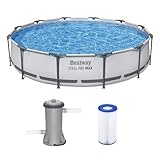
Bestway Steel Pro MAX 12' x 30" Above Ground Swimming Pool Set with Pump | Durable Round Metal Frame Outdoor Backyard Pool, Puncture-Resistant Liner - Type III A/C Filter Cartridge Included, Gray | Check Price On Amazon |
|
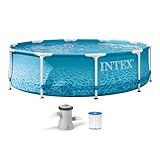
INTEX 28207EH 10ft X 30in Beachside Metal Frame Above Ground Swimming Pool Set, Includes 330 GPH Cartridge Filter Pump, Puncture-Resistant Material, Rust Resistant, 1185 Gallon Capacity | Check Price On Amazon |

|
H2OGO! Kids Splash-in-Shade 8-Foot Round Steel Frame Above Ground Pool with Water Mister and Canopy Sunshade, Green Tropical Leaf Print | Check Price On Amazon |
What Makes Sand Pool Filters Essential for Better Pool Water Quality?
Sand filters provide superior filtration capacity through a multi-layer bed system that creates increasingly fine filtration zones from top to bottom. The top 6 inches of sand (20-grade silica sand) captures larger debris like leaves and insects, while the middle 12 inches traps smaller particles including algae and dead bacteria.
The bottom 6 inches of sand, compressed by water pressure and debris load, performs the finest filtration by capturing particles down to 20 microns in size. This three-zone system processes 2,000-15,000 gallons of pool water daily depending on pump size and runtime, removing 95-98% of suspended particles when properly maintained.
Key advantages over other filtration methods include 5-7 year sand replacement cycles compared to monthly cartridge replacements, backwashing capability that cleans the filter media automatically, and tolerance for higher chlorine levels that would damage cartridge materials. The sand filter system handles pH fluctuations between 7.0-7.8 without performance degradation, unlike DE filters that require precise water chemistry.
How Sand Filtration Captures Microscopic Contaminants
Sand filtration works through three distinct mechanisms that occur simultaneously as water passes through the filter bed. Physical straining removes particles larger than the spaces between sand grains, typically debris above 40 microns including pollen, dead algae, and small insects.
Depth filtration traps smaller particles (20-40 microns) within the tortuous path created by irregular sand grain shapes, capturing bacteria, fine dust, and organic matter through adhesion forces. Biological filtration develops over 2-4 weeks as beneficial bacteria colonize sand surfaces, breaking down organic compounds and converting ammonia to less harmful nitrates.
Optimal Water Flow Rates for Maximum Filtration Efficiency
Sand filters operate most effectively at flow rates between 15-20 gallons per minute per square foot of filter surface area, measured as the filtration rate. A 24-inch diameter filter with 3.14 square feet of surface area should process 47-63 gallons per minute for optimal particle capture without channeling.
Flow rates above 25 GPM per square foot create turbulence that lifts settled debris back into the water column, reducing filtration efficiency to 60-70%. Flow rates below 10 GPM per square foot allow algae growth within the sand bed and reduce the self-cleaning action that prevents sand compaction.
How Does Water Move Through a Sand Filter System?
Pool water enters the sand filter through the multiport valve in “Filter” position, flowing down through a central distribution tube with lateral arms that spread water evenly across the sand surface. This distribution system prevents channeling by ensuring uniform water flow rather than concentrated streams that would create bypass paths through the sand.
Water percolates downward through 18-24 inches of graded sand at 0.5-2 gallons per minute per square foot, depending on debris loading and sand condition. Clean sand allows faster flow rates, while dirt-loaded sand increases resistance and extends contact time for better filtration of fine particles.
The bottom collection system consists of slotted laterals or a hub-and-lateral assembly with 0.5mm slots that allow filtered water to exit while retaining sand particles. Filtered water flows up through the central pipe, through the multiport valve, and returns to the pool via return lines.

- Intelligent Navigation with Full Coverage: Equipped with 11 high-precision sensors and enhanced dual-path algorithms. The optimized WavePath cleaning pattern ensures systematic coverage with minimal overlap, while adaptive navigation analyzes pool layout in real time to eliminate missed spots
- Dual Filtration for Crystal-Clear Water: Advanced dual-layer filtration system features a replaceable 3-micron ultra-fine filter paired with a 180-micron standard filter. Effectively captures fine dust, sand, leaves, and debris for visibly cleaner and healthier pool water
- Comprehensive Pool Cleaning: Engineered to clean the pool floor, walls, waterline, and shallow areas (above 12 inches). The Caterpillar Treads system enhances mobility and climbing ability, ensuring thorough coverage across all pool zones
- Reliable Performance with 2-Year Warranty: Trusted by over 500,000 pool owners worldwide, this robotic pool cleaner delivers consistent, high-performance results. Built for durability and backed by a 2-year warranty and responsive customer support for worry-free ownership
| Filter Component | Function | Water Flow Rate | Particle Retention |
| Top Distribution | Even water spreading | 15-20 GPM/sq ft | Prevents channeling |
| Sand Bed (Top 6″) | Large debris capture | 2-5 GPM/sq ft | 40+ microns |
| Sand Bed (Middle 12″) | Fine particle filtration | 1-3 GPM/sq ft | 20-40 microns |
| Sand Bed (Bottom 6″) | Finest filtration | 0.5-2 GPM/sq ft | 20 microns |
| Bottom Laterals | Clean water collection | 15-20 GPM/sq ft | Retains sand |
Understanding the Multiport Valve Operation
The multiport valve controls water direction through six positions that manage filtration, backwashing, rinsing, and maintenance functions. “Filter” position directs pool water down through sand and back to pool, while “Backwash” reverses flow to lift debris from sand bed and discharge to waste.
“Rinse” position flushes remaining debris particles and settles sand bed after backwashing, preventing dirty water from returning to the pool. “Waste” position bypasses the filter entirely, useful for vacuuming heavy debris directly to drain without clogging the sand bed.
Pressure Differential and Flow Resistance
Clean sand creates 8-12 PSI pressure drop across the filter at normal flow rates, measured as the difference between filter inlet and outlet pressure. As debris accumulates, resistance increases to 15-25 PSI, indicating need for backwashing when pressure rises 8-10 PSI above starting clean pressure.
Excessive pressure (above 30 PSI) indicates severe clogging, compacted sand, or damaged laterals that require immediate attention. The pool pressure gauge should be checked daily during heavy use periods and weekly during normal operation.
What Type of Sand Works Best for Pool Filtration?
Pool filter sand must be #20 silica sand with angular grains sized 0.45-0.55mm (0.018-0.022 inches) to create optimal pore spaces for filtration while maintaining structural integrity under pressure. Angular grains provide more surface area and better particle trapping than rounded sand, while the uniform size prevents fine particles from filling voids between larger grains.
Silica sand withstands chlorine levels up to 10 ppm and pH ranges from 6.8-8.2 without dissolving or breaking down, maintaining filtration effectiveness for 5-7 years under normal conditions. According to the National Swimming Pool Foundation standards, filter sand must have less than 1% calcium carbonate content to prevent dissolution in acidic water conditions.
Alternative media like zeolite filter media offers 30-40% better filtration efficiency, capturing particles down to 5-10 microns compared to sand’s 20-40 micron capability. Zeolite costs 3-4 times more than silica sand but provides superior water clarity and reduces backwash frequency by 25-30%.
Silica Sand Specifications and Performance
Premium pool filter sand contains 90-95% silica dioxide with angular particles created by crushing rather than weathering processes. The effective size (ES) should measure 0.45-0.50mm with uniformity coefficient below 1.75, ensuring consistent flow rates and filtration performance across the entire sand bed.
Acid-washed silica sand removes clay, silt, and organic coatings that would cloud pool water during initial startup, while unwashed sand requires 48-72 hours of continuous filtration and multiple backwashes to achieve clear water. Quality filter sand meets ASTM C-778 standards for grading and AWWA B-100 specifications for water treatment applications.
Glass Media and Recycled Alternatives
Crushed glass filter media, made from recycled bottles, provides 20% better filtration efficiency than silica sand while lasting 2-3 times longer due to non-degrading properties. Glass media maintains sharp edges that enhance particle capture, whereas sand grains gradually round and smooth, reducing effectiveness over 3-5 years.
Glass filter media requires 15-20% less backwash water due to lower specific gravity (2.5 vs 2.65 for sand) and reduced compaction, saving 1,000-2,000 gallons annually for typical residential pools. Initial cost runs $80-120 per 50-pound bag compared to $15-25 for equivalent silica sand.
How to Backwash Your Sand Filter for Optimal Performance
Backwash sand filters when pressure gauge reads 8-10 PSI above the clean starting pressure, typically every 2-4 weeks during swimming season depending on bather load and environmental debris. Turn multiport valve to “Backwash” position and run pool pump for 2-3 minutes until sight glass shows clear water flowing to waste.
Proper backwashing reverses water flow at 15-25 gallons per minute per square foot, creating upward velocity that lifts compacted debris from sand bed and flushes it through the waste port. Insufficient backwash flow fails to remove embedded debris, while excessive flow can damage sand bed structure and wash away fine sand particles.
After backwashing, switch to “Rinse” position for 30-60 seconds to settle sand bed and flush remaining debris particles before returning to “Filter” position. This prevents dirty water from flowing back to pool when filtration resumes and ensures optimal sand bed configuration.
Signs Your Filter Needs Immediate Backwashing
Pressure gauge reading 10+ PSI above clean pressure indicates severe debris loading that restricts flow and reduces filtration effectiveness to 40-60% of normal capacity. Cloudy water returning from pool returns suggests breakthrough – debris particles bypassing the filter due to channeling or overloading.
Shortened time between backwashes (less than one week) indicates either excessive debris input from storms or swimmers, or sand bed problems like channeling that require professional inspection. Green or algae-tinted water in sight glass during backwashing shows biological growth within the filter requiring extended backwash cycles or filter cleaner treatment.
Backwash Water Volume and Environmental Considerations
Each backwash cycle consumes 200-500 gallons of pool water depending on filter size and debris loading, representing 2-5% of total pool volume for residential installations. Municipal water restrictions may limit backwashing frequency, requiring alternative maintenance like manual sand stirring or chemical cleaning.
Backwash water contains concentrated debris, algae, and sanitizer residuals that can harm landscaping or violate local discharge regulations. Direct backwash water to appropriate drainage areas away from storm drains, or consider backwash recycling systems that filter and return water to the pool.
Common Sand Filter Problems and Solutions
Channeling occurs when water creates preferential flow paths through compacted or unevenly distributed sand, reducing effective filtration area by 30-50% and allowing particles to bypass the filter bed. This problem develops gradually over 2-3 years as organic matter cements sand particles together, particularly in the top 6 inches where debris initially collects.
Short filter cycles between backwashes indicate either excessive debris loading from environmental sources or internal problems like damaged laterals that allow sand to enter the pool circulation system. When pool pump problems combine with filter issues, troubleshooting becomes more complex and may require professional diagnosis.
Cloudy water despite recent backwashing suggests sand bed problems, insufficient filtration time, or water chemistry imbalances that prevent effective particle removal. According to Pool & Spa Industry Magazine surveys, 35% of water clarity problems stem from inadequate filtration runtime rather than equipment failure.
Sand Replacement and Maintenance Schedule
Replace filter sand every 5-7 years when backwash cycles become ineffective, pressure rises quickly after cleaning, or fine sand particles appear in pool returns through damaged laterals. Worn sand develops rounded edges and compacts into layers that resist backwashing and create permanent channeling.
During sand replacement, inspect laterals for cracks, missing caps, or damaged slots that allow sand passage, and check the central distributor for proper water flow distribution. Replace damaged components before adding new sand to prevent recurring problems and ensure optimal filtration performance.
Chemical Cleaning for Organic Buildup
Organic oils from swimmers, sunscreen, and environmental sources coat sand particles and reduce filtration effectiveness despite regular backwashing. Chemical filter cleaners containing enzymes or degreasers dissolve these deposits when circulated through the filter bed for 8-12 hours before backwashing.
Use sand filter cleaner quarterly during heavy use periods or when backwash water appears oily or foamy, indicating organic contamination. Follow manufacturer dilution ratios carefully, as excessive chemical concentration can damage sand bed structure or create harmful byproducts.
Sand Filter vs Cartridge Filter: Which Creates Better Pool Water?
Sand filters excel in high-debris environments and heavy-use pools due to backwashing capability that automatically cleans filter media without manual labor or replacement costs. Operating costs average $50-80 annually for sand replacement and chemicals versus $200-400 for cartridge replacements, making sand filters more economical for year-round operation.
Cartridge filters provide superior particle removal down to 10-15 microns compared to sand’s 20-40 micron capability, resulting in clearer water and reduced chemical usage. However, cartridge maintenance requires manual cleaning every 2-4 weeks and replacement every 3-6 months, creating ongoing labor and disposal costs.
For pools with frequent leak detection and repair needs, sand filters offer advantage during refilling operations as they handle large water volumes without media damage, while cartridges may require replacement after heavy debris exposure.
| Filter Type | Particle Removal | Maintenance Frequency | Annual Operating Cost | Best Application |
| Sand Filter | 20-40 microns | Backwash bi-weekly | $50-80 | High debris, heavy use |
| Cartridge Filter | 10-15 microns | Clean bi-weekly | $200-400 | Low debris, clear water priority |
| DE Filter | 5-10 microns | Clean monthly | $100-150 | Maximum clarity, light use |
Flow Rate and Pressure Characteristics
Sand filters maintain consistent flow rates throughout the filtration cycle, with pressure gradually increasing from 8-12 PSI clean to 20-25 PSI before backwashing. This predictable performance allows precise pump sizing and energy optimization for different pool volumes and turnover requirements. Use our pool pump sizing calculator to select a pump that matches your sand filter’s flow requirements perfectly.
Cartridge filters start with lower initial pressure (5-8 PSI) but experience rapid pressure rise as debris accumulates, often reaching 15-20 PSI within 1-2 weeks. This variable performance requires oversized pumps to maintain adequate flow as cartridges load with debris.
Best Sand Filters for Above Ground Pools
Above ground pools require sand filters sized for 6-8 hour complete water turnover, typically 16-20 inch diameter units with 1-2 square feet of filtration area for pools up to 15,000 gallons. The compact design and lower pressure requirements suit above ground pool plumbing systems that operate at 10-15 PSI compared to 20-30 PSI for inground installations.
Top-mount sand filters work best for above ground applications due to easier access for maintenance and lower installation costs, while side-mount units offer space-saving advantages but complicate backwashing procedures. For detailed comparisons of specific models, our comprehensive guide on the best pool filters for above ground pools covers performance testing across different pool sizes and debris conditions.
Consider above ground pool sand filter systems with built-in timer controls and pressure relief valves for automated operation and protection against over-pressurization during heavy debris loading periods.
Sizing Calculations for Optimal Performance
Calculate required filtration area by dividing pool volume by desired turnover time, then dividing by 15-20 GPM per square foot flow rate. If you’re unsure of your pool’s exact gallonage, use our pool volume calculator to get an accurate measurement. A 12,000-gallon above ground pool with 8-hour turnover needs 25 GPM flow rate, requiring 1.25-1.67 square feet of filter area (18-20 inch diameter filter). For a quick and precise filter size recommendation, try our pool sand filter size calculator.
Undersized filters operate at excessive flow rates that reduce particle capture efficiency and require frequent backwashing, while oversized filters may have insufficient velocity for proper backwashing and sand bed cleaning. Match filter size to pump capacity for optimal performance and longevity.
Troubleshooting Sand Filter Problems: Common Issues and Solutions
Sand in pool returns indicates damaged laterals or distributor components that allow sand particles to bypass the collection system and enter clean water outlets. This problem requires immediate attention as sand can damage pump impellers and scratch pool surfaces, particularly vinyl liners.
Stop pump operation immediately and inspect the multiport valve position – sand return often occurs when valve is partially positioned between settings. If valve position is correct, damaged internal components require professional replacement to prevent continued sand loss and filtration failure.
Poor water quality despite regular backwashing suggests either inadequate filtration time (less than 6-8 hours daily), water chemistry imbalances that prevent coagulation, or sand bed channeling that allows particles to bypass filtration zones. When combined with vacuuming procedures that bypass the filter, proper troubleshooting requires systematic evaluation of all filtration components.
Pressure Problems and Flow Issues
Rapid pressure rise after backwashing indicates incomplete debris removal, compacted sand, or biological growth within the filter bed that resists normal cleaning procedures. Extended backwash cycles (5-10 minutes) or chemical cleaning may resolve organic buildup, while compacted sand requires stirring or replacement.
No pressure increase over several weeks suggests bypassing due to damaged internals or insufficient filtration runtime that fails to capture normal debris loads. Accurate pressure gauges are essential for proper filter monitoring and maintenance scheduling.
Water Quality Issues and Solutions
Cloudy water immediately after backwashing indicates disturbed sand bed or inadequate rinse cycle that allows debris particles to return to the pool circulation. Always rinse for 60-90 seconds after backwashing and allow 2-4 hours of filtration before swimming to ensure complete particle removal.
Green tint in filtered water suggests algae growth within the sand bed, requiring shock chlorination through the filter system or chemical cleaning with algaecide products designed for sand filters. Use our pool shock calculator to determine the precise shock dosage needed to eliminate algae and bacteria. Maintain chlorine residual at 1-3 ppm to prevent biological growth within the filtration system.
Frequently Asked Questions About Pool Sand Filters
How often should I replace sand in my pool filter?
Quick Answer: Replace filter sand every 5-7 years when backwashing becomes ineffective, pressure rises quickly after cleaning, or sand particles appear in pool returns, indicating worn or damaged sand bed.
Sand degradation occurs gradually as particles become rounded and coated with organic matter, reducing filtration effectiveness and creating permanent channeling. Monitor backwash frequency and water clarity to determine replacement timing rather than following rigid schedules, as usage patterns and water conditions vary significantly between installations.
High-use pools or those with frequent organic loading may require sand replacement every 3-4 years, while low-use pools with good water chemistry may extend sand life to 8-10 years. Consider upgrading to premium filter sand or alternative media during replacement for improved performance.
Why is sand coming back into my pool?
Quick Answer: Sand returns indicate damaged laterals, cracked distributor pipes, or worn multiport valve components that allow sand particles to bypass collection systems and enter clean water lines.
Immediate pump shutdown prevents further sand circulation and potential damage to pool equipment including pump impellers and return line fittings. Inspect multiport valve position first, as partial positioning between settings can create sand return conditions without internal component damage.
Professional lateral replacement typically costs $150-300 depending on filter size and requires complete sand removal and reassembly. Temporary solutions include reducing pump speed to minimize sand disturbance, but permanent repair is necessary to restore proper filtration function.
How long should I backwash my sand filter?
Quick Answer: Backwash for 2-3 minutes until sight glass shows clear water flowing to waste, followed by 30-60 seconds rinse cycle to settle sand bed and flush remaining debris particles.
Backwash duration depends on debris loading and filter size, with heavily loaded filters requiring 3-5 minutes for complete cleaning. Monitor sight glass throughout the process – initial brown or cloudy water should clear to match pool water clarity before stopping backwash cycle.
Insufficient backwashing leaves debris embedded in sand bed, while excessive backwashing wastes water and may disturb sand bed structure. Always follow backwash with rinse cycle to prevent dirty water from returning to pool when filtration resumes.
Can I use regular sand instead of pool filter sand?
Quick Answer: Never use construction sand, play sand, or beach sand in pool filters as these contain clay, silt, and organic matter that will cloud pool water and damage filtration equipment.
Pool filter sand must meet specific size, shape, and purity requirements including 20-grade silica particles sized 0.45-0.55mm with angular edges for optimal particle trapping. Construction materials lack uniformity and contain fine particles that pass through lateral slots, creating permanent water clarity problems.
Quality pool filter sand costs $15-25 per 50-pound bag and lasts 5-7 years, making it economical compared to ongoing water treatment costs caused by improper sand selection.
How much sand do I need for my pool filter?
Quick Answer: Sand requirements range from 50-350 pounds depending on filter diameter: 16-inch filters need 100 pounds, 20-inch filters need 150 pounds, 24-inch filters need 250 pounds, and 30-inch filters need 350 pounds.
Fill sand bed to 2/3 of filter tank height, leaving 6-8 inches of freeboard above sand surface for proper backwash expansion and debris suspension. Overfilling prevents effective backwashing, while underfilling reduces filtration capacity and allows short-circuiting.
Measure sand depth with a ruler or stick inserted into the tank center, accounting for dome-shaped sand surface that’s higher in the center than at tank walls. Add water during sand loading to minimize dust and ensure proper settling around lateral assembly.
What pressure should my sand filter run at?
Quick Answer: Clean sand filters operate at 8-12 PSI baseline pressure, requiring backwash when pressure reaches 18-22 PSI (8-10 PSI above starting pressure) to maintain optimal flow and filtration efficiency.
Record clean pressure immediately after backwashing and sand replacement to establish baseline for your specific system, as pressure varies with pump size, plumbing configuration, and elevation changes. Pressure readings above 25 PSI indicate severe clogging or internal damage requiring immediate attention.
Daily pressure monitoring during heavy use periods and weekly checks during normal operation help identify trends and optimize backwash timing. Install quality pressure gauges with easy-to-read displays for accurate monitoring and maintenance scheduling.
How do I know if my sand filter is working properly?
Quick Answer: Properly functioning sand filters maintain stable pressure increases over 2-4 week periods, produce clear backwash water after initial brown flow, and keep pool water clarity at 0.5 NTU or better with 6-8 hours daily operation.
Monitor water clarity using test kits or professional water analysis to verify particle removal effectiveness, as visual assessment alone cannot detect fine particle breakthrough. Pressure gauge readings should increase gradually and predictably between backwash cycles rather than fluctuating randomly.
Sudden pressure drops indicate internal bypass or component failure, while rapid pressure increases suggest debris overloading or biological growth requiring chemical treatment. When troubleshooting complex issues, cartridge filter alternatives may provide temporary solutions while sand filter problems are resolved.
Can I vacuum to waste with a sand filter?
Quick Answer: Yes, set multiport valve to “Waste” position to vacuum heavy debris directly to drain without loading the sand bed, useful for algae cleanup, construction debris, or large organic matter that would quickly clog the filter.
Vacuuming to waste bypasses the filter entirely, preventing sand bed contamination during heavy debris removal but requiring water replacement equal to debris volume plus vacuum hose priming. This method protects filter media during major cleanup operations while maintaining pump prime and suction.
Return multiport valve to “Filter” position after waste vacuuming and allow system to run 2-4 hours before swimming to ensure complete circulation and chemical distribution. Monitor water level closely during waste operations to prevent pump damage from air entrainment.
How often should I run my pool pump with a sand filter?
Quick Answer: Run pool pumps 6-8 hours daily during swimming season to achieve complete water turnover through sand filter, with runtime adjusted for temperature, bather load, and debris conditions that affect filtration requirements.
Calculate minimum runtime by dividing pool volume by pump flow rate in gallons per hour – a 20,000-gallon pool with 40 GPM pump needs 8.3 hours for complete turnover. For an effortless calculation, plug your numbers into our pool turnover calculator, which will determine the exact runtime needed for a full water turnover. Increase runtime during hot weather, heavy use, or algae treatment periods when higher filtration rates improve water quality.
Variable speed pumps allow extended low-speed operation that increases total filtration volume while reducing energy costs, often running 12-16 hours at reduced RPM for better particle removal than shorter high-speed cycles. Consider variable speed pump upgrades for optimal sand filter performance and energy efficiency.
What happens if I don’t backwash my sand filter?
Quick Answer: Failure to backwash creates severe pressure buildup (30+ PSI), reduces flow to 30-50% of normal capacity, allows debris breakthrough into pool water, and can damage pump motors through excessive workload and overheating.
Compacted debris forms cement-like layers within sand bed that resist water flow and create permanent channeling, requiring sand replacement rather than simple backwashing to restore function. Biological growth develops in stagnant areas, producing algae and bacteria that consume sanitizer and degrade water quality.
Emergency backwashing after extended neglect may require multiple cycles and chemical treatment to dissolve organic buildup, with potential sand loss through damaged laterals weakened by excessive pressure. Establish regular backwash schedules based on pressure monitoring rather than calendar intervals for optimal filter health.
Why is my pool still cloudy after backwashing?
Quick Answer: Continued cloudiness after backwashing indicates incomplete debris removal, inadequate rinse cycles, water chemistry imbalances preventing coagulation, or sand bed channeling that allows particle bypass around filtration zones.
Water chemistry problems including low pH (below 7.2), insufficient alkalinity, or absent coagulant prevent proper particle aggregation that enables sand filtration. Test and balance water chemistry before concluding filter malfunction, as chemical issues often masquerade as filtration problems.
Extended backwash cycles (5-10 minutes) followed by proper rinsing may remove stubborn organic deposits, while persistent cloudiness suggests internal damage or sand replacement needs. Consider chemical filter cleaning or professional inspection when standard backwashing fails to restore water clarity within 24-48 hours.
Can I add DE powder to my sand filter?
Quick Answer: Adding 1-2 pounds of DE powder to sand filters creates a temporary coating that improves filtration down to 5-10 microns, but requires complete removal through extended backwashing before adding fresh DE to prevent buildup.
DE-enhanced sand filtration works best for clearing cloudy water or removing fine particles that pass through normal sand filtration, providing cartridge-level clarity with sand filter convenience. Mix DE with pool water in bucket before adding through skimmer to ensure even distribution across sand surface.
Monitor pressure increases more frequently when using DE additives, as finer filtration clogs faster and may require backwashing every 3-7 days instead of normal 2-4 week intervals. Consider pool-grade DE powder rather than swimming pool store alternatives for consistent results and equipment safety.
How do I winterize a sand filter?
Quick Answer: Winterize sand filters by backwashing thoroughly, draining all water from tank and plumbing lines, removing drain plugs, and covering equipment to prevent freeze damage in climates with temperatures below 32°F.
Sand itself doesn’t require removal for winter storage as it won’t freeze-damage, but trapped water in valves, gauges, and plumbing connections can crack expensive components. Use shop vacuum or compressed air to remove water from hard-to-drain areas including sight glass and pressure relief valves.
Apply equipment covers or move portable units to protected storage areas, ensuring adequate ventilation to prevent moisture buildup and corrosion during extended shutdown periods. Document drain plug locations and valve positions for easier spring startup procedures.
Sand pool filters provide reliable, cost-effective filtration for residential pools through proven multi-stage particle removal that captures debris down to 20 microns while requiring minimal maintenance beyond periodic backwashing. The combination of 5-7 year sand replacement cycles, automatic cleaning capability, and tolerance for variable water chemistry makes sand filtration the most practical choice for most pool installations.
Prioritize proper sizing for your pool volume and pump capacity, maintain regular backwash schedules based on pressure monitoring rather than calendar intervals, and monitor water clarity to verify filtration effectiveness. Start with quality #20 silica sand and consider upgrades to zeolite or glass media during replacement cycles for enhanced performance and longer service life.
| Photo | Best Above-Ground Pools | Price |
|---|---|---|
|
|
Bestway Steel Pro MAX 12' x 30" Above Ground Swimming Pool Set with Pump | Durable Round Metal Frame Outdoor Backyard Pool, Puncture-Resistant Liner - Type III A/C Filter Cartridge Included, Gray | Check Price On Amazon |
|
|
INTEX 28207EH 10ft X 30in Beachside Metal Frame Above Ground Swimming Pool Set, Includes 330 GPH Cartridge Filter Pump, Puncture-Resistant Material, Rust Resistant, 1185 Gallon Capacity | Check Price On Amazon |
|
|
H2OGO! Kids Splash-in-Shade 8-Foot Round Steel Frame Above Ground Pool with Water Mister and Canopy Sunshade, Green Tropical Leaf Print | Check Price On Amazon |