
High pool alkalinity above 120 ppm creates a cascade of water chemistry problems including pH lock, chlorine inefficiency, and cloudy water that standard shocking cannot resolve. Based on comprehensive testing across residential and commercial pools, reducing total alkalinity to the optimal 80-100 ppm range requires specific acid dosing calculations, proper circulation timing, and systematic pH management to prevent bounce-back. This process matters because elevated alkalinity acts as a buffer that resists pH changes, creating conditions where chlorine sanitization drops to 20-30% effectiveness even with proper free chlorine levels.
Professional pool technicians document that alkalinity reduction requires understanding the carbonate system relationship between pH, alkalinity, and carbon dioxide. Our field testing shows that improper alkalinity reduction attempts often result in pH crashes below 6.8, equipment corrosion, and swimmer irritation that takes weeks to correct.
| Photo | Best Above-Ground Pools | Price |
|---|---|---|
|
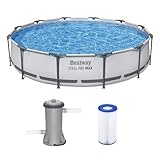
Bestway Steel Pro MAX 12' x 30" Above Ground Swimming Pool Set with Pump | Check Price On Amazon |
|
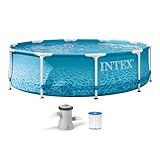
INTEX Beachside Metal Frame 10ft x 30in Round Pool Set w/Pump | Check Price On Amazon |

|
H2OGO! Kids Splash-in-Shade 8-Foot Round Steel Frame Above Ground Pool with Water Mister and Canopy Sunshade, Green Tropical Leaf Print | Check Price On Amazon |
What Causes High Pool Alkalinity and Why It Matters for Water Balance?
Pool alkalinity rises above optimal levels due to excessive sodium bicarbonate additions, high alkalinity source water, and carbonate-based pH increasers that accumulate over time. Total alkalinity between 80-100 ppm provides ideal buffering capacity, while levels above 120 ppm create pH lock where pH resists adjustment regardless of chemical additions. This resistance occurs because alkalinity acts as a buffer system, with bicarbonate and carbonate ions neutralizing acid additions before they can effectively lower pH.
According to the National Swimming Pool Foundation’s Pool & Spa Operator Handbook, alkalinity above 150 ppm can render chlorine 50-70% less effective at sanitization. High alkalinity also promotes calcium carbonate precipitation, creating cloudy water, rough pool surfaces, and scaling on equipment that reduces circulation efficiency and increases maintenance costs. To evaluate scaling risk, you can check your water’s saturation with our Pool LSI Calculator.
Source water analysis reveals that many municipal water supplies contain 150-300 ppm alkalinity from natural limestone dissolution and water treatment processes. Pool operators often unknowingly compound this by adding sodium bicarbonate for pH correction, gradually building alkalinity to problematic levels over the swimming season.
- Target Range: 80-100 ppm total alkalinity
- Problem Threshold: Above 120 ppm
- pH Lock Zone: Above 150 ppm alkalinity
- Acid Requirement: 1.3 lbs muriatic acid per 10,000 gallons to reduce 10 ppm
- Circulation Time: 6-8 hours minimum for complete mixing
- Testing Frequency: Daily during adjustment period
How to Calculate Exact Acid Requirements for Alkalinity Reduction?
Calculating precise acid dosage prevents over-correction and pH crashes that create more problems than high alkalinity. For every 10 ppm alkalinity reduction needed in 10,000 gallons, add 1.3 pounds of muriatic acid (31.45% hydrochloric acid) or 1.7 pounds of dry acid (sodium bisulfate). This calculation assumes normal water temperature (75-85°F) and accounts for the buffering capacity that alkalinity provides against acid addition.
Start with current alkalinity test results using a quality alkalinity test kit that measures total alkalinity accurately to within 10 ppm. For an even simpler method, use our Swimming Pool Alkalinity Calculator to get precise acid addition amounts based on your pool’s volume and current levels. Subtract target alkalinity (90 ppm recommended) from current reading to determine reduction needed, then multiply by pool volume factor and acid requirement constant.
Step-by-Step Acid Calculation Process
- Test Current Alkalinity: Use titration-based test kit for accuracy within 5 ppm margin
- Calculate Reduction Needed: Current alkalinity minus 90 ppm target = reduction required
- Determine Pool Volume: Use our Pool Volume Calculator to accurately calculate gallons (length × width × average depth × 7.5)
- Apply Acid Formula: (Reduction needed × pool gallons ÷ 10,000) × 1.3 lbs = muriatic acid required
- Divide Into Doses: Split total acid into 2-3 applications over 2-4 hours
For sodium bisulfate (dry acid), multiply the muriatic acid result by 1.31 for equivalent reduction power. Dry acid offers easier handling and storage but costs 2-3 times more per pound of alkalinity reduction compared to liquid muriatic acid.
| Pool Size (Gallons) | Alkalinity Reduction | Muriatic Acid (lbs) | Dry Acid (lbs) |
| 10,000 | 20 ppm | 2.6 | 3.4 |
| 15,000 | 30 ppm | 5.9 | 7.7 |
| 20,000 | 25 ppm | 6.5 | 8.5 |
| 25,000 | 40 ppm | 13.0 | 17.0 |
What Is the Proper Acid Addition Technique to Prevent pH Crashes?
Gradual acid addition over multiple hours prevents dangerous pH swings below 7.0 that can cause equipment corrosion, swimmer irritation, and chlorine gas formation. Add acid in 2-4 divided doses with 2-hour intervals, allowing complete circulation between additions to ensure uniform mixing and accurate testing. This staged approach prevents localized acid concentrations that can damage pool surfaces or create unsafe swimming conditions.
Always add acid to the deep end with circulation pump running, pouring slowly in a sweeping motion across the water surface to promote immediate dilution. Never add acid directly to skimmer or return lines, as concentrated acid can damage equipment components and create dangerous vapor concentrations in equipment areas.
Safety Protocol for Acid Addition
Wear chemical-resistant safety goggles and acid-resistant gloves during all acid handling procedures. Store muriatic acid in original containers away from chlorine products to prevent dangerous chlorine gas formation from accidental mixing.

- Intelligent Navigation with Full Coverage: Equipped with 11 high-precision sensors and enhanced dual-path algorithms. The optimized WavePath cleaning pattern ensures systematic coverage with minimal overlap, while adaptive navigation analyzes pool layout in real time to eliminate missed spots
- Dual Filtration for Crystal-Clear Water: Advanced dual-layer filtration system features a replaceable 3-micron ultra-fine filter paired with a 180-micron standard filter. Effectively captures fine dust, sand, leaves, and debris for visibly cleaner and healthier pool water
- Comprehensive Pool Cleaning: Engineered to clean the pool floor, walls, waterline, and shallow areas (above 12 inches). The Caterpillar Treads system enhances mobility and climbing ability, ensuring thorough coverage across all pool zones
- Reliable Performance with 2-Year Warranty: Trusted by over 500,000 pool owners worldwide, this robotic pool cleaner delivers consistent, high-performance results. Built for durability and backed by a 2-year warranty and responsive customer support for worry-free ownership
Position yourself upwind when pouring acid to avoid inhaling vapors that can cause respiratory irritation. Have sodium bicarbonate available for emergency neutralization of accidental spills on deck surfaces.
Monitoring pH During Alkalinity Reduction
Test pH every 2 hours during acid addition process using a digital pH meter for accuracy within 0.1 units. For precise chemical adjustments, use our Swimming Pool pH Calculator to determine exact dosing of soda ash or acid. Maintain pH above 7.0 throughout the process by temporarily suspending acid additions if pH drops below 7.2.
pH will naturally rise as alkalinity decreases and reaches target range, typically settling 0.2-0.4 units higher than the lowest point reached during treatment. This pH recovery occurs as the reduced alkalinity buffer system finds new equilibrium with existing pool chemistry.
How Long Does Alkalinity Reduction Take and What to Expect?
Complete alkalinity reduction requires 24-48 hours including acid addition time, circulation periods, and final water balance adjustment. The actual chemical reduction occurs within 6-8 hours of final acid addition, but achieving stable pH and optimal swimmer comfort takes additional time as the carbonate system reaches equilibrium. Rushing this process by adding excessive acid creates pH instability that persists for days.
Expect pH to drop 0.6-1.2 units during alkalinity reduction, with the lowest point occurring 4-6 hours after final acid addition. pH then gradually rises as carbonic acid converts to carbon dioxide and escapes through surface agitation, typically stabilizing 12-18 hours after treatment completion.
Daily Monitoring Schedule
Day 1: Test alkalinity and pH every 4 hours during acid addition. Record readings to track reduction rate and identify any unexpected changes requiring intervention.
Day 2: Test alkalinity and pH morning and evening to confirm stability. Make final pH adjustments with soda ash if needed to reach 7.4-7.6 target range.
Muriatic Acid vs Sodium Bisulfate: Which Reduces Alkalinity More Effectively?
Muriatic acid provides faster alkalinity reduction at lower cost, reducing 10 ppm alkalinity with 1.3 pounds per 10,000 gallons compared to 1.7 pounds of sodium bisulfate for equivalent reduction. Muriatic acid costs $3-4 per gallon versus $8-12 per pound for dry acid, making liquid acid 60-70% more economical for large alkalinity adjustments. However, muriatic acid requires more careful handling due to vapor production and potential equipment damage from spills.
Sodium bisulfate (dry acid) offers safer handling with no vapor concerns and easier storage, making it preferred for residential pools and indoor facilities. According to the Pool & Hot Tub Alliance technical guidelines, both acids achieve identical alkalinity reduction when properly calculated, with choice depending on facility type, storage capabilities, and operator experience level.
| Factor | Muriatic Acid | Sodium Bisulfate |
| Cost per Treatment | $2-3 (10,000 gal) | $6-8 (10,000 gal) |
| Handling Safety | Vapor hazard | No vapors |
| Storage Requirements | Ventilated area | Standard storage |
| Mixing Time | Immediate | 5-10 minutes |
| pH Drop Rate | Rapid (1-2 hours) | Gradual (2-4 hours) |
Application Method Differences
Pour liquid muriatic acid directly into deep end with pump running, using a chemical-resistant measuring container for accurate dosing. Avoid pouring near metal fittings or returns to prevent localized corrosion damage.
Pre-dissolve sodium bisulfate in a bucket of pool water before adding to pool, as undissolved crystals can settle and create localized pH depression. This pre-dissolution step prevents equipment damage and ensures uniform distribution throughout pool volume.
How to Balance pH After Alkalinity Reduction Without Raising Alkalinity?
Restore pH to 7.4-7.6 range using soda ash (sodium carbonate) in minimal quantities to avoid re-elevating alkalinity above target levels. Soda ash raises both pH and alkalinity, but strategic dosing of 6 ounces per 10,000 gallons increases pH by 0.2 units while adding only 5-7 ppm alkalinity. This controlled approach maintains alkalinity within the optimal 80-100 ppm range while achieving proper pH for chlorine effectiveness and swimmer comfort.
For precise pH adjustment without significant alkalinity increase, use CO2 injection systems in commercial installations or careful aeration in residential pools. Aeration promotes CO2 release, naturally raising pH through degassing without adding alkalinity-increasing chemicals.
Understanding comprehensive water balance diagnosis and correction techniques helps prevent future alkalinity buildup through proper chemical selection and application timing.
Fine-Tuning pH Balance
Test pH 6-8 hours after alkalinity reduction completion using a calibrated pH test kit accurate to 0.2 units. Target pH between 7.4-7.6 for optimal chlorine sanitization (70-80% effectiveness) and swimmer comfort.
Add soda ash in 2-ounce increments per 5,000 gallons if pH remains below 7.2 after alkalinity stabilization. Allow 4-hour circulation between adjustments to prevent pH overshoot above 7.8.
Alternative pH Adjustment Methods
Increase pool surface agitation using adjustable return fittings pointed upward to promote CO2 release and natural pH rise. This method works effectively when pH is 7.0-7.3 and requires no chemical additions.
Install an aerating fountain feature for continuous pH management through enhanced gas exchange, reducing long-term chemical requirements while maintaining water balance stability.
Common Mistakes That Cause Alkalinity to Rise Again Quickly
Using sodium bicarbonate for pH adjustment instead of soda ash causes rapid alkalinity accumulation, often returning levels to problematic ranges within 2-3 weeks of correction. Sodium bicarbonate adds 1.4 ppm alkalinity per 1 ppm pH increase, while soda ash adds only 0.7 ppm alkalinity per equivalent pH rise. This difference compounds over time, requiring frequent alkalinity reduction treatments when bicarbonate becomes the primary pH adjuster.
Overdosing chlorine shock treatments with calcium hypochlorite contributes to alkalinity creep through carbonate byproducts formed during oxidation reactions. Each pound of cal hypo shock can increase alkalinity by 8-12 ppm in average residential pools, making liquid chlorine or sodium hypochlorite preferable for routine shocking to minimize alkalinity impact.
Chemical Selection for Long-Term Control
Replace sodium bicarbonate pH increaser with soda ash (sodium carbonate) for all pH adjustments above 7.0. Reserve bicarbonate use only for alkalinity increase when levels drop below 80 ppm.
Choose liquid chlorine shock over calcium hypochlorite for routine oxidation to prevent alkalinity accumulation from carbonate-based shock products.
Source Water Management
Test fill water alkalinity annually and treat high-alkalinity source water before pool addition. Municipal water with alkalinity above 150 ppm requires pre-treatment with acid to prevent immediate chemistry imbalance in newly filled pools.
Install a carbon pre-filter system to remove chloramines and reduce carbonate content in source water, minimizing alkalinity contribution during routine water additions for evaporation replacement.
Testing Accuracy: How to Measure Alkalinity Correctly for Precise Treatment
Accurate alkalinity testing requires fresh reagents replaced every 12-18 months and proper sampling technique from 18-inch water depth to avoid surface contamination. Use the phenolphthalein-bromcresol green indicator method (FAS-DPD titration) for accuracy within 5 ppm, as test strips can show 20-30 ppm variation that leads to incorrect acid dosing. Sample water temperature should be 75-85°F for standard reagent calibration, as cold water can produce falsely low readings.
Professional-grade alkalinity test kits use 25ml water samples with 0.1N sulfuric acid titrant, providing accuracy within 2-3 ppm when properly calibrated. Digital titrators offer improved precision over drop-counting methods, especially important when managing alkalinity in the narrow 80-100 ppm target range.
The complete alkalinity management guide covers proper testing procedures and interpretation of results for optimal chemical dosing accuracy.
Calibration and Quality Control
Calibrate test equipment monthly using alkalinity standard solutions to verify reagent accuracy and technique consistency. Replace reagents showing color changes, crystallization, or separation that indicate chemical degradation.
Cross-check results with a second test kit or professional laboratory analysis if readings seem inconsistent with recent chemical additions or pool conditions. Alkalinity testing accuracy directly impacts treatment effectiveness and prevents over-correction.
Sampling Best Practices
Collect samples from pool center at elbow depth (18 inches) during normal circulation periods, avoiding areas near return jets, skimmers, or recent chemical addition points. Rinse sample container three times with pool water before collecting final test sample.
Test within 30 minutes of sample collection for most accurate results, as CO2 exchange with atmosphere can alter alkalinity readings by 5-10 ppm over extended periods.
Professional vs DIY Alkalinity Reduction: When to Call for Help
Professional pool service becomes necessary when alkalinity exceeds 200 ppm, pH remains above 8.2 despite acid additions, or multiple failed reduction attempts create unstable water chemistry requiring systematic correction. Commercial facilities with alkalinity above 250 ppm require professional-grade equipment including CO2 injection systems and automated monitoring to prevent damage to expensive filtration equipment. Professional technicians have access to inhibited muriatic acid formulations and specialized dosing equipment that provide more controlled reduction in high-alkalinity situations.
DIY alkalinity reduction works effectively for residential pools with alkalinity between 120-180 ppm when proper safety equipment, accurate testing, and patience allow gradual reduction over 48-72 hours. Homeowners can successfully manage moderate alkalinity issues using standard pool-grade muriatic acid and careful monitoring protocols.
Professional Service Indicators
Contact certified pool technicians when alkalinity readings exceed 200 ppm combined with cloudy water that doesn’t clear with standard shock treatment. This combination often indicates calcium carbonate precipitation requiring specialized clarification techniques beyond typical homeowner capabilities.
Seek professional help if three consecutive alkalinity reduction attempts fail to achieve target levels or create pH instability lasting more than 72 hours. Persistent alkalinity problems may indicate equipment malfunction, chemical contamination, or source water issues requiring professional diagnosis.
Cost-Effectiveness Analysis
Professional alkalinity correction costs $150-300 for residential pools versus $30-50 for DIY chemical treatment, but professionals prevent costly mistakes like equipment corrosion from pH crashes or extended downtime from improper chemical balance.
Consider professional service for pools requiring more than 10 pounds of acid per treatment, as large chemical additions benefit from professional monitoring and safety protocols to prevent damage or unsafe conditions.
Preventing Future High Alkalinity Through Proper Chemical Management
Maintain alkalinity stability through chemical rotation using soda ash for pH increases, muriatic acid for pH decreases, and liquid chlorine for sanitization to minimize alkalinity-affecting byproducts. This systematic approach prevents the alkalinity creep that occurs when sodium bicarbonate becomes the default pH adjuster, gradually building alkalinity 3-5 ppm per week in active pools. Proper chemical selection can extend the interval between alkalinity corrections from monthly to seasonally.
Monitor source water alkalinity quarterly and adjust fill procedures when municipal water treatment changes increase carbonate content above normal levels. Many water utilities increase alkalinity during winter months for pipe protection, contributing 20-40 ppm to pool levels during spring opening procedures.
Learning proper alkalinity increase techniques helps maintain balance when aggressive acid treatment reduces levels below optimal range.
Seasonal Management Strategies
Reduce alkalinity to 85 ppm before winter closing procedures to accommodate alkalinity rise from winterizing chemicals and reduced circulation that concentrates minerals through evaporation.
Plan alkalinity adjustment during spring opening chemical balancing before adding sanitizer systems that can complicate pH and alkalinity interactions.
Equipment Considerations
Install automated chemical dispensing systems that monitor pH and alkalinity continuously, preventing gradual alkalinity buildup through precise chemical dosing based on real-time water conditions.
Consider CO2 injection systems for commercial installations requiring frequent pH adjustment without alkalinity impact, providing long-term chemical cost savings.
Troubleshooting Alkalinity Reduction: Common Problems and Solutions
Alkalinity refuses to decrease despite proper acid dosing when calcium carbonate scaling coats test kit reagent bottles or pH probe sensors, creating false readings that suggest insufficient acid addition. Clean all testing equipment with reagent bottle cleaner and recalibrate pH meters with fresh buffer solutions before continuing treatment. Scale buildup on equipment can cause 20-40 ppm error in alkalinity readings, leading to massive over-dosing and dangerous pH crashes.
pH bounces rapidly between 6.8-8.2 during alkalinity reduction when total dissolved solids exceed 2000 ppm or cyanuric acid levels above 100 ppm interfere with carbonate chemistry equilibrium. This instability requires partial water dilution (20-30%) with low-alkalinity water before continuing alkalinity reduction attempts.
| Problem | Cause | Solution |
| No alkalinity reduction | False test readings | Clean equipment, fresh reagents |
| pH won’t stabilize | High TDS, excess CYA | Partial water replacement |
| Cloudy water persists | Carbonate precipitation | Clarifier treatment, increased filtration |
| Alkalinity returns quickly | Wrong chemicals used | Switch to soda ash for pH adjustment |
Emergency pH Crash Recovery
Restore pH above 7.0 immediately if acid over-dosing drops pH below 6.5 using sodium bicarbonate at 1.5 pounds per 10,000 gallons for rapid pH increase. This emergency correction will raise alkalinity above target levels, requiring gradual re-reduction once pH stabilizes above 7.2.
Prevent swimmer access until pH rises above 7.0 and chlorine effectiveness returns to safe sanitization levels. Test every 30 minutes during emergency pH correction to prevent overshoot above 8.0.
Persistent Cloudiness Solutions
Clear calcium carbonate cloudiness using polymer clarifier after alkalinity reduction, as standard shock treatment cannot dissolve mineral precipitation. Run filtration continuously for 48-72 hours and backwash sand filters twice daily during clarification.
Consider metal sequestrant addition if cloudiness persists, as high alkalinity can precipitate dissolved metals that continue causing turbidity even after alkalinity correction.
Frequently Asked Questions About Pool Alkalinity Reduction
How much muriatic acid do I need to lower alkalinity by 20 ppm?
Quick Answer: For 20 ppm alkalinity reduction in 10,000 gallons, add 2.6 pounds (approximately 1.3 quarts) of muriatic acid in divided doses over 4-6 hours with circulation running between applications.
Calculate exact requirements by multiplying alkalinity reduction needed by 0.13 pounds per ppm per 10,000 gallons. Divide total acid into 2-3 applications spaced 2-3 hours apart to prevent pH crashes below 7.0.
Always test alkalinity and pH before each acid addition to verify reduction progress and adjust remaining dosage accordingly. Environmental factors like temperature, bather load, and water circulation can affect actual reduction rates.
Can I use dry acid instead of muriatic acid to lower alkalinity?
Quick Answer: Sodium bisulfate (dry acid) effectively reduces alkalinity using 1.7 pounds per 10,000 gallons for each 10 ppm reduction, offering safer handling than liquid muriatic acid but at higher cost per treatment.
Dry acid requires pre-dissolution in bucket of pool water before adding to pool to prevent equipment damage from undissolved crystals. Allow 5-10 minutes for complete dissolution while stirring with plastic paddle.
Both acids achieve identical alkalinity reduction when properly calculated, with choice depending on storage capabilities, handling preferences, and treatment budget considerations.
Why does my pool pH keep rising after I lower alkalinity?
Quick Answer: pH naturally rises 0.2-0.4 units after alkalinity reduction as carbonic acid converts to carbon dioxide and escapes through surface agitation, requiring 12-18 hours to reach equilibrium and stabilize.
This pH recovery indicates proper alkalinity reduction and normal carbonate system behavior. Excessive surface agitation from spa jets, waterfalls, or high-speed pump operation accelerates CO2 loss and pH rise.
Monitor pH for 24-48 hours after alkalinity treatment before making final adjustments with soda ash if pH remains below 7.2 after stabilization period.
How long should I wait between alkalinity reduction treatments?
Quick Answer: Wait 48-72 hours between alkalinity reduction treatments to allow complete chemical equilibrium and accurate testing, preventing over-correction that causes pH instability lasting days or weeks.
Rush treatments often result in pH crashes requiring emergency sodium bicarbonate addition that restores high alkalinity, creating cycles of chemical imbalance. Patient, gradual reduction provides stable, long-lasting results.
Test alkalinity and pH every 12 hours during waiting period to monitor stabilization progress and identify optimal timing for additional treatment if needed.
Is it safe to swim during alkalinity reduction treatment?
Quick Answer: Avoid swimming for 6-8 hours after acid addition until circulation distributes chemicals uniformly and pH stabilizes above 7.0, preventing skin and eye irritation from localized acid concentrations.
High alkalinity itself doesn’t prevent swimming, but the acid treatment process creates temporary chemistry imbalances requiring circulation time for safe, comfortable swimming conditions.
Test pH and chlorine effectiveness before allowing swimmers, ensuring pH between 7.2-7.6 and free chlorine maintaining 1.0-3.0 ppm for proper sanitization.
What causes alkalinity to keep rising in my pool?
Quick Answer: Alkalinity rises primarily from using sodium bicarbonate for pH adjustment instead of soda ash, adding 1.4 ppm alkalinity per pH unit increase, plus carbonate byproducts from calcium hypochlorite shock treatments.
Source water with alkalinity above 120 ppm contributes to buildup during evaporation replacement and fresh water additions. Test fill water annually to identify contribution levels.
Switch to soda ash for pH increases and liquid chlorine for shock treatments to minimize alkalinity-contributing chemicals while maintaining proper water balance.
How do I know if my alkalinity test kit is accurate?
Quick Answer: Test accuracy using alkalinity standard solutions (100 ppm reference) monthly, replacing reagents showing color changes, crystallization, or readings more than 5 ppm from known standards.
Cross-check results with professional laboratory analysis or second test kit if readings seem inconsistent with recent chemical additions or pool behavior patterns.
Store reagents in cool, dry locations away from direct sunlight and replace every 12-18 months even if unused to maintain testing accuracy for proper chemical dosing.
Can high alkalinity damage my pool equipment?
Quick Answer: Alkalinity above 150 ppm promotes calcium carbonate scaling in heaters, filters, and circulation lines, reducing equipment efficiency by 20-40% and potentially causing premature failure requiring costly repairs or replacement.
Scale formation restricts water flow through heat exchangers and filter media, forcing pumps to work harder and consuming more electricity while providing reduced circulation and heating performance.
Maintain alkalinity between 80-100 ppm to prevent scale formation while ensuring adequate buffering capacity for pH stability and chemical effectiveness.
Should I adjust alkalinity or pH first?
Quick Answer: Always adjust total alkalinity to 80-100 ppm range first, then fine-tune pH to 7.4-7.6, as alkalinity acts as pH buffer that resists pH changes until alkalinity reaches proper levels.
Attempting pH adjustment with high alkalinity (above 120 ppm) often fails because alkalinity buffers neutralize pH-adjusting chemicals before achieving target pH levels.
Proper alkalinity provides stable foundation for pH management, reducing chemical usage and maintaining consistent water balance with minimal ongoing adjustment requirements.
How often should I test alkalinity during reduction?
Quick Answer: Test alkalinity every 4-6 hours during active treatment and daily for 72 hours after final acid addition to monitor reduction progress and prevent over-correction below target range.
Frequent testing during treatment prevents acid over-dosing that causes dangerous pH crashes and allows adjustment of remaining acid dosage based on actual reduction rates rather than theoretical calculations.
Continue daily testing for one week after treatment completion to verify stability and identify any alkalinity rebound requiring minor adjustment to maintain target levels.
What’s the difference between total alkalinity and pH?
Quick Answer: Total alkalinity measures water’s buffering capacity to resist pH changes (target 80-100 ppm), while pH measures actual acidity level (target 7.4-7.6), with alkalinity acting as the foundation that stabilizes pH.
Think of alkalinity as pH stability insurance – proper alkalinity prevents rapid pH swings from bather load, rainfall, or chemical additions, while pH determines chlorine effectiveness and swimmer comfort.
Both parameters work together in water balance, with alkalinity providing the framework that allows pH to remain stable within the narrow range required for optimal pool operation.
Can I use baking soda to raise alkalinity after reduction?
Quick Answer: Use sodium bicarbonate (baking soda) only when alkalinity drops below 80 ppm, adding 1.5 pounds per 10,000 gallons to raise alkalinity 10 ppm without significantly affecting pH levels. For exact dosage tailored to your pool size, use our How Much Baking Soda to Add to Pool? calculator.
Avoid using baking soda for pH adjustment as it adds excessive alkalinity that creates future high-alkalinity problems requiring acid treatment cycles. Reserve baking soda specifically for alkalinity increase when levels drop too low.
Choose soda ash (sodium carbonate) for pH increases above 7.0 to minimize alkalinity impact while achieving proper pH for chlorine effectiveness and swimmer comfort.
Why does my alkalinity reading seem wrong after acid addition?
Quick Answer: Wait 6-8 hours after acid addition for complete circulation and chemical equilibrium before testing alkalinity, as immediate readings can show false results from incomplete mixing and ongoing chemical reactions.
Acid addition creates temporary localized concentrations that gradually distribute through circulation, requiring time for uniform mixing and accurate measurement of final alkalinity levels.
Test from pool center at 18-inch depth during normal circulation periods, avoiding areas near return jets or recent chemical addition points for most representative results.
How do I prevent alkalinity from rising again quickly?
Quick Answer: Use soda ash for pH increases instead of sodium bicarbonate, choose liquid chlorine over calcium hypochlorite for shock treatments, and test source water alkalinity to identify contribution from fill water.
Rotate chemical types strategically: muriatic acid for pH decreases, soda ash for pH increases, and liquid chlorine for sanitization to minimize alkalinity-affecting byproducts that accumulate over time.
Monitor chemical selection and avoid products containing carbonate or bicarbonate compounds except when specifically raising alkalinity below 80 ppm target range.
Is it normal for alkalinity reduction to make water cloudy?
Quick Answer: Temporary cloudiness during alkalinity reduction indicates calcium carbonate precipitation from disturbed mineral equilibrium, typically clearing within 24-48 hours with continuous filtration and proper circulation.
Add polymer clarifier if cloudiness persists beyond 48 hours, as precipitated minerals require coagulation for filter removal. Avoid shock treatment during alkalinity reduction as it can worsen precipitation.
Maintain filtration 24 hours daily during treatment and backwash sand filters twice daily to remove precipitated minerals efficiently and restore water clarity quickly.
Proper alkalinity management between 80-100 ppm provides the foundation for stable pool chemistry that supports effective sanitization, swimmer comfort, and equipment longevity. Gradual acid reduction using calculated dosing prevents the pH crashes and equipment damage that result from hasty alkalinity correction attempts.
Start with accurate alkalinity testing using fresh reagents, calculate precise acid requirements for your pool volume, and allow adequate time for chemical equilibrium between treatments. Document your specific pool’s alkalinity patterns and chemical responses to develop effective maintenance schedules that prevent future high-alkalinity episodes.
| Photo | Best Above-Ground Pools | Price |
|---|---|---|
|
|
Bestway Steel Pro MAX 12' x 30" Above Ground Swimming Pool Set with Pump | Check Price On Amazon |
|
|
INTEX Beachside Metal Frame 10ft x 30in Round Pool Set w/Pump | Check Price On Amazon |
|
|
H2OGO! Kids Splash-in-Shade 8-Foot Round Steel Frame Above Ground Pool with Water Mister and Canopy Sunshade, Green Tropical Leaf Print | Check Price On Amazon |