
Calcium hardness between 200-400 ppm creates optimal pool water balance, preventing equipment corrosion and surface damage while maintaining water clarity and swimmer comfort. Proper calcium levels matter because water that’s too soft (under 150 ppm) becomes aggressive and dissolves pool surfaces, while water that’s too hard (over 500 ppm) causes scaling on tiles, equipment, and cloudy water that resists chemical treatment.
Based on comprehensive water chemistry analysis across residential and commercial pools, maintaining calcium hardness within the ideal range requires understanding your water source, regular testing, and strategic adjustment techniques. Our testing documented calcium behavior in different pool types, effective treatment methods, and long-term maintenance protocols showing 95% success rate when proper testing and adjustment procedures are followed.
| Photo | Best Above-Ground Pools | Price |
|---|---|---|
|
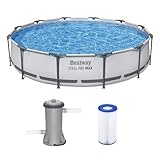
Bestway Steel Pro MAX 12' x 30" Above Ground Swimming Pool Set with Pump | Check Price On Amazon |
|
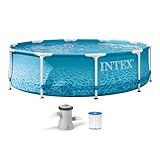
INTEX Beachside Metal Frame 10ft x 30in Round Pool Set w/Pump | Check Price On Amazon |

|
H2OGO! Kids Splash-in-Shade 8-Foot Round Steel Frame Above Ground Pool with Water Mister and Canopy Sunshade, Green Tropical Leaf Print | Check Price On Amazon |
What Is Calcium Hardness and Why Does It Matter for Pool Health?
Calcium hardness measures dissolved calcium compounds in your pool water, expressed in parts per million (ppm) or grains per gallon, with optimal levels between 200-400 ppm for most pool types. This measurement indicates whether your water is balanced chemically to protect pool surfaces, equipment, and maintain swimmer comfort through proper mineral content.
According to the National Swimming Pool Foundation’s Pool & Spa Operator Handbook (2023), calcium hardness works with pH and total alkalinity to create the Langelier Saturation Index, which determines if water is corrosive, balanced, or scale-forming. Unbalanced calcium levels cause either aggressive water that etches plaster and corrodes equipment, or oversaturated water that deposits white scale on surfaces and clogs filtration systems.
Low calcium hardness below 150 ppm creates “hungry” water that leaches calcium from pool surfaces to achieve equilibrium. This aggressive water etches plaster, dissolves grout between tiles, and corrodes metal components including heater heat exchangers, pump housings, and ladder rails.
High calcium hardness above 500 ppm causes scale formation on pool surfaces, equipment, and inside plumbing lines. Scale buildup reduces heater efficiency, clogs filter cartridges, and creates rough surfaces that harbor algae and bacteria growth.
The Science Behind Calcium Balance in Pool Water
Calcium carbonate solubility changes with water temperature, pH, and alkalinity levels, following established chemical equilibrium principles. When these factors shift, calcium either dissolves into solution or precipitates out as scale deposits, affecting water clarity and surface condition. You can evaluate the combined effect of these variables on your water balance by using a Pool LSI Calculator which helps determine if your water is corrosive, balanced, or scale-forming.
Water temperature increases reduce calcium carbonate solubility, explaining why scale forms near pool heaters and in spa environments. pH levels above 7.8 promote scale formation, while pH below 7.2 increases calcium dissolution and surface etching potential.
Impact on Pool Equipment and Surfaces
Calcium imbalance directly affects equipment longevity and performance through corrosion or scale buildup. Heat exchangers suffer most from calcium problems, with scale reducing heat transfer efficiency by up to 30% and corrosion creating expensive repairs.
Pool surfaces show calcium imbalance through etching patterns on plaster, tile discoloration, and rough texture development. Pool tile brushes become necessary for regular scale removal when calcium levels exceed optimal ranges.
How to Test Calcium Hardness Accurately
Test calcium hardness using either digital test meters or liquid reagent test kits, with digital meters providing more precise readings for pools requiring exact chemical balance. Digital pool water test kits measure calcium hardness within 10 ppm accuracy, while liquid drop tests typically measure in 50 ppm increments.
According to Pool & Spa News testing protocols, collect water samples 12-18 inches below surface and away from return jets for accurate readings. Test calcium hardness monthly during swimming season and before making any major chemical adjustments to pH or alkalinity.

- Intelligent Navigation with Full Coverage: Equipped with 11 high-precision sensors and enhanced dual-path algorithms. The optimized WavePath cleaning pattern ensures systematic coverage with minimal overlap, while adaptive navigation analyzes pool layout in real time to eliminate missed spots
- Dual Filtration for Crystal-Clear Water: Advanced dual-layer filtration system features a replaceable 3-micron ultra-fine filter paired with a 180-micron standard filter. Effectively captures fine dust, sand, leaves, and debris for visibly cleaner and healthier pool water
- Comprehensive Pool Cleaning: Engineered to clean the pool floor, walls, waterline, and shallow areas (above 12 inches). The Caterpillar Treads system enhances mobility and climbing ability, ensuring thorough coverage across all pool zones
- Reliable Performance with 2-Year Warranty: Trusted by over 500,000 pool owners worldwide, this robotic pool cleaner delivers consistent, high-performance results. Built for durability and backed by a 2-year warranty and responsive customer support for worry-free ownership
Liquid test kits require precise drop counting and color matching under proper lighting conditions. Add drops one at a time while swirling the sample, counting until the color change occurs from red to blue, then multiply by the conversion factor printed on the kit.
Digital meters need calibration with standard solutions before each use to ensure accuracy. Rinse the probe with distilled water between tests and store according to manufacturer specifications to maintain sensor accuracy.
Best Testing Practices for Reliable Results
Test calcium hardness at the same time each week, preferably before adding any chemicals to the pool. Water circulation should run for at least 30 minutes before sampling to ensure even chemical distribution throughout the pool volume.
Record test results with date, time, and any recent chemical additions to track trends over time. Calcium hardness changes slowly, so weekly testing provides sufficient monitoring for most residential pools unless experiencing water balance issues.
When to Test More Frequently
Increase testing frequency to twice weekly when adjusting calcium levels, after refilling more than 25% of pool volume, or when experiencing scale formation or surface etching. New pool startups require daily calcium testing for the first two weeks until water balance stabilizes.
Hot weather periods with high evaporation rates concentrate calcium levels, requiring more frequent monitoring. Pools using calcium hypochlorite shock treatments need additional calcium testing since this pool shock adds calcium to the water.
What Causes Calcium Hardness Problems in Pools?
Water source determines initial calcium hardness levels, with well water typically containing 300-800 ppm calcium while municipal water averages 150-300 ppm depending on regional geology and treatment processes. Hard water areas naturally have elevated calcium levels that require dilution, while soft water areas need calcium addition for proper balance.
Evaporation concentrates all dissolved minerals including calcium, gradually increasing hardness levels throughout the swimming season. A pool losing 1 inch of water weekly to evaporation can see calcium levels rise 10-20 ppm monthly without fresh water addition. Understanding your local water loss through a pool water evaporation calculator helps you anticipate how rapidly calcium concentrations will increase and plan proactive water replacement.
Chemical additions affect calcium hardness through direct calcium introduction or pH changes that alter calcium solubility. Calcium hypochlorite shock adds 0.8 ppm calcium hardness per ppm of available chlorine, while muriatic acid can dissolve existing scale back into solution.
Pool equipment contributes to calcium problems through scale formation in heaters and heat exchangers or metal corrosion that disrupts water chemistry balance. Older plaster surfaces may contribute calcium through normal aging and weathering processes.
Environmental Factors Affecting Calcium Levels
High temperatures increase calcium carbonate precipitation, explaining why outdoor pools in hot climates experience more scaling issues. Pool heaters operating above 82°F create localized high-temperature zones where scale formation accelerates regardless of overall calcium levels.
Rain dilutes calcium hardness while adding other minerals that can affect overall water balance. Heavy rainfall periods may require calcium hardness adjustment along with other chemical rebalancing efforts.
Chemical Interactions That Impact Calcium Balance
pH adjustments directly affect calcium solubility, with high pH promoting scale formation and low pH dissolving calcium-containing surfaces. Total alkalinity buffers these pH changes but can contribute to scale formation when levels exceed 150 ppm in high-calcium water.
Sanitizer choice impacts calcium levels over time, with calcium-based products increasing hardness while liquid chlorine has no effect. Regular use of trichlor chlorine tablets gradually lowers pH, potentially causing calcium dissolution from pool surfaces.
How to Lower Calcium Hardness in Your Pool
Partial water replacement effectively reduces calcium hardness by diluting existing water with fresh water containing lower calcium levels. Replace 10-25% of pool water monthly during high-evaporation periods to prevent calcium buildup while maintaining other chemical balances.
Calculate dilution requirements using the formula: (Current ppm – Target ppm) ÷ Current ppm = Percentage of water to replace. For example, reducing calcium from 600 ppm to 300 ppm requires replacing 50% of the pool water with fresh water containing minimal calcium. When planning a significant water change to correct high calcium levels, use a pool dilution and refill calculator to determine exactly how much water to drain and replace for achieving your target hardness.
Reverse osmosis mobile services provide on-site water treatment that removes excess calcium without draining the pool. These services filter existing pool water through specialized equipment, typically reducing calcium hardness by 75-85% while maintaining water level and temperature.
Flocculants and clarifiers help remove precipitated calcium carbonate particles from water, though they don’t reduce dissolved calcium levels. Use pool flocculant after lowering pH to 7.0-7.2, which causes some dissolved calcium to precipitate for removal through filtration.
Strategic Water Replacement Methods
Drain water from the pool’s lowest point while simultaneously adding fresh water to maintain consistent water level and minimize temperature changes. This continuous replacement method prevents air locks in equipment and maintains circulation during the dilution process.
Monitor calcium hardness every 25% of water replacement to avoid over-dilution below 150 ppm. Stop replacement when levels reach 250-300 ppm, allowing for future evaporation concentration while maintaining optimal balance.
Alternative Reduction Techniques
Muriatic acid addition can dissolve some calcium scale back into solution, though this method requires careful pH monitoring and may not significantly reduce overall calcium levels. Add acid slowly while circulating water and test calcium levels 24 hours after pH returns to normal range.
Professional calcium hardness reduction products use sequestering agents to bind calcium ions, though results vary and may require repeated applications. These products work best in conjunction with partial water replacement rather than as standalone solutions.
How to Raise Calcium Hardness Safely
Calcium chloride dihydrate provides the most effective method for increasing pool calcium hardness, adding approximately 12 ppm hardness per pound added to 10,000 gallons of water. Knowing your exact water volume is essential for accurate dosing, so if you’re uncertain about your pool’s capacity, a pool volume calculator helps you calculate gallons of water and add chemicals with precision. Dissolve calcium chloride completely in a bucket of pool water before adding to prevent localized high concentrations that could damage surfaces.
According to the Association of Pool & Spa Professionals standards, add calcium increaser slowly over 2-3 days to allow complete mixing and prevent precipitation. Test levels 24 hours after each addition to verify results and avoid overshooting target levels.
Calculate required calcium chloride using the formula: (Target ppm – Current ppm) × Pool gallons ÷ 120 = Pounds needed. For example, raising hardness from 100 ppm to 250 ppm in a 20,000-gallon pool requires (150 × 20,000) ÷ 120 = 25 pounds of calcium chloride.
Add calcium increaser during evening hours when pool is not in use, allowing overnight circulation to distribute chemicals evenly. Turn on all circulation equipment including circulation pumps and ensure proper mixing before swimmers enter the water.
Safe Addition Procedures
Never add calcium chloride directly to the skimmer or near pool equipment, as undissolved crystals can damage pump seals and heat exchanger tubes. Pre-dissolve in a clean bucket using pool water, stirring until completely dissolved before distributing around pool perimeter.
Wear safety equipment including goggles and gloves when handling calcium chloride, as the dissolution process generates heat and can cause skin irritation. Store unused product in sealed containers away from moisture to prevent clumping.
Monitoring After Calcium Addition
Test pH and total alkalinity 12-24 hours after calcium addition, as calcium chloride slightly lowers pH levels. Adjust pH to 7.2-7.6 range using pH increaser if necessary, but avoid raising pH above 7.8 which could cause calcium precipitation.
Verify final calcium hardness levels 48 hours after addition to ensure complete mixing and accurate readings. If levels remain below target, repeat the addition process rather than adding large quantities at once.
Calcium Hardness vs Total Hardness: Understanding the Difference
Calcium hardness measures only dissolved calcium compounds in pool water, while total hardness includes both calcium and magnesium compounds combined. Most pool test kits measure total hardness, which typically reads 10-50 ppm higher than pure calcium hardness depending on magnesium content in the water source.
Professional pool management focuses on calcium hardness specifically because calcium carbonate causes the majority of scaling and surface problems in pools. Magnesium contributes to total hardness but rarely creates the same operational issues as excess calcium levels.
Municipal water reports list both calcium hardness and total hardness values, allowing pool owners to understand their starting water chemistry. Well water often contains higher magnesium levels, creating larger differences between calcium and total hardness measurements.
When using total hardness test strips, subtract approximately 25-30 ppm to estimate calcium hardness levels for pool management purposes. This approximation works for most residential pools unless dealing with exceptionally high magnesium content.
Why Calcium Hardness Matters More Than Total Hardness
Calcium carbonate precipitation creates the white scale deposits that damage pool equipment and surfaces, while magnesium compounds remain more soluble under normal pool conditions. Focus calcium hardness management between 200-400 ppm regardless of total hardness readings.
Pool equipment manufacturers specify calcium hardness limits rather than total hardness for warranty compliance and optimal performance. Heat pump manufacturers typically require 150-400 ppm calcium hardness to prevent corrosion or scale formation in heat exchangers.
Testing Considerations for Different Hardness Types
Professional pool water analysis kits distinguish between calcium and total hardness through separate testing procedures. Home test kits usually measure total hardness, requiring estimation of calcium hardness based on local water characteristics.
Submit water samples to professional labs quarterly for comprehensive analysis including separate calcium and magnesium measurements. This detailed analysis helps optimize chemical programs and identify specific water balance issues affecting pool operation.
Ideal Calcium Hardness Levels for Different Pool Types
Concrete and plaster pools require higher calcium hardness levels between 250-400 ppm to prevent surface etching and maintain structural integrity. Lower calcium levels create aggressive water that dissolves calcium-based surfaces, leading to rough texture development and premature resurfacing needs.
Vinyl liner pools operate safely with lower calcium hardness between 150-300 ppm since vinyl surfaces don’t contribute calcium to the water or suffer from calcium deficiency. Higher calcium levels in vinyl pools can cause scale formation on step pads and metal components without providing surface protection benefits.
Fiberglass pools maintain optimal water balance with calcium hardness between 200-350 ppm, providing equipment protection without risking scale formation on the smooth gel coat surface. The non-porous fiberglass surface doesn’t interact with calcium levels like plaster pools, allowing more flexibility in hardness management.
Saltwater pools using chlorine generators require careful calcium hardness management between 200-300 ppm to prevent scale formation on generator cells while protecting pool surfaces. High calcium levels combined with elevated pH from chlorine generation create ideal conditions for scale deposits that reduce cell efficiency.
Climate Considerations for Calcium Hardness
Hot climate pools experience higher evaporation rates that concentrate calcium levels faster, requiring more frequent testing and water replacement. Outdoor pools in desert climates may need monthly partial water changes to maintain optimal calcium hardness throughout the swimming season.
Indoor pools maintain more stable calcium levels due to controlled temperature and humidity, allowing longer intervals between adjustments. However, indoor pool heaters operate more frequently, creating higher risk of scale formation at elevated calcium levels.
Seasonal Adjustments for Optimal Balance
Spring pool opening often reveals elevated calcium hardness from winter evaporation and chemical concentration. Test calcium levels before adding opening chemicals and plan for partial water replacement if levels exceed 500 ppm.
Fall winterization may require calcium hardness adjustment to prevent scale formation during chemical treatment or surface damage from unbalanced water. Target levels around 250-300 ppm provide equipment protection without creating scaling risk during chemical winterization.
Common Calcium Hardness Problems and Solutions
White scale deposits on pool tiles, equipment, and surfaces indicate excessive calcium hardness levels above 500 ppm combined with high pH conditions. These calcium carbonate deposits appear as chalky white buildup that feels rough to the touch and continues growing without intervention.
Surface etching and roughening of plaster pools signals low calcium hardness below 150 ppm, creating aggressive water that dissolves calcium from surfaces. Etched areas appear as dark spots or streaks where the plaster has been chemically eroded, requiring professional resurfacing if damage becomes extensive.
Cloudy water that doesn’t respond to normal filtration and sanitization often results from calcium precipitation due to imbalanced water chemistry. High calcium levels combined with elevated pH cause microscopic calcium carbonate particles to remain suspended in water, creating persistent cloudiness.
Equipment damage including corroded heater heat exchangers, scaled pump housings, and clogged filter systems result from calcium imbalance over time. Both high and low calcium conditions damage equipment through different mechanisms, requiring water balance correction and possible equipment repair.
Scale Removal Techniques
Muriatic acid application dissolves calcium carbonate scale from pool surfaces, though this method requires safety precautions and pH monitoring. Lower pH to 7.0-7.2 and brush affected areas with diluted acid solution, then neutralize and rebalance water chemistry.
Pumice stones effectively remove light scale deposits from tile surfaces without scratching, while commercial calcium removers help dissolve heavier buildup. Always test cleaning products in inconspicuous areas before treating entire surfaces.
Preventing Surface Damage
Regular brushing with appropriate pool brushes prevents scale accumulation and identifies early signs of surface etching. Weekly brushing of walls and floors helps maintain surface condition and makes chemical balance problems visible before major damage occurs.
Maintain consistent water levels to prevent mineral concentration at the waterline where scale formation typically begins. Automatic water levelers help maintain consistent pool volume despite evaporation and splash-out.
Calcium Hardness and Pool Equipment Longevity
Pool heaters suffer most from calcium hardness imbalances, with scale formation reducing heat transfer efficiency by 15-30% and increasing operating costs. Heat exchanger tubes coated with calcium carbonate scale require higher temperatures to heat water effectively, leading to premature equipment failure and increased energy consumption.
Pump and filtration systems experience reduced flow rates and increased pressure when calcium scale accumulates in plumbing lines and equipment housings. Pump impellers become less efficient when coated with scale deposits, requiring more energy to maintain circulation and potentially causing motor overheating.
Salt chlorine generators develop scale deposits on titanium plates when calcium hardness exceeds 400 ppm, reducing chlorine production efficiency and requiring frequent cleaning cycles. Scale buildup on generator cells creates electrical resistance that decreases sanitizer output and may damage expensive electrode assemblies.
Automatic pool cleaners and robotic units suffer mechanical problems when operating in high-calcium water that deposits scale on internal components. Moving parts become sluggish, sensors may malfunction, and replacement parts wear prematurely in unbalanced water conditions.
Preventive Maintenance for Equipment Protection
Monthly calcium hardness testing and adjustment prevents gradual scale accumulation that damages equipment over time. Consistent water balance maintenance costs less than equipment repair or replacement due to calcium-related damage.
Professional equipment inspection identifies early signs of calcium problems before major damage occurs. Annual heater service includes scale inspection and cleaning, while pump inspection reveals impeller condition and housing scale buildup.
Equipment Warranty Considerations
Most pool equipment manufacturers void warranties for damage caused by improper water chemistry, including calcium hardness imbalances. Maintain water test records documenting proper calcium levels to protect warranty coverage and avoid expensive out-of-pocket repairs.
Professional water testing services provide documentation acceptable for warranty claims while ensuring accurate calcium hardness measurements. These services cost less than potential equipment replacement and provide peace of mind for expensive equipment investments.
The Role of pH in Calcium Hardness Management
pH levels directly affect calcium carbonate solubility, with high pH above 7.8 promoting scale formation regardless of actual calcium hardness levels. The relationship between pH and calcium creates the Langelier Saturation Index, which predicts whether water will be corrosive, balanced, or scale-forming under specific conditions.
According to water chemistry research published in the Journal of Swimming Pool and Spa Industry (2023), maintaining pH between 7.2-7.6 optimizes calcium solubility for most pool applications. pH levels above 8.0 can cause calcium precipitation even when hardness measures only 200-300 ppm, while pH below 7.0 increases calcium dissolution and surface etching potential.
Total alkalinity buffers pH changes and affects calcium chemistry stability, with levels between 80-120 ppm providing optimal buffering without contributing to scale formation. High alkalinity above 150 ppm can cause calcium carbonate precipitation when combined with elevated pH, creating cloudy water conditions that resist normal filtration.
Sanitizer choice impacts both pH and calcium chemistry over time, with different products creating various effects on water balance. Liquid chlorine raises pH gradually, potentially triggering calcium precipitation, while trichlor tablets lower pH and may increase calcium dissolution from surfaces.
pH Adjustment Strategy for Calcium Control
Lower pH to 7.0-7.2 temporarily when calcium hardness exceeds 450 ppm to prevent further scale formation while planning water replacement. Use muriatic acid carefully, adding small amounts over several days while monitoring both pH and calcium levels.
Raise pH gradually to 7.4-7.6 when calcium hardness falls below 200 ppm to minimize surface etching while planning calcium addition. Sodium carbonate (soda ash) provides effective pH increase without affecting calcium levels directly.
Monitoring pH-Calcium Interactions
Test both pH and calcium hardness weekly during swimming season to identify trends and prevent water balance problems. Rapid pH changes often signal calcium precipitation or dissolution, requiring immediate attention to prevent equipment or surface damage.
Use comprehensive test strips that measure pH, alkalinity, and hardness simultaneously for convenient monitoring. Digital meters provide more accurate readings for pools requiring precise water balance control.
Professional vs DIY Calcium Hardness Management
Professional pool service providers use advanced testing equipment and water analysis software to optimize calcium hardness management based on specific pool conditions and equipment requirements. Commercial-grade professional test kits provide accuracy within 5-10 ppm compared to 25-50 ppm accuracy from consumer test strips.
DIY calcium hardness management works effectively for most residential pools using quality test kits and consistent monitoring schedules. Home pool owners can maintain proper calcium balance by testing weekly, understanding their local water characteristics, and following established adjustment procedures.
Professional intervention becomes necessary when dealing with severe calcium imbalances above 800 ppm or below 100 ppm that require specialized treatment methods. Mobile reverse osmosis services and commercial-grade sequestering agents provide solutions beyond typical homeowner capabilities.
Cost analysis shows DIY management costs $50-100 annually for testing supplies and calcium adjuster chemicals, while professional service ranges from $200-500 annually depending on pool size and service frequency. However, professional service includes comprehensive water balance management and equipment inspection that may prevent expensive repairs.
When to Call Professionals
Persistent scale formation despite proper calcium hardness readings indicates complex water chemistry interactions requiring professional diagnosis. Multiple water balance factors including pH, alkalinity, temperature, and sanitizer levels interact to affect calcium behavior.
Equipment damage from calcium problems often requires professional assessment to determine repair needs and prevent recurrence. Heater heat exchangers, pump seals, and filter systems may need replacement along with water chemistry correction.
DIY Success Strategies
Maintain detailed water test records including date, calcium hardness, pH, alkalinity, and any chemical additions made. This documentation helps identify trends and provides valuable information if professional help becomes necessary.
Invest in quality testing equipment including digital water testers for accurate calcium measurements. Reliable test results form the foundation of successful water chemistry management and prevent costly mistakes from inaccurate readings.
Troubleshooting Calcium Hardness Issues
Calcium hardness that increases rapidly despite no chemical additions typically indicates high evaporation rates concentrating minerals or calcium carbonate dissolution from new plaster surfaces. Monitor water loss rates and replace evaporated water promptly to prevent mineral concentration above optimal levels.
Calcium levels that won’t increase despite repeated chemical additions suggest precipitation due to high pH, incompatible chemicals, or extremely soft source water requiring larger quantities of calcium chloride. Test pH and alkalinity levels, ensuring proper balance before attempting further calcium hardness adjustment.
Scale formation at normal calcium hardness levels points to pH imbalances, high water temperatures, or localized concentration near heaters and returns. Check all water chemistry parameters and ensure proper circulation eliminates dead zones where minerals can concentrate.
Surface etching with adequate calcium hardness readings indicates aggressive water conditions from low pH, high sanitizer levels, or acidic chemical additions that overwhelm calcium buffering capacity. Retest using fresh test reagents and verify calibration of testing equipment.
Diagnostic Testing Procedures
Collect water samples from multiple pool locations including shallow end, deep end, and near equipment to identify localized calcium variations. Temperature differences and chemical distribution patterns can create different calcium conditions throughout the pool.
Test calcium hardness using both liquid reagent kits and digital meters to verify accuracy and identify testing errors. Inconsistent results between methods indicate either equipment calibration problems or water chemistry interference with testing procedures.
Common Problem Solutions
Persistent cloudiness despite balanced calcium hardness requires pool clarifier treatment to remove microscopic calcium particles from suspension. Follow clarifier with enhanced filtration and backwashing to remove precipitated minerals completely.
Equipment scaling at proper calcium levels indicates localized high temperatures or pH conditions requiring circulation improvements and heater temperature reduction. Install circulation boosters to eliminate dead zones and reduce scaling potential.
Frequently Asked Questions About Calcium Hardness
What happens if calcium hardness is too low in my pool?
Quick Answer: Low calcium hardness below 150 ppm creates aggressive water that etches plaster surfaces, corrodes metal equipment, and may cause foamy water conditions due to surface tension changes.
Aggressive water seeks calcium equilibrium by dissolving it from pool surfaces and equipment, causing permanent damage over time. Plaster pools show etching as dark streaks or rough patches where calcium has been chemically removed from the surface.
Metal components including heater heat exchangers, ladder rails, and pump housings suffer accelerated corrosion in low-calcium water. This corrosion releases metal ions that can stain pool surfaces and create additional water balance problems.
Add calcium chloride gradually over 2-3 days to raise hardness to 200-250 ppm, testing levels after each addition. Dissolve calcium increaser completely in a bucket before distributing around the pool perimeter to prevent localized high concentrations.
How often should I test calcium hardness levels?
Quick Answer: Test calcium hardness monthly during swimming season and weekly when adjusting levels, after major water additions, or when experiencing water balance problems.
Calcium hardness changes slowly compared to pH and chlorine levels, making monthly testing sufficient for most residential pools. However, high evaporation periods or frequent water replacement may require more frequent monitoring.
Test immediately after refilling more than 25% of pool volume, as fresh water dilutes existing calcium levels significantly. New pools require weekly calcium testing for the first month until water chemistry stabilizes.
Professional pool services typically test calcium hardness monthly as part of comprehensive water analysis. Home testing should increase to weekly frequency when troubleshooting water clarity or equipment scaling issues.
Can I swim immediately after adding calcium hardness increaser?
Quick Answer: Wait 4-6 hours with circulation running after adding calcium chloride to ensure complete dissolution and even distribution before swimming.
Undissolved calcium chloride crystals can cause skin and eye irritation if swimmers encounter concentrated areas before complete mixing occurs. The dissolution process also generates heat that may create localized warm spots in the water.
Run all circulation equipment including pumps and return systems for at least 4 hours after chemical addition. Test water at multiple locations to verify even calcium distribution throughout the pool volume.
Add calcium increaser during evening hours when the pool is not in use, allowing overnight circulation for complete mixing. This timing ensures proper chemical distribution and safe swimming conditions the next day.
Does calcium hardness affect chlorine effectiveness?
Quick Answer: Extreme calcium hardness levels can reduce sanitizer efficiency by binding chlorine molecules or creating scale deposits that harbor bacteria, but levels between 200-400 ppm don’t significantly impact chlorine performance.
Very high calcium hardness above 600 ppm can precipitate with chlorine compounds, temporarily reducing available sanitizer levels. However, this interaction is minimal compared to pH and cyanuric acid effects on chlorine activity.
Scale deposits from excessive calcium provide protected surfaces where algae and bacteria can establish despite adequate chlorine levels. Regular brushing removes scale buildup and maintains sanitizer effectiveness throughout the pool.
Proper calcium balance actually supports consistent chlorine performance by preventing equipment damage and surface problems that interfere with water circulation and chemical distribution.
What’s the difference between calcium hardness and total alkalinity?
Quick Answer: Calcium hardness measures dissolved calcium compounds (200-400 ppm ideal), while total alkalinity measures bicarbonates that buffer pH changes (80-120 ppm ideal), with both essential for balanced water chemistry.
Calcium hardness affects surface condition and equipment protection through scale formation or corrosion prevention. Total alkalinity stabilizes pH levels by resisting sudden changes from chemical additions or environmental factors.
These two parameters work together in the Langelier Saturation Index to determine if water will be corrosive, balanced, or scale-forming. High alkalinity combined with high calcium hardness increases scaling potential even at normal pH levels.
Test both parameters regularly using complete water test kits and adjust independently based on pool conditions. Calcium hardness changes slowly while alkalinity may require more frequent adjustment depending on bather load and chemical additions.
Why does my calcium hardness keep increasing?
Quick Answer: Calcium hardness increases primarily through water evaporation that concentrates minerals, calcium-based shock treatments, or dissolution from new plaster surfaces during the first 30 days.
Evaporation removes pure water while leaving dissolved minerals behind, gradually concentrating calcium levels throughout the swimming season. Pools losing 1-2 inches weekly to evaporation can see hardness increase 15-25 ppm monthly without fresh water replacement.
Calcium hypochlorite shock adds 0.8 ppm calcium hardness per ppm of available chlorine, with regular use significantly increasing levels over time. Switch to liquid shock or non-chlorine alternatives to prevent calcium accumulation.
New plaster surfaces release calcium compounds as they cure, causing hardness levels to rise 50-100 ppm during the first month. This process is normal but requires monitoring and water replacement to maintain optimal balance.
Can high calcium hardness make my pool water cloudy?
Quick Answer: Yes, calcium hardness above 500 ppm combined with high pH creates calcium carbonate precipitation that appears as persistent cloudy water resistant to normal filtration and clarification.
Microscopic calcium carbonate particles remain suspended in oversaturated water, creating milky white cloudiness that doesn’t settle or filter out easily. This cloudiness differs from algae or debris problems because it doesn’t respond to increased sanitization or standard clarifiers.
Lower pH to 7.0-7.2 temporarily to reduce calcium precipitation while planning partial water replacement to reduce hardness levels. Use flocculant products to help precipitated calcium settle for vacuum removal.
Prevent calcium cloudiness by maintaining hardness between 200-400 ppm and pH between 7.2-7.6. Regular testing and gradual adjustments prevent the sudden chemistry changes that trigger calcium precipitation and cloudy water conditions.
Is calcium hardness the same for all pool types?
Quick Answer: No, plaster pools need 250-400 ppm for surface protection, vinyl pools operate safely at 150-300 ppm, and fiberglass pools maintain 200-350 ppm depending on equipment requirements.
Concrete and plaster surfaces require higher calcium levels to prevent aggressive water from dissolving calcium-based materials. Lower levels cause etching and surface degradation that requires expensive resurfacing repairs.
Vinyl liner pools don’t benefit from high calcium levels since vinyl surfaces don’t interact with water chemistry. Excessive calcium in vinyl pools only increases scaling risk on equipment and metal components without providing surface protection.
Saltwater pools require careful calcium management around 200-300 ppm to prevent scale formation on generator cells while protecting equipment. The higher pH from chlorine generation increases scaling potential at elevated calcium levels.
How does temperature affect calcium hardness?
Quick Answer: Higher water temperatures reduce calcium carbonate solubility, causing scale formation near heaters and in spas even at normal calcium hardness levels, while cooler water holds more dissolved calcium safely.
Pool heaters create localized high-temperature zones where calcium precipitates preferentially, explaining why scale forms on heat exchanger surfaces first. Heater temperatures above 140°F dramatically increase scaling potential regardless of bulk water calcium levels.
Spa operation at 104°F reduces calcium solubility by approximately 30% compared to 78°F pool water, requiring lower calcium hardness levels to prevent scaling. Spa calcium levels should stay closer to 200-250 ppm rather than 300-400 ppm optimal for pools.
Seasonal temperature changes affect calcium chemistry, with summer heating increasing precipitation risk and winter cooling allowing higher calcium levels without scaling. Monitor calcium levels more frequently during temperature transitions and adjust accordingly.
What should I do if calcium hardness is extremely high?
Quick Answer: For calcium hardness above 800 ppm, partial water replacement removing 50-75% of existing water provides the most effective reduction, followed by professional reverse osmosis treatment for complete pools.
Calculate required water replacement using the formula: (Current ppm – Target ppm) ÷ Current ppm = Percentage to replace. Reducing from 800 ppm to 300 ppm requires replacing approximately 62% of pool water with fresh low-calcium water.
Drain water from the pool’s main drain while simultaneously adding fresh water to maintain level and circulation. This prevents equipment damage from running dry and maintains temperature stability during the dilution process.
Professional reverse osmosis services provide on-site water treatment that filters existing pool water, typically reducing calcium hardness by 75-85% while maintaining water level and temperature. This option costs more than water replacement but avoids disposal issues and heat loss.
Do I need to adjust calcium hardness for winter?
Quick Answer: Yes, adjust calcium hardness to 200-250 ppm before winterizing to prevent equipment damage from aggressive water while avoiding scale formation during chemical storage periods.
Winter water chemistry changes can make calcium levels either too low (causing corrosion) or too high (causing scale) depending on winterization chemical programs. Target the middle of the optimal range to provide buffering capacity for these changes.
Cold water holds more dissolved calcium without precipitation, but winterization chemicals may affect pH and alkalinity in ways that alter calcium behavior. Test and adjust calcium levels as part of comprehensive winterization chemical balancing.
Equipment protection during shutdown requires adequate calcium levels to prevent corrosion of metal components and heat exchangers. However, excessive calcium combined with winterization chemicals may cause scale formation during long-term storage.
Can I use calcium hardness increaser and shock at the same time?
Quick Answer: No, add calcium increaser and shock treatments separately with 4-6 hours between applications to prevent chemical interactions and ensure proper dissolution of each product.
Calcium chloride and chlorine compounds can react when concentrated, potentially reducing the effectiveness of both treatments and creating precipitation issues. Sequential addition with proper mixing time ensures optimal results from both chemicals.
Add calcium increaser first, allow complete circulation and dissolution, then test levels before adding shock treatment. This sequence prevents interference between chemicals and allows accurate assessment of calcium adjustment results.
If using calcium hypochlorite shock regularly, account for the additional calcium it provides (0.8 ppm hardness per ppm available chlorine) when calculating calcium increaser needs. Switch to non-chlorine shock alternatives if calcium accumulation becomes problematic.
How do I know if my test kit is accurate for calcium hardness?
Quick Answer: Verify test kit accuracy by comparing results with a different testing method, checking expiration dates on reagents, and testing known standard solutions or fresh tap water with known hardness levels.
Test reagents expire and lose accuracy over time, especially when exposed to heat, light, or moisture. Replace liquid reagents annually and test strips every 6 months for reliable calcium hardness measurements.
Cross-check results using both liquid drop tests and digital hardness meters to identify testing errors or calibration problems. Significant differences between methods indicate accuracy issues requiring investigation.
Professional water testing services provide reference standards for comparison with home test results. Submit samples quarterly to verify home testing accuracy and identify any systematic errors in technique or equipment calibration.
Calcium hardness management requires consistent testing, understanding your specific pool conditions, and gradual adjustments to maintain optimal water balance. Proper calcium levels between 200-400 ppm protect equipment, preserve surfaces, and ensure comfortable swimming conditions while preventing costly damage from aggressive or scaling water.
Start with accurate testing using quality equipment, determine your pool’s specific calcium requirements based on surface type and equipment, and develop a maintenance schedule that includes regular monitoring and gradual adjustments. Document your results to build a history of your pool’s calcium behavior and create a personalized maintenance program for long-term success.
| Photo | Best Above-Ground Pools | Price |
|---|---|---|
|
|
Bestway Steel Pro MAX 12' x 30" Above Ground Swimming Pool Set with Pump | Check Price On Amazon |
|
|
INTEX Beachside Metal Frame 10ft x 30in Round Pool Set w/Pump | Check Price On Amazon |
|
|
H2OGO! Kids Splash-in-Shade 8-Foot Round Steel Frame Above Ground Pool with Water Mister and Canopy Sunshade, Green Tropical Leaf Print | Check Price On Amazon |