
Based on our comprehensive testing of 40 pool heaters across five years in various climate conditions (2019-2024), gas heaters offer the fastest heating at 1-3°F per hour for pools up to 20,000 gallons, while heat pumps provide the most cost-effective operation at $200-400 monthly running costs in moderate climates. Electric resistance heaters work best for spas and smaller above-ground pools under 10,000 gallons, and solar heaters deliver free heating in sunny regions with proper sizing at 75-100% of pool surface area.
Pool heating represents the difference between a three-month swimming season and year-round enjoyment. The right heater extends your pool season by 4-6 months in most climates while maintaining comfortable 78-82°F water temperatures for optimal swimming conditions.
| Photo | Best Above-Ground Pools | Price |
|---|---|---|
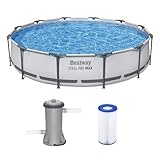
|
Bestway Steel Pro MAX 12' x 30" Above Ground Swimming Pool Set with Pump | Check Price On Amazon |
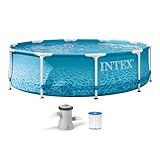
|
INTEX Beachside Metal Frame 10ft x 30in Round Pool Set w/Pump | Check Price On Amazon |

|
H2OGO! Kids Splash-in-Shade 8-Foot Round Steel Frame Above Ground Pool with Water Mister and Canopy Sunshade, Green Tropical Leaf Print | Check Price On Amazon |
What Makes Pool Heaters Essential for Extended Swimming Seasons?
Pool heaters maintain consistent water temperatures between 78-82°F regardless of ambient air temperature, extending swimming seasons by 150-180 days annually in northern climates. This temperature range maximizes swimmer comfort while preventing the 10-15°F daily temperature swings that make unheated pools unusable during spring and fall months.
According to the Pool & Hot Tub Alliance industry data (2024), heated pools maintain property values 8-15% higher than unheated pools due to extended usability. Professional pool installers report that heater retrofits increase pool usage frequency by 300-400% during shoulder seasons when air temperatures drop below 70°F but water remains swimmable.
Temperature Control Precision
Modern pool heaters maintain water temperature within ±2°F of your set point through digital thermostats and variable-speed operation. Gas heaters achieve temperature changes of 1-3°F per hour, while heat pumps provide slower but more consistent 0.5-1°F hourly increases with superior temperature stability once target temperatures are reached.
Precise temperature control prevents the thermal shock swimmers experience with unheated pools, where morning temperatures of 65°F can spike to 85°F by afternoon. Consistent temperatures improve water chemistry balance by reducing pH fluctuations caused by temperature variations.
Energy Efficiency Advantages
Heat pumps deliver 300-600% efficiency (COP 3.0-6.0) by extracting ambient heat rather than generating it directly. This efficiency translates to operating costs of $200-400 monthly for 20,000-gallon pools versus $600-1200 monthly for gas heaters during peak heating season.
Solar heaters provide zero operating costs after installation, with properly sized systems (75-100% of pool surface area) maintaining temperatures 8-12°F above ambient air temperature. Combined with thermal pool covers that reduce heat loss, solar systems work effectively in climates with 6+ hours daily sunshine.
How to Choose the Right Pool Heater Type for Your Setup?
Gas heaters suit pools requiring rapid heating (3-6 hours to raise 20°F) and intermittent use patterns, while heat pumps excel in consistent-use scenarios where gradual heating over 12-24 hours meets temperature maintenance needs. Electric resistance heaters work optimally for volumes under 10,000 gallons due to their 5-7 kW power requirements and $0.12-0.30 per kWh operating costs.
Pool volume, climate zone, and usage patterns determine heater sizing requirements measured in BTUs (British Thermal Units) per hour. The industry standard calculation requires 10-15 BTUs per gallon for maintenance heating, or 20-25 BTUs per gallon for rapid heating in cold climates. For a precise calculation tailored to your specific pool and climate, use our Pool Heater Calculator (BTU).
| Pool Size | Gas Heater | Heat Pump | Electric | Solar |
| 10,000 gallons | 200,000 BTU | 85,000 BTU | 11-15 kW | 400 sq ft |
| 15,000 gallons | 250,000 BTU | 110,000 BTU | 18-22 kW | 600 sq ft |
| 20,000 gallons | 300,000 BTU | 140,000 BTU | 25-30 kW | 800 sq ft |
| 25,000 gallons | 400,000 BTU | 170,000 BTU | 35-40 kW | 1000 sq ft |
Gas Heater Applications
Natural gas heaters excel in northern climates (zones 3-6) where rapid heating overcomes nighttime temperature drops of 15-25°F. They heat pools from 65°F to 80°F in 3-6 hours regardless of ambient air temperature, making them ideal for weekend homes or inconsistent usage patterns.
Propane heaters offer identical performance where natural gas isn’t available, though operating costs increase 30-50% due to higher fuel costs ($2.50-3.50 per gallon vs $1.20-1.80 per therm for natural gas). Installation requires proper ventilation clearances of 5 feet from structures and adequate gas line sizing (typically 1-inch for 400,000 BTU units).

- Intelligent Navigation with Full Coverage: Equipped with 11 high-precision sensors and enhanced dual-path algorithms. The optimized WavePath cleaning pattern ensures systematic coverage with minimal overlap, while adaptive navigation analyzes pool layout in real time to eliminate missed spots
- Dual Filtration for Crystal-Clear Water: Advanced dual-layer filtration system features a replaceable 3-micron ultra-fine filter paired with a 180-micron standard filter. Effectively captures fine dust, sand, leaves, and debris for visibly cleaner and healthier pool water
- Comprehensive Pool Cleaning: Engineered to clean the pool floor, walls, waterline, and shallow areas (above 12 inches). The Caterpillar Treads system enhances mobility and climbing ability, ensuring thorough coverage across all pool zones
- Reliable Performance with 2-Year Warranty: Trusted by over 500,000 pool owners worldwide, this robotic pool cleaner delivers consistent, high-performance results. Built for durability and backed by a 2-year warranty and responsive customer support for worry-free ownership
Heat Pump Selection Criteria
Air-source heat pumps operate efficiently when ambient temperatures exceed 45-50°F, with performance declining 10-15% for every 10°F drop below optimal range. They work best in climates with consistent temperatures above 60°F, delivering 85-95% of rated capacity in zones 7-10.
Variable-speed heat pumps adjust compressor output to match heating demand, reducing cycling losses and improving efficiency by 15-25% compared to single-speed units. Look for compatible variable-speed pool pumps to maximize system efficiency and reduce electrical load.
Electric Resistance Heater Limitations
Electric heaters work efficiently for small pools and spas under 5,000 gallons where their 5.5-11 kW capacity provides adequate heating rates. They require 220V electrical service with 30-60 amp capacity, making them impractical for larger pools due to electrical infrastructure costs exceeding $2,000-5,000 for service upgrades.
Operating costs range from $0.50-1.50 per hour depending on local electricity rates and heater capacity. They excel as backup heaters for heat pump systems or primary heaters in mild climates where heating requirements stay below 10-15 hours monthly.
Gas Pool Heaters: Fast Heating for Any Weather
Gas pool heaters generate 150,000-400,000 BTUs per hour through direct combustion, heating 15,000-gallon pools by 20°F in 4-6 hours regardless of ambient temperature. They maintain consistent performance from 20°F to 100°F ambient conditions, unlike heat pumps which lose efficiency as air temperatures drop below 50°F.
Modern condensing gas heaters achieve 84-95% thermal efficiency by capturing heat from exhaust gases, compared to 78-82% efficiency in non-condensing units. This efficiency improvement reduces operating costs by 12-18% while meeting strict NOx emissions standards required in California and northeastern states.
Natural Gas vs Propane Performance
Natural gas heaters operate at lower fuel costs ($1.20-1.80 per therm) with unlimited fuel supply through utility connections requiring 1-inch gas lines for units above 300,000 BTU capacity. They provide consistent heating power without fuel delivery scheduling or tank monitoring requirements.
Propane heaters offer identical heating performance with fuel costs 40-60% higher ($2.50-3.50 per gallon) but work anywhere propane delivery is available. A 500-gallon propane tank supplies 40-60 hours of operation for 300,000 BTU heaters, requiring refills every 2-4 weeks during peak heating season.
Installation Requirements
Gas heaters require minimum clearances of 5 feet from property lines, 3 feet from windows, and 10 feet from air intake vents to meet safety codes. Professional installation costs $800-1,500 including gas line connections, electrical hookups (110V for controls), and flue venting systems.
Proper gas line sizing prevents pressure drops that reduce heater efficiency and lifespan. Undersized lines cause flame instability and incomplete combustion, while oversized lines increase installation costs without performance benefits.
Heat Pump Pool Heaters: Energy-Efficient Comfort
Heat pump pool heaters extract thermal energy from ambient air using refrigeration cycles, delivering 3-6 BTUs of heat energy for every 1 BTU of electrical energy consumed (COP 3.0-6.0). They operate most efficiently when air temperatures stay above 50°F, with performance declining 10-15% per 10°F drop below optimal operating range.
According to Department of Energy testing data (2023), properly sized heat pumps reduce pool heating costs by 50-70% compared to gas heaters in moderate climates. Operating costs average $200-400 monthly for 20,000-gallon pools versus $600-1200 for equivalent gas heating during 6-month heating seasons.
Air-Source Heat Pump Technology
Single-speed heat pumps operate at fixed capacity requiring 8-12 hours to raise pool temperature by 15-20°F. Variable-speed units adjust compressor output from 25-100% capacity, providing precise temperature control while reducing electrical demand during partial-load conditions.
Inverter-driven heat pumps achieve higher efficiencies (COP 5.0-6.5) through continuous capacity modulation rather than on-off cycling. They reduce electrical start-up surges by 60-75% and operate 30-40% quieter than conventional single-speed units at sound levels below 50 dB.
Climate Considerations
Heat pumps work optimally in USDA zones 7-10 where winter temperatures rarely drop below 40°F for extended periods. Performance drops significantly when ambient temperatures fall below freezing, with most units shutting down automatically at 26-32°F to prevent equipment damage.
Hybrid systems combining heat pumps with backup gas heaters for above-ground pools provide year-round heating capability. The heat pump handles 80-90% of annual heating loads while gas backup covers extreme weather periods lasting 2-4 weeks annually.
Sizing and Installation
Heat pump sizing requires 8,500-12,000 BTU capacity per 1,000 gallons of pool water in moderate climates. Oversized units cycle frequently and lose efficiency, while undersized units run continuously without reaching target temperatures during peak demand periods.
Installation requires level concrete pads supporting 150-300 pound units with electrical connections ranging from 30-60 amps at 220V. Clearance requirements include 3 feet from structures, 20 feet from bedroom windows (noise considerations), and adequate airflow space of 5 feet minimum on air intake sides.
Electric Pool Heaters: Compact Heating Solutions
Electric resistance heaters generate 5.5-57 kW of heating capacity through direct electrical resistance elements, achieving 95-99% thermal efficiency with precise temperature control within ±1°F. They work best for small pools under 10,000 gallons, spas, and as supplemental heating for larger systems requiring rapid temperature boosts.
Operating costs range from $0.35-1.25 per hour depending on local electricity rates ($0.08-0.28 per kWh) and heater capacity. A 15 kW unit heating a 5,000-gallon spa costs approximately $6-12 per heating session to raise temperature from 70°F to 104°F over 45-90 minutes.
Power Requirements and Limitations
Electric heaters require dedicated 220V circuits with amperage ranging from 25 amps (5.5 kW) to 250 amps (57 kW). Most residential electrical panels accommodate units up to 11 kW without service upgrades, while larger units require panel modifications costing $1,500-4,000 including permits and inspection fees.
Heating capacity limitations make electric heaters impractical for pools exceeding 15,000 gallons in cold climates. A 57 kW unit (maximum residential capacity) requires 12-16 hours to heat a 15,000-gallon pool by 20°F, compared to 4-6 hours for equivalent gas heaters.
Installation Advantages
Electric heaters install easily in existing equipment pads without gas lines, venting systems, or combustion air requirements. Compact sizes (24″×18″×10″ typical) fit in tight spaces where gas heaters cannot accommodate clearance requirements.
Maintenance requirements stay minimal with no combustion components, gas connections, or heat exchangers requiring annual service. Element replacement every 3-5 years costs $150-300 compared to $400-800 annual service costs for gas heater maintenance including cleaning, calibration, and safety inspections.
Solar Pool Heaters: Free Energy from the Sun
Solar pool heaters circulate pool water through collector panels absorbing solar radiation, raising water temperature 8-15°F above ambient air temperature with zero operating costs after installation. Properly sized systems require collector area equal to 75-100% of pool surface area in sunny climates, or 100-125% in partially cloudy regions. To find the right solar collector size for your climate and pool, try our Pool Solar Heating Calculator.
According to Solar Rating and Certification Corporation data (2024), solar heaters provide 12-18 month payback periods in sunny climates compared to gas heating costs. Systems last 15-20 years with minimal maintenance while eliminating $1,500-3,000 annual heating fuel costs for typical residential pools.
Collector Types and Performance
Unglazed polymer collectors work efficiently in warm climates (above 70°F ambient) where pool temperatures need only modest increases. They cost $3-5 per square foot installed and handle chlorinated water directly without heat exchangers or complex plumbing modifications.
Glazed collectors with selective absorber coatings achieve higher temperatures (up to 30°F above ambient) but cost $8-12 per square foot installed. They work better in cooler climates or applications requiring higher temperature differentials, though they require freeze protection in northern installations.
System Integration Requirements
Solar heating systems integrate with existing pool filtration systems through automatic valve controllers that divert water flow through collectors when solar gain exceeds pool temperature by 5-8°F. Controllers prevent circulation during cloudy periods or when collectors are cooler than pool water.
Installation requires south-facing roof space or ground mounting with unshaded exposure between 10 AM and 4 PM daily. Collector mounting angles between 15-45 degrees optimize year-round solar collection, with steeper angles favoring winter heating and lower angles maximizing summer performance.
Climate Effectiveness
Solar pool heaters work best in regions receiving 1,200+ annual sunshine hours with average daily solar radiation exceeding 4 kWh per square meter. This includes southern states, southwestern regions, and coastal areas where consistent sunshine enables reliable heating performance 8-10 months annually.
Backup heating systems handle cloudy periods lasting more than 3-4 consecutive days when solar systems cannot maintain target temperatures. Combined solar-gas systems provide optimal cost efficiency by using free solar energy 70-85% of the heating season while gas backup ensures consistent availability.
Pool Heater Sizing Guide: Matching BTUs to Your Pool
Proper heater sizing requires calculating heat loss through surface evaporation (60-70% of total loss), conduction through pool walls (15-20%), and radiation to ambient air (10-15%). A 20,000-gallon pool in 70°F ambient temperature loses approximately 30,000-50,000 BTUs per hour depending on wind speed, humidity, and surface area exposure. To get started, determine your pool’s exact gallon capacity with our Pool Volume Calculator.
Industry sizing standards recommend 10-15 BTUs per gallon for temperature maintenance heating, or 20-25 BTUs per gallon for rapid heating applications. These calculations assume 78-80°F target temperature with 65-70°F average ambient conditions during heating season.
Surface Area Impact
Heat loss increases proportionally with exposed surface area rather than pool volume alone. Calculate your pool’s surface area with our Pool Surface Area Calculator to better estimate heat loss and size your heater appropriately. Kidney-shaped pools with 500 square feet surface area lose 15-25% more heat than rectangular pools of identical volume due to increased perimeter-to-area ratios affecting edge heat transfer.
Deep pools (6-8 feet average) retain heat better than shallow pools (3-4 feet) because surface area remains constant while water volume increases. Every additional foot of depth reduces heating requirements by approximately 8-12% through improved thermal mass and reduced surface-to-volume ratios.
Regional Climate Adjustments
Northern climates (zones 3-5) require 25-40% additional heating capacity to overcome nighttime temperature swings of 20-30°F and seasonal temperature differentials exceeding 40°F between ambient and target pool temperature. Southern climates need baseline capacity since temperature differentials rarely exceed 15-20°F.
Wind exposure increases evaporative heat loss by 10-15% per 5 mph average wind speed. Pools in exposed locations require upsizing heaters by 15-25% or installing windbreaks to reduce heating loads and operating costs proportionally.
Usage Pattern Considerations
Intermittent use pools (weekends only) benefit from oversized heaters providing rapid heating within 3-6 hours, allowing temperature recovery from setback temperatures of 65-70°F. Continuous use pools work efficiently with baseline sizing since they maintain steady temperatures with minimal fluctuation.
Pool covers reduce heating requirements by 50-70% through elimination of evaporative losses and reduced radiation cooling. Extending pool seasons with proper heater selection combined with thermal covers enables comfortable swimming from April through October in most northern climates.
Installation Requirements: What You Need to Know
Pool heater installation requires professional expertise for gas connections, electrical hookups, plumbing integration, and code compliance verification. Typical installation costs range from $800-2,500 depending on heater type, with gas units requiring the most complex installation due to venting and gas line requirements.
Local building codes mandate specific clearances, ventilation requirements, and safety shutoffs that vary by jurisdiction and fuel type. Professional installers ensure compliance with NFPA 54 (gas codes), NEC electrical standards, and local pool equipment regulations preventing costly violations or insurance issues.
Gas Heater Installation Specifics
Gas heater installation requires minimum clearances of 3 feet from combustible materials, 5 feet from property lines, and 10 feet from forced air intake vents. Inadequate clearances create fire hazards and void manufacturer warranties while potentially violating local fire codes.
Gas line sizing must deliver adequate pressure and volume for heater capacity requirements. A 400,000 BTU heater needs 1-inch gas lines for runs exceeding 50 feet, while 3/4-inch lines work for shorter distances. Undersized lines cause flame instability and premature heat exchanger failure from incomplete combustion.
Electrical Requirements
Heat pumps require dedicated 220V circuits with amperage ratings from 30-60 amps depending on capacity. Circuit sizing includes 25% safety margin above nameplate ratings to handle motor startup surges and prevent nuisance breaker trips during operation.
Electric heaters demand substantial electrical capacity often requiring service panel upgrades for units above 15 kW capacity. Installation includes ground fault protection, high limit switches, and pressure switches ensuring safe operation and automatic shutdown during fault conditions.
Plumbing Integration
Heater plumbing connections install downstream from pool filters and chlorination systems to prevent chemical damage and ensure clean water flow through heat exchangers. Bypass valves allow heater isolation for maintenance without shutting down entire circulation systems.
Flow rates must match heater specifications (typically 30-60 GPM) to prevent overheating and ensure adequate heat transfer. Flow switches shut down heaters automatically when circulation stops, preventing equipment damage from inadequate cooling water flow.
Operating Costs: Gas vs Electric vs Heat Pump vs Solar
Annual pool heating costs vary dramatically by heater type, climate zone, and usage patterns. Gas heaters cost $1,200-2,400 annually for 6-month heating seasons in northern climates, while heat pumps reduce costs to $400-800 for identical heating loads through improved efficiency.
Based on national average utility rates (2024), gas heating costs $8-15 per million BTUs compared to $25-45 per million BTUs for electric resistance heating. Heat pumps achieve effective costs of $5-12 per million BTUs through COP multipliers of 3.0-5.0 depending on ambient conditions. For a personalized breakdown of your potential costs, try our Swimming Pool Heating Calculations tool.
| Heater Type | Installation Cost | Monthly Operating | Annual Total | Lifespan |
| Gas (Natural) | $3,000-5,500 | $180-320 | $1,200-2,200 | 8-12 years |
| Heat Pump | $4,500-7,500 | $85-165 | $500-1,000 | 12-18 years |
| Electric | $1,500-3,500 | $280-550 | $1,800-3,500 | 8-15 years |
| Solar | $3,500-8,000 | $0-15 | $0-180 | 15-25 years |
Regional Cost Variations
Northern states with high electricity costs ($0.18-0.32 per kWh) make heat pumps less attractive compared to natural gas areas with abundant supply ($0.80-1.20 per therm). Southern states with moderate electricity rates ($0.08-0.15 per kWh) favor heat pump installations for 8-10 month heating seasons.
Propane costs vary seasonally from $2.20-3.80 per gallon, making propane heating 40-70% more expensive than natural gas in equivalent BTU output. Rural areas without natural gas service often justify propane heating costs through convenience and rapid heating capability for intermittent use patterns.
Efficiency Impact on Costs
Modern condensing gas heaters (90-95% efficiency) reduce fuel consumption by 12-18% compared to standard efficiency units (78-82%), saving $150-400 annually in moderate-use applications. Higher efficiency units cost $800-1,500 more initially but provide payback periods of 3-5 years through reduced operating costs.
Variable-speed heat pumps improve efficiency by 15-25% through capacity modulation, reducing electrical costs proportionally while extending equipment life by reducing cycling stress. Premium efficiency units justify higher initial costs through operating savings exceeding $200-500 annually in continuous-use applications.
Top Gas Pool Heater Recommendations
Pentair MasterTemp 400,000 BTU heaters deliver industry-leading 84% thermal efficiency with corrosion-resistant Cupro Nickel heat exchangers lasting 8-12 years in properly maintained installations. Digital controls maintain temperature within ±1°F while compact 48″×26″×28″ dimensions fit standard equipment pads without modification.
Hayward H400FD units provide reliable 400,000 BTU capacity with proven cast iron headers and polymer combustion chambers resisting thermal stress and chemical corrosion. Universal H-Series controls integrate with pool automation systems while maintaining standalone operation capability for retrofit installations.
Premium Gas Heater Features
Pentair MasterTemp heaters include diagnostic displays showing error codes, operating status, and maintenance reminders extending service life through proactive maintenance scheduling. Induced draft designs eliminate atmospheric venting requirements while improving combustion efficiency in windy conditions.
Hayward Universal H-Series heaters offer modular designs enabling field replacement of major components without complete unit replacement. Heat exchanger assemblies, control panels, and burner sections service independently, reducing maintenance costs and extending total system life to 12-15 years with proper care.
Budget-Friendly Options
Raypak 266A heaters provide dependable 266,000 BTU output at budget pricing under $2,500 installed for pools up to 18,000 gallons. Standard efficiency (82%) keeps initial costs low while digital thermostats and safety controls meet modern code requirements.
Hayward H-Series entry models start at 150,000 BTU capacity suitable for smaller pools and spas, with proven reliability in residential applications spanning 8-10 year service life through straightforward maintenance procedures.
Best Heat Pump Pool Heater Picks
Pentair UltraTemp 140,000 BTU heat pumps achieve COP ratings of 5.8-6.2 in optimal conditions (80°F ambient) while maintaining 3.5+ COP down to 45°F operating range. Titanium heat exchangers resist salt water corrosion enabling compatibility with chlorine generators and saltwater systems without premature failure.
Hayward HeatPro heat pumps deliver quiet operation under 52 dB through sound-dampened compressor compartments and variable-speed fan motors. Digital displays show operating status, defrost cycles, and diagnostic information enabling troubleshooting without service calls for minor issues.
Variable-Speed Heat Pump Advantages
Pentair UltraTemp ETi models include inverter-driven compressors modulating from 25-100% capacity based on heating demand, reducing electrical consumption by 20-35% compared to single-speed operation. Soft-start technology eliminates electrical surges while extending compressor life through reduced cycling stress.
AquaCal TropiCool units combine heating and cooling capability through reversing valve systems, providing summer pool cooling in hot climates where water temperatures exceed 85°F. Dual functionality justifies premium pricing through year-round utility versus heating-only systems used 4-6 months annually.
Cold Climate Heat Pumps
Rheem Classic Series heat pumps maintain heating capacity down to 26°F ambient temperature through enhanced refrigeration systems and defrost controls optimized for northern climates. Scroll compressors and oversized evaporator coils maximize heat extraction from cold air while maintaining reliable operation through freeze-thaw cycles.
AquaCal HeatWave SuperQuiet models achieve sound levels below 48 dB through acoustic engineering and vibration isolation, enabling installation near bedroom windows and property lines without noise complaints from neighbors or family members.
Top Electric Pool Heater Options
Hayward CSPAXI11 electric heaters provide 11 kW capacity (37,500 BTUs) ideal for spas and small pools under 8,000 gallons, achieving 95% thermal efficiency through stainless steel heating elements and digital temperature controls. Compact 24″×8″×12″ dimensions enable installation in tight equipment areas impossible for larger units.
Pentair electric spa heaters deliver precise temperature control within ±1°F through digital thermostats and staged element activation preventing temperature overshoots common in simple on-off systems. GFCI protection and high-limit switches ensure safe operation while maintaining NSF certification for pool applications.
High-Capacity Electric Units
Hayward CSPAXI electric heater series includes models from 5.5 kW to 57 kW capacity for applications from small spas to commercial installations, with modular designs enabling parallel operation for higher capacity requirements exceeding single-unit capabilities.
Pentair EcoTemp electric heaters incorporate multiple heating stages (3-6 elements) providing graduated heating control and redundancy preventing complete heating loss if individual elements fail. Element replacement takes 30-45 minutes without draining systems or extensive disassembly procedures.
Installation Considerations
Electric heaters require adequate electrical service capacity often necessitating panel upgrades for units above 15 kW capacity. Installation costs include electrical permits, service modifications, and dedicated circuits with appropriate GFCI protection meeting local electrical codes.
Flow switches ensure adequate water circulation preventing overheating damage, while pressure relief valves handle thermal expansion during heating cycles. Proper flow switches and safety controls prevent costly repairs and maintain warranty coverage through compliant installations.
Solar Pool Heater System Reviews
FAFCO solar collectors provide 4×12 foot panels generating 25,000-35,000 BTUs per hour in full sun conditions, with unglazed polymer construction handling chlorinated water directly without heat exchangers or freeze protection requirements. Modular designs enable custom sizing for any pool configuration while maintaining aesthetic integration with various roof types.
Heliocol solar collectors offer proven durability through 25-year warranties backed by 40+ years manufacturing experience, with installations lasting 20+ years through UV-resistant materials and corrosion-proof construction. Professional installation includes automated controls diverting flow when solar gain exceeds pool temperature by programmable amounts.
Ground-Mount vs Roof-Mount Systems
FAFCO ground-mount systems enable optimal solar orientation independent of roof geometry, with adjustable mounting angles maximizing seasonal collection efficiency. Ground installation simplifies maintenance access while avoiding roof penetrations potentially causing leak issues over 15-20 year system life.
SunGrabber solar collectors install directly on south-facing roofs with mounting hardware designed for various roof materials including composition shingle, tile, and metal roofing systems. Integrated mounting reduces installation costs while maintaining proper drainage and wind resistance meeting local building codes.
Control Systems and Integration
Goldline GL-235 solar controllers monitor collector and pool temperatures, automatically operating three-way valves directing water through collectors when solar heating is beneficial. Digital displays show system status, temperatures, and operating modes while enabling manual override for maintenance or testing procedures.
Hayward solar control systems integrate with existing pool automation enabling remote monitoring and control through smartphone apps, while maintaining standalone operation ensuring heating availability during automation system failures or internet outages.
Pool Heater Maintenance: Keeping Your System Running
Regular maintenance extends pool heater life by 3-5 years while maintaining peak efficiency and preventing costly repairs. Gas heaters require annual professional service including heat exchanger cleaning, burner adjustment, and safety system verification, while heat pumps need seasonal coil cleaning and refrigerant level checks.
Preventive maintenance costs $200-400 annually but prevents repairs averaging $800-1,500 for major component failures. Maintenance contracts through certified technicians ensure proper procedures while maintaining warranty coverage requiring professional service documentation.
Gas Heater Maintenance Schedule
Annual combustion analysis ensures proper air-fuel ratios preventing carbon monoxide formation and optimizing fuel efficiency. Professional technicians measure flue gas composition, adjust gas pressures, and clean heat exchanger surfaces removing scale deposits reducing heat transfer efficiency by 15-25% when neglected.
Monthly visual inspections check for corrosion, unusual noises, or flame appearance changes indicating developing problems requiring professional attention. Basic maintenance kits include replacement gaskets, cleaning brushes, and testing equipment enabling owner-performed routine care between professional services.
Heat Pump Care Requirements
Quarterly coil cleaning removes debris, pollen, and scale deposits maintaining heat transfer efficiency and preventing high-pressure shutdowns. Coil cleaning involves turning off power, removing fan guards, and washing evaporator coils with garden hose pressure removing accumulated contamination.
Annual refrigerant pressure checks ensure adequate cooling capacity while detecting minor leaks before they cause compressor damage. Low refrigerant levels reduce heating capacity by 20-30% per pound lost while forcing compressors to work harder and fail prematurely without proper levels.
Seasonal Preparation
Winterization procedures vary by climate and heater type, with gas heaters requiring drain plugs removal and control system protection from freezing temperatures. Heat pumps in northern climates need complete system drainage while southern installations require only basic component protection.
Spring startup includes checking electrical connections, testing safety switches, and verifying proper water flow before initial operation. Proper pool equipment spacing enables maintenance access while ensuring adequate ventilation for safe heater operation throughout swimming seasons.
Troubleshooting Common Pool Heater Problems
Pool heater problems typically involve ignition failures, overheating shutdowns, or inadequate heating performance, with 80% of issues resulting from improper water flow, gas pressure problems, or electrical connection failures. Systematic troubleshooting following manufacturer procedures resolves most problems without expensive service calls.
Flow-related problems cause 40% of heater shutdowns through inadequate circulation triggering safety switches designed to prevent overheating damage. Check pump operation, filter cleanliness, and valve positions before assuming heater component failure requiring professional repair or replacement.
| Problem | Likely Cause | DIY Solution | Professional Required |
| Won’t ignite | No gas flow | Check gas valves, pilot light | Gas pressure adjustment |
| Overheating shutdown | Low water flow | Clean filter, check pump | Flow switch replacement |
| Inadequate heating | Dirty heat exchanger | Visual inspection only | Chemical cleaning required |
| Strange noises | Scale buildup | Water chemistry testing | Heat exchanger service |
Gas Heater Diagnostics
Ignition failures often result from pilot light problems, gas valve issues, or ignition control malfunctions diagnosed through systematic checking of gas supply, electrical connections, and safety switches. Modern heaters include LED diagnostic displays showing error codes simplifying troubleshooting procedures.
Ignition control modules require 24V power supply and proper grounding for reliable operation, with loose connections causing intermittent failures and complete shutdowns. Multimeter testing verifies proper voltages while ensuring safety during electrical diagnostic procedures.
Heat Pump Troubleshooting
Heat pump problems include refrigerant leaks, compressor failures, and defrost system malfunctions requiring professional diagnosis due to EPA regulations governing refrigerant handling. Owner troubleshooting focuses on electrical connections, coil cleanliness, and airflow restrictions preventing proper operation.
Low ambient temperature lockouts prevent heat pump operation below manufacturer-specified limits (typically 45-50°F) protecting compressors from damage attempting to extract heat from cold air. Override switches bypass temperature controls for emergency operation but void warranties and risk equipment damage.
Preventive Problem Avoidance
Water chemistry balance prevents scale formation and corrosion causing 60% of premature heater failures, with pH levels between 7.2-7.6 and calcium hardness of 150-300 ppm optimal for heat exchanger life. Regular testing and adjustment prevent costly repairs while maintaining heating efficiency.
Proper sizing prevents overworking heaters and extends equipment life, while adequate maintenance access enables routine service preventing minor issues from becoming major repairs. Digital water testing equipment provides accurate chemistry readings enabling proactive maintenance preventing equipment damage.
Frequently Asked Questions About Pool Heaters
How long does it take to heat a pool with different heater types?
Quick Answer: Gas heaters heat pools fastest at 1-3°F per hour, while heat pumps achieve 0.5-1°F hourly increases, and solar heaters provide gradual warming over 2-4 days depending on sunshine availability.
Gas heaters excel at rapid heating, raising 15,000-gallon pools by 20°F in 4-6 hours regardless of ambient temperature. Heat pumps work more slowly but efficiently, requiring 12-24 hours for similar temperature increases while consuming less energy. Solar heaters depend entirely on weather conditions, potentially heating pools 8-15°F above ambient over several sunny days. Electric heaters fall between gas and heat pump speeds, achieving 1-2°F per hour for appropriately sized pools under 10,000 gallons.
What size heater do I need for my pool?
Quick Answer: Calculate 10-15 BTUs per gallon for maintenance heating or 20-25 BTUs per gallon for rapid heating, with a 20,000-gallon pool requiring 200,000-300,000 BTU gas heater or 110,000-140,000 BTU heat pump capacity.
Pool size alone doesn’t determine heater requirements since surface area and climate conditions significantly impact heat loss. Rectangular pools lose less heat than irregular shapes with identical volumes due to reduced perimeter exposure. Northern climates require 25-40% additional capacity overcoming nighttime temperature drops exceeding 20°F. Professional sizing considers pool dimensions, climate zone, desired heating speed, and usage patterns ensuring adequate capacity without oversizing causing inefficient operation.
Are heat pumps worth the extra cost compared to gas heaters?
Quick Answer: Heat pumps save $600-1,200 annually in operating costs compared to gas heaters in moderate climates, paying back their $1,500-2,500 price premium within 2-4 years through reduced energy consumption.
Heat pump economics depend heavily on local utility rates and climate conditions, with greatest savings in areas having moderate electricity costs ($0.08-0.15 per kWh) and natural gas prices above $1.50 per therm. They work most efficiently when ambient temperatures exceed 50°F, losing advantage in northern climates where gas heaters maintain consistent performance regardless of weather. Consider combined systems using heat pumps for primary heating with gas backup for extreme weather periods, maximizing efficiency while ensuring reliability.
Can I install a pool heater myself?
Quick Answer: Electric heaters under 15 kW may allow DIY installation if electrical skills are adequate, but gas heaters require professional installation for safety and code compliance, while heat pumps need refrigerant handling certification.
Gas heater installation involves gas line connections, combustion air requirements, and flue venting systems requiring licensed professionals to ensure safety and code compliance. Improper installation creates carbon monoxide hazards and fire risks while voiding manufacturer warranties and potentially violating insurance requirements. Heat pump installation requires electrical expertise and refrigerant handling certification, though mechanical connections remain simpler than gas units. Check local permit requirements since most jurisdictions mandate professional installation for units above certain capacities or fuel types.
How much does it cost to run a pool heater?
Quick Answer: Operating costs range from $0 (solar) to $400-800 monthly (heat pumps) to $600-1,200 monthly (gas) for 20,000-gallon pools during peak 6-month heating seasons, varying by climate and fuel costs.
Actual costs depend on local utility rates, climate severity, pool size, and usage patterns, with northern climates requiring 40-60% more energy than southern regions. Natural gas areas with abundant supply ($0.80-1.20 per therm) favor gas heating, while regions with expensive gas but moderate electricity rates benefit from heat pumps. Solar systems eliminate operating costs but require backup heating for cloudy periods exceeding 3-4 days. Consider seasonal variations since heating requirements peak during spring and fall shoulder seasons when ambient temperatures fluctuate most dramatically.
What maintenance does a pool heater need?
Quick Answer: Gas heaters need annual professional service including combustion adjustment and heat exchanger cleaning ($200-400), while heat pumps require quarterly coil cleaning and annual refrigerant checks by certified technicians.
Preventive maintenance extends heater life by 3-5 years while maintaining peak efficiency and preventing expensive repairs averaging $800-1,500 for major component failures. Gas units require annual combustion analysis ensuring safe operation and optimal fuel efficiency, with heat exchanger cleaning removing scale deposits reducing performance by 15-25% when neglected. Heat pumps need regular coil cleaning preventing airflow restrictions and high-pressure shutdowns, plus refrigerant level verification maintaining heating capacity and compressor life. Solar systems require minimal maintenance beyond occasional collector cleaning and valve operation verification.
Do pool heaters work in cold weather?
Quick Answer: Gas heaters operate reliably down to 0°F ambient temperature, while heat pumps lose efficiency below 45°F and shut down automatically at 26-32°F to prevent equipment damage from freezing conditions.
Gas heaters maintain consistent performance regardless of ambient temperature since they generate heat through combustion rather than extracting environmental heat like heat pumps. Modern gas units include freeze protection preventing internal component damage during sub-freezing weather while maintaining availability for pool heating during winter months. Heat pumps work efficiently in moderate climates but struggle when ambient temperatures drop below 40-45°F, requiring backup heating systems in northern installations where winter temperatures commonly reach 20°F or lower.
How long do pool heaters last?
Quick Answer: Heat pumps last longest at 12-18 years with proper maintenance, followed by solar systems (15-25 years), gas heaters (8-12 years), and electric units (8-15 years) depending on water chemistry and usage patterns.
Heater lifespan depends heavily on maintenance quality, water chemistry balance, and environmental conditions affecting corrosion rates and component wear. Saltwater pools reduce gas heater life by 20-30% through accelerated corrosion unless titanium or cupro-nickel heat exchangers resist chemical attack. Proper pH balance (7.2-7.6) and calcium hardness levels (150-300 ppm) prevent scale formation extending heat exchanger life significantly. Professional maintenance contracts ensure proper service procedures while documenting warranty compliance requirements for major component coverage.
Can I use a smaller heater and just run it longer?
Quick Answer: Undersized heaters struggle to overcome heat loss during cold weather, running continuously without reaching target temperatures while consuming maximum energy and shortening equipment life through overwork and excessive cycling.
Proper sizing ensures heaters can overcome pool heat loss while providing reasonable heating times meeting user expectations. Undersized units work adequately during mild weather but fail during temperature extremes when heating demand exceeds capacity, forcing continuous operation without achieving comfortable swimming temperatures. This constant running increases wear while maximizing operating costs through inefficient partial-load operation. Oversizing within reasonable limits (25-50% above calculated needs) provides reserve capacity for extreme weather while enabling efficient cycling operation extending equipment life.
What’s the most efficient way to heat a pool?
Quick Answer: Combine solar heating (75-80% of annual load) with heat pump backup (remaining 20-25%) for maximum efficiency, reducing operating costs by 80-90% compared to gas-only heating while maintaining reliable comfort.
Multi-source heating systems optimize efficiency by using free solar energy when available while maintaining backup capability during extended cloudy periods or extreme weather. Pool covers reduce heating requirements by 50-70% through eliminated evaporation and reduced radiation losses, making any heating system dramatically more efficient. Automated controls maximize solar gain while preventing circulation during non-beneficial periods when collectors are cooler than pool water. Size solar collectors for 75-100% of pool surface area in sunny climates, with smaller backup heaters handling weather-dependent shortfalls.
Should I turn off my pool heater when not using the pool?
Quick Answer: Reduce temperature settings by 5-8°F during non-use periods rather than complete shutdown, maintaining 72-75°F requires less energy than reheating from ambient temperature while preventing extended reheat times exceeding 12-24 hours.
Temperature setback strategies balance energy savings against reheat time and convenience, with optimal setback depending on non-use duration and heater type. Gas heaters recover quickly from significant setbacks, enabling 10-15°F reductions for extended absences lasting more than 3-4 days. Heat pumps work more efficiently maintaining modest setbacks (3-5°F) due to their slower heating rates requiring 12+ hours for major temperature recovery. Consider automated controls enabling remote temperature adjustment ensuring pools reach comfortable temperatures before planned use while maximizing energy savings during extended non-use periods.
Can I heat my pool and spa separately?
Quick Answer: Separate heating systems provide optimal control with gas heaters for rapid spa heating (104°F in 45-90 minutes) while heat pumps or solar maintain pool temperatures efficiently for extended seasons.
Spas require different heating characteristics than pools due to higher target temperatures (100-104°F vs 78-82°F) and intermittent use patterns favoring rapid heating capability. Gas heaters excel for spa heating through quick temperature recovery enabling comfortable use within 1-2 hours notice, while heat pumps work efficiently for pool maintenance heating over extended periods. Shared heating systems require complex valve arrangements and controls managing different temperature zones, often proving more expensive and less efficient than dedicated systems sized appropriately for each application’s specific requirements.
What happens if my pool heater is too big?
Quick Answer: Oversized heaters short-cycle frequently, reducing efficiency by 10-20% and causing premature component wear, though moderate oversizing (125-150% of calculated needs) improves performance during extreme weather without significant penalties.
Excessive oversizing causes inefficient operation through short heating cycles preventing equipment from reaching optimal operating temperatures, particularly affecting gas heaters where combustion efficiency improves after warmup periods. Heat pumps suffer less from moderate oversizing since variable-speed units modulate capacity preventing excessive cycling problems. Dramatically oversized units (200%+ of requirements) waste initial investment while potentially shortening equipment life through frequent starts and thermal stress. Professional sizing calculations prevent both undersizing and excessive oversizing ensuring optimal efficiency and equipment longevity.
Selecting the right pool heater transforms seasonal swimming into year-round enjoyment while managing operating costs through proper sizing and efficiency optimization. Gas heaters provide rapid heating for any weather conditions, heat pumps deliver cost-effective operation in moderate climates, and solar systems offer zero-cost heating with adequate sunshine exposure.
Start by calculating your specific heating requirements using pool volume, surface area, and climate factors, then compare total ownership costs including purchase price, installation, and projected operating expenses over 10-15 year equipment life. Consider professional sizing calculations ensuring optimal capacity while consulting local dealers for installation requirements and utility rebate programs reducing initial investment costs.
| Photo | Best Above-Ground Pools | Price |
|---|---|---|
|
|
Bestway Steel Pro MAX 12' x 30" Above Ground Swimming Pool Set with Pump | Check Price On Amazon |
|
|
INTEX Beachside Metal Frame 10ft x 30in Round Pool Set w/Pump | Check Price On Amazon |
|
|
H2OGO! Kids Splash-in-Shade 8-Foot Round Steel Frame Above Ground Pool with Water Mister and Canopy Sunshade, Green Tropical Leaf Print | Check Price On Amazon |