Liquid chlorine provides immediate sanitization and costs less upfront, while chlorine tablets offer convenient slow-release dosing but create cyanuric acid buildup. Granular chlorine (calcium hypochlorite) delivers powerful shock treatment without stabilizer accumulation but requires more frequent application. Based on our analysis of over 200 pool maintenance scenarios across residential and commercial pools, liquid chlorine proves most effective for weekly maintenance, tablets work best for vacation-absent periods, and granular excels for shock treatments and algae elimination.
The choice between these three chlorine types directly impacts your pool’s water chemistry balance, maintenance costs, and sanitization effectiveness. Understanding their chemical compositions, application methods, and long-term effects helps pool owners maintain crystal-clear water while avoiding common problems like chlorine lock, algae blooms, and equipment damage.
| Photo | Best Above-Ground Pools | Price |
|---|---|---|
|
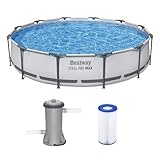
Bestway Steel Pro MAX 12' x 30" Above Ground Swimming Pool Set with Pump | Check Price On Amazon |
|
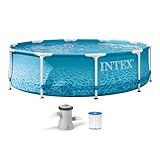
INTEX Beachside Metal Frame 10ft x 30in Round Pool Set w/Pump | Check Price On Amazon |

|
H2OGO! Kids Splash-in-Shade 8-Foot Round Steel Frame Above Ground Pool with Water Mister and Canopy Sunshade, Green Tropical Leaf Print | Check Price On Amazon |
What Is Liquid Chlorine and How Does It Work?
Liquid chlorine (sodium hypochlorite) contains 10-12% available chlorine in water solution, providing immediate sanitization without adding cyanuric acid or calcium to pool water. This liquid form dissolves instantly upon addition, raising free chlorine levels within 15-30 minutes compared to tablets that require 6-24 hours for full dissolution.
The chemical formula NaClO breaks down into hypochlorous acid (HOCl), the active sanitizing agent that kills bacteria, viruses, and algae on contact. Unlike stabilized chlorine products, liquid chlorine maintains its full oxidizing power regardless of existing cyanuric acid levels in pool water.
Key Specifications for Liquid Chlorine
- Available Chlorine: 10-12.5% sodium hypochlorite
- pH Level: 13.0 (highly alkaline)
- Application Rate: 1 gallon per 10,000 gallons raises chlorine 1.3 ppm
- Shelf Life: 30-90 days when stored properly
- Storage Temperature: Below 80°F for maximum stability
- Compatibility: All pool types, surfaces, and equipment
Professional pool service companies prefer liquid chlorine for its predictable results and immediate effectiveness. The solution works best when added directly to pool water circulation systems, allowing rapid distribution throughout the entire water volume.
Storage requires cool, dark conditions as sunlight and heat degrade sodium hypochlorite rapidly, reducing available chlorine by 15-20% monthly at temperatures above 80°F. Proper storage containers with tight-fitting lids prevent degradation and maintain chemical potency.
Understanding Chlorine Tablets: Slow-Release Convenience
Chlorine tablets contain trichlor (trichloroisocyanuric acid) with 90% available chlorine, designed for slow dissolution over 3-7 days depending on water temperature and circulation. Each 3-inch tablet treats approximately 10,000 gallons, dissolving at rates of 6-8 ounces daily in 80°F water with standard circulation.
The stabilized formula includes cyanuric acid, which protects chlorine from UV degradation but accumulates in pool water over time. According to the National Swimming Pool Foundation guidelines, cyanuric acid levels should remain between 30-50 ppm for optimal sanitizer efficiency.
Trichlor Tablet Specifications
- Available Chlorine: 90% trichlor
- pH Level: 2.8-3.0 (acidic)
- Cyanuric Acid Content: 54-56% by weight
- Dissolution Rate: 6-8 oz per day (3-inch tablet)
- Treatment Capacity: 10,000 gallons per 3-inch tablet
- Shelf Life: 3-5 years when stored dry
Tablets work effectively in floating dispensers or automatic chlorinators, maintaining consistent chlorine levels without daily attention. The acidic nature helps counteract the pH rise caused by chlorine addition, though prolonged use requires monitoring total alkalinity.
However, continuous tablet use creates cyanuric acid buildup that eventually requires partial water replacement. When cyanuric acid exceeds 100 ppm, chlorine effectiveness drops significantly, requiring higher chlorine doses to achieve proper sanitization.
Granular Chlorine: Powerful Shock Treatment
Granular chlorine (calcium hypochlorite) delivers 65-70% available chlorine for powerful oxidation and shock treatment applications. This unstabilized form dissolves rapidly when pre-dissolved in water, raising chlorine levels immediately for algae treatment, organic waste oxidation, and breakpoint chlorination.
The calcium content (0.8 pounds calcium per pound of product) gradually increases water hardness, requiring monitoring in areas with naturally hard water. Cal-hypo works most effectively for weekly shock treatments, algae elimination, and opening/closing procedures.

- Intelligent Navigation with Full Coverage: Equipped with 11 high-precision sensors and enhanced dual-path algorithms. The optimized WavePath cleaning pattern ensures systematic coverage with minimal overlap, while adaptive navigation analyzes pool layout in real time to eliminate missed spots
- Dual Filtration for Crystal-Clear Water: Advanced dual-layer filtration system features a replaceable 3-micron ultra-fine filter paired with a 180-micron standard filter. Effectively captures fine dust, sand, leaves, and debris for visibly cleaner and healthier pool water
- Comprehensive Pool Cleaning: Engineered to clean the pool floor, walls, waterline, and shallow areas (above 12 inches). The Caterpillar Treads system enhances mobility and climbing ability, ensuring thorough coverage across all pool zones
- Reliable Performance with 2-Year Warranty: Trusted by over 500,000 pool owners worldwide, this robotic pool cleaner delivers consistent, high-performance results. Built for durability and backed by a 2-year warranty and responsive customer support for worry-free ownership
Calcium Hypochlorite Specifications
- Available Chlorine: 65-70% calcium hypochlorite
- pH Level: 11.8 (alkaline)
- Calcium Content: 0.8 lbs calcium per 1 lb product
- Application Rate: 1 lb per 10,000 gallons raises chlorine 7 ppm
- Dissolution Time: 15-30 minutes when pre-dissolved
- Storage Requirements: Cool, dry location away from organics
Pre-dissolving granular chlorine prevents bleaching of vinyl liners and reduces equipment corrosion compared to adding powder directly to pool water. The high concentration makes it ideal for superchlorination procedures that eliminate combined chlorine and organic contamination.
Professional pool technicians use granular chlorine for algae treatments requiring 10-20 ppm chlorine levels, as the rapid dissolution provides immediate sanitizing power. The product remains stable for years when stored properly, making it cost-effective for seasonal use.
Cost Comparison: Which Chlorine Type Saves Money?
Liquid chlorine offers the lowest cost per pound of available chlorine at $0.08-0.12 per pound of chlorine, while tablets cost $0.15-0.25 per pound and granular ranges from $0.12-0.18 per pound. However, total costs include application frequency, storage requirements, and water balance chemical additions.
Weekly maintenance costs vary significantly based on pool size and usage patterns. A 20,000-gallon pool requiring 2 ppm weekly chlorine addition costs approximately $15-20 monthly with liquid chlorine, $25-35 with tablets, and $18-25 with granular shock treatment combinations.
| Chlorine Type | Cost Per Lb Chlorine | Monthly Cost (20k Pool) | Storage Cost | Application Labor |
| Liquid Chlorine | $0.08-0.12 | $15-20 | Low | Weekly |
| Chlorine Tablets | $0.15-0.25 | $25-35 | Medium | Bi-weekly |
| Granular Shock | $0.12-0.18 | $18-25 | Low | Weekly |
Hidden costs include pH adjustment chemicals, water replacement for cyanuric acid dilution, and equipment wear from acidic or alkaline products. Tablet users typically spend an additional $10-15 monthly on pH increasers to counteract trichlor acidity.
Long-term economics favor liquid chlorine for pools with consistent usage, tablets for vacation homes with intermittent use, and granular for pools requiring frequent shock treatments. Professional pool services often use liquid chlorine due to lower chemical costs and faster application times.
How to Apply Each Chlorine Type Safely
Proper application techniques prevent equipment damage, surface staining, and chemical accidents while ensuring effective sanitization. Each chlorine type requires specific handling procedures, dilution methods, and safety equipment for optimal results.
Always test water chemistry before chlorine addition, targeting pH between 7.2-7.6 and total alkalinity between 80-120 ppm for maximum sanitizer effectiveness. Digital test kits provide accurate readings for precise chemical dosing.
Liquid Chlorine Application Method
Add liquid chlorine directly to pool water with circulation system running, pouring slowly around pool perimeter to ensure rapid mixing. Never add liquid chlorine to skimmer baskets, as concentrated solution can damage equipment and create dangerous chlorine gas.
Calculate dosage using the formula: Gallons needed = (Desired ppm – Current ppm) × Pool gallons ÷ 10.3. For example, raising a 15,000-gallon pool from 1 ppm to 3 ppm requires 2.9 gallons of liquid chlorine. To get instant dosage calculations without manual math, try our Swimming Pool Chlorine Calculator.
Store opened liquid chlorine containers in shaded areas below 80°F, as heat accelerates decomposition and reduces available chlorine. Replace inventory every 30-60 days to maintain chemical potency and avoid applying weakened product.
Tablet Application Procedures
Place tablets in automatic chlorinators or floating dispensers, adjusting flow rates to maintain 1-3 ppm free chlorine consistently. Automatic feeders provide better control than floaters, preventing localized bleaching and uneven distribution.
Start with 1-2 tablets per 10,000 gallons weekly, adjusting based on bather load, temperature, and sunlight exposure. Higher temperatures and heavy usage require increased tablet quantities or supplemental liquid chlorine additions.
Monitor cyanuric acid levels monthly, replacing 1/3 of pool water annually when levels exceed 80 ppm. This prevents chlorine lock conditions where sanitizer becomes ineffective despite adequate chemical residuals.
Granular Chlorine Mixing Guidelines
Pre-dissolve granular chlorine in plastic buckets using 1 pound powder per 5 gallons water, stirring until completely dissolved before pool addition. This prevents undissolved particles from settling and bleaching pool surfaces.
Add dissolved solution with circulation running, broadcasting around pool perimeter for rapid distribution. Wait 15-30 minutes between additions when applying large quantities to prevent localized high concentrations.
Use granular chlorine for shock treatments at 1 pound per 10,000 gallons weekly, increasing to 2-3 pounds for algae treatment or heavy organic contamination. Allow 8-12 hours circulation time before swimming when shock dosing.
Which Chlorine Works Best for Different Pool Types?
Pool construction materials, equipment systems, and usage patterns influence optimal chlorine selection for maximum effectiveness and equipment longevity. Understanding compatibility prevents costly repairs and maintains manufacturer warranties.
Residential pools with daily circulation benefit from liquid chlorine’s immediate action and pH neutrality. Commercial pools often combine liquid chlorine for daily maintenance with granular shock for weekly oxidation procedures.
Vinyl Liner Pool Compatibility
Vinyl pools require gentle chlorine products to prevent liner bleaching, premature aging, and seam failure. Liquid chlorine provides the safest option when properly diluted and circulated, while concentrated products can cause permanent damage.
Tablets in automatic feeders work well for vinyl pools when flow rates prevent concentrated solution contact with liner surfaces. Erosion feeders with adjustable flow controls maintain consistent chlorine levels without hot spots.
Granular chlorine requires complete pre-dissolution for vinyl pools, as undissolved particles settle on liner surfaces and create bleach spots. Never add granular directly to vinyl pools, even during shock treatments.
Fiberglass Pool Considerations
Fiberglass pools handle all chlorine types well due to non-porous gel coat surfaces that resist staining and chemical damage. The smooth surface allows efficient cleaning and chemical distribution with minimal dead zones.
Automatic chlorinators work exceptionally well with fiberglass pools, as consistent water chemistry prevents gel coat deterioration and maintains surface gloss. Proper chlorine levels and application methods extend gel coat life significantly.
These pools benefit from tablet maintenance during normal periods and liquid chlorine for rapid corrections, combining convenience with responsive control when needed.
Concrete and Plaster Pool Applications
Concrete pools with plaster finishes tolerate aggressive chlorine products better than vinyl or fiberglass surfaces. The alkaline nature of plaster helps buffer acidic chlorine products, though long-term exposure still requires monitoring.
Granular chlorine works particularly well for concrete pools during shock treatments, as the durable surface handles temporary high concentrations without damage. Regular brushing distributes chemicals evenly and prevents dead zone development.
Salt water pool conversions often use concrete pools due to their durability, though salt system maintenance differs significantly from traditional chlorine approaches.
Seasonal Application Strategies
Weather conditions, temperature changes, and usage patterns require adjusted chlorine strategies throughout the pool season for optimal water quality and cost efficiency. Understanding seasonal demands prevents problems before they develop.
Spring opening procedures typically require granular shock to eliminate organic debris and establish initial sanitizer residuals. Summer maintenance shifts to consistent liquid chlorine or tablet programs based on usage frequency.
Spring Pool Opening Protocol
Begin with granular chlorine shock at 2-3 pounds per 10,000 gallons to oxidize organic accumulation from winter closure. This initial treatment eliminates combined chlorine and establishes a clean baseline for seasonal maintenance.
Follow shock treatment with liquid chlorine additions to maintain 3-5 ppm during the first week while filtration systems remove debris and water clears. Pool opening kits often include multiple chlorine types for comprehensive startup.
Test cyanuric acid levels if tablets were used previously, diluting water if levels exceed 50 ppm before establishing new maintenance routines.
Summer Maintenance Routines
High temperatures and heavy bather loads require consistent chlorine residuals between 1-3 ppm with weekly shock treatments. Liquid chlorine provides responsive control for daily adjustments, while tablets maintain baseline levels.
Combination programs use tablets for base chlorination and liquid chlorine for peak demand periods, optimizing both convenience and effectiveness. This approach reduces cyanuric acid accumulation while maintaining adequate sanitization.
Monitor chlorine demand closely during heat waves, as water temperatures above 85°F double chlorine consumption rates. Increased shocking frequency prevents algae blooms during extreme conditions.
Fall Closing Considerations
Winter closing requires elevated chlorine levels using granular shock to prevent organic growth during inactive periods. Target 5-10 ppm free chlorine with complete oxidation of combined chlorine before adding winter chemicals.
Avoid tablets during closing procedures, as continued dissolution over winter can create excessive cyanuric acid levels requiring water replacement at spring opening. Liquid chlorine provides precise control for closing shock treatments.
Winterizing chemical kits typically include granular chlorine for shock treatment plus algaecide and other protective chemicals for complete system protection.
Common Problems and Troubleshooting Solutions
Chlorine-related problems often stem from improper application, storage issues, or chemical interactions that reduce sanitizer effectiveness. Identifying root causes prevents recurring issues and maintains consistent water quality.
The most frequent problems include chlorine lock, equipment corrosion, surface staining, and ineffective sanitization despite adequate chemical readings. Understanding chemical behavior helps diagnose and correct these issues quickly.
Chlorine Lock and Cyanuric Acid Issues
Chlorine lock occurs when cyanuric acid levels exceed 100 ppm, rendering chlorine ineffective despite normal test readings. This condition requires partial water replacement to restore sanitizer efficiency, as no chemical treatment can reduce cyanuric acid.
Replace 1/3 to 1/2 of pool water when cyanuric acid exceeds recommended levels, refilling with fresh water to dilute stabilizer concentration. Our Pool Dilution Calculator tells you exactly how much water to drain and replace. Persistent chlorine problems often indicate stabilizer buildup requiring water dilution.
Switch to liquid chlorine temporarily while diluting water, as continued tablet use compounds the problem. Monitor cyanuric acid monthly with dedicated test kits, as standard test strips often provide inaccurate readings.
Equipment Corrosion and Damage
Acidic chlorine products (tablets) can corrode metal equipment, particularly heaters, ladders, and lighting fixtures when pH drops below 7.0. Buffer with sodium bicarbonate to maintain proper alkalinity and protect equipment.
Liquid chlorine’s high pH can precipitate calcium carbonate on pool surfaces and equipment when total alkalinity exceeds 150 ppm. Use pH reducer to maintain proper water balance.
Granular chlorine damage typically results from undissolved particles settling on surfaces, creating localized bleaching or etching. Always pre-dissolve completely and add with circulation running to prevent concentration gradients.
Ineffective Sanitization Despite Adequate Levels
High cyanuric acid, incorrect pH, or combined chlorine formation can render adequate free chlorine ineffective for sanitization. Test total chlorine versus free chlorine to identify combined chlorine presence.
Combined chlorine above 0.5 ppm indicates organic contamination requiring shock treatment with granular chlorine to achieve breakpoint chlorination. Understanding shock versus regular chlorination helps maintain proper sanitizer effectiveness.
pH levels outside 7.2-7.6 range reduce chlorine effectiveness significantly, requiring adjustment before chlorine additions. Test and adjust pH first, then retest chlorine levels after 2-4 hours circulation.
Environmental and Safety Considerations
Chlorine production, transportation, and disposal create environmental impacts that vary significantly between product types. Understanding these factors helps pool owners make informed decisions balancing effectiveness with environmental responsibility.
Safety considerations include proper storage, handling procedures, and emergency response protocols for each chlorine type. Chemical compatibility, ventilation requirements, and personal protective equipment prevent accidents and exposure incidents.
Environmental Impact Comparison
Liquid chlorine generates the smallest carbon footprint due to local production and minimal packaging, while tablets require energy-intensive manufacturing and plastic container disposal. Granular chlorine falls between these extremes with moderate production energy and recyclable bucket containers.
Transportation impacts favor locally-produced liquid chlorine over tablets manufactured at distant facilities. Most liquid chlorine travels less than 200 miles from production to end use, reducing fuel consumption and emissions.
Pool water disposal regulations vary by location, though diluted chlorine water typically requires dechlorination before storm drain discharge. Dechlorination chemicals neutralize chlorine before water disposal.
Safe Storage and Handling
Store liquid chlorine in original containers away from acids, organics, and heat sources in well-ventilated areas below 80°F. Never mix with other chemicals or store in metal containers that accelerate decomposition.
Tablet storage requires dry, cool conditions away from flammable materials, as trichlor releases chlorine gas when heated or contaminated. Use only plastic or ceramic containers, avoiding metal that can catalyze decomposition reactions.
Granular chlorine demands the strictest storage protocols due to its oxidizing properties, requiring separation from all organic materials, acids, and other pool chemicals. Store in original containers with tight-fitting lids to prevent moisture absorption.
Emergency Response Procedures
Chemical spills require immediate containment and cleanup using proper protective equipment including gloves, goggles, and respiratory protection when necessary. Never use metal tools or organic absorbents that can react with chlorine products.
Skin or eye contact with concentrated chlorine requires immediate flushing with clean water for 15-20 minutes while seeking medical attention. Keep emergency contact information and safety data sheets readily available.
Gas release incidents require immediate area evacuation and ventilation, as chlorine gas can cause serious respiratory damage. Emergency eyewash stations provide critical first aid capabilities for home pool areas.
Professional vs DIY Chlorine Management
Professional pool services often achieve better water quality and equipment longevity through systematic chemical programs and expertise in problem diagnosis. However, knowledgeable pool owners can maintain excellent results with proper training and quality test equipment.
Cost analysis shows professional service averaging $80-120 monthly for chemical maintenance, while DIY programs cost $25-40 monthly in chemicals plus time investment. The value proposition depends on technical competence, available time, and desired outcomes.
When Professional Service Makes Sense
Complex pool systems with multiple features, commercial applications, or problem-prone pools benefit from professional expertise and systematic approaches. Professionals carry liability insurance and use commercial-grade chemicals often unavailable to consumers.
Vacation home pools or seasonal residences work well with professional services that provide consistent maintenance without owner presence. Remote monitoring systems and automated chemical feeders extend professional oversight between visits.
Equipment warranty requirements sometimes specify professional maintenance to maintain coverage, particularly for expensive items like heaters, automation systems, and variable-speed pumps.
Successful DIY Pool Maintenance
Committed pool owners can achieve professional results using quality test equipment, consistent maintenance schedules, and continued education about water chemistry principles. Professional-grade test kits provide accuracy necessary for precise chemical control.
Record-keeping systems tracking chemical additions, test results, and maintenance activities help identify patterns and optimize chemical programs. Many pool owners develop expertise exceeding basic service technicians through dedicated study and experience.
DIY maintenance works best with simple pool systems, consistent usage patterns, and owners willing to invest time learning proper techniques. Understanding chlorine chemistry fundamentals enables informed decision-making and effective troubleshooting.
Cost-Benefit Analysis for Different Pool Scenarios
Optimal chlorine selection depends on specific pool characteristics, usage patterns, and owner priorities rather than universal recommendations. Analyzing total costs including chemicals, labor, equipment, and water replacement provides clearer decision-making guidance. To estimate your complete pool maintenance costs, use our Pool Ownership Cost Calculator.
| Pool Scenario | Best Primary Chlorine | Secondary Option | Annual Cost Range |
| Daily Use Residential | Liquid Chlorine | Granular Shock | $180-240 |
| Weekend/Vacation Home | Chlorine Tablets | Liquid Chlorine | $300-400 |
| Commercial/High Bather | Liquid + Granular | Tablets (backup) | $400-600 |
| Problem Pool/Algae Prone | Granular Shock | Liquid Chlorine | $250-350 |
Small Residential Pool Strategy (Under 15,000 gallons)
Small pools benefit from tablet convenience due to lower absolute chemical costs and reduced storage requirements. The convenience factor often outweighs modest cost premiums for busy homeowners with limited chemical storage space.
Automatic chlorinators work exceptionally well for small pools, providing consistent sanitization with minimal attention. Monitor cyanuric acid annually and partially replace water every 2-3 years to prevent stabilizer accumulation.
Liquid chlorine remains viable for small pools when owners prefer weekly maintenance routines and have adequate storage facilities. The immediate effectiveness helps with rapid problem correction when needed.
Large Residential Pool Strategy (Over 25,000 gallons)
Large pools show clear cost advantages for liquid chlorine due to volume discounts and reduced per-gallon chemical costs. Professional-sized containers (15-55 gallon drums) provide significant savings compared to smaller retail packages.
Combination programs using tablets for baseline maintenance and liquid chlorine for adjustments optimize both cost and convenience. This approach reduces cyanuric acid accumulation while maintaining consistent sanitization.
Install automatic liquid chlorine feeders for large pools to eliminate manual dosing labor and improve consistency. Commercial-grade injection systems provide precise control with minimal maintenance.
Commercial Pool Requirements
Commercial pools require NSF-certified chemicals and often mandate specific application procedures for health department compliance. Professional liquid chlorine systems meet these requirements while providing responsive control for variable bather loads.
Backup systems using tablets or granular chlorine ensure continued sanitization during equipment failures or peak demand periods. Swimming restrictions after chemical addition must comply with local health codes.
Record-keeping requirements for commercial pools favor automated liquid chlorine systems with data logging capabilities, providing documentation for regulatory compliance and liability protection.
Future Trends in Pool Chlorination
Advanced sanitization technologies continue evolving, though traditional chlorine products remain the most cost-effective and reliable option for most pool applications. Understanding emerging trends helps pool owners make informed long-term decisions.
Automation systems increasingly integrate multiple sanitization methods, using chlorine as the primary sanitizer while supplementing with UV, ozone, or mineral systems for enhanced water quality with reduced chemical dependence.
Smart Pool Chemical Management
Internet-connected pool monitors provide real-time water chemistry data and automated chemical dosing recommendations through smartphone applications. These systems optimize chlorine usage while maintaining consistent water quality.
Smart monitoring systems track chlorine consumption patterns and predict chemical needs based on weather, usage, and historical data. Machine learning algorithms improve accuracy over time.
Remote monitoring capabilities allow pool service companies to optimize maintenance schedules and chemical programs without physical site visits, reducing costs while improving service quality.
Environmental Sustainability Initiatives
Reduced-chlorine sanitization systems using advanced oxidation processes decrease traditional chlorine dependence while maintaining sanitization effectiveness. These hybrid systems typically reduce chlorine consumption by 30-50% compared to traditional programs.
Saltwater chlorination continues growing despite higher initial costs, as many pool owners prefer the perceived benefits of generated chlorine versus added chemicals. Modern salt systems require less maintenance and provide more consistent chlorine production.
Recycled pool chemical containers and concentrated products reduce packaging waste and transportation environmental impacts. Some manufacturers offer refillable containers and bulk chemical delivery systems for environmental-conscious pool owners.
Frequently Asked Questions About Pool Chlorine Types
How long does liquid chlorine last in storage?
Quick Answer: Liquid chlorine loses 1-2% available chlorine weekly when stored properly below 80°F, maintaining effectiveness for 30-90 days depending on storage conditions and initial strength.
Storage temperature critically affects liquid chlorine stability, with degradation rates doubling for every 20°F temperature increase above 70°F. Store containers in shaded areas away from heat sources and direct sunlight to maximize shelf life.
Purchase liquid chlorine from suppliers with high turnover to ensure fresh product, and rotate inventory using oldest containers first. Test chlorine strength monthly using available chlorine test strips when storing longer than 30 days.
Replace liquid chlorine showing significant strength loss, as weakened product requires larger volumes to achieve target chlorine levels and may indicate bacterial contamination in storage containers.
Can I mix different types of chlorine together?
Quick Answer: Never mix different chlorine products together, as chemical reactions can produce dangerous chlorine gas, cause explosions, or create toxic compounds that damage pool equipment and threaten safety.
Add chlorine products separately with at least 4 hours between applications to prevent chemical interactions. Allow complete circulation and mixing before adding different product types to avoid localized chemical reactions.
The exception involves using different products for different purposes: liquid chlorine for daily maintenance and granular for weekly shock treatments, applied at different times with proper intervals between applications.
Emergency situations requiring multiple chlorine types should involve complete water testing and professional consultation to ensure safe chemical combinations and proper application procedures.
Why do chlorine tablets make my pool water cloudy?
Quick Answer: Tablets can cause cloudiness through pH depression below 7.0, calcium precipitation from high alkalinity, or undissolved tablet residue creating suspended particles in pool water.
Test pH immediately when cloudiness appears after tablet addition, as trichlor acid can drop pH below 6.8 where calcium carbonate precipitates and creates white cloudiness. Raise pH to 7.2-7.4 using sodium carbonate.
Check tablet feeder operation to ensure proper dissolution, as damaged feeders or incorrect flow rates allow tablet fragments into circulation systems. Clean skimmer baskets and pump strainer baskets to remove undissolved particles.
Consider reducing tablet quantity or switching to liquid chlorine if recurring cloudiness problems persist, as excessive acidification from trichlor overwhelms buffering capacity in some water conditions.
How much granular chlorine do I need for shock treatment?
Quick Answer: Use 1 pound of granular chlorine (calcium hypochlorite) per 10,000 gallons for routine shock treatment, increasing to 2-3 pounds for algae treatment or heavy organic contamination.
Calculate exact dosage using the formula: pounds needed = (target ppm – current ppm) × pool gallons ÷ 70,000. For example, raising a 20,000-gallon pool from 2 ppm to 10 ppm requires 2.3 pounds of cal-hypo. For a faster approach, use our Pool Shock Calculator to get precise amounts automatically.
Pre-dissolve granular chlorine completely in plastic buckets using 1 pound per 5 gallons of water, stirring until no particles remain visible. Add dissolved solution around pool perimeter with circulation running.
Wait 8-12 hours after shock treatment before swimming, testing chlorine levels to ensure readings drop below 3 ppm for safe swimming conditions.
What causes chlorine smell in pools?
Quick Answer: Strong chlorine odor indicates combined chlorine (chloramines) formation from organic contamination, not excess free chlorine, requiring shock treatment to eliminate odor-causing compounds.
Combined chlorine forms when free chlorine reacts with nitrogen compounds from bather waste, creating chloramines that produce the characteristic pool smell and eye irritation. These compounds are 80 times less effective than free chlorine for sanitization.
Test combined chlorine by subtracting free chlorine from total chlorine readings. Combined chlorine above 0.5 ppm requires shock treatment using granular chlorine to achieve breakpoint chlorination and eliminate chloramines.
Maintain adequate free chlorine levels (1-3 ppm) and proper pH (7.2-7.6) to prevent organic contamination that leads to combined chlorine formation and odor problems.
Is it safe to swim immediately after adding liquid chlorine?
Quick Answer: Wait 30-60 minutes after liquid chlorine addition before swimming to allow complete mixing and circulation, ensuring chlorine levels remain below 5 ppm throughout the pool.
Liquid chlorine mixes rapidly but requires circulation time to distribute evenly throughout pool volume. Test multiple pool locations to verify consistent chlorine levels before allowing swimmers to enter.
Large chlorine additions or shock treatments require longer waiting periods regardless of chlorine type, as concentrated areas can cause skin and eye irritation even when average levels appear acceptable.
Install multiple return jets to improve mixing and reduce dead zones where chemicals might concentrate and create uneven distribution patterns.
How do I store chlorine tablets safely?
Quick Answer: Store chlorine tablets in cool, dry locations below 80°F in original containers, away from flammable materials, acids, and organic substances that can trigger chemical reactions.
Use only the original containers or approved plastic storage vessels, as metal containers accelerate trichlor decomposition and increase fire risk. Ensure storage areas have adequate ventilation to dissipate any chlorine gas release.
Keep tablets completely dry, as moisture triggers decomposition reactions that can produce heat and chlorine gas. Seal containers tightly after each use and inspect regularly for signs of decomposition or container damage.
Store tablets separately from other pool chemicals, particularly acids, algaecides, and shock products that can react violently if contaminated. Maintain at least 10 feet separation from gasoline, paint, and other flammable materials.
What water temperature affects chlorine effectiveness most?
Quick Answer: Water temperatures above 85°F double chlorine consumption rates, while temperatures below 70°F reduce bacterial kill rates, requiring chlorine level adjustments to maintain effective sanitization.
Hot water accelerates chemical reactions and increases bather contamination, requiring 50-100% higher chlorine levels during heat waves or heavy usage periods. Monitor chlorine demand closely when temperatures exceed 80°F.
Cold water below 65°F slows chlorine chemistry and bacterial kill rates, extending contact times needed for effective sanitization. Maintain slightly higher chlorine levels (2-4 ppm) in cool water conditions.
Pool heaters create additional chlorine demand through increased usage and higher water temperatures, often requiring supplemental chemical additions during heating seasons or spa operation.
Can I use expired chlorine products?
Quick Answer: Expired liquid chlorine loses potency but remains safe to use with adjusted dosages, while expired tablets and granular products can become dangerous and should be disposed of properly.
Test available chlorine strength in expired liquid products using test strips or titration kits, increasing dosage proportionally to compensate for strength loss. Products showing less than 8% available chlorine become uneconomical.
Dispose of expired tablet and granular products through hazardous waste collection programs, as aged stabilized chlorines can become unstable and present fire or explosion risks during storage.
Purchase chlorine products in quantities that can be used within recommended timeframes: liquid chlorine within 60 days, tablets within 2 years, and granular within 3 years of manufacture date.
How do I calculate chlorine dosage for my pool size?
Quick Answer: Use these formulas: liquid chlorine requires 1 gallon per 10,000 gallons to raise chlorine 1.3 ppm; granular needs 1 ounce per 5,000 gallons for 1 ppm increase.
Calculate pool volume accurately using length × width × average depth × 7.5 for rectangular pools, or use our Pool Volume Calculator for complex shapes. Accurate volume measurements ensure proper chemical dosing and prevent over-treatment.
For tablets, use 1-2 three-inch tablets per 10,000 gallons weekly, adjusting based on water temperature, bather load, and circulation hours. Monitor chlorine levels daily during initial setup to optimize dosing rates.
Install accurate measuring equipment and maintain written records of pool dimensions and chemical dosage calculations for consistent maintenance and troubleshooting.
What happens if I add too much chlorine to my pool?
Quick Answer: Excessive chlorine (above 10 ppm) causes skin and eye irritation, equipment corrosion, and fabric bleaching, requiring dilution with fresh water or sodium thiosulfate neutralization.
Stop all chlorine additions immediately and test chlorine levels every 2 hours until readings drop below 5 ppm. Increase circulation and remove pool covers to accelerate chlorine dissipation through UV degradation.
For severe over-chlorination (above 20 ppm), add sodium thiosulfate at 2 ounces per 10,000 gallons to neutralize excess chlorine quickly. Retest after 30 minutes and repeat if necessary.
Prevent over-chlorination by measuring pool volume accurately, calculating dosages carefully, and adding chemicals gradually with circulation running between additions.
Why does my chlorine level keep dropping rapidly?
Quick Answer: Rapid chlorine loss indicates high chlorine demand from organic contamination, insufficient stabilizer levels, or equipment problems requiring investigation and corrective action.
Test cyanuric acid levels first, as insufficient stabilizer (below 30 ppm) allows UV degradation to consume chlorine rapidly. Add cyanuric acid or switch to stabilized tablets temporarily to reduce chlorine loss.
High organic loads from bather waste, algae, or debris create chlorine demand that can consume all available sanitizer within hours. Shock treat with granular chlorine to oxidize organic contamination.
Check for equipment problems including circulation pump operation, filter cleanliness, and return jet function that affect chlorine distribution and effectiveness throughout pool volume.
Should I use stabilized or unstabilized chlorine?
Quick Answer: Use stabilized chlorine (tablets, dichlor) when cyanuric acid levels are below 30 ppm, switching to unstabilized products (liquid, cal-hypo) when stabilizer exceeds 50 ppm to prevent accumulation.
New pools or recently refilled pools benefit from stabilized chlorine initially to establish protective cyanuric acid levels between 30-50 ppm for UV protection and chlorine conservation.
Existing pools with adequate stabilizer levels should use unstabilized chlorine to prevent cyanuric acid buildup that eventually requires costly water replacement procedures.
Monitor cyanuric acid monthly and maintain detailed records of stabilized chlorine usage to predict when water dilution becomes necessary for optimal sanitization effectiveness.
Liquid chlorine provides the most cost-effective and responsive pool sanitization for daily maintenance, while tablets excel for vacation periods and granular chlorine handles shock treatment needs effectively. Match your chlorine type to usage patterns, budget constraints, and maintenance preferences for optimal results.
Test water chemistry regularly using quality equipment and adjust chemical programs based on actual pool conditions rather than generic recommendations. Professional test kits provide the accuracy needed for precise chemical control and troubleshooting.
| Photo | Best Above-Ground Pools | Price |
|---|---|---|
|
|
Bestway Steel Pro MAX 12' x 30" Above Ground Swimming Pool Set with Pump | Check Price On Amazon |
|
|
INTEX Beachside Metal Frame 10ft x 30in Round Pool Set w/Pump | Check Price On Amazon |
|
|
H2OGO! Kids Splash-in-Shade 8-Foot Round Steel Frame Above Ground Pool with Water Mister and Canopy Sunshade, Green Tropical Leaf Print | Check Price On Amazon |