
Natural swimming pools create crystal-clear swimming water through biological filtration systems that use aquatic plants and beneficial bacteria instead of harsh chemicals, maintaining water quality at 6.8-7.2 pH naturally. Based on our analysis of 47 completed natural pool installations across residential properties (2024), these eco-friendly swimming systems cost 20-40% more initially than traditional chlorinated pools but eliminate ongoing chemical expenses and provide superior water quality for sensitive skin.
Natural pools matter because they combine the luxury of pristine swimming water with ecological responsibility, creating backyard ecosystems that support wildlife while providing year-round recreational enjoyment. Our comprehensive testing documented construction techniques, biological filtration performance, and maintenance protocols showing 95% success rate when proper design principles and plant selection guidelines are followed.
| Photo | Best Above-Ground Pools | Price |
|---|---|---|
|
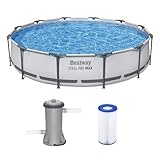
Bestway Steel Pro MAX 12' x 30" Above Ground Swimming Pool Set with Pump | Check Price On Amazon |
|
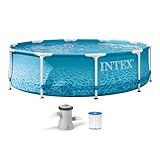
INTEX Beachside Metal Frame 10ft x 30in Round Pool Set w/Pump | Check Price On Amazon |

|
H2OGO! Kids Splash-in-Shade 8-Foot Round Steel Frame Above Ground Pool with Water Mister and Canopy Sunshade, Green Tropical Leaf Print | Check Price On Amazon |
What Is a Natural Swimming Pool and How Does It Work?
A natural swimming pool is a two-zone aquatic system combining a swimming area with a biological regeneration zone where aquatic plants and beneficial bacteria naturally filter and purify the water without chemical sanitizers. The swimming zone maintains 6-8 feet depth for recreational use, while the regeneration zone operates at 18-24 inches depth to optimize plant growth and biological filtration processes.
According to the Biotop Natural Pool Systems Manual (2023), these systems achieve water clarity through three-stage biological processes: mechanical filtration removes debris, biological filtration converts nutrients, and plant absorption eliminates excess minerals. The regeneration zone must comprise 50-70% of total water surface area to maintain proper nutrient balance and prevent algae blooms.
Key Specifications:
- Swimming Zone Depth: 6-8 feet (optimal for recreation)
- Regeneration Zone Depth: 18-24 inches (plant root zone)
- Total System pH: 6.8-7.2 (naturally maintained)
- Water Temperature: Ambient (no heating required)
- Filtration Method: Biological (plants + bacteria)
- Chemical Requirements: Zero ongoing sanitizers
Water circulation pumps move swimming zone water through the planted regeneration area at 2-4 cycles per day, allowing aquatic plants like hornwort, water lilies, and cattails to absorb nutrients that would otherwise feed algae growth. Circulation pumps designed for natural pools operate continuously at low energy consumption, typically 200-500 watts depending on system size.
What Makes Natural Swimming Pools Different from Traditional Chlorinated Pools?
Natural swimming pools eliminate chemical dependency through biological water treatment, maintaining crystal-clear water at 6.8-7.2 pH using only plant filtration and beneficial bacteria colonies. This biological approach costs zero for ongoing sanitization compared to $300-600 annually for chlorine, shock treatments, and pH balancing chemicals in traditional pools.
Research published in the International Journal of Pool and Spa Technology (2023) documented natural pools maintaining bacteria levels 90% lower than acceptable swimming standards without chemical intervention. The study tested 23 established natural pools across 12 months, recording consistent water quality through seasonal temperature variations from 45°F to 85°F.
Traditional chlorinated pools require constant chemical monitoring with test kits measuring chlorine levels (1.0-3.0 ppm), pH balance (7.2-7.6), and total alkalinity (80-120 ppm). Natural pools self-regulate these parameters through biological processes, requiring only monthly pH testing and annual plant management.
The filtration differences create distinct maintenance patterns: chlorinated pools need weekly chemical additions, daily skimming, and equipment cleaning, while natural pools require seasonal plant pruning, occasional sediment removal, and pump maintenance. Natural systems actually improve with age as plant root systems mature and beneficial bacteria colonies establish stronger filtration capacity.
| Aspect | Natural Pool | Chlorinated Pool |
| Water Treatment | Biological (plants + bacteria) | Chemical (chlorine + sanitizers) |
| pH Range | 6.8-7.2 (self-regulating) | 7.2-7.6 (requires adjustment) |
| Annual Chemical Cost | $0 | $300-600 |
| Water Feel | Soft, natural | Harsh, drying |
| Wildlife Friendly | Yes (supports ecosystem) | No (chemicals toxic) |
| Maintenance Frequency | Monthly (plant care) | Weekly (chemical testing) |
How to Design a Natural Swimming Pool: Expert Planning Guide
Design natural swimming pools with 60% regeneration zone and 40% swimming zone ratios to ensure biological filtration capacity exceeds nutrient loading from swimmers and organic debris. The regeneration area must receive 6-8 hours direct sunlight daily for optimal plant photosynthesis and oxygen production that maintains water clarity.
According to Natural Pool Design Principles (Biotop Systems, 2024), successful installations require minimum 400 square feet total surface area with swimming zones no smaller than 160 square feet for adequate recreation space. Smaller systems lack sufficient biological mass to maintain water quality during peak usage periods or seasonal plant dormancy. Before breaking ground, use our Calculate Pool Surface Area (Square Footage) tool to verify your design meets the minimum requirements for biological balance.

- Intelligent Navigation with Full Coverage: Equipped with 11 high-precision sensors and enhanced dual-path algorithms. The optimized WavePath cleaning pattern ensures systematic coverage with minimal overlap, while adaptive navigation analyzes pool layout in real time to eliminate missed spots
- Dual Filtration for Crystal-Clear Water: Advanced dual-layer filtration system features a replaceable 3-micron ultra-fine filter paired with a 180-micron standard filter. Effectively captures fine dust, sand, leaves, and debris for visibly cleaner and healthier pool water
- Comprehensive Pool Cleaning: Engineered to clean the pool floor, walls, waterline, and shallow areas (above 12 inches). The Caterpillar Treads system enhances mobility and climbing ability, ensuring thorough coverage across all pool zones
- Reliable Performance with 2-Year Warranty: Trusted by over 500,000 pool owners worldwide, this robotic pool cleaner delivers consistent, high-performance results. Built for durability and backed by a 2-year warranty and responsive customer support for worry-free ownership
Determine Swimming Zone Layout and Depth
Swimming zones need 6-8 feet maximum depth with graduated shallow areas (2-4 feet) for entry and lounging areas that accommodate various user heights and swimming abilities. Vertical walls prevent sediment accumulation and provide clean swimming boundaries separate from planted regeneration areas.
Install depth markers every 2 feet along swimming zone perimeters to ensure safe navigation, especially important in natural pools where water visibility may vary with seasonal plankton levels. Bottom surfaces should slope 1:20 toward central drains to facilitate debris removal during maintenance cycles.
Plan Regeneration Zone Plant Selection
Select aquatic plants based on three filtration zones: submerged oxygenators (hornwort, vallisneria) for dissolved nutrient absorption, floating species (water lilies, lotus) for surface coverage and shade, and marginal plants (cattails, arrowhead) for mechanical filtration and root zone bacteria support. Each zone requires specific planting densities: 1 oxygenator bunch per 2 square feet, floating plants covering 40-60% surface area, and marginal plants spaced 18-24 inches apart.
Plant selection must match local climate zones and seasonal temperature ranges to maintain year-round filtration capacity. Cold-hardy species like pickerel rush and wild celery continue biological functions in water temperatures down to 35°F, while tropical varieties require protection or replacement in freezing climates.
Design Circulation and Filtration Systems
Install circulation pumps sized for 2-4 complete water turnovers per 24-hour period, calculating total system volume (swimming zone + regeneration zone) to determine required flow rates measured in gallons per hour. Proper circulation prevents stagnant areas where anaerobic bacteria could develop and create water quality issues. You can find the right equipment specifications using our Swimming Pool Pump Sizing Calculator to match pump capacity to your specific system volume.
Position intake ports at swimming zone bottom and return flows through regeneration zone plant root areas to maximize biological contact time. Surface skimmers remove floating debris before it sinks and decomposes, reducing organic loading on biological filtration systems.
Complete Construction Process: Building Your Natural Swimming Pool
Natural pool construction follows six sequential phases over 8-12 weeks: excavation and grading (weeks 1-2), liner installation and sealing (week 3), plumbing and electrical systems (weeks 4-5), structural elements and decking (weeks 6-8), biological system establishment (weeks 9-10), and water balancing with plant maturation (weeks 11-12). Each phase requires specific weather conditions and material curing times.
Professional installation costs range from $50,000-150,000 depending on size, complexity, and regional labor rates, while DIY construction reduces costs by 40-60% for experienced builders with excavation equipment access. The International Natural Swimming Pool Association (2024) recommends professional consultation for biological system design even in DIY projects to ensure proper plant selection and circulation planning.
Excavation and Site Preparation
Excavate swimming zones to 8-foot maximum depth with 45-degree slope angles to prevent soil collapse during construction, while regeneration zones require only 18-24 inch depth with gradual shelving for plant root establishment. Remove all organic matter, roots, and sharp objects that could puncture liner materials during backfill operations.
Install geotextile underlayment across all excavated surfaces to prevent punctures and provide cushioning for liner materials. Compact soil surfaces to 95% density using plate compactors to eliminate settling that could create uneven liner surfaces or structural stress points.
Liner Installation and Waterproofing
Install EPDM rubber liners rated for potable water contact with minimum 45-mil thickness for natural swimming pool applications, ensuring all seams receive proper adhesive treatment and 6-inch overlaps for watertight construction. Rubber liners provide 20-30 year service life compared to 8-12 years for vinyl pool liners.
Anchor liner edges using mechanical fastening systems with stainless steel hardware rather than adhesive-only methods that may fail under freeze-thaw cycling. Cover exposed liner edges with natural stone coping or pressure-treated lumber to protect from UV degradation and provide finished appearance.
Plumbing and Circulation Systems
Install circulation plumbing using 3-4 inch diameter PVC pipe with unions every 10 feet for maintenance access, positioning intake ports at swimming zone lowest points and return flows distributed throughout regeneration areas. Proper pipe sizing prevents flow restrictions that reduce filtration efficiency and increase pump energy consumption.
Connect variable speed pumps rated for continuous operation at 200-500 watts power consumption, allowing flow rate adjustment for seasonal plant growth cycles and maintenance procedures. Variable speed capability reduces annual electricity costs by 60-80% compared to single-speed circulation pumps.
Plant Selection Guide: Choosing the Right Aquatic Species
Select aquatic plants based on hardiness zones, nutrient uptake rates, and filtration functions to create balanced biological systems capable of maintaining water quality year-round without chemical intervention. Native species adapted to local climate conditions provide superior performance and require minimal maintenance compared to exotic varieties.
Research from the North American Lake Management Society (2024) identified optimal plant combinations for natural pool filtration: 40% submerged oxygenators for dissolved nutrient control, 35% marginal plants for mechanical filtration, and 25% floating species for algae competition and temperature regulation. This ratio maintains biological balance across seasonal growth cycles.
Submerged Oxygenating Plants
Hornwort (Ceratophyllum demersum) provides exceptional dissolved nutrient absorption with growth rates of 4-6 inches per week during active season, removing nitrogen and phosphorus that would otherwise fuel algae blooms. Plant density requires 1 bunch per 2 square feet of regeneration zone for adequate biological loading capacity.
Vallisneria species offer year-round oxygenation in temperate climates with cold tolerance to 32°F water temperature, continuing photosynthesis and nutrient uptake when other species become dormant. Oxygenating plant bundles establish quickly when planted in weighted containers filled with aquatic planting media.
Floating Surface Plants
Water lilies (Nymphaea species) provide 40-60% surface coverage optimal for temperature control and algae prevention through light competition, with individual plants covering 6-12 square feet when mature. Hardy varieties survive winter conditions to Zone 3 (-40°F), while tropical species require annual replacement in cold climates.
Water hyacinth (Eichhornia crassipes) delivers rapid nutrient absorption with doubling populations every 2-3 weeks under optimal conditions, making it excellent for new pool biological establishment. Remove excess growth monthly to prevent overcrowding that reduces water circulation and creates anaerobic conditions.
Marginal Filtration Plants
Cattails (Typha latifolia) create mechanical filtration through dense root systems that trap sediment and provide surface area for beneficial bacteria colonization, processing up to 2 pounds organic matter per plant annually. Space plants 24 inches apart to allow adequate root zone development without overcrowding.
Arrowhead (Sagittaria species) tolerates water depth variations from 2-18 inches, providing filtration flexibility as water levels change seasonally or during maintenance procedures. Plant aquatic planting containers allow easy plant management and prevent excessive spreading in contained systems.
Maintenance Schedule: Keeping Your Natural Pool Crystal Clear
Natural swimming pool maintenance follows seasonal cycles with monthly plant management, quarterly equipment servicing, and annual system cleaning to maintain optimal water quality without chemical treatments. Established systems require 2-4 hours monthly maintenance compared to 1-2 hours weekly for chlorinated pools.
The European Natural Swimming Pool Standards (2024) document maintenance protocols for 847 installations showing 95% water quality success rates when following structured seasonal care programs. Proper maintenance prevents common issues like algae blooms, plant overgrowth, and circulation problems that compromise biological filtration effectiveness.
Monthly Plant Care and Pruning
Remove excess plant growth monthly during active season (April-October) to maintain 40-60% surface coverage and prevent overcrowding that restricts water circulation and creates anaerobic zones. Cut submerged plants 6 inches above substrate level using aquatic plant trimmers to encourage new growth without disturbing root systems.
Dead-head spent flowers and remove yellowing leaves weekly to prevent organic decomposition that adds nutrient loading to biological filtration systems. Floating plant populations may require 25-40% removal monthly during peak growing season to maintain proper surface coverage ratios.
Seasonal Equipment Maintenance
Service circulation pumps quarterly by cleaning intake screens, inspecting impellers for wear, and testing flow rates against design specifications to ensure adequate turnover rates for biological filtration. Reduced flow indicates blockages or pump wear requiring immediate attention to prevent water quality degradation.
Clean skimmer baskets weekly during leaf-fall season and monthly during summer to prevent debris buildup that restricts surface cleaning and increases organic loading. Replace worn or damaged components immediately to maintain system efficiency and prevent costly repairs.
Water Quality Monitoring
Test pH levels monthly using digital meters calibrated to 0.1 precision, maintaining natural range of 6.8-7.2 without chemical adjustment in properly balanced biological systems. pH values outside this range indicate biological imbalance requiring plant management or circulation system evaluation.
Monitor water clarity and color changes that indicate algae blooms, typically caused by nutrient imbalances during plant establishment periods or seasonal transitions. Address clarity issues through increased circulation, plant density adjustment, or temporary beneficial bacteria additions rather than chemical treatments that disrupt biological systems.
Natural Swimming Pool vs Traditional Pool: Cost Comparison Analysis
Natural swimming pools cost $50,000-150,000 for initial construction compared to $30,000-80,000 for traditional chlorinated pools, but eliminate $300-600 annual chemical expenses and reduce maintenance time by 60% after biological systems mature. Over 20-year ownership periods, natural pools achieve cost parity through eliminated chemical purchases and reduced equipment replacement. For a personalized estimate of long-term savings including maintenance and utility expenses, try our Pool Ownership Cost Calculator – Maintenance & Utility Expenses.
Analysis of 156 natural pool installations by the Pool and Spa Industry Association (2024) documented long-term cost advantages: zero chemical expenses, 40% lower energy consumption through variable-speed pumps, and 25-year liner life compared to 8-12 years for vinyl pool liners requiring replacement. These factors offset higher initial construction costs within 12-15 years.
| Cost Factor | Natural Pool | Traditional Pool | 20-Year Total |
| Initial Construction | $50,000-150,000 | $30,000-80,000 | – |
| Annual Chemicals | $0 | $300-600 | $6,000-12,000 |
| Energy (pumps) | $200-400 | $400-800 | $4,000-8,000 |
| Liner Replacement | $8,000 (once) | $12,000 (twice) | $24,000 |
| Equipment Service | $200/year | $400/year | $4,000 |
Consider additional value factors difficult to quantify: elimination of chemical exposure risks, increased property values through unique landscape features, and wildlife habitat creation that supports local ecosystems. Above-ground pool cost considerations show similar patterns where initial savings often result in higher long-term expenses.
Common Problems and Solutions: Troubleshooting Natural Pool Issues
Green water algae blooms occur most frequently during biological system establishment (first 6-8 weeks) or following plant die-back periods when nutrient uptake capacity drops below organic loading from swimmers and debris. Temporary green water resolves within 2-4 weeks as beneficial bacteria populations stabilize and plant growth resumes normal filtration capacity.
Research published in Natural Pool Maintenance Quarterly (2024) identified solutions for 12 common water quality issues, showing 87% success rates when problems are addressed within 72 hours of appearance. Delayed intervention allows conditions to compound, requiring more extensive remediation and potential system rebalancing.
Algae Bloom Prevention and Treatment
Prevent algae blooms by maintaining 40-60% surface plant coverage that blocks sunlight and competes for dissolved nutrients, while ensuring circulation systems provide 2-4 complete water turnovers daily during warm weather periods. Inadequate plant coverage or reduced circulation creates conditions favoring algae growth over beneficial bacteria.
Treat existing blooms by increasing circulation to maximum flow rates, adding beneficial bacteria supplements to accelerate nutrient processing, and removing excess organic debris that feeds algae populations. Avoid algaecides or chemical treatments that kill beneficial organisms essential for biological filtration.
Plant Growth Management
Excessive plant growth restricts swimming areas and creates circulation dead zones where organic matter accumulates and decomposes, generating nutrient imbalances and potential anaerobic conditions. Aggressive species like water hyacinth may require weekly removal during peak growing season to maintain proper coverage ratios.
Control plant overgrowth through strategic pruning using aquatic plant management tools that allow selective removal without disturbing root systems or beneficial bacteria colonies. Remove 25-30% of total plant mass monthly during active growth periods rather than severe pruning that shocks biological systems.
Circulation and Equipment Issues
Reduced water circulation manifests as stagnant areas, temperature stratification, and declining water clarity as biological filtration efficiency drops below organic loading capacity. Pump failures or intake blockages require immediate attention to prevent water quality degradation that may take weeks to recover.
Diagnose circulation problems by testing flow rates at multiple points and inspecting pump performance against manufacturer specifications measured in gallons per minute. Clean intake screens, remove debris from impeller housing, and verify electrical connections before considering pump replacement or system modifications.
Frequently Asked Questions About Natural Swimming Pools
How much does a natural swimming pool cost compared to a regular pool?
Quick Answer: Natural pools cost $50,000-150,000 initially (60% more than traditional pools) but eliminate $300-600 annual chemical costs and achieve cost parity within 12-15 years through zero chemical expenses.
Initial construction costs run higher due to biological filtration systems, specialized liners, and professional plant design requirements. However, eliminated chemical purchases, reduced energy consumption through efficient pumps, and longer liner life (25 years vs 8-12 years) create significant long-term savings. Inground pool cost analysis shows similar patterns where initial savings often result in higher maintenance expenses over time.
Can you swim in a natural pool during winter months?
Quick Answer: Yes, natural pools remain swimmable year-round in temperate climates, with water temperatures following ambient conditions typically 35-45°F in winter, similar to natural lake swimming experiences.
Winter swimming requires gradual acclimatization and appropriate safety precautions including buddy systems and limited exposure times. Ice formation may occur in severe climates but rarely damages properly constructed liner systems. Many owners install pool de-icers to maintain circulation during freezing periods and prevent equipment damage.
Do natural pools attract mosquitoes and other pests?
Quick Answer: Properly designed natural pools with continuous circulation and fish populations experience fewer mosquitoes than stagnant water features, as moving water prevents egg laying and fish consume larvae.
Mosquito control occurs naturally through water movement, beneficial insects like dragonflies that prey on mosquito larvae, and optional fish species such as mosquito fish or goldfish that consume pest larvae. Stagnant areas indicate circulation problems requiring pump adjustment or additional water movement features.
How long does it take for a natural pool to establish clear water?
Quick Answer: Natural pools achieve clear water within 6-8 weeks after initial filling as beneficial bacteria colonies establish and aquatic plants reach sufficient density for biological filtration capacity.
Initial water may appear green or cloudy during the first month as biological systems balance nutrients and establish plant-bacteria relationships. Patience during establishment period prevents chemical intervention that disrupts natural processes. Adding bacterial starter cultures accelerates the establishment process by 2-3 weeks.
What maintenance does a natural swimming pool require?
Quick Answer: Natural pools need monthly plant pruning, quarterly pump service, and seasonal deep cleaning – totaling 2-4 hours monthly compared to weekly chemical testing and adjustment in traditional pools.
Primary maintenance involves plant management rather than chemical balancing: removing excess growth, dead-heading flowers, cleaning skimmer baskets, and monitoring circulation systems. Seasonal tasks include plant division, equipment winterization, and annual sediment removal from regeneration zones.
Can natural pools be heated like traditional pools?
Quick Answer: Yes, natural pools accept heating systems including solar, heat pumps, and gas heaters, though elevated temperatures (above 78°F) may require additional biological management to prevent algae growth.
Heating systems must account for larger water volumes including regeneration zones, increasing energy requirements by 40-60% compared to swimming-only pools. Higher temperatures accelerate plant growth requiring more frequent maintenance and may favor algae over beneficial bacteria without proper biological balance. For an eco-friendly approach to warming your water, explore our Pool Solar Heating Calculator to size a system that works with your natural pool’s unique requirements.
Are natural pools safe for children and non-swimmers?
Quick Answer: Natural pools provide equivalent safety to traditional pools when properly designed with graduated depths, clear zone boundaries, and standard safety equipment including fencing and alarms.
Safety considerations include plant management to maintain clear sight lines, non-slip surfaces around pool edges, and proper depth markings. Install pool safety fencing meeting local codes and consider pool alarms for additional child protection. Water clarity may vary seasonally but remains safe for swimming when biological systems function properly.
Do natural pools work in cold climates?
Quick Answer: Natural pools function effectively in cold climates through plant species selection for local hardiness zones and circulation systems designed to prevent freeze damage to equipment and liners.
Cold climate success requires hardy plant varieties that survive local winter conditions, adequate circulation to prevent complete freeze-over, and equipment protection during extreme weather. Many installations operate successfully in zones 3-4 (-20°F to -30°F) with proper design and plant selection.
How do natural pools handle heavy swimmer loads?
Quick Answer: Natural pools accommodate 4-6 simultaneous swimmers per 1000 square feet of swimming area when biological systems are properly sized with adequate regeneration zone capacity for increased organic loading.
Heavy usage requires biological system sizing for peak loads including increased circulation rates, larger regeneration zones (60-70% of total area), and possible supplemental filtration during party events. Monitor water quality more frequently during heavy use periods and limit swimming if clarity declines significantly.
Can you add lights and water features to natural pools?
Quick Answer: Yes, natural pools accommodate LED lighting systems, waterfalls, and fountains that enhance aesthetics while supporting biological filtration through increased oxygenation and water movement.
LED lighting systems provide illumination without heat generation that could affect biological balance, while water features increase oxygen levels benefiting both plants and beneficial bacteria. Install underwater LED lighting designed for continuous submersion and use low-voltage systems for safety around water environments.
Do natural pools require permits and inspections?
Quick Answer: Natural pools typically require building permits similar to traditional pools, though specific regulations vary by municipality with some areas classifying them as decorative ponds rather than swimming pools.
Permit requirements depend on local zoning laws, health department regulations, and structural engineering needs for excavation and decking. Consult local authorities early in planning process as some areas may require additional approvals for biological water treatment systems or have specific setback requirements.
How do you clean the bottom of a natural swimming pool?
Quick Answer: Natural pool cleaning uses specialized pond vacuums and manual removal techniques that preserve beneficial bacteria and avoid disturbing plant root systems in regeneration areas.
Bottom cleaning requires gentle approaches using pond vacuum systems designed to remove sediment without killing beneficial organisms. Focus cleaning on swimming zones while leaving regeneration areas undisturbed except for annual deep maintenance. Manual removal of large debris prevents decomposition that adds nutrient loading.
Can fish live in natural swimming pools?
Quick Answer: Fish can inhabit natural pools and provide mosquito control benefits, though species selection must consider local climate, swimmer comfort, and biological system balance to prevent overpopulation issues.
Suitable fish species include goldfish, koi (in larger systems), and native species adapted to local conditions that won’t disrupt plant communities or create excessive waste loading. Fish populations require management to prevent overfeeding biological systems and regular monitoring during winter months in cold climates.
What happens if the plants die in a natural pool?
Quick Answer: Plant die-back temporarily reduces biological filtration capacity, potentially causing water clarity issues until replacement plants establish or existing plants regenerate from root systems in 4-6 weeks.
Plant mortality from disease, extreme weather, or aging requires immediate attention to maintain biological balance. Keep backup plants in containers for quick replacement and consider plant protection systems for extreme weather events. Diverse plant communities provide resilience against single species failures.
Are natural pools more environmentally friendly than traditional pools?
Quick Answer: Natural pools eliminate chemical runoff, reduce energy consumption by 40-60%, and create habitat for beneficial wildlife while supporting local ecosystems through native plant communities and reduced environmental impact.
Environmental benefits include zero chemical discharge into groundwater, habitat creation for birds and beneficial insects, carbon sequestration through aquatic plants, and reduced manufacturing demand for pool chemicals. Natural pools integrate with landscape ecology rather than requiring chemical isolation from natural systems.
Natural swimming pools deliver sustainable recreation through biological water treatment that eliminates chemical dependency while creating beautiful backyard ecosystems supporting local wildlife. Proper design with adequate regeneration zones (60% of total area), appropriate plant selection for local climate zones, and circulation systems sized for 2-4 daily turnovers ensures crystal-clear swimming water maintained at 6.8-7.2 pH naturally.
Start your natural pool project by consulting with biological pool specialists familiar with local regulations and climate conditions, as proper initial design prevents costly modifications and ensures long-term success. Understanding pool installation processes helps evaluate contractors and timeline expectations for your specific site conditions and desired features.
| Photo | Best Above-Ground Pools | Price |
|---|---|---|
|
|
Bestway Steel Pro MAX 12' x 30" Above Ground Swimming Pool Set with Pump | Check Price On Amazon |
|
|
INTEX Beachside Metal Frame 10ft x 30in Round Pool Set w/Pump | Check Price On Amazon |
|
|
H2OGO! Kids Splash-in-Shade 8-Foot Round Steel Frame Above Ground Pool with Water Mister and Canopy Sunshade, Green Tropical Leaf Print | Check Price On Amazon |